Identificação e contexto básico
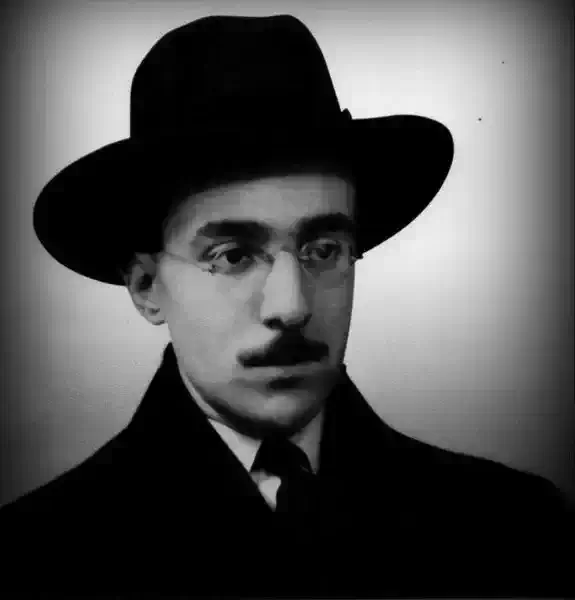
Fernando António Nogueira Pessoa é amplamente conhecido como Fernando Pessoa. Nasceu em Lisboa, Portugal, a 13 de junho de 1888, e faleceu na mesma cidade a 30 de novembro de 1935.
Veio de uma família de classe média. O seu pai, D. Luís Vaz de Jesus Correia de Sá, era funcionário público e crítico musical no jornal 'A Civilização', e a sua mãe, D. Maria Madalena Pinheiro Nogueira, era filha do Coronel Pinheiro Nogueira, que administrava a Typographia da 'A Civilização'. A morte prematura do pai, quando Pessoa tinha cinco anos, e a subsequente viuvez da mãe, que se casou com o cônsul português em Durban, África do Sul, João Miguel dos Reis Quimby, influenciaram profundamente a sua infância e o seu desenvolvimento.
Pessoa era português e escrevia primariamente em português, mas também demonstrava proficiência em inglês e francês, línguas que utilizou em algumas das suas obras, especialmente nas fases iniciais. Viveu num período de grandes transformações sociais, políticas e culturais em Portugal e na Europa, marcado pelo fim da Monarquia e o início da República em Portugal, e pelas I e II Guerras Mundiais.
Infância e formação
A infância de Pessoa foi marcada pela perda precoce do pai e pela mudança para a África do Sul, onde viveu até aos dezassete anos. Esta experiência transcultural proporcionou-lhe um contacto precoce com a língua e a cultura inglesas, que moldaram a sua formação intelectual e literária. Foi educado na St. Joseph's Academy e, mais tarde, no Durban High School, onde se destacou em línguas e literatura. A leitura de autores clássicos e contemporâneos em inglês, como Shakespeare, Milton, Byron, e Edgar Allan Poe, foi fundamental. O ambiente de Durban, com a sua diversidade cultural, também pode ter contribuído para o desenvolvimento da sua imaginação e da sua sensibilidade para as diferentes identidades.
Percurso literário
O início da escrita de Pessoa remonta à sua adolescência, com poemas em inglês. A transição para o português e o desenvolvimento dos seus heterónimos marcaram o seu percurso literário. A sua obra é vasta e complexa, com diferentes fases que refletem a sua evolução estilística e temática. Publicou em diversas revistas literárias portuguesas, como a 'Orpheu', que foi marco do Modernismo português, e participou em antologias. Foi também crítico literário e tradutor, demonstrando a sua versatilidade.
Obra, estilo e características literárias
Obra, estilo e características literárias
A obra de Fernando Pessoa é dominada pela exploração da fragmentação do eu, da identidade e da realidade. Temas como a dor de pensar, a saudade, a busca pela transcendência, a efemeridade do tempo e a condição humana são centrais. O seu estilo varia imensamente entre os seus heterónimos (Alberto Caeiro, Ricardo Reis, Álvaro de Campos, Bernardo Soares, entre outros), cada um com a sua própria métrica, vocabulário e visão do mundo. Caeiro representa o poeta da natureza, da simplicidade e da negação da metafísica; Reis, o neoclássico estoico, que busca a serenidade e a medida; Campos, o futurista, o poeta da modernidade, da máquina e da exaltação das sensações.
Pessoa utilizou diversas formas poéticas, do soneto à forma fixa e ao verso livre, experimentando constantemente com a métrica e a estrutura. A sua linguagem é rica e complexa, com uma densidade imagética notável e um uso frequente de metáforas e símbolos. A voz poética pode ser lírica, confessional, satírica, filosófica e irónica, refletindo a multiplicidade de consciências que habitavam o seu ser.
Obra, estilo e características literárias
Contexto cultural e histórico
Pessoa viveu numa época de grande efervescência cultural e de profundas mudanças em Portugal. Foi um dos principais impulsionadores do Modernismo português, através da revista 'Orpheu' (1915), que propunha uma ruptura com a tradição e a introdução de novas linguagens e estéticas. A sua obra dialoga com as correntes filosóficas e literárias da sua época, como o simbolismo, o futurismo, o dadaísmo e o surrealismo, embora tenha desenvolvido uma estética singular. A sua posição perante a sociedade e a política era complexa, marcada por uma certa desilusão e distanciamento, embora tenha manifestado interesse por questões nacionais.
Obra, estilo e características literárias
Vida pessoal
A vida pessoal de Pessoa foi marcada por uma certa reclusão e uma intensa vida interior. As suas relações afetivas foram complexas, com destaque para a sua relação com Ofélia Queiroz, que inspirou parte da sua obra. A sua amizade com Mário de Sá-Carneiro foi crucial para o seu percurso literário. Profissionalmente, trabalhou como correspondente comercial, profissão que lhe permitiu manter a sua independência e dedicar-se à escrita.
Obra, estilo e características literárias
Reconhecimento e receção
Em vida, Pessoa teve um reconhecimento limitado, publicando apenas alguns poemas e o livro 'Mensagem'. A sua obra mais vasta e complexa, especialmente a escrita em português e a dos seus heterónimos, só foi amplamente descoberta e publicada postumamente, graças ao trabalho de investigadores e editores. Atualmente, é considerado um dos maiores poetas de língua portuguesa e uma figura incontornável da literatura mundial, com a sua obra a ser objeto de estudo e admiração em todo o mundo.
Obra, estilo e características literárias
Influências e legado
Pessoa foi influenciado por autores clássicos e modernos, como Shakespeare, Camões, Edgar Allan Poe, Walt Whitman e Nietzsche. O seu legado é imenso, tendo influenciado gerações de poetas e escritores em Portugal e no Brasil. A sua exploração da identidade e da multiplicidade do eu revolucionou a poesia moderna e continua a ser uma referência para a literatura contemporânea. A sua obra tem sido amplamente traduzida e estudada.
Obra, estilo e características literárias
Interpretação e análise crítica
A obra de Pessoa é objeto de inúmeras interpretações. A questão da identidade, da fragmentação do eu, da relação entre o real e o aparente, e a busca por um sentido para a existência são temas recorrentes. Críticos debatem a sua relação com o nacionalismo, o misticismo e a psicanálise. A genialidade na criação dos heterónimos e a sua capacidade de dar voz a diferentes consciências são pontos centrais na análise crítica.
Obra, estilo e características literárias
Curiosidades e aspetos menos conhecidos
Pessoa era conhecido pelo seu comportamento reservado e pela sua vida aparentemente discreta. No entanto, a sua intensa vida interior e a multiplicidade de personalidades que habitavam o seu ser são um dos aspetos mais fascinantes. Há relatos sobre os seus hábitos de escrita, a sua caligrafia peculiar e a sua relação com os manuscritos e a organização da sua vasta obra.
Obra, estilo e características literárias
Morte e memória
Fernando Pessoa faleceu aos 47 anos, no Hospital de Santa Maria, em Lisboa, vítima de uma indisposição intestinal, possivelmente apendicite, deixando um legado literário colossal e amplamente inexplorado em vida. A publicação póstuma da sua obra, iniciada nas décadas seguintes à sua morte, desvendou a dimensão total do seu génio e consolidou o seu lugar na história da literatura mundial.


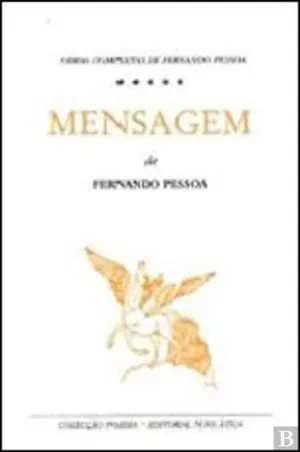
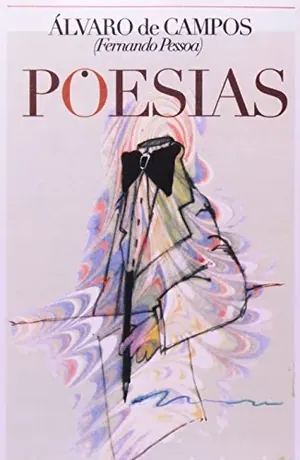
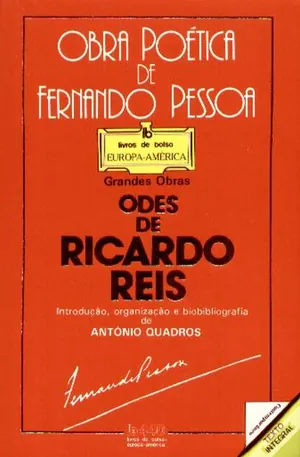
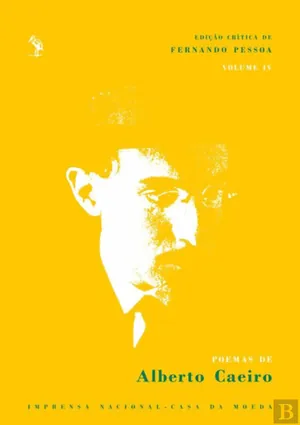
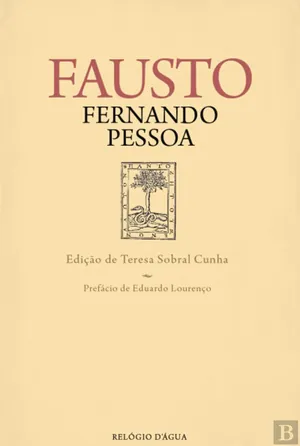
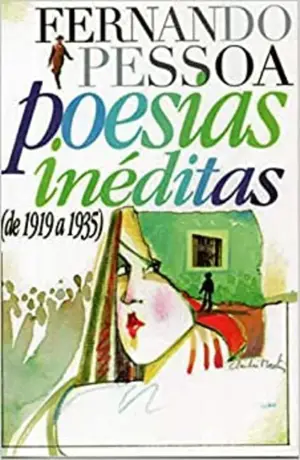
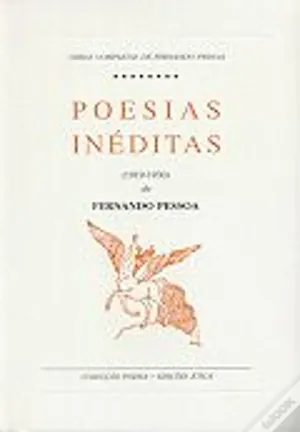
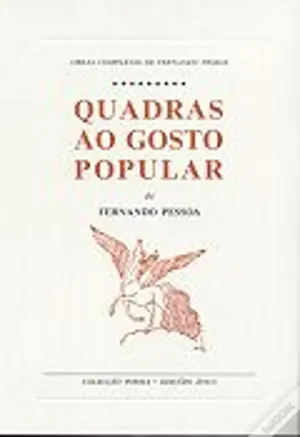
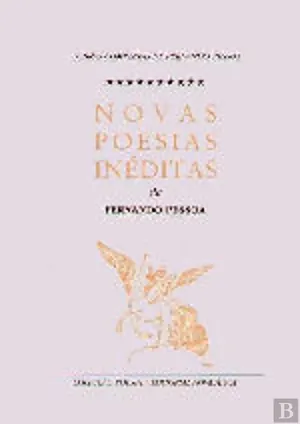
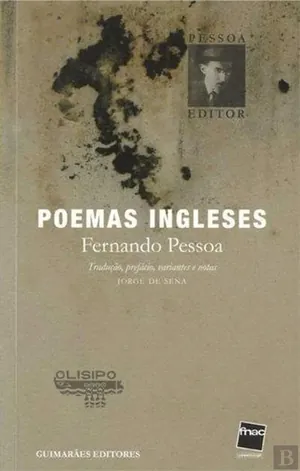
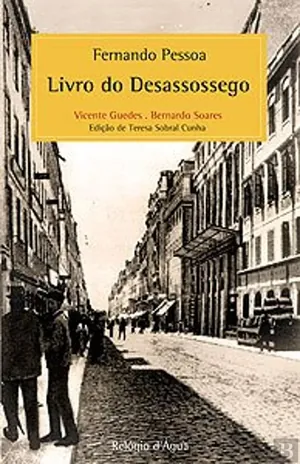




pode alguem me ajudar em relacao da referencia de publicao deste livro
Sim Fernando
Amo Fernando Pessoa, e o meu preferido é AQUI NA ORLA DA PRAIA...
O Cosmos descortinado...O sonho coberto de poesias...Assim é Fernando Pessoa.
Great Man ...
e lindo
Tantas citações que poderiam usar, e usam logo uma que a Internet lhe tem atribuído erradamente...
alguem podia me fazer uma interpretação do poema sff?
Gostei do blog
O Fernando Pessoa é um exemplo para qualquer "Pessoa", Rsrsrs.
adorei por ele foi muito emportate eu adorei a historia dele
bem eu acho que ele tem uma forma unica de se expresar apesar de tudo que ele pasou na infancia nao desistiu dos seus sinho em nenhum momento e isso que temos que capitar ou seja jugar mais nossos pensamentos
Fernando Pessoa escreveu com coração as vezes triste outra vez felíz,foi lindo.
È muito entereçante da estoria e das epocas que foram lançadas na quele tau dia e é só obrigado. Ass;ESDRAS.
eu acho que fernando pessoa foi um grande homem porque nao teve uma infancia facil mas nem assim desistiu,saiu do pais aprendeu uma lingua nova e tb renunciou ao seu verdadeiro amor por causa do seu trabalho e da sua profissão. por isso é que ele é um grande poeta e um grande escritor
eu acho que fernando pessoa foi um grande poeta mas tambem um grande homem a nivel pessoal. ja li um dos livros que falava sobre a sua vida e gostei,ele tambem não teve uma infancia facil como nos temos agora por isso é que eu admiro muito o fernando pessoa como escritor e poeta. tambem ele teve que renunciar ao seu verdadeiro amor para proceguir com a sua carreira nós provavelmente nao faria-mos isso.por isso não devemos julgar as pessoas pela sua aparencia fisica mas sim pelo seu interior. eu gosto de fernando pessoa
adoro fernando pessoa, então agora desde que comecei a compreender...
É estremamente profunda, a simplicidade de um toque, o fato de se sentir tocado por uma pessoa que supostamente te faz feliz... é explendido e verdadeiro. Diana.
Que pena!Hoje em dia os jovens não serem apreciadores de uma bôa obra literária.Fernando Pessoa foi um dos poetas mais sincero que tive o prazer de ler,ele se conhecia...
Simplesmente, Fernando Pessoa foi e sempre será um grande mestre da Poesia. Adoro seus poemas, suas crônicas, enfim, tudo o que Ele escreveu.
oi ele e tudo de bom , que ler fernando pessoa ,fica a cada dia melhor como pessoa e aluno .bjs
muito bom vemos grandes sabedorias,belos poemas de muita classe,basta ter bom senso para adimitir seu belo trabalho!!!!
Adorei
O jeito dele de escrever, o seu caráter é raro hoje em dia, ninguém mais se preocupa com a linguagem! Muitos ainda parece que nem sabe o que é isso, nem se interessam com os poemas, que são lindos, e os deles são interessantíssiiiimos!
fdz olha como ela é grande!
é grande, mais vale a pena
Eu amei tudos os poemas E adimiro bastante o poeta Fernando Pessoa ele tem uns poemas Muito lindo que meche com agente Gostei muito mesmo
amei isso e de mais
gostei muito
olha...e bom saber sobre...mas bem q poderia da uma resumida boa nessa boigrafia
gostei muito
eu acho uma poca vergonha andarem a escrever coisas mas de Fernando Pessoa vosses secalhar ja leram os livros dele e gostaram. Olha eu gostei
fernabdo pessoa foi um grande poesta e sera no nosso coralao
Eu acho que ele foi um grande poeta e que sociedade nunca o espuecerá............
horror
Eu nao gostei nada ele é boé cota arranjem alguem novo
Muito lindoo