

Poemas neste tema
Outros
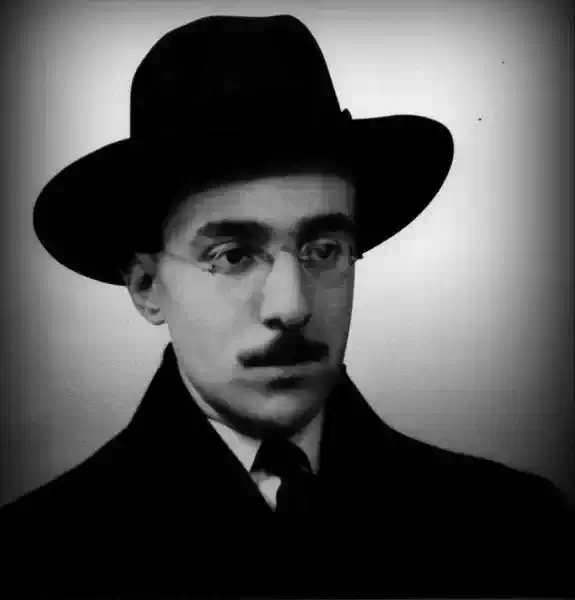
Fernando Pessoa
4 - SPELL
SPELL
From the moonlit brink of dreams
I stretch foiled hands to thee,
O borne down other streams
Than eye can think to see!
O crowned with spirit beams!
O veiled spirituality!
My dreams and thoughts abate
Their pennons at thy feet.
O angel born too late
For fallen man to meet!
In what new sensual state
Could our twined lives feel sweet?
What new emotion must
I dream to think thee mine?
What purity of lust?
O tendrilled as a vine
Around my caressed trust!
O dream-pressed spirit-wine!
4 632
1
Fernando Pessoa
SONNET - Could I say what I think, could I express
SONNET
Could I say what I think, could I express
My every hidden and too-silent though,
And bring my feelings, in perfection wrought,
To one unforced point of living stress.
Could I breathe forth my soul, could I confess
The inmost secrets to my nature brought;
I might be great, yet none to me hath taught
A language well to figure my distress.
Yet day and night to me new whispers bring,
And night, and day from me old whispers take...
Oh for a word, one phrase in which to fling
All that I think and feel, and so to wake
The world; but I am dumb and cannot sing,
Dumb as You clouds before the thunders break.
Alexander Search, May 1904
4 802
1
Fernando Pessoa
16 - LULLABY
LULLABY *
My heart is full of lazy pain
And an old English lullaby
Comes out of that mist of my brain.
Upon my lap my sovereign sits
And sucks upon my breast;
Meantime his love maintains my life
And gives my sense her rest.
Sing lullaby, my little boy,
Sing lullaby, mine only joy!
I would give all my singing trade
To be the distant English child
For whom this happy song was made.
When thou hast taken thy repast,
Repose, my babe, on me;
So may thy mother and thy nurse
Thy cradle also be.
Sing lullaby, my little boy,
Sing lullably, mine only joy!
There must have been true happiness
Near where this song was sung to small
White hands clutching a mother's dress.
I grieve that duty doth not work
All that my wishing would,
Because I would not be to thee
But in the best I should.
Sing lullaby, my little boy,
Sing lullaby, mine only joy!
O what a sorrow comes to me
Knowing the bitterness I have
While that child had this lullaby!
Yet as I am, and as I may,
I must and will be thine,
Though all too little for thy self
Vouchsafing to be mine,
Sing lullaby, my little boy,
Sing lullaby, mine only joy!
My heart aches to be able to weep.
O to think of this song being sung
And the child smiling in its sleep!
Upon my lap my sovereign sits
And sucks upon my breast;
Meantime his love maintains my life
And gives my sense her rest.
Sing lullaby, my little boy,
Sing lullaby, mine only joy!
I was a child too, but would now
Be the child, and no other hearing
This song low-breathed upon its brow.
When thou hast taken thy repast,
Repose, my babe, on me,
So may thy mother and thy nurse
Thy cradle also be.
Sing lullaby, my little boy,
Sing lullaby, mine only joy!
O that I could return to that
Happy time that was never mine
And which I live but to regret!
I grieve that duty doth not work
All that my wishing would,
Because I would not be to thee
But in the best I should.
Sing lullaby, my little boy,
Sing lullaby, mine only joy!
Ay, sing on in my soul, old voice,
So motherfully laying to sleep
The babe that quietly doth rejoice.
Yet as I am, and as I may,
I must and will be thine,
Though all too little for thy self
Vouchsafing to be mine.
Sing lullaby, my little boy,
Sing lullaby, mine only joy!
Sing on and let my heart not weep
Because sometime a child could have
This song to lull him into sleep!
Yet as I am, and as I may,
I must and will be thine,
Though all too little for thy self
Vouchsafing to be mine.
Sing lullaby, my little boy,
Sing lullaby, mine only joy!
Somehow somewhere I heard this song,
I was part of the happiness
That lived its idle lines along.
Yet as I am, and as I may,
I must and will be thine,
Though all too little for thy self
Vouchsafing to be mine.
Sing lullaby, my little boy
Sing lullaby, mine only joy!
Ay, somehow, somewhere I was that
Child, and my heart lay happy asleep.
Now – oh my sad and unknown fate!
* The «Lullaby» quoted is the 134th. poem in Palgrave's Golden Treasury. It was taken by him from Martin Peerson's Private Music, a Song-Book of 1620. The «Lullaby» is here given twice over, and the last stanza twice again.
4 882
1
Fernando Pessoa
REGRET
REGRET
I would that I were again a child
And a child you sweet and pure,
That we might be free and wild
In our consciousness obscure;
That we might play fantastic games
Under trees silent and shady,
That we might have fairy-book names,
I be a lord, you a lady.
And all were a strong ignorance
And a healthy want of thought,
And many a prank, many a dance
Our unresting feet had wrought;
And I would act well a clown's part
To your childish laughter winning,
And I would call you my sweetheart
And the name would have no meaning.
Or sitting close we each other would move
With tales that now gone are sad;
We would have no sex, would feel no love,
Good without fighting the bad.
And a flower would be our life's delight
And a nutshell boat our treasure:
We would lock it in a cupboard at night
As in memory a pleasure.
We would spend hours and days like a wealth
Of goodness too great to cloy,
We would deep enjoy innocence and health
Knowing not we did enjoy...
Ah, what bitterest is is that alone
Now one feeling in me I trace –
That knowledge of what from us hath gone
And of what it left in its place.
Alexander Search
May 29th. 1907
4 797
1
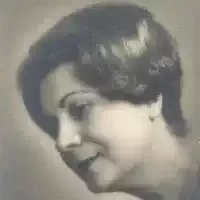
Natércia Freire
Canção do Verdadeiro Abandono
Podem todos rir de mim,
podem correr-me à pedrada,
podem espreitar-me à janela
e ter a porta fechada.
Com palavras de ilusão
não me convence ninguém.
Tudo o que guardo na mão
não tem vislumbres de além.
Não sou irmã das estrelas,
nem das pombas nem dos astros.
Tenho uma dor consciente
de bicho que sofre as pedras
e se desloca de rastos.
1 489
1
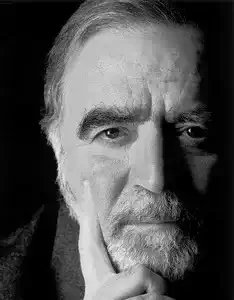
Manuel Alegre
Variações sobre
O POEMA POUCO ORIGINAL DO MEDO
de Alexandre ONeill
Os ratos invadiram a cidade
povoaram as casas os ratos roeram
o coração das gentes.
Cada homem traz um rato na alma.
Na rua os ratos roeram a vida.
É proibido não ser rato.
Canto na toca. E sou um homem.
Os ratos não tiveram tempo de roer-me
os ratos não podem roer um homem
que grita não aos ratos.
Encho a toca de sol.
(Cá fora os ratos roeram o sol).
Encho a toca de luar.
(Cá fora os ratos roeram a lua).
Encho a toca de amor.
(Cá fora os ratos roeram o amor).
Na toca que já foi dos ratos cantam
os homens que não chiam. E cantando
a toca enche-se de sol.
(O pouco sol que os ratos não roeram).
3 822
1
Fernando Pessoa
XIV - This covers me, that erst had the blue sky.
This covers me, that erst had the blue sky.
This soil treads me, that once I trod. My hand
Put these inscriptions here, half knowing why;
Last, and hence seeing all, of the passing band.
Lisbon, 1920
This soil treads me, that once I trod. My hand
Put these inscriptions here, half knowing why;
Last, and hence seeing all, of the passing band.
Lisbon, 1920
4 400
1
Fernando Pessoa
Tudo que sou não é mais do que abismo
Tudo o que sou não é mais do que abismo
Em que uma vaga luz
Com que sei que sou eu, e nisto cismo,
Obscura me conduz.
Um intervalo entre não-ser e ser
Feito de eu ter lugar
Como o pó, que se vê o vento erguer,
Vive de ele o mostrar.
Em que uma vaga luz
Com que sei que sou eu, e nisto cismo,
Obscura me conduz.
Um intervalo entre não-ser e ser
Feito de eu ter lugar
Como o pó, que se vê o vento erguer,
Vive de ele o mostrar.
5 053
1

Almeida Garrett
Gozo e dor
Se estou contente, querida,
Com esta imensa ternura
De que me enche o teu amor?
Não. Ai não; falta-me a vida;
Sucumbe-me a alma à ventura:
O excesso de gozo é dor.
Dói-me alma, sim; e a tristeza
Vaga, inerte e sem motivo,
No coração me poisou.
Absorto em tua beleza,
Não sei se morro ou se vivo,
Porque a vida me parou.
É que não há ser bastante
Para este gozar sem fim
Que me inunda o coração.
Tremo dele, e delirante
Sinto que se exaure em mim
Ou a vida ou a razão.
2 804
1
Fernando Pessoa
Bóiam farrapos de sombra
Bóiam farrapos de sombra
Em torno ao que não sei ser.
É todo um céu que se escombra
Sem me o deixar entrever.
O mistério das alturas
Desfaz-se em ritmos sem forma
Nas desregradas negruras
Com que o ar se treva torna.
Mas em tudo isto, que faz
O universo um ser desfeito,
Guardei, como a minha paz,
A sprança, que a dor me traz,
Apertada contra o peito.
4 959
1
Fernando Pessoa
26 - Às vezes, em dias de luz perfeita e exacta,
Às vezes, em dias de luz perfeita e exacta,
Em que as coisas têm toda a realidade que podem ter,
Pergunto a mim próprio devagar
Porque sequer atribuo eu
Beleza às coisas.
Uma flor acaso tem beleza?
Tem beleza acaso um fruto?
Não: têm cor e forma
E existência apenas.
A beleza é o nome de qualquer coisa que não existe
Que eu dou às coisas em troca do agrado que me dão.
Não significa nada.
Então porque digo eu das coisas: são belas?
Sim, mesmo a mim, que vivo só de viver,
Invisíveis, vêm ter comigo as mentiras dos homens
Perante as coisas,
Perante as coisas que simplesmente existem.
Que difícil ser próprio e não ser senão o visível!
3 047
1

Fernando Tavares Rodrigues
Carta de Amor
Para te dizer tão-só que te queria
Como se o tempo fosse um sentimento
bastava o teu sorriso de um outro dia
nesse instante em que fomos um momento.
Dizer amor como se fosse proibido
entre os meus braços enlaçar-te mais
como um livro devorado e nunca lido.
Será pecado, amor, amar-te demais?
Esperar como se fosse (des) esperar-te,
essa certeza de te ter antes de ter.
Ensaiar sozinho a nossa arte
de fazer amor antes de ser.
Adivinhar nos olhos que não vejo
a sede dessa boca que não canta
e deitar-me ao teu lado como o Tejo
aos pés dessa Lisboa que ele encanta.
Sentir falta de ti por tu não estares
talvez por não saber se tu existes
(percorrendo em silêncio esses altares
em sacrifícios pagãos de olhos tristes).
Ausência, sim. Amor visto por dentro,
certezas ao contrário, por estar só.
Pesadelo no meu sonho noite adentro
quando, ao meu lado, dorme o que não sou.
E, afinal, depois o que ficou
das noites perdidas à procura
de um resto de virtude que passou
por nós em co(r)pos de loucura?
Apenas mais um corpo que marcou
a esperança disfarçada de aventura...
(Da estupidez dos dias já estou farto,
das noites repetidas já cansado.
Mas, afinal, meu Deus, quando é que parto
para começar, enfim, este meu fado?)
No fim deste caminho de pecados
feito de desencontros e de encantos,
de palavras e de corpos já usados
onde ficamos sós, sempre, entre tantos...
Que fique como um dedo a nossa marca
e do que foi um beijo o nosso cheiro:
Tesouro que não somos. Fique a arca
que guarde o que vivemos por inteiro.
1 235
1
Manuel Alegre
Flores para Coimbra
Que mil flores desabrochem. Que mil flores
(outras nenhumas) onde amores fenecem
que mil flores floresçam onde só dores
florescem.
Que mil flores desabrochem. Que mil espadas
(outras nenhumas não)
onde mil flores com espadas são cortadas
que mil espadas floresçam em cada mão.
Que mil espadas floresçam
onde só penas são.
Antes que amores feneçam
que mil flores desabrochem. E outras nenhumas não.
5 705
1
Fernando Pessoa
A miséria do meu ser,
A miséria do meu ser,
Do ser que tenho a viver,
Tornou-se uma coisa vista.
Sou nesta vida um qualquer
Que roda fora da pista.
Ninguém conhece quem sou
Nem eu mesmo me conheço
E, se me conheço, esqueço,
Porque não vivo onde estou.
Rodo, e o meu rodar apresso.
É uma carreira invisível,
Salvo onde caio e sou visto,
Porque cair é sensível
Pelo ruído imprevisto...
Sou assim. Mas isto é crível?
5 044
1
Fernando Pessoa
XI - Hang with festoons and wreaths and coronals
Hang with festoons and wreaths and coronals
The corridors and halls!
Be there all round the sound of gay bells ringing!
Let there be echoing singing!
Pour out like a libation all your joy!
Shout, even ye children, little maid and boy
Whose belly yet unfurred yet whitely decks
A sexless thing of sex!
Shout out as if ye knew what joy this is
You clap at in such bliss!
4 641
1
Manuel Alegre
Ser ou não ser
Qualquer coisa está podre no Reino da Dinamarca.
Se os novos partem e ficam só os velhos
e se do sangue as mãos trazem a marca
se os fantasmas regressam e há homens de joelhos
qualquer coisa está podre no Reino da Dinamarca.
Apodreceu o sol dentro de nós
apodreceu o vento em nossos braços.
Porque há sombras na sombra dos teus passos
há silêncios de morte em cada voz.
Ofélia-Pátria jaz branca de amor.
Entre salgueiros passa flutuando.
E anda Hamlet em nós por ela perguntando
entre ser e não ser firmeza indecisão.
Até quando? Até quando?
Já de esperar se desespera. E o tempo foge
e mais do que a esperança leva o puro ardor.
Porque um só tempo é o nosso. E o tempo é hoje.
Ah se não ser é submissão ser é revolta.
Se a Dinamarca é para nós uma prisão
e Elsenor se tornou a capital da dor
ser é roubar à dor as próprias armas
e com elas vencer estes fantasmas
que andam à solta em Elsenor.
5 149
1
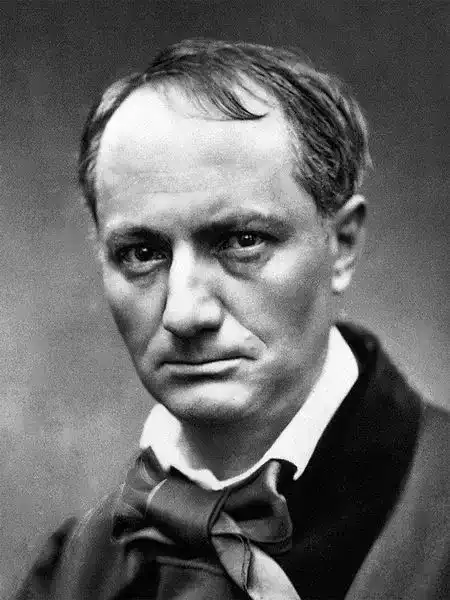
Charles Baudelaire
O Abismo
Pascal em si tinha um abismo se movendo.
- Ai!, tudo é abismo! - sonho, ação, dessejo intenso,
Palavra! E sobre mim, num calafrio, eu penso
Sentir do Medo o vento às vezes se estendendo.
Em volta, do alto, embaixo, a profundeza, o denso
Silêncio, a tumba, o espaço cativante e horrendo...
Em minhas noites, Deus, o sábio dedo erguendo,
Desenha um pesadelo multiforme e imenso.
Tenho medo do sono, o túnel que me esconde,
Cheio de vago horror, levando não sei aonde;
Do infinito, à janela, eu gozo os cruéis prazeres,
E meu espírito, ébrio afeito ao desvario,
Ao nada inveja a insensibilidade e o frio.
- Ah, não sair jamais dos Números e Serees.
6 650
1