
Ciência e Razão
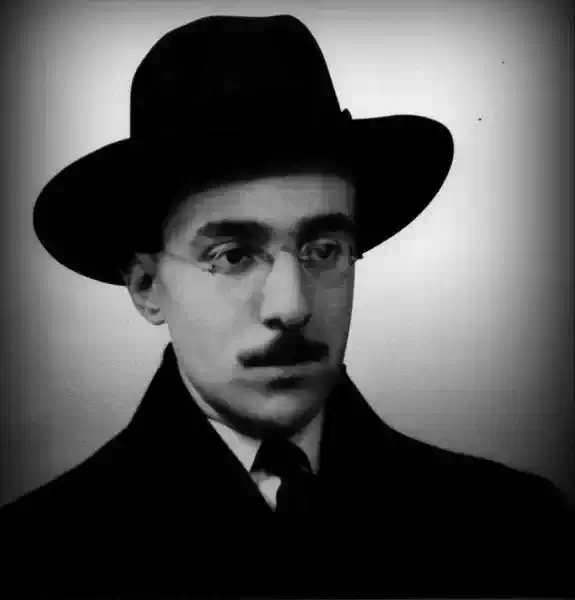
Fernando Pessoa
12 - If I could carve my poems in wood
If I could carve my poems in wood,
By children they would be understood,
So near to the sense things have in God
Are both my poems and children's thought.
For a child knows that logic and meaning
Are only nothing nothing screening,
And a child is one divinely aware
That all things are toys and all things are fair,
That a thimble, a stone and a cotton‑reel
Are things we can quite divinely feel,
And that, if we make men out of those things,
They are really men, not imaginings.
I would therefore l could take my verse
Out of mere ideas and better it worse
To visible carving or drawing or what
My verses could be resembling that.
Then would I be the children's poet,
And, though perhaps I might never know it
With the outer sense that makes life sadder,
In every innocent face made gladder
God would be giving my soul the sense,
Lost back of knowledge, of recompense -
The sense of children more children still
When, acting my poems at their glad will,
They, playing with toys, with legs incurled,
Lightly err the visible world.
17-9-1916
1 875
Fernando Pessoa
O tumulto concentrado da minha imaginação intelectual... (Álvaro de Campos)
O tumulto concentrado da minha imaginação intelectual...
Fazer filhos à razão prática, como os crentes enérgicos...
Minha juventude perpétua
De viver as coisas pelo lado das sensações e não das responsabilidades.
(Álvaro de Campos, nascido no Algarve, educado por um tio-avô,
padre, que lhe instilou um certo amor às coisas clássicas). (Veio
para Lisboa muito novo...)
A capacidade de pensar o que sinto que me distingue do homem vulgar
Mais do que ele se distingue do macaco.
(Sim, amanhã o homem vulgar talvez me leia e compreenda a substância do meu ser.
Sim, admito-o,
Mas o macaco já hoje sabe ler o homem vulgar e lhe compreende a substância do ser).
Se alguma coisa foi porque é que não é?
Ser não é ser?
As flores do campo da minha infância, não as terei eternamente,
Em outra maneira de ser?
Perderei para sempre os afectos que tive, e até os afectos que pensei ter?
Há algum que tenha a chave da porta do ser, que não tem porta,
E me possa abrir com razões a inteligência do mundo?
1 854
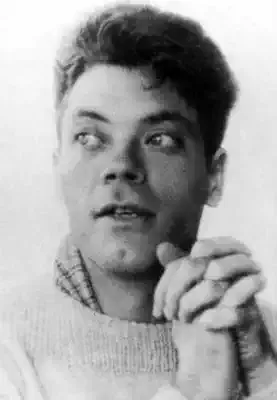
Reinaldo Ferreira
Domina-me um terror incoerente
Domina-me um terror incoerente
Do Nada, da final insensação
Por isso creio em Deus com Fé demente,
Por medo, por defesa, com paixão.
Se busco todavia uma razão
Que fortaleça a Fé de que sou crente,
Tortura-me o saber que tudo é vão,
Que tudo se aniquila finalmente,
Que tudo se transmuta e se transforma
E que perdura apenas noutra forma
Aquilo que no mundo é material.
Concebo que tudo isto tenha um fim.
Só não concebo o que será de mim,
Cumprido o meu degredo terreal.
1 845
Fernando Pessoa
Quanto mais fundamente penso, mais
Quanto mais fundamente penso, mais
Profundamente me descompreendo.
O saber é a inconsciência de ignorar,
Mesmo quem sabe muito nada sabe.
Quanto mais fundamente penso, sim,
Mais fundamente me sinto ignorar,
Mais fundamente sinto alguma coisa
Além do que profundamente penso.
E é isto que dizer me faz: eu penso
Profundamente.
Profundamente me descompreendo.
O saber é a inconsciência de ignorar,
Mesmo quem sabe muito nada sabe.
Quanto mais fundamente penso, sim,
Mais fundamente me sinto ignorar,
Mais fundamente sinto alguma coisa
Além do que profundamente penso.
E é isto que dizer me faz: eu penso
Profundamente.
1 802

Carlos Frydman
Sintonia
"A certo nível de abstração, a matemática e a poesia
devem se encontrar."
(Albert Einstein)
Equilibrado no universo condescendente,
o desequilíbrio humano sobrevive
em seu próprio ofuscar envenenado.
E, eu tento sintonizar-me no mundo
nestas probabilidades, pouco prováveis,
intuindo como pássaro desnorteado
que conhece, no âmago,
o segredo do equilíbrio
em vôo árduo, nas tempestades.
Nesta relatividade artificializada,
entre o fim tangente
e as metáforas afloradas
tornadas em nada,
tento encontrar-me
no afoito intento
e pousar num recanto sereno.
E, na vez buscada
tantas vezes roubada, fazem-me alçar vôo
como pássaro perseguido.
Os que não se perderam nas correntezas adversas,
vasculham nos cantos sombrios,
onde a vida floresce e semeia segredos segregados, ativos
em razões bem tecidas.
Porque os fugitivos das circunstâncias intrigantes,
libertam-se em suas visões profundas
e guardam sementes das explosões tardias,
em suas mentes e almas imperecíveis.
Nesta contingência enfeitada, nojenta, opaca,
onde a clareza foi obstruída,
temer nova caminhada,
é como fechar a única janela
onde mal se respira.
Nesta jornada milenar de sabedoria desvirtuada,
os pobres homens fecham
um ciclo de riqueza empobrecida.
Uma mesma nuvem densa,
forjada,
inclemente
e abrangente,
de ganância cientificada,
soterra a todos
no estratificado nada.
Existem vidas buscando uma pausa
para restaurar no fôlego que resta
a esperança enjaulada.
Nesta derradeira contingência do salto,
nem todas sementes foram desperdiçadas:
alguém puxará a cortina na manhã seguinte,
se faltarem nossos olhos esmaecidos.
Há uma vigília corajosa e temida,
nesta insônia que nos consola
e a esperança, embora cansada,
terá nova jornada
nos que despertam.
A Vida,
a paisagem,
ressurgirão em sua teimosia.
O pouco do restante,
será fartura,
porque o amor e as mãos são magos,
que refazem magias roubadas.
Imagem - 01330001
In: FRYDMAN, Carlos. Sintonia: poesia. Pref. Fábio Lucas. Apres. Henrique L. Alves. Campinas: Pontes, 1990
1 789
Reinaldo Ferreira
Tractor, Deus desta Idade
Tractor, Deus desta Idade,
Não poupa as rosas inúteis.
E esmaga nelas, tão fúteis,
A outra finalidade
Das coisas, desde o início
Criadas para que houvesse
Horas de paz no bulício
Em que a existência acontece.
Não poupa as rosas inúteis.
E esmaga nelas, tão fúteis,
A outra finalidade
Das coisas, desde o início
Criadas para que houvesse
Horas de paz no bulício
Em que a existência acontece.
1 788
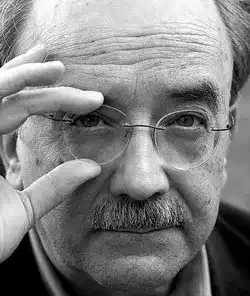
Manuel António Pina
O livro
E quando chegares à dura
pedra de mármore não digas: «Água, água!»,
porque se encontraste o que procuravas
perdeste-o e não começou ainda a tua procura;
e se tiveres sede, insensato, bebe as tuas palavras
pois é tudo o que tens: literatura,
nem sequer mistério, nem sequer sentido,
apenas uma coisa hipócrita e escura, o livro.
Não tenhas contra ele o coração endurecido,
aquilo que podes saber está noutro sítio.
O que o livro diz é não dito,
como uma paisagem entrando pela janela de um quarto vazio.
1 751
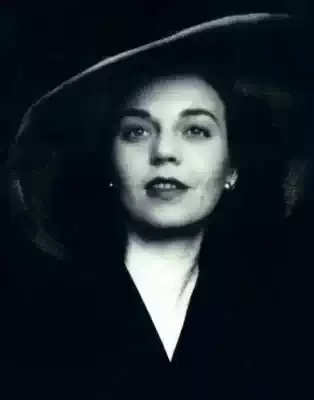
Sophia de Mello Breyner Andresen
Persona
Mitológica personagem — parece
Um falcão do Egipto
Sob seu lógico discurso permanece
Intacto o não dito
Mas algo de falcão nele se inscreve
Hieróglifo indecifrável
E o deus que ele foi ou nele esteve
Desarticula seu olhar instável
Um falcão do Egipto
Sob seu lógico discurso permanece
Intacto o não dito
Mas algo de falcão nele se inscreve
Hieróglifo indecifrável
E o deus que ele foi ou nele esteve
Desarticula seu olhar instável
1 733
Fernando Pessoa
40 - elevation
ELEVATION
I
Before light was, light's bright idea lit
God's thought of it,
And, because through God's thought light's thought did pass,
Light ever was,
And from beyond eternity became
The living flame
That trembles into life and reddens with
Our life's soul‑width.
Before light was, when yet the night was queen
O'er what had been,
In God's realized prescience it could be
Light from eternity,
For no time enters into God's thoughts or
Their spaceless Hour.
Take thou therefore, my Song, from light the mood
Of being, and brood,
Like the Dove unbegot, over the abyss
Of consciousness,
Taking as thy true part that thought of God
Whence light issued.
Let my words burst into that divine flame
That lights its name
Of each thing from within with ultimate meaning.
Though earth be screening
With fixed appearance the Sun in each Thing,
Bear, on thy wing
High‑lifted, rays from the unrisen Sun
Whence life is spun.
Soar out, my Song, out of despair and night
And catch that light
Ere it appear, from neath the horizon
Of action,
Borne out of dreams by intuition bright
Of endless light.
Though none believe nor any understand,
Yet feel thee fanned
With those breeze‑breaths that come up with the morn
From the Unborn.
Soar like a lark into the coming day
And bear thy way
Into the possibility of noon
Hid in the dawn.
No matter that none know what thy words speak.
A day shall break
Out of eternity as each day bright
Out of each night.
Thy wings shall touch the slanting light of dawn
And, upwards drawn
By being light‑struck, shall to light be near
When light's yet far.
Hope is thy ready and high‑soaring flight
Out of the night,
Joy is thy touching of the first high rays
That day betrays,
Life is the course thy flight sequesters from
Earth and its nightly doom,
And these three things are one in thy belief
That pain is brief.
II
Thou, unseeen Bird, essence of spiritual light,
That yet art bright
With the epitome of the outer shine,
Thou that art mine
And yet not mine but general to the earth,
Wings of rebirth,
Whose song, though in me heard, participates
Of all that all elates,
Thou point of meeting of me with the wings
Hidden in all things,
Thou breath, thou vapour, seen and not seen, of
Some abstract love,
Thou exhalation of the prisoned flight
Of all things' weight,
Thou that in me art fear, mad splendour, all
To ache and enthral,
Attract me, take me, o pure flight, and rise
With me in thine eyes,
Lost, cast, unpetalled and divine, up to
What thou dost woo!
O Spirit‑Lark that wakest ere the morn
And art reborn
At each recoming of the sun, and art
The wiser part
Of all that message is to our low eyes
Of what shall rise!
Life‑weightless Bird that no meads can attract,
But that must act
Its fate in air, above our marshes sad
And meads low‑laid,
In free heights communing with the Great Horn
As yet unborn!
O sterile Bird that hast no nest nor home
But what shall come,
That hast no song save in the heights above
Nests, homes and love,
Nor any thought save for the coming day,
Though far away
It seem to those who measure yet thy flight
But by its height
And not by its intention, that is carried
From life and married
To those diviner hours that winged things
Find with their wings!
O Bird of ruthless song and untold wishes,
Whose high flight reaches
Heights not of earth, but of pure air, encumbered
With no joys weighed and numbered!
Take all my heart in thy purpose of going
And make the flowing
Down to earth of my song be like thy song,
Something strange, strong
With distance, eerily half‑perishing
From farness! Sing,
And let my heart be what thou meanst with singings
My life with winging.
My hopes and fears with th’tone wherewith thy note
To me doth float
And the great purpose hidden in my fate
With thy mere height!
My heart shall thus be happy even if pained,
Free even if strained
To keep that height of joy whence tremble down
Thy songs to our own.
My soul may thus be happy, full and free.
Oh, happily
Raise me from me and lift my life unto
That thou dost woo -
The light, the sky, the distance and the morn,
Till I be unborn
Again to pure dispersion in the seas
Of the high breeze
That speaks to thee, ere light be born, of light,
Till the delight
Of without being being shall make me
Song and sky be!
1 714

Felipe d’Oliveira
Encruzamento de Linhas
Núcleo de convergência no bojo da noite oval.
Lanterna verde
(amêndoa fosforescente
dentro da casca carbonizada.)
Longitudinal, centrífugo,
o trem racha em duas metades
a espessura do escuro
e, cuspindo pela boca da chaminé
as estrelas inúteis à propulsão,
atira-se desenfreado
nos trilhos livres.
Mas se o maquinista fosse daltônico
a locomotiva teria parado.
Publicado no livro Lanterna verde (1926).
In: D'OLIVEIRA, Felippe. Obra completa. Atual. e org. Lígia Militz da Costa, Maria Eunice Moreira e Pedro Brum Santos. Porto Alegre: IEL; Santa Maria: UFSM, 1990. p.65
1 684
Fernando Pessoa
Now are no Janus’ temple-doors thrown wide
Now are no Janus' temple‑doors thrown wide
To utter thougts of war upon the land.
Now doth no double facing God divide
Him from himself, that sight of him may brand
The symbol of opposed things upon
Our hearts that at our eyes on him are thrown.
Now do no pagan cults tremble at Mars' name
Because bad‑auguring birds like clouds have flown
O'er nations' frontiers, nor do oracles frame
Strange answers unto ears of armoured chiefs,
Replies that leave perplexed their perplexed eyes
That know not whether that heart‑pang they hear
Is the first grief heralding their peoples' griefs
Or the strange cold that the Gods' mysteries
Speak to his soul that is to conquest near.
No. All is dead that wreathed war round with Gods.
Nor omens mute, nor the foiled sacrifice,
No dim words spoken by spilt blood on sods.
Nay, nor the later sense that vice and sloth,
When in a people's heart they nestle both
Do on them call the wrath of heaven, us move.
Our souls are void, like a stage mummer's cries
And our hate and our love mock hate and love.
Something of coldness, like the coming winter,
Crosses our autumn like a profecy.
Round our leaves now no swallows circle and twitter.
No more, no more, shall we heart‑wholesome be.
There is a sadness that with us doth stay
Like a billetted guest, and far away
Our ultimate death awaits us like a sea.
Alas! that even the poesy of wars
Should, like a tired thing, have gone where things go.
Alas! alas! that we have come thus far
Knowing still the same nothing that we know,
To meet more than ourselves, nor no throe
That shall be herald of a newer man.
And ever as the old woes the cold new woe
Fills with its deathless measure our life's span.
No, even the Christian manner of love or hate
Is dead. No God that lives in us survives
The winter in us that snow‑kills God and Fate
And has iced o'er the rivers of our lives.
With cuirass and with pike we laid aside
All that made battle worth the death in it.
Our science‑made war‑gestures now deride
The great eternal things that war doth fit
With helm and armour.
With mortal pomp yet pomp. We are on death's side.
All is as if were not part of it.
All clashes, rings and turmoils as if far.
The foiled imagining within our wit
Ousts war's clear image with bare thought of war.
Our plans are cold, our courage cold, our eyes
When they look inwards dream but the far plain
And vague, picture‑seen faces and their pain
Touches no sense of ours, nor do dreamed cries
Rise in us. What cold thing has become of
Our very hatred? What way has strength gone?
We die as if the sky were not above
Our heads and beneath us sand, grass and stone.
The great eternal presence of all things
No longer doth with us collaborate
To lift our hearts up on invisible wings
And bid us tremble at the thrill of Fate.
The possible fall of empires doth no more
Touch us with that great and mysterious dread
That John on Pathmos saw rise o'er his head
Like a space‑filling sea without a shore.
Alas! our nobler fear has gone away
Where our weariness pointed. We are blind
And learned to blindness. Our wild gestures stray
From us like leaves that fall far off with the wind,
And we fight clearly, coldly, night and day.
These things I thought, knowing that far behind
My visible horizon war was slave
Of that Invisible Master who doth wave
His speechless hand o'er continents and seas
And men like reaped things fall, and the blind wind
With groping hands that in the night are blind
Touches the dead men's faces' mysteries.
This I thought when, lo! before me there was
A door of iron, or what iron seemed,
An unsized portal, and its live‑seeming lock
Seemed all the uses of a lock to mock.
To see that door was to know none could pass
Through it, nor could its other‑side be dreamed.
A ribbon of broad stairs led up to it
But had no meaning, like a laugh unseen,
I looked and the door seemed to sway as hit
By blows, but no blows fell on it. That screen
Was interposed between me and no scene,
Yet, like an eye staring from out the night,
It touched my heart cold with its iron mean.
And this was not in space nor in a light.
Somewhere in me where dreams do themselves show
And have an inner meaning God doth know,
The door was set, and it seemed to my soul
That there since some inner eternity
It ever had been and I something had seen,
Yet half forgot, that like a half‑shown scroll,
Concealed its sense in what it showed to me.
And lo! as my heart looked, the door grew clear
As a near‑lit thing seen in a black night,
And a great sense of a great coming fear
Was fear already in my heart's affright.
Then as I looked I saw - yet it did seem
That in my vision that had ever been -
From beneath the strange door down the steps flow
A string of silent blood, that step by step,
Fell with a motion desolate and slow.
The thin red stream seemed conscious of its course
Though its course seemed to be none, but to fall.
I looked and it fell ever, with a force
Of relinquishment to its fall, a knell
To some hope in me, and the blood
That ever was but a small line did flood
All my pained soul and made it red. The spell
Of its thin redness spreade o'er my thought's mood
And all my thoughts became a great red wall
Set up in front of what in me doth brood.
Then everything shifted, yet was the same.
I looked on as one who sees a child's game
And finds its eyes at interest in it
And knows not why. A sense of end did hit
My power of having feelings with a rain
That did with deep red all my dim soul stain
As it had stained that soul.
Then all the outer world was dashed to night
And, though no floor remained, no sides, no light
To that space‑missed new world, set far from being,
Yet by some clearer virtue of my seeing
All I saw was without nor left nor right
With a name to it, without a place
Even in itself, without an I to see.
The mere great door and the red blood's thin trace
And all the rest was void and mystery.
Then all again seemed changing unto some
New, unimaginable and fearful thing.
The door and that blood‑line seemed to come
A strange new‑featured Face looking out through
The Universe's whole frame, traversing
It like light an invisible glass - a wing
Belonging to no bird our thoughts construe.
Then the door seemed to recede - nay, to have
Receded, when I knew not, nor was there
A when, for Time seem'd as seems a far wave
On a wide sea, something gone past. The bare
Eternal door seemed to have gone to the end
Of a visible infinity, and all
That now remained on which my soul could spend
Its terror was the blood ever at its fall.
Then, though still the same small line of red,
The blood seeemed to grow glass and in it I saw
A mighty river full of strange things - dead
Men, children, wrecks of bridges, cities, thrones,
And still the line was a small red line, (...)
Of other meaning than that
That before God for the clear world atones.
But the (...) visions in that line contained
Seemed wide as space. The red line seemed a slit
In a thin door through which our eyes can see
Large fields, a city and the whole sky stained
With clouds, and all this in the line could be;
And from some unknown where I looked on it.
It seemed the edge of a cube opening
Sideways to sides of visions, more and more.
Now and then across its glass - like being a wing
Passed a tremor ran over everything
That had in it a clear and tragic being.
Then ceased. And from, past space, the door
Still held my unconscious consciousness of seeing.
It seemed sometimes a bright, red moving veil
And through it as through a stained window I guessed
A night and stars on a vague pale day pressed,
On a same horizon desolate and pale.
Then, as I stared, suddenly before me,
Like a fan suddenly opened, the blood‑line
Took space from side to side, leaving naught to me
Left or right of it. Its red (...) fact
Became a red Niagara, a cataract.
But there were no steps, nothing: it did fall
As if drawn in the air, over no edge, and all
Was this and this was its own mystery.
Then lo! over the edge, no longer now,
But empires rolled, and I saw Greece and Rome
Pass. And still over the eternal flow
Reddened from left to right my inner sight's home
Of seeing. And all like to God's blood did come
Like a great rain off a huge thorn‑crowned brow.
And I saw more and more strange empires roll
Down and some I knew not, nor seeing them, guessed.
Awhile their falling the fall's brink caressed
Then they sunk down somewhere within my soul,
And my soul was the soul of all the world,
And from my (...) eyes that saw all this
Suddenly I felt, as if a flag unfurled,
God in me look out at these mysteries.
My eyes seemed windows of another sight
Of someone set behind my soul in the night
Looking through my eyes and my sight, mine own
Was but a glass those unknown eyes looked through,
And still the vision was blood falling down
In cataracts into Mystery, red and slow.
I became one with world and Fate and God,
And the great River that came on and fell
Let me see through its veil of (...) blood
The stars shine and a vague moonlight, then fell
Something from me. The cataract came more near
To my sight; then it seemed into mine eyes
To creep to become with them and the fear
To pass behind them into some soul (...).
Then all that did remain was the stars light
And again in the dark infinity
My pity and my dread alone with me
And my dream's meaning like a paling night.
7-1-1915
1 676
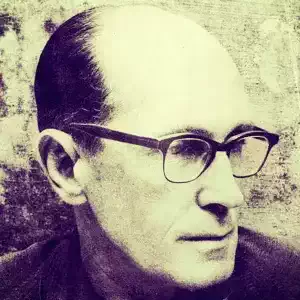
Carlos Drummond de Andrade
Idade madura
As lições da infância
desaprendidas na idade madura.
Já não quero palavras
nem delas careço.
Tenho todos os elementos
ao alcance do braço.
Todas as frutas
e consentimentos.
Nenhum desejo débil.
Nem mesmo sinto falta
do que me completa e é quase sempre melancólico.
Estou solto no mundo largo.
Lúcido cavalo
com substância de anjo
circula através de mim.
Sou varado pela noite, atravesso os lagos frios,
absorvo epopéia e carne,
bebo tudo,
desfaço tudo,
torno a criar, a esquecer-me:
durmo agora, recomeço ontem.
De longe vieram chamar-me.
Havia fogo na mata.
Nada pude fazer,
nem tinha vontade.
Toda a água que possuía
irrigava jardins particulares
de atletas retirados, freiras surdas, funcionários demitidos.
Nisso vieram os pássaros,
rubros, sufocados, sem canto,
e pousaram a esmo.
Todos se transformaram em pedra.
Já não sinto piedade.
Antes de mim outros poetas,
depois de mim outros e outros
estão cantando a morte e a prisão.
Moças fatigadas se entregam, soldados se matam
no centro da cidade vencida.
Resisto e penso
numa terra enfim despojada de plantas inúteis,
num país extraordinário, nu e terno,
qualquer coisa de melodioso,
não obstante mudo,
além dos desertos onde passam tropas, dos morros
onde alguém colocou bandeiras com enigmas,
e resolvo embriagar-me.
Já não dirão que estou resignado
e perdi os melhores dias.
Dentro de mim, bem no fundo,
há reservas colossais de tempo,
futuro, pós-futuro, pretérito,
há domingos, regatas, procissões,
há mitos proletários, condutos subterrâneos,
janelas em febre, massas de água salgada, meditação e sarcasmo.
Ninguém me fará calar, gritarei sempre
que se abafe um prazer, apontarei os desanimados,
negociarei em voz baixa com os conspiradores
transmitirei recados que não se ousa dar nem receber,
serei, no circo, o palhaço,
serei médico, faca de pão, remédio, toalha,
serei bonde, barco, loja de calçados, igreja, enxovia,
serei as coisas mais ordinárias e humanas, e também as excepcionais:
tudo depende da hora
e de certa inclinação feérica,
viva em mim qual um inseto.
Idade madura em olhos, receitas e pés, ela me invade
com sua maré de ciências afinal superadas.
Posso desprezar ou querer os institutos, as lendas,
descobri na pele certos sinais que aos vinte anos não via.
Eles dizem o caminho,
embora também se acovardem
em face a tanta claridade roubada ao tempo.
Mas eu sigo, cada vez menos solitário,
em ruas extremamente dispersas,
transito no canto do homem ou da máquina que roda,
aborreço-me de tanta riqueza, jogo-a toda por um número de casa,
e ganho.
1 674
Fernando Pessoa
Saber? Que sei eu?
Saber? Que sei eu?
Pensar é descrer.
— Leve e azul é o céu —
Tudo é tão difícil
De compreender!...
A ciência, uma fada
Num conto de louco...
— A luz é lavada —
Como o que nós vemos
É nítido e pouco!
Que sei eu que abrande
Meu anseio fundo?
Ó céu real e grande,
Não saber o modo
De pensar o mundo!
4-11-1914
Pensar é descrer.
— Leve e azul é o céu —
Tudo é tão difícil
De compreender!...
A ciência, uma fada
Num conto de louco...
— A luz é lavada —
Como o que nós vemos
É nítido e pouco!
Que sei eu que abrande
Meu anseio fundo?
Ó céu real e grande,
Não saber o modo
De pensar o mundo!
4-11-1914
1 651
Fernando Pessoa
Crer é errar. Não crer de nada serve. (Ricardo Reis)
Crer é errar. Não crer de nada serve.
28-9-1926
28-9-1926
1 624
Fernando Pessoa
A crime (Alexander Search)
Do you know the crime I committed
Nearly twenty years ago?
At that crime my heart is torn.
What my crime was do you know?
'T was the crime of being born.
And every day another crime
I commit, and ever have done
Up to now in the face of Time.
Do you know what crime this is?
'Tis the crime of living on.
Do you know what evil's disgrace
Has made an outcast's my lot
And sundered me from my race?
Do you know what crime is that?
'Tis the crime of having thought.
11-1-1908
1 602

Matilde Campilho
Veleiro
Bem: as palmeiras brilham mais que o ouro. Walter Benjamin tinha razão sobre os círculos — quanto mais se roda em volta do amor, mais o amor se expande. A filosofia é uma matemática muito esclarecedora e qualquer dia ainda vai salvar o mundo. Bem, quatrocentos anos depois e você & eu ainda somos uma espécie de Ferris Bueller’s Day Off. Ó, você viu os coros dos meninos na avenida? A alegria é um carro de bombeiros todo enfeitado de penas e cavalos bravos, atravessando tudo. A liberdade se faz inteira debaixo da palavra, entre um músico Tang e um jarro de Oaxaca. Os continentes se aproximam docemente e, como você me explicou, o selvagem europeu ainda vai soltar seu esplendor. Acredito muito naquilo que ninguém mais espera, principalmente depois que dei de caras com o dorso da baleia solitária. Todo canto tem um tom, e a maioria dos mamíferos se agrupam pelo reconhecimento de uma musicalidade comum. Sim, o fadista vai escolher o fadista, e as manadas de baleia costumam espalhar seu sopro de cerca de 20 hertz por oceanos infinitos. Em comunhão. Mas imagine você que em 1989 alguém descobriu uma baleia que canta solitária e a 52 hertz — sem primos, sem irmãos, sem melhor amigo, sem ilha onde fazer um pit stop. Ninguém vocaliza sua frequência, ouvido nenhum escuta seus 52 pontos. Há milagres. Depois do surgimento da baleia solitária, depois dos círculos de Benjamin, depois do desdobramento do poema XIX, depois do berlinde de Seymour Glass sendo girado no dedo do jogador de basquete, me diga, como não acreditar no brilho natural que diariamente resplandece no peito da terra? Bem, seu rosto de espanto frente ao sorvete de morango numa tarde de domingo é a manobra que puxa o lustro à pele do planeta. Benzinho, estamos invertendo a poesia de Eliot. Estamos curando o resfriado de Madame Sosostris, e esta coisa da alegria ainda vai dar muito certo. Seja como for, dê por onde der, seguimos usando o colar de pérolas que é feito dos olhos do marinheiro fenício. No que depender do amor, para além da paixão e para além do desejo: ninguém mais se afogará.
1 613
Fernando Pessoa
O anel dado ao mendigo é injúria, e a sorte (Ricardo Reis)
O anel dado ao mendigo é injúria, e a sorte
Dada a quem pensa é infâmia, que quem pensa —
Quer verdade, e não sorte.
Como um mendigo a quem é dado o nome
De rei, não come dele, mas do prato
Do rei, minha esperança
Da razão que lia em tê-la se alimenta
E não do que deseja.
26-4-1928
Dada a quem pensa é infâmia, que quem pensa —
Quer verdade, e não sorte.
Como um mendigo a quem é dado o nome
De rei, não come dele, mas do prato
Do rei, minha esperança
Da razão que lia em tê-la se alimenta
E não do que deseja.
26-4-1928
1 611
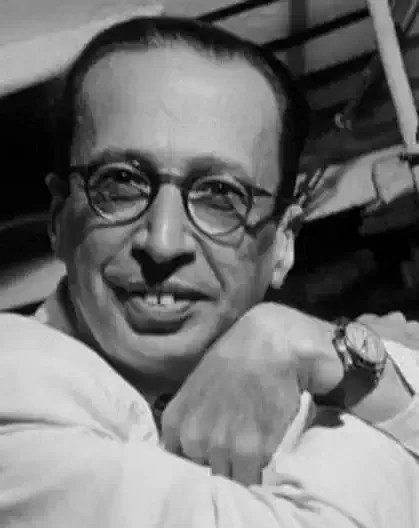
Manuel Bandeira
Canção do Suicida
Não me matarei, meus amigos.
Não o farei, possivelmente.
Mas que tenho vontade, tenho.
Tenho, e, muito curiosamente,
Com um tiro. Um tiro no ouvido,
Vingança contra a condição
Humana, ai de nós! sobre-humana
De ser dotado de razão.
Não o farei, possivelmente.
Mas que tenho vontade, tenho.
Tenho, e, muito curiosamente,
Com um tiro. Um tiro no ouvido,
Vingança contra a condição
Humana, ai de nós! sobre-humana
De ser dotado de razão.
1 588
Carlos Drummond de Andrade
A norma e o domingo
Comportei-me mal,
perdi o domingo.
Posso saber tudo
das ciências todas,
dar quinau em aula,
espantar a sábios
professores mil:
comportei-me mal,
não saio domingo.
Fico vendo mosca
zanzar e zombar
de minha prisão.
Um azul bocejo
derrama-se leve
em pó de fubá
no pátio deserto.
Não há futebol,
não quero leitura,
conversa não quero,
vai-se meu domingo.
Lá fora a cidade
é mais provocante
e seu pálio aberto
recobre ignorantes
dóceis ao preceito.
Que aventura doida
no domingo livre
estarão desfiando,
enquanto eu sozinho
contemplo escorrer
a lesma infindável
do meu não domingo?
Digo nomes feios
(calado, está visto).
Não vá ser-me imposta
a perda total
de quantos domingos
Deus for programando
em Minas Gerais.
Abomino a ordem
que confisca tempo,
que confisca vida
e ensaia tão cedo
a prisão perpétua
do comportamento.
1 594
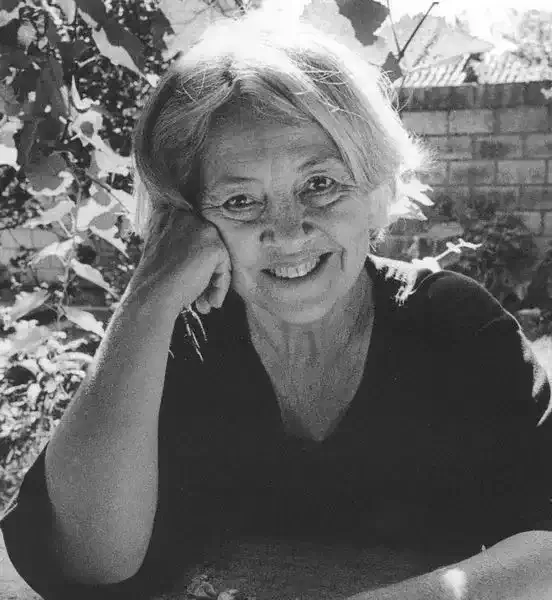
Adélia Prado
Num jardim japonês
Ao minuto de gozo do que chamamos Deus,
fazer silêncio ainda é ruído.
fazer silêncio ainda é ruído.
1 578
Fernando Pessoa
A MORTE: Em mim acaba
A MORTE:
Em mim acaba
Mudo, profundo
Como ruína que desaba
Tudo o que vive e sente o mundo.
A humanidade cujo rir
É um esquecimento fundo
Sabe, sem o analisar,
Que em mim naufraga o sentir
Nos rochedos do pensar.
Em mim acaba
Mudo, profundo
Como ruína que desaba
Tudo o que vive e sente o mundo.
A humanidade cujo rir
É um esquecimento fundo
Sabe, sem o analisar,
Que em mim naufraga o sentir
Nos rochedos do pensar.
1 566
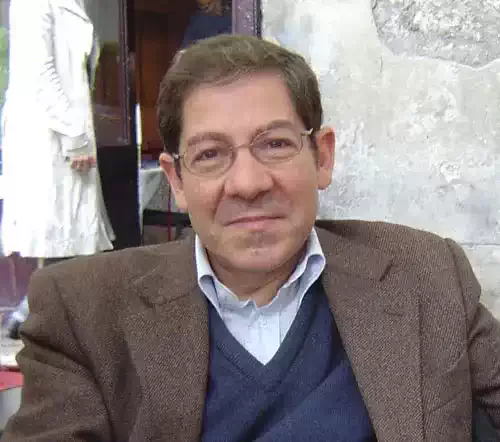
Nuno Júdice
Filosofia
Construo o pensamento aos pedaços: cada
ideia que ponho em cima da mesa é uma parte do
que penso; e, ao ver como cada fragmento se
torna um todo, volto a parti-lo, para evitar
conclusões.
Nuno Júdice | "A pura inscrição do amor", pág. 42 | Publicações Dom Quixote, 1ª. edição. Jan. 2018
ideia que ponho em cima da mesa é uma parte do
que penso; e, ao ver como cada fragmento se
torna um todo, volto a parti-lo, para evitar
conclusões.
Nuno Júdice | "A pura inscrição do amor", pág. 42 | Publicações Dom Quixote, 1ª. edição. Jan. 2018
1 565
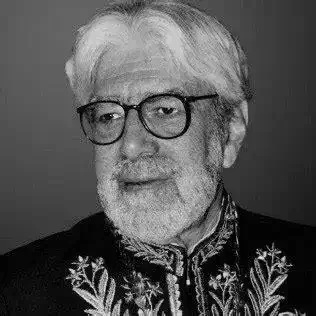
Ivan Junqueira
Palimpsesto
A Antônio Carlos Secchin
Eu vi um sábio numa esfera,
os olhos postos sobre os dédalos
de um hermético palimpsesto,
tatear as letras e as hipérboles
de um antiqüíssimo alfabeto.
Sob a grafia seca e austera
algo aflorava, mais secreto,
por entre grifos e quimeras,
como se um código babélico
em suas runas contivesse
tudo o que ali, durante séculos,
houvesse escrito a mão terrestre.
Sabia o sábio que o mistério
jamais emerge à flor da pele;
por isso, aos poucos, a epiderme
daquele códice amarelo
ia arrancando como pétalas
e, por debaixo, outros arquétipos
se articulavam, claras vértebras
de um esqueleto mais completo.
Sabia mais: que o que se escreve,
com a sinistra ou com a destra,
uma outra mão o faz na véspera,
e que o artista, em sua inépcia,
somente o crê quando o reescreve.
Depois tangeu, em tom profético:
"Nunca busqueis nessa odisséia
senão o anzol daquele nexo
que fisga o presente e o pretérito
entre os corais do palimpsesto."
E para espanto de um intérprete
que lhe bebia o mel do verbo,
pôs-se a brincar, dentro da esfera,
com duendes, górgonas e insetos.
1 557
