

Poemas neste tema
Alma

Frei Francisco de São Carlos
Em Assis Belém se mostra
Em Assis Belém se mostra
Com assombrosos sinais:
Qual Jesus, Francisco nasce
Entre brutos animais.
In: MACEDO, Joaquim Manuel de. Um passeio pela cidade do Rio de Janeiro. Rio de Janeiro: Garnier, 1991. p.94
NOTA: Esse poema foi pintado no retábulo da capela do Nascimento de São Francisco de Assis, no claustro do convento de Santo Antônio, no Rio de Janeir
Com assombrosos sinais:
Qual Jesus, Francisco nasce
Entre brutos animais.
In: MACEDO, Joaquim Manuel de. Um passeio pela cidade do Rio de Janeiro. Rio de Janeiro: Garnier, 1991. p.94
NOTA: Esse poema foi pintado no retábulo da capela do Nascimento de São Francisco de Assis, no claustro do convento de Santo Antônio, no Rio de Janeir
1 375
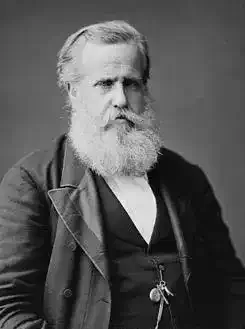
D. Pedro II
I - À Morte do Príncipe D Pedro
Pode o artista pintar a imagem morta
Da mulher, por quem dera a própria vida.
À esposa que a ventura vê perdida
Casto e saudoso beijo inda conforta.
A imitar-lhe os exemplos nos exorta
O amigo na extrema despedida...
Mas dizer o que sente a alma partida
Do pai, a quem, oh Deus, tua espada corta.
A flor de seu futuro, o filho amado;
Quem o pode, Senhor, se mesmo o Teu
Só morrendo livrou-nos do pecado,
Se a terra à voz do Gólgota tremeu
E o sangue do Cordeiro Imaculado
Até o próprio céu enegreceu!
In: D. PEDRO II. Poesias completas de D. Pedro II: originais e traduções, sonetos do exílio, autênticas e apócrifas. Prefácio de Medeiros e Albuquerque. Rio de Janeiro: Guanabara, 1932. Poema integrante da série Poesias Autênticas.
NOTA: O poema se refere à morte do quarto e último filho de D. Pedro II com a Imperatriz D. Teresa Cristina Maria, em 185
Da mulher, por quem dera a própria vida.
À esposa que a ventura vê perdida
Casto e saudoso beijo inda conforta.
A imitar-lhe os exemplos nos exorta
O amigo na extrema despedida...
Mas dizer o que sente a alma partida
Do pai, a quem, oh Deus, tua espada corta.
A flor de seu futuro, o filho amado;
Quem o pode, Senhor, se mesmo o Teu
Só morrendo livrou-nos do pecado,
Se a terra à voz do Gólgota tremeu
E o sangue do Cordeiro Imaculado
Até o próprio céu enegreceu!
In: D. PEDRO II. Poesias completas de D. Pedro II: originais e traduções, sonetos do exílio, autênticas e apócrifas. Prefácio de Medeiros e Albuquerque. Rio de Janeiro: Guanabara, 1932. Poema integrante da série Poesias Autênticas.
NOTA: O poema se refere à morte do quarto e último filho de D. Pedro II com a Imperatriz D. Teresa Cristina Maria, em 185
1 750
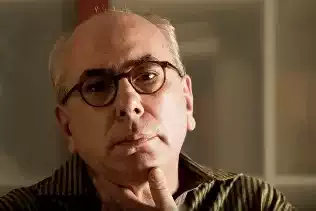
Régis Bonvicino
Não Pode
poeta não pode sentir ódio
poeta não pode gostar
de automóvel
o poeta
não pode criar filhos
se vai à europa
é por brilho ou compromisso
nunca por troça ou prazer
sua tarefa: fazer
fazer fazer
VeRsOsTeXtOs
martírio
pequeno burguês
tókio nun restaurante japonês
o poeta é o que
se esqueceu
de viver
bem e com idéias?
o sofrimento: sua
platéia
(o mundo, massa maçante,
alcatéia!)
seu marketing-musa: a
lamentação
obsessão obsessão obsessão
assim
um lacaio de lacan num divã
qualquer
(ou eco imaginário de tristan edouard
corbiere)
o poeta não tem casa
de campo
seu lazer: papel
em branco
maçã, maçada
a existência não passa
de uma observação obstinada
In: BONVICINO, Régis. Más companhias: poesia, 1983/1986. São Paulo: Olavobrás, 1987
poeta não pode gostar
de automóvel
o poeta
não pode criar filhos
se vai à europa
é por brilho ou compromisso
nunca por troça ou prazer
sua tarefa: fazer
fazer fazer
VeRsOsTeXtOs
martírio
pequeno burguês
tókio nun restaurante japonês
o poeta é o que
se esqueceu
de viver
bem e com idéias?
o sofrimento: sua
platéia
(o mundo, massa maçante,
alcatéia!)
seu marketing-musa: a
lamentação
obsessão obsessão obsessão
assim
um lacaio de lacan num divã
qualquer
(ou eco imaginário de tristan edouard
corbiere)
o poeta não tem casa
de campo
seu lazer: papel
em branco
maçã, maçada
a existência não passa
de uma observação obstinada
In: BONVICINO, Régis. Más companhias: poesia, 1983/1986. São Paulo: Olavobrás, 1987
1 321
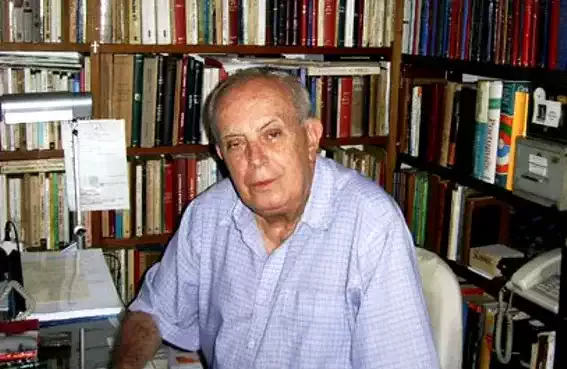
Gilberto Mendonça Teles
Coreografia do Mito
4. "Un pas de trois"
Houve um reino qualquer e três sereias
que afinavam seu canto na linguagem:
a virgem, a casada e a que passava
seus dias na janela.
E havia a forma
de sirene e silêncio,
essas metades,
renda de bilro, milongagem, força
oculta e sem governo,
latejantes
nas têmporas do mito.
A primeira voltou à sua estância,
leu Bandeira, fez versos,
desnudou-se.
E, cumprindo o ritual, como sereia,
foi banhar-se num rio de água doce.
A segunda voltou-se para o mar,
tomou banho lustral de fevereiro,
fez cirandas na areia e ouviu lendas
da lira pendurada no coqueiro.
A terceira me deu esta janela
com desenho de peixe na vidraça.
E está sempre acenando
lá do fundo
do rio que não passa.
In: TELES, Gilberto Mendonça. Saciologia goiana. 3. ed. Goiânia: Cerne, 1986. p. 69-70. Poema integrante da série Sombras da Terra.
NOTA: Poema composto de 4 partes: 1. Lorelei; 2. Iemanjá; 3. Iara; 4. Un pas de troi
Houve um reino qualquer e três sereias
que afinavam seu canto na linguagem:
a virgem, a casada e a que passava
seus dias na janela.
E havia a forma
de sirene e silêncio,
essas metades,
renda de bilro, milongagem, força
oculta e sem governo,
latejantes
nas têmporas do mito.
A primeira voltou à sua estância,
leu Bandeira, fez versos,
desnudou-se.
E, cumprindo o ritual, como sereia,
foi banhar-se num rio de água doce.
A segunda voltou-se para o mar,
tomou banho lustral de fevereiro,
fez cirandas na areia e ouviu lendas
da lira pendurada no coqueiro.
A terceira me deu esta janela
com desenho de peixe na vidraça.
E está sempre acenando
lá do fundo
do rio que não passa.
In: TELES, Gilberto Mendonça. Saciologia goiana. 3. ed. Goiânia: Cerne, 1986. p. 69-70. Poema integrante da série Sombras da Terra.
NOTA: Poema composto de 4 partes: 1. Lorelei; 2. Iemanjá; 3. Iara; 4. Un pas de troi
1 687
Rubens Rodrigues Torres Filho
Figura
Esse sorriso justo, pontuado por vírgulas abstratas,
e no caminho, seguramente em cena, mira
o claro desejo: desmisturar-nos, por qual arte,
em meio a tanto. Mexer com esses relevos
subordinados ao fio da ausência. E o que se supõe
dispõe flores avulsas e laços de linguagem.
In: TORRES FILHO, Rubens Rodrigues. Figura. São Paulo: Ed. do artista, 1987
e no caminho, seguramente em cena, mira
o claro desejo: desmisturar-nos, por qual arte,
em meio a tanto. Mexer com esses relevos
subordinados ao fio da ausência. E o que se supõe
dispõe flores avulsas e laços de linguagem.
In: TORRES FILHO, Rubens Rodrigues. Figura. São Paulo: Ed. do artista, 1987
1 278
Antônio Barreto
Peixe
é
uma
pedra
que eu
vejo viva
entre as águas
molhando a linha
torta do horizonte
e não o peixe
que sustenta
algo táctil
entre
nós
e
não
será mais
necessário
despertar-lhe
o sonho o sono
o limo o cheiro
o ar porque
o talvez
só assim entenda o rio
que a pedra o peixe e o vento são apenas
pequenos enigmas que o silêncio e a água
não sabem decifrar
In: BARRETO, Antônio. Isca de pássaro é peixe na gaiola: pequeno concerto para realejo, caniço & vitrola. Il. Débora Camisasca. 2.ed. Belo Horizonte: Miguilim, 1990. p.24. (Rimas). Poema integrante da série Isca de Peixe É o Silêncio.
uma
pedra
que eu
vejo viva
entre as águas
molhando a linha
torta do horizonte
e não o peixe
que sustenta
algo táctil
entre
nós
e
não
será mais
necessário
despertar-lhe
o sonho o sono
o limo o cheiro
o ar porque
o talvez
só assim entenda o rio
que a pedra o peixe e o vento são apenas
pequenos enigmas que o silêncio e a água
não sabem decifrar
In: BARRETO, Antônio. Isca de pássaro é peixe na gaiola: pequeno concerto para realejo, caniço & vitrola. Il. Débora Camisasca. 2.ed. Belo Horizonte: Miguilim, 1990. p.24. (Rimas). Poema integrante da série Isca de Peixe É o Silêncio.
1 571
Neide Archanjo
Era candeia
Era candeia
e parecia ser o lume.
Era candeia.
Nomeio-o
Alma
adequado ao clarão
que traz consigo.
Nem distraído
nem remoto
este Anjo
apenas hesitante
entre o bem e o mal
como se um e outro
ele não fora
e assim desapercebido
ora luz ora sombra
passasse por mim.
Em contrapontos.
In: ARCHANJO, Neide. O poeta e o anjo. Rio de Janeiro, 1994. p.9. Poemas datilografado
e parecia ser o lume.
Era candeia.
Nomeio-o
Alma
adequado ao clarão
que traz consigo.
Nem distraído
nem remoto
este Anjo
apenas hesitante
entre o bem e o mal
como se um e outro
ele não fora
e assim desapercebido
ora luz ora sombra
passasse por mim.
Em contrapontos.
In: ARCHANJO, Neide. O poeta e o anjo. Rio de Janeiro, 1994. p.9. Poemas datilografado
1 264

Claudio Willer
Viagens 4
recuperação / liquefação
a planta dos pés afundada na paisagem
o sol atravessado na garganta
será você um astro
ou uma serpente engastada no vidro
um reflexo da noite
a distância povoa-se de espaços novos
enquanto esperamos e tentamos alcançar
tensa hora da proximidade
densa de profecias e pedras musgosas
a plumagem das aves sacrificiais é estendida
araras faisões colibris pavões
cobrindo o caminho
o barco constrói sua própria nuvem
dentro da qual nos encerramos
In: WILLER, Claudio. Jardins da provocação: poemas, 1976/1980. São Paulo: Massao Ohno: Roswitha Kempt, 1981
a planta dos pés afundada na paisagem
o sol atravessado na garganta
será você um astro
ou uma serpente engastada no vidro
um reflexo da noite
a distância povoa-se de espaços novos
enquanto esperamos e tentamos alcançar
tensa hora da proximidade
densa de profecias e pedras musgosas
a plumagem das aves sacrificiais é estendida
araras faisões colibris pavões
cobrindo o caminho
o barco constrói sua própria nuvem
dentro da qual nos encerramos
In: WILLER, Claudio. Jardins da provocação: poemas, 1976/1980. São Paulo: Massao Ohno: Roswitha Kempt, 1981
1 006
Claudio Willer
Poema Transparente
Agora você treme observada pelas paredes do seu próprio quarto
agora você espreita atravessada pelo último aguilhão do cansaço
em um tempo sem memória
um tempo que é um punhal atravessado nos intestinos
um tempo em que nenhum sobressalto
deixará de aparecer sob forma de monstro adormecido
quando as últimas guerras forjam o grande rodamoinho
a alma é vibrada em todas as suas cordas
agora você está você espreita você busca
pelas estações desertas
pelas fendas do musgo
pelos assoalhos de cinza
pelas multidões que gritam
no entanto você ainda escuta
tem o pressentimento do beijo comprimido entre paredes
e sabe coisas sobre a mão que pode emergir da lava
In: WILLER, Claudio. Dias circulares. São Paulo: Massao Ohno: Roswitha Kempt, 1976
agora você espreita atravessada pelo último aguilhão do cansaço
em um tempo sem memória
um tempo que é um punhal atravessado nos intestinos
um tempo em que nenhum sobressalto
deixará de aparecer sob forma de monstro adormecido
quando as últimas guerras forjam o grande rodamoinho
a alma é vibrada em todas as suas cordas
agora você está você espreita você busca
pelas estações desertas
pelas fendas do musgo
pelos assoalhos de cinza
pelas multidões que gritam
no entanto você ainda escuta
tem o pressentimento do beijo comprimido entre paredes
e sabe coisas sobre a mão que pode emergir da lava
In: WILLER, Claudio. Dias circulares. São Paulo: Massao Ohno: Roswitha Kempt, 1976
1 297
Gilberto Mendonça Teles
Caiporismo
Um dia um caipora, baixinho, gordo e nu,
montou num caititu e foi pro mato afora
fazendo um sururu dos diabos.
E logo todos os bichos se amoitaram e só
saíram aos cochichos, aproveitando o pó
da noite que tecia seu manto de jaó.
Mas um velho goiano (seis mortes, por aí)
arrumou seu jirau sobre um pé de pequi
e ficou escuitano jaó e juriti.
Esperava veado e só então deu fé
naquilo que a seu lado parecia de pé
e tinha o corpo todo seco que nem sapé.
Quem não teme o diabo e arreliado está
sabe bem que no cabo de sua faca só há
sangue de coisa ruim, cheiro de coisa má.
Com três golpes no umbigo matou o caipora.
Mas quando ia embora viu-se baixinho e nu
montando um caititu e indo pro mato afora
fazendo um sururu dos diabos.
In: TELES, Gilberto Mendonça. Saciologia goiana. 3. ed. Goiânia: Cerne, 1986. p. 72. Poema integrante da série Sombras da Terra
montou num caititu e foi pro mato afora
fazendo um sururu dos diabos.
E logo todos os bichos se amoitaram e só
saíram aos cochichos, aproveitando o pó
da noite que tecia seu manto de jaó.
Mas um velho goiano (seis mortes, por aí)
arrumou seu jirau sobre um pé de pequi
e ficou escuitano jaó e juriti.
Esperava veado e só então deu fé
naquilo que a seu lado parecia de pé
e tinha o corpo todo seco que nem sapé.
Quem não teme o diabo e arreliado está
sabe bem que no cabo de sua faca só há
sangue de coisa ruim, cheiro de coisa má.
Com três golpes no umbigo matou o caipora.
Mas quando ia embora viu-se baixinho e nu
montando um caititu e indo pro mato afora
fazendo um sururu dos diabos.
In: TELES, Gilberto Mendonça. Saciologia goiana. 3. ed. Goiânia: Cerne, 1986. p. 72. Poema integrante da série Sombras da Terra
1 921
Régis Bonvicino
RB Resolve Ser Poeta
Nas páginas de "La Rosa Profunda"
descubro que escolhi
a mais curiosa das profissões humanas,
salvo que todas, a seu modo, o são.
Como os alquimistas
que buscaram a pedra filosofal
no azougue fugitivo,
farei com que as palavras comuns
— naipes marcados do tahur, moeda da plebe —
rendam a magia que foi sua
quando Thor era o nume e o estrépito,
o trovão e a prece.
No dialeto de hoje,
direi, de minha forma, as coisas eternas;
tratarei de não ser indigno
do grande eco de Camões.
Este pó(eta) que sou será invulnerável.
Se uma mulher compartilhar de meu amor,
meu verso roçará a décima esfera dos céus concêntricos;
se uma mulher desdenhar meu amor,
farei de minha tristeza uma música,
um alto rio que siga ressoando no tempo.
Viverei de esquecer-me.
Serei a cara que entrevejo e esqueço,
Judas que aceita
a divina missão de ser traidor,
Calibán no lamaçal,
um soldado mercenário que morre
sem temor e sem fé,
Polícrates que vê com espanto
o anel devolvido pelo destino,
serei o amigo que me odeia.
O Rubáiyát me dará o rouxinol
e os Texperts as palavras-espadas.
Máscaras, agonias, ressurreições,
desmancharam e mancharam minha sorte:
e, alguma vez, talvez agora,
eu seja Jorge Luis Borges.
In: BONVICINO, Régis. Más companhias: poesia, 1983/1986. São Paulo: Olavobrás, 1987.
NOTA DE RÉGIS BONVICINO: Tradução-encarnação do poema "Browning Resuelve Ser Poeta", de Jorge Luis Borges, do livro LA ROSA PROFUND
descubro que escolhi
a mais curiosa das profissões humanas,
salvo que todas, a seu modo, o são.
Como os alquimistas
que buscaram a pedra filosofal
no azougue fugitivo,
farei com que as palavras comuns
— naipes marcados do tahur, moeda da plebe —
rendam a magia que foi sua
quando Thor era o nume e o estrépito,
o trovão e a prece.
No dialeto de hoje,
direi, de minha forma, as coisas eternas;
tratarei de não ser indigno
do grande eco de Camões.
Este pó(eta) que sou será invulnerável.
Se uma mulher compartilhar de meu amor,
meu verso roçará a décima esfera dos céus concêntricos;
se uma mulher desdenhar meu amor,
farei de minha tristeza uma música,
um alto rio que siga ressoando no tempo.
Viverei de esquecer-me.
Serei a cara que entrevejo e esqueço,
Judas que aceita
a divina missão de ser traidor,
Calibán no lamaçal,
um soldado mercenário que morre
sem temor e sem fé,
Polícrates que vê com espanto
o anel devolvido pelo destino,
serei o amigo que me odeia.
O Rubáiyát me dará o rouxinol
e os Texperts as palavras-espadas.
Máscaras, agonias, ressurreições,
desmancharam e mancharam minha sorte:
e, alguma vez, talvez agora,
eu seja Jorge Luis Borges.
In: BONVICINO, Régis. Más companhias: poesia, 1983/1986. São Paulo: Olavobrás, 1987.
NOTA DE RÉGIS BONVICINO: Tradução-encarnação do poema "Browning Resuelve Ser Poeta", de Jorge Luis Borges, do livro LA ROSA PROFUND
1 548
Rubens Rodrigues Torres Filho
Clorofila
Verde mar, verde rio e verde pranto
que choveria em verdes matas prisioneiras
aprisionadas neste longo e frio amante
que fui, para nós dois, na sexta-feira
da solidão.
As borboletas lúcidas na treva
que por artes de ausência vêm caindo
em chuvas-lantejoulas vão cobrindo
as lajes destes bosques, clorofila
irrespirável.
São páginas colhidas, escolhidas
que este vazio por dentro desescreve
e o tempo reinscreve do outro lado.
E nós, por dois ou três, unidos por engano,
partilhamos o frio, que só nos damos
sob condição, à espreita ou de tocaia.
Por trás do olhar dos lírios vai roendo
algum sutil inseto iluminado
que sabe dos desertos e a cavá-los
galopa nesse nada que o devora.
In: TORRES FILHO, Rubens Rodrigues. A letra descalça: poemas. São Paulo: Brasiliense, 1985
que choveria em verdes matas prisioneiras
aprisionadas neste longo e frio amante
que fui, para nós dois, na sexta-feira
da solidão.
As borboletas lúcidas na treva
que por artes de ausência vêm caindo
em chuvas-lantejoulas vão cobrindo
as lajes destes bosques, clorofila
irrespirável.
São páginas colhidas, escolhidas
que este vazio por dentro desescreve
e o tempo reinscreve do outro lado.
E nós, por dois ou três, unidos por engano,
partilhamos o frio, que só nos damos
sob condição, à espreita ou de tocaia.
Por trás do olhar dos lírios vai roendo
algum sutil inseto iluminado
que sabe dos desertos e a cavá-los
galopa nesse nada que o devora.
In: TORRES FILHO, Rubens Rodrigues. A letra descalça: poemas. São Paulo: Brasiliense, 1985
1 673

Eunice Arruda
Era um anjo
Era um anjo
omisso
Foi insubmisso
sem ter dito não
Sem anseio para o vôo
nem loucura para o plano
era um anjo vago
Que não optou
Entre o ser azul
celeste e a doce
lei da gravidade
Era um anjo
omisso
ou
de asas machucadas
In: ARRUDA, Eunice. Gabriel. Il. Alice Bay Laurel. São Paulo: Massao Ohno, 1990
omisso
Foi insubmisso
sem ter dito não
Sem anseio para o vôo
nem loucura para o plano
era um anjo vago
Que não optou
Entre o ser azul
celeste e a doce
lei da gravidade
Era um anjo
omisso
ou
de asas machucadas
In: ARRUDA, Eunice. Gabriel. Il. Alice Bay Laurel. São Paulo: Massao Ohno, 1990
1 109
Neide Archanjo
Não estamos perdidos
Não estamos perdidos.
Isto é um milagre. Ter um corpo
uma casa um amigo
manter nas veias o sangue aceso
é um milagre. Saber que houve alguém
que nos acariciou
e nos banhou de lágrimas.
Só
no meio da rua
penso nestas dádivas
antes que a lâmina da morte me atravesse.
Poema integrante da série I - Da Morte.
In: ARCHANJO, Neide. Tudo é sempre agora. Posfácio de Júlio Diniz. São Paulo: Maltese, 1994
Isto é um milagre. Ter um corpo
uma casa um amigo
manter nas veias o sangue aceso
é um milagre. Saber que houve alguém
que nos acariciou
e nos banhou de lágrimas.
Só
no meio da rua
penso nestas dádivas
antes que a lâmina da morte me atravesse.
Poema integrante da série I - Da Morte.
In: ARCHANJO, Neide. Tudo é sempre agora. Posfácio de Júlio Diniz. São Paulo: Maltese, 1994
1 175
Rubens Rodrigues Torres Filho
Senha
— Abra, bradava!
Pode a palavra?
Abra cada. Abra
esses estojos
invioláveis
(não dirão nada).
Branco segredo
tão pronunciado
na concha brava.
Vulcão extinto?
Lívida lava
que deslumbrava?
Palavra dada?
Peço a palavra?
Maga palhaça
que se disfarça
de deslembrada.
Abra! Bradava.
In: TORRES FILHO, Rubens Rodrigues. A letra descalça: poemas. São Paulo: Brasiliense, 1985
Pode a palavra?
Abra cada. Abra
esses estojos
invioláveis
(não dirão nada).
Branco segredo
tão pronunciado
na concha brava.
Vulcão extinto?
Lívida lava
que deslumbrava?
Palavra dada?
Peço a palavra?
Maga palhaça
que se disfarça
de deslembrada.
Abra! Bradava.
In: TORRES FILHO, Rubens Rodrigues. A letra descalça: poemas. São Paulo: Brasiliense, 1985
1 415
Régis Bonvicino
Mário Carlos Virardo
mário carlos virardo
chamado mário pintor
não pintava para o deleite burguês
declarava
no cartão de visitas
o cgc
a calça manchada de tinta
a camisa xadrez
mais para aquele velho volpi
do que para quem vive à cata de freguês
(vaquinha de presépio
galerias nova york milão paris
o tipo que quando fala
não fala com o próprio nariz)
pintava portas que se abriam
janelas
o dia a dia
onde o óleo se mistura com os olhos da vida
vivia na vila olímpia
subdistrito do itaim
exalava no cheiro da roupa
alma limpa de solidão boa
não eram
investimentos em dólares
mas quadros
que permanecem na memória
como pai ou mãe
In: BONVICINO, Régis. Más companhias: poesia, 1983/1986. São Paulo: Olavobrás, 1987
chamado mário pintor
não pintava para o deleite burguês
declarava
no cartão de visitas
o cgc
a calça manchada de tinta
a camisa xadrez
mais para aquele velho volpi
do que para quem vive à cata de freguês
(vaquinha de presépio
galerias nova york milão paris
o tipo que quando fala
não fala com o próprio nariz)
pintava portas que se abriam
janelas
o dia a dia
onde o óleo se mistura com os olhos da vida
vivia na vila olímpia
subdistrito do itaim
exalava no cheiro da roupa
alma limpa de solidão boa
não eram
investimentos em dólares
mas quadros
que permanecem na memória
como pai ou mãe
In: BONVICINO, Régis. Más companhias: poesia, 1983/1986. São Paulo: Olavobrás, 1987
1 391
Neide Archanjo
No jardim do mosteiro
No jardim do mosteiro
silêncios envolvem o monge
e seu livro de horas.
Ele sabe da sombra infinita
que espera lá fora.
É velho o monge
e morrerá com ele
alguma frase em latim
uma entonação gregoriana
seu rosário suas sandálias
e um pouco de mim.
Poema integrante da série I - Da Morte.
In: ARCHANJO, Neide. Tudo é sempre agora. Posfácio de Júlio Diniz. São Paulo: Maltese, 1994
silêncios envolvem o monge
e seu livro de horas.
Ele sabe da sombra infinita
que espera lá fora.
É velho o monge
e morrerá com ele
alguma frase em latim
uma entonação gregoriana
seu rosário suas sandálias
e um pouco de mim.
Poema integrante da série I - Da Morte.
In: ARCHANJO, Neide. Tudo é sempre agora. Posfácio de Júlio Diniz. São Paulo: Maltese, 1994
1 247

Eudoro Augusto
Ana C
Outra vez nos braços do amor perdido.
Sempre o declive. Sempre a vertigem.
Às vezes o abismo.
Posso inflar
as velas de outra imagem
e assim navegar teus canais azulados,
minha lúcida amiga.
No céu-da-boca desta manhã
fica apenas um risco:
relâmpago longo como o olhar.
Luz. Outra luz. Louca luz.
O mesmo anjo que beija tua orelha fina
invade o cinema como um vento fictício
e rabisca cicatrizes bem legíveis
no coração deserto do meio-dia.
In: AUGUSTO, Eudoro. O desejo e o deserto. São Paulo: Massao Ohno, 1989. Poema integrante da série Ventura
Sempre o declive. Sempre a vertigem.
Às vezes o abismo.
Posso inflar
as velas de outra imagem
e assim navegar teus canais azulados,
minha lúcida amiga.
No céu-da-boca desta manhã
fica apenas um risco:
relâmpago longo como o olhar.
Luz. Outra luz. Louca luz.
O mesmo anjo que beija tua orelha fina
invade o cinema como um vento fictício
e rabisca cicatrizes bem legíveis
no coração deserto do meio-dia.
In: AUGUSTO, Eudoro. O desejo e o deserto. São Paulo: Massao Ohno, 1989. Poema integrante da série Ventura
1 151
Eudoro Augusto
Meu Brasil Brasileiro
Que uma lua mais verde
venha libertar nossos olhos enredados
da indiferença amarela
que ora habitamos.
In: AUGUSTO, Eudoro. O desejo e o deserto. São Paulo: Massao Ohno, 1989. Poema integrante da série Uma Noite na Ópera.
NOTA: O título do poema é um verso da canção "Aquarela do Brasil", de Ary Barros
venha libertar nossos olhos enredados
da indiferença amarela
que ora habitamos.
In: AUGUSTO, Eudoro. O desejo e o deserto. São Paulo: Massao Ohno, 1989. Poema integrante da série Uma Noite na Ópera.
NOTA: O título do poema é um verso da canção "Aquarela do Brasil", de Ary Barros
1 427
Eudoro Augusto
Pelo Telefone
Você me liga querendo saber
o que estou fazendo neste exato minuto.
Ando meio agitado.
Neste exato minuto estou consertando a janela
que ficou torta desde a morte de Amélia.
Estou no terceiro Cutty Sark
e devendo um monte de grana.
Pior que a janela continua torta
e Amélia continua morta.
Meu amigo foi demitido anteontem
por um babaca que era oposição
mas hoje não é mais não.
Agora mesmo aquela mesma idéia
volta a sacudir minha cabeça
e não consegue transformar-se em nada.
Uma idéia não quer dizer nada.
Sou um projeto muito arriscado.
Acho que vou desligar.
A respeito do velho mestre
a melhor coisa ainda é o livro do Truffaut.
Eu tinha, mas emprestei pra Martinha.
Vou desligar.
A melhor coisa é o intervalo preciso
entre as emoções mais fortes.
Só duas ou três, como nos bons filmes.
Neste momento
procuro encontrar no escuro
o outro par do meu olhar perdido.
Neste exato minuto
estou comendo o fio do telefone.
In: AUGUSTO, Eudoro. O desejo e o deserto. São Paulo: Massao Ohno, 1989. Poema integrante da série Ventura
o que estou fazendo neste exato minuto.
Ando meio agitado.
Neste exato minuto estou consertando a janela
que ficou torta desde a morte de Amélia.
Estou no terceiro Cutty Sark
e devendo um monte de grana.
Pior que a janela continua torta
e Amélia continua morta.
Meu amigo foi demitido anteontem
por um babaca que era oposição
mas hoje não é mais não.
Agora mesmo aquela mesma idéia
volta a sacudir minha cabeça
e não consegue transformar-se em nada.
Uma idéia não quer dizer nada.
Sou um projeto muito arriscado.
Acho que vou desligar.
A respeito do velho mestre
a melhor coisa ainda é o livro do Truffaut.
Eu tinha, mas emprestei pra Martinha.
Vou desligar.
A melhor coisa é o intervalo preciso
entre as emoções mais fortes.
Só duas ou três, como nos bons filmes.
Neste momento
procuro encontrar no escuro
o outro par do meu olhar perdido.
Neste exato minuto
estou comendo o fio do telefone.
In: AUGUSTO, Eudoro. O desejo e o deserto. São Paulo: Massao Ohno, 1989. Poema integrante da série Ventura
987
Antônio Barreto
Por Motivo de Mudança
Oferece-se
em liquidação
e por necessária deposição de armas
o cheiro absurdo das máquinas
nenhuma fonte
nenhum vôo
de ave livre sobre as cidades
Oferece-se
a preços módicos
e absoluta falta de outros motivos
o carbono das noites
que foram escritas no peito
onde alguém se esqueceu
de ficar
O abandono de velhas músicas
um álbum de fotografias
um dicionário insonte
e uma folha em branco
Por não ter mais o que malhar
oferece-se
apenas o carvão das oficinas
e um coração que já não molda
o aço
nem mais rebate
nas bigornas
Oferece-se, enfim, por motivo de mudança,
a gaiola das metáforas
o poleiro das imagens
e a porta das palavras
(a chave escondida no fundo do espelho)
E por último, por falta de endereço,
— o poeta mudou de ramo —
oferece-se
dez musas mal cantadas
o pistilo dos deuses
o alçapão dos demônios
e o alpiste dos anjos.
In: BARRETO, Antônio. Vastafala: poesia. São Paulo: Scipione: Fundação Nestlé de Cultura, 1988. p.33-34. Poema integrante da série Revelações do Abismo
em liquidação
e por necessária deposição de armas
o cheiro absurdo das máquinas
nenhuma fonte
nenhum vôo
de ave livre sobre as cidades
Oferece-se
a preços módicos
e absoluta falta de outros motivos
o carbono das noites
que foram escritas no peito
onde alguém se esqueceu
de ficar
O abandono de velhas músicas
um álbum de fotografias
um dicionário insonte
e uma folha em branco
Por não ter mais o que malhar
oferece-se
apenas o carvão das oficinas
e um coração que já não molda
o aço
nem mais rebate
nas bigornas
Oferece-se, enfim, por motivo de mudança,
a gaiola das metáforas
o poleiro das imagens
e a porta das palavras
(a chave escondida no fundo do espelho)
E por último, por falta de endereço,
— o poeta mudou de ramo —
oferece-se
dez musas mal cantadas
o pistilo dos deuses
o alçapão dos demônios
e o alpiste dos anjos.
In: BARRETO, Antônio. Vastafala: poesia. São Paulo: Scipione: Fundação Nestlé de Cultura, 1988. p.33-34. Poema integrante da série Revelações do Abismo
1 355
Régis Bonvicino
O Tempo
O tempo foi de encontro
ao galho da quaresmeira
podre, no chão,
depois da chuva
Folhas murchas
de outra árvore
encurvadas pelo calor
como mãos fechadas
Menos vivas,
agora, as cores da estrelitzia
O portão da casa,
não lembra seu primeiro dia
Um buraco
exauriu
um pedaço de asfalto
O vermelho,
do automóvel na esquina
Os azuis em tons,
na fachada do edifício,
quase invisíveis
Grafites coloridos nos muros,
tampouco
poupados pelo tempo,
tornaram-se ilegíveis
Poema integrante da série Um.
In: BONVICINO, Régis. Outros poemas, 1990/1992. São Paulo: Iluminuras, 1993
ao galho da quaresmeira
podre, no chão,
depois da chuva
Folhas murchas
de outra árvore
encurvadas pelo calor
como mãos fechadas
Menos vivas,
agora, as cores da estrelitzia
O portão da casa,
não lembra seu primeiro dia
Um buraco
exauriu
um pedaço de asfalto
O vermelho,
do automóvel na esquina
Os azuis em tons,
na fachada do edifício,
quase invisíveis
Grafites coloridos nos muros,
tampouco
poupados pelo tempo,
tornaram-se ilegíveis
Poema integrante da série Um.
In: BONVICINO, Régis. Outros poemas, 1990/1992. São Paulo: Iluminuras, 1993
1 360
Alberto da Costa e Silva
Elegia, outubro de 1950
Sofrer esta infância, esta morte, este início.
As cousas não param. Elas fluem, inquietas,
como velhos rios soluçantes. As flores
que apenas sonhamos em frutos se tornaram.
Sazonar, eis o destino. Porém, não esquecer
a promessa de flores nas sementes dos frutos,
o rosto de teu pai na face do teu filho,
as ondas que voltam sobre as mesmas praias,
noivas desconhecidas a cada novo encontro.
As cousas fluem, não param. As folhas nascem,
as folhas tombam longe, em longínquos jardins.
Em silêncio, vives a infância de teus olhos
e, morto, és tão puro que te tornas menino.
Publicado no livro O parque e outros poemas (1953).
In: SILVA, Alberto da Costa e. As linhas da mão. Pref. Antônio Carlos Villaça. Rio de Janeiro: Difel; Brasília: INL, 1978. p.2
As cousas não param. Elas fluem, inquietas,
como velhos rios soluçantes. As flores
que apenas sonhamos em frutos se tornaram.
Sazonar, eis o destino. Porém, não esquecer
a promessa de flores nas sementes dos frutos,
o rosto de teu pai na face do teu filho,
as ondas que voltam sobre as mesmas praias,
noivas desconhecidas a cada novo encontro.
As cousas fluem, não param. As folhas nascem,
as folhas tombam longe, em longínquos jardins.
Em silêncio, vives a infância de teus olhos
e, morto, és tão puro que te tornas menino.
Publicado no livro O parque e outros poemas (1953).
In: SILVA, Alberto da Costa e. As linhas da mão. Pref. Antônio Carlos Villaça. Rio de Janeiro: Difel; Brasília: INL, 1978. p.2
1 929
Alphonsus de Guimaraens Filho
O Poeta e o Poema
Nenhum poema se faz de matéria abstrata.
É a carne, e seus suplícios,
ternuras,
alegrias,
é a carne, é o que ilumina a carne, a essência,
o luminoso e o opaco do poema.
Nenhum poema. Nenhum pode nascer do inexistente.
A vida é mais real que a realidade.
E em seus contrastes e sequelas, funda
um reino onde pervagam
não a agonia de um, não o alvoroço
de outro,
mas o assombro de todos num caminho
estranho
como infinito corredor que ecoa
passos idos (de agora,
e de ontem e de sempre),
passos,
risos e choros — num reino
que nada tem de utópico, antes
mais duro do que rocha,
mais duro do que rocha da esperança
(do desespero?),
mais duro do que a nossa frágil carne,
nossa atônita alma,
— duros pesar de seu destino, duros
pesar de serem só a hora do sonho,
do sofrimento,
de indizível espanto,
e por fim um silêncio que arrepia
a epiderme do acaso:
E por fim um silêncio... Nenhum poema
se tece de irreais tormentos. Sempre
o que o verso contém é um fluir de sangue
no coração da vida,
no pobre coração da vida, aqui
paralisado, além
nascente no seu ímpeto de febre,
no coração da vida,
no coração da vida,
(da morte?)
e um frio antigo, e as bocas
cerradas, olhos cegos,
canto urdido de cantos sufocados,
e uma avenida longa, longa, longa,
e a noite,
e a noite,
e, talvez, um sublime amanhecer.
(...)
Não há poema isento.
Há é o homem.
Há é o homem e o poema.
Fundidos.
In: GUIMARAENS FILHO, Alphonsus de. Nó: poemas. Rio de Janeiro: J. Olympio, 1984. Poema integrante da série Nó
É a carne, e seus suplícios,
ternuras,
alegrias,
é a carne, é o que ilumina a carne, a essência,
o luminoso e o opaco do poema.
Nenhum poema. Nenhum pode nascer do inexistente.
A vida é mais real que a realidade.
E em seus contrastes e sequelas, funda
um reino onde pervagam
não a agonia de um, não o alvoroço
de outro,
mas o assombro de todos num caminho
estranho
como infinito corredor que ecoa
passos idos (de agora,
e de ontem e de sempre),
passos,
risos e choros — num reino
que nada tem de utópico, antes
mais duro do que rocha,
mais duro do que rocha da esperança
(do desespero?),
mais duro do que a nossa frágil carne,
nossa atônita alma,
— duros pesar de seu destino, duros
pesar de serem só a hora do sonho,
do sofrimento,
de indizível espanto,
e por fim um silêncio que arrepia
a epiderme do acaso:
E por fim um silêncio... Nenhum poema
se tece de irreais tormentos. Sempre
o que o verso contém é um fluir de sangue
no coração da vida,
no pobre coração da vida, aqui
paralisado, além
nascente no seu ímpeto de febre,
no coração da vida,
no coração da vida,
(da morte?)
e um frio antigo, e as bocas
cerradas, olhos cegos,
canto urdido de cantos sufocados,
e uma avenida longa, longa, longa,
e a noite,
e a noite,
e, talvez, um sublime amanhecer.
(...)
Não há poema isento.
Há é o homem.
Há é o homem e o poema.
Fundidos.
In: GUIMARAENS FILHO, Alphonsus de. Nó: poemas. Rio de Janeiro: J. Olympio, 1984. Poema integrante da série Nó
1 354