

Poemas neste tema
Consciência e autoconhecimento
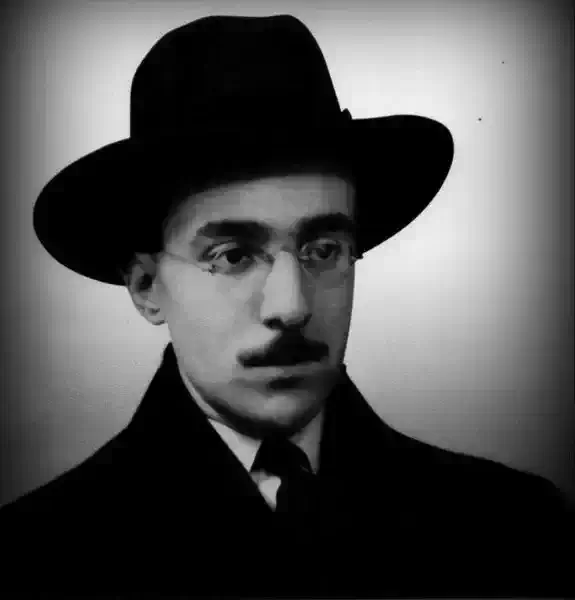
Fernando Pessoa
Toda a visão da crença se acompanha,
Toda visão da crença se acompanha,
Toda crença da acção; e a acção se perde,
Água em água entre tudo.
Conhece-te, se podes. Se não podes
Conhece que não podes. Saber sabe.
Sê teu. Não dês nem operes.
Toda crença da acção; e a acção se perde,
Água em água entre tudo.
Conhece-te, se podes. Se não podes
Conhece que não podes. Saber sabe.
Sê teu. Não dês nem operes.
1 321
Fernando Pessoa
Quantos gozam o gozo de gozar
Quantos gozam o gozo de gozar
Sem que gozem o gozo, e o dividem
Entre eles e o verem
Os outros que eles gozam.
Ah, Lídia, os trajos do gozar omite,
Que o gozo é um, se é nosso, nem o damos
Aos outros como prémio
De verem nosso gozo.
Cada um é ele só, e se com outros
Goza, dos outros goza, e não para eles.
Aprende o que te ensina
Teu corpo, teu limite.
Sem que gozem o gozo, e o dividem
Entre eles e o verem
Os outros que eles gozam.
Ah, Lídia, os trajos do gozar omite,
Que o gozo é um, se é nosso, nem o damos
Aos outros como prémio
De verem nosso gozo.
Cada um é ele só, e se com outros
Goza, dos outros goza, e não para eles.
Aprende o que te ensina
Teu corpo, teu limite.
2 467
Fernando Pessoa
Dizem que não és aquela
Dizem que não és aquela
Que te julgavam aqui.
Mas se és alguém e és bela
Que mais quererão de ti?
Que te julgavam aqui.
Mas se és alguém e és bela
Que mais quererão de ti?
752
Fernando Pessoa
Fica o coração pesado
Fica o coração pesado
Com o choro que chorei.
É um ficar engraçado
O ficar com o que dei...
Com o choro que chorei.
É um ficar engraçado
O ficar com o que dei...
1 538
Fernando Pessoa
II - Mas antes era o Verbo, aqui perdido
II
Mas antes era o Verbo, aqui perdido
Quando a Infinita Luz, já apagada
Do Caos, chão do Ser, foi levantada
Em Sombra, e o Verbo ausente escurecido.
Mas se a Alma sente a sua forma errada,
Em si, que é Sombra, vê enfim luzido
O Verbo deste Mundo, humano e ungido.
Rosa Perfeita, em Deus crucificada.
Então, senhores do limiar dos Céus,
Podemos ir buscar além de Deus
O Segredo do Mestre e o Bem profundo;
Não só de aqui, mas já de nós, despertos,
No sangue actual de Cristo enfim libertos
Do a Deus que morre a geração do Mundo.
Mas antes era o Verbo, aqui perdido
Quando a Infinita Luz, já apagada
Do Caos, chão do Ser, foi levantada
Em Sombra, e o Verbo ausente escurecido.
Mas se a Alma sente a sua forma errada,
Em si, que é Sombra, vê enfim luzido
O Verbo deste Mundo, humano e ungido.
Rosa Perfeita, em Deus crucificada.
Então, senhores do limiar dos Céus,
Podemos ir buscar além de Deus
O Segredo do Mestre e o Bem profundo;
Não só de aqui, mas já de nós, despertos,
No sangue actual de Cristo enfim libertos
Do a Deus que morre a geração do Mundo.
1 371
Fernando Pessoa
THE WOMAN IN BLACK
I
My tale is simple, sad and brief -
As simple as all tales of grief,
As brief as all that is ours, though
It seem eternal to its woe;
No tale of glorious deeds or fair,
But one short poem of despair;
Dark as all things where man is caught
In the fine‑poisoned nets of thought.
Here is no flame of love's old fire,
Nor song of pent or free desire,
No thousand herses [?] fill its plan,
But it is centred round one man.
A man? A boy, if boyhood be
That where is sober misery.
About a boy all moves, an elf
Careless of happiness or pelf,
But fated to sing but himself.
I was not born to joy nor love.
The earth below, the sky above
Compel a sense within my soul
That deeply, heavily doth roll,
Like a tremendous, mystic sea
In lands where dreams alone can be;
A feeling that a sadness is,
Weeping in broken‑hearted bliss;
A sense that is a deep despair -
I know not why I should feel this
Before the things that are most fair.
Beauty is more than pleasure's joy:
That which must please is made to cloy,
And Nature cloys not with distaste
But gives a sorrow [?], as of past
Things whence the Present does inherit
Something where [...] is and deep
Beauty delicious in a sleep
That is half‑sadness to the spirit.
For Pleasure is not Joy - we know
Joy lives as sorrow in the heart;
One or the other lives; the dart
That Sorrow kills comes from Joy's bow.
Pleasure and distaste are not so.
Sorrow and Joy are as the strange
And unknown forms of life and change
That are ignored in depths of ocean:
Pure is the depth of their emotion.
Pleasure and Pain are not like these,
But as on surfaces of seas
The alternation of their motion
And shows of shifting without end.
Joy may like the sun's light transcend
The clouds of Pain; Pleasure may be
The face and look of Misery.
III
Ay, Nature chills me with deep fear,
For Nature, to my seeing, spent
With looking on my woes too near,
It is but Mystery eloquent.
The plainest stone, the simplest flower -
All have a meaning deep and vast,
Mocking their living of an hour.
But this significance, that hath past
So oft to poet’s song and word,
Makes them but madmen, even as I,
Speaking in outline [?] sense absurd
Strange thoughts for beings that must die.
But Man to me is dreader still,
The thing of thought, feeling and will,
Which is so dark unto mine eyes
That of the sense he calls his soul
- Let not of seeing speak the mole [?] -
I cannot dream to theorize.
For men, who have wrought creeds and codes
And guided nations by the roads
Of feeling and of speculation,
Have seen as much - nothing - as I
Into the world. All could perceive
That Nature aught doth signify:
Beyond this they could stop or rave.
Most raved and therefore could believe.
Yet I, naturally wrapt about,
Normally, as in feathers the bird,
With hesitation and with doubt,
Find all the world a thing absurd.
Because myself, a part of it,
Am an absurdity unfit.
Too young I learnt to reason coldly
And draw conclusions firmly, boldly,
From thoughts and facts to shatter creeds,
Careless of man's mendacious needs.
Preciseness cast in me the seeds
Of madness, and the soil was good
For that abnormal growth of pain
Whose flowers are red, colour of blood.
Too soon I learned to see too clear,
And therefore nothing now can capture
My heart, to which reasoning is rapture,
That sees night where most poets say
«'Tis day - I see it all - 'tis day.ª
They sing of joy, T sing of fear.
Alas! Why should I stop thus long
Over the illness of my life,
That has Insanity for wife?
Turn I back with an impulse strong.
Leave I this shallowness and sing.
The deeper sorrow of my song.
My tale is simple, sad and brief -
As simple as all tales of grief,
As brief as all that is ours, though
It seem eternal to its woe;
No tale of glorious deeds or fair,
But one short poem of despair;
Dark as all things where man is caught
In the fine‑poisoned nets of thought.
Here is no flame of love's old fire,
Nor song of pent or free desire,
No thousand herses [?] fill its plan,
But it is centred round one man.
A man? A boy, if boyhood be
That where is sober misery.
About a boy all moves, an elf
Careless of happiness or pelf,
But fated to sing but himself.
I was not born to joy nor love.
The earth below, the sky above
Compel a sense within my soul
That deeply, heavily doth roll,
Like a tremendous, mystic sea
In lands where dreams alone can be;
A feeling that a sadness is,
Weeping in broken‑hearted bliss;
A sense that is a deep despair -
I know not why I should feel this
Before the things that are most fair.
Beauty is more than pleasure's joy:
That which must please is made to cloy,
And Nature cloys not with distaste
But gives a sorrow [?], as of past
Things whence the Present does inherit
Something where [...] is and deep
Beauty delicious in a sleep
That is half‑sadness to the spirit.
For Pleasure is not Joy - we know
Joy lives as sorrow in the heart;
One or the other lives; the dart
That Sorrow kills comes from Joy's bow.
Pleasure and distaste are not so.
Sorrow and Joy are as the strange
And unknown forms of life and change
That are ignored in depths of ocean:
Pure is the depth of their emotion.
Pleasure and Pain are not like these,
But as on surfaces of seas
The alternation of their motion
And shows of shifting without end.
Joy may like the sun's light transcend
The clouds of Pain; Pleasure may be
The face and look of Misery.
III
Ay, Nature chills me with deep fear,
For Nature, to my seeing, spent
With looking on my woes too near,
It is but Mystery eloquent.
The plainest stone, the simplest flower -
All have a meaning deep and vast,
Mocking their living of an hour.
But this significance, that hath past
So oft to poet’s song and word,
Makes them but madmen, even as I,
Speaking in outline [?] sense absurd
Strange thoughts for beings that must die.
But Man to me is dreader still,
The thing of thought, feeling and will,
Which is so dark unto mine eyes
That of the sense he calls his soul
- Let not of seeing speak the mole [?] -
I cannot dream to theorize.
For men, who have wrought creeds and codes
And guided nations by the roads
Of feeling and of speculation,
Have seen as much - nothing - as I
Into the world. All could perceive
That Nature aught doth signify:
Beyond this they could stop or rave.
Most raved and therefore could believe.
Yet I, naturally wrapt about,
Normally, as in feathers the bird,
With hesitation and with doubt,
Find all the world a thing absurd.
Because myself, a part of it,
Am an absurdity unfit.
Too young I learnt to reason coldly
And draw conclusions firmly, boldly,
From thoughts and facts to shatter creeds,
Careless of man's mendacious needs.
Preciseness cast in me the seeds
Of madness, and the soil was good
For that abnormal growth of pain
Whose flowers are red, colour of blood.
Too soon I learned to see too clear,
And therefore nothing now can capture
My heart, to which reasoning is rapture,
That sees night where most poets say
«'Tis day - I see it all - 'tis day.ª
They sing of joy, T sing of fear.
Alas! Why should I stop thus long
Over the illness of my life,
That has Insanity for wife?
Turn I back with an impulse strong.
Leave I this shallowness and sing.
The deeper sorrow of my song.
1 673
Fernando Pessoa
Quando te apertei a mão
Quando te apertei a mão
Ao modo de assim-assim,
Senti o meu coração
A perguntar-me por mim.
Ao modo de assim-assim,
Senti o meu coração
A perguntar-me por mim.
1 279
Fernando Pessoa
«Vou trabalhando a peneira
«Vou trabalhando a peneira
E pensando assim assim.
Eu não nasci para freira.
Gosto que gostem de mim.»
E pensando assim assim.
Eu não nasci para freira.
Gosto que gostem de mim.»
1 370
Fernando Pessoa
Baila o trigo quando há vento
Baila o trigo quando há vento
Baila porque o vento o toca
Também baila o pensamento
Quando o coração provoca.
Baila porque o vento o toca
Também baila o pensamento
Quando o coração provoca.
2 792
Fernando Pessoa
Cada um é um mundo; e como em cada fonte
Cada um é um mundo; e como em cada fonte
Uma deidade vela, em cada homem
Porque não há de haver
Um deus só de ele homem?
Na encoberta sucessão das cousas,
Só o sábio sente, que não foi mais nada
Que a vida que deixou.
Uma deidade vela, em cada homem
Porque não há de haver
Um deus só de ele homem?
Na encoberta sucessão das cousas,
Só o sábio sente, que não foi mais nada
Que a vida que deixou.
1 040
Fernando Pessoa
III - Ah, mas aqui, onde irreais erramos,
III
Ah, mas aqui, onde irreais erramos,
Dormimos o que somos, e a verdade,
Inda que enfim em sonhos a vejamos,
Vemo-la, porque em sonho, em falsidade.
Sombras buscando corpos, se os achamos
Como sentir a sua realidade?
Com mãos de sombra, Sombras, que tocamos?
Nosso toque é ausência e vacuidade.
Quem desta Alma fechada nos liberta?
Sem ver, ouvimos para além da sala
De ser; mas como, aqui, a porta aberta?
......
Calmo na falsa morte a nós exposto,
O Livro ocluso contra o peito posto,
Nosso Pai Roseacruz conhece e cala.
Ah, mas aqui, onde irreais erramos,
Dormimos o que somos, e a verdade,
Inda que enfim em sonhos a vejamos,
Vemo-la, porque em sonho, em falsidade.
Sombras buscando corpos, se os achamos
Como sentir a sua realidade?
Com mãos de sombra, Sombras, que tocamos?
Nosso toque é ausência e vacuidade.
Quem desta Alma fechada nos liberta?
Sem ver, ouvimos para além da sala
De ser; mas como, aqui, a porta aberta?
......
Calmo na falsa morte a nós exposto,
O Livro ocluso contra o peito posto,
Nosso Pai Roseacruz conhece e cala.
1 083
Fernando Pessoa
FLASHES OF MADNESS — IV
IV.
1.
When thou didst speak but now I felt
A terror mad and strange.
Conceive it thou. I could have knelt
To thy lips, to their curve, to its change.
The talking curve of thy lips
And thy teeth but slightly shown
Were my delirium's waking whips.
I felt my reason overthrown.
A super-sensual fetichism
Haunts my deep-raving brain.
Greater than ever grows the abysm
Of my reason's and feeling's schism,
Cut with the pickaxe of pain.
More than they show all things contain.
2.
Something not of this world doth lie
In thy smile, in thy lips live turn;
A figure, a form I know not why
That wakes in me — without a sigh
But with terror I cannot spurn
With terror wild and mute —
Is it remembrances, is it
Desires so vague half-known they flit
And not in thought nor sentiment take root?
My mind grows madder and more fit
In everything to catch and find
Meanings, resemblances defined
By not a form that thought can hit.
Smile not. Thou canst not comprehend!
What is this? What truth doth sleep
In these ravings without end
And beyond notion deep?
Laugh not. Know'st thou what madness is?
Wonder not. All is mysteries.
Ask not. For who can reply?
Weep for me, child, but do not love me
Who have in me too much that is above me,
Too much I cannot call «I».
Weep for the ruin of my mind
Weep rather, child, that things so deep should move me
To lose the clear thoughts that could prove me
One worthy of mankind.
1.
When thou didst speak but now I felt
A terror mad and strange.
Conceive it thou. I could have knelt
To thy lips, to their curve, to its change.
The talking curve of thy lips
And thy teeth but slightly shown
Were my delirium's waking whips.
I felt my reason overthrown.
A super-sensual fetichism
Haunts my deep-raving brain.
Greater than ever grows the abysm
Of my reason's and feeling's schism,
Cut with the pickaxe of pain.
More than they show all things contain.
2.
Something not of this world doth lie
In thy smile, in thy lips live turn;
A figure, a form I know not why
That wakes in me — without a sigh
But with terror I cannot spurn
With terror wild and mute —
Is it remembrances, is it
Desires so vague half-known they flit
And not in thought nor sentiment take root?
My mind grows madder and more fit
In everything to catch and find
Meanings, resemblances defined
By not a form that thought can hit.
Smile not. Thou canst not comprehend!
What is this? What truth doth sleep
In these ravings without end
And beyond notion deep?
Laugh not. Know'st thou what madness is?
Wonder not. All is mysteries.
Ask not. For who can reply?
Weep for me, child, but do not love me
Who have in me too much that is above me,
Too much I cannot call «I».
Weep for the ruin of my mind
Weep rather, child, that things so deep should move me
To lose the clear thoughts that could prove me
One worthy of mankind.
1 475
Fernando Pessoa
O mistério dos olhos e do olhar
O mistério dos olhos e do olhar
Do sujeito e do objecto, transparente
Ao horror que além dele está; o mudo
Sentimento de se desconhecer,
E a confrangida comoção que nasce
De sentir a loucura do vazio;
O horror duma existência incompreendida
Quando à alma se chega desse horror
Faz toda a dor humana uma ilusão.
Essa é a suprema dor, a vera cruz.
Querem desdenhar o teu sentir orgulho
Oh, Cristo!
Então eu vejo — horror — a íntima alma,
O perene mistério que atravessa
Como um suspiro céus e corações.
Do sujeito e do objecto, transparente
Ao horror que além dele está; o mudo
Sentimento de se desconhecer,
E a confrangida comoção que nasce
De sentir a loucura do vazio;
O horror duma existência incompreendida
Quando à alma se chega desse horror
Faz toda a dor humana uma ilusão.
Essa é a suprema dor, a vera cruz.
Querem desdenhar o teu sentir orgulho
Oh, Cristo!
Então eu vejo — horror — a íntima alma,
O perene mistério que atravessa
Como um suspiro céus e corações.
1 206
Fernando Pessoa
II - Dói viver, nada sou que valha ser.
II
Dói viver, nada sou que valha ser.
Tardo-me porque penso e tudo rui.
Tento saber, porque tentar é ser.
Longe de isto ser tudo, tudo flui.
Mágoa que, indiferente, faz viver.
Névoa que, diferente, em tudo influi.
O exílio nada do que foi sequer
Ilude, fixa, dá, faz ou possui.
Assim, nocturna, a áreas indecisas,
O prelúdio perdido traz à mente
O que das ilhas mortas foi só brisas,
E o que a memória análoga dedica
Ao sonho, e onde, lua na corrente,
Não passa o sonho e a água inútil fica.
Dói viver, nada sou que valha ser.
Tardo-me porque penso e tudo rui.
Tento saber, porque tentar é ser.
Longe de isto ser tudo, tudo flui.
Mágoa que, indiferente, faz viver.
Névoa que, diferente, em tudo influi.
O exílio nada do que foi sequer
Ilude, fixa, dá, faz ou possui.
Assim, nocturna, a áreas indecisas,
O prelúdio perdido traz à mente
O que das ilhas mortas foi só brisas,
E o que a memória análoga dedica
Ao sonho, e onde, lua na corrente,
Não passa o sonho e a água inútil fica.
1 355
Fernando Pessoa
IV - Doura o dia. Silente, o vento dura.
........IV
Doura o dia. Silente, o vento dura.
Verde as árvores, mole a terra escura,
Onde flores, vazia a álea e os bancos.
No pinhal erva cresce nos barrancos.
Nuvens vagas no pérfido horizonte.
O moinho longínquo no ermo monte.
Eu alma, que contempla tudo isto,
Nada conhece e tudo reconhece.
Nestas sombras de me sentir existo,
E é falsa a teia que tecer me tece.
Doura o dia. Silente, o vento dura.
Verde as árvores, mole a terra escura,
Onde flores, vazia a álea e os bancos.
No pinhal erva cresce nos barrancos.
Nuvens vagas no pérfido horizonte.
O moinho longínquo no ermo monte.
Eu alma, que contempla tudo isto,
Nada conhece e tudo reconhece.
Nestas sombras de me sentir existo,
E é falsa a teia que tecer me tece.
1 323
Fernando Pessoa
INTERVAL - 3
I could not be thou, being yet not thou
Were I not God; so to God my thoughts go
(To reach thee, to possess from within
To possess from being not from seeing)
Because, substance of substance, He alone
Can love being all things, and all in each one.
Thus is my love (...) religion.
And by being born, not born; by being love
None; and by being made move, not made to move,
But, indefinable and indistinct,
Wearing no form nor purpose nor precinct
Of use, it hangs, with my soul in its wake
An interval between me and thee, between
Ourselves and God, between thou being but seen
And being loved, abstract absance of place
(...) that
Life, substance of thou being a living thing
Where thought and will and feeling are one thing.
Of the two parts of love, becoming other
And unbecoming self, I do one choose —
The unbecoming, and the other lose.
Yet, as to unbecome must be becoming
Some other thing, as the end for roaming
Makes the thing found where will no matter binds,
The unbecoming of me sure love finds.
Yet if it finds the loved thing, yet not thee,
What thing finds it, that it sought not to be?
What but love's own abstraction, interval
Between souls. And as aether is purest of all
Where filling the mere spaces between things,
Because the more unmixed, the love that clings
To my large disembodiment is best,
Because no object, save love, limits its
(…)
But here not aether but consciousness is
The universal substance, so in this
Less difference between this substance and
God is there — so, if right I understand,
This love which to obtain thee loses thee
And which to complete me uncompletes me,
Which the mere interval doth occupy
Whether neither thy soul nor my soul doth lie,
To which my mere love's force abstractly sends
My void outgoing, and there my being ends,
And so the ends my being had in going
Equally endeth — this love thus foregoing
The object and the subject to be done
By missing into pure Relation;
This love finds God by its internal force,
For when all things are lost God is the loss.
See then how I, starting from me to thee,
Have like a sailor that sets out i' th' sea
For some shore, and the winds drive him away
And this chance casts him on some better bay
Than his intention had been to discover.
Yet if discovering were intended, ever
By what discovered is, where it not willed,
The purpose of discovering is filled,
And if the unwilled discovery is better,
The loss is gam, and that which seemed to fetter
The original purpose, the harsh wind,
Does lead the unled to where he best can find.
Yet this is not the journey's end, for whence
The sailor now arrived, to recommence
He may begin his voyage original
And from the better to the worse recall
For as the original purpose, better less,
Is in the found included, he may thence
His foiled task recompose and now to miss
The purpose that his (...)
So I, from God, the better may go out
To thee, and from within thee, not about
Thy presence, enter into thee and be
The very personality of thee.
Were I not God; so to God my thoughts go
(To reach thee, to possess from within
To possess from being not from seeing)
Because, substance of substance, He alone
Can love being all things, and all in each one.
Thus is my love (...) religion.
And by being born, not born; by being love
None; and by being made move, not made to move,
But, indefinable and indistinct,
Wearing no form nor purpose nor precinct
Of use, it hangs, with my soul in its wake
An interval between me and thee, between
Ourselves and God, between thou being but seen
And being loved, abstract absance of place
(...) that
Life, substance of thou being a living thing
Where thought and will and feeling are one thing.
Of the two parts of love, becoming other
And unbecoming self, I do one choose —
The unbecoming, and the other lose.
Yet, as to unbecome must be becoming
Some other thing, as the end for roaming
Makes the thing found where will no matter binds,
The unbecoming of me sure love finds.
Yet if it finds the loved thing, yet not thee,
What thing finds it, that it sought not to be?
What but love's own abstraction, interval
Between souls. And as aether is purest of all
Where filling the mere spaces between things,
Because the more unmixed, the love that clings
To my large disembodiment is best,
Because no object, save love, limits its
(…)
But here not aether but consciousness is
The universal substance, so in this
Less difference between this substance and
God is there — so, if right I understand,
This love which to obtain thee loses thee
And which to complete me uncompletes me,
Which the mere interval doth occupy
Whether neither thy soul nor my soul doth lie,
To which my mere love's force abstractly sends
My void outgoing, and there my being ends,
And so the ends my being had in going
Equally endeth — this love thus foregoing
The object and the subject to be done
By missing into pure Relation;
This love finds God by its internal force,
For when all things are lost God is the loss.
See then how I, starting from me to thee,
Have like a sailor that sets out i' th' sea
For some shore, and the winds drive him away
And this chance casts him on some better bay
Than his intention had been to discover.
Yet if discovering were intended, ever
By what discovered is, where it not willed,
The purpose of discovering is filled,
And if the unwilled discovery is better,
The loss is gam, and that which seemed to fetter
The original purpose, the harsh wind,
Does lead the unled to where he best can find.
Yet this is not the journey's end, for whence
The sailor now arrived, to recommence
He may begin his voyage original
And from the better to the worse recall
For as the original purpose, better less,
Is in the found included, he may thence
His foiled task recompose and now to miss
The purpose that his (...)
So I, from God, the better may go out
To thee, and from within thee, not about
Thy presence, enter into thee and be
The very personality of thee.
1 634
Fernando Pessoa
Não leio já; queria abrir um livro
Não leio já; queria abrir um livro
E ver, de chofre, ali, a ciência toda...
Queria ao menos poder crer que, lendo,
E em prolongadas horas lendo e lendo,
No fim alguma cousa me ficava
Do essencial do mundo, que eu subia
Até ao menos cada vez mais perto
Do mistério... Que ele, inda que inatingido,
Ao menos dele que eu [me] aproximava...
Não fosse tudo um (...)
Como uma criança que a fingir sobe
Uns degraus que pintou no chão...
Não leio. Horas intérminas, perdido
De tudo, salvo de uma dolorosa
Consciência vazia de mim próprio,
Como um frio numa noite intensa,
Em frente ao livro aberto vivo e morro...
Nada... E a impaciência fria e dolorosa
De ler p'ra não sonhar e ter perdido
O sonho! Assim como um (...) engenho
Que, abandonado, em vão trabalha ainda,
Sem nexo, sem propósito, eu môo
E remôo a ilusão do pensamento...
E hora a hora na minha estéril alma
Mais fundo o abismo entre meu ser e mim
Se abre, e nesse (...) abismo não há nada...
Ditoso o tempo em que eu sonhava, e às vezes
Eu parava de ler para seguir
Os cortejos em mim... Amor, orgulho,
— Crenças inda! — pintavam os meus sonhos...
E com muita insistência[?], eu era (...)
O amante de belezas (...)
E o rei de povos vagos e submissos;
E quer em braços que eu sonhava, ou entre
As filas (...) prostradas, eu vivia
Sublimes nadas, alegrias sem cor.
Mas
Hoje nenhuma imagem, nenhum vulto
Evoco em mim... Só um deserto aonde
Não a cor dum areal, nem um ar morto
Posso sonhar... Mas tendo só a ideia,
Tendo da cor o pensamento apenas,
Vazio, oco, sem calor nem frio,
Sem posição, nem direcção, nem (...)
Só o vazio lugar do pensamento...
E ver, de chofre, ali, a ciência toda...
Queria ao menos poder crer que, lendo,
E em prolongadas horas lendo e lendo,
No fim alguma cousa me ficava
Do essencial do mundo, que eu subia
Até ao menos cada vez mais perto
Do mistério... Que ele, inda que inatingido,
Ao menos dele que eu [me] aproximava...
Não fosse tudo um (...)
Como uma criança que a fingir sobe
Uns degraus que pintou no chão...
Não leio. Horas intérminas, perdido
De tudo, salvo de uma dolorosa
Consciência vazia de mim próprio,
Como um frio numa noite intensa,
Em frente ao livro aberto vivo e morro...
Nada... E a impaciência fria e dolorosa
De ler p'ra não sonhar e ter perdido
O sonho! Assim como um (...) engenho
Que, abandonado, em vão trabalha ainda,
Sem nexo, sem propósito, eu môo
E remôo a ilusão do pensamento...
E hora a hora na minha estéril alma
Mais fundo o abismo entre meu ser e mim
Se abre, e nesse (...) abismo não há nada...
Ditoso o tempo em que eu sonhava, e às vezes
Eu parava de ler para seguir
Os cortejos em mim... Amor, orgulho,
— Crenças inda! — pintavam os meus sonhos...
E com muita insistência[?], eu era (...)
O amante de belezas (...)
E o rei de povos vagos e submissos;
E quer em braços que eu sonhava, ou entre
As filas (...) prostradas, eu vivia
Sublimes nadas, alegrias sem cor.
Mas
Hoje nenhuma imagem, nenhum vulto
Evoco em mim... Só um deserto aonde
Não a cor dum areal, nem um ar morto
Posso sonhar... Mas tendo só a ideia,
Tendo da cor o pensamento apenas,
Vazio, oco, sem calor nem frio,
Sem posição, nem direcção, nem (...)
Só o vazio lugar do pensamento...
779
Fernando Pessoa
Saído apenas duma infância
Saído apenas duma infância
Incertamente triste e diferente
Uma vez contemplando dum outeiro
A tinha de colinas majestosa
Que azulada e em perfis desaparecia
No horizonte, contemplando os campos,
Vi de repente como que tudo
Desaparecer, tomando (...)
E um abismo invisível, uma cousa
Nem parecida com a existência
Ocupar não o espaço, mas o modo
Com que eu pensava o visível.
E então o horror supremo que jamais
Deixei depois, mas que aumentando e sendo
O mesmo sempre,
Ocupou-me...
Oh primeira visão interior
Do mistério infinito, em que ruiu
A minha vida juvenil numa hora!
Incertamente triste e diferente
Uma vez contemplando dum outeiro
A tinha de colinas majestosa
Que azulada e em perfis desaparecia
No horizonte, contemplando os campos,
Vi de repente como que tudo
Desaparecer, tomando (...)
E um abismo invisível, uma cousa
Nem parecida com a existência
Ocupar não o espaço, mas o modo
Com que eu pensava o visível.
E então o horror supremo que jamais
Deixei depois, mas que aumentando e sendo
O mesmo sempre,
Ocupou-me...
Oh primeira visão interior
Do mistério infinito, em que ruiu
A minha vida juvenil numa hora!
883
Fernando Pessoa
Why do I desire
Why do I desire
What I do not need?
Why does my soul, like fire,
Or a hot abstract greed,
Seek all that is higher?
Why, if not because
It is a soul? (...)
Who can know the cause
When it lies in its whole
Hidden in (...) laws?
Yet this matters not.
What matters is pining
And that stress of thought
That comes of divining
What to wish that may not be got.
What I do not need?
Why does my soul, like fire,
Or a hot abstract greed,
Seek all that is higher?
Why, if not because
It is a soul? (...)
Who can know the cause
When it lies in its whole
Hidden in (...) laws?
Yet this matters not.
What matters is pining
And that stress of thought
That comes of divining
What to wish that may not be got.
1 252
Fernando Pessoa
42 - THE FORESELF
I had a self and life
Before this life and self.
When the moon makes woods rife
With possible fay or elf,
There comes in me a dreaming
That is like a light gleaming
Somewhere in me away,
On seas that I have known
And placeless lands that own
Another kind of day.
I dream, and as a blast
Fans into fire an ember,
My heart gleams with a past
That I cannot remember.
And as the ember's glowing
Is not fire but fire's showing,
I waste the empty pelf
Of my mute sense of me.
As rain within the sea
I fade within myself.
There are mazes of I.
I am my unknown being.
I have, I know not why,
Another kind of seeing
(Other than this vain vision
That is my soul's division
From what girds sight about)
Where to see is to know,
Whose life is faith, and woe
Fled by the hand of Doubt.
My life has happy hours:
'Tis when I feel not living;
And, as the scent of flowers
Round flowers a flower‑soul weaving
That is a corporate spirit,
From myself I inherit,
My soul's blood's spirit‑air,
A foreself and inself
Which is the being‑pelf
That with God's loss I share.
Before this life and self.
When the moon makes woods rife
With possible fay or elf,
There comes in me a dreaming
That is like a light gleaming
Somewhere in me away,
On seas that I have known
And placeless lands that own
Another kind of day.
I dream, and as a blast
Fans into fire an ember,
My heart gleams with a past
That I cannot remember.
And as the ember's glowing
Is not fire but fire's showing,
I waste the empty pelf
Of my mute sense of me.
As rain within the sea
I fade within myself.
There are mazes of I.
I am my unknown being.
I have, I know not why,
Another kind of seeing
(Other than this vain vision
That is my soul's division
From what girds sight about)
Where to see is to know,
Whose life is faith, and woe
Fled by the hand of Doubt.
My life has happy hours:
'Tis when I feel not living;
And, as the scent of flowers
Round flowers a flower‑soul weaving
That is a corporate spirit,
From myself I inherit,
My soul's blood's spirit‑air,
A foreself and inself
Which is the being‑pelf
That with God's loss I share.
1 610
Fernando Pessoa
SECOND SIGHT
Whene'er thou dost undo
Thy dark, strange hair before the wind
And the wind takes it up and makes it woo
Tumult and violence in the way it sweeps
Along the air, mingling, unmingling, undefined
In the snake‑like madness it keeps.
Then I do know
That somewhere whence dreams come
And passions go,
Somewhere in that world contrary to this,
Yet landscaped, peopled as this is,
In a great southern sea
There is a storm and a hurled wreck
On rising rocks that cannot reck
For human misery.
The two things are but one.
Thy floating hair is that great ship undone
In a tossed, turbulent, dashed ocean.
Neither precedeth nor doth cause the other
Nor are the two as brother and brother,
But absolutely one, samely the same,
They have somehow an equal name
Where speech is of the essence of what is.
A real sight, like God's, should see the kiss
Of the wind through thy hair and the far storm
One thing, - yet two things because we see two
When we conceive them one, the double form
Coming to oneness in what we construe.
Therefore I grieve when thou letst thy hair take
The wind upon its long, thin, changing fingers,
For that sight of me that translates that to
The sterner meaning in what world I know
Only through what in me is not here awake, -
That sight of that mad wreck visibly lingers
And does in my imagination ache.
Alas! all things are linked, and we know not
Half the contents of our each casual thought.
We never see save one little dreamed bit
Of each feeling we have; we pass through it
Like rapid travellers that scarce can see
What they pass by and what they see see erringly.
What is the meaning of my writing this?
Nothing, save that this is,
I know not why, something I know and must
Utter, the purpose of it being with
That secret Being that made my body of dust
Bear my soul's ignored presence, and that breath
Of life that survives my each moment's death.
Thy dark, strange hair before the wind
And the wind takes it up and makes it woo
Tumult and violence in the way it sweeps
Along the air, mingling, unmingling, undefined
In the snake‑like madness it keeps.
Then I do know
That somewhere whence dreams come
And passions go,
Somewhere in that world contrary to this,
Yet landscaped, peopled as this is,
In a great southern sea
There is a storm and a hurled wreck
On rising rocks that cannot reck
For human misery.
The two things are but one.
Thy floating hair is that great ship undone
In a tossed, turbulent, dashed ocean.
Neither precedeth nor doth cause the other
Nor are the two as brother and brother,
But absolutely one, samely the same,
They have somehow an equal name
Where speech is of the essence of what is.
A real sight, like God's, should see the kiss
Of the wind through thy hair and the far storm
One thing, - yet two things because we see two
When we conceive them one, the double form
Coming to oneness in what we construe.
Therefore I grieve when thou letst thy hair take
The wind upon its long, thin, changing fingers,
For that sight of me that translates that to
The sterner meaning in what world I know
Only through what in me is not here awake, -
That sight of that mad wreck visibly lingers
And does in my imagination ache.
Alas! all things are linked, and we know not
Half the contents of our each casual thought.
We never see save one little dreamed bit
Of each feeling we have; we pass through it
Like rapid travellers that scarce can see
What they pass by and what they see see erringly.
What is the meaning of my writing this?
Nothing, save that this is,
I know not why, something I know and must
Utter, the purpose of it being with
That secret Being that made my body of dust
Bear my soul's ignored presence, and that breath
Of life that survives my each moment's death.
1 570
Fernando Pessoa
40 - ELEVATION
Before light was, light's bright idea lit
God's thought of it,
And, because through God's thought light's thought did pass,
Light ever was,
And from beyond eternity became
The living flame
That trembles into life and reddens with
Our life's soul‑width.
Before light was, when yet the night was queen
O'er what had been,
In God's realized prescience it could be
Light from eternity,
For no time enters into God's thoughts or
Their spaceless Hour.
Take thou therefore, my Song, from light the mood
Of being, and brood,
Like the Dove unbegot, over the abyss
Of consciousness,
Taking as thy true part that thought of God
Whence light issued.
Let my words burst into that divine flame
That lights its name
Of each thing from within with ultimate meaning.
Though earth be screening
With fixed appearance the Sun in each Thing,
Bear, on thy wing
High‑lifted, rays from the unrisen Sun
Whence life is spun.
Soar out, my Song, out of despair and night
And catch that light
Ere it appear, from neath the horizon
Of action,
Borne out of dreams by intuition bright
Of endless light.
Though none believe nor any understand,
Yet feel thee fanned
With those breeze‑breaths that come up with the morn
From the Unborn.
Soar like a lark into the coming day
And bear thy way
Into the possibility of noon
Hid in the dawn.
No matter that none know what thy words speak.
A day shall break
Out of eternity as each day bright
Out of each night.
Thy wings shall touch the slanting light of dawn
And, upwards drawn
By being light‑struck, shall to light be near
When light's yet far.
Hope is thy ready and high‑soaring flight
Out of the night,
Joy is thy touching of the first high rays
That day betrays,
Life is the course thy flight sequesters from
Earth and its nightly doom,
And these three things are one in thy belief
That pain is brief.
II
Thou, unseeen Bird, essence of spiritual light,
That yet art bright
With the epitome of the outer shine,
Thou that art mine
And yet not mine but general to the earth,
Wings of rebirth,
Whose song, though in me heard, participates
Of all that all elates,
Thou point of meeting of me with the wings
Hidden in all things,
Thou breath, thou vapour, seen and not seen, of
Some abstract love,
Thou exhalation of the prisoned flight
Of all things' weight,
Thou that in me art fear, mad splendour, all
To ache and enthral,
Attract me, take me, o pure flight, and rise
With me in thine eyes,
Lost, cast, unpetalled and divine, up to
What thou dost woo!
O Spirit‑Lark that wakest ere the morn
And art reborn
At each recoming of the sun, and art
The wiser part
Of all that message is to our low eyes
Of what shall rise!
Life‑weightless Bird that no meads can attract,
But that must act
Its fate in air, above our marshes sad
And meads low‑laid,
In free heights communing with the Great Horn
As yet unborn!
O sterile Bird that hast no nest nor home
But what shall come,
That hast no song save in the heights above
Nests, homes and love,
Nor any thought save for the coming day,
Though far away
It seem to those who measure yet thy flight
But by its height
And not by its intention, that is carried
From life and married
To those diviner hours that winged things
Find with their wings!
O Bird of ruthless song and untold wishes,
Whose high flight reaches
Heights not of earth, but of pure air, encumbered
With no joys weighed and numbered!
Take all my heart in thy purpose of going
And make the flowing
Down to earth of my song be like thy song,
Something strange, strong
With distance, eerily half‑perishing
From farness! Sing,
And let my heart be what thou meanst with singings
My life with winging.
My hopes and fears with th’tone wherewith thy note
To me doth float
And the great purpose hidden in my fate
With thy mere height!
My heart shall thus be happy even if pained,
Free even if strained
To keep that height of joy whence tremble down
Thy songs to our own.
My soul may thus be happy, full and free.
Oh, happily
Raise me from me and lift my life unto
That thou dost woo -
The light, the sky, the distance and the morn,
Till I be unborn
Again to pure dispersion in the seas
Of the high breeze
That speaks to thee, ere light be born, of light,
Till the delight
Of without being being shall make me
Song and sky be!
God's thought of it,
And, because through God's thought light's thought did pass,
Light ever was,
And from beyond eternity became
The living flame
That trembles into life and reddens with
Our life's soul‑width.
Before light was, when yet the night was queen
O'er what had been,
In God's realized prescience it could be
Light from eternity,
For no time enters into God's thoughts or
Their spaceless Hour.
Take thou therefore, my Song, from light the mood
Of being, and brood,
Like the Dove unbegot, over the abyss
Of consciousness,
Taking as thy true part that thought of God
Whence light issued.
Let my words burst into that divine flame
That lights its name
Of each thing from within with ultimate meaning.
Though earth be screening
With fixed appearance the Sun in each Thing,
Bear, on thy wing
High‑lifted, rays from the unrisen Sun
Whence life is spun.
Soar out, my Song, out of despair and night
And catch that light
Ere it appear, from neath the horizon
Of action,
Borne out of dreams by intuition bright
Of endless light.
Though none believe nor any understand,
Yet feel thee fanned
With those breeze‑breaths that come up with the morn
From the Unborn.
Soar like a lark into the coming day
And bear thy way
Into the possibility of noon
Hid in the dawn.
No matter that none know what thy words speak.
A day shall break
Out of eternity as each day bright
Out of each night.
Thy wings shall touch the slanting light of dawn
And, upwards drawn
By being light‑struck, shall to light be near
When light's yet far.
Hope is thy ready and high‑soaring flight
Out of the night,
Joy is thy touching of the first high rays
That day betrays,
Life is the course thy flight sequesters from
Earth and its nightly doom,
And these three things are one in thy belief
That pain is brief.
II
Thou, unseeen Bird, essence of spiritual light,
That yet art bright
With the epitome of the outer shine,
Thou that art mine
And yet not mine but general to the earth,
Wings of rebirth,
Whose song, though in me heard, participates
Of all that all elates,
Thou point of meeting of me with the wings
Hidden in all things,
Thou breath, thou vapour, seen and not seen, of
Some abstract love,
Thou exhalation of the prisoned flight
Of all things' weight,
Thou that in me art fear, mad splendour, all
To ache and enthral,
Attract me, take me, o pure flight, and rise
With me in thine eyes,
Lost, cast, unpetalled and divine, up to
What thou dost woo!
O Spirit‑Lark that wakest ere the morn
And art reborn
At each recoming of the sun, and art
The wiser part
Of all that message is to our low eyes
Of what shall rise!
Life‑weightless Bird that no meads can attract,
But that must act
Its fate in air, above our marshes sad
And meads low‑laid,
In free heights communing with the Great Horn
As yet unborn!
O sterile Bird that hast no nest nor home
But what shall come,
That hast no song save in the heights above
Nests, homes and love,
Nor any thought save for the coming day,
Though far away
It seem to those who measure yet thy flight
But by its height
And not by its intention, that is carried
From life and married
To those diviner hours that winged things
Find with their wings!
O Bird of ruthless song and untold wishes,
Whose high flight reaches
Heights not of earth, but of pure air, encumbered
With no joys weighed and numbered!
Take all my heart in thy purpose of going
And make the flowing
Down to earth of my song be like thy song,
Something strange, strong
With distance, eerily half‑perishing
From farness! Sing,
And let my heart be what thou meanst with singings
My life with winging.
My hopes and fears with th’tone wherewith thy note
To me doth float
And the great purpose hidden in my fate
With thy mere height!
My heart shall thus be happy even if pained,
Free even if strained
To keep that height of joy whence tremble down
Thy songs to our own.
My soul may thus be happy, full and free.
Oh, happily
Raise me from me and lift my life unto
That thou dost woo -
The light, the sky, the distance and the morn,
Till I be unborn
Again to pure dispersion in the seas
Of the high breeze
That speaks to thee, ere light be born, of light,
Till the delight
Of without being being shall make me
Song and sky be!
1 707
Fernando Pessoa
Ah, tudo é símbolo e analogia!
Ah, tudo é símbolo e analogia!
O vento que passa, a noite que esfria
São outra cousa que a noite e o vento —
Sombras de vida e de pensamento.
Tudo que vemos é outra cousa.
A maré vasta, a maré ansiosa,
É o eco de outra maré que está
Onde é real o mundo que há.
Tudo que temos é esquecimento.
A noite fria, o passar do vento
São sombras de mãos cujos gestos são
A ilusão mãe desta ilusão.
O vento que passa, a noite que esfria
São outra cousa que a noite e o vento —
Sombras de vida e de pensamento.
Tudo que vemos é outra cousa.
A maré vasta, a maré ansiosa,
É o eco de outra maré que está
Onde é real o mundo que há.
Tudo que temos é esquecimento.
A noite fria, o passar do vento
São sombras de mãos cujos gestos são
A ilusão mãe desta ilusão.
1 684