

Poemas neste tema
Liberdade
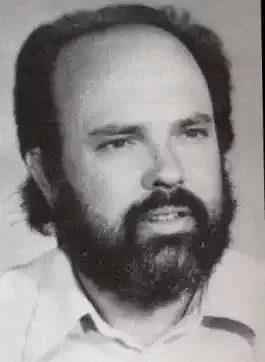
Ruy Belo
No aniversário da libertação de Paris
O dissídio das trevas começara
Se figuras reais o tempo a sombras reduziu
não menos marca em faces vivas imprimiu
esparsas nas prisões entre a floresta negra e o mar báltico
A noite ao recuar como pela vazante o mar
deixou de pé impávidas na fímbria do dia
hirtas nas respectivas estaturas
as mulheres obscuras e escuras de corrèze
senhoras absolutas do silêncio
sobre os sombrios túmulos dos seus concidadãos
despertos na alsácia para a vida ali bebida
por esse chão francês onde nascemos todos nós
Se somos homens é porque temos voz
e através dos campos somos conduzidos
pelos cães que na noite erguem os seus latidos
Os maquis portadores de simbólicas bandeiras
arrastam-se debaixo de árvores rasteiras
pois a gestapo só nas gigantescas árvores
se digna demorar a principesca vista
A mais altiva divisão do fúhrer
blindada e couraçada numa espessa muralha de ferro
vê o caminho para a normandia
cerrar-se nas calosas mãos dos camponeses
mãos feitas para o pão e para a paz
mãos medida do homem não da máquina
Devassa a névoa dos vosges e o muro vegetal da alsácia
o canto cúmplice daqueles renitentes resistentes
talvez dali a nada forte mensageiro de morte
Porém já a ninguém a morte importa
mas sim o cativeiro vida mitigada
morte maior miúda e adiada
E a lágrima londrina de moulin
amigo da república espanhola
prefeito expulso pelos homens de vichy
proprietário apenas da palavra liberdade
a lágrima daquele a quem malraux chamou carnot da resistência
e o nazi barbie boliviano naturalizado
cobardemente acaba de dizer que hardy atraiçoou
essa lágrima nasce na incisiva e seca fala de de gaulle
e traz consigo a altivez e decisão
de um povo inteiro em pé por trás daquela face
sulcada pela lágrima caudal dos rios de um país
O inveterado laico que do sótão de um ignoto presbitério
fez chegar até londres sua voz sacramental
o pobre rei das sombras massacrado
condecorado já com uma cicatriz
incisa por si próprio uns três anos antes
junto às cordas vocais onde podia a sua voz
vibrar sob a tortura silencia para sempre
os sons articulados o único ferro
capaz de assinalar um homem livre
É no forte montluc de lião
que já sem fala imprime no papel que lhe apresentam a
fisionomia do verdugo que há-de executá-lo
O seu silêncio vela essas mulheres que velam pelos mortos
os maquis que rastejam sob os ramos de carrasco
as oito mil mulheres mortas nas masmorras alemãs
a última francesa assassinada em ravensbriick
por haver albergado um resistente
A ele chefe sem rosto desse exército da noite
desse povo de sombras que só ele iluminou
só a morte lhe deu um nome verdadeiramente seu
Mais do que libertar paris a resistência
restitui ao país a sua consciência
e as pétalas de flor que a multidão espargia
nos carros apagavam logo o pó da normandia
E os que por heróis em escravos se encontravam transformados
chegados mesmo ao cúmulo das dores
a própria morte olharam como vencedores
Sobre a luz da cidade tanto tempo extinta
sobre a cidade tanto tempo muda
os sinos são a voz da liberdade
difundida através do céu do verão e da cidade
E tu ó homem livre de qualquer país
podes ainda hoje ouvir esse dobrar do sino
e gravar no teu peito o que te diz:
temos nas nossas mãos o leme do destino
Nós os irmãos professos da ordem da noite
devolvemos a voz ao povo emudecido
pela ignorância forma extrema e eleita de opressão
Na sala de bilhares da estação de montparnasse
o general von choltitz após a rendição
desce no seu o olhar vencido do exército alemão
diante desse jovem general francês
que apenas diz: «Eu sou o general leclerc»
Era uma vez o tempo fugaz foge
Foi já há duas ou três décadas foi hoje
Ruy Belo | "Obra Poética de Ruy Belo" - Vol. 2, págs. 48 a 50 | Editorial Presença Lda., 1981
Se figuras reais o tempo a sombras reduziu
não menos marca em faces vivas imprimiu
esparsas nas prisões entre a floresta negra e o mar báltico
A noite ao recuar como pela vazante o mar
deixou de pé impávidas na fímbria do dia
hirtas nas respectivas estaturas
as mulheres obscuras e escuras de corrèze
senhoras absolutas do silêncio
sobre os sombrios túmulos dos seus concidadãos
despertos na alsácia para a vida ali bebida
por esse chão francês onde nascemos todos nós
Se somos homens é porque temos voz
e através dos campos somos conduzidos
pelos cães que na noite erguem os seus latidos
Os maquis portadores de simbólicas bandeiras
arrastam-se debaixo de árvores rasteiras
pois a gestapo só nas gigantescas árvores
se digna demorar a principesca vista
A mais altiva divisão do fúhrer
blindada e couraçada numa espessa muralha de ferro
vê o caminho para a normandia
cerrar-se nas calosas mãos dos camponeses
mãos feitas para o pão e para a paz
mãos medida do homem não da máquina
Devassa a névoa dos vosges e o muro vegetal da alsácia
o canto cúmplice daqueles renitentes resistentes
talvez dali a nada forte mensageiro de morte
Porém já a ninguém a morte importa
mas sim o cativeiro vida mitigada
morte maior miúda e adiada
E a lágrima londrina de moulin
amigo da república espanhola
prefeito expulso pelos homens de vichy
proprietário apenas da palavra liberdade
a lágrima daquele a quem malraux chamou carnot da resistência
e o nazi barbie boliviano naturalizado
cobardemente acaba de dizer que hardy atraiçoou
essa lágrima nasce na incisiva e seca fala de de gaulle
e traz consigo a altivez e decisão
de um povo inteiro em pé por trás daquela face
sulcada pela lágrima caudal dos rios de um país
O inveterado laico que do sótão de um ignoto presbitério
fez chegar até londres sua voz sacramental
o pobre rei das sombras massacrado
condecorado já com uma cicatriz
incisa por si próprio uns três anos antes
junto às cordas vocais onde podia a sua voz
vibrar sob a tortura silencia para sempre
os sons articulados o único ferro
capaz de assinalar um homem livre
É no forte montluc de lião
que já sem fala imprime no papel que lhe apresentam a
fisionomia do verdugo que há-de executá-lo
O seu silêncio vela essas mulheres que velam pelos mortos
os maquis que rastejam sob os ramos de carrasco
as oito mil mulheres mortas nas masmorras alemãs
a última francesa assassinada em ravensbriick
por haver albergado um resistente
A ele chefe sem rosto desse exército da noite
desse povo de sombras que só ele iluminou
só a morte lhe deu um nome verdadeiramente seu
Mais do que libertar paris a resistência
restitui ao país a sua consciência
e as pétalas de flor que a multidão espargia
nos carros apagavam logo o pó da normandia
E os que por heróis em escravos se encontravam transformados
chegados mesmo ao cúmulo das dores
a própria morte olharam como vencedores
Sobre a luz da cidade tanto tempo extinta
sobre a cidade tanto tempo muda
os sinos são a voz da liberdade
difundida através do céu do verão e da cidade
E tu ó homem livre de qualquer país
podes ainda hoje ouvir esse dobrar do sino
e gravar no teu peito o que te diz:
temos nas nossas mãos o leme do destino
Nós os irmãos professos da ordem da noite
devolvemos a voz ao povo emudecido
pela ignorância forma extrema e eleita de opressão
Na sala de bilhares da estação de montparnasse
o general von choltitz após a rendição
desce no seu o olhar vencido do exército alemão
diante desse jovem general francês
que apenas diz: «Eu sou o general leclerc»
Era uma vez o tempo fugaz foge
Foi já há duas ou três décadas foi hoje
Ruy Belo | "Obra Poética de Ruy Belo" - Vol. 2, págs. 48 a 50 | Editorial Presença Lda., 1981
1 011
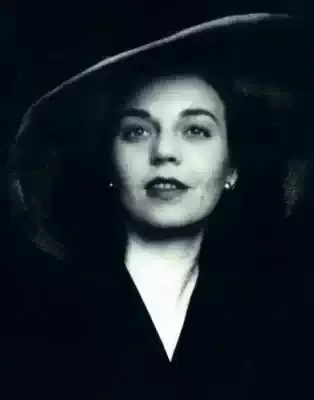
Sophia de Mello Breyner Andresen
Epidauro
O cardo floresce na claridade do dia. Na doçura do dia se abre o figo. Eis o país do exterior onde cada coisa é:
trazida à luz
trazida à liberdade da luz
trazida ao espanto da luz
Eis-me vestida de sol e de silêncio. Gritei para destruir o Minotauro e o palácio. Gritei para destruir a sombra azul do Minotauro. Porque ele é insaciável. Ele come dia após dia os anos da nossa vida. Bebe o sacrifício sangrento dos nossos dias. Come o sabor do nosso pão a nossa alegria do mar. Pode ser que tome a forma de um polvo como nos vasos de Cnossos. Então dirá que é o abismo do mar e a multiplicidade do real. Então dirá que é duplo. Que pode tornar-se pedra com a pedra alga com a alga. Que pode dobrar-se que pode desdobrar-se. Que os seus braços rodeiam. Que é circular. Mas de súbito verás que é um homem que traz em si próprio a violência do toiro.
Só poderás ser liberta aqui na manhã d’Epidauro. Onde o ar toca o teu rosto para te reconhecer e a doçura da luz te parece imortal. A tua voz subirá sozinha as escadas de pedra pálida. E ao teu encontro regressará a teoria ordenada das sílabas — portadoras limpas da serenidade.
trazida à luz
trazida à liberdade da luz
trazida ao espanto da luz
Eis-me vestida de sol e de silêncio. Gritei para destruir o Minotauro e o palácio. Gritei para destruir a sombra azul do Minotauro. Porque ele é insaciável. Ele come dia após dia os anos da nossa vida. Bebe o sacrifício sangrento dos nossos dias. Come o sabor do nosso pão a nossa alegria do mar. Pode ser que tome a forma de um polvo como nos vasos de Cnossos. Então dirá que é o abismo do mar e a multiplicidade do real. Então dirá que é duplo. Que pode tornar-se pedra com a pedra alga com a alga. Que pode dobrar-se que pode desdobrar-se. Que os seus braços rodeiam. Que é circular. Mas de súbito verás que é um homem que traz em si próprio a violência do toiro.
Só poderás ser liberta aqui na manhã d’Epidauro. Onde o ar toca o teu rosto para te reconhecer e a doçura da luz te parece imortal. A tua voz subirá sozinha as escadas de pedra pálida. E ao teu encontro regressará a teoria ordenada das sílabas — portadoras limpas da serenidade.
2 500
Sophia de Mello Breyner Andresen
Poema
Cumpridos os deveres compridos deixaram
De assediar minhas horas
Doce a liberdade retoma em si minha leveza antiga
De assediar minhas horas
Doce a liberdade retoma em si minha leveza antiga
2 035
Sophia de Mello Breyner Andresen
Memória do Padre Manuel Antunes, S.J.
Tão nobre espírito
em tão estreita regra
Tão vasta liberdade em tão estreita
Regra
em tão estreita regra
Tão vasta liberdade em tão estreita
Regra
2 114
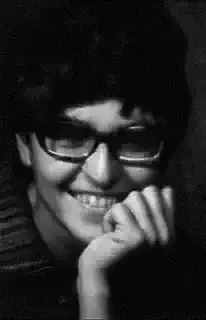
Susana Thénon
Não
Me nego a ser possuída
por palavras, por jaulas
por geometrias abjetas.
Me nego a ser
rotulada
violentada
absorvida.
Só eu sei como me destruir
como bater minha cabeça
contra a cabeça do céu,
como cortar minhas mãos e senti-las à noite
crescendo para dentro.
Me nego a receber esta morte
esta dor
estes planos tramados, inconcebíveis
só eu conheço a dor
que leva meu nome
e só eu conheço a casa de minha morte.
por palavras, por jaulas
por geometrias abjetas.
Me nego a ser
rotulada
violentada
absorvida.
Só eu sei como me destruir
como bater minha cabeça
contra a cabeça do céu,
como cortar minhas mãos e senti-las à noite
crescendo para dentro.
Me nego a receber esta morte
esta dor
estes planos tramados, inconcebíveis
só eu conheço a dor
que leva meu nome
e só eu conheço a casa de minha morte.
1 025
Susana Thénon
Ela
Pela madrugada
(ela se deu conta das mãos).
Pela madrugada, apenas.
Ela lembra que nada importa
embora sua sombra siga correndo
em volta da noite.
Algo se deteve em algum momento
algo marchava debilmente
e se deteve em algum momento.
Ela tremeu como um som
congelado entre os lábios de um morto.
Ela se desvaneceu como uma lembrança
evocada até a saciedade.
Ela se dobrou sobre sua respiração
e compreendeu que ainda vivia.
Deu-se conta da liberdade
e a deixou escorrer como uma pequena noite.
Amarrou a angústia ao redor do pescoço
e lembrou sua cor desaparecida.
Ela mordeu às cegas na escuridão
e escutou gritar o silêncio.
E aprendeu a rir
do cheiro antigo que dava adeus a seu sangue.
Pela noite
(ela cortou as mãos).
Pela noite, apenas.
Ela recolhe seu pequeno ocaso.
Ela sonha na ereção da rosa.
(ela se deu conta das mãos).
Pela madrugada, apenas.
Ela lembra que nada importa
embora sua sombra siga correndo
em volta da noite.
Algo se deteve em algum momento
algo marchava debilmente
e se deteve em algum momento.
Ela tremeu como um som
congelado entre os lábios de um morto.
Ela se desvaneceu como uma lembrança
evocada até a saciedade.
Ela se dobrou sobre sua respiração
e compreendeu que ainda vivia.
Deu-se conta da liberdade
e a deixou escorrer como uma pequena noite.
Amarrou a angústia ao redor do pescoço
e lembrou sua cor desaparecida.
Ela mordeu às cegas na escuridão
e escutou gritar o silêncio.
E aprendeu a rir
do cheiro antigo que dava adeus a seu sangue.
Pela noite
(ela cortou as mãos).
Pela noite, apenas.
Ela recolhe seu pequeno ocaso.
Ela sonha na ereção da rosa.
841
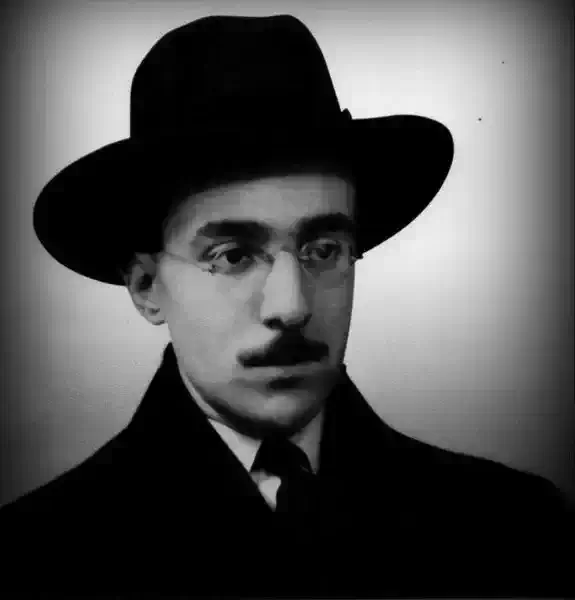
Fernando Pessoa
Para adorar a beleza
Para adorar a beleza
E a liberdade amar
Fez Deus Portugal tão belo,
Pôs-nos Deus à beira-mar
(Só aprendemos a sonhar).
Sofra um só deve ser pública
Toda a dor (...) da opressão
Vamos, morte (?] ou república,
Suprimir [?] a revolução.
E a liberdade amar
Fez Deus Portugal tão belo,
Pôs-nos Deus à beira-mar
(Só aprendemos a sonhar).
Sofra um só deve ser pública
Toda a dor (...) da opressão
Vamos, morte (?] ou república,
Suprimir [?] a revolução.
1 297
Fernando Pessoa
A liberdade, sim, a liberdade!
A liberdade, sim, a liberdade!
A verdadeira liberdade!
Pensar sem desejos nem convicções.
Ser dono de si mesmo sem influência de romances!
Existir sem Freud nem aeroplanos,
Sem cabarets, nem na alma, sem velocidades, nem no cansaço!
A liberdade do vagar, do pensamento são, do amor às coisas naturais
A liberdade de amar a moral que é preciso dar à vida!
Como o luar quando as nuvens abrem
A grande liberdade cristã da minha infância que rezava
Estende de repente sobre a terra inteira o seu manto de prata para mim...
A liberdade, a lucidez, o raciocínio coerente,
A noção jurídica da alma dos outros como humana,
A alegria de ter estas coisas, e poder outra vez
Gozar os campos sem referência a coisa nenhuma
E beber água como se fosse todos os vinhos do mundo!
Passos todos passinhos de criança...
Sorriso da velha bondosa...
Apertar da mão do amigo [sério?]...
Que vida que tem sido a minha!
Quanto tempo de espera no apeadeiro!
Quanto viver pintado em impresso da vida!
Ah, tenho uma sede sã. Dêem-me a liberdade,
Dêem-ma no púcaro velho de ao pé do pote
Da casa do campo da minha velha infância...
Eu bebia e ele chiava,
Eu era fresco e ele era fresco,
E como eu não tinha nada que me ralasse, era livre.
Que é do púcaro e da inocência?
Que é de quem eu deveria ter sido?
E salvo este desejo de liberdade e de bem e de ar, que é de mim?
A verdadeira liberdade!
Pensar sem desejos nem convicções.
Ser dono de si mesmo sem influência de romances!
Existir sem Freud nem aeroplanos,
Sem cabarets, nem na alma, sem velocidades, nem no cansaço!
A liberdade do vagar, do pensamento são, do amor às coisas naturais
A liberdade de amar a moral que é preciso dar à vida!
Como o luar quando as nuvens abrem
A grande liberdade cristã da minha infância que rezava
Estende de repente sobre a terra inteira o seu manto de prata para mim...
A liberdade, a lucidez, o raciocínio coerente,
A noção jurídica da alma dos outros como humana,
A alegria de ter estas coisas, e poder outra vez
Gozar os campos sem referência a coisa nenhuma
E beber água como se fosse todos os vinhos do mundo!
Passos todos passinhos de criança...
Sorriso da velha bondosa...
Apertar da mão do amigo [sério?]...
Que vida que tem sido a minha!
Quanto tempo de espera no apeadeiro!
Quanto viver pintado em impresso da vida!
Ah, tenho uma sede sã. Dêem-me a liberdade,
Dêem-ma no púcaro velho de ao pé do pote
Da casa do campo da minha velha infância...
Eu bebia e ele chiava,
Eu era fresco e ele era fresco,
E como eu não tinha nada que me ralasse, era livre.
Que é do púcaro e da inocência?
Que é de quem eu deveria ter sido?
E salvo este desejo de liberdade e de bem e de ar, que é de mim?
1 214
Fernando Pessoa
Não! Só quero a liberdade!
Não! Só quero a liberdade!
Amor, glória, dinheiro são prisões.
Bonitas salas? Bons estofos? Tapetes moles?
Ah, mas deixem-me sair para ir ter comigo.
Quero respirar o ar sozinho,
Não tenho pulsações em conjunto,
Não sinto em sociedade por quotas,
Não sou senão eu, não nasci senão quem sou, estou cheio de mim.
Onde quero dormir? No quintal...
Nada de paredes — ser o grande entendimento —
Eu e o universo,
E que sossego, que paz não ver antes de dormir o espectro do guarda-fatos
Mas o grande esplendor, negro e fresco de todos os astros juntos,
O grande abismo infinito para cima
A pôr brisas e bondades do alto na caveira tapada de carne que é a minha cara,
Onde só os olhos — outro céu — revelam o grande ser subjectivo.
Não quero! Dêem-me a liberdade!
Quero ser igual a mim mesmo.
Não me capem com ideais!
Não me vistam as camisas-de-forças das maneiras!
Não me façam elogiável ou inteligível!
Não me matem em vida!
Quero saber atirar com essa bola alta à lua
E ouvi-la cair no quintal do lado!
Quero ir deitar-me na relva, pensando "Amanhã vou buscá-la"...
Amanhã vou buscá-la ao quintal ao lado...
Amanhã vou buscá-la ao quintal ao lado...
" Amanhã vou buscá-la ao quintal"
Buscá-la ao quintal
Ao quintal
ao lado...
Amor, glória, dinheiro são prisões.
Bonitas salas? Bons estofos? Tapetes moles?
Ah, mas deixem-me sair para ir ter comigo.
Quero respirar o ar sozinho,
Não tenho pulsações em conjunto,
Não sinto em sociedade por quotas,
Não sou senão eu, não nasci senão quem sou, estou cheio de mim.
Onde quero dormir? No quintal...
Nada de paredes — ser o grande entendimento —
Eu e o universo,
E que sossego, que paz não ver antes de dormir o espectro do guarda-fatos
Mas o grande esplendor, negro e fresco de todos os astros juntos,
O grande abismo infinito para cima
A pôr brisas e bondades do alto na caveira tapada de carne que é a minha cara,
Onde só os olhos — outro céu — revelam o grande ser subjectivo.
Não quero! Dêem-me a liberdade!
Quero ser igual a mim mesmo.
Não me capem com ideais!
Não me vistam as camisas-de-forças das maneiras!
Não me façam elogiável ou inteligível!
Não me matem em vida!
Quero saber atirar com essa bola alta à lua
E ouvi-la cair no quintal do lado!
Quero ir deitar-me na relva, pensando "Amanhã vou buscá-la"...
Amanhã vou buscá-la ao quintal ao lado...
Amanhã vou buscá-la ao quintal ao lado...
" Amanhã vou buscá-la ao quintal"
Buscá-la ao quintal
Ao quintal
ao lado...
1 781
Fernando Pessoa
Débil no vício, débil na virtude
Débil no vício, débil na virtude
A humanidade débil, nem na fúria
Conhece mais que a norma.
Pares e diferentes nos regemos
Por uma norma própria, e inda que dura,
Será à liberdade.
Ser livre é ser a própria imposta norma
Igual a todos, salvo no amplo e duro
Mando e uso de si mesmo.
A humanidade débil, nem na fúria
Conhece mais que a norma.
Pares e diferentes nos regemos
Por uma norma própria, e inda que dura,
Será à liberdade.
Ser livre é ser a própria imposta norma
Igual a todos, salvo no amplo e duro
Mando e uso de si mesmo.
1 046
Fernando Pessoa
ELEGY
On the marriage of my dear friend Mr. Jinks
(but which may with equal aptness be applied
to the marriage of many other gentlemen)
I
Ye nymphs whose beauties all your hills
Adorn,
Embodied graces of the sun‑traced rills,
Mourn;
For gentle Corydon henceforth,
In this hard world where all must pass,
Will feel as icy as the North.
Alas!
II
Ah, Corydon! Ah, Corydon!
And hast thou left all happiness,
Immoraled joy and whiskied liberty?
Ah, Corydon!
Great is our distress.
And art thou no more free?
Bars shall be useless now. Alas! in vain
The music‑hall shall ring with voices known,
In vain the horse shall course the plain
And the struck sparrer groan.
And dogs and beasts and women,
And brandy, gin and wine,
And brutish brutes and human -
Oh, say, shall all these joys no more be thine?
lll
Ah, frailness of mankind!
Thou who didst laugh at woman and didst hold
Thyself superior, now, alas! wilt find,
Amid thy waning joy and waning gold,
Thou learnedst in a sorry school
That taught thee to disdain
The seeming‑tender being whose dread rule
Shall now wreak on thee horrid pain.
Too late now wilt thou learn, too late,
When thy voice is low and humble thy gait,
When thy soul is crushed and thy dress sedate,
The greatest of all ills the gods on humans rain.
IV
Ah, what avails all mourning? Thou art gone
From life and youth and gaudy loveliness,
From that deep rest that men call drunkenness.
Ah, Corydon! Ah, Corydon!
Thou the first hope of all our race
Hast left the blessed paths of peace and love.
Ah, wilt thou be content to rove
From shop to shop with her, thy mother‑in‑law,
Or tremble full to hear at night,
With horror deep and deep affright.
The wordy torrent from thy spouse's jaw?
V
Oh, the troubles to come to thee can ever I dare name?
To work in the day, and at night to walk the bedroom's length,
On a seeming‑heavy baby to waste thy seeming‑waning strength,
And as the husband of thy wife to reach the light of fame.
Now my voice is broke with weeping, and mine eyes red, as with sand,
And my spirit worn with sighing, and with sighing worn my breast
Ah, farewell, that thou art gone now to the dreaded obscure land
Where the wicked cease from troubling and the weary never rest.
(but which may with equal aptness be applied
to the marriage of many other gentlemen)
I
Ye nymphs whose beauties all your hills
Adorn,
Embodied graces of the sun‑traced rills,
Mourn;
For gentle Corydon henceforth,
In this hard world where all must pass,
Will feel as icy as the North.
Alas!
II
Ah, Corydon! Ah, Corydon!
And hast thou left all happiness,
Immoraled joy and whiskied liberty?
Ah, Corydon!
Great is our distress.
And art thou no more free?
Bars shall be useless now. Alas! in vain
The music‑hall shall ring with voices known,
In vain the horse shall course the plain
And the struck sparrer groan.
And dogs and beasts and women,
And brandy, gin and wine,
And brutish brutes and human -
Oh, say, shall all these joys no more be thine?
lll
Ah, frailness of mankind!
Thou who didst laugh at woman and didst hold
Thyself superior, now, alas! wilt find,
Amid thy waning joy and waning gold,
Thou learnedst in a sorry school
That taught thee to disdain
The seeming‑tender being whose dread rule
Shall now wreak on thee horrid pain.
Too late now wilt thou learn, too late,
When thy voice is low and humble thy gait,
When thy soul is crushed and thy dress sedate,
The greatest of all ills the gods on humans rain.
IV
Ah, what avails all mourning? Thou art gone
From life and youth and gaudy loveliness,
From that deep rest that men call drunkenness.
Ah, Corydon! Ah, Corydon!
Thou the first hope of all our race
Hast left the blessed paths of peace and love.
Ah, wilt thou be content to rove
From shop to shop with her, thy mother‑in‑law,
Or tremble full to hear at night,
With horror deep and deep affright.
The wordy torrent from thy spouse's jaw?
V
Oh, the troubles to come to thee can ever I dare name?
To work in the day, and at night to walk the bedroom's length,
On a seeming‑heavy baby to waste thy seeming‑waning strength,
And as the husband of thy wife to reach the light of fame.
Now my voice is broke with weeping, and mine eyes red, as with sand,
And my spirit worn with sighing, and with sighing worn my breast
Ah, farewell, that thou art gone now to the dreaded obscure land
Where the wicked cease from troubling and the weary never rest.
1 738
Fernando Pessoa
14 - Fierce dreams of something else!
Fierce dreams of something else!
Frenzy to go away
(O wave in me that swells!)
From life, where life must stay -
Life ever at to‑day!
Some other place and thing!
Not a life! not mine so!
O to be a wind, a wing.
A bark me there to bring!
Whither? If I could know,
I would not wish to go.
Frenzy to go away
(O wave in me that swells!)
From life, where life must stay -
Life ever at to‑day!
Some other place and thing!
Not a life! not mine so!
O to be a wind, a wing.
A bark me there to bring!
Whither? If I could know,
I would not wish to go.
1 291
Fernando Pessoa
LIBERTY
To G.N.
Oh, sacred Liberty, dear mother of Fame!
What are men here that they should expel thee?
What right of theirs, save power, makes others be
The pawns, as if unfeeling, in their game?
Ireland and the Transvaal, ye are a shame
On England and a blot! Oh, shall we see
For ever crushed and held who should be free
By human creatures without human name?
Wonder not then, dear friend, that here where men
Are far away I can well rest, and far
From where in lawful bodies, Christian‑wise,
Beings of earth their fellows fold and pen;
Glad that the winds not yet enchained are
And billows yet are free to fall and rise.
Oh, sacred Liberty, dear mother of Fame!
What are men here that they should expel thee?
What right of theirs, save power, makes others be
The pawns, as if unfeeling, in their game?
Ireland and the Transvaal, ye are a shame
On England and a blot! Oh, shall we see
For ever crushed and held who should be free
By human creatures without human name?
Wonder not then, dear friend, that here where men
Are far away I can well rest, and far
From where in lawful bodies, Christian‑wise,
Beings of earth their fellows fold and pen;
Glad that the winds not yet enchained are
And billows yet are free to fall and rise.
1 758
Fernando Pessoa
Abram todas as portas!
Abram todas as portas!
Partam os vidros das janelas!
Omitam fechos na vida de fechar!
Omitam a vida de fechar da vida de fechar!
Que fechar seja estar aberto sem fechos que lembrem,
Que parar seja o nome alvar de prosseguir,
Que o fim seja sempre uma coisa abstracta e ligada
Fluida a todas as horas de passar por ele!
Eu quero respirar!
Dispam-me o peso do meu corpo!
Troquem a alma por asas abstractas, ligadas a nada!
Nem asas, mas a Asa enorme de Voar!
Nem Voar mas o que fica de veloz quando cessar é voar
E não há corpo que pese na alma de ir!
Seja eu o calor das coisas vivas, a febre
Das seivas, o ritmo das ondas e o (...)
Intervalo em Ser para deixar Ser ser...!
Fronteiras em nada!
Divisões em nada!
Só Eu
Partam os vidros das janelas!
Omitam fechos na vida de fechar!
Omitam a vida de fechar da vida de fechar!
Que fechar seja estar aberto sem fechos que lembrem,
Que parar seja o nome alvar de prosseguir,
Que o fim seja sempre uma coisa abstracta e ligada
Fluida a todas as horas de passar por ele!
Eu quero respirar!
Dispam-me o peso do meu corpo!
Troquem a alma por asas abstractas, ligadas a nada!
Nem asas, mas a Asa enorme de Voar!
Nem Voar mas o que fica de veloz quando cessar é voar
E não há corpo que pese na alma de ir!
Seja eu o calor das coisas vivas, a febre
Das seivas, o ritmo das ondas e o (...)
Intervalo em Ser para deixar Ser ser...!
Fronteiras em nada!
Divisões em nada!
Só Eu
3 861
Fernando Pessoa
Da casa do monte, símbolo eterno e perfeito,
Da casa do monte, símbolo eterno e perfeito,
Vejo os campos, os campos todos,
E eu os saúdo por fim com a voz verdadeira,
Eu lhes dou vivas, chorando, com as lágrimas certas e os vivas exactos —
Eu os aperto a meu peito, como filho que encontrasse o pai perdido.
Vivam, vivam, vivam
Os montes, e a planície, e as ervas!
Vivam os rios, vivam as fontes!
Vivam as flores, e as árvores, e as pedras!
Vivam os entes vivos e os bichos pequenos,
Os bichos que correm, insectos e aves,
Os animais todos, tão reais sem mim,
Os homens, as mulheres, as crianças,
As famílias, e as não-famílias, igualmente!
Tudo quanto sente sem saber porquê!
Tudo quanto vive sem pensar que vive!
Tudo que acaba e nunca se aumenta com nada,
Sabendo, melhor que eu, que nada há que temer,
Que nada é fim, que nada é abismo, que nada é mistério,
E que tudo é Deus, e que tudo é Ser, e que tudo é Vida.
Ah, estou liberto!
Ah, quebrei todas
As algemas do pensamento.
Eu, o claustro e a cave voluntários de mim mesmo,
Eu o próprio abismo que sonhei,
Eu, que vi em tudo caminhos e atalhos de sombra
E a sombra e os caminhos e os atalhos eram eu!
Ah, estou liberto...
Mestre Caeiro, voltei à tua casa do monte
E vi o mesmo que vias, mas com meus olhos,
Verdadeiramente com meus olhos,
Verdadeiramente verdadeiros...
Ah vi que não há muitos abismos!
Vi que (...)
Vejo os campos, os campos todos,
E eu os saúdo por fim com a voz verdadeira,
Eu lhes dou vivas, chorando, com as lágrimas certas e os vivas exactos —
Eu os aperto a meu peito, como filho que encontrasse o pai perdido.
Vivam, vivam, vivam
Os montes, e a planície, e as ervas!
Vivam os rios, vivam as fontes!
Vivam as flores, e as árvores, e as pedras!
Vivam os entes vivos e os bichos pequenos,
Os bichos que correm, insectos e aves,
Os animais todos, tão reais sem mim,
Os homens, as mulheres, as crianças,
As famílias, e as não-famílias, igualmente!
Tudo quanto sente sem saber porquê!
Tudo quanto vive sem pensar que vive!
Tudo que acaba e nunca se aumenta com nada,
Sabendo, melhor que eu, que nada há que temer,
Que nada é fim, que nada é abismo, que nada é mistério,
E que tudo é Deus, e que tudo é Ser, e que tudo é Vida.
Ah, estou liberto!
Ah, quebrei todas
As algemas do pensamento.
Eu, o claustro e a cave voluntários de mim mesmo,
Eu o próprio abismo que sonhei,
Eu, que vi em tudo caminhos e atalhos de sombra
E a sombra e os caminhos e os atalhos eram eu!
Ah, estou liberto...
Mestre Caeiro, voltei à tua casa do monte
E vi o mesmo que vias, mas com meus olhos,
Verdadeiramente com meus olhos,
Verdadeiramente verdadeiros...
Ah vi que não há muitos abismos!
Vi que (...)
1 360
Fernando Pessoa
O DESTINO: As minhas mãos invisíveis
As minhas mãos invisíveis
Pesam sobre o mundo
E as coisas, insensíveis
Ao seu condestinar profundo,
Dormem no sonho de verdade
Chamado a sua liberdade.
Todos são malhas de uma rede
Que no seu desfazer
Julgam que vivem e têm sede
De em si crer.
Pesam sobre o mundo
E as coisas, insensíveis
Ao seu condestinar profundo,
Dormem no sonho de verdade
Chamado a sua liberdade.
Todos são malhas de uma rede
Que no seu desfazer
Julgam que vivem e têm sede
De em si crer.
999
Fernando Pessoa
ON THE ROAD
In a cart.
Here we go while morning life burns
In the sunlight's golden ocean,
And upon our faces a freshness comes,
A freshness whose soul is motion.
Up the hills, up! Down to the vales!
Now in the plains more slow!
Now in swift turns the shaken cart reels.
Soundless in sand now we go!
But we must come to some village or town,
And our eyes show sorrow at it.
Could we for ever and ever go on
In the sun and air that we hit;
On an infinite road, at a mighty pace,
With endless and free commotion,
With the sun eter round us and on our face
A freshness whose soul is motion!
Here we go while morning life burns
In the sunlight's golden ocean,
And upon our faces a freshness comes,
A freshness whose soul is motion.
Up the hills, up! Down to the vales!
Now in the plains more slow!
Now in swift turns the shaken cart reels.
Soundless in sand now we go!
But we must come to some village or town,
And our eyes show sorrow at it.
Could we for ever and ever go on
In the sun and air that we hit;
On an infinite road, at a mighty pace,
With endless and free commotion,
With the sun eter round us and on our face
A freshness whose soul is motion!
1 517
Fernando Pessoa
Ah quem tivesse a força para desertar deveras!
Ah quem tivesse a força para desertar deveras!
1 347
Fernando Pessoa
Enquanto ao longe os bardos perturbarem
Enquanto ao longe os bardos perturbarem
Com a dos seus combates longa lista
A parca e humilde chama
De cada flébil vida,
E nem um palmo mais sequer conquistam
De riqueza ou de calma em suas almas,
Nem são mais do que jogo
Da ira (...) dos deuses,
Quero, livre de humanas (...)
De concordância com o sentir de outros
Mais firmemente minha
Possuir minha vida.
Com a dos seus combates longa lista
A parca e humilde chama
De cada flébil vida,
E nem um palmo mais sequer conquistam
De riqueza ou de calma em suas almas,
Nem são mais do que jogo
Da ira (...) dos deuses,
Quero, livre de humanas (...)
De concordância com o sentir de outros
Mais firmemente minha
Possuir minha vida.
835
Fernando Pessoa
Eu vi ao longe um navio
Eu vi ao longe um navio
Que tinha uma vela só,
Ia sozinho no mar...
Mas não me fazia dó.
Que tinha uma vela só,
Ia sozinho no mar...
Mas não me fazia dó.
1 257
Fernando Pessoa
Grinalda ou coroa
Grinalda ou coroa
É só peso posto
Na fronte antes limpa.
Grinalda de rosas,
Coroa de louros,
A fronte transtornam.
Que o vento nos possa
Mexer nos cabelos,
Refrescar a fronte!
Que a fronte despida
Possa reclinar-se,
Serena, onde durma.
Cloé! Não conheço
Melhor alegria
Que esta fronte lisa.
É só peso posto
Na fronte antes limpa.
Grinalda de rosas,
Coroa de louros,
A fronte transtornam.
Que o vento nos possa
Mexer nos cabelos,
Refrescar a fronte!
Que a fronte despida
Possa reclinar-se,
Serena, onde durma.
Cloé! Não conheço
Melhor alegria
Que esta fronte lisa.
2 041
Fernando Pessoa
Não ter deveres, nem horas certas, nem realidades...
Não ter deveres, nem horas certas, nem realidades...
Ser uma ave humana
Que passe haleyonica sobre a intransigência do mundo —
Ganhando o pão da sua noite com o suor da fronte dos outros —
Faz-tudo triste
No coliseu com lágrimas,
E compère antigo, um pouco mais cheio que Vénus de Milo,
Na insubsistência dos acasos.
E um pouco de sol, ao menos, para os sonhos onde não vivo.
Ser uma ave humana
Que passe haleyonica sobre a intransigência do mundo —
Ganhando o pão da sua noite com o suor da fronte dos outros —
Faz-tudo triste
No coliseu com lágrimas,
E compère antigo, um pouco mais cheio que Vénus de Milo,
Na insubsistência dos acasos.
E um pouco de sol, ao menos, para os sonhos onde não vivo.
1 493
Fernando Pessoa
ARETHUSA
Still Arethusa keeps her course,
For, though the corporal dark of earth
Stifle, like an unconscious nurse,
The impulse for her second birth,
Yet her true will must ever be
These captive waves that shall be free.
So the forgotten water ever
With withdrawn life and hid emotion
Moves on in darkness, still a river,
Towards a sun upon an ocean;
And the found place there will not cease
To be the river's, not the sea's.
So keeps she, under the void dark
Of her oppressed seclusion still
Her careful self, whose soul shall work
Towards the outlet from the hill,
Past hived vaults and humid walls
And her dropped noise of waterfalls.
Uncaught throughout the spell of caves,
Forlorn under the mother stone,
Still the great destined river craves
Its purpose, liquid and alone,
And more, yet less, under the hills
Its unresisting motion wills.
And ever, while time frets the rocks
And space shuts dark the godless flow,
She runs, a will in waves that flocks
Around a darkness for a glow;
And onward still, because it is
What shall be, and the Gods are this.
And, still remembering to forget,
Still onward because Fate inclines,
Veiled Arethusa still doth wet
With purpose the weird cavern shrines,
Where, past their blind, dead, solid being,
Her watery will moves on to seeing.
Dim under phosphorescent zones
Of darkness wronged and stalactites,
Or complete darkness, where the moans
Of waters wail for destined sights,
Her course, that knows no day, doth still
Work out to day its nightly will.
Till, bright at last in the aired arms
Of the lone rocks laid in the sea,
Bare Arethusa free her charms
To light and to its panic glee,
And the sea clasp her, as she were
Venus there born and mistress there.
For, though the corporal dark of earth
Stifle, like an unconscious nurse,
The impulse for her second birth,
Yet her true will must ever be
These captive waves that shall be free.
So the forgotten water ever
With withdrawn life and hid emotion
Moves on in darkness, still a river,
Towards a sun upon an ocean;
And the found place there will not cease
To be the river's, not the sea's.
So keeps she, under the void dark
Of her oppressed seclusion still
Her careful self, whose soul shall work
Towards the outlet from the hill,
Past hived vaults and humid walls
And her dropped noise of waterfalls.
Uncaught throughout the spell of caves,
Forlorn under the mother stone,
Still the great destined river craves
Its purpose, liquid and alone,
And more, yet less, under the hills
Its unresisting motion wills.
And ever, while time frets the rocks
And space shuts dark the godless flow,
She runs, a will in waves that flocks
Around a darkness for a glow;
And onward still, because it is
What shall be, and the Gods are this.
And, still remembering to forget,
Still onward because Fate inclines,
Veiled Arethusa still doth wet
With purpose the weird cavern shrines,
Where, past their blind, dead, solid being,
Her watery will moves on to seeing.
Dim under phosphorescent zones
Of darkness wronged and stalactites,
Or complete darkness, where the moans
Of waters wail for destined sights,
Her course, that knows no day, doth still
Work out to day its nightly will.
Till, bright at last in the aired arms
Of the lone rocks laid in the sea,
Bare Arethusa free her charms
To light and to its panic glee,
And the sea clasp her, as she were
Venus there born and mistress there.
1 580