

Poemas neste tema
Tristeza e Melancolia
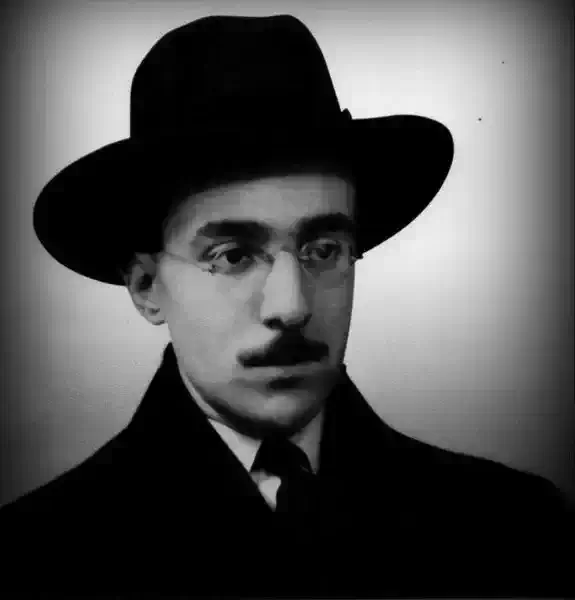
Fernando Pessoa
A morte — esse pior que tem por força que acontecer;
A morte — esse pior que tem por força que acontecer;
Esse cair para o fundo do poço sem fundo;
Esse escurecer universal para dentro;
Esse apocalipse da consciência , com a queda de todas as estrelas —
Isso que será meu um dia,
Um dia pertíssimo, pertíssimo,
Pinta de negro todas as minhas sensações,
E é areia sem corpo escorrendo-me por entre os dedos
O pensamento e a vida.
A gare no deserto, deserta;
O intérprete mudo;
O boneco humano sem olhos nem boca
Embandeirado a fogo-fátuo
Num mar que é só puro espaço
Sob um céu sacudido por relâmpagos pretos...
Sinistra singre, roída de vermes audíveis a quilha sentiente
E sejam os mastros dedos de âmbar, longuíssimos,
Apontando o vácuo das coisas (que é o abismo em tudo)...
As velas de um reposteiro vermelho lindo e baço
Se abram ao vento soprando de um buraco enorme sem fim,
E comecem, fora do tempo, uma viagem ao fim de tudo.
Estica um horror consciente no gemer dos cabos...
O ruído do ranger da madeira é dentro da alma...
O avanço velocíssimo é uma coisa que falta...
E se a vida é horizontal, isto dá-se verticalmente...
Esse cair para o fundo do poço sem fundo;
Esse escurecer universal para dentro;
Esse apocalipse da consciência , com a queda de todas as estrelas —
Isso que será meu um dia,
Um dia pertíssimo, pertíssimo,
Pinta de negro todas as minhas sensações,
E é areia sem corpo escorrendo-me por entre os dedos
O pensamento e a vida.
A gare no deserto, deserta;
O intérprete mudo;
O boneco humano sem olhos nem boca
Embandeirado a fogo-fátuo
Num mar que é só puro espaço
Sob um céu sacudido por relâmpagos pretos...
Sinistra singre, roída de vermes audíveis a quilha sentiente
E sejam os mastros dedos de âmbar, longuíssimos,
Apontando o vácuo das coisas (que é o abismo em tudo)...
As velas de um reposteiro vermelho lindo e baço
Se abram ao vento soprando de um buraco enorme sem fim,
E comecem, fora do tempo, uma viagem ao fim de tudo.
Estica um horror consciente no gemer dos cabos...
O ruído do ranger da madeira é dentro da alma...
O avanço velocíssimo é uma coisa que falta...
E se a vida é horizontal, isto dá-se verticalmente...
633
Fernando Pessoa
Um dia / Pensei na fama e em mim o sonho veio
Um dia
Pensei na fama e em mim o sonho veio
Da glória: ver-me (...) e conhecido,
Ouvir em lábios belos o meu nome
E (...) querendo conhecer-me...
Mas isto, mal sonhado era, já trazia
Consigo um amargor estranho e (...)
Que explicar não podia e que não posso.
Antes de fama ter, tinha-lhe horror!
E eu desejava a fama a que temia.
É que sentia já talvez a vaga
Necessidade de fechar em mim
Toda a força do vivo pensamento
Que a palavra trai sempre. Mas era mais
Aquele horror à fama que eu amava
E que, querendo não podia qu'rer.
Era talvez um vago conhecer
Do vazio de tudo. Pois se a terra
Acabará, seus (...) e (...)
Com ela não acabarão? Não sei.
Talvez além do acabar exista
O haver o mistério (...) no Ser.
Não sei; sei só que um dia, num repente,
A abster-me decidi de fama e glória
Para... Mas para quê? Para pensar
Amarga e mudamente e, dia a dia,
Sentir verter em mim o fel
Da desolada desesperação.
Escrever, mas o que é que escreveria?
Se eu sei esta verdade; além do ser
Há o mistério; se sei esta e nenhuma outra,
Que verdade daria eu ao mundo?
E não dar-lhe verdade grão mal era.
Pensei na fama e em mim o sonho veio
Da glória: ver-me (...) e conhecido,
Ouvir em lábios belos o meu nome
E (...) querendo conhecer-me...
Mas isto, mal sonhado era, já trazia
Consigo um amargor estranho e (...)
Que explicar não podia e que não posso.
Antes de fama ter, tinha-lhe horror!
E eu desejava a fama a que temia.
É que sentia já talvez a vaga
Necessidade de fechar em mim
Toda a força do vivo pensamento
Que a palavra trai sempre. Mas era mais
Aquele horror à fama que eu amava
E que, querendo não podia qu'rer.
Era talvez um vago conhecer
Do vazio de tudo. Pois se a terra
Acabará, seus (...) e (...)
Com ela não acabarão? Não sei.
Talvez além do acabar exista
O haver o mistério (...) no Ser.
Não sei; sei só que um dia, num repente,
A abster-me decidi de fama e glória
Para... Mas para quê? Para pensar
Amarga e mudamente e, dia a dia,
Sentir verter em mim o fel
Da desolada desesperação.
Escrever, mas o que é que escreveria?
Se eu sei esta verdade; além do ser
Há o mistério; se sei esta e nenhuma outra,
Que verdade daria eu ao mundo?
E não dar-lhe verdade grão mal era.
1 369
Fernando Pessoa
No meio das grandezas e das glórias
No meio das grandezas e das glórias
Das alegrias, luzes (...)
Do inconsciente universo natural,
Abre-se ao pensamento de repente
Negro abismo profundo e (...)
E uma vacuidade transcendente
Absorve negramente o mundo inteiro,
Numa sufocação arrepiada
De terror íntimo, de terror vago
Tudo se esvai da mente e só lhe fica
Um vazio tão negro, tão profundo
Um poço de compreensão tão cercado
Que a alma de horror quer não viver não só
Pelo horror, mas também por esse horror
Transcender o universo e aparecer
Em lugar dele ao fundo pensamento
Subitamente.
Não é a dor de já não poder crer
Que m'oprime, nem a dor de não saber
Mas apenas completamente o horror
De ter visto o mistério frente a frente
De tê-lo visto e compreendido em toda
A sua infinidade de mistério.
É isto que me alheia, que me traz
Sempre mostrado em mim como um terror...
E maior terror há-o?
Das alegrias, luzes (...)
Do inconsciente universo natural,
Abre-se ao pensamento de repente
Negro abismo profundo e (...)
E uma vacuidade transcendente
Absorve negramente o mundo inteiro,
Numa sufocação arrepiada
De terror íntimo, de terror vago
Tudo se esvai da mente e só lhe fica
Um vazio tão negro, tão profundo
Um poço de compreensão tão cercado
Que a alma de horror quer não viver não só
Pelo horror, mas também por esse horror
Transcender o universo e aparecer
Em lugar dele ao fundo pensamento
Subitamente.
Não é a dor de já não poder crer
Que m'oprime, nem a dor de não saber
Mas apenas completamente o horror
De ter visto o mistério frente a frente
De tê-lo visto e compreendido em toda
A sua infinidade de mistério.
É isto que me alheia, que me traz
Sempre mostrado em mim como um terror...
E maior terror há-o?
1 344
Fernando Pessoa
SAUDAÇÃO [c]
SAUDAÇÃO
A expressão, aborto abandonado
Em qualquer vão-de-escada da realidade.
O que é a necessidade de escrever versos senão a vergonha de chorar?
O que é o desejo de fazer arte senão o adultismo p'ra brinquedos?
(Quando é que parte o último comboio, Walt,
Quando é que parte o último comboio?)
Bonecos da minha infância com quem eu imaginava melhor que hoje
(...)
A química por baixo do Aqui jaz..
A dor, febre que hoje é química só, lá longe na cavada encosta
À hora em que era costume ele vir para casa
E o mesmo candeeiro hoje iluminado [...]
E apenas o silêncio já sem nos dizer que o fazem por se terem calado.
A expressão, aborto abandonado
Em qualquer vão-de-escada da realidade.
O que é a necessidade de escrever versos senão a vergonha de chorar?
O que é o desejo de fazer arte senão o adultismo p'ra brinquedos?
(Quando é que parte o último comboio, Walt,
Quando é que parte o último comboio?)
Bonecos da minha infância com quem eu imaginava melhor que hoje
(...)
A química por baixo do Aqui jaz..
A dor, febre que hoje é química só, lá longe na cavada encosta
À hora em que era costume ele vir para casa
E o mesmo candeeiro hoje iluminado [...]
E apenas o silêncio já sem nos dizer que o fazem por se terem calado.
1 119
Fernando Pessoa
Memórias de pensar vivem em mim
Memórias de pensar vivem em mim
Desordenadamente desconexas
Num atordoamento do meu ser.
A lucidez horrorosa d'outrora
(E outrora era ontem) já não tenho;
Mas sinto-a, não sei como, nesta surda
Nocturna confusão aglomerada
De (...) e porções de pensamento.
Como se um horror (...) que no dia
Enchesse de turvo a terra em sol
Não acabasse, mas confusamente
Rumorejasse silenciosamente
Na perturbada paz da noite.
Desordenadamente desconexas
Num atordoamento do meu ser.
A lucidez horrorosa d'outrora
(E outrora era ontem) já não tenho;
Mas sinto-a, não sei como, nesta surda
Nocturna confusão aglomerada
De (...) e porções de pensamento.
Como se um horror (...) que no dia
Enchesse de turvo a terra em sol
Não acabasse, mas confusamente
Rumorejasse silenciosamente
Na perturbada paz da noite.
1 479
Fernando Pessoa
Diferentemente o mesmo
Diferentemente o mesmo
Ligado a um meu passado estranho e vago
Por um negrume e continuar de dor.
Ligado a um meu passado estranho e vago
Por um negrume e continuar de dor.
1 316
Fernando Pessoa
MEANINGLESS LlNES
I became good, and was despised.
I became bad; I hated was.
If good or bad I was not prized,
In good or evil, equal loss.
I became bad and good by turns,
And thus did but unite two ills.
The spleen that now within me burns
Therefrom, nor good nor evil stills.
I became bad; I hated was.
If good or bad I was not prized,
In good or evil, equal loss.
I became bad and good by turns,
And thus did but unite two ills.
The spleen that now within me burns
Therefrom, nor good nor evil stills.
1 374
Fernando Pessoa
UMA VOZ: Quando a noite suave! desce
Quando a noite suave! desce
— Sombra de mãos em perdão —
Ó mão da Tristeza tece,
O Manto da Solidão.
Tece-o qual uma mentira,
Que o meu triste coração
Quer vesti-lo p'ra cobrir
O nu da desilusão.
OUTRA VOZ:
Enche a taça da minha alma
Da bebida do sofrer
Que transborde fria e calma
Sobre a mão do esquecer;
Do que dá o amargor
Às lágrimas ... Quero ver
Se encontro aí mais amor
Para a bebê-lo morrer.
TERCEIRA VOZ:
Cava-me a cova profunda,
Quero em sossego dormir;
Não na terra — é pouco funda;
Vai a minha cova abrir
Do sonho na solidão
E põe ao meu
Por laje o meu coração
Que inda não soube sorrir.
UMA VOZ TRISTE:
Um canto e outros, mas tudo triste,
Soluços qu'rendo-se a si esquecer;
A lira velha disso que existe
Tem sons que fazem estremecer.
Um canto e outros, mas tudo vago
Como a íntima alma do soluçar
Que monstro mira (...) lago
Que faz as águas leve vibrar?
Um canto e outros, mas tudo inútil
As mãos descola vai a lira ao chão;
O canto é meio febril e fútil
De fingir vida na solidão.
— Sombra de mãos em perdão —
Ó mão da Tristeza tece,
O Manto da Solidão.
Tece-o qual uma mentira,
Que o meu triste coração
Quer vesti-lo p'ra cobrir
O nu da desilusão.
OUTRA VOZ:
Enche a taça da minha alma
Da bebida do sofrer
Que transborde fria e calma
Sobre a mão do esquecer;
Do que dá o amargor
Às lágrimas ... Quero ver
Se encontro aí mais amor
Para a bebê-lo morrer.
TERCEIRA VOZ:
Cava-me a cova profunda,
Quero em sossego dormir;
Não na terra — é pouco funda;
Vai a minha cova abrir
Do sonho na solidão
E põe ao meu
Por laje o meu coração
Que inda não soube sorrir.
UMA VOZ TRISTE:
Um canto e outros, mas tudo triste,
Soluços qu'rendo-se a si esquecer;
A lira velha disso que existe
Tem sons que fazem estremecer.
Um canto e outros, mas tudo vago
Como a íntima alma do soluçar
Que monstro mira (...) lago
Que faz as águas leve vibrar?
Um canto e outros, mas tudo inútil
As mãos descola vai a lira ao chão;
O canto é meio febril e fútil
De fingir vida na solidão.
1 388
Fernando Pessoa
FAUSTO: O casamento
A separação (...) em si
Nada valem. Perante o pensamento
São fórmulas vazias. Mas o homem,
Na sua vida humana e colectiva,
Não vive em metafísica. O real
Puerilidade tem, contradições
Necessárias a ele. O pensamento
Não, a lei da vida. Tu não vês
Que o mais real que há, base de tudo,
O movimento, uma contradição
Suprema é e [...]. Tu não leste
De que formas de elixir (...)
O próprio ser, a própria vida são
Qual fórmulas perante o pensamento?
Pertence aos ignorantes e aos doidos
Desfazer convenções...
[ANTÓNIO?]
Sim, mas os génios?
FAUSTO:
Esses, porque são doidos. Ignorando
As leves e ligeiras convenções
Que excessos do útil e do usual
As fórmulas são às necessidades
Da vida do homem. Só a decadência
Generaliza e se despreza.
Mas eu, se frio estou e confrangido
Até ao seio d'alma, não perdi
O sentimento de dever perante
Os homens pr’a que busque vãos e inúteis
Impossíveis progressos, semi-doido
Semi-inconsciente da loucura.
E o raciocínio em mim não dorme nunca
E esse obriga-me a desdenhar as fracas,
Vazias teorias que pretendem
Por sentimentos a verdade obter
E por razões vãs de sentimento nadas.
Nojo, sim tudo, filho! nojo, nojo!
O homem vive em inconsciência, nasce
E vive e morre inconscientemente
Sem sequer do mistério aperceber-se,
Mais perto que palavras, do que o cerca.
Pensar, sentir, amar — ah, se tu visses
Como eu o fundo da inconsciência vã
Em que tudo se move. Se pudesses
Compreender...
Bem sei, António,
Mal transpuseste o limiar da porta
Já meus (...) argumentos desdenhaste.
Ou por doido me tens, ou por muito
Escravo do passado. Eu! Mas assim é:
Consciente só... (ia a dizer eu) sim,
Conscientes poucos.
Havendo isto, há a vida; não a havendo
Mais vida já não há. E assim de todas
As vidas existimos — da do mundo
À da sociedade humana, António.
Impulsos jovens
Que roubam a capa ao pensamento
E parecem ao longe raciocínios,
Mas a quem o pensamento não conhece.
Eu que levei a vida a conhecê-lo
Em tão débeis palavras não me engano.
É [...] a ilustração,
António, mas é certa. A humanidade
E as suas mágoas, dores está acima
De nossa frágil preocupação
De novidade e (...) progresso.
Eu amo a humanidade — antes amei-a
(Que eu já não amo nada) se inda sinto
Como que amor por ela é por lembrança
Ou instinto daquilo que senti.
Nada valem. Perante o pensamento
São fórmulas vazias. Mas o homem,
Na sua vida humana e colectiva,
Não vive em metafísica. O real
Puerilidade tem, contradições
Necessárias a ele. O pensamento
Não, a lei da vida. Tu não vês
Que o mais real que há, base de tudo,
O movimento, uma contradição
Suprema é e [...]. Tu não leste
De que formas de elixir (...)
O próprio ser, a própria vida são
Qual fórmulas perante o pensamento?
Pertence aos ignorantes e aos doidos
Desfazer convenções...
[ANTÓNIO?]
Sim, mas os génios?
FAUSTO:
Esses, porque são doidos. Ignorando
As leves e ligeiras convenções
Que excessos do útil e do usual
As fórmulas são às necessidades
Da vida do homem. Só a decadência
Generaliza e se despreza.
Mas eu, se frio estou e confrangido
Até ao seio d'alma, não perdi
O sentimento de dever perante
Os homens pr’a que busque vãos e inúteis
Impossíveis progressos, semi-doido
Semi-inconsciente da loucura.
E o raciocínio em mim não dorme nunca
E esse obriga-me a desdenhar as fracas,
Vazias teorias que pretendem
Por sentimentos a verdade obter
E por razões vãs de sentimento nadas.
Nojo, sim tudo, filho! nojo, nojo!
O homem vive em inconsciência, nasce
E vive e morre inconscientemente
Sem sequer do mistério aperceber-se,
Mais perto que palavras, do que o cerca.
Pensar, sentir, amar — ah, se tu visses
Como eu o fundo da inconsciência vã
Em que tudo se move. Se pudesses
Compreender...
Bem sei, António,
Mal transpuseste o limiar da porta
Já meus (...) argumentos desdenhaste.
Ou por doido me tens, ou por muito
Escravo do passado. Eu! Mas assim é:
Consciente só... (ia a dizer eu) sim,
Conscientes poucos.
Havendo isto, há a vida; não a havendo
Mais vida já não há. E assim de todas
As vidas existimos — da do mundo
À da sociedade humana, António.
Impulsos jovens
Que roubam a capa ao pensamento
E parecem ao longe raciocínios,
Mas a quem o pensamento não conhece.
Eu que levei a vida a conhecê-lo
Em tão débeis palavras não me engano.
É [...] a ilustração,
António, mas é certa. A humanidade
E as suas mágoas, dores está acima
De nossa frágil preocupação
De novidade e (...) progresso.
Eu amo a humanidade — antes amei-a
(Que eu já não amo nada) se inda sinto
Como que amor por ela é por lembrança
Ou instinto daquilo que senti.
1 998
Fernando Pessoa
HORA MORTA
Lenta e lenta a hora
Por mim dentro soa
(Alma que se ignora!)
Lenta e lenta e lenta,
Lenta e sonolenta
A lua se escoa...
Tudo tão inútil!
Tão como que doente
Tão divinamente
Fútil — ah, tão fútil
Sonho que se sente
De si próprio ausente...
Naufrágio ante o ocaso
Hora de piedade...
Tudo é névoa e acaso
Hora oca e perdida,
Cinza de vivida
(Que Poente me invade?)
Por que lenta ante olha
Lenta em seu som,
Que sinto ignorar?
Por que é que me gela
Meu próprio pensar
Em sonhar amar?...
Que morta esta hora!
Que alma minha chora
Tão perdida e alheia?...
Mar batendo na areia,
Para quê? para quê?
P'ra ser o que se vê
Na alva areia batendo ?
Só isto? Não há
Lâmpada de haver —
— Um — sentido ardendo
Dentro da hora — já
Espuma de morrer?
Por mim dentro soa
(Alma que se ignora!)
Lenta e lenta e lenta,
Lenta e sonolenta
A lua se escoa...
Tudo tão inútil!
Tão como que doente
Tão divinamente
Fútil — ah, tão fútil
Sonho que se sente
De si próprio ausente...
Naufrágio ante o ocaso
Hora de piedade...
Tudo é névoa e acaso
Hora oca e perdida,
Cinza de vivida
(Que Poente me invade?)
Por que lenta ante olha
Lenta em seu som,
Que sinto ignorar?
Por que é que me gela
Meu próprio pensar
Em sonhar amar?...
Que morta esta hora!
Que alma minha chora
Tão perdida e alheia?...
Mar batendo na areia,
Para quê? para quê?
P'ra ser o que se vê
Na alva areia batendo ?
Só isto? Não há
Lâmpada de haver —
— Um — sentido ardendo
Dentro da hora — já
Espuma de morrer?
1 539
Fernando Pessoa
Ah as horas indecisas
Ah as horas indecisas em que a minha vida parece de um outro...
As horas do crepúsculo no terraço dos cafés cosmopolitas!
Na hora de olhos húmidos em que se acendem as luzes
E o cansaço sabe vagamente a uma febre passada.
As horas do crepúsculo no terraço dos cafés cosmopolitas!
Na hora de olhos húmidos em que se acendem as luzes
E o cansaço sabe vagamente a uma febre passada.
1 402
Fernando Pessoa
Lágrimas, chorar-vos-ei
Lágrimas, chorar-vos-ei
E a vida em vós, pouco a pouco,
E chorando ficarei
Num silêncio d'alma louco.
E a vida em vós, pouco a pouco,
E chorando ficarei
Num silêncio d'alma louco.
2 075
Fernando Pessoa
V - Ténue, roçando sedas pelas horas,
V
Ténue, roçando sedas pelas horas,
Teu vulto ciciante passa e esquece,
E dia a dia adias para prece
O rito cujo ritmo só decoras...
Um mar longínquo e próximo humedece
Teus lábios onde, mais que em ti, descoras...
E, alada, leve, sobre a dor que choras,
Sem querer saber de ti a tarde desce...
Erra no anteluar a voz dos tanques...
Na quinta imensa gorgolejam águas,
Na treva vaga ao meu ter dor estanques...
Meu império é das horas desiguais,
E dei meu gesto lasso às algas mágoas
Que há para além de sermos outonais...
Ténue, roçando sedas pelas horas,
Teu vulto ciciante passa e esquece,
E dia a dia adias para prece
O rito cujo ritmo só decoras...
Um mar longínquo e próximo humedece
Teus lábios onde, mais que em ti, descoras...
E, alada, leve, sobre a dor que choras,
Sem querer saber de ti a tarde desce...
Erra no anteluar a voz dos tanques...
Na quinta imensa gorgolejam águas,
Na treva vaga ao meu ter dor estanques...
Meu império é das horas desiguais,
E dei meu gesto lasso às algas mágoas
Que há para além de sermos outonais...
1 377
Fernando Pessoa
Com teu gesto pintado e exagerado
Com teu gesto pintado e exagerado
E o teu prolixo modo de sorrir
E o teu olhar, sob o torpor copado
Da expressão, veludineo em dirigir
Tu nada sabes do essencial pecado
E uma inocência (...) vem luzir
Como uma luz de azeite em descampado
No teu gesto ensinado a conseguir.
Porque a análise é a vera perversão...
O único vício é rebuscar a alma,
Dor a dor, sensação a sensação...
Tu, a exterior, que mal tens na alma oca?
Nada... Ai de nós de quem a vida é calma.
E quem é que fica dentro ... (Abre a tua boca!)
E o teu prolixo modo de sorrir
E o teu olhar, sob o torpor copado
Da expressão, veludineo em dirigir
Tu nada sabes do essencial pecado
E uma inocência (...) vem luzir
Como uma luz de azeite em descampado
No teu gesto ensinado a conseguir.
Porque a análise é a vera perversão...
O único vício é rebuscar a alma,
Dor a dor, sensação a sensação...
Tu, a exterior, que mal tens na alma oca?
Nada... Ai de nós de quem a vida é calma.
E quem é que fica dentro ... (Abre a tua boca!)
1 072
Fernando Pessoa
Olho os campos, Neera, [2]
Olho os campos, Neera,
Verdes campos, e sinto
Que um dia virá a hora
Em que não mais os olhe.
Tranquilo, apenas gozo,
Como brincando, o orgulho
Da serena tristeza
Filha da clara visão.
Verdes campos, e sinto
Que um dia virá a hora
Em que não mais os olhe.
Tranquilo, apenas gozo,
Como brincando, o orgulho
Da serena tristeza
Filha da clara visão.
1 403
Fernando Pessoa
ANTÍNOO - T
Era em Adriano fria a chuva fora.
Jaz morto o jovem
No raso leito, e sobre o seu desnudo todo,
Aos olhos rasos de Adriano, cuja dor é medo,
A umbrosa luz do eclipse-morte era difusa.
Jaz morto o jovem, e o dia semelhava noite
Lá fora. A chuva cai como um exausto alarme
Da Natureza em acto de matá-lo.
Memória de que el' foi não dava já deleite,
Deleite no que el' foi era morto e indistinto.
Ó mãos que já apertaram as de Adriano quentes,
Cuja frieza agora as sente frias!
Ó cabelo antes preso p'lo penteado justo!
Ó olhos algo inquietantemente ousados!
Ó simples macho corpo feminino qual
O aparentar-se um deus à humanidade!
Os lábios cujo abrir vermelho titilava
Os sítios da luxúria com tanta arte viva!
Ó dedos que hábeis eram no de não ser dito!
Ó língua que na língua o sangue audaz tornava!
[...]
Jaz morto o jovem
No raso leito, e sobre o seu desnudo todo,
Aos olhos rasos de Adriano, cuja dor é medo,
A umbrosa luz do eclipse-morte era difusa.
Jaz morto o jovem, e o dia semelhava noite
Lá fora. A chuva cai como um exausto alarme
Da Natureza em acto de matá-lo.
Memória de que el' foi não dava já deleite,
Deleite no que el' foi era morto e indistinto.
Ó mãos que já apertaram as de Adriano quentes,
Cuja frieza agora as sente frias!
Ó cabelo antes preso p'lo penteado justo!
Ó olhos algo inquietantemente ousados!
Ó simples macho corpo feminino qual
O aparentar-se um deus à humanidade!
Os lábios cujo abrir vermelho titilava
Os sítios da luxúria com tanta arte viva!
Ó dedos que hábeis eram no de não ser dito!
Ó língua que na língua o sangue audaz tornava!
[...]
1 523
Fernando Pessoa
O som contínuo da chuva
O som contínuo da chuva
A se ouvir lá fora bem
Deixa-nos a alma viúva
Daquilo que já não tem.
[...]
A se ouvir lá fora bem
Deixa-nos a alma viúva
Daquilo que já não tem.
[...]
1 567
Fernando Pessoa
Ah qualquer cousa,
(after useless discussion)
Ah qualquer cousa,
Ou sono ou sonho, sem doer isole
O meu já isolado coração!
Se as palavras que eu diga nunca podem
Levar aos outros mais do que o sentido
Que essas palavras neles têm, e [existo]
[Por] fora do que digo, oculto nele
Como o esqueleto nesta carne minha,
Invisível estrutura do visível,
Diferente e essencial...
Cai sobre mim, apagamento meu!
Querer querer, inútil pedra ao mar!
Saco p'ra colher vento, cesto de água,
Caçador só do uivar dos lobos longe...
Ah qualquer cousa,
Ou sono ou sonho, sem doer isole
O meu já isolado coração!
Se as palavras que eu diga nunca podem
Levar aos outros mais do que o sentido
Que essas palavras neles têm, e [existo]
[Por] fora do que digo, oculto nele
Como o esqueleto nesta carne minha,
Invisível estrutura do visível,
Diferente e essencial...
Cai sobre mim, apagamento meu!
Querer querer, inútil pedra ao mar!
Saco p'ra colher vento, cesto de água,
Caçador só do uivar dos lobos longe...
1 222
Fernando Pessoa
VIII - Ignorado ficasse o meu destino
VIII
Ignorado ficasse o meu destino
Entre pálios (e a ponte sempre à vista),
E anel concluso a chispas de ametista
A frase falha do meu póstumo hino...
Florescesse em meu glabro desatino
O himeneu das escadas da conquista
Cuja preguiça, arrecadada, dista
Almas do meu impulso cristalino...
Meus ócios ricos assim fossem, vilas
Pelo campo romano, e a toga traça
No meu soslaio anónimas (desgraça
A vida) curvas sob mãos intranquilas...
E tudo sem Cleópatra teria
Findado perto de onde raia o dia...
Ignorado ficasse o meu destino
Entre pálios (e a ponte sempre à vista),
E anel concluso a chispas de ametista
A frase falha do meu póstumo hino...
Florescesse em meu glabro desatino
O himeneu das escadas da conquista
Cuja preguiça, arrecadada, dista
Almas do meu impulso cristalino...
Meus ócios ricos assim fossem, vilas
Pelo campo romano, e a toga traça
No meu soslaio anónimas (desgraça
A vida) curvas sob mãos intranquilas...
E tudo sem Cleópatra teria
Findado perto de onde raia o dia...
1 299
Fernando Pessoa
VII - Fosse eu apenas, não sei onde ou como,
VII
Fosse eu apenas, não sei onde ou como,
Uma coisa existente sem viver,
Noite de Vida sem amanhecer
Entre as sirtes do meu doirado assomo...
Fada maliciosa ou incerto gnomo
Fadado houvesse de não pertencer
Meu intuito gloriola com ter
A árvore do meu uso o único pomo...
Fosse eu uma metáfora somente
Escrita nalgum livro insubsistente
Dum poeta antigo, de alma em outras gamas,
Mas doente, e, num crepúsculo de espadas,
Morrendo entre bandeiras desfraldadas
Na última tarde de um império em chamas...
Fosse eu apenas, não sei onde ou como,
Uma coisa existente sem viver,
Noite de Vida sem amanhecer
Entre as sirtes do meu doirado assomo...
Fada maliciosa ou incerto gnomo
Fadado houvesse de não pertencer
Meu intuito gloriola com ter
A árvore do meu uso o único pomo...
Fosse eu uma metáfora somente
Escrita nalgum livro insubsistente
Dum poeta antigo, de alma em outras gamas,
Mas doente, e, num crepúsculo de espadas,
Morrendo entre bandeiras desfraldadas
Na última tarde de um império em chamas...
1 338
Fernando Pessoa
Não porque os deuses findaram, alva Lídia, choro…
Não porque os deuses findaram, alva Lídia, choro...
Mas porque nas bocas de hoje os nomes sobrevivem
Mortos apenas, como nomes em pedras sepulcrais.
Por isso, Lídia, lamento
Que Vénus em bocas cristãs seja uma palavra dita,
Que Apolo seja um nome que usam quantos
Sequentes de Cristo — e a crença lúcida
Nos deuses puramente deuses,
Tenha passado e ficado, cinza do que era fogo,
Lama do que era água reflectindo as árvores,
Tronco morto do que dava fruto e florescia.
Mas se choro, não creio
Menos que ainda existo, como existem os deuses.
Mas porque nas bocas de hoje os nomes sobrevivem
Mortos apenas, como nomes em pedras sepulcrais.
Por isso, Lídia, lamento
Que Vénus em bocas cristãs seja uma palavra dita,
Que Apolo seja um nome que usam quantos
Sequentes de Cristo — e a crença lúcida
Nos deuses puramente deuses,
Tenha passado e ficado, cinza do que era fogo,
Lama do que era água reflectindo as árvores,
Tronco morto do que dava fruto e florescia.
Mas se choro, não creio
Menos que ainda existo, como existem os deuses.
1 245
Fernando Pessoa
Amei-te e por te amar
Amei-te e por te amar
Só a ti eu não via...
Eras o céu e o mar,
Eras a noite e o dia...
Só quando te perdi
É que eu te conheci...
Quando te tinha diante
Do meu olhar submerso
Não eras minha amante...
Eras o Universo...
Agora que te não tenho,
És só do teu tamanho.
Estavas-me longe na alma,
Por isso eu não te via...
Presença em mim tão calma,
Que eu a não sentia.
Só quando meu ser te perdeu
Vi que não eras eu.
Não sei o que eras. Creio
Que o meu modo de olhar,
Meu sentir meu anseio
Meu jeito de pensar...
Eras minha alma, fora
Do Lugar e da Hora...
Hoje eu busco-te e choro
Por te poder achar
Não sequer te memoro
Como te tive a amar...
Nem foste um sonho meu...
Porque te choro eu?
Não sei... Perdi-te, e és hoje
Real no [...] real...
Como a hora que foge,
Foges e tudo é igual
A si-próprio e é tão triste
O que vejo que existe.
Em que és [...J fictício,
Em que tempo parado
Foste o (...) cilício
Que quando em fé fechado
Não sentia e hoje sinto
Que acordo e não me minto...
[...] tuas mãos, contudo,
Sinto nas minhas mãos,
Nosso olhar fixo e mudo
Quantos momentos vãos
Pra além de nós viveu
Nem nosso, teu ou meu...
Quantas vezes sentimos
Alma nosso contacto
Quantas vezes seguimos
Pelo caminho abstracto
Que vai entre alma e alma…
Horas de inquieta calma!
E hoje pergunto em mim
Quem foi que amei, beijei
Com quem perdi o fim
Aos sonhos que sonhei…
Procuro-te e nem vejo
O meu próprio desejo…
Que foi real em nós?
Que houve em nós de sonho?
De que Nós fomos de que voz
O duplo eco risonho
Que unidade tivemos?
O que foi que perdemos?
Nós não sonhámos. Eras
Real e eu era real.
Tuas mãos — tão sinceras…
Meu gesto — tão leal...
Tu e eu lado a lado...
Isto... e isto acabado...
Como houve em nós amor
E deixou de o haver?
Sei que hoje é vaga dor
O que era então prazer...
Mas não sei que passou
Por nós e acordou...
Amámo-nos deveras?
Amamo-nos ainda?
Se penso vejo que eras
A mesma que és... E finda
Tudo o que foi o amor;
Assim quase sem dor.
Sem dor... Um pasmo vago
De ter havido amar...
Quase que me embriago
De mal poder pensar...
O que mudou e onde?
O que é que em nós se esconde?
Talvez sintas como eu
E não saibas sentil-o...
Ser é ser nosso véu
Amar é encobril-o,
Hoje que te deixei
É que sei que te amei...
Somos a nossa bruma…
É pra dentro que vemos...
Caem-nos uma a uma
As compreensões que temos
E ficamos no frio
Do Universo vazio...
Que importa? Se o que foi
Entre nós foi amor,
Se por te amar me dói
Já não te amar, e a dor
Tem um íntimo sentido,
Nada será perdido...
E além de nós, no Agora
Que não nos tem por véus
Viveremos a Hora
Virados para Deus
E n'um (...) mudo
Compreenderemos tudo.
Só a ti eu não via...
Eras o céu e o mar,
Eras a noite e o dia...
Só quando te perdi
É que eu te conheci...
Quando te tinha diante
Do meu olhar submerso
Não eras minha amante...
Eras o Universo...
Agora que te não tenho,
És só do teu tamanho.
Estavas-me longe na alma,
Por isso eu não te via...
Presença em mim tão calma,
Que eu a não sentia.
Só quando meu ser te perdeu
Vi que não eras eu.
Não sei o que eras. Creio
Que o meu modo de olhar,
Meu sentir meu anseio
Meu jeito de pensar...
Eras minha alma, fora
Do Lugar e da Hora...
Hoje eu busco-te e choro
Por te poder achar
Não sequer te memoro
Como te tive a amar...
Nem foste um sonho meu...
Porque te choro eu?
Não sei... Perdi-te, e és hoje
Real no [...] real...
Como a hora que foge,
Foges e tudo é igual
A si-próprio e é tão triste
O que vejo que existe.
Em que és [...J fictício,
Em que tempo parado
Foste o (...) cilício
Que quando em fé fechado
Não sentia e hoje sinto
Que acordo e não me minto...
[...] tuas mãos, contudo,
Sinto nas minhas mãos,
Nosso olhar fixo e mudo
Quantos momentos vãos
Pra além de nós viveu
Nem nosso, teu ou meu...
Quantas vezes sentimos
Alma nosso contacto
Quantas vezes seguimos
Pelo caminho abstracto
Que vai entre alma e alma…
Horas de inquieta calma!
E hoje pergunto em mim
Quem foi que amei, beijei
Com quem perdi o fim
Aos sonhos que sonhei…
Procuro-te e nem vejo
O meu próprio desejo…
Que foi real em nós?
Que houve em nós de sonho?
De que Nós fomos de que voz
O duplo eco risonho
Que unidade tivemos?
O que foi que perdemos?
Nós não sonhámos. Eras
Real e eu era real.
Tuas mãos — tão sinceras…
Meu gesto — tão leal...
Tu e eu lado a lado...
Isto... e isto acabado...
Como houve em nós amor
E deixou de o haver?
Sei que hoje é vaga dor
O que era então prazer...
Mas não sei que passou
Por nós e acordou...
Amámo-nos deveras?
Amamo-nos ainda?
Se penso vejo que eras
A mesma que és... E finda
Tudo o que foi o amor;
Assim quase sem dor.
Sem dor... Um pasmo vago
De ter havido amar...
Quase que me embriago
De mal poder pensar...
O que mudou e onde?
O que é que em nós se esconde?
Talvez sintas como eu
E não saibas sentil-o...
Ser é ser nosso véu
Amar é encobril-o,
Hoje que te deixei
É que sei que te amei...
Somos a nossa bruma…
É pra dentro que vemos...
Caem-nos uma a uma
As compreensões que temos
E ficamos no frio
Do Universo vazio...
Que importa? Se o que foi
Entre nós foi amor,
Se por te amar me dói
Já não te amar, e a dor
Tem um íntimo sentido,
Nada será perdido...
E além de nós, no Agora
Que não nos tem por véus
Viveremos a Hora
Virados para Deus
E n'um (...) mudo
Compreenderemos tudo.
1 747
Fernando Pessoa
IV - Conclusão a sucata!... Fiz o cálculo,
IV
Conclusão a sucata!... Fiz o cálculo,
Saiu-me certo, fui elogiado...
Meu coração é um enorme estrado
Onde se expõe um pequeno animálculo...
A microscópio de desilusões
Findei, prolixo nas minúcias fúteis...
Minhas conclusões práticas, inúteis...
Minhas conclusões teóricas, confusões...
Que teorias há para quem sente
O cérebro quebrar-se, como um dente
Dum pente de mendigo que emigrou?
Fecho o caderno dos apontamentos
E faço riscos moles e cinzentos
Nas costas do envelope do que sou...
Conclusão a sucata!... Fiz o cálculo,
Saiu-me certo, fui elogiado...
Meu coração é um enorme estrado
Onde se expõe um pequeno animálculo...
A microscópio de desilusões
Findei, prolixo nas minúcias fúteis...
Minhas conclusões práticas, inúteis...
Minhas conclusões teóricas, confusões...
Que teorias há para quem sente
O cérebro quebrar-se, como um dente
Dum pente de mendigo que emigrou?
Fecho o caderno dos apontamentos
E faço riscos moles e cinzentos
Nas costas do envelope do que sou...
1 398