

Poemas neste tema
Tristeza e Melancolia
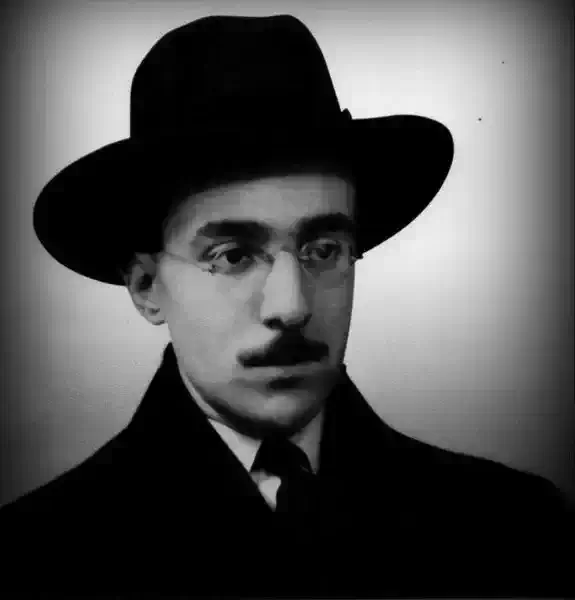
Fernando Pessoa
Manjerico, manjerico,
Manjerico, manjerico,
Manjerico que te dei,
A tristeza com que fico
Inda amanhã a terei.
Manjerico que te dei,
A tristeza com que fico
Inda amanhã a terei.
1 578
Fernando Pessoa
Olhos tristes, grandes, pretos,
Olhos tristes, grandes, pretos,
Que dizeis sem me falar
Que não há filhos nem netos
De eu não querer amar.
Que dizeis sem me falar
Que não há filhos nem netos
De eu não querer amar.
1 465
Fernando Pessoa
EPITAPH - Here lieth Alexander Search
Here lieth A[lexander] S[earch]
Whom God and man left in the lurch
And nature mocked with pain and woe
He believed not in state or church
Nor in God, woman, man or love
Nor earth below nor heaven above.
His knowledge did to this about:
(...) and love is not
Nothing is everywhere sincere
Save sorrow, hatred, lust and fear
And even these sometimes do look
Less than in the ill they work.
He died at twenty odd
This was is dying sentiment:
Accurst be Nature, Man and God.
Whom God and man left in the lurch
And nature mocked with pain and woe
He believed not in state or church
Nor in God, woman, man or love
Nor earth below nor heaven above.
His knowledge did to this about:
(...) and love is not
Nothing is everywhere sincere
Save sorrow, hatred, lust and fear
And even these sometimes do look
Less than in the ill they work.
He died at twenty odd
This was is dying sentiment:
Accurst be Nature, Man and God.
1 524
Fernando Pessoa
Fica o coração pesado
Fica o coração pesado
Com o choro que chorei.
É um ficar engraçado
O ficar com o que dei...
Com o choro que chorei.
É um ficar engraçado
O ficar com o que dei...
1 538
Fernando Pessoa
O coração é pequeno,
O coração é pequeno,
Coitado, e trabalha tanto!
De dia a ter que chorar,
De noite a fazer o pranto...
Coitado, e trabalha tanto!
De dia a ter que chorar,
De noite a fazer o pranto...
1 469
Fernando Pessoa
Tens vontade de comprar
Tens vontade de comprar
O que vês só porque o viste.
Só a tenho de chorar
Porque só compro o ser triste.
O que vês só porque o viste.
Só a tenho de chorar
Porque só compro o ser triste.
1 231
Fernando Pessoa
Let us rest. Every hour is not the next.
Let us rest. Every hour is not the next.
May this wreathe round with more than emptiness
The meaning of the ciphered living text
We owe to living and to thought confess.
Let us rest. Every hour is not the last.
A consolation comes from being late
Even at happiness, lest near winds blast
The present flower and fate still follow fate.
Let us rest. Power is useless and life vain.
To ask means to be answered with not giving.
To move towards pleasure is to walk on pain,
And having to live takes life out of living.
So there is no true thought nor just behest,
Nor pomp worthing having. Let us rest.
May this wreathe round with more than emptiness
The meaning of the ciphered living text
We owe to living and to thought confess.
Let us rest. Every hour is not the last.
A consolation comes from being late
Even at happiness, lest near winds blast
The present flower and fate still follow fate.
Let us rest. Power is useless and life vain.
To ask means to be answered with not giving.
To move towards pleasure is to walk on pain,
And having to live takes life out of living.
So there is no true thought nor just behest,
Nor pomp worthing having. Let us rest.
1 077
Fernando Pessoa
THE WOMAN IN BLACK
I
My tale is simple, sad and brief -
As simple as all tales of grief,
As brief as all that is ours, though
It seem eternal to its woe;
No tale of glorious deeds or fair,
But one short poem of despair;
Dark as all things where man is caught
In the fine‑poisoned nets of thought.
Here is no flame of love's old fire,
Nor song of pent or free desire,
No thousand herses [?] fill its plan,
But it is centred round one man.
A man? A boy, if boyhood be
That where is sober misery.
About a boy all moves, an elf
Careless of happiness or pelf,
But fated to sing but himself.
I was not born to joy nor love.
The earth below, the sky above
Compel a sense within my soul
That deeply, heavily doth roll,
Like a tremendous, mystic sea
In lands where dreams alone can be;
A feeling that a sadness is,
Weeping in broken‑hearted bliss;
A sense that is a deep despair -
I know not why I should feel this
Before the things that are most fair.
Beauty is more than pleasure's joy:
That which must please is made to cloy,
And Nature cloys not with distaste
But gives a sorrow [?], as of past
Things whence the Present does inherit
Something where [...] is and deep
Beauty delicious in a sleep
That is half‑sadness to the spirit.
For Pleasure is not Joy - we know
Joy lives as sorrow in the heart;
One or the other lives; the dart
That Sorrow kills comes from Joy's bow.
Pleasure and distaste are not so.
Sorrow and Joy are as the strange
And unknown forms of life and change
That are ignored in depths of ocean:
Pure is the depth of their emotion.
Pleasure and Pain are not like these,
But as on surfaces of seas
The alternation of their motion
And shows of shifting without end.
Joy may like the sun's light transcend
The clouds of Pain; Pleasure may be
The face and look of Misery.
III
Ay, Nature chills me with deep fear,
For Nature, to my seeing, spent
With looking on my woes too near,
It is but Mystery eloquent.
The plainest stone, the simplest flower -
All have a meaning deep and vast,
Mocking their living of an hour.
But this significance, that hath past
So oft to poet’s song and word,
Makes them but madmen, even as I,
Speaking in outline [?] sense absurd
Strange thoughts for beings that must die.
But Man to me is dreader still,
The thing of thought, feeling and will,
Which is so dark unto mine eyes
That of the sense he calls his soul
- Let not of seeing speak the mole [?] -
I cannot dream to theorize.
For men, who have wrought creeds and codes
And guided nations by the roads
Of feeling and of speculation,
Have seen as much - nothing - as I
Into the world. All could perceive
That Nature aught doth signify:
Beyond this they could stop or rave.
Most raved and therefore could believe.
Yet I, naturally wrapt about,
Normally, as in feathers the bird,
With hesitation and with doubt,
Find all the world a thing absurd.
Because myself, a part of it,
Am an absurdity unfit.
Too young I learnt to reason coldly
And draw conclusions firmly, boldly,
From thoughts and facts to shatter creeds,
Careless of man's mendacious needs.
Preciseness cast in me the seeds
Of madness, and the soil was good
For that abnormal growth of pain
Whose flowers are red, colour of blood.
Too soon I learned to see too clear,
And therefore nothing now can capture
My heart, to which reasoning is rapture,
That sees night where most poets say
«'Tis day - I see it all - 'tis day.ª
They sing of joy, T sing of fear.
Alas! Why should I stop thus long
Over the illness of my life,
That has Insanity for wife?
Turn I back with an impulse strong.
Leave I this shallowness and sing.
The deeper sorrow of my song.
My tale is simple, sad and brief -
As simple as all tales of grief,
As brief as all that is ours, though
It seem eternal to its woe;
No tale of glorious deeds or fair,
But one short poem of despair;
Dark as all things where man is caught
In the fine‑poisoned nets of thought.
Here is no flame of love's old fire,
Nor song of pent or free desire,
No thousand herses [?] fill its plan,
But it is centred round one man.
A man? A boy, if boyhood be
That where is sober misery.
About a boy all moves, an elf
Careless of happiness or pelf,
But fated to sing but himself.
I was not born to joy nor love.
The earth below, the sky above
Compel a sense within my soul
That deeply, heavily doth roll,
Like a tremendous, mystic sea
In lands where dreams alone can be;
A feeling that a sadness is,
Weeping in broken‑hearted bliss;
A sense that is a deep despair -
I know not why I should feel this
Before the things that are most fair.
Beauty is more than pleasure's joy:
That which must please is made to cloy,
And Nature cloys not with distaste
But gives a sorrow [?], as of past
Things whence the Present does inherit
Something where [...] is and deep
Beauty delicious in a sleep
That is half‑sadness to the spirit.
For Pleasure is not Joy - we know
Joy lives as sorrow in the heart;
One or the other lives; the dart
That Sorrow kills comes from Joy's bow.
Pleasure and distaste are not so.
Sorrow and Joy are as the strange
And unknown forms of life and change
That are ignored in depths of ocean:
Pure is the depth of their emotion.
Pleasure and Pain are not like these,
But as on surfaces of seas
The alternation of their motion
And shows of shifting without end.
Joy may like the sun's light transcend
The clouds of Pain; Pleasure may be
The face and look of Misery.
III
Ay, Nature chills me with deep fear,
For Nature, to my seeing, spent
With looking on my woes too near,
It is but Mystery eloquent.
The plainest stone, the simplest flower -
All have a meaning deep and vast,
Mocking their living of an hour.
But this significance, that hath past
So oft to poet’s song and word,
Makes them but madmen, even as I,
Speaking in outline [?] sense absurd
Strange thoughts for beings that must die.
But Man to me is dreader still,
The thing of thought, feeling and will,
Which is so dark unto mine eyes
That of the sense he calls his soul
- Let not of seeing speak the mole [?] -
I cannot dream to theorize.
For men, who have wrought creeds and codes
And guided nations by the roads
Of feeling and of speculation,
Have seen as much - nothing - as I
Into the world. All could perceive
That Nature aught doth signify:
Beyond this they could stop or rave.
Most raved and therefore could believe.
Yet I, naturally wrapt about,
Normally, as in feathers the bird,
With hesitation and with doubt,
Find all the world a thing absurd.
Because myself, a part of it,
Am an absurdity unfit.
Too young I learnt to reason coldly
And draw conclusions firmly, boldly,
From thoughts and facts to shatter creeds,
Careless of man's mendacious needs.
Preciseness cast in me the seeds
Of madness, and the soil was good
For that abnormal growth of pain
Whose flowers are red, colour of blood.
Too soon I learned to see too clear,
And therefore nothing now can capture
My heart, to which reasoning is rapture,
That sees night where most poets say
«'Tis day - I see it all - 'tis day.ª
They sing of joy, T sing of fear.
Alas! Why should I stop thus long
Over the illness of my life,
That has Insanity for wife?
Turn I back with an impulse strong.
Leave I this shallowness and sing.
The deeper sorrow of my song.
1 673
Fernando Pessoa
OPIARY
Life tastes to me like golden tobacco.
I have never done anything but smoke life.
After all of what use was it to me to have
Gone to the East and seen India and China?
The earth is similar and little
And there is only one way of living.
I pretended to study engineering.
I lived in Scotland. I visited Ireland.
My heart is a poor grandmother who goes about
Begging at the doors of Joy.
I am unfortunate by primogeniture.
The gipsies stole my luck.
Perhaps I shall not even find near death
A place to shelter me from my cold.
And I was a child like other people.
I was born in a Portuguese province,
And have met English people
Who say I speak English perfectly.
I have never done anything but smoke life.
After all of what use was it to me to have
Gone to the East and seen India and China?
The earth is similar and little
And there is only one way of living.
I pretended to study engineering.
I lived in Scotland. I visited Ireland.
My heart is a poor grandmother who goes about
Begging at the doors of Joy.
I am unfortunate by primogeniture.
The gipsies stole my luck.
Perhaps I shall not even find near death
A place to shelter me from my cold.
And I was a child like other people.
I was born in a Portuguese province,
And have met English people
Who say I speak English perfectly.
1 739
Fernando Pessoa
Toda a noite ouvi os cães
Toda a noite ouvi os cães
P’ra manhã ouvi os galos.
Tristeza — vem ter connosco.
Prazeres — é ir achá-los.
P’ra manhã ouvi os galos.
Tristeza — vem ter connosco.
Prazeres — é ir achá-los.
1 357
Fernando Pessoa
Meu pobre Portugal,
Meu pobre Portugal,
Dóis-me no coração.
Teu mal é o meu mal
Por imaginação.
Tão fraco, tão doente,
E com a boa cor
Que a tísica põe quente
Na cara, o exterior.
Meu pobre e magro povo
A quem deram, às peças,
Um fato em estado novo
Para que o não pareças!
Tens a cara lavada,
Um fato de se ver
Mas não te deram nada,
Coitado, que comer.
E aí, nessa cadeira,
Jazes, apresentável.
(…)
O transeunte amável.
Dóis-me no coração.
Teu mal é o meu mal
Por imaginação.
Tão fraco, tão doente,
E com a boa cor
Que a tísica põe quente
Na cara, o exterior.
Meu pobre e magro povo
A quem deram, às peças,
Um fato em estado novo
Para que o não pareças!
Tens a cara lavada,
Um fato de se ver
Mas não te deram nada,
Coitado, que comer.
E aí, nessa cadeira,
Jazes, apresentável.
(…)
O transeunte amável.
1 704
Fernando Pessoa
A WINTER DAY
I
'Tis a void winter day, sad as a moan.
A sense of loneliness, as of a stone
Upon a grave, or of a rock in sea
Rests like a mighty shadow over me.
I am unnerved, unminded by the pall
Of solemn clouds that, weighty over all,
Curtail the vision; and upon mine ear
The City's rumble brings despair and fear
To crush my spirit free and wild.
The rain,
Reiterated horribly, again
Beast with its drops at my cold window‑pane
With such a sound as makes us know it cold.
The world is ghostly, undaylike and old,
And weary passengers, with cautious tread,
Yet hurried, walk within the streets soul‑dead
In the unkindness of their hue of lead.
The streets are streamlets, and perpetual
A sound of little waters, on roof, on wall,
Down in the streets, in pipes, in window‑glass
And into rooms doth wetly come and pass.
All is the rain's.
All is pale wetness, darkness inly cold,
A sentiment of waste things and of old
Making all things exterior sorrows, pains;
And all we hear and feel and know and see
Is wrapt around as with a masking cloak
In inconceivable monotony.
All in the houses and up from the street
Is a long watery shuffle of heavy feet,
A sound of drenched garments, and a sense
Of a sad chillness, latently intense.
Through cracks in doors and windows a gust cold
Of wind penetrates like a memory of old
Times to make freeze my body, ill reclined
Upon a couch, a sufferer with my mind.
Life in the streets is sad, a monotone
More dull than usual ordinariness:
Business and work have lost their usual stress,
The vender's cries are each of them a moan
Grotesque, desolate, as forlorn and half‑dead
Hearts might produce which make a war (?) attempt
At talking normally, as if they not bled.
Half‑childish urchins, gloriously unkempt
Laugh at the water that cart‑wheels upshed.
The muddy urchins in the streets that play
Make shades of envy in my soul to stay.
Couples, some newly‑married, others not,
Who in the commonness of their no‑thought
Have a deep happiness I would not have,
A joy to which I would prefer the grave,
Pass in the street. some gay and some sedate.
I feel me no like men in any way.
I envy those - I speak true - without hate
And without admiration, isolate (?).
I would that l were happy as they are
But not with that their happiness. Thus far
Such living as theirs is were unto me
Misery, penury, monotony.
Alas for all who dream! Alas for us,
Poor poets, more or less mad, more or less
Foolish! In this consists true happiness!
In knowing how to be monotonous.
Happy are they who can see without sorrow
To‑day yield us to‑morrow
And yet to‑morrow and to‑day to them
Different days because different days,
Which are to me (save that they pass) the same.
II
The view I have of this cold winter day,
The deep depression that makes my thoughts stray
Is but a symbol and a synthesis
Of what my life perpetually is.
How deep my thoughts in pain and sadness are!
How wreck'd my soul in its intense despair!
How desolate, disconsolately mute
My heart is of the words that like scents shoot
From the full flower of true youthfulness!
How locked am I within my own distress!
How in the tragic circle soul‑confined
Of my abhorred self!
Not one ambition leads me - power nor pelf,
No wish for fame, no love of poor mankind.
But I am weary, desolate and cold
E'vn as this winter day. I have grown old
In watching dreams go by and pass away
Leaving a memory pure and bright
Of aught that was and died as light
Without the living horror of decay.
Is this thy life, irresolute soul of mine?
How pale the sun of thy sad morn doth shine!
How it forebodes the cloudiness that comes
Outstretched wings of the storm whose muffled drums
Of warning in the paling day are heard
Deep in the distance lesseningly blurred.
Thou look'st not death nor evil in the face
Poor soul despairing in life's troubled race!
All forms of life, all things have been to thee
Mutations of eternal misery.
All years, all homes to thee have been
In the same drama many a change of scene.
Thou hast not learned to live, but thou dost cling
Madly to life (dreading Death's night severe),
As if life or the world were anything!
'Tis a void winter day, sad as a moan.
A sense of loneliness, as of a stone
Upon a grave, or of a rock in sea
Rests like a mighty shadow over me.
I am unnerved, unminded by the pall
Of solemn clouds that, weighty over all,
Curtail the vision; and upon mine ear
The City's rumble brings despair and fear
To crush my spirit free and wild.
The rain,
Reiterated horribly, again
Beast with its drops at my cold window‑pane
With such a sound as makes us know it cold.
The world is ghostly, undaylike and old,
And weary passengers, with cautious tread,
Yet hurried, walk within the streets soul‑dead
In the unkindness of their hue of lead.
The streets are streamlets, and perpetual
A sound of little waters, on roof, on wall,
Down in the streets, in pipes, in window‑glass
And into rooms doth wetly come and pass.
All is the rain's.
All is pale wetness, darkness inly cold,
A sentiment of waste things and of old
Making all things exterior sorrows, pains;
And all we hear and feel and know and see
Is wrapt around as with a masking cloak
In inconceivable monotony.
All in the houses and up from the street
Is a long watery shuffle of heavy feet,
A sound of drenched garments, and a sense
Of a sad chillness, latently intense.
Through cracks in doors and windows a gust cold
Of wind penetrates like a memory of old
Times to make freeze my body, ill reclined
Upon a couch, a sufferer with my mind.
Life in the streets is sad, a monotone
More dull than usual ordinariness:
Business and work have lost their usual stress,
The vender's cries are each of them a moan
Grotesque, desolate, as forlorn and half‑dead
Hearts might produce which make a war (?) attempt
At talking normally, as if they not bled.
Half‑childish urchins, gloriously unkempt
Laugh at the water that cart‑wheels upshed.
The muddy urchins in the streets that play
Make shades of envy in my soul to stay.
Couples, some newly‑married, others not,
Who in the commonness of their no‑thought
Have a deep happiness I would not have,
A joy to which I would prefer the grave,
Pass in the street. some gay and some sedate.
I feel me no like men in any way.
I envy those - I speak true - without hate
And without admiration, isolate (?).
I would that l were happy as they are
But not with that their happiness. Thus far
Such living as theirs is were unto me
Misery, penury, monotony.
Alas for all who dream! Alas for us,
Poor poets, more or less mad, more or less
Foolish! In this consists true happiness!
In knowing how to be monotonous.
Happy are they who can see without sorrow
To‑day yield us to‑morrow
And yet to‑morrow and to‑day to them
Different days because different days,
Which are to me (save that they pass) the same.
II
The view I have of this cold winter day,
The deep depression that makes my thoughts stray
Is but a symbol and a synthesis
Of what my life perpetually is.
How deep my thoughts in pain and sadness are!
How wreck'd my soul in its intense despair!
How desolate, disconsolately mute
My heart is of the words that like scents shoot
From the full flower of true youthfulness!
How locked am I within my own distress!
How in the tragic circle soul‑confined
Of my abhorred self!
Not one ambition leads me - power nor pelf,
No wish for fame, no love of poor mankind.
But I am weary, desolate and cold
E'vn as this winter day. I have grown old
In watching dreams go by and pass away
Leaving a memory pure and bright
Of aught that was and died as light
Without the living horror of decay.
Is this thy life, irresolute soul of mine?
How pale the sun of thy sad morn doth shine!
How it forebodes the cloudiness that comes
Outstretched wings of the storm whose muffled drums
Of warning in the paling day are heard
Deep in the distance lesseningly blurred.
Thou look'st not death nor evil in the face
Poor soul despairing in life's troubled race!
All forms of life, all things have been to thee
Mutations of eternal misery.
All years, all homes to thee have been
In the same drama many a change of scene.
Thou hast not learned to live, but thou dost cling
Madly to life (dreading Death's night severe),
As if life or the world were anything!
1 752
Fernando Pessoa
Mother, my cheeks are wet.
Mother, my cheeks are wet.
Let down my hair and kiss
My brow. I seem to forget
Even if I think of this.
Lullaby to me, mother,
Lullaby to me.
I loved and was not loved, mother.
Kiss me and let me be.
Let me sleep as of old, thy hand
On my brow, so calm and so deep,
That I feel't on my soul, my soul fanned
By thy breath on the face of my sleep.
I am but a little ship, mother,
Lost out in the sea.
Lullaby to me, mother,
Lullaby to me.
Let down my hair and kiss
My brow. I seem to forget
Even if I think of this.
Lullaby to me, mother,
Lullaby to me.
I loved and was not loved, mother.
Kiss me and let me be.
Let me sleep as of old, thy hand
On my brow, so calm and so deep,
That I feel't on my soul, my soul fanned
By thy breath on the face of my sleep.
I am but a little ship, mother,
Lost out in the sea.
Lullaby to me, mother,
Lullaby to me.
1 398
Fernando Pessoa
I. - Take me up in thine arms, oh some mother.
[I.]
Take me up in thine arms, oh some mother.
Take me up in thine arms, make me a child.
An endless lack of joy every joy doth smother
That rises in me, sudden or great or mild.
Take me up in thine arms, rock me to sleep.
Rock me to sleep in a great meaningless way.
And may I hear, like one who sleeps in a house by a bay,
A great loud wind rise like a life from the deep
And cease as I fall asleep like a life that passes away.
II.
All I have wished to do, mother, I have not done.
Even what I wish to feel makes mistakes within me.
I grow tired, dimly tired, of the calm and constant sun,
And restless beside the happier restlessness of the sea.
Oh for a boat to believe I might sail in it and go,
Beyond the walls of my sensations' world and become
A floating absence from my worn self, a discarded woe
Trailing behind me likes a ship's trail, shining through
My consciousness of having dropt my life like a lamp in a home.
III.
Mother, my cheeks grow thin with cares I forget to know.
With things I forget to feel, nor know how to think, I pine.
Mine envy, mother, is with the figure of the sturdy man at the wheel,
That does his duty in storms and is salt at soul with good brine.
My heart is lost to a perillous life full of achievement and breath.
My thoughts are given like gifts to a life I could never live.
Teach me how to myself my own life I can forgive.
Teach me how to love life, at least how not to fear death,
And be all that you teach in the sense of a mute kiss you give.
IV.
Rock me to and fro in your arms, mother. It is night.
There is something of endless motion, of final ceasing of care,
In your rocking of me now from now into the light
That the cottage lamp sheds on your rocking fire with the same yellow flare.
Let me sleep, let me sleep, outsleep the ages and Time.
Drift far away from space like a hulk away from shore.
Be your arms around me like a land or a day or a clime,
Be your casual lips on my brow like forgiveness of crime.
Rock me till I lose being, mother, rock me still more.
V.
My pain outgrows my power to feel pain. I am numb. I am faint.
I sicken from having lived no life, but all dreams, dreams, dreams,
My soul is poisoned, mother, with an old and mysterious tai[nt]
And now that you have stopped rocking full on my brow the lamp gleams.
Hide me, mother, from the light for it seems that it sees.
Hide me, make me be blurred against your breast and the night.
Lo! outside the great swell of the dim and eternal seas!
Mother, whom do we wait, to return from beyond the seas?
Is it for anyone at sea that the joy of our lamp we light.
VI.
The wind hath risen, the wind hath risen. Something is colder and truer.
Something of life and its mystery creeps into the room.
Mother, stop the window chinks, make the door fast and sure.
We never know what horror it is that out of the Night may come.
We know not whom we await. It may be worse than the dark.
It may be shapeless unto our thought and dread as God if he be...
Mother, new sounds are creeping like snakes through the darkness. Hark!
Is it the wind you fear? Is it the sea you remark?
Mother, make me to sleep at once, ere I may hear or see.
VII.
When will it born. Mother, this fear and this smart,
This ache as of something lost or something near to be found,
Coils like a viscous impossible manner of snake round the heart
And the night, mother, the night without being nor bound!...
Put your arms so much around me, so much, so close so fast
That they cover the eyes of my fancy and cling round my thought's quick ear.
Mother, let us not see if the night will pass or last.
Let us not think nor be... Let life be as if past.
Let our total and infinite death be the day and the ceasing of fear.
Take me up in thine arms, oh some mother.
Take me up in thine arms, make me a child.
An endless lack of joy every joy doth smother
That rises in me, sudden or great or mild.
Take me up in thine arms, rock me to sleep.
Rock me to sleep in a great meaningless way.
And may I hear, like one who sleeps in a house by a bay,
A great loud wind rise like a life from the deep
And cease as I fall asleep like a life that passes away.
II.
All I have wished to do, mother, I have not done.
Even what I wish to feel makes mistakes within me.
I grow tired, dimly tired, of the calm and constant sun,
And restless beside the happier restlessness of the sea.
Oh for a boat to believe I might sail in it and go,
Beyond the walls of my sensations' world and become
A floating absence from my worn self, a discarded woe
Trailing behind me likes a ship's trail, shining through
My consciousness of having dropt my life like a lamp in a home.
III.
Mother, my cheeks grow thin with cares I forget to know.
With things I forget to feel, nor know how to think, I pine.
Mine envy, mother, is with the figure of the sturdy man at the wheel,
That does his duty in storms and is salt at soul with good brine.
My heart is lost to a perillous life full of achievement and breath.
My thoughts are given like gifts to a life I could never live.
Teach me how to myself my own life I can forgive.
Teach me how to love life, at least how not to fear death,
And be all that you teach in the sense of a mute kiss you give.
IV.
Rock me to and fro in your arms, mother. It is night.
There is something of endless motion, of final ceasing of care,
In your rocking of me now from now into the light
That the cottage lamp sheds on your rocking fire with the same yellow flare.
Let me sleep, let me sleep, outsleep the ages and Time.
Drift far away from space like a hulk away from shore.
Be your arms around me like a land or a day or a clime,
Be your casual lips on my brow like forgiveness of crime.
Rock me till I lose being, mother, rock me still more.
V.
My pain outgrows my power to feel pain. I am numb. I am faint.
I sicken from having lived no life, but all dreams, dreams, dreams,
My soul is poisoned, mother, with an old and mysterious tai[nt]
And now that you have stopped rocking full on my brow the lamp gleams.
Hide me, mother, from the light for it seems that it sees.
Hide me, make me be blurred against your breast and the night.
Lo! outside the great swell of the dim and eternal seas!
Mother, whom do we wait, to return from beyond the seas?
Is it for anyone at sea that the joy of our lamp we light.
VI.
The wind hath risen, the wind hath risen. Something is colder and truer.
Something of life and its mystery creeps into the room.
Mother, stop the window chinks, make the door fast and sure.
We never know what horror it is that out of the Night may come.
We know not whom we await. It may be worse than the dark.
It may be shapeless unto our thought and dread as God if he be...
Mother, new sounds are creeping like snakes through the darkness. Hark!
Is it the wind you fear? Is it the sea you remark?
Mother, make me to sleep at once, ere I may hear or see.
VII.
When will it born. Mother, this fear and this smart,
This ache as of something lost or something near to be found,
Coils like a viscous impossible manner of snake round the heart
And the night, mother, the night without being nor bound!...
Put your arms so much around me, so much, so close so fast
That they cover the eyes of my fancy and cling round my thought's quick ear.
Mother, let us not see if the night will pass or last.
Let us not think nor be... Let life be as if past.
Let our total and infinite death be the day and the ceasing of fear.
1 446
Fernando Pessoa
Was it the lyrical nightingale
Was it the lyrical nightingale
Forgot this music or told this tale?
A murmur of sorrow within me moves
Among the ghosts of unfound loves,
A breath of loss; like a lily faded,
By nought but the spell of that music aided.
I dream, and the sadness of being alive
Is like a mist round the things that strive
For an uttered word or a sense of being.
What sickness of having no seeing but seeing
Haunts with a murmur, thrills with a fear
The unnatural sense of my being here?
Nothing: the moonlight. Nothing: the breeze.
For sure there are, on remoter seas
Than mere containing of thoughts and dreams,
More earthless sorrows, less lucid gleams.
Care, and the fret of not having aught
If there, yet weigh not on life and thought.
Was it the music that came or ended?
Was it that it lost me or that it blended
With that of me that was born to hear it?
A voiceless sighing incarnate spirit,
A murmur of waters that somewhere shine,
A moonlight of dreaming it, a curious wine,
A splendour of opening vision to stars
No separateness from seeing them mars,
A clarion of moon-morn issuing from
The earliest place before love and home —
This, and the music I scarce can hear …
Lie still, my heart! be a dream, my fear!
Forgot this music or told this tale?
A murmur of sorrow within me moves
Among the ghosts of unfound loves,
A breath of loss; like a lily faded,
By nought but the spell of that music aided.
I dream, and the sadness of being alive
Is like a mist round the things that strive
For an uttered word or a sense of being.
What sickness of having no seeing but seeing
Haunts with a murmur, thrills with a fear
The unnatural sense of my being here?
Nothing: the moonlight. Nothing: the breeze.
For sure there are, on remoter seas
Than mere containing of thoughts and dreams,
More earthless sorrows, less lucid gleams.
Care, and the fret of not having aught
If there, yet weigh not on life and thought.
Was it the music that came or ended?
Was it that it lost me or that it blended
With that of me that was born to hear it?
A voiceless sighing incarnate spirit,
A murmur of waters that somewhere shine,
A moonlight of dreaming it, a curious wine,
A splendour of opening vision to stars
No separateness from seeing them mars,
A clarion of moon-morn issuing from
The earliest place before love and home —
This, and the music I scarce can hear …
Lie still, my heart! be a dream, my fear!
1 456
Fernando Pessoa
Não leio já; queria abrir um livro
Não leio já; queria abrir um livro
E ver, de chofre, ali, a ciência toda...
Queria ao menos poder crer que, lendo,
E em prolongadas horas lendo e lendo,
No fim alguma cousa me ficava
Do essencial do mundo, que eu subia
Até ao menos cada vez mais perto
Do mistério... Que ele, inda que inatingido,
Ao menos dele que eu [me] aproximava...
Não fosse tudo um (...)
Como uma criança que a fingir sobe
Uns degraus que pintou no chão...
Não leio. Horas intérminas, perdido
De tudo, salvo de uma dolorosa
Consciência vazia de mim próprio,
Como um frio numa noite intensa,
Em frente ao livro aberto vivo e morro...
Nada... E a impaciência fria e dolorosa
De ler p'ra não sonhar e ter perdido
O sonho! Assim como um (...) engenho
Que, abandonado, em vão trabalha ainda,
Sem nexo, sem propósito, eu môo
E remôo a ilusão do pensamento...
E hora a hora na minha estéril alma
Mais fundo o abismo entre meu ser e mim
Se abre, e nesse (...) abismo não há nada...
Ditoso o tempo em que eu sonhava, e às vezes
Eu parava de ler para seguir
Os cortejos em mim... Amor, orgulho,
— Crenças inda! — pintavam os meus sonhos...
E com muita insistência[?], eu era (...)
O amante de belezas (...)
E o rei de povos vagos e submissos;
E quer em braços que eu sonhava, ou entre
As filas (...) prostradas, eu vivia
Sublimes nadas, alegrias sem cor.
Mas
Hoje nenhuma imagem, nenhum vulto
Evoco em mim... Só um deserto aonde
Não a cor dum areal, nem um ar morto
Posso sonhar... Mas tendo só a ideia,
Tendo da cor o pensamento apenas,
Vazio, oco, sem calor nem frio,
Sem posição, nem direcção, nem (...)
Só o vazio lugar do pensamento...
E ver, de chofre, ali, a ciência toda...
Queria ao menos poder crer que, lendo,
E em prolongadas horas lendo e lendo,
No fim alguma cousa me ficava
Do essencial do mundo, que eu subia
Até ao menos cada vez mais perto
Do mistério... Que ele, inda que inatingido,
Ao menos dele que eu [me] aproximava...
Não fosse tudo um (...)
Como uma criança que a fingir sobe
Uns degraus que pintou no chão...
Não leio. Horas intérminas, perdido
De tudo, salvo de uma dolorosa
Consciência vazia de mim próprio,
Como um frio numa noite intensa,
Em frente ao livro aberto vivo e morro...
Nada... E a impaciência fria e dolorosa
De ler p'ra não sonhar e ter perdido
O sonho! Assim como um (...) engenho
Que, abandonado, em vão trabalha ainda,
Sem nexo, sem propósito, eu môo
E remôo a ilusão do pensamento...
E hora a hora na minha estéril alma
Mais fundo o abismo entre meu ser e mim
Se abre, e nesse (...) abismo não há nada...
Ditoso o tempo em que eu sonhava, e às vezes
Eu parava de ler para seguir
Os cortejos em mim... Amor, orgulho,
— Crenças inda! — pintavam os meus sonhos...
E com muita insistência[?], eu era (...)
O amante de belezas (...)
E o rei de povos vagos e submissos;
E quer em braços que eu sonhava, ou entre
As filas (...) prostradas, eu vivia
Sublimes nadas, alegrias sem cor.
Mas
Hoje nenhuma imagem, nenhum vulto
Evoco em mim... Só um deserto aonde
Não a cor dum areal, nem um ar morto
Posso sonhar... Mas tendo só a ideia,
Tendo da cor o pensamento apenas,
Vazio, oco, sem calor nem frio,
Sem posição, nem direcção, nem (...)
Só o vazio lugar do pensamento...
779
Fernando Pessoa
There is no peace save where I am not,
There is no peace save where I am not,
The woods are gay where I never pass,
Nothing but shadows are where my thought
Plunges its feet in the moist dead grass.
Nothing save shadows and day elsewhere
Waiting for those that await and hope.
A horror lays its wind on my hair,
And a cold hand does for my cold hand grope.
Yet nothing in me save pain merits this,
Nothing in me save this merits pain.
Oh, Mother of Shadows, whose ice-dead kiss
Is madness, hasten towards my brain!
The woods are gay where I never pass,
Nothing but shadows are where my thought
Plunges its feet in the moist dead grass.
Nothing save shadows and day elsewhere
Waiting for those that await and hope.
A horror lays its wind on my hair,
And a cold hand does for my cold hand grope.
Yet nothing in me save pain merits this,
Nothing in me save this merits pain.
Oh, Mother of Shadows, whose ice-dead kiss
Is madness, hasten towards my brain!
1 068
Fernando Pessoa
Sob estas árvores ou aquelas árvores
Sob estas árvores ou aquelas árvores
Conduzi a dança,
Conduzi a dança, ninfas singelas
Até ao amplo gozo
Que tomais da vida. Conduzi a dança
E sê quase humanas
Com o vosso gozo derramado em ritmos
Em ritmos solenes
Que a nossa alegria torna maliciosos
Para nossa triste
Vida que não sabe sob as mesmas árvores
Conduzir a dança...
Conduzi a dança,
Conduzi a dança, ninfas singelas
Até ao amplo gozo
Que tomais da vida. Conduzi a dança
E sê quase humanas
Com o vosso gozo derramado em ritmos
Em ritmos solenes
Que a nossa alegria torna maliciosos
Para nossa triste
Vida que não sabe sob as mesmas árvores
Conduzir a dança...
1 483
Fernando Pessoa
II - Dói viver, nada sou que valha ser.
II
Dói viver, nada sou que valha ser.
Tardo-me porque penso e tudo rui.
Tento saber, porque tentar é ser.
Longe de isto ser tudo, tudo flui.
Mágoa que, indiferente, faz viver.
Névoa que, diferente, em tudo influi.
O exílio nada do que foi sequer
Ilude, fixa, dá, faz ou possui.
Assim, nocturna, a áreas indecisas,
O prelúdio perdido traz à mente
O que das ilhas mortas foi só brisas,
E o que a memória análoga dedica
Ao sonho, e onde, lua na corrente,
Não passa o sonho e a água inútil fica.
Dói viver, nada sou que valha ser.
Tardo-me porque penso e tudo rui.
Tento saber, porque tentar é ser.
Longe de isto ser tudo, tudo flui.
Mágoa que, indiferente, faz viver.
Névoa que, diferente, em tudo influi.
O exílio nada do que foi sequer
Ilude, fixa, dá, faz ou possui.
Assim, nocturna, a áreas indecisas,
O prelúdio perdido traz à mente
O que das ilhas mortas foi só brisas,
E o que a memória análoga dedica
Ao sonho, e onde, lua na corrente,
Não passa o sonho e a água inútil fica.
1 355
Fernando Pessoa
All my heart weeps for
All my heart weeps for
Is a cottage left
By some one before
Time into space crept,
A small cottage left
Near a silent shore.
There the constant waves
Murmur like vain rest.
There the soft raves
Like a soul possessed
Of rest that not saves.
There the shore‑winds breathe
Possibilities
Of less cares than wreathe
Round our lives their cries
From up and beneath.
Where that cottage is
Rests with wishing it.
Is therewhere is bliss?
No, nor does bliss fit
Into that strange place.
Why desire it then?
Ah, it's different
From the homes of men.
There perhaps are blent
Dreams and what we ken.
There at least alone,
Alone by the sea,
We shall cease to moan...
To moan need not be
Where we are alone...
These are words. Let sleep
Close our eyes to find
That small cottage, deep
In Farness. We are blind
And life is to weep.
Is a cottage left
By some one before
Time into space crept,
A small cottage left
Near a silent shore.
There the constant waves
Murmur like vain rest.
There the soft raves
Like a soul possessed
Of rest that not saves.
There the shore‑winds breathe
Possibilities
Of less cares than wreathe
Round our lives their cries
From up and beneath.
Where that cottage is
Rests with wishing it.
Is therewhere is bliss?
No, nor does bliss fit
Into that strange place.
Why desire it then?
Ah, it's different
From the homes of men.
There perhaps are blent
Dreams and what we ken.
There at least alone,
Alone by the sea,
We shall cease to moan...
To moan need not be
Where we are alone...
These are words. Let sleep
Close our eyes to find
That small cottage, deep
In Farness. We are blind
And life is to weep.
1 546
Fernando Pessoa
Sorrow came and wept
Sorrow came and wept
By my side.
Slow and light she stept
As I walked towards God
By my side.
But I can never find that Great Abode,
And there is darkness in Descried.
By my side.
Slow and light she stept
As I walked towards God
By my side.
But I can never find that Great Abode,
And there is darkness in Descried.
1 269
Fernando Pessoa
Morena dos olhos baços
Morena dos olhos baços
Velados de não sei quê,
No mundo há falta de braços
Para o que o teu olhar vê.
Velados de não sei quê,
No mundo há falta de braços
Para o que o teu olhar vê.
2 016
Fernando Pessoa
Now are no Janus’ temple-doors thrown wide
Now are no Janus' temple‑doors thrown wide
To utter thougts of war upon the land.
Now doth no double facing God divide
Him from himself, that sight of him may brand
The symbol of opposed things upon
Our hearts that at our eyes on him are thrown.
Now do no pagan cults tremble at Mars' name
Because bad‑auguring birds like clouds have flown
O'er nations' frontiers, nor do oracles frame
Strange answers unto ears of armoured chiefs,
Replies that leave perplexed their perplexed eyes
That know not whether that heart‑pang they hear
Is the first grief heralding their peoples' griefs
Or the strange cold that the Gods' mysteries
Speak to his soul that is to conquest near.
No. All is dead that wreathed war round with Gods.
Nor omens mute, nor the foiled sacrifice,
No dim words spoken by spilt blood on sods.
Nay, nor the later sense that vice and sloth,
When in a people's heart they nestle both
Do on them call the wrath of heaven, us move.
Our souls are void, like a stage mummer's cries
And our hate and our love mock hate and love.
Something of coldness, like the coming winter,
Crosses our autumn like a profecy.
Round our leaves now no swallows circle and twitter.
No more, no more, shall we heart‑wholesome be.
There is a sadness that with us doth stay
Like a billetted guest, and far away
Our ultimate death awaits us like a sea.
Alas! that even the poesy of wars
Should, like a tired thing, have gone where things go.
Alas! alas! that we have come thus far
Knowing still the same nothing that we know,
To meet more than ourselves, nor no throe
That shall be herald of a newer man.
And ever as the old woes the cold new woe
Fills with its deathless measure our life's span.
No, even the Christian manner of love or hate
Is dead. No God that lives in us survives
The winter in us that snow‑kills God and Fate
And has iced o'er the rivers of our lives.
With cuirass and with pike we laid aside
All that made battle worth the death in it.
Our science‑made war‑gestures now deride
The great eternal things that war doth fit
With helm and armour.
With mortal pomp yet pomp. We are on death's side.
All is as if were not part of it.
All clashes, rings and turmoils as if far.
The foiled imagining within our wit
Ousts war's clear image with bare thought of war.
Our plans are cold, our courage cold, our eyes
When they look inwards dream but the far plain
And vague, picture‑seen faces and their pain
Touches no sense of ours, nor do dreamed cries
Rise in us. What cold thing has become of
Our very hatred? What way has strength gone?
We die as if the sky were not above
Our heads and beneath us sand, grass and stone.
The great eternal presence of all things
No longer doth with us collaborate
To lift our hearts up on invisible wings
And bid us tremble at the thrill of Fate.
The possible fall of empires doth no more
Touch us with that great and mysterious dread
That John on Pathmos saw rise o'er his head
Like a space‑filling sea without a shore.
Alas! our nobler fear has gone away
Where our weariness pointed. We are blind
And learned to blindness. Our wild gestures stray
From us like leaves that fall far off with the wind,
And we fight clearly, coldly, night and day.
These things I thought, knowing that far behind
My visible horizon war was slave
Of that Invisible Master who doth wave
His speechless hand o'er continents and seas
And men like reaped things fall, and the blind wind
With groping hands that in the night are blind
Touches the dead men's faces' mysteries.
This I thought when, lo! before me there was
A door of iron, or what iron seemed,
An unsized portal, and its live‑seeming lock
Seemed all the uses of a lock to mock.
To see that door was to know none could pass
Through it, nor could its other‑side be dreamed.
A ribbon of broad stairs led up to it
But had no meaning, like a laugh unseen,
I looked and the door seemed to sway as hit
By blows, but no blows fell on it. That screen
Was interposed between me and no scene,
Yet, like an eye staring from out the night,
It touched my heart cold with its iron mean.
And this was not in space nor in a light.
Somewhere in me where dreams do themselves show
And have an inner meaning God doth know,
The door was set, and it seemed to my soul
That there since some inner eternity
It ever had been and I something had seen,
Yet half forgot, that like a half‑shown scroll,
Concealed its sense in what it showed to me.
And lo! as my heart looked, the door grew clear
As a near‑lit thing seen in a black night,
And a great sense of a great coming fear
Was fear already in my heart's affright.
Then as I looked I saw - yet it did seem
That in my vision that had ever been -
From beneath the strange door down the steps flow
A string of silent blood, that step by step,
Fell with a motion desolate and slow.
The thin red stream seemed conscious of its course
Though its course seemed to be none, but to fall.
I looked and it fell ever, with a force
Of relinquishment to its fall, a knell
To some hope in me, and the blood
That ever was but a small line did flood
All my pained soul and made it red. The spell
Of its thin redness spreade o'er my thought's mood
And all my thoughts became a great red wall
Set up in front of what in me doth brood.
Then everything shifted, yet was the same.
I looked on as one who sees a child's game
And finds its eyes at interest in it
And knows not why. A sense of end did hit
My power of having feelings with a rain
That did with deep red all my dim soul stain
As it had stained that soul.
Then all the outer world was dashed to night
And, though no floor remained, no sides, no light
To that space‑missed new world, set far from being,
Yet by some clearer virtue of my seeing
All I saw was without nor left nor right
With a name to it, without a place
Even in itself, without an I to see.
The mere great door and the red blood's thin trace
And all the rest was void and mystery.
Then all again seemed changing unto some
New, unimaginable and fearful thing.
The door and that blood‑line seemed to come
A strange new‑featured Face looking out through
The Universe's whole frame, traversing
It like light an invisible glass - a wing
Belonging to no bird our thoughts construe.
Then the door seemed to recede - nay, to have
Receded, when I knew not, nor was there
A when, for Time seem'd as seems a far wave
On a wide sea, something gone past. The bare
Eternal door seemed to have gone to the end
Of a visible infinity, and all
That now remained on which my soul could spend
Its terror was the blood ever at its fall.
Then, though still the same small line of red,
The blood seeemed to grow glass and in it I saw
A mighty river full of strange things - dead
Men, children, wrecks of bridges, cities, thrones,
And still the line was a small red line, (...)
Of other meaning than that
That before God for the clear world atones.
But the (...) visions in that line contained
Seemed wide as space. The red line seemed a slit
In a thin door through which our eyes can see
Large fields, a city and the whole sky stained
With clouds, and all this in the line could be;
And from some unknown where I looked on it.
It seemed the edge of a cube opening
Sideways to sides of visions, more and more.
Now and then across its glass - like being a wing
Passed a tremor ran over everything
That had in it a clear and tragic being.
Then ceased. And from, past space, the door
Still held my unconscious consciousness of seeing.
It seemed sometimes a bright, red moving veil
And through it as through a stained window I guessed
A night and stars on a vague pale day pressed,
On a same horizon desolate and pale.
Then, as I stared, suddenly before me,
Like a fan suddenly opened, the blood‑line
Took space from side to side, leaving naught to me
Left or right of it. Its red (...) fact
Became a red Niagara, a cataract.
But there were no steps, nothing: it did fall
As if drawn in the air, over no edge, and all
Was this and this was its own mystery.
Then lo! over the edge, no longer now,
But empires rolled, and I saw Greece and Rome
Pass. And still over the eternal flow
Reddened from left to right my inner sight's home
Of seeing. And all like to God's blood did come
Like a great rain off a huge thorn‑crowned brow.
And I saw more and more strange empires roll
Down and some I knew not, nor seeing them, guessed.
Awhile their falling the fall's brink caressed
Then they sunk down somewhere within my soul,
And my soul was the soul of all the world,
And from my (...) eyes that saw all this
Suddenly I felt, as if a flag unfurled,
God in me look out at these mysteries.
My eyes seemed windows of another sight
Of someone set behind my soul in the night
Looking through my eyes and my sight, mine own
Was but a glass those unknown eyes looked through,
And still the vision was blood falling down
In cataracts into Mystery, red and slow.
I became one with world and Fate and God,
And the great River that came on and fell
Let me see through its veil of (...) blood
The stars shine and a vague moonlight, then fell
Something from me. The cataract came more near
To my sight; then it seemed into mine eyes
To creep to become with them and the fear
To pass behind them into some soul (...).
Then all that did remain was the stars light
And again in the dark infinity
My pity and my dread alone with me
And my dream's meaning like a paling night.
To utter thougts of war upon the land.
Now doth no double facing God divide
Him from himself, that sight of him may brand
The symbol of opposed things upon
Our hearts that at our eyes on him are thrown.
Now do no pagan cults tremble at Mars' name
Because bad‑auguring birds like clouds have flown
O'er nations' frontiers, nor do oracles frame
Strange answers unto ears of armoured chiefs,
Replies that leave perplexed their perplexed eyes
That know not whether that heart‑pang they hear
Is the first grief heralding their peoples' griefs
Or the strange cold that the Gods' mysteries
Speak to his soul that is to conquest near.
No. All is dead that wreathed war round with Gods.
Nor omens mute, nor the foiled sacrifice,
No dim words spoken by spilt blood on sods.
Nay, nor the later sense that vice and sloth,
When in a people's heart they nestle both
Do on them call the wrath of heaven, us move.
Our souls are void, like a stage mummer's cries
And our hate and our love mock hate and love.
Something of coldness, like the coming winter,
Crosses our autumn like a profecy.
Round our leaves now no swallows circle and twitter.
No more, no more, shall we heart‑wholesome be.
There is a sadness that with us doth stay
Like a billetted guest, and far away
Our ultimate death awaits us like a sea.
Alas! that even the poesy of wars
Should, like a tired thing, have gone where things go.
Alas! alas! that we have come thus far
Knowing still the same nothing that we know,
To meet more than ourselves, nor no throe
That shall be herald of a newer man.
And ever as the old woes the cold new woe
Fills with its deathless measure our life's span.
No, even the Christian manner of love or hate
Is dead. No God that lives in us survives
The winter in us that snow‑kills God and Fate
And has iced o'er the rivers of our lives.
With cuirass and with pike we laid aside
All that made battle worth the death in it.
Our science‑made war‑gestures now deride
The great eternal things that war doth fit
With helm and armour.
With mortal pomp yet pomp. We are on death's side.
All is as if were not part of it.
All clashes, rings and turmoils as if far.
The foiled imagining within our wit
Ousts war's clear image with bare thought of war.
Our plans are cold, our courage cold, our eyes
When they look inwards dream but the far plain
And vague, picture‑seen faces and their pain
Touches no sense of ours, nor do dreamed cries
Rise in us. What cold thing has become of
Our very hatred? What way has strength gone?
We die as if the sky were not above
Our heads and beneath us sand, grass and stone.
The great eternal presence of all things
No longer doth with us collaborate
To lift our hearts up on invisible wings
And bid us tremble at the thrill of Fate.
The possible fall of empires doth no more
Touch us with that great and mysterious dread
That John on Pathmos saw rise o'er his head
Like a space‑filling sea without a shore.
Alas! our nobler fear has gone away
Where our weariness pointed. We are blind
And learned to blindness. Our wild gestures stray
From us like leaves that fall far off with the wind,
And we fight clearly, coldly, night and day.
These things I thought, knowing that far behind
My visible horizon war was slave
Of that Invisible Master who doth wave
His speechless hand o'er continents and seas
And men like reaped things fall, and the blind wind
With groping hands that in the night are blind
Touches the dead men's faces' mysteries.
This I thought when, lo! before me there was
A door of iron, or what iron seemed,
An unsized portal, and its live‑seeming lock
Seemed all the uses of a lock to mock.
To see that door was to know none could pass
Through it, nor could its other‑side be dreamed.
A ribbon of broad stairs led up to it
But had no meaning, like a laugh unseen,
I looked and the door seemed to sway as hit
By blows, but no blows fell on it. That screen
Was interposed between me and no scene,
Yet, like an eye staring from out the night,
It touched my heart cold with its iron mean.
And this was not in space nor in a light.
Somewhere in me where dreams do themselves show
And have an inner meaning God doth know,
The door was set, and it seemed to my soul
That there since some inner eternity
It ever had been and I something had seen,
Yet half forgot, that like a half‑shown scroll,
Concealed its sense in what it showed to me.
And lo! as my heart looked, the door grew clear
As a near‑lit thing seen in a black night,
And a great sense of a great coming fear
Was fear already in my heart's affright.
Then as I looked I saw - yet it did seem
That in my vision that had ever been -
From beneath the strange door down the steps flow
A string of silent blood, that step by step,
Fell with a motion desolate and slow.
The thin red stream seemed conscious of its course
Though its course seemed to be none, but to fall.
I looked and it fell ever, with a force
Of relinquishment to its fall, a knell
To some hope in me, and the blood
That ever was but a small line did flood
All my pained soul and made it red. The spell
Of its thin redness spreade o'er my thought's mood
And all my thoughts became a great red wall
Set up in front of what in me doth brood.
Then everything shifted, yet was the same.
I looked on as one who sees a child's game
And finds its eyes at interest in it
And knows not why. A sense of end did hit
My power of having feelings with a rain
That did with deep red all my dim soul stain
As it had stained that soul.
Then all the outer world was dashed to night
And, though no floor remained, no sides, no light
To that space‑missed new world, set far from being,
Yet by some clearer virtue of my seeing
All I saw was without nor left nor right
With a name to it, without a place
Even in itself, without an I to see.
The mere great door and the red blood's thin trace
And all the rest was void and mystery.
Then all again seemed changing unto some
New, unimaginable and fearful thing.
The door and that blood‑line seemed to come
A strange new‑featured Face looking out through
The Universe's whole frame, traversing
It like light an invisible glass - a wing
Belonging to no bird our thoughts construe.
Then the door seemed to recede - nay, to have
Receded, when I knew not, nor was there
A when, for Time seem'd as seems a far wave
On a wide sea, something gone past. The bare
Eternal door seemed to have gone to the end
Of a visible infinity, and all
That now remained on which my soul could spend
Its terror was the blood ever at its fall.
Then, though still the same small line of red,
The blood seeemed to grow glass and in it I saw
A mighty river full of strange things - dead
Men, children, wrecks of bridges, cities, thrones,
And still the line was a small red line, (...)
Of other meaning than that
That before God for the clear world atones.
But the (...) visions in that line contained
Seemed wide as space. The red line seemed a slit
In a thin door through which our eyes can see
Large fields, a city and the whole sky stained
With clouds, and all this in the line could be;
And from some unknown where I looked on it.
It seemed the edge of a cube opening
Sideways to sides of visions, more and more.
Now and then across its glass - like being a wing
Passed a tremor ran over everything
That had in it a clear and tragic being.
Then ceased. And from, past space, the door
Still held my unconscious consciousness of seeing.
It seemed sometimes a bright, red moving veil
And through it as through a stained window I guessed
A night and stars on a vague pale day pressed,
On a same horizon desolate and pale.
Then, as I stared, suddenly before me,
Like a fan suddenly opened, the blood‑line
Took space from side to side, leaving naught to me
Left or right of it. Its red (...) fact
Became a red Niagara, a cataract.
But there were no steps, nothing: it did fall
As if drawn in the air, over no edge, and all
Was this and this was its own mystery.
Then lo! over the edge, no longer now,
But empires rolled, and I saw Greece and Rome
Pass. And still over the eternal flow
Reddened from left to right my inner sight's home
Of seeing. And all like to God's blood did come
Like a great rain off a huge thorn‑crowned brow.
And I saw more and more strange empires roll
Down and some I knew not, nor seeing them, guessed.
Awhile their falling the fall's brink caressed
Then they sunk down somewhere within my soul,
And my soul was the soul of all the world,
And from my (...) eyes that saw all this
Suddenly I felt, as if a flag unfurled,
God in me look out at these mysteries.
My eyes seemed windows of another sight
Of someone set behind my soul in the night
Looking through my eyes and my sight, mine own
Was but a glass those unknown eyes looked through,
And still the vision was blood falling down
In cataracts into Mystery, red and slow.
I became one with world and Fate and God,
And the great River that came on and fell
Let me see through its veil of (...) blood
The stars shine and a vague moonlight, then fell
Something from me. The cataract came more near
To my sight; then it seemed into mine eyes
To creep to become with them and the fear
To pass behind them into some soul (...).
Then all that did remain was the stars light
And again in the dark infinity
My pity and my dread alone with me
And my dream's meaning like a paling night.
1 674
Fernando Pessoa
I have outwatched the Lesser Wain, and seen
I have outwatched the Lesser Wain, and seen
The remnant stars grow pale; but the used night
Has to the thought that used it sterile been,
Nor lost that use by pressure of delight.
My fixed, impatient thought no reason read;
What I scarce read my unthought thought made stray;
My soul between the living and the dead
Was a blown vapour, without place or way.
What the morn brought or took I cannot tell,
That had no use to bring or use to find.
All night I lay under the barren spell.
The day cannot dispel what the void wind
Ruinous built in the shorn night: its glow
Can but the night's made desert brightly show.
The remnant stars grow pale; but the used night
Has to the thought that used it sterile been,
Nor lost that use by pressure of delight.
My fixed, impatient thought no reason read;
What I scarce read my unthought thought made stray;
My soul between the living and the dead
Was a blown vapour, without place or way.
What the morn brought or took I cannot tell,
That had no use to bring or use to find.
All night I lay under the barren spell.
The day cannot dispel what the void wind
Ruinous built in the shorn night: its glow
Can but the night's made desert brightly show.
1 419