

Poemas neste tema
Ciência e Razão
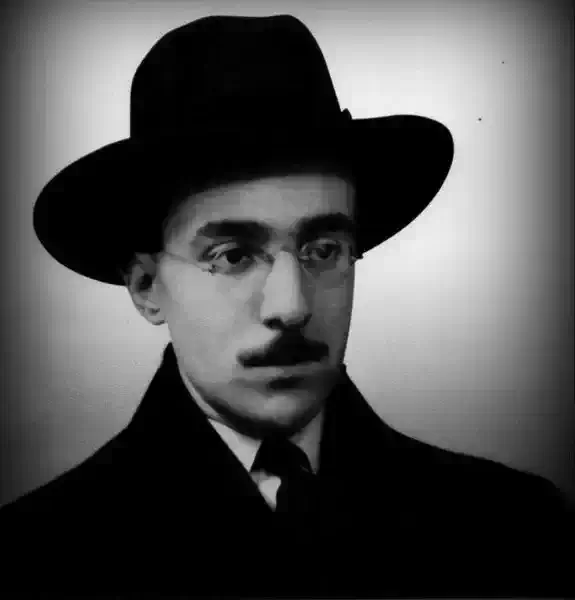
Fernando Pessoa
Enquanto eu vir o sol luzir nas folhas
Enquanto eu vir o sol luzir nas folhas
E sentir toda a brisa nos cabelos
Não quererei mais nada.
Que me pode o Destino conceder
Melhor que o lapso sensual da vida
Entre ignorâncias destas?
Sábio deveras o que não procura,
Que, procurando, achara o abismo em tudo
E a dúvida em si mesmo.
Pomos a dúvida onde há rosas. Damos
Quase tudo do sentido a entendê-lo
E ignoramos, pensantes.
Estranha a nós a natureza extensa
Campos ondula, flores abre, frutos
Cora, e a morte chega.
Terei razão, se a alguém razão é dada,
Quando me a morte conturbar a mente
E já não veja mais
Que à razão de saber porque vivemos
Nós nem a achamos nem achar se deve,
Impropícia e profunda.
E sentir toda a brisa nos cabelos
Não quererei mais nada.
Que me pode o Destino conceder
Melhor que o lapso sensual da vida
Entre ignorâncias destas?
Sábio deveras o que não procura,
Que, procurando, achara o abismo em tudo
E a dúvida em si mesmo.
Pomos a dúvida onde há rosas. Damos
Quase tudo do sentido a entendê-lo
E ignoramos, pensantes.
Estranha a nós a natureza extensa
Campos ondula, flores abre, frutos
Cora, e a morte chega.
Terei razão, se a alguém razão é dada,
Quando me a morte conturbar a mente
E já não veja mais
Que à razão de saber porque vivemos
Nós nem a achamos nem achar se deve,
Impropícia e profunda.
1 018
Fernando Pessoa
Cada um é um mundo; e como em cada fonte
Cada um é um mundo; e como em cada fonte
Uma deidade vela, em cada homem
Porque não há de haver
Um deus só de ele homem?
Na encoberta sucessão das cousas,
Só o sábio sente, que não foi mais nada
Que a vida que deixou.
Uma deidade vela, em cada homem
Porque não há de haver
Um deus só de ele homem?
Na encoberta sucessão das cousas,
Só o sábio sente, que não foi mais nada
Que a vida que deixou.
1 024
Fernando Pessoa
THE SPEECH
Before a poor, ignorant crowd
A wild propagandist loud
Shrieked a socialistic speech,
But such pompous terms and thick,
Artistic, scientific
Went with each oratoric screech
That the crowd in silence heard
Wishing of course to applaud,
But expecting a strong word
They could understand, to laud.
«Procrastinators, banditti
Reactionary, servile,
Full‑considerately vile!ª
In this way, pompously witty
He talked and the crowd heard on.
«You», he continued, «each Don
Of financial bloated leer,
I excommunicate here
Before Justice throne severe;
You I detest, I abhor…»
Here a laugh applauding rough
The wide air from the crowd tore.
«That word», they cried in a roar,
«We understand well enough!»
A wild propagandist loud
Shrieked a socialistic speech,
But such pompous terms and thick,
Artistic, scientific
Went with each oratoric screech
That the crowd in silence heard
Wishing of course to applaud,
But expecting a strong word
They could understand, to laud.
«Procrastinators, banditti
Reactionary, servile,
Full‑considerately vile!ª
In this way, pompously witty
He talked and the crowd heard on.
«You», he continued, «each Don
Of financial bloated leer,
I excommunicate here
Before Justice throne severe;
You I detest, I abhor…»
Here a laugh applauding rough
The wide air from the crowd tore.
«That word», they cried in a roar,
«We understand well enough!»
1 074
Fernando Pessoa
Não leio já; queria abrir um livro
Não leio já; queria abrir um livro
E ver, de chofre, ali, a ciência toda...
Queria ao menos poder crer que, lendo,
E em prolongadas horas lendo e lendo,
No fim alguma cousa me ficava
Do essencial do mundo, que eu subia
Até ao menos cada vez mais perto
Do mistério... Que ele, inda que inatingido,
Ao menos dele que eu [me] aproximava...
Não fosse tudo um (...)
Como uma criança que a fingir sobe
Uns degraus que pintou no chão...
Não leio. Horas intérminas, perdido
De tudo, salvo de uma dolorosa
Consciência vazia de mim próprio,
Como um frio numa noite intensa,
Em frente ao livro aberto vivo e morro...
Nada... E a impaciência fria e dolorosa
De ler p'ra não sonhar e ter perdido
O sonho! Assim como um (...) engenho
Que, abandonado, em vão trabalha ainda,
Sem nexo, sem propósito, eu môo
E remôo a ilusão do pensamento...
E hora a hora na minha estéril alma
Mais fundo o abismo entre meu ser e mim
Se abre, e nesse (...) abismo não há nada...
Ditoso o tempo em que eu sonhava, e às vezes
Eu parava de ler para seguir
Os cortejos em mim... Amor, orgulho,
— Crenças inda! — pintavam os meus sonhos...
E com muita insistência[?], eu era (...)
O amante de belezas (...)
E o rei de povos vagos e submissos;
E quer em braços que eu sonhava, ou entre
As filas (...) prostradas, eu vivia
Sublimes nadas, alegrias sem cor.
Mas
Hoje nenhuma imagem, nenhum vulto
Evoco em mim... Só um deserto aonde
Não a cor dum areal, nem um ar morto
Posso sonhar... Mas tendo só a ideia,
Tendo da cor o pensamento apenas,
Vazio, oco, sem calor nem frio,
Sem posição, nem direcção, nem (...)
Só o vazio lugar do pensamento...
E ver, de chofre, ali, a ciência toda...
Queria ao menos poder crer que, lendo,
E em prolongadas horas lendo e lendo,
No fim alguma cousa me ficava
Do essencial do mundo, que eu subia
Até ao menos cada vez mais perto
Do mistério... Que ele, inda que inatingido,
Ao menos dele que eu [me] aproximava...
Não fosse tudo um (...)
Como uma criança que a fingir sobe
Uns degraus que pintou no chão...
Não leio. Horas intérminas, perdido
De tudo, salvo de uma dolorosa
Consciência vazia de mim próprio,
Como um frio numa noite intensa,
Em frente ao livro aberto vivo e morro...
Nada... E a impaciência fria e dolorosa
De ler p'ra não sonhar e ter perdido
O sonho! Assim como um (...) engenho
Que, abandonado, em vão trabalha ainda,
Sem nexo, sem propósito, eu môo
E remôo a ilusão do pensamento...
E hora a hora na minha estéril alma
Mais fundo o abismo entre meu ser e mim
Se abre, e nesse (...) abismo não há nada...
Ditoso o tempo em que eu sonhava, e às vezes
Eu parava de ler para seguir
Os cortejos em mim... Amor, orgulho,
— Crenças inda! — pintavam os meus sonhos...
E com muita insistência[?], eu era (...)
O amante de belezas (...)
E o rei de povos vagos e submissos;
E quer em braços que eu sonhava, ou entre
As filas (...) prostradas, eu vivia
Sublimes nadas, alegrias sem cor.
Mas
Hoje nenhuma imagem, nenhum vulto
Evoco em mim... Só um deserto aonde
Não a cor dum areal, nem um ar morto
Posso sonhar... Mas tendo só a ideia,
Tendo da cor o pensamento apenas,
Vazio, oco, sem calor nem frio,
Sem posição, nem direcção, nem (...)
Só o vazio lugar do pensamento...
761
Fernando Pessoa
Nada me dizem vossos deuses mortos
Nada me dizem vossos deuses mortos
Que eu haja de aprender. O Crucifixo
Sem amor e sem ódio
Do meu (...) afasto.
Que tenho eu com as crenças que o Cristo
Curvado o torso a mim, latino, morra?
Mais com o sol me entendo
Que com essas verdades.
Que o sejam... Deus a mim não só foi dado
Que uma visão das cousas que há na terra
E uma razão incerta,
E um saber que há deuses...
Que eu haja de aprender. O Crucifixo
Sem amor e sem ódio
Do meu (...) afasto.
Que tenho eu com as crenças que o Cristo
Curvado o torso a mim, latino, morra?
Mais com o sol me entendo
Que com essas verdades.
Que o sejam... Deus a mim não só foi dado
Que uma visão das cousas que há na terra
E uma razão incerta,
E um saber que há deuses...
1 265
Fernando Pessoa
40 - ELEVATION
Before light was, light's bright idea lit
God's thought of it,
And, because through God's thought light's thought did pass,
Light ever was,
And from beyond eternity became
The living flame
That trembles into life and reddens with
Our life's soul‑width.
Before light was, when yet the night was queen
O'er what had been,
In God's realized prescience it could be
Light from eternity,
For no time enters into God's thoughts or
Their spaceless Hour.
Take thou therefore, my Song, from light the mood
Of being, and brood,
Like the Dove unbegot, over the abyss
Of consciousness,
Taking as thy true part that thought of God
Whence light issued.
Let my words burst into that divine flame
That lights its name
Of each thing from within with ultimate meaning.
Though earth be screening
With fixed appearance the Sun in each Thing,
Bear, on thy wing
High‑lifted, rays from the unrisen Sun
Whence life is spun.
Soar out, my Song, out of despair and night
And catch that light
Ere it appear, from neath the horizon
Of action,
Borne out of dreams by intuition bright
Of endless light.
Though none believe nor any understand,
Yet feel thee fanned
With those breeze‑breaths that come up with the morn
From the Unborn.
Soar like a lark into the coming day
And bear thy way
Into the possibility of noon
Hid in the dawn.
No matter that none know what thy words speak.
A day shall break
Out of eternity as each day bright
Out of each night.
Thy wings shall touch the slanting light of dawn
And, upwards drawn
By being light‑struck, shall to light be near
When light's yet far.
Hope is thy ready and high‑soaring flight
Out of the night,
Joy is thy touching of the first high rays
That day betrays,
Life is the course thy flight sequesters from
Earth and its nightly doom,
And these three things are one in thy belief
That pain is brief.
II
Thou, unseeen Bird, essence of spiritual light,
That yet art bright
With the epitome of the outer shine,
Thou that art mine
And yet not mine but general to the earth,
Wings of rebirth,
Whose song, though in me heard, participates
Of all that all elates,
Thou point of meeting of me with the wings
Hidden in all things,
Thou breath, thou vapour, seen and not seen, of
Some abstract love,
Thou exhalation of the prisoned flight
Of all things' weight,
Thou that in me art fear, mad splendour, all
To ache and enthral,
Attract me, take me, o pure flight, and rise
With me in thine eyes,
Lost, cast, unpetalled and divine, up to
What thou dost woo!
O Spirit‑Lark that wakest ere the morn
And art reborn
At each recoming of the sun, and art
The wiser part
Of all that message is to our low eyes
Of what shall rise!
Life‑weightless Bird that no meads can attract,
But that must act
Its fate in air, above our marshes sad
And meads low‑laid,
In free heights communing with the Great Horn
As yet unborn!
O sterile Bird that hast no nest nor home
But what shall come,
That hast no song save in the heights above
Nests, homes and love,
Nor any thought save for the coming day,
Though far away
It seem to those who measure yet thy flight
But by its height
And not by its intention, that is carried
From life and married
To those diviner hours that winged things
Find with their wings!
O Bird of ruthless song and untold wishes,
Whose high flight reaches
Heights not of earth, but of pure air, encumbered
With no joys weighed and numbered!
Take all my heart in thy purpose of going
And make the flowing
Down to earth of my song be like thy song,
Something strange, strong
With distance, eerily half‑perishing
From farness! Sing,
And let my heart be what thou meanst with singings
My life with winging.
My hopes and fears with th’tone wherewith thy note
To me doth float
And the great purpose hidden in my fate
With thy mere height!
My heart shall thus be happy even if pained,
Free even if strained
To keep that height of joy whence tremble down
Thy songs to our own.
My soul may thus be happy, full and free.
Oh, happily
Raise me from me and lift my life unto
That thou dost woo -
The light, the sky, the distance and the morn,
Till I be unborn
Again to pure dispersion in the seas
Of the high breeze
That speaks to thee, ere light be born, of light,
Till the delight
Of without being being shall make me
Song and sky be!
God's thought of it,
And, because through God's thought light's thought did pass,
Light ever was,
And from beyond eternity became
The living flame
That trembles into life and reddens with
Our life's soul‑width.
Before light was, when yet the night was queen
O'er what had been,
In God's realized prescience it could be
Light from eternity,
For no time enters into God's thoughts or
Their spaceless Hour.
Take thou therefore, my Song, from light the mood
Of being, and brood,
Like the Dove unbegot, over the abyss
Of consciousness,
Taking as thy true part that thought of God
Whence light issued.
Let my words burst into that divine flame
That lights its name
Of each thing from within with ultimate meaning.
Though earth be screening
With fixed appearance the Sun in each Thing,
Bear, on thy wing
High‑lifted, rays from the unrisen Sun
Whence life is spun.
Soar out, my Song, out of despair and night
And catch that light
Ere it appear, from neath the horizon
Of action,
Borne out of dreams by intuition bright
Of endless light.
Though none believe nor any understand,
Yet feel thee fanned
With those breeze‑breaths that come up with the morn
From the Unborn.
Soar like a lark into the coming day
And bear thy way
Into the possibility of noon
Hid in the dawn.
No matter that none know what thy words speak.
A day shall break
Out of eternity as each day bright
Out of each night.
Thy wings shall touch the slanting light of dawn
And, upwards drawn
By being light‑struck, shall to light be near
When light's yet far.
Hope is thy ready and high‑soaring flight
Out of the night,
Joy is thy touching of the first high rays
That day betrays,
Life is the course thy flight sequesters from
Earth and its nightly doom,
And these three things are one in thy belief
That pain is brief.
II
Thou, unseeen Bird, essence of spiritual light,
That yet art bright
With the epitome of the outer shine,
Thou that art mine
And yet not mine but general to the earth,
Wings of rebirth,
Whose song, though in me heard, participates
Of all that all elates,
Thou point of meeting of me with the wings
Hidden in all things,
Thou breath, thou vapour, seen and not seen, of
Some abstract love,
Thou exhalation of the prisoned flight
Of all things' weight,
Thou that in me art fear, mad splendour, all
To ache and enthral,
Attract me, take me, o pure flight, and rise
With me in thine eyes,
Lost, cast, unpetalled and divine, up to
What thou dost woo!
O Spirit‑Lark that wakest ere the morn
And art reborn
At each recoming of the sun, and art
The wiser part
Of all that message is to our low eyes
Of what shall rise!
Life‑weightless Bird that no meads can attract,
But that must act
Its fate in air, above our marshes sad
And meads low‑laid,
In free heights communing with the Great Horn
As yet unborn!
O sterile Bird that hast no nest nor home
But what shall come,
That hast no song save in the heights above
Nests, homes and love,
Nor any thought save for the coming day,
Though far away
It seem to those who measure yet thy flight
But by its height
And not by its intention, that is carried
From life and married
To those diviner hours that winged things
Find with their wings!
O Bird of ruthless song and untold wishes,
Whose high flight reaches
Heights not of earth, but of pure air, encumbered
With no joys weighed and numbered!
Take all my heart in thy purpose of going
And make the flowing
Down to earth of my song be like thy song,
Something strange, strong
With distance, eerily half‑perishing
From farness! Sing,
And let my heart be what thou meanst with singings
My life with winging.
My hopes and fears with th’tone wherewith thy note
To me doth float
And the great purpose hidden in my fate
With thy mere height!
My heart shall thus be happy even if pained,
Free even if strained
To keep that height of joy whence tremble down
Thy songs to our own.
My soul may thus be happy, full and free.
Oh, happily
Raise me from me and lift my life unto
That thou dost woo -
The light, the sky, the distance and the morn,
Till I be unborn
Again to pure dispersion in the seas
Of the high breeze
That speaks to thee, ere light be born, of light,
Till the delight
Of without being being shall make me
Song and sky be!
1 683
Fernando Pessoa
III - Análogo começo,
III
Análogo começo,
Uníssono me peço,
Gaia ciência o assomo —
Falha no último tomo,
Onde prolixo ameaço
Paralelo transpasso
O entreaberto haver
Diagonal a ser.
O interlúdio vernal,
Conquista do fatal,
Onde, veludo, afaga
A última que alaga.
Timbre do vespertino,
Ali, caricia, o hino
Outonou entre preces
Antes que, água, comeces.
Análogo começo,
Uníssono me peço,
Gaia ciência o assomo —
Falha no último tomo,
Onde prolixo ameaço
Paralelo transpasso
O entreaberto haver
Diagonal a ser.
O interlúdio vernal,
Conquista do fatal,
Onde, veludo, afaga
A última que alaga.
Timbre do vespertino,
Ali, caricia, o hino
Outonou entre preces
Antes que, água, comeces.
957
Fernando Pessoa
Now are no Janus’ temple-doors thrown wide
Now are no Janus' temple‑doors thrown wide
To utter thougts of war upon the land.
Now doth no double facing God divide
Him from himself, that sight of him may brand
The symbol of opposed things upon
Our hearts that at our eyes on him are thrown.
Now do no pagan cults tremble at Mars' name
Because bad‑auguring birds like clouds have flown
O'er nations' frontiers, nor do oracles frame
Strange answers unto ears of armoured chiefs,
Replies that leave perplexed their perplexed eyes
That know not whether that heart‑pang they hear
Is the first grief heralding their peoples' griefs
Or the strange cold that the Gods' mysteries
Speak to his soul that is to conquest near.
No. All is dead that wreathed war round with Gods.
Nor omens mute, nor the foiled sacrifice,
No dim words spoken by spilt blood on sods.
Nay, nor the later sense that vice and sloth,
When in a people's heart they nestle both
Do on them call the wrath of heaven, us move.
Our souls are void, like a stage mummer's cries
And our hate and our love mock hate and love.
Something of coldness, like the coming winter,
Crosses our autumn like a profecy.
Round our leaves now no swallows circle and twitter.
No more, no more, shall we heart‑wholesome be.
There is a sadness that with us doth stay
Like a billetted guest, and far away
Our ultimate death awaits us like a sea.
Alas! that even the poesy of wars
Should, like a tired thing, have gone where things go.
Alas! alas! that we have come thus far
Knowing still the same nothing that we know,
To meet more than ourselves, nor no throe
That shall be herald of a newer man.
And ever as the old woes the cold new woe
Fills with its deathless measure our life's span.
No, even the Christian manner of love or hate
Is dead. No God that lives in us survives
The winter in us that snow‑kills God and Fate
And has iced o'er the rivers of our lives.
With cuirass and with pike we laid aside
All that made battle worth the death in it.
Our science‑made war‑gestures now deride
The great eternal things that war doth fit
With helm and armour.
With mortal pomp yet pomp. We are on death's side.
All is as if were not part of it.
All clashes, rings and turmoils as if far.
The foiled imagining within our wit
Ousts war's clear image with bare thought of war.
Our plans are cold, our courage cold, our eyes
When they look inwards dream but the far plain
And vague, picture‑seen faces and their pain
Touches no sense of ours, nor do dreamed cries
Rise in us. What cold thing has become of
Our very hatred? What way has strength gone?
We die as if the sky were not above
Our heads and beneath us sand, grass and stone.
The great eternal presence of all things
No longer doth with us collaborate
To lift our hearts up on invisible wings
And bid us tremble at the thrill of Fate.
The possible fall of empires doth no more
Touch us with that great and mysterious dread
That John on Pathmos saw rise o'er his head
Like a space‑filling sea without a shore.
Alas! our nobler fear has gone away
Where our weariness pointed. We are blind
And learned to blindness. Our wild gestures stray
From us like leaves that fall far off with the wind,
And we fight clearly, coldly, night and day.
These things I thought, knowing that far behind
My visible horizon war was slave
Of that Invisible Master who doth wave
His speechless hand o'er continents and seas
And men like reaped things fall, and the blind wind
With groping hands that in the night are blind
Touches the dead men's faces' mysteries.
This I thought when, lo! before me there was
A door of iron, or what iron seemed,
An unsized portal, and its live‑seeming lock
Seemed all the uses of a lock to mock.
To see that door was to know none could pass
Through it, nor could its other‑side be dreamed.
A ribbon of broad stairs led up to it
But had no meaning, like a laugh unseen,
I looked and the door seemed to sway as hit
By blows, but no blows fell on it. That screen
Was interposed between me and no scene,
Yet, like an eye staring from out the night,
It touched my heart cold with its iron mean.
And this was not in space nor in a light.
Somewhere in me where dreams do themselves show
And have an inner meaning God doth know,
The door was set, and it seemed to my soul
That there since some inner eternity
It ever had been and I something had seen,
Yet half forgot, that like a half‑shown scroll,
Concealed its sense in what it showed to me.
And lo! as my heart looked, the door grew clear
As a near‑lit thing seen in a black night,
And a great sense of a great coming fear
Was fear already in my heart's affright.
Then as I looked I saw - yet it did seem
That in my vision that had ever been -
From beneath the strange door down the steps flow
A string of silent blood, that step by step,
Fell with a motion desolate and slow.
The thin red stream seemed conscious of its course
Though its course seemed to be none, but to fall.
I looked and it fell ever, with a force
Of relinquishment to its fall, a knell
To some hope in me, and the blood
That ever was but a small line did flood
All my pained soul and made it red. The spell
Of its thin redness spreade o'er my thought's mood
And all my thoughts became a great red wall
Set up in front of what in me doth brood.
Then everything shifted, yet was the same.
I looked on as one who sees a child's game
And finds its eyes at interest in it
And knows not why. A sense of end did hit
My power of having feelings with a rain
That did with deep red all my dim soul stain
As it had stained that soul.
Then all the outer world was dashed to night
And, though no floor remained, no sides, no light
To that space‑missed new world, set far from being,
Yet by some clearer virtue of my seeing
All I saw was without nor left nor right
With a name to it, without a place
Even in itself, without an I to see.
The mere great door and the red blood's thin trace
And all the rest was void and mystery.
Then all again seemed changing unto some
New, unimaginable and fearful thing.
The door and that blood‑line seemed to come
A strange new‑featured Face looking out through
The Universe's whole frame, traversing
It like light an invisible glass - a wing
Belonging to no bird our thoughts construe.
Then the door seemed to recede - nay, to have
Receded, when I knew not, nor was there
A when, for Time seem'd as seems a far wave
On a wide sea, something gone past. The bare
Eternal door seemed to have gone to the end
Of a visible infinity, and all
That now remained on which my soul could spend
Its terror was the blood ever at its fall.
Then, though still the same small line of red,
The blood seeemed to grow glass and in it I saw
A mighty river full of strange things - dead
Men, children, wrecks of bridges, cities, thrones,
And still the line was a small red line, (...)
Of other meaning than that
That before God for the clear world atones.
But the (...) visions in that line contained
Seemed wide as space. The red line seemed a slit
In a thin door through which our eyes can see
Large fields, a city and the whole sky stained
With clouds, and all this in the line could be;
And from some unknown where I looked on it.
It seemed the edge of a cube opening
Sideways to sides of visions, more and more.
Now and then across its glass - like being a wing
Passed a tremor ran over everything
That had in it a clear and tragic being.
Then ceased. And from, past space, the door
Still held my unconscious consciousness of seeing.
It seemed sometimes a bright, red moving veil
And through it as through a stained window I guessed
A night and stars on a vague pale day pressed,
On a same horizon desolate and pale.
Then, as I stared, suddenly before me,
Like a fan suddenly opened, the blood‑line
Took space from side to side, leaving naught to me
Left or right of it. Its red (...) fact
Became a red Niagara, a cataract.
But there were no steps, nothing: it did fall
As if drawn in the air, over no edge, and all
Was this and this was its own mystery.
Then lo! over the edge, no longer now,
But empires rolled, and I saw Greece and Rome
Pass. And still over the eternal flow
Reddened from left to right my inner sight's home
Of seeing. And all like to God's blood did come
Like a great rain off a huge thorn‑crowned brow.
And I saw more and more strange empires roll
Down and some I knew not, nor seeing them, guessed.
Awhile their falling the fall's brink caressed
Then they sunk down somewhere within my soul,
And my soul was the soul of all the world,
And from my (...) eyes that saw all this
Suddenly I felt, as if a flag unfurled,
God in me look out at these mysteries.
My eyes seemed windows of another sight
Of someone set behind my soul in the night
Looking through my eyes and my sight, mine own
Was but a glass those unknown eyes looked through,
And still the vision was blood falling down
In cataracts into Mystery, red and slow.
I became one with world and Fate and God,
And the great River that came on and fell
Let me see through its veil of (...) blood
The stars shine and a vague moonlight, then fell
Something from me. The cataract came more near
To my sight; then it seemed into mine eyes
To creep to become with them and the fear
To pass behind them into some soul (...).
Then all that did remain was the stars light
And again in the dark infinity
My pity and my dread alone with me
And my dream's meaning like a paling night.
To utter thougts of war upon the land.
Now doth no double facing God divide
Him from himself, that sight of him may brand
The symbol of opposed things upon
Our hearts that at our eyes on him are thrown.
Now do no pagan cults tremble at Mars' name
Because bad‑auguring birds like clouds have flown
O'er nations' frontiers, nor do oracles frame
Strange answers unto ears of armoured chiefs,
Replies that leave perplexed their perplexed eyes
That know not whether that heart‑pang they hear
Is the first grief heralding their peoples' griefs
Or the strange cold that the Gods' mysteries
Speak to his soul that is to conquest near.
No. All is dead that wreathed war round with Gods.
Nor omens mute, nor the foiled sacrifice,
No dim words spoken by spilt blood on sods.
Nay, nor the later sense that vice and sloth,
When in a people's heart they nestle both
Do on them call the wrath of heaven, us move.
Our souls are void, like a stage mummer's cries
And our hate and our love mock hate and love.
Something of coldness, like the coming winter,
Crosses our autumn like a profecy.
Round our leaves now no swallows circle and twitter.
No more, no more, shall we heart‑wholesome be.
There is a sadness that with us doth stay
Like a billetted guest, and far away
Our ultimate death awaits us like a sea.
Alas! that even the poesy of wars
Should, like a tired thing, have gone where things go.
Alas! alas! that we have come thus far
Knowing still the same nothing that we know,
To meet more than ourselves, nor no throe
That shall be herald of a newer man.
And ever as the old woes the cold new woe
Fills with its deathless measure our life's span.
No, even the Christian manner of love or hate
Is dead. No God that lives in us survives
The winter in us that snow‑kills God and Fate
And has iced o'er the rivers of our lives.
With cuirass and with pike we laid aside
All that made battle worth the death in it.
Our science‑made war‑gestures now deride
The great eternal things that war doth fit
With helm and armour.
With mortal pomp yet pomp. We are on death's side.
All is as if were not part of it.
All clashes, rings and turmoils as if far.
The foiled imagining within our wit
Ousts war's clear image with bare thought of war.
Our plans are cold, our courage cold, our eyes
When they look inwards dream but the far plain
And vague, picture‑seen faces and their pain
Touches no sense of ours, nor do dreamed cries
Rise in us. What cold thing has become of
Our very hatred? What way has strength gone?
We die as if the sky were not above
Our heads and beneath us sand, grass and stone.
The great eternal presence of all things
No longer doth with us collaborate
To lift our hearts up on invisible wings
And bid us tremble at the thrill of Fate.
The possible fall of empires doth no more
Touch us with that great and mysterious dread
That John on Pathmos saw rise o'er his head
Like a space‑filling sea without a shore.
Alas! our nobler fear has gone away
Where our weariness pointed. We are blind
And learned to blindness. Our wild gestures stray
From us like leaves that fall far off with the wind,
And we fight clearly, coldly, night and day.
These things I thought, knowing that far behind
My visible horizon war was slave
Of that Invisible Master who doth wave
His speechless hand o'er continents and seas
And men like reaped things fall, and the blind wind
With groping hands that in the night are blind
Touches the dead men's faces' mysteries.
This I thought when, lo! before me there was
A door of iron, or what iron seemed,
An unsized portal, and its live‑seeming lock
Seemed all the uses of a lock to mock.
To see that door was to know none could pass
Through it, nor could its other‑side be dreamed.
A ribbon of broad stairs led up to it
But had no meaning, like a laugh unseen,
I looked and the door seemed to sway as hit
By blows, but no blows fell on it. That screen
Was interposed between me and no scene,
Yet, like an eye staring from out the night,
It touched my heart cold with its iron mean.
And this was not in space nor in a light.
Somewhere in me where dreams do themselves show
And have an inner meaning God doth know,
The door was set, and it seemed to my soul
That there since some inner eternity
It ever had been and I something had seen,
Yet half forgot, that like a half‑shown scroll,
Concealed its sense in what it showed to me.
And lo! as my heart looked, the door grew clear
As a near‑lit thing seen in a black night,
And a great sense of a great coming fear
Was fear already in my heart's affright.
Then as I looked I saw - yet it did seem
That in my vision that had ever been -
From beneath the strange door down the steps flow
A string of silent blood, that step by step,
Fell with a motion desolate and slow.
The thin red stream seemed conscious of its course
Though its course seemed to be none, but to fall.
I looked and it fell ever, with a force
Of relinquishment to its fall, a knell
To some hope in me, and the blood
That ever was but a small line did flood
All my pained soul and made it red. The spell
Of its thin redness spreade o'er my thought's mood
And all my thoughts became a great red wall
Set up in front of what in me doth brood.
Then everything shifted, yet was the same.
I looked on as one who sees a child's game
And finds its eyes at interest in it
And knows not why. A sense of end did hit
My power of having feelings with a rain
That did with deep red all my dim soul stain
As it had stained that soul.
Then all the outer world was dashed to night
And, though no floor remained, no sides, no light
To that space‑missed new world, set far from being,
Yet by some clearer virtue of my seeing
All I saw was without nor left nor right
With a name to it, without a place
Even in itself, without an I to see.
The mere great door and the red blood's thin trace
And all the rest was void and mystery.
Then all again seemed changing unto some
New, unimaginable and fearful thing.
The door and that blood‑line seemed to come
A strange new‑featured Face looking out through
The Universe's whole frame, traversing
It like light an invisible glass - a wing
Belonging to no bird our thoughts construe.
Then the door seemed to recede - nay, to have
Receded, when I knew not, nor was there
A when, for Time seem'd as seems a far wave
On a wide sea, something gone past. The bare
Eternal door seemed to have gone to the end
Of a visible infinity, and all
That now remained on which my soul could spend
Its terror was the blood ever at its fall.
Then, though still the same small line of red,
The blood seeemed to grow glass and in it I saw
A mighty river full of strange things - dead
Men, children, wrecks of bridges, cities, thrones,
And still the line was a small red line, (...)
Of other meaning than that
That before God for the clear world atones.
But the (...) visions in that line contained
Seemed wide as space. The red line seemed a slit
In a thin door through which our eyes can see
Large fields, a city and the whole sky stained
With clouds, and all this in the line could be;
And from some unknown where I looked on it.
It seemed the edge of a cube opening
Sideways to sides of visions, more and more.
Now and then across its glass - like being a wing
Passed a tremor ran over everything
That had in it a clear and tragic being.
Then ceased. And from, past space, the door
Still held my unconscious consciousness of seeing.
It seemed sometimes a bright, red moving veil
And through it as through a stained window I guessed
A night and stars on a vague pale day pressed,
On a same horizon desolate and pale.
Then, as I stared, suddenly before me,
Like a fan suddenly opened, the blood‑line
Took space from side to side, leaving naught to me
Left or right of it. Its red (...) fact
Became a red Niagara, a cataract.
But there were no steps, nothing: it did fall
As if drawn in the air, over no edge, and all
Was this and this was its own mystery.
Then lo! over the edge, no longer now,
But empires rolled, and I saw Greece and Rome
Pass. And still over the eternal flow
Reddened from left to right my inner sight's home
Of seeing. And all like to God's blood did come
Like a great rain off a huge thorn‑crowned brow.
And I saw more and more strange empires roll
Down and some I knew not, nor seeing them, guessed.
Awhile their falling the fall's brink caressed
Then they sunk down somewhere within my soul,
And my soul was the soul of all the world,
And from my (...) eyes that saw all this
Suddenly I felt, as if a flag unfurled,
God in me look out at these mysteries.
My eyes seemed windows of another sight
Of someone set behind my soul in the night
Looking through my eyes and my sight, mine own
Was but a glass those unknown eyes looked through,
And still the vision was blood falling down
In cataracts into Mystery, red and slow.
I became one with world and Fate and God,
And the great River that came on and fell
Let me see through its veil of (...) blood
The stars shine and a vague moonlight, then fell
Something from me. The cataract came more near
To my sight; then it seemed into mine eyes
To creep to become with them and the fear
To pass behind them into some soul (...).
Then all that did remain was the stars light
And again in the dark infinity
My pity and my dread alone with me
And my dream's meaning like a paling night.
1 659
Fernando Pessoa
MEN OF SCIENCE
To toil through time and hate and to consume
Far more than life in Error's hard defeat,
Seeking e'er for the true, for the complete,
Careless of faith and misery and doom
Is there a nobler task, while life doth fleet,
Than this, to strive to make light amid gloom,
And with hands bleeding to part and make room
In life for weaker and more unsure feet?
The void o'th' world must with an arch be spanned,
The ways of Nature must be read aright
That there may be a wise and friendly hand
To make this dark world better and more bright.
Oh, with what joy and love I understand
These master-souls that ache for truth and light.
Far more than life in Error's hard defeat,
Seeking e'er for the true, for the complete,
Careless of faith and misery and doom
Is there a nobler task, while life doth fleet,
Than this, to strive to make light amid gloom,
And with hands bleeding to part and make room
In life for weaker and more unsure feet?
The void o'th' world must with an arch be spanned,
The ways of Nature must be read aright
That there may be a wise and friendly hand
To make this dark world better and more bright.
Oh, with what joy and love I understand
These master-souls that ache for truth and light.
1 489
Fernando Pessoa
Condenados sem fim ao erro eterno.
Condenados sem fim ao erro eterno.
Porque não será isto a realidade?
Porque não há-de ser, fantasma eterno,
O abstracto e inúmero velado mundo,
Sempre velado e abstracto, a sua própria
Unidade uma imprecisão,
Um todo indefinido, e mais que um todo
Onde a verdade e o erro, pontos fixos,
Nada sejam senão um maior erro?
Porque não será isto a realidade?
Porque não há-de ser, fantasma eterno,
O abstracto e inúmero velado mundo,
Sempre velado e abstracto, a sua própria
Unidade uma imprecisão,
Um todo indefinido, e mais que um todo
Onde a verdade e o erro, pontos fixos,
Nada sejam senão um maior erro?
1 360
Fernando Pessoa
THE GIANT’S REPLY
I met a giant upon my way;
He looked more wise than Nature.
«Tell me some truth», thus my tongue did betray
My soul so that more than creature.
- «There is but one's, in an old voice strange
He cried: «things are more, I say,
Than Time in which they seem to change
And than Space that seems more than they».
He looked more wise than Nature.
«Tell me some truth», thus my tongue did betray
My soul so that more than creature.
- «There is but one's, in an old voice strange
He cried: «things are more, I say,
Than Time in which they seem to change
And than Space that seems more than they».
1 286
Fernando Pessoa
O pó que fica das velocidades que já não se vêem!
O pó que fica das velocidades que já se não vêem!
O do metálico dos êmbolos,
O furor uterino das válvulas lá por dentro —
O sangue dando em baque ao ataque dos excêntricos.
Minhas sensações
Protoplasma da humanidade matemática do futuro!
Eia-la-ho! Hó-oo-o!
Oh lá, saltos e pulos com o meu pensamento todo
Pula bola de mim — a mágica biológica que eu sou!
O cérebro servo de leis, os nervos movidos por normas
Por normas compostas em tratados de psiquiatras
O do metálico dos êmbolos,
O furor uterino das válvulas lá por dentro —
O sangue dando em baque ao ataque dos excêntricos.
Minhas sensações
Protoplasma da humanidade matemática do futuro!
Eia-la-ho! Hó-oo-o!
Oh lá, saltos e pulos com o meu pensamento todo
Pula bola de mim — a mágica biológica que eu sou!
O cérebro servo de leis, os nervos movidos por normas
Por normas compostas em tratados de psiquiatras
936
Fernando Pessoa
Dá-nos a Tua paz,
Dá-nos a Tua paz,
Deus Cristão falso, mas consolador, porque todos
Nascem para a emoção rezada a ti;
Deus anti-científico mas que a nossa mãe ensina;
Deus absurdo da verdade absurda, mas que tem a verdade das lágrimas
Nas horas de fraqueza em que sentimos que passamos
Como o fumo e a nuvem, mas a emoção não o quer,
Como o rasto na terra, mas a alma é sensível...
Dá-nos a Tua paz, ainda que não existisses nunca,
A Tua paz no mundo que julgas Teu,
A Tua paz impossível tão possível à Terra,
À grande mãe pagã, cristã em nós a esta hora
E que deve ser humana em tudo quanto é humano em nós.
Dá-nos a paz como uma brisa saindo
Ou a chuva para a qual há preces nas províncias,
E chove por leis naturais tranquilizadoramente.
Dá-nos a paz, porque por ela siga, e regresse
O nosso espírito cansado ao quarto de arrumações e coser
Onde ao canto está o berço inútil, mas não a mãe que embala,
Onde na cómoda velha está a roupa da infância, despida
Com o poder iludir a vida com o sonho...
Dá-nos a tua paz.
O mundo é incerto e confuso,
O pensamento não chega a parte nenhuma da Terra,
O braço não alcança mais do que a mão pode conter,
O olhar não atravessa os muros da sombra,
O coração não sabe desejar o que deseja
A vida erra constantemente o caminho para a Vida.
Dá-nos, Senhor, a paz, Cristo ou Buda que sejas,
Dá-nos a paz e admite
Nos vales esquecidos dos pastores ignotos
Nos píncaros de gelo dos eremitas perdidos,
Nas ruas transversais dos bairros afastados das cidades,
A paz que é dos que não conhecem e esquecem sem querer.
Materna paz que adormeça a terra,
Dormente à lareira sem filosofias,
Memória dos contos de fadas sem a vida lá fora,
A canção do berço revivida através do menino sem futuro,
O calor, a ama, o menino,
O menino que se vai deitar
E o sentido inútil da vida,
O coveiro antigo das coisas,
A dor sem fundo da terra, dos homens, dos destinos
Do mundo...
Deus Cristão falso, mas consolador, porque todos
Nascem para a emoção rezada a ti;
Deus anti-científico mas que a nossa mãe ensina;
Deus absurdo da verdade absurda, mas que tem a verdade das lágrimas
Nas horas de fraqueza em que sentimos que passamos
Como o fumo e a nuvem, mas a emoção não o quer,
Como o rasto na terra, mas a alma é sensível...
Dá-nos a Tua paz, ainda que não existisses nunca,
A Tua paz no mundo que julgas Teu,
A Tua paz impossível tão possível à Terra,
À grande mãe pagã, cristã em nós a esta hora
E que deve ser humana em tudo quanto é humano em nós.
Dá-nos a paz como uma brisa saindo
Ou a chuva para a qual há preces nas províncias,
E chove por leis naturais tranquilizadoramente.
Dá-nos a paz, porque por ela siga, e regresse
O nosso espírito cansado ao quarto de arrumações e coser
Onde ao canto está o berço inútil, mas não a mãe que embala,
Onde na cómoda velha está a roupa da infância, despida
Com o poder iludir a vida com o sonho...
Dá-nos a tua paz.
O mundo é incerto e confuso,
O pensamento não chega a parte nenhuma da Terra,
O braço não alcança mais do que a mão pode conter,
O olhar não atravessa os muros da sombra,
O coração não sabe desejar o que deseja
A vida erra constantemente o caminho para a Vida.
Dá-nos, Senhor, a paz, Cristo ou Buda que sejas,
Dá-nos a paz e admite
Nos vales esquecidos dos pastores ignotos
Nos píncaros de gelo dos eremitas perdidos,
Nas ruas transversais dos bairros afastados das cidades,
A paz que é dos que não conhecem e esquecem sem querer.
Materna paz que adormeça a terra,
Dormente à lareira sem filosofias,
Memória dos contos de fadas sem a vida lá fora,
A canção do berço revivida através do menino sem futuro,
O calor, a ama, o menino,
O menino que se vai deitar
E o sentido inútil da vida,
O coveiro antigo das coisas,
A dor sem fundo da terra, dos homens, dos destinos
Do mundo...
1 116
Fernando Pessoa
Morrer — esta palavra toda horror —
Morrer — esta palavra toda horror —
Repito-a e re-repito-a para ver
Se aumenta em mim 'té à compreensão
O pensamento e sentimento vagos
Que produz, e dos quais a intensidade
Em contraste com esse vago imenso
Faz dum horror um horror supremo;
Repito sim — Morrer — e não obtenho
Uma qualquer nitidificação
Do desolado caos do meu ser.
Agonia suprema! Suma dor
Não poder eu — sem morte, sem (...)
Tornar-me em um estranho inanimado
D'inconcebida essência que encontrasse
O impensável desejo da minha alma.
Tudo é mistério e o mistério é tudo
E a mais próxima forma, essa mais nossa
A sua forma mais (...)
É a morte.
Uns têm — e é sofrer — o duvidar:
Há Deus ou não há Deus? Há alma ou não?
Eu não duvido, ignoro. E se o horror
De duvidar é grande o de ignorar
Não tem nome nem entre os pensamentos.
Hesitar: «Há Deus ou não há?» é triste
Mas saber: «Não há Deus» e perguntar
«O que há então?» Aqui dúvida e ânsia
Por humildes em dor não se concebem.
Eu, Fausto, achei a ciência suprema
Que o homem pode ter; nela encontrei
O (...) de desolação
D'ânsia, d'horror, de medo, de delírio,
De hesitação, de estranheza na terra,
De vacuidade em mim e em todo o mundo,
E em todo o pensamento e em todo o Ser.
Repito-a e re-repito-a para ver
Se aumenta em mim 'té à compreensão
O pensamento e sentimento vagos
Que produz, e dos quais a intensidade
Em contraste com esse vago imenso
Faz dum horror um horror supremo;
Repito sim — Morrer — e não obtenho
Uma qualquer nitidificação
Do desolado caos do meu ser.
Agonia suprema! Suma dor
Não poder eu — sem morte, sem (...)
Tornar-me em um estranho inanimado
D'inconcebida essência que encontrasse
O impensável desejo da minha alma.
Tudo é mistério e o mistério é tudo
E a mais próxima forma, essa mais nossa
A sua forma mais (...)
É a morte.
Uns têm — e é sofrer — o duvidar:
Há Deus ou não há Deus? Há alma ou não?
Eu não duvido, ignoro. E se o horror
De duvidar é grande o de ignorar
Não tem nome nem entre os pensamentos.
Hesitar: «Há Deus ou não há?» é triste
Mas saber: «Não há Deus» e perguntar
«O que há então?» Aqui dúvida e ânsia
Por humildes em dor não se concebem.
Eu, Fausto, achei a ciência suprema
Que o homem pode ter; nela encontrei
O (...) de desolação
D'ânsia, d'horror, de medo, de delírio,
De hesitação, de estranheza na terra,
De vacuidade em mim e em todo o mundo,
E em todo o pensamento e em todo o Ser.
1 132
Fernando Pessoa
Quanto mais fundamente penso, mais
Quanto mais fundamente penso, mais
Profundamente me descompreendo.
O saber é a inconsciência de ignorar,
Mesmo quem sabe muito nada sabe.
Quanto mais fundamente penso, sim,
Mais fundamente me sinto ignorar,
Mais fundamente sinto alguma coisa
Além do que profundamente penso.
E é isto que dizer me faz: eu penso
Profundamente.
Profundamente me descompreendo.
O saber é a inconsciência de ignorar,
Mesmo quem sabe muito nada sabe.
Quanto mais fundamente penso, sim,
Mais fundamente me sinto ignorar,
Mais fundamente sinto alguma coisa
Além do que profundamente penso.
E é isto que dizer me faz: eu penso
Profundamente.
1 776
Fernando Pessoa
Mundo confranges-me por existir.
Mundo confranges-me por existir.
Tenho-te horror porque te sinto ser
E compreendo que te sinto ser
Até às fezes da compreensão.
Bebi a taça (...) do pensamento
Até ao fim; reconheci-a pois
Vazia e achei horror. Mas eu bebi-a.
Raciocinei até achar verdade,
Achei-a e não a entendo. Já se esvai
Neste desejo de compreensão
Inatendido inalteravelmente,
Neste lidar com seres e absolutos
O que em mim por sentir me liga à vida
E pelo pensamento me faz homem.
Já não penso como antes, nem que existo
Nem que existisse. E neste orgulho certo
Fechado mais ainda e alheado
Me vou do limitado e relativo
Mundo em que arrasto a cruz do meu pensar.
Com dolorosas incompreensões
E com compreensões mais dolorosas
Tenho-te horror porque te sinto ser
E compreendo que te sinto ser
Até às fezes da compreensão.
Bebi a taça (...) do pensamento
Até ao fim; reconheci-a pois
Vazia e achei horror. Mas eu bebi-a.
Raciocinei até achar verdade,
Achei-a e não a entendo. Já se esvai
Neste desejo de compreensão
Inatendido inalteravelmente,
Neste lidar com seres e absolutos
O que em mim por sentir me liga à vida
E pelo pensamento me faz homem.
Já não penso como antes, nem que existo
Nem que existisse. E neste orgulho certo
Fechado mais ainda e alheado
Me vou do limitado e relativo
Mundo em que arrasto a cruz do meu pensar.
Com dolorosas incompreensões
E com compreensões mais dolorosas
1 464
Fernando Pessoa
I - ABISMO
I
ABISMO
Olho o Tejo, e de tal arte
Que me esquece olhar olhando,
E súbito isto me bate
De encontro ao devaneando —
O que é ser-rio, e correr?
O que é está-lo eu a ver?
Sinto de repente pouco,
Vácuo, o momento, o lugar. Tudo de repente é oco —
Mesmo o meu estar a pensar.
Tudo — eu e o mundo em redor —
Fica mais que exterior.
Perde tudo o ser, ficar,
E do pensar se me some.
Fico sem poder ligar
Ser, ideia, alma de nome
A rnim, à terra e aos céus..
E súbito encontro Deus.
ABISMO
Olho o Tejo, e de tal arte
Que me esquece olhar olhando,
E súbito isto me bate
De encontro ao devaneando —
O que é ser-rio, e correr?
O que é está-lo eu a ver?
Sinto de repente pouco,
Vácuo, o momento, o lugar. Tudo de repente é oco —
Mesmo o meu estar a pensar.
Tudo — eu e o mundo em redor —
Fica mais que exterior.
Perde tudo o ser, ficar,
E do pensar se me some.
Fico sem poder ligar
Ser, ideia, alma de nome
A rnim, à terra e aos céus..
E súbito encontro Deus.
1 696
Fernando Pessoa
Não é o vício
Não é o vício
Nem a experiência que desflora a alma:
É só o pensamento. Há inocência
Em Nero mesmo e em Tibério louco
Porque há inconsciência. Só pensar
Desflora até ao íntimo do ser.
Este perpétuo analisar de tudo,
Este buscar duma nudez suprema
Raciocinada coerentemente,
É que tira a inocência verdadeira
Pela suprema consciência funda
De si, do mundo, de todos. Guarde, guarde
Fora do vício e do vil mundo além
Em gruta ou solidão o eremita;
Se o pensamento vir tudo
(...)
Pensar, pensar e não poder viver!
Pensar, sempre pensar, perenemente,
Sem poder ter mão nele! Ah eu sorrio
Quando às vezes eu noto o inconsciente
Riso vazio do bandido,
Rindo-se da inocência! Se ele soubesse
O que é perder a inocência toda...
Não a inocência vã do corpo ao olhar,
Ou vulgar e banal conhecimento,
Mas a inocência bela do viver;
De sentir — seja mesmo como ele
Esse (...) escravo do deboche-seja!
Sentir um sentir que abertamente
Se não ache vazio.
O Tédio! O Tédio quem me dera Tê-lo!
Se os (...)
Soubessem o que eu sinto. Eles não pensam
E eu... e eu...
Nem a experiência que desflora a alma:
É só o pensamento. Há inocência
Em Nero mesmo e em Tibério louco
Porque há inconsciência. Só pensar
Desflora até ao íntimo do ser.
Este perpétuo analisar de tudo,
Este buscar duma nudez suprema
Raciocinada coerentemente,
É que tira a inocência verdadeira
Pela suprema consciência funda
De si, do mundo, de todos. Guarde, guarde
Fora do vício e do vil mundo além
Em gruta ou solidão o eremita;
Se o pensamento vir tudo
(...)
Pensar, pensar e não poder viver!
Pensar, sempre pensar, perenemente,
Sem poder ter mão nele! Ah eu sorrio
Quando às vezes eu noto o inconsciente
Riso vazio do bandido,
Rindo-se da inocência! Se ele soubesse
O que é perder a inocência toda...
Não a inocência vã do corpo ao olhar,
Ou vulgar e banal conhecimento,
Mas a inocência bela do viver;
De sentir — seja mesmo como ele
Esse (...) escravo do deboche-seja!
Sentir um sentir que abertamente
Se não ache vazio.
O Tédio! O Tédio quem me dera Tê-lo!
Se os (...)
Soubessem o que eu sinto. Eles não pensam
E eu... e eu...
1 501
Fernando Pessoa
Valendo mais ou menos entre si
Valendo mais ou menos entre si
Várias formas de erro equidistantes
No seu valor real e a só verdade
Infinitamente inatingível.
A verdade
Intuitivamente, de repente
Se compreenderia, sem a dúvida,
Por todos; o universo não contém
Esta verdade. Porque pois buscar
Sistemas vãos de vãs filosofias
Religiões, seitas, pensadorias
Se o erro é a condição da nossa vida,
A única certeza da existência?
Assim cheguei a isto: tudo é erro,
Da verdade há apenas uma ideia
À qual não corresponde realidade.
Crer é morrer; pensar é duvidar.
A crença é o sono e o sonho do intelecto
Cansado, exausto, que a sonhar obtém
Efeitos lúcidos do engano fácil
Que antepôs a si mesmo mais sentidos,
Mais vistos que o usual do seu pensar.
A fé é isto: o pensamento
A querer enganar-se eternamente,
Fraco no engano, (...) no desengano,
Quer na ilusão quer na desilusão.
Várias formas de erro equidistantes
No seu valor real e a só verdade
Infinitamente inatingível.
A verdade
Intuitivamente, de repente
Se compreenderia, sem a dúvida,
Por todos; o universo não contém
Esta verdade. Porque pois buscar
Sistemas vãos de vãs filosofias
Religiões, seitas, pensadorias
Se o erro é a condição da nossa vida,
A única certeza da existência?
Assim cheguei a isto: tudo é erro,
Da verdade há apenas uma ideia
À qual não corresponde realidade.
Crer é morrer; pensar é duvidar.
A crença é o sono e o sonho do intelecto
Cansado, exausto, que a sonhar obtém
Efeitos lúcidos do engano fácil
Que antepôs a si mesmo mais sentidos,
Mais vistos que o usual do seu pensar.
A fé é isto: o pensamento
A querer enganar-se eternamente,
Fraco no engano, (...) no desengano,
Quer na ilusão quer na desilusão.
876
Fernando Pessoa
Todas as opiniões que há sobre a Natureza
Todas as opiniões que há sobre a Natureza
Nunca fizeram crescer uma erva ou nascer uma flor.
Toda a sabedoria a respeito das coisas
Nunca foi coisa em que pudesse pegar, como nas coisas.
Se a ciência quer ser verdadeira,
Que ciência mais verdadeira que a das coisas sem ciência?
Fecho os olhos e a terra dura sobre que me deito
Tem uma realidade tão real que até as minhas costas a sentem.
Não preciso de raciocínio onde tenho espáduas.
Nunca fizeram crescer uma erva ou nascer uma flor.
Toda a sabedoria a respeito das coisas
Nunca foi coisa em que pudesse pegar, como nas coisas.
Se a ciência quer ser verdadeira,
Que ciência mais verdadeira que a das coisas sem ciência?
Fecho os olhos e a terra dura sobre que me deito
Tem uma realidade tão real que até as minhas costas a sentem.
Não preciso de raciocínio onde tenho espáduas.
1 181
Fernando Pessoa
Quando acorda p'ra vida o pensamento
Quando acorda p'ra vida o pensamento
E sente a luz e (...) do existir
Diz «Tudo é bom». Depois, exausto já
O que ao ser a novidade (...)
Exausta a variedade invariável
Da vida, diz (...) «tudo é mau».
Mas, acordando mais o raciocínio,
Pensa que mal é o nome universal
Do limitado que se sente
Limitado, e diz «tudo é limitado
E porque é limitado é tudo mau»
E então como (...) uma esperança
Nasce, de que outra vida possa vir
E fazer esquecer ou relembrar
Em loucas transcendências esta vida,
[...]
Mas se além vai o duro pensamento,
Se mais pensa e mais (...)
Vê que o mundo, o universo, enfim o Ser
Transcende na sua essência incognoscível
(Única essência, pois o ser é o ser)
Bem e mal, limitado e ilimitado.
E quanto o pensamento assoberbado
Aqui chega e enfim se reconhece
À verdade chegado, vê que a orla
Da terra do pensar é procurar
Ter um mar que (...) não navegue.
A verdade esta é e eu a achei.
Achei-a, não a achando; conheci-a,
Reconhecendo-a sempre incognoscível,
Não vulgarmente, com a isenção
Do filósofo cinto em (...)
Mas pensei-a sentindo-a, e assim estou,
De ter chegado aqui pávido e mudo,
Orgulhoso de ter chegado aqui,
E orgulhoso e irado de não poder
Manifestar (que palavras não o dizem)
Aos homens o que sinto e o que penso
E até onde penso e onde sinto.
Nesta desolação de pensamento
Minha alma rígida reside e sorve
O fel do incognoscíel compreendido
Pelos poros doridos do pensar.
O incognoscível compreendido enfim
E incognoscível sempre. Aqui ninguém
Chega nem chegará.
Orgulho vão.
A que vens? Não sei eu o que tu és?
E sente a luz e (...) do existir
Diz «Tudo é bom». Depois, exausto já
O que ao ser a novidade (...)
Exausta a variedade invariável
Da vida, diz (...) «tudo é mau».
Mas, acordando mais o raciocínio,
Pensa que mal é o nome universal
Do limitado que se sente
Limitado, e diz «tudo é limitado
E porque é limitado é tudo mau»
E então como (...) uma esperança
Nasce, de que outra vida possa vir
E fazer esquecer ou relembrar
Em loucas transcendências esta vida,
[...]
Mas se além vai o duro pensamento,
Se mais pensa e mais (...)
Vê que o mundo, o universo, enfim o Ser
Transcende na sua essência incognoscível
(Única essência, pois o ser é o ser)
Bem e mal, limitado e ilimitado.
E quanto o pensamento assoberbado
Aqui chega e enfim se reconhece
À verdade chegado, vê que a orla
Da terra do pensar é procurar
Ter um mar que (...) não navegue.
A verdade esta é e eu a achei.
Achei-a, não a achando; conheci-a,
Reconhecendo-a sempre incognoscível,
Não vulgarmente, com a isenção
Do filósofo cinto em (...)
Mas pensei-a sentindo-a, e assim estou,
De ter chegado aqui pávido e mudo,
Orgulhoso de ter chegado aqui,
E orgulhoso e irado de não poder
Manifestar (que palavras não o dizem)
Aos homens o que sinto e o que penso
E até onde penso e onde sinto.
Nesta desolação de pensamento
Minha alma rígida reside e sorve
O fel do incognoscíel compreendido
Pelos poros doridos do pensar.
O incognoscível compreendido enfim
E incognoscível sempre. Aqui ninguém
Chega nem chegará.
Orgulho vão.
A que vens? Não sei eu o que tu és?
1 176
Fernando Pessoa
Nem digam não, que o antigo cepticismo
Nem digam não, que o antigo cepticismo
Chegou aqui. Dizer «Apenas sei
Que nada sei» não é compreender
Isto: que a verdade certa está
Além do ser e do não ser, as duplas
Formas do erro mais simples do pensar.
A vazia e profunda negação
Socrática é o exterior entre-sonhado
Da minha negação calma e profunda.
Toda a frase, expressão, pode partir
D'alma ou dos lábios, e (...) dentro d'alma
Dos lábios d'alma, ou d'alma da alma. Esta
Diferença contém a diferença
Entre o vazio cepticismo antigo,
Mudo adivinhador não compreendendo
A Força toda do que adivinhou...
Entre isto e o meu pensar. Cheguei aqui.
Nem daqui sair quero, nem queria
Aqui chegar. Mas aqui estou e fico.
Perdida ilusão, desilusão
Tendo o sonho e o real por igualmente
Falsos, e por certo tendo apenas
A certeza e o orgulho de aqui estar.
Pelos caminhos (...) da vida
Desdenhando leituras, procurei
Só a verdade — e a verdade é esta.
(uma pausa)
Não sei por quê — não sei... Antes quedasse
Mesmo na dúvida. A desolação
Onde hoje estou — dupla — de nada achar
E de estar só em nada ter achado —
Apavora-me. Há alegria na cidade,
Há tristeza no campo solitário
E no plaino desolado. Mas aqui.
No alto píncaro do mais alto monte,
Onde ninguém subiu nem subirá,
Há um horror intenso.
(Levanta-se tremendo de horror)
Rezar não poder, sonhar, dormir, sim iludir-me.
Voltar ao erro. Voltar ao erro. Nunca!
Não posso já dizer «Meu Deus». Ah, e era
Doce dizê-lo! Ah a tristeza imensa
De estar além da lágrima e do riso
Como eu. Não poder rir, chorar, assim
Como outros homens.
Sim, mas valho mais!
Para quê valer mais?
Horror! Horror!
Mistério, vai-te, esmagas-me! Ah partir
Esta cabeça contra aquele muro
E tombar morto. Mas a morte, a morte!
Ah como a temo! Para onde fugir?
Na vida nem na morte tenho abrigo.
Maldito seja... Quem? Quem fez o Mal,
Este que sinto! Ah, mas já nem posso
Amaldiçoar. O Bem e o Mal são
Formas de erro. Nem amaldiçoar!
Ah o horror, o horror sinto ao vazio
À roda de mim. Eu já não posso
Amaldiçoar, nem ora dirigir-me
A potências ou forças, pois já sei
Que a verdade está além do concebível...
Ah, horror supremo. Nem crer, nem descrer,
Nem rir, nem chorar, morte nem vida
Desejar.
(Vê um frasco em cima da mesa)
Ah dormir, talvez dormindo
Esqueça tudo
(Tira o frasco e deita com cuidado)
Não haja eu, que em (horror)
Dormir cuidando, fosse atingir
O temido eterno sono! Só a ideia...
Não mais. Basta. Está bem. Bebamos.
(Bebe. Cambaleia. Vai à cadeira e aí cai inerte, sentado inclinado para trás)
Chegou aqui. Dizer «Apenas sei
Que nada sei» não é compreender
Isto: que a verdade certa está
Além do ser e do não ser, as duplas
Formas do erro mais simples do pensar.
A vazia e profunda negação
Socrática é o exterior entre-sonhado
Da minha negação calma e profunda.
Toda a frase, expressão, pode partir
D'alma ou dos lábios, e (...) dentro d'alma
Dos lábios d'alma, ou d'alma da alma. Esta
Diferença contém a diferença
Entre o vazio cepticismo antigo,
Mudo adivinhador não compreendendo
A Força toda do que adivinhou...
Entre isto e o meu pensar. Cheguei aqui.
Nem daqui sair quero, nem queria
Aqui chegar. Mas aqui estou e fico.
Perdida ilusão, desilusão
Tendo o sonho e o real por igualmente
Falsos, e por certo tendo apenas
A certeza e o orgulho de aqui estar.
Pelos caminhos (...) da vida
Desdenhando leituras, procurei
Só a verdade — e a verdade é esta.
(uma pausa)
Não sei por quê — não sei... Antes quedasse
Mesmo na dúvida. A desolação
Onde hoje estou — dupla — de nada achar
E de estar só em nada ter achado —
Apavora-me. Há alegria na cidade,
Há tristeza no campo solitário
E no plaino desolado. Mas aqui.
No alto píncaro do mais alto monte,
Onde ninguém subiu nem subirá,
Há um horror intenso.
(Levanta-se tremendo de horror)
Rezar não poder, sonhar, dormir, sim iludir-me.
Voltar ao erro. Voltar ao erro. Nunca!
Não posso já dizer «Meu Deus». Ah, e era
Doce dizê-lo! Ah a tristeza imensa
De estar além da lágrima e do riso
Como eu. Não poder rir, chorar, assim
Como outros homens.
Sim, mas valho mais!
Para quê valer mais?
Horror! Horror!
Mistério, vai-te, esmagas-me! Ah partir
Esta cabeça contra aquele muro
E tombar morto. Mas a morte, a morte!
Ah como a temo! Para onde fugir?
Na vida nem na morte tenho abrigo.
Maldito seja... Quem? Quem fez o Mal,
Este que sinto! Ah, mas já nem posso
Amaldiçoar. O Bem e o Mal são
Formas de erro. Nem amaldiçoar!
Ah o horror, o horror sinto ao vazio
À roda de mim. Eu já não posso
Amaldiçoar, nem ora dirigir-me
A potências ou forças, pois já sei
Que a verdade está além do concebível...
Ah, horror supremo. Nem crer, nem descrer,
Nem rir, nem chorar, morte nem vida
Desejar.
(Vê um frasco em cima da mesa)
Ah dormir, talvez dormindo
Esqueça tudo
(Tira o frasco e deita com cuidado)
Não haja eu, que em (horror)
Dormir cuidando, fosse atingir
O temido eterno sono! Só a ideia...
Não mais. Basta. Está bem. Bebamos.
(Bebe. Cambaleia. Vai à cadeira e aí cai inerte, sentado inclinado para trás)
1 246
Fernando Pessoa
FAUSTO: - Não descreio de Deus, passei p'ra além...
Não descreio de Deus, passei p'ra além...
Um dia, meditando
Uma ideia espontânea e horrorosa
Como um vulto supremo sem ter vulto,
Surgiu no fundo do meu pensamento...
Como a noite corporizada, e o medo
Vestindo-a, e (...)
Apareceu-me Deus em esqueleto...
Tudo despira do seu corpo ideal
Não de infinito só, de inatingível,
Mas mesmo de mais do que inatingível.
Até ao fundo do seu ser abstracto
O meu ser despi, e eu vi o (...)
Esqueleto (...) do Mistério...
O informe tomou forma dentro em mim...
Ah inda hoje, se relembro, sinto
Como um medo no longe, um pavor negro
Não em mim, mas em todo o Universo,
Um arrepio pelas estrelas fora
E um grande horror arrepanhando os céus
Como à humana pele que tem medo...
(treme)
— Isso é um pensamento...
FAUSTO:
Se eu pensei
Isto, se isto me foi possível
É crível que a verdade seja
Mais profunda que o meu pensamento.
Como pensei eu cousas mais profundas
Do que a verdade em si?
Apareceu-me o Universo íntimo
Do misterioso avesso... E eu vi, (...)
O outro lado das cousas, não das cousas
Aparentes apenas, mas o outro
Lado até do Essencial, do Inaparente,
Do além-divino e do Divino em Deus...
Tinha a forma, sensível aos meus olhos
Do espírito, dum imenso céu estrelado.
Mas eu, com nítida visão de dentro,
Via que era infinito, como se visse
Em corpo e forma (...) [...]
E sob o meu olhar apavorado
Vi o nosso sistema do universo
Mais perto... A ideia abstracta e nua,
A vida extrema e última de nós.
O Ser, o ser abstracto e (...)
Era um sol — sol de (...) e seguia
Como da circunferência para o centro
(Não como nós que vemos sempre — e em sonho
É o mesmo (do centro sempre p'ra o espaço,
Real ou suposto nessa circunferência) —
Eu vi, e cada sol e seu sistema
Ia em outros sóis e outros sistemas
Na órbita de sóis mais interiores
(O centro de cuja circunferência
Eu via em infinito para dentro,
Não para fora como infinito mesmo)
E o nosso mundo como um deus nele
Era um mero satélite
De um sol do só primeiro sistema
Raiando a ideia sobre o seu mundo.
Infinito interior ao interior!
Pavorosa agonia do Profundo!
Vacuidade e realidade negra
De tudo!
Um dia, meditando
Uma ideia espontânea e horrorosa
Como um vulto supremo sem ter vulto,
Surgiu no fundo do meu pensamento...
Como a noite corporizada, e o medo
Vestindo-a, e (...)
Apareceu-me Deus em esqueleto...
Tudo despira do seu corpo ideal
Não de infinito só, de inatingível,
Mas mesmo de mais do que inatingível.
Até ao fundo do seu ser abstracto
O meu ser despi, e eu vi o (...)
Esqueleto (...) do Mistério...
O informe tomou forma dentro em mim...
Ah inda hoje, se relembro, sinto
Como um medo no longe, um pavor negro
Não em mim, mas em todo o Universo,
Um arrepio pelas estrelas fora
E um grande horror arrepanhando os céus
Como à humana pele que tem medo...
(treme)
— Isso é um pensamento...
FAUSTO:
Se eu pensei
Isto, se isto me foi possível
É crível que a verdade seja
Mais profunda que o meu pensamento.
Como pensei eu cousas mais profundas
Do que a verdade em si?
Apareceu-me o Universo íntimo
Do misterioso avesso... E eu vi, (...)
O outro lado das cousas, não das cousas
Aparentes apenas, mas o outro
Lado até do Essencial, do Inaparente,
Do além-divino e do Divino em Deus...
Tinha a forma, sensível aos meus olhos
Do espírito, dum imenso céu estrelado.
Mas eu, com nítida visão de dentro,
Via que era infinito, como se visse
Em corpo e forma (...) [...]
E sob o meu olhar apavorado
Vi o nosso sistema do universo
Mais perto... A ideia abstracta e nua,
A vida extrema e última de nós.
O Ser, o ser abstracto e (...)
Era um sol — sol de (...) e seguia
Como da circunferência para o centro
(Não como nós que vemos sempre — e em sonho
É o mesmo (do centro sempre p'ra o espaço,
Real ou suposto nessa circunferência) —
Eu vi, e cada sol e seu sistema
Ia em outros sóis e outros sistemas
Na órbita de sóis mais interiores
(O centro de cuja circunferência
Eu via em infinito para dentro,
Não para fora como infinito mesmo)
E o nosso mundo como um deus nele
Era um mero satélite
De um sol do só primeiro sistema
Raiando a ideia sobre o seu mundo.
Infinito interior ao interior!
Pavorosa agonia do Profundo!
Vacuidade e realidade negra
De tudo!
1 311