
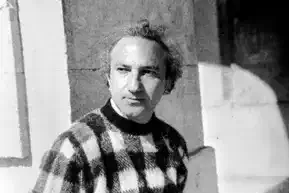
Alberto de Lacerda
 PT
PT
Alberto de Lacerda was an Angolan poet whose work stood out for its profound lyricism and reflection on identity, memory, and the human condition, with strong roots in African and Lusophone reality. His writing, marked by a rich and evocative language, explored themes such as saudade, the search for a place in the world, and social criticism, often using powerful metaphors and imagery. A poet of remarkable sensitivity, Lacerda left a literary legacy that significantly contributes to the understanding of Portuguese-language African poetry, originally addressing the complexities of the post-colonial experience and the universality of human feelings.
n. 1928-09-20, Ilha de Moçambique · m. 2007-08-27, Chelsea and Westminster Hospital
Bio
Identification and Basic Context
Full Name: Alberto de Lacerda Pseudonyms: Not known. Heteronyms: Not known. Date of Birth: December 7, 1931 Place of Birth: Luanda, Angola Date of Death: January 15, 2004 Place of Death: Lisbon, Portugal Family Background: From an Angolan middle-class family. Nationality: Angolan Writing Language(s): Portuguese Historical Context: Lived during the Portuguese colonial period in Angola, the struggle for independence and the first decades after independence, as well as the period of civil war in Angola and exile.Childhood and Education
Alberto de Lacerda was born and grew up in Luanda, where he attended primary and secondary school. His education was marked by living in a colonial context, with diverse cultural influences. Reading and contact with Portuguese literature were important from an early age.Literary Career
Began his literary activity in Angola, actively participating in the country's cultural and literary life. He was a co-founder of the magazine "Mensagem." In 1961, he moved to Portugal, where he continued his literary production. His work evolved over time, reflecting his life experiences, exile, and reflections on African identity and the human condition. He published in various anthologies and literary magazines, both in Angola and Portugal.Work, Style, and Literary Characteristics
Main Works: * "Angola: Poemas" * "O Grito" (1974) * "O Livro de B Bia" * "Estórias de um Vento Bom" Dominant Themes: Identity (Angolan identity), exile, memory, saudade, social criticism, the human condition, the search for a place in the world, time, nature. Form and Structure: Frequently used free verse, but also explored more traditional forms. His poetry is characterized by its imagistic density and musicality. Poetic Devices: Abundant use of metaphors, similes, symbolism, alliteration, and assonance. Tone and Poetic Voice: The tone varies between lyrical, elegiac, confessional, and critical. The poetic voice is often deeply personal, yet universalizes his experiences. Language and Style: Rich, expressive, and often innovative language, with a vocabulary that reflects his culture and experiences. Strong imagistic density and use of rhetorical devices to create emotional and intellectual impact. Innovations: Introduced a new perspective on African identity and the experience of exile in Portuguese-language literature. Relationship with Tradition and Modernity: He engaged with the poetic tradition of the Portuguese language, but also incorporated elements of modernity and his own culture. Associated Literary Movements: Although not strictly affiliated with a single movement, his work has affinities with post-symbolism and modernism, and is considered fundamental to African expression poetry. Lesser-known or Unpublished Works: Information about lesser-known or unpublished works is not widely disclosed.Work, Style, and Literary Characteristics
Cultural and Historical Context Alberto de Lacerda lived through a crucial period in the history of Angola and Portugal. His work reflects the tensions of colonialism, the struggle for independence, and the challenges of nation-building. He was a contemporary of other important Angolan and Portuguese writers, with whom he maintained relationships, sometimes close, sometimes contentious. His generation of Portuguese-language African writers sought to assert a distinct cultural identity, breaking away from the standards imposed by colonialism. His political and philosophical stance was linked to the affirmation of Angolan identity and criticism of oppressive structures.Work, Style, and Literary Characteristics
Personal Life Affective and family relationships shaped his perspective on identity and exile. Literary friendships were important for his development as a writer. Life experiences, including exile, profoundly marked his work. He was a university professor in Portugal.Work, Style, and Literary Characteristics
Recognition and Reception Alberto de Lacerda is recognized as one of the important Angolan and Lusophone poets of the 20th century. He received distinctions for his work, although institutional recognition may have been late or uneven. His work has been the subject of academic study and is considered fundamental to the understanding of African literature.Work, Style, and Literary Characteristics
Influences and Legacy Influences: Portuguese-language poets such as Fernando Pessoa, Camilo Pessanha, and others. Angolan culture and orality. Legacy: Influenced later generations of Angolan poets and those from other Portuguese-speaking African countries. His work is a testament to the complexity of African identity and the experience of exile. He entered the canon of Angolan and Lusophone literature. Academic Studies Dedicated to the Work: Various academic studies analyze his poetry, focusing on themes of identity, exile, and social criticism.Work, Style, and Literary Characteristics
Interpretation and Critical Analysis Alberto de Lacerda's work has been interpreted from various perspectives, notably the analysis of his relationship with his homeland, the exploration of the melancholy of exile, and his contribution to the affirmation of African cultural identity.Work, Style, and Literary Characteristics
Curiosities and Lesser-Known Aspects An interesting aspect is his dual life, between Angola and Portugal, which is reflected in the duality of his work. His passion for music and visual arts could also be aspects to explore.Work, Style, and Literary Characteristics
Death and Memory He died in Lisbon in 2004. Posthumous publications may exist but are not widely documented.Poems
0No poems found
Videos
50
Comments (0)
No comments yet. Be the first to comment.