

Awards
Prémio P.E.N. Clube Português de Poesia
Description
The Portuguese P.E.N. Club Celebrates Poetry
The Portuguese P.E.N. Club Poetry Award is one of the most prestigious distinctions in the Portuguese literary landscape, conferred by the Portuguese P.E.N. Club, a national section of P.E.N. International, a worldwide organization of writers dedicated to defending freedom of expression and promoting literature. This award's primary objective is to celebrate and disseminate poetry written in Portuguese and published in Portugal, encouraging literary creation and recognizing authors who stand out for the quality, originality, and impact of their poetic works.
History and Context
The award's history is intrinsically linked to the activity of the Portuguese P.E.N. Club, which since its founding in 1922 has played a crucial role in the country's cultural and literary life. Although the Portuguese P.E.N. Club awards several prizes in different literary genres, the Poetry Award holds particular importance, given the centrality of poetry in the Portuguese literary tradition. The award, established on an annual basis, aims to ensure constant and renewed attention to contemporary poetic production.
Selection Criteria
The selection criteria for the Portuguese P.E.N. Club Poetry Award are defined by the jury, which is composed of personalities of recognized merit in the field of literary criticism, academia, and poetic creation itself. Generally, the jury evaluates the competing work based on various factors, such as the aesthetic and formal quality of the text, thematic depth, originality of language, capacity for renewing poetic tradition, and the work's relevance in the current literary context. It is not just about awarding a book, but about recognizing a career or a work that stands out for its excellence and contribution to the enrichment of poetry in Portuguese.
Eligibility and Application Process
Eligible works are generally poetry books published in Portugal in the calendar year preceding the award. The Portuguese P.E.N. Club may open a period for applications or conduct a direct selection of works, depending on the regulations established for each edition. The absence of specific categories within the poetry award (such as young poetry, activist poetry, etc.) gives it a more comprehensive character, focusing on the poetic work itself, regardless of age or thematic segmentation, although quality and artistic maturity are determining factors.
Relevance and Cultural Impact
The relevance of the Portuguese P.E.N. Club Poetry Award lies not only in the prestige it confers upon the winners but also in its role as a catalyst for debate and reflection on contemporary poetry. By highlighting significant works, the award contributes to their dissemination to a wider audience, including readers, critics, and other writers, thus strengthening the literary ecosystem. The list of winners over the years includes some of the most important names in Portuguese poetry, attesting to its credibility and impact on recent literary history.
Curiosities and Dynamics
Curiosities about the award may include the diversity of styles and authors awarded, reflecting the plurality of Portuguese poetry. Sometimes, the awarding of the prize can generate discussions about the jury's choices, which is natural in any relevant literary distinction and demonstrates the interest that poetry arouses. The award's longevity and continuity, despite economic and cultural vicissitudes, underscore the Portuguese P.E.N. Club's commitment to promoting poetry as an essential art form and an expression of the human condition.
Winners
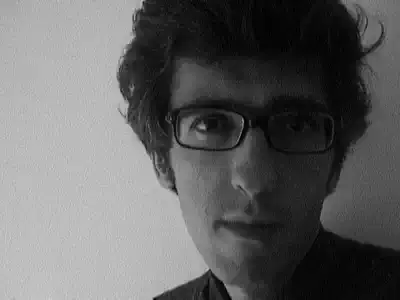
Luís Quintais

Luís Quintais is a contemporary Portuguese poet and essayist, whose work is notable for its rigorous exploration of language and its reflection on the human condition and art. His poetry is marked by intellectual density and a peculiar musicality. With a consolidated literary career, Quintais moves between poetic creation and literary criticism, offering a sharp look at literature and culture. His work is recognized for its originality and the depth of its aesthetic and philosophical investigations.

Andreia C. Faria

Andreia C. Faria is a contemporary Brazilian author, known for her foray into fantasy and suspense literature. Her writing is marked by the ability to create engaging atmospheres and plots that explore mystery and the unexpected. With a narrative that captures the reader's attention, Andreia C. Faria has been distinguished by her short stories and novels that seek to explore the limits of reality and imagination, often with a dark and intriguing touch.

José Manuel de Vasconcelos
José Manuel de Vasconcelos was a poet whose work is notable for its lyrical depth and reflection on the human condition. He explored themes such as love, longing, and the passage of time, using language rich in imagery and musicality. His poetry is an invitation to introspection and contemplation of the beauty and fragility of existence.
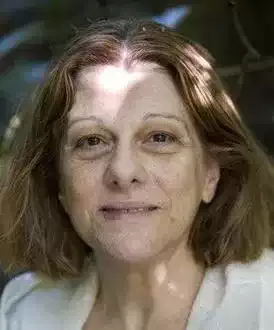
Hélia Correia
Hélia Correia is a notable contemporary Portuguese writer, recognized for her poetic work and her prose of great depth and originality. Her writing is marked by a rich and elaborate language, by the exploration of universal themes such as memory, time, identity, and the female condition, and by a unique sensitivity to the subtleties of human experience. With a solid and multifaceted literary career, Hélia Correia has established herself as one of the most important voices in recent Portuguese literature, influencing generations of readers and writers.
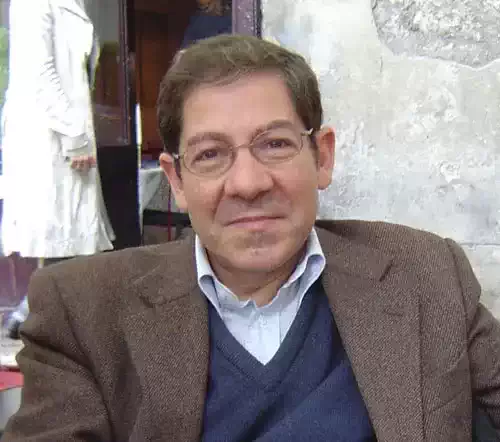
Nuno Júdice
Nuno Júdice was a prominent Portuguese poet, essayist, novelist, and literary critic. His poetic work is characterized by intelligence, irony, and a constant questioning of language, identity, and reality itself. With a style that moves between the lyrical and the reflective, Júdice addressed universal themes such as time, memory, love, and the human condition, always with a sharp eye on the paradoxes of existence. His vast output, recognized nationally and internationally, establishes him as one of the most important authors of contemporary Portuguese-language literature.

Tatiana Faia
Tatiana Faia is a Portuguese poet and writer whose work stands out for its exploration of the human condition, memory, and identity. Her poetry is marked by careful language and deep sensitivity, addressing universal themes with a contemporary perspective. With a writing that moves between the lyrical and the reflective, Tatiana Faia constructs a unique poetic universe, inviting the reader to delve into the complexities of emotions and inner landscapes. Her work has been gaining significant space in current Portuguese poetry.
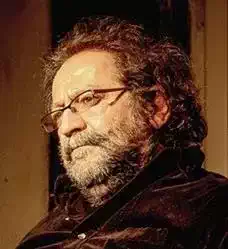
António Cabrita
António Cabrita is a contemporary Portuguese poet, known for his poetry that oscillates between intimate lyricism and reflection on the human condition and the surrounding world. His work stands out for its careful language and its ability to evoke poignant images and sensations. Cabrita has actively contributed to the Portuguese literary scene, with a production that has been recognized for its originality and depth.
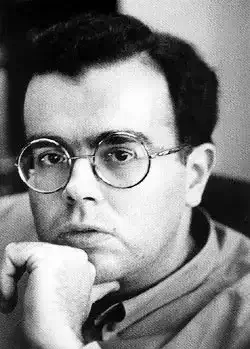
Fernando Pinto do Amaral
Fernando Pinto do Amaral is a Portuguese poet, essayist, and university professor, whose work is distinguished by its intelligence, irony, and a deep reflection on language and culture. His poetry moves between the personal and the universal, addressing themes such as memory, identity, the passage of time, and the very art of writing. With a style marked by precision and sensitivity, Pinto do Amaral has established himself as an important voice in contemporary Portuguese literature, also known for his extensive critical work.
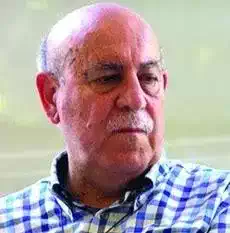
Armando Silva Carvalho
Armando Silva Carvalho was a Portuguese poet, essayist, and translator whose work is marked by a profound reflection on the human condition, memory, and the passage of time. His poetry, characterized by careful language and restrained lyricism, explores universal themes with unique sensitivity. A key figure in contemporary Portuguese literature, Silva Carvalho also stood out for his work as a translator, bringing important works of universal literature into Portuguese, and as an essayist, deepening his vision of art and life.
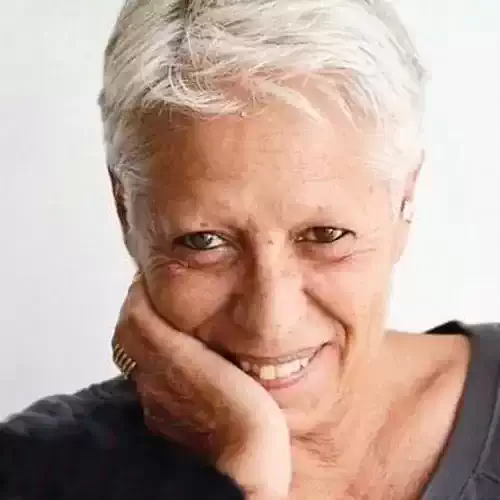
Isabel Mendes Ferreira
Isabel Mendes Ferreira is a contemporary Portuguese poet whose work is distinguished by its lyrical depth and exploration of themes such as memory, identity, and the human relationship with the natural world. Her poetry, marked by careful language and strong visual sensibility, invites reflection on the human experience in its most diverse facets. With an authentic voice and an attentive eye on the subtleties of life, Mendes Ferreira establishes herself as a relevant figure in contemporary Portuguese poetry, offering sensitive and pertinent readings on contemporaneity.
Luís Quintais
Luís Quintais is a contemporary Portuguese poet and essayist, whose work is notable for its rigorous exploration of language and its reflection on the human condition and art. His poetry is marked by intellectual density and a peculiar musicality. With a consolidated literary career, Quintais moves between poetic creation and literary criticism, offering a sharp look at literature and culture. His work is recognized for its originality and the depth of its aesthetic and philosophical investigations.
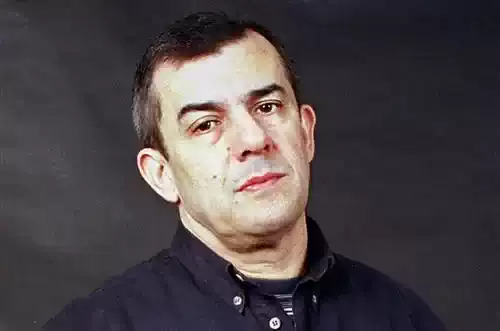
Gastão Cruz
Gastão Cruz was a Portuguese poet and literary critic, known for his refined and intellectualized poetry. His work explores themes such as memory, time, language, and the ephemerality of existence, with a strong awareness of literary tradition and its reformulation. He was also an important figure in the dissemination and study of literature, with a career marked by erudition and aesthetic sensitivity.

Golgona Anghel

Golgona Anghel was a vanguard poet, whose work was characterized by formal experimentation and the exploration of existential and social themes. His poetry reflects a critical view of reality, often imbued with irony and deep sensitivity. He was part of a literary movement that sought to break with established traditions, paving the way for new forms of poetic expression.
Hélia Correia
Hélia Correia is a notable contemporary Portuguese writer, recognized for her poetic work and her prose of great depth and originality. Her writing is marked by a rich and elaborate language, by the exploration of universal themes such as memory, time, identity, and the female condition, and by a unique sensitivity to the subtleties of human experience. With a solid and multifaceted literary career, Hélia Correia has established herself as one of the most important voices in recent Portuguese literature, influencing generations of readers and writers.
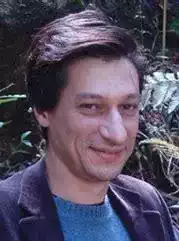
Manuel de Freitas
Manuel de Freitas was a Portuguese poet known for his lyrical work and his deep connection with popular culture and oral tradition. His poetry is marked by accessible language, yet laden with symbolism, exploring themes such as memory, identity, and the passage of time. He stood out for his ability to capture the essence of daily life and Portuguese landscapes, giving them a universal and timeless dimension. His work reflects a keen sensibility and profound humanity.
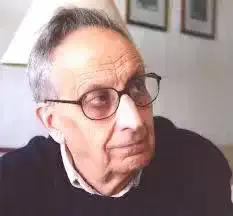
Fernando Guimarães
Fernando Guimarães is a contemporary Portuguese poet, recognized for his profound exploration of the human condition, memory, and the passage of time. His poetic work, marked by careful language and unique sensitivity, reflects on the fragility of existence and the search for meaning in a constantly changing world. With a consolidated career, the poet has been building a body of work that affirms him as a relevant voice in modern Portuguese poetry.
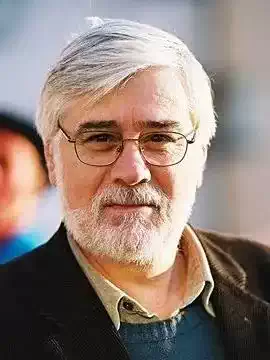
Jaime Rocha
Jaime Rocha is a Portuguese poet whose work is distinguished by its strong connection to the land, to everyday life, and to a language that evokes orality and simplicity. His poetry, often anchored in rural landscapes and affective memories, addresses themes such as identity, the passage of time, nature, and human relationships with particular sensitivity. He is a voice that celebrates the concrete, the lived, with a sometimes melancholic, but always authentic and profoundly human tone.
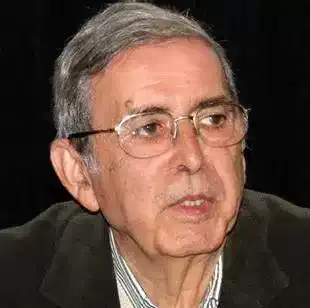
António Manuel Pires Cabral
António Manuel Pires Cabral is a Portuguese poet, essayist, and researcher, whose work is distinguished by its reflection on identity, memory, and the human condition, often rooted in the landscape and culture of Alentejo. His poetry is marked by careful language, a sometimes melancholic tone, and a deep sensitivity to the small things in life and the passage of time. As an essayist and researcher, Pires Cabral has contributed to the study of Portuguese literature and culture, particularly in the field of poetry. His literary and academic work reveals a deep knowledge of literary tradition and a critical perspective on contemporary society.
António Manuel Pires Cabral
António Manuel Pires Cabral is a Portuguese poet, essayist, and researcher, whose work is distinguished by its reflection on identity, memory, and the human condition, often rooted in the landscape and culture of Alentejo. His poetry is marked by careful language, a sometimes melancholic tone, and a deep sensitivity to the small things in life and the passage of time. As an essayist and researcher, Pires Cabral has contributed to the study of Portuguese literature and culture, particularly in the field of poetry. His literary and academic work reveals a deep knowledge of literary tradition and a critical perspective on contemporary society.
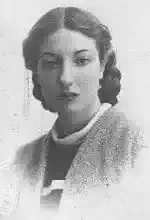
Maria da Saudade Cortesão Mendes
Maria da Saudade Cortesão Mendes was a prominent figure in Portuguese literature, whose work is characterized by deep sensitivity and notable lyrical skill. Her poetry explores the meanders of love, saudade, faith, and the relationship of human beings with nature and the transcendent. With a refined and emotive style, the author left a legacy of verses that touch the soul with their authenticity and formal beauty.
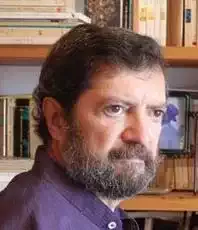
Manuel Gusmão
Manuel Gusmão is a Portuguese poet whose work is distinguished by its rigorous exploration of language and the incessant search for new forms of poetic expression. Throughout his career, Gusmão has developed a poetry that is simultaneously intellectual and visceral, marked by profound reflection on time, memory, identity, and the very nature of poetry. With a body of work that defies easy classification, Gusmão is recognized for his formal experimentation and the density of his poetic discourse. His poetry invites the reader into a complex dialogue, where form and content are intrinsically intertwined, solidifying him as a unique and influential figure in contemporary Portuguese poetry.
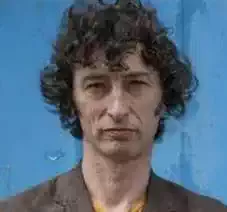
Daniel Jonas
Daniel Jonas is a contemporary poet whose work is characterized by a deep exploration of language and the human condition, addressing themes such as memory, time, identity, and the relationship with the other. His poetry is distinguished by its formal complexity and the incessant search for new forms of expression, engaging with literary tradition while simultaneously innovating in terms of structure and vocabulary. Jonas is an important voice in contemporary poetry, marked by an intense reflection on existence.

Helder Moura Pereira
Helder Moura Pereira is a contemporary Portuguese poet and writer, whose work is notable for its lyrical depth and exploration of themes such as identity, memory, time, and the complexities of human existence. His writing is characterized by careful language, rich in strong imagery and a unique musicality. With a keen sensitivity to the nuances of the human condition, Helder Moura Pereira invites the reader on an introspective journey, through verses that resonate with authenticity and emotion. His poetry has gained significant space in the Portuguese literary scene.
Gastão Cruz
Gastão Cruz was a Portuguese poet and literary critic, known for his refined and intellectualized poetry. His work explores themes such as memory, time, language, and the ephemerality of existence, with a strong awareness of literary tradition and its reformulation. He was also an important figure in the dissemination and study of literature, with a career marked by erudition and aesthetic sensitivity.
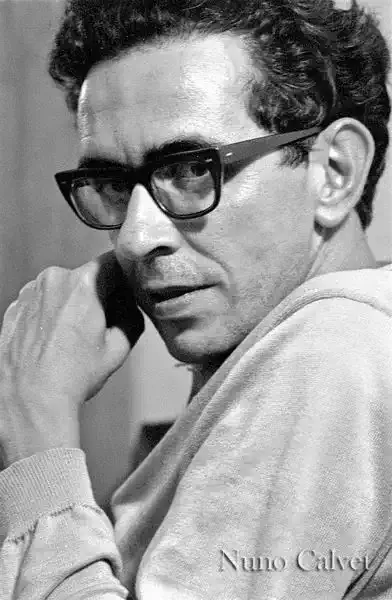
António Ramos Rosa
António Ramos Rosa was one of the most influential Portuguese poets of the 20th century, known for his dense, reflective poetry deeply connected to the human condition and language. His work is marked by a constant search for authentic expression, exploring themes such as existence, death, time, and poetry itself. His writing evolved over decades, maintaining thematic and stylistic coherence, but always open to new formal and lexical explorations. He is considered a pillar of contemporary Portuguese-language poetry.
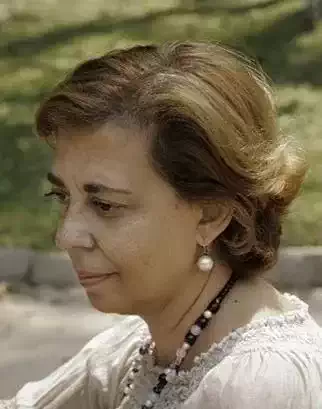
Ana Marques Gastão
Ana Marques Gastão is a prominent figure in contemporary Portuguese literature, distinguished by her poetic work that explores the depth of human experience with a careful and reflective language. Her writing is marked by a unique sensitivity in approaching themes such as memory, time, and the fragility of existence. Gastão's poetry invites introspection, using evocative imagery and subtle musicality to create a lyrical universe where words gain new dimensions. Her contribution to Portuguese literature is recognized for its originality and its ability to touch the reader on universal aspects of the human condition.
Luís Quintais
Luís Quintais is a contemporary Portuguese poet and essayist, whose work is notable for its rigorous exploration of language and its reflection on the human condition and art. His poetry is marked by intellectual density and a peculiar musicality. With a consolidated literary career, Quintais moves between poetic creation and literary criticism, offering a sharp look at literature and culture. His work is recognized for its originality and the depth of its aesthetic and philosophical investigations.
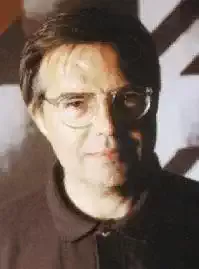
João Miguel Fernandes Jorge
João Miguel Fernandes Jorge is a Portuguese poet, literary critic, and essayist whose work is distinguished by intellectual depth, reflection on the human condition, and rigorous attention to language. His poetry, often marked by a philosophical and existential tone, explores themes such as memory, time, art, and the individual's relationship with the world. As a critic and essayist, he plays a relevant role in the analysis and dissemination of contemporary Portuguese literature, particularly poetry. His vast literary and academic output solidifies him as an essential figure in the Portuguese cultural landscape.
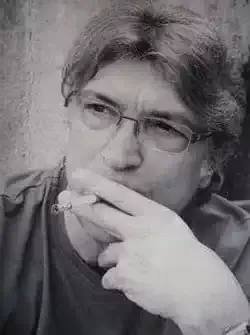
José Agostinho Baptista
José Agostinho Baptista was an Azorean poet and writer who marked 20th-century Portuguese literature. His poetic work, deeply connected to his native islands, explores themes such as saudade, identity, time, and the relationship between man, nature, and the universe. With a lyrical and imagistic style, Baptista left a significant legacy in contemporary poetry.
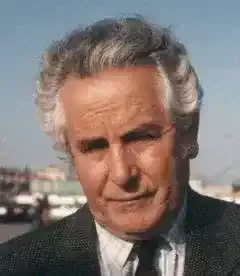
João Rui de Sousa
João Rui de Sousa is a Portuguese poet and writer whose work is characterized by its reflective depth and exploration of themes such as memory, the passage of time, and identity. With a careful style and a language that combines rigor and sensitivity, Sousa has been building a literary career that has earned him recognition in the panorama of contemporary Portuguese-language poetry. His writing invites contemplation and introspection, addressing the human condition with a nuanced and humanistic perspective.
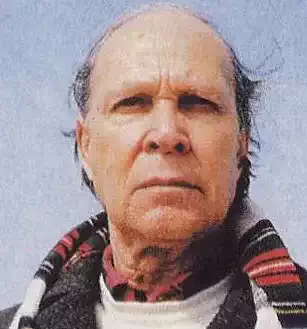
Eugénio de Andrade
Eugénio de Andrade was one of the most important Portuguese poets of the 20th century, known for the purity and musicality of his language, and for his deep connection to nature, the body, and sensory experience. His work is characterized by a refined lyricism that celebrates life, light, and beauty, without ignoring the darker dimensions of existence. With poetry distinguished by its conciseness, clarity, and apparent simplicity that hides great reflective depth, Eugénio de Andrade consolidated an unmistakable style and a unique voice in contemporary Portuguese-language poetry.
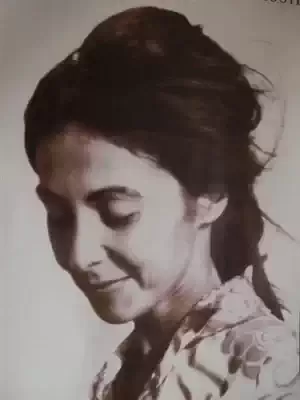
Fiama Hasse Pais Brandão
Fiama Hasse Pais Brandão was a Portuguese poet, playwright, and translator, known for her work marked by formal experimentation and the exploration of existential and social themes. Her writing is characterized by dense language and a strong rhythmic component, often associated with the Surrealist movement and concrete poetry. Throughout her career, she explored various forms of expression, including theater and poetic performance, leaving a significant legacy in contemporary Portuguese-language poetry.
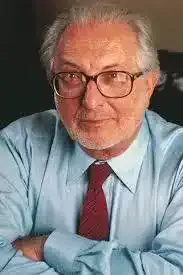
Pedro Tamen
Pedro Tamen was a Portuguese poet whose work stood out for its authenticity, for exploring themes such as identity, memory, the land, and the human condition, with a refined language and a strong lyrical charge. His poetry is marked by a deep sensibility and by a continuous reflection on the passage of time and the search for meaning. Tamen established himself as an important voice in contemporary Portuguese poetry, valued for his ability to express universal feelings with a genuine and unique voice.
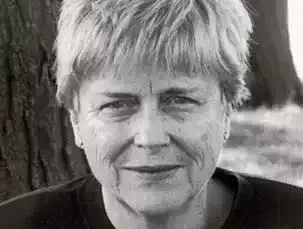
Ana Hatherly
Ana Hatherly is a central figure in Portuguese experimental poetry, known for her innovative approach that crosses literature, visual arts, and performance. Her work explores the relationship between word and image, the materiality of text, and language as a construction of meaning, with a strong conceptual character.
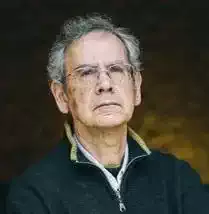
Fernando Guerreiro
Fernando Guerreiro was a Portuguese poet, essayist, and literary critic. Known for his deep connection to the poetic tradition, he explored themes such as identity, memory, and the ephemerality of human existence. His work is distinguished by its conceptual density and the exploration of refined language, often marked by a reflective and melancholic tone. Throughout his career, he actively contributed to cultural and literary debate, participating in various publications and promoting dialogue between different aesthetic currents. His writing reflects a constant search for understanding the self and its place in the world, intertwining the personal with the universal.
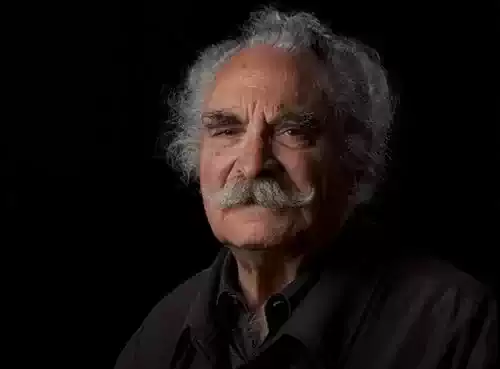
Fernando Echevarría

Fernando Echevarría was a Chilean poet, essayist, and literary critic, known for his significant contribution to contemporary Spanish-language poetry. His work frequently addresses themes such as memory, identity, the passage of time, and the human condition, with an elaborate and reflective language. Echevarría stood out for his erudition and the depth of his literary analyses, also working as a professor and cultural disseminator. His poetry is marked by imagistic density and a constant search for new forms of expression, dialoguing with tradition and exploring the limits of language.
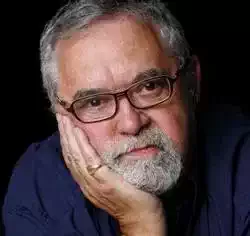
Mário Cláudio
Mário Cláudio is a contemporary Portuguese writer, known for his engaging prose and his ability to explore the complexity of the human condition, memory, and identity. His works, which often delve into the past and its reverberations in the present, are distinguished by their stylistic richness and psychological depth. With a consolidated literary career, Mário Cláudio is a prominent name in Portuguese literature, whose books invite reflection on universal themes, presented through narratives that captivate the reader with their intelligence and sensitivity.

Casimiro de Brito
Casimiro de Brito was a Portuguese poet whose work fits into a transitional context between the end of Romanticism and the first manifestations of Symbolism. His poetry is marked by deep melancholy, an exploration of the lyrical self, and a refined sensitivity to the themes of death, love, and the ephemerality of life. Despite a relatively concise poetic output, he left an indelible mark on 19th-century Portuguese poetry through his musicality and the expressive intensity of his compositions.
Manuel Gusmão
Manuel Gusmão is a Portuguese poet whose work is distinguished by its rigorous exploration of language and the incessant search for new forms of poetic expression. Throughout his career, Gusmão has developed a poetry that is simultaneously intellectual and visceral, marked by profound reflection on time, memory, identity, and the very nature of poetry. With a body of work that defies easy classification, Gusmão is recognized for his formal experimentation and the density of his poetic discourse. His poetry invites the reader into a complex dialogue, where form and content are intrinsically intertwined, solidifying him as a unique and influential figure in contemporary Portuguese poetry.
Armando Silva Carvalho
Armando Silva Carvalho was a Portuguese poet, essayist, and translator whose work is marked by a profound reflection on the human condition, memory, and the passage of time. His poetry, characterized by careful language and restrained lyricism, explores universal themes with unique sensitivity. A key figure in contemporary Portuguese literature, Silva Carvalho also stood out for his work as a translator, bringing important works of universal literature into Portuguese, and as an essayist, deepening his vision of art and life.
Egito Gonçalves
Egito Gonçalves was an Angolan poet, short story writer, and essayist, a prominent figure in African Portuguese-language literature. His work, marked by strong social and political engagement, addresses themes such as African identity, colonialism, the struggle for freedom, and the pursuit of a dignified future for his people. With a powerful and evocative poetic language, Egito Gonçalves left a significant legacy in the literature of Angola and other Portuguese-speaking countries.
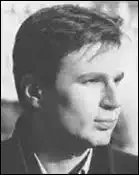
Luís Miguel Nava
Luís Miguel Nava is a contemporary Portuguese poet, known for his work that explores the depths of the human condition, the ephemerality of time, and the complexity of interpersonal relationships. His poetry is distinguished by its musicality, imagistic density, and a language that combines erudition with apparent simplicity, inviting reflection on existence and memory. With a body of work marked by a strong lyrical and existential charge, Nava has been consolidating his place in recent Portuguese poetry. His writing addresses universal themes such as love, loss, loneliness, and the search for meaning, often through an introspective and melancholic tone, but also with moments of rare beauty and hope.
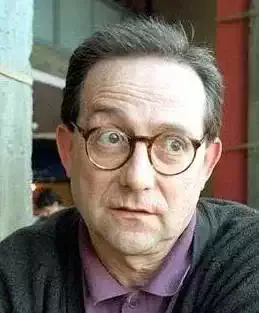
Joaquim Manuel Magalhães
Joaquim Manuel Magalhães was a Portuguese poet, journalist, and politician, a prominent figure of the Romantic movement in Portugal. His poetic work, marked by intense lyricism and themes such as love, homeland, and saudade, had a significant impact on Portuguese literature. Besides poetry, Magalhães dedicated himself to journalism and politics, holding public office and defending liberal ideas.
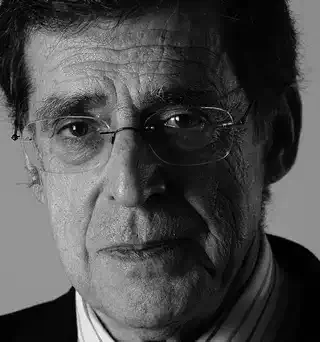
Vasco Graça Moura
Vasco Graça Moura was a multifaceted figure of Portuguese culture, excelling as a poet, essayist, literary critic, and translator. His poetic work is recognized for its erudition, rigorous formal construction, and exploration of complex themes, frequently interlinking history, mythology, and contemporaneity. With a dense and evocative language, Graça Moura addressed the human condition, memory, identity, and the individual's relationship with time and space. His vast culture and profound intelligence lent his writing a unique dimension, establishing him as one of the great names in Portuguese literature of the second half of the 20th century and early 21st century.
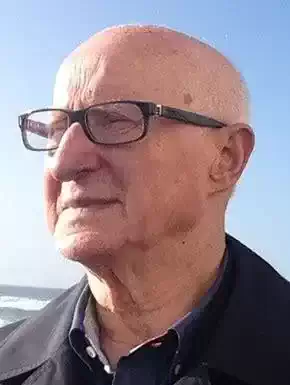
José Bento
José Bento was a Portuguese poet, translator, and professor, known for his poetic work marked by a profound reflection on existence, time, and the human condition. His writing, although sometimes dense and hermetic, reveals a sharp sensitivity and a remarkable command of language. Throughout his career, he also dedicated himself to translating important literary works, contributing to the dissemination of foreign literature in Portugal. His poetry is often associated with a spiritual quest and existential questioning.
José Bento
José Bento was a Portuguese poet, translator, and professor, known for his poetic work marked by a profound reflection on existence, time, and the human condition. His writing, although sometimes dense and hermetic, reveals a sharp sensitivity and a remarkable command of language. Throughout his career, he also dedicated himself to translating important literary works, contributing to the dissemination of foreign literature in Portugal. His poetry is often associated with a spiritual quest and existential questioning.
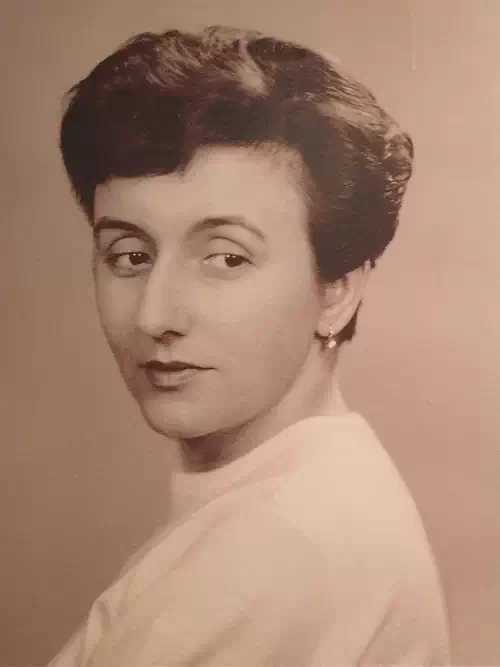
Salette Tavares

Salette Tavares was a Portuguese poet and essayist, whose work stands out for its originality and formal experimentation, situated within the context of concretism and visual poetry. With an innovative language and a critical eye on society, Tavares explored the potential of written and visual language, challenging the conventional boundaries of poetry. Her literary output, marked by intelligence and irreverence, left an important legacy for contemporary Portuguese-language poetry, being recognized for her contribution to the renewal of poetic language.
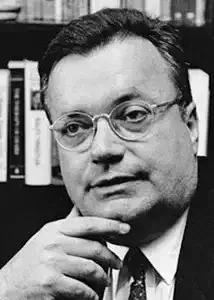
Luís Filipe Castro Mendes
Luís Filipe Castro Mendes is a poet and essayist whose work is characterized by intelligence, erudition, and a profound reflection on the human condition, art, and society. His poetry, which oscillates between lyricism and essayism, addresses themes such as time, memory, identity, culture, and civic engagement, with careful language and notable formal rigor. With a multifaceted career, which also includes political and diplomatic activity, Castro Mendes builds a coherent and consistent body of work, marked by an attentive gaze on the world and its contradictions. His poetry is an invitation to contemplation and critical thinking, engaging with the literary tradition while proposing an innovative look at contemporary issues, establishing himself as one of the most significant voices in Portuguese literature.
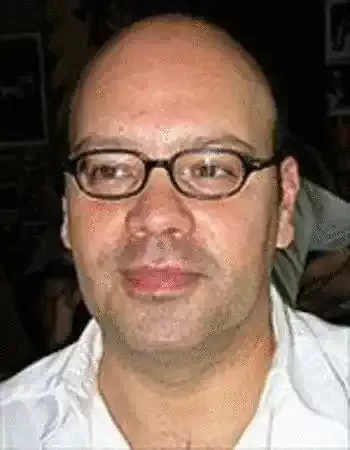
Paulo Teixeira
Paulo Teixeira is a contemporary Portuguese poet, whose work is characterized by the exploration of universal themes such as memory, time, identity, and human relationships, with a lyrical and introspective language. His poetry, often marked by a keen sensibility and a profound reflection on the human condition, has been gaining a prominent place in recent Portuguese literature, through an authentic voice with a strong capacity for resonance.
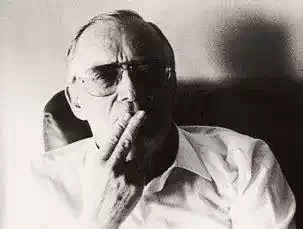
António Osório
António Osório was a Portuguese poet who deeply explored the dimensions of faith, love, and human existence in his work. His poetry is marked by a lyrical and introspective language, often addressing religious themes with a personal and contemporary approach. His ability to dialogue with spiritual tradition, yet project it onto the anxieties of modern man, stands out. His writing reflects a constant search for meaning and transcendence, revealing a profound humanism and a keen sensitivity to the complexities of inner life and human relationships.
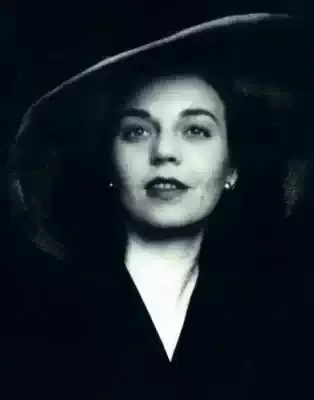
Sophia de Mello Breyner Andresen
Sophia de Mello Breyner Andresen was one of the most prominent poets in the Portuguese language, known for her refined lyricism, clarity of thought, and deep connection with Ancient Greece and nature. Her poetic work is marked by a constant search for justice, beauty, and truth, exploring universal themes such as love, death, time, and the human condition, always with a focus on redemption and hope. Her poetry is recognized for its moral strength and formal elegance, combining tradition with a contemporary and accessible language, which made her an essential figure in 20th and 21st-century Portuguese literature.
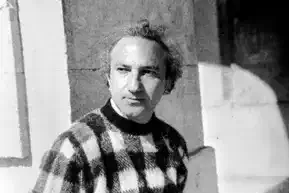
Alberto de Lacerda
Alberto de Lacerda was an Angolan poet whose work stood out for its profound lyricism and reflection on identity, memory, and the human condition, with strong roots in African and Lusophone reality. His writing, marked by a rich and evocative language, explored themes such as saudade, the search for a place in the world, and social criticism, often using powerful metaphors and imagery. A poet of remarkable sensitivity, Lacerda left a literary legacy that significantly contributes to the understanding of Portuguese-language African poetry, originally addressing the complexities of the post-colonial experience and the universality of human feelings.
Fernando Guimarães
Fernando Guimarães is a contemporary Portuguese poet, recognized for his profound exploration of the human condition, memory, and the passage of time. His poetic work, marked by careful language and unique sensitivity, reflects on the fragility of existence and the search for meaning in a constantly changing world. With a consolidated career, the poet has been building a body of work that affirms him as a relevant voice in modern Portuguese poetry.
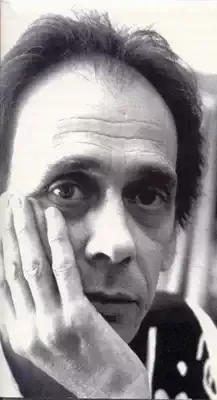
Al Berto
Al Berto was a Portuguese poet whose work stands out for its exploration of sensuality, the body, death, and identity, in a dense and imagistic lyricism. His poetry, marked by rigorous language and a constant search for the exact word, reflects a deep existential restlessness and a profound connection with the Mediterranean. Al Berto is considered one of the most unique and important voices in contemporary Portuguese poetry.
Nuno Júdice
Nuno Júdice was a prominent Portuguese poet, essayist, novelist, and literary critic. His poetic work is characterized by intelligence, irony, and a constant questioning of language, identity, and reality itself. With a style that moves between the lyrical and the reflective, Júdice addressed universal themes such as time, memory, love, and the human condition, always with a sharp eye on the paradoxes of existence. His vast output, recognized nationally and internationally, establishes him as one of the most important authors of contemporary Portuguese-language literature.
Fiama Hasse Pais Brandão
Fiama Hasse Pais Brandão was a Portuguese poet, playwright, and translator, known for her work marked by formal experimentation and the exploration of existential and social themes. Her writing is characterized by dense language and a strong rhythmic component, often associated with the Surrealist movement and concrete poetry. Throughout her career, she explored various forms of expression, including theater and poetic performance, leaving a significant legacy in contemporary Portuguese-language poetry.
Gastão Cruz
Gastão Cruz was a Portuguese poet and literary critic, known for his refined and intellectualized poetry. His work explores themes such as memory, time, language, and the ephemerality of existence, with a strong awareness of literary tradition and its reformulation. He was also an important figure in the dissemination and study of literature, with a career marked by erudition and aesthetic sensitivity.
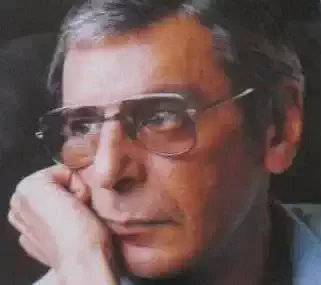
Rui Knopfli
Rui Knopfli was a Portuguese poet and journalist whose work stands out for its exploration of themes such as identity, memory, and the human condition, often approached with a careful language and a reflective tone. His poetry is marked by strong introspection and subtle musicality, exploring the nuances of everyday life and the complexities of human relationships, which earned him a unique place in contemporary Portuguese-language poetry.
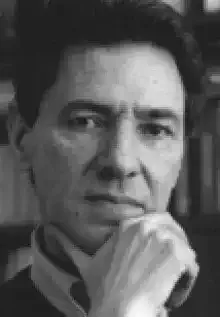
António Franco Alexandre
António Franco Alexandre was a Portuguese poet, known for his complex, erudite, and deeply reflective poetry, often marked by a strong philosophical and existential charge. His work explores themes such as language, memory, time, death, and the human condition, resorting to rigorous vocabulary and elaborate poetic structures. Franco Alexandre is an important figure in Portuguese poetry of the second half of the 20th century, standing out for the originality and depth of his poetic vision.
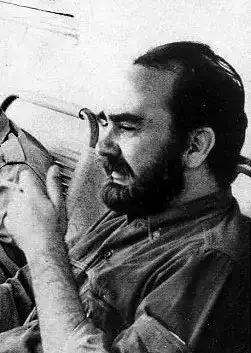
Herberto Helder
Herberto Helder was a singular and enigmatic Portuguese poet, known for his overwhelming and experimental work that defies easy classification. His poetry is a dense and labyrinthine universe, marked by transgressive language, by the visceral exploration of the body, sexuality, death, and transcendence. Helder is considered one of the most original and influential poets in contemporary Portuguese literature, with a body of work that continues to intrigue and fascinate readers and critics with its radicalism and profound reflection on the human condition and the very nature of language and poetry.
Fernando Echevarría
Fernando Echevarría was a Chilean poet, essayist, and literary critic, known for his significant contribution to contemporary Spanish-language poetry. His work frequently addresses themes such as memory, identity, the passage of time, and the human condition, with an elaborate and reflective language. Echevarría stood out for his erudition and the depth of his literary analyses, also working as a professor and cultural disseminator. His poetry is marked by imagistic density and a constant search for new forms of expression, dialoguing with tradition and exploring the limits of language.
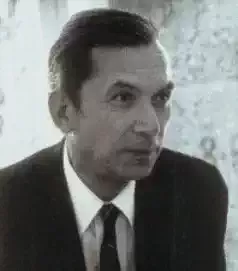
Ruy Cinatti
Ruy Cinatti was a Portuguese-Italian poet, ethnologist, and physician whose poetic work is deeply marked by his experience in Timor, where he spent much of his life. His poetry explores the relationship between man and nature, identity, Timorese culture, and the human condition, with intense lyricism and precise language. With a strong connection to surrealism and avant-garde poetry, Cinatti left behind a unique body of work that reflects his life experiences in exotic lands and his profound reflections on the world and existence.
António Ramos Rosa
António Ramos Rosa was one of the most influential Portuguese poets of the 20th century, known for his dense, reflective poetry deeply connected to the human condition and language. His work is marked by a constant search for authentic expression, exploring themes such as existence, death, time, and poetry itself. His writing evolved over decades, maintaining thematic and stylistic coherence, but always open to new formal and lexical explorations. He is considered a pillar of contemporary Portuguese-language poetry.