
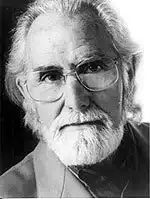
Egito Gonçalves
1920–2001
· lived 80 years
 PT
PT
PT
Egito Gonçalves was an Angolan poet, short story writer, and essayist, a prominent figure in African Portuguese-language literature. His work, marked by strong social and political engagement, addresses themes such as African identity, colonialism, the struggle for freedom, and the pursuit of a dignified future for his people. With a powerful and evocative poetic language, Egito Gonçalves left a significant legacy in the literature of Angola and other Portuguese-speaking countries.
n. 1920-04-08, Matosinhos · m. 2001-01-29, Porto
44
Views
Bio
Identification and basic context
Egito Gonçalves, whose full name was Eugénio António Gonçalves, was an Angolan writer, recognized as one of the important names in Angolan and African Portuguese-language literature. He was born in Luanda, Angola, and dedicated his life to art and the cause of his country's liberation. His work is written in Portuguese and deeply reflects the historical and cultural context of Angola.Childhood and education
Egito Gonçalves' childhood and youth were marked by the reality of Portuguese colonialism in Angola. This experience shaped his worldview and his political consciousness, serving as a catalyst for his subsequent literary production. His education, though not detailed in specific academic terms, was enriched by his immersion in the cultural and political debates of the time.Literary career
Egito Gonçalves' literary career is intrinsically linked to his political activism and the struggle for Angola's independence. He was one of the founders of the Movement of Angolan Writers (MEA) and actively participated in the production of works that reflected the aspirations for freedom and self-determination of his people. He published poems, short stories, and essays, contributing to the consolidation of Angolan national literature.Work, style, and literary characteristics
Egito Gonçalves' work, which includes poems such as "Tempo de Luta" and "O Fogo e a Cinza" (Time of Struggle and Fire and Ash), and short stories that portray life in Angola, is characterized by a strong tone of social and political denunciation. The central themes are colonialism, exploitation, African identity, resistance, and hope for a free future. His poetic style is vigorous, direct, and often laden with symbolism, using language that evokes the strength of the land and the resilience of the Angolan people. His writing reflects a deep concern for social justice and human dignity.Cultural and historical context
Egito Gonçalves lived and wrote during the period of struggle for Angola's independence. He was an active figure in the cultural and political context of his time, participating in movements aimed at the cultural and political emancipation of the country. His work directly dialogues with historical events, serving as a literary testimony to the struggle against colonialism and the construction of Angolan national identity. He belonged to a generation of writers who saw literature as a weapon for social transformation.Personal life
Egito Gonçalves dedicated a large part of his life to the cause of Angola's independence, which naturally influenced his personal and professional trajectory. His political convictions and his commitment to social justice were pillars of his existence and his literary work.Recognition and reception
Egito Gonçalves is recognized as one of the important figures in Angolan literature. His work is valued for its authenticity, its engagement, and its ability to give voice to the aspirations of a people. He is considered a fundamental author for understanding Angola's history and culture.Influences and legacy
Egito Gonçalves was influenced by protest literature and the need to express an emerging national identity. His legacy lies in his contribution to the affirmation of African literature in Portuguese, which addresses issues of colonization and identity with depth and passion. He influenced generations of Angolan writers to use art as a tool for struggle and cultural affirmation.Interpretation and critical analysis
Egito Gonçalves' work is often analyzed from the perspective of its strong political and social component. Critics highlight his ability to translate Angolan reality into poetic language, denouncing injustices and exalting the dignity of the African people.Curiosities and lesser-known aspects
Egito Gonçalves was a multifaceted intellectual, also working as a literary critic and cultural promoter. His work is a reflection of his deep passion for Angola and its people.Death and memory
Egito Gonçalves passed away, but his memory endures through his literary work, which continues to be studied and to inspire through its strength and its historical and cultural testimony.Poems
0No poems found
Videos
50
Comments (0)
Log in
to post a comment.
No comments yet. Be the first to comment.