

Awards
Grande Prémio de Poesia Maria Amália Vaz de Carvalho APE
Grande Prémio APE Poesia Maria Amália Va
Description
The Poetic Legacy of Maria Amália Vaz de Carvalho
The Maria Amália Vaz de Carvalho Poetry Grand Prize stands out as one of the most prestigious awards given by the Portuguese Writers Association (APE), an institution of reference in the Portuguese literary scene. Instituted in homage to the notable poet, essayist, and literary critic Maria Amália Vaz de Carvalho (1842-1921), this prize aims to celebrate and promote excellence in poetry written in Portuguese and published in Portugal.
Evaluation Criteria and Selection Process
Its award occurs annually, distinguishing the best poetic work published in the calendar year prior to the award. The jury, composed of personalities of recognized merit in the field of literature and criticism, evaluates the submitted works based on criteria of:
- Originality
- Aesthetic quality
- Thematic depth
- Formal rigor
- Artistic relevance
The choice falls on a book that, in the jury's opinion, represents a milestone in contemporary poetic production, demonstrating not only technical mastery but also an unmatched ability to express the human condition, the anxieties of the present time, and the beauty of language.
Cultural Impact and Award Ceremony
Over the years, the prize has come to recognize some of the most important names in Portuguese poetry, both established authors and emerging talents, contributing significantly to the visibility and appreciation of their works. The award ceremony, usually held around World Book and Copyright Day (April 23rd), is a moment of celebration of poetry and literature, bringing together writers, publishers, critics, and art lovers.
Significance and Cultural Mission
The importance of this award lies not only in the recognition it confers upon the awarded authors but also in its role in energizing the poetry publishing market and promoting reading. The APE, by instituting and maintaining this prize, reaffirms its commitment to the defense and promotion of literary culture in Portugal, encouraging quality poetic creation and dialogue between generations of poets.
The name of Maria Amália Vaz de Carvalho, a pioneering and influential figure in Portuguese literature, gives the prize historical weight and special significance, evoking the strength and sensitivity of a female voice that marked her era and continues to inspire.
Winners

João Moita


António Carlos Cortez
António Carlos Cortez was a Portuguese poet, essayist, and translator whose work stands out for its intellectual depth, rigorous formal construction, and exploration of themes such as memory, time, history, and the human condition itself. His writing is marked by a dense, imagistic, and musical language, reflecting a profound knowledge of the literary tradition and a constant questioning of reality. With a multifaceted career that also included literary criticism and translation, Cortez left a significant legacy in contemporary Portuguese poetry, recognized for his originality and the reflective power of his verses.
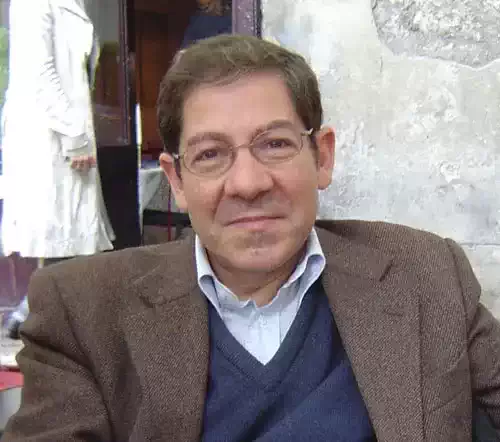
Nuno Júdice
Nuno Júdice was a prominent Portuguese poet, essayist, novelist, and literary critic. His poetic work is characterized by intelligence, irony, and a constant questioning of language, identity, and reality itself. With a style that moves between the lyrical and the reflective, Júdice addressed universal themes such as time, memory, love, and the human condition, always with a sharp eye on the paradoxes of existence. His vast output, recognized nationally and internationally, establishes him as one of the most important authors of contemporary Portuguese-language literature.
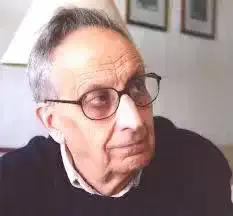
Fernando Guimarães
Fernando Guimarães is a contemporary Portuguese poet, recognized for his profound exploration of the human condition, memory, and the passage of time. His poetic work, marked by careful language and unique sensitivity, reflects on the fragility of existence and the search for meaning in a constantly changing world. With a consolidated career, the poet has been building a body of work that affirms him as a relevant voice in modern Portuguese poetry.
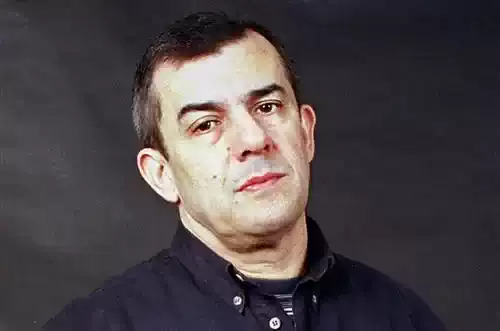
Gastão Cruz
Gastão Cruz was a Portuguese poet and literary critic, known for his refined and intellectualized poetry. His work explores themes such as memory, time, language, and the ephemerality of existence, with a strong awareness of literary tradition and its reformulation. He was also an important figure in the dissemination and study of literature, with a career marked by erudition and aesthetic sensitivity.
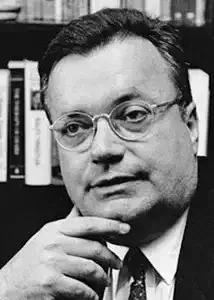
Luís Filipe Castro Mendes
Luís Filipe Castro Mendes is a poet and essayist whose work is characterized by intelligence, erudition, and a profound reflection on the human condition, art, and society. His poetry, which oscillates between lyricism and essayism, addresses themes such as time, memory, identity, culture, and civic engagement, with careful language and notable formal rigor. With a multifaceted career, which also includes political and diplomatic activity, Castro Mendes builds a coherent and consistent body of work, marked by an attentive gaze on the world and its contradictions. His poetry is an invitation to contemplation and critical thinking, engaging with the literary tradition while proposing an innovative look at contemporary issues, establishing himself as one of the most significant voices in Portuguese literature.
António Carlos Cortez
António Carlos Cortez was a Portuguese poet, essayist, and translator whose work stands out for its intellectual depth, rigorous formal construction, and exploration of themes such as memory, time, history, and the human condition itself. His writing is marked by a dense, imagistic, and musical language, reflecting a profound knowledge of the literary tradition and a constant questioning of reality. With a multifaceted career that also included literary criticism and translation, Cortez left a significant legacy in contemporary Portuguese poetry, recognized for his originality and the reflective power of his verses.

Helder Moura Pereira
Helder Moura Pereira is a contemporary Portuguese poet and writer, whose work is notable for its lyrical depth and exploration of themes such as identity, memory, time, and the complexities of human existence. His writing is characterized by careful language, rich in strong imagery and a unique musicality. With a keen sensitivity to the nuances of the human condition, Helder Moura Pereira invites the reader on an introspective journey, through verses that resonate with authenticity and emotion. His poetry has gained significant space in the Portuguese literary scene.
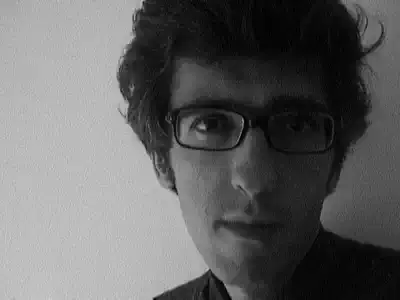
Luís Quintais
Luís Quintais is a contemporary Portuguese poet and essayist, whose work is notable for its rigorous exploration of language and its reflection on the human condition and art. His poetry is marked by intellectual density and a peculiar musicality. With a consolidated literary career, Quintais moves between poetic creation and literary criticism, offering a sharp look at literature and culture. His work is recognized for its originality and the depth of its aesthetic and philosophical investigations.
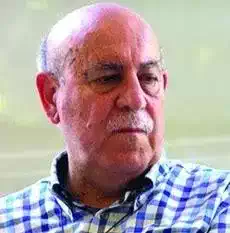
Armando Silva Carvalho
Armando Silva Carvalho was a Portuguese poet, essayist, and translator whose work is marked by a profound reflection on the human condition, memory, and the passage of time. His poetry, characterized by careful language and restrained lyricism, explores universal themes with unique sensitivity. A key figure in contemporary Portuguese literature, Silva Carvalho also stood out for his work as a translator, bringing important works of universal literature into Portuguese, and as an essayist, deepening his vision of art and life.
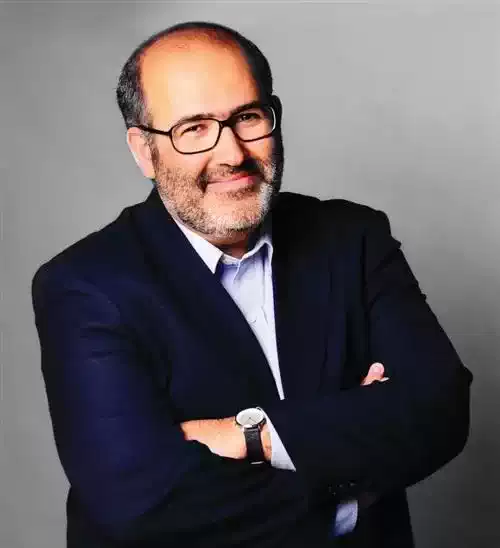
José Tolentino Mendonça
José Tolentino Mendonça is a Portuguese poet, essayist, and theologian, recognized for the depth and reflection on existential and spiritual themes in his work. His poetry, marked by a refined language and a strong dialogue with the philosophical and literary tradition, explores the human condition, faith, and the search for meaning in a complex contemporary world. With a vast body of work that includes poetry, essays, and academic articles, Tolentino Mendonça is a prominent figure in Portuguese culture, distinguished by his ability to reconcile intellectual rigor with refined lyrical sensitivity. His contribution extends beyond literature, with an active role in cultural and religious debate.

Daniel Jonas
Daniel Jonas is a contemporary poet whose work is characterized by a deep exploration of language and the human condition, addressing themes such as memory, time, identity, and the relationship with the other. His poetry is distinguished by its formal complexity and the incessant search for new forms of expression, engaging with literary tradition while simultaneously innovating in terms of structure and vocabulary. Jonas is an important voice in contemporary poetry, marked by an intense reflection on existence.
Fernando Guimarães
Fernando Guimarães is a contemporary Portuguese poet, recognized for his profound exploration of the human condition, memory, and the passage of time. His poetic work, marked by careful language and unique sensitivity, reflects on the fragility of existence and the search for meaning in a constantly changing world. With a consolidated career, the poet has been building a body of work that affirms him as a relevant voice in modern Portuguese poetry.
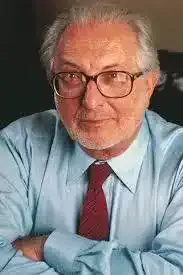
Pedro Tamen
Pedro Tamen was a Portuguese poet whose work stood out for its authenticity, for exploring themes such as identity, memory, the land, and the human condition, with a refined language and a strong lyrical charge. His poetry is marked by a deep sensibility and by a continuous reflection on the passage of time and the search for meaning. Tamen established himself as an important voice in contemporary Portuguese poetry, valued for his ability to express universal feelings with a genuine and unique voice.
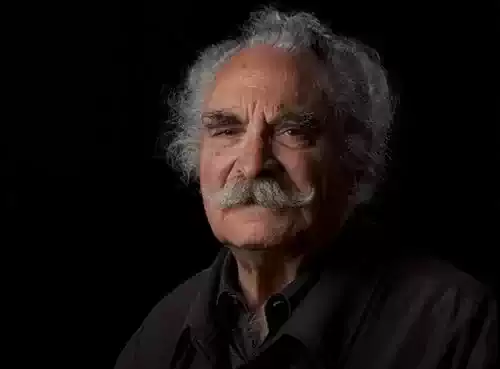
Fernando Echevarría

Fernando Echevarría was a Chilean poet, essayist, and literary critic, known for his significant contribution to contemporary Spanish-language poetry. His work frequently addresses themes such as memory, identity, the passage of time, and the human condition, with an elaborate and reflective language. Echevarría stood out for his erudition and the depth of his literary analyses, also working as a professor and cultural disseminator. His poetry is marked by imagistic density and a constant search for new forms of expression, dialoguing with tradition and exploring the limits of language.
Armando Silva Carvalho
Armando Silva Carvalho was a Portuguese poet, essayist, and translator whose work is marked by a profound reflection on the human condition, memory, and the passage of time. His poetry, characterized by careful language and restrained lyricism, explores universal themes with unique sensitivity. A key figure in contemporary Portuguese literature, Silva Carvalho also stood out for his work as a translator, bringing important works of universal literature into Portuguese, and as an essayist, deepening his vision of art and life.
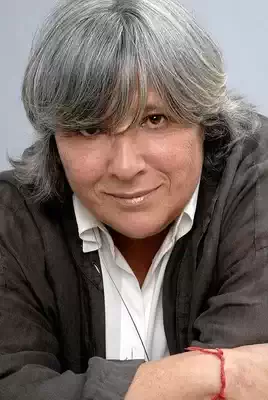
Ana Luísa Amaral
Ana Luísa Amaral was a Portuguese poet, essayist, and translator whose work deeply explored themes such as identity, memory, the body, otherness, and the complex relationship between the human and non-human. With precise and imagistic language, her poetry reflects a constant questioning of the world and the subject's place within it, often permeated by an ecological and feminist sensibility. Her vast body of work, encompassing poetry, essays, and children's and young adult literature, earned her broad national and international recognition, consolidating her as one of the most unique and important voices in contemporary Portuguese-language poetry.
Ana Luísa Amaral
Ana Luísa Amaral was a Portuguese poet, essayist, and translator whose work deeply explored themes such as identity, memory, the body, otherness, and the complex relationship between the human and non-human. With precise and imagistic language, her poetry reflects a constant questioning of the world and the subject's place within it, often permeated by an ecological and feminist sensibility. Her vast body of work, encompassing poetry, essays, and children's and young adult literature, earned her broad national and international recognition, consolidating her as one of the most unique and important voices in contemporary Portuguese-language poetry.
Fernando Guimarães
Fernando Guimarães is a contemporary Portuguese poet, recognized for his profound exploration of the human condition, memory, and the passage of time. His poetic work, marked by careful language and unique sensitivity, reflects on the fragility of existence and the search for meaning in a constantly changing world. With a consolidated career, the poet has been building a body of work that affirms him as a relevant voice in modern Portuguese poetry.
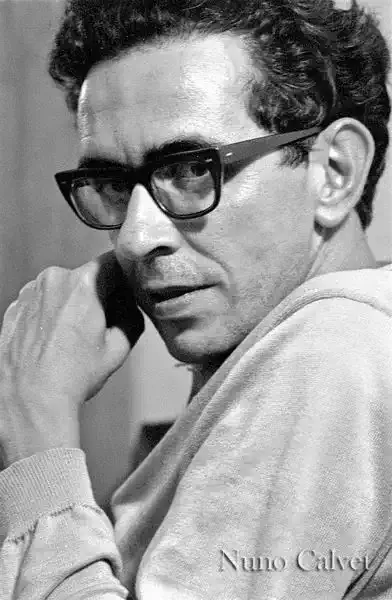
António Ramos Rosa
António Ramos Rosa was one of the most influential Portuguese poets of the 20th century, known for his dense, reflective poetry deeply connected to the human condition and language. His work is marked by a constant search for authentic expression, exploring themes such as existence, death, time, and poetry itself. His writing evolved over decades, maintaining thematic and stylistic coherence, but always open to new formal and lexical explorations. He is considered a pillar of contemporary Portuguese-language poetry.
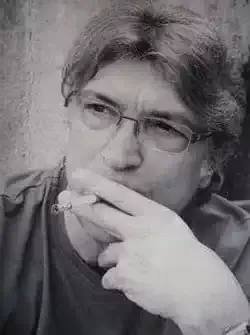
José Agostinho Baptista
José Agostinho Baptista was an Azorean poet and writer who marked 20th-century Portuguese literature. His poetic work, deeply connected to his native islands, explores themes such as saudade, identity, time, and the relationship between man, nature, and the universe. With a lyrical and imagistic style, Baptista left a significant legacy in contemporary poetry.
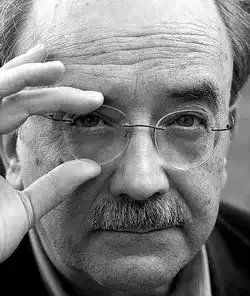
Manuel António Pina
Manuel António Pina was a Portuguese poet, writer, playwright, and essayist, a prominent figure in contemporary literature. His work, characterized by apparent simplicity, philosophical depth, and a keen eye on the human condition, explores themes such as childhood, memory, language, and transcendence. Recognized for his originality and his ability to reinvent poetic form, Pina left a significant legacy, marked by reflection on existence and the art of writing.
Gastão Cruz
Gastão Cruz was a Portuguese poet and literary critic, known for his refined and intellectualized poetry. His work explores themes such as memory, time, language, and the ephemerality of existence, with a strong awareness of literary tradition and its reformulation. He was also an important figure in the dissemination and study of literature, with a career marked by erudition and aesthetic sensitivity.
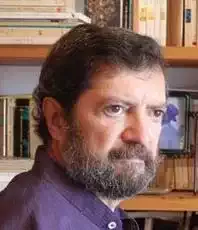
Manuel Gusmão
Manuel Gusmão is a Portuguese poet whose work is distinguished by its rigorous exploration of language and the incessant search for new forms of poetic expression. Throughout his career, Gusmão has developed a poetry that is simultaneously intellectual and visceral, marked by profound reflection on time, memory, identity, and the very nature of poetry. With a body of work that defies easy classification, Gusmão is recognized for his formal experimentation and the density of his poetic discourse. His poetry invites the reader into a complex dialogue, where form and content are intrinsically intertwined, solidifying him as a unique and influential figure in contemporary Portuguese poetry.
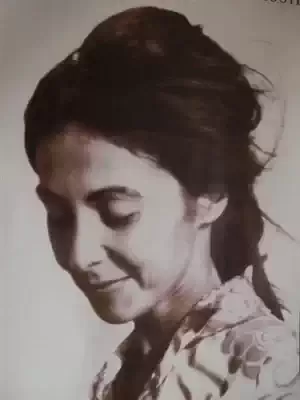
Fiama Hasse Pais Brandão
Fiama Hasse Pais Brandão was a Portuguese poet, playwright, and translator, known for her work marked by formal experimentation and the exploration of existential and social themes. Her writing is characterized by dense language and a strong rhythmic component, often associated with the Surrealist movement and concrete poetry. Throughout her career, she explored various forms of expression, including theater and poetic performance, leaving a significant legacy in contemporary Portuguese-language poetry.
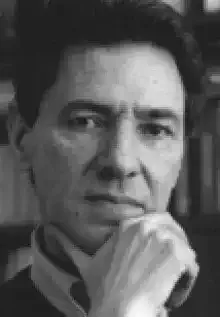
António Franco Alexandre
António Franco Alexandre was a Portuguese poet, known for his complex, erudite, and deeply reflective poetry, often marked by a strong philosophical and existential charge. His work explores themes such as language, memory, time, death, and the human condition, resorting to rigorous vocabulary and elaborate poetic structures. Franco Alexandre is an important figure in Portuguese poetry of the second half of the 20th century, standing out for the originality and depth of his poetic vision.
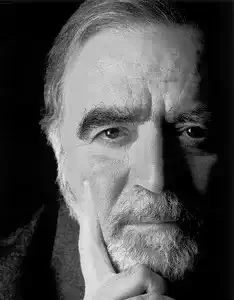
Manuel Alegre
Manuel Alegre is a prominent figure in contemporary Portuguese literature, known for his engaged, lyrical, and deeply human poetry. His work is marked by a strong connection to Portugal's recent history, particularly the period of dictatorship and the struggle for freedom. With a style that combines the power of the word with the subtlety of feeling, Alegre explores themes such as identity, memory, justice, and hope. His poetry, with great popular reach and critical recognition, is a testament to his journey through political life and his experience of the ideals of democracy and civic engagement.
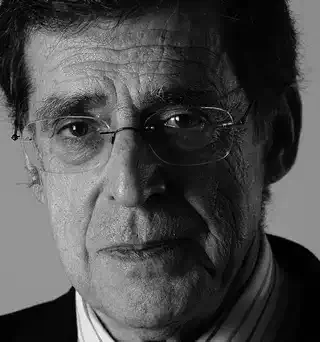
Vasco Graça Moura
Vasco Graça Moura was a multifaceted figure of Portuguese culture, excelling as a poet, essayist, literary critic, and translator. His poetic work is recognized for its erudition, rigorous formal construction, and exploration of complex themes, frequently interlinking history, mythology, and contemporaneity. With a dense and evocative language, Graça Moura addressed the human condition, memory, identity, and the individual's relationship with time and space. His vast culture and profound intelligence lent his writing a unique dimension, establishing him as one of the great names in Portuguese literature of the second half of the 20th century and early 21st century.
Fiama Hasse Pais Brandão
Fiama Hasse Pais Brandão was a Portuguese poet, playwright, and translator, known for her work marked by formal experimentation and the exploration of existential and social themes. Her writing is characterized by dense language and a strong rhythmic component, often associated with the Surrealist movement and concrete poetry. Throughout her career, she explored various forms of expression, including theater and poetic performance, leaving a significant legacy in contemporary Portuguese-language poetry.
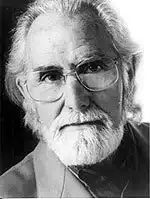
Egito Gonçalves
Egito Gonçalves was an Angolan poet, short story writer, and essayist, a prominent figure in African Portuguese-language literature. His work, marked by strong social and political engagement, addresses themes such as African identity, colonialism, the struggle for freedom, and the pursuit of a dignified future for his people. With a powerful and evocative poetic language, Egito Gonçalves left a significant legacy in the literature of Angola and other Portuguese-speaking countries.
Nuno Júdice
Nuno Júdice was a prominent Portuguese poet, essayist, novelist, and literary critic. His poetic work is characterized by intelligence, irony, and a constant questioning of language, identity, and reality itself. With a style that moves between the lyrical and the reflective, Júdice addressed universal themes such as time, memory, love, and the human condition, always with a sharp eye on the paradoxes of existence. His vast output, recognized nationally and internationally, establishes him as one of the most important authors of contemporary Portuguese-language literature.

Joaquim Manuel Magalhães
Joaquim Manuel Magalhães was a Portuguese poet, journalist, and politician, a prominent figure of the Romantic movement in Portugal. His poetic work, marked by intense lyricism and themes such as love, homeland, and saudade, had a significant impact on Portuguese literature. Besides poetry, Magalhães dedicated himself to journalism and politics, holding public office and defending liberal ideas.
Fernando Guimarães
Fernando Guimarães is a contemporary Portuguese poet, recognized for his profound exploration of the human condition, memory, and the passage of time. His poetic work, marked by careful language and unique sensitivity, reflects on the fragility of existence and the search for meaning in a constantly changing world. With a consolidated career, the poet has been building a body of work that affirms him as a relevant voice in modern Portuguese poetry.
Fernando Echevarría
Fernando Echevarría was a Chilean poet, essayist, and literary critic, known for his significant contribution to contemporary Spanish-language poetry. His work frequently addresses themes such as memory, identity, the passage of time, and the human condition, with an elaborate and reflective language. Echevarría stood out for his erudition and the depth of his literary analyses, also working as a professor and cultural disseminator. His poetry is marked by imagistic density and a constant search for new forms of expression, dialoguing with tradition and exploring the limits of language.
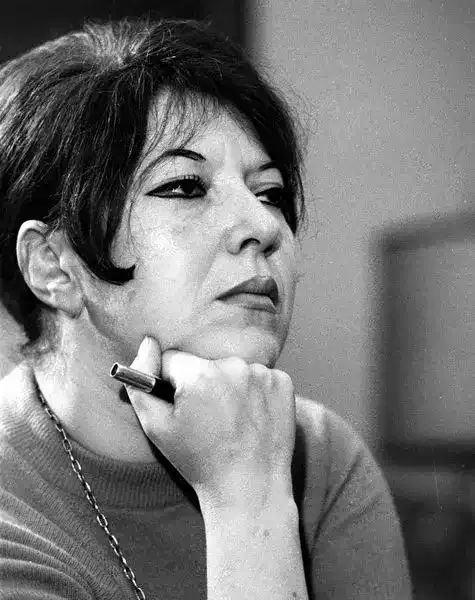
Natália Correia
Natália Correia was a Portuguese writer, poet, and political activist, known for her transgressive, sensual, and engaged work, which addressed themes such as love, death, freedom, and female identity. Her poetry, marked by expressive force, humor, and social criticism, made her an iconic figure of the counterculture in Portugal. She was also an ardent defender of democracy and human rights.
António Ramos Rosa
António Ramos Rosa was one of the most influential Portuguese poets of the 20th century, known for his dense, reflective poetry deeply connected to the human condition and language. His work is marked by a constant search for authentic expression, exploring themes such as existence, death, time, and poetry itself. His writing evolved over decades, maintaining thematic and stylistic coherence, but always open to new formal and lexical explorations. He is considered a pillar of contemporary Portuguese-language poetry.
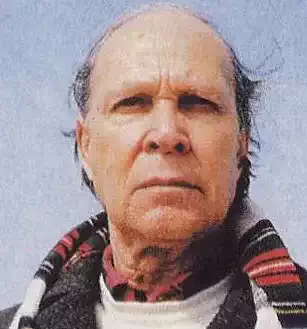
Eugénio de Andrade
Eugénio de Andrade was one of the most important Portuguese poets of the 20th century, known for the purity and musicality of his language, and for his deep connection to nature, the body, and sensory experience. His work is characterized by a refined lyricism that celebrates life, light, and beauty, without ignoring the darker dimensions of existence. With poetry distinguished by its conciseness, clarity, and apparent simplicity that hides great reflective depth, Eugénio de Andrade consolidated an unmistakable style and a unique voice in contemporary Portuguese-language poetry.

Alexandre Pinheiro Torres
Alexandre Pinheiro Torres was a Portuguese poet, writer, and professor, whose work developed throughout the 20th century. Linked to literary renewal movements, he explored poetry marked by existential and social reflection, and by restrained lyricism. His writing, which also encompassed prose and literary criticism, reflects a profound interest in human issues and poetic language.
Fernando Echevarría
Fernando Echevarría was a Chilean poet, essayist, and literary critic, known for his significant contribution to contemporary Spanish-language poetry. His work frequently addresses themes such as memory, identity, the passage of time, and the human condition, with an elaborate and reflective language. Echevarría stood out for his erudition and the depth of his literary analyses, also working as a professor and cultural disseminator. His poetry is marked by imagistic density and a constant search for new forms of expression, dialoguing with tradition and exploring the limits of language.