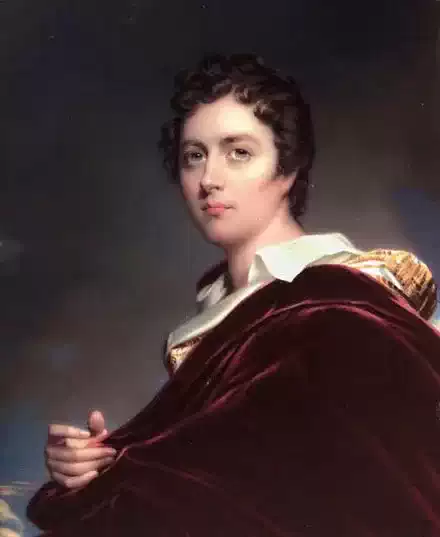
Some Poems

Beppo, A Venetian Story

Beppo, A Venetian Story

I.
'Tis known, at least it should be, that throughout
All countries of the Catholic persuasion,
Some weeks before Shrove Tuesday comes about,
The People take their fill of recreation,
And buy repentance, ere they grow devout,
However high their rank, or low their station,
With fiddling, feasting, dancing, drinking, masking,
And other things which may be had for asking.
II.
The moment Night with dusky mantle covers
The skies (and the more duskily the better),
The Timeless
liked by husbands than by loversBegins,
and Prudery flings aside her fetter,
And Gaiety on restless tiptoe hovers,
Giggling with all the Gallants who beset her;
And there are Songs and quavers, roaring, humming,
Guitars, and every other sort of strumming.
III.
And there are dresses, splendid but fantastical,
Masks of all times and nations, Turks and Jews,
And Harlequins and Clowns, with feats gymnastical,
Greeks, Romans, Yankeedoodles,
and Hindoos;
All kinds of dress, except the ecclesiastical,
All people, as their fancies hit, may choose,
But no one in these parts may quiz the Clergy,Therefore
take heed, ye Freethinkers! I charge ye.
IV.
You'd better walk about begirt with briars,
Instead of Coat and smallclothes, than put on
A single stitch reflecting upon Friars,
Although you swore it only was in fun;
They'd haul you o'er the coals, and stir the fires
Of Phlegethon with every mother's son,
Nor say one Mass to cool the Caldron's bubble
That boil'd your bonesunless
you paid them double.
V.
But saving this, you may put on whate'er
You like by way of doublet, cape, or cloak,
Such as in Monmouth Street, or in Rag Fair,
Would rig you out in Seriousness or Joke;
And even in Italy such places are
With prettier name in softer accents spoke,
For, bating Covent Garden, I can hit on
No place that's called 'Piazza' in Great Britain.
VI.
This feast is named the Carnival, which being

Interpreted implies 'Farewell to Flesh':
So call'd, because the name and thing agreeing,
Through Lent they live on fish, both salt and fresh.
But why they usher Lent with so much glee in
Is more than I can tell, although I guess
'Tis as we take a glass with friends at parting
In the StageCoach
or Packet, just at starting.


VII.
And thus they bid farewell to Carnal dishes,
And solid meats, and highly spiced ragouts,
To live for forty days on illdress’d
fishes,
Because they have no sauces to their stewsA
thing which causes many 'poohs' and 'pishes,'
And several oaths (which would not suit the Muse)
From travellers accustom'd from a boy
To eat their Salmon, at the least, with Soy;
VIII.
And therefore humbly I would recommend
'The Curious in FishSauce,'
before they cross
The Sea, to bid their Cook, or wife, or friend,
Walk or ride to the Strand, and buy in gross
(Or if set out beforehand these may send
By any means least liable to loss)
Ketchup, Soy, ChiliVinegar,
and Harvey,
Or, by the Lord! a Lent will well nigh starve ye.
IX.
That is to say, if your Religion's Roman,
And you at Rome would do as Romans do,
According to the proverb,although
No man
If foreign is obliged to fast, and youIf
Protestant, or sicklyor
a womanWould
rather dine in sin on a ragoutDine
and be d____d! I don't mean to be coarse,
But that's the penalty, to say no worse.
X.
Of all the places where the Carnival
Was most facetious in the days of yore,
For dance, and song, and serenade, and ball,
And Masque, and Mime, and Mystery, and more
Than I have time to tell now, or at all,
Venice the bell from every city bore,
And at the moment when I fix my story,
That Seaborn
City was in all her Glory.
XI.
They've pretty faces yet, those same Venetians,
Black eyes, arch'd brows, and sweet expressions still,
Such as of old were copied from the Grecians,

In ancient Arts by Moderns mimick'd ill;
And like so many Venuses of Titian's
(The best's at Florencesee
it, if ye will),
They look when leaning over the Balcony;
Or stepp'd from out a picture by Giorgione,


XII.
Whose tints are Truth and Beauty at their best;
And when you to Manfrini's palace go,
That Picture (howsoever fine the rest)
Is loveliest to my mind of all the show;
It may perhaps be also to your Zest,
And that's the cause I rhyme upon it so:
'Tis but a portrait of his Son and Wife
And Self; but such a Woman! Love in life!
XIII.
Love in full life and length, not Love ideal,
No, nor ideal Beauty, that fine name,
But something better still, so very real,
That the sweet Model must have been the same;
A thing that you would purchase, beg, or steal,
Were't not impossible, besides a shame;
The face recalls some face, as 'twere with pain,
You once have seen, but ne'er will see again.
XIV.
One of those forms which flit by us, when we
Are young, and fix our eyes on every face;
And, oh! the Loveliness at times we see
In momentary gliding, the soft grace,
The Youth, the Bloom, the Beauty which agree
In many a nameless being we retrace,
Whose course and home we knew not, nor shall know,
Like the lost Pleiad seen no more below.
XV.
I said that like a picture by Giorgione
Venetian women were, and so they are,
Particularly seen from a balcony
(For Beauty's sometimes best set off afar)
And there, just like a heroine of Goldoni,
They peep from out the blind, or o'er the bar;
And truth to say they're mostly very pretty,
And rather like to show it, more's the Pity!
XVI.
For glances beget ogles, ogles sighs,
Sighs wishes, wishes words, and words a letter,
Which flies on wings of lightheel'd
Mercuries,
Who do such things because they know no better;
And then, God knows! what Mischief may arise,

When Love links two young people in one fetter:
Vile assignations, and adulterous beds,
Elopements, broken vows, and hearts, and heads.

XVII.
Shakespeare described the Sex in Desdemona
As very fair, but yet suspect in fame,
And to this day from Venice to Verona
Such matters may be probably the same,
Except that since those times was never known a
Husband whom mere Suspicion could inflame
To suffocate a wife no more than twenty,
Because she had a 'Cavalier Servente.'
XVIII.
Their jealousy (if they are ever jealous)
Is of a fair complexion altogether,
Not like that sooty devil of Othello's,
Which smothers women in a bed of feather,
But worthier of these much more jolly fellows,
When weary of the matrimonial tether
His head for such a wife no mortal bothers,
But takes at once another, or another's.
XIX.
Didst ever see a Gondola? For fear
You should not, I'll describe it you exactly:
'Tis a long cover'd boat that's common here,
Carved at the prow, built lightly, but compactly,
Row'd by two rowers, each call'd 'Gondolier,'
It glides along the water looking blackly,
Just like a Coffin clapt in a Canoe,
Where none can make out what you say or do.
XX.
And up and down the long Canals they go,
And under the Rialto shoot along
By night and day, all paces, swift or slow,
And round the theatres, a sable throng,
They wait in their dusk livery of woe,But
not to them do woeful things belong,
For sometimes they contain a deal of fun,
Like Mourning Coaches when the funeral’s done.
XXI.
But to my story.'
Twas some years ago,
It may be thirty, forty, more or less,
The Carnival was at its height, and so
Were all kinds of Buffoonery and dress;
A Certain Lady went to see the show,
Her real name I know not, nor can guess,
And so we'll call her Laura, if you please,

Because it slips into my verse with ease.

XXII.
She was not old, nor young, nor at the years
Which certain people call a 'certain Age,'
Which yet the most uncertain age appears,
Because I never heard, nor could engage
A person yet by prayers, or bribes, or tears,
To name, define by speech, or write on page,
The period meant precisely by that word,Which
surely is exceedingly absurd.
XXIII.
Laura was blooming still, had made the best
Of Time, and Time return'd the compliment,
And treated her genteelly, so that, 'drest,
She look'd extremely well where'er she went;
A pretty woman is a welcome guest,
And Laura's brow a frown had rarely bent;
Indeed, she shone all Smiles, and seem'd to flatter
Mankind with her black eyes for looking at her.
XXIV.
She was a married woman; 'tis convenient,
Because in Christian countries 'tis a rule
To view their little slips with eyes more lenient;
Whereas if single ladies play the fool
(Unless within the period intervenient
A welltimed
wedding makes the scandal cool),
I don't know how they ever can get over it,
Except they manage never to discover it.
XXV.
Her husband sail'd upon the Adriatic,
And made some voyages, too, in other seas,
And when he lay in Quarantine for Pratique
(A forty days' precaution 'gainst disease),
His wife would mount, at times, her highest attic,
For thence she could discern the ship with ease;
He was a Merchant trading to Aleppo,
His name Giuseppecall'd
more briefly, Beppo.
XXVI.
He was a man as dusky as a Spaniard,
Sunburnt with travel, yet a portly figure;
Though colour'd, as it were, within a tanyard,
He was a person both of sense and vigourA
better Seaman never yet did man yard;
And She, although her manners show'd no rigour,
Was deem'd a woman of the strictest principle,
So much as to be thought almost invincible.

XXVII.
But several years elapsed since they had met;
Some people thought the ship was lost, and some
That he had somehow blunder'd into debt,
And did not like the thought of steering home;
And there were several offer'd any bet,
Or that he would, or that he would not come,
For Most Men (till by losing render'd sager)
Will back their own opinions with a wager.
XXVIII.
'Tis said that their last parting was pathetic,
As partings often are, or ought to be,
And their presentiment was quite prophetic,
That they should never more each other see,
(A sort of morbid feeling, half poetic,
Which I have known occur in two or three)
When kneeling on the shore upon her sad knee
He left this Adriatic Ariadne.
XXIX.
And Laura waited long, and wept a little,
And thought of wearing weeds, as well she might;
She almost lost all appetite for victual,
And could not sleep with ease along at night;
She deem'd the windowframes
and shutters brittle
Against a daring Housebreaker
or Sprite,
And so She thought it prudent to connect her.
With a Vicehusband,
chiefly to protect her.
XXX.
She chose, (and what is there they will not choose,
If only you will but oppose their choice?)
Till Beppo should return from his long cruise,
And bid once more her faithful heart rejoice,
A Man some women like, and yet abuseA
Coxcomb was he by the public voice;
A Count of wealth, they said, as well as quality,
And (in his pleasures) of great liberality.
XXXI.
And then he was A Count, and then he knew
Music, and dancing, fiddling, French and Tuscan;
The last not easy, be it known to you.
For few Italians speak the right Etruscan.
He was a Critic upon Operas, too,
And knew all niceties of the sock and buskin;
And no Venetian audience could endure a
Song, scene, or air, when he cried 'Seccatura!'
XXXII.
His 'Bravo' was decisive—for that sound

Hush'd 'Academie' sigh'd in silent awe;
The fiddlers trembled as he look'd around,
For fear of some false note's detected flaw;
The 'Prima Donna's' tuneful heart would bound,
Dreading the deep damnation of his 'Bah!'
Soprano, Basso, even the ContraAlto,
Wish'd him five fathom under the Rialto.


XXXIII.
He patronised the Improvisatori,
Nay, could himself extemporise some stanzas;
Wrote rhymes, sang songs, could also tell a story,
Sold pictures, and was skilful in the dance as
Italians can bethough
in this their glory
Must surely yield the palm to that which France has;
In short, he was a perfect Cavaliero,
And to his very Valet seem'd a Hero.
XXXIV.
Then he was faithful too, as well as amorous;
So that no sort of female could complainAlthough
they're now and then a little clamourous,
He never put the pretty souls in pain;
His heart was one of those which most enamour us,
Wax to receive, and Marble to retain:
He was a lover of the good old School,
Who still become more constant as they cool.
XXXV.
No wonder such accomplishments should turn
A female head, however sage and steadyWith
scarce a hope that Beppo could return,
In law he was almost as good as dead, he
Nor sent, nor wrote, nor show'd the least concern,
And she had waited several years already;
And really if a Man won't let us know
That he's alive, he's dead, or should be so.
XXXVI.
Besides, within the Alps, to every woman,
(Although, God knows! it is a grievous sin)
'Tis, I may say, permitted to have two men;
I can't tell who first brought the custom in,
But 'Cavalier Serventes' are quite common,
And no one notices nor cares a pin;
And we may call this (not to say the worst)
A Second Marriage which corrupts the First.
XXXVII.
The word was formerly a 'Cicisbeo,'
But that is now grown vulgar and indecent;
The Spaniards call the person a 'Cortejo,'

For the same Mode subsists in Spain, though recent;
In short, it reaches from the Po to Teio,
And may perhaps at last be o'er the Sea sent;
But Heaven preserve Old England from such courses!
Or what becomes of damage and divorces?


XXXVIII.
However, I still think, with all due deference
To the fair single part of the Creation,
That married ladies should preserve the preference
In têteàtête
or general conversationAnd
this I say without peculiar reference
To England, France, or any other nationBecause
they know the world, and are at ease,
And being natural, naturally please.
XXXIX.
'Tis true, your budding Miss is very charming,
But shy and awkward at first coming out,
So much alarm'd, that she is quite alarming,
All Giggle, Blushhalf
Pertness, and halfPoutAnd
glancing at Mamma, for fear there's harm in
What you, she, it, or they, may be about;
The nursery still lisps out in all they utterBesides,
they always smell of Bread and Butter.
XL.
But 'Cavalier Servente' is the phrase
Used in politest circles to express
This supernumary slave, who stays
Close to the lady as a part of dressHer
word the only law which he obeys.
His is no Sinecure, as you may guess;
Coach, Servants, Gondola, he goes to call,
And carries fan and tippet, gloves and shawl.
XLI.
With all its sinful doings, I must say,
That Italy's a pleasant place to me,
Who love to see the Sun shine every day,
And vines (not nail’d to walls) from tree to tree
Festoon'd, much like the back Scene of a play,
Or Melodrame, which people flock to see
When the first act is ended by a dance
In Vineyards copied from the South of France.
XLII.
I like on Autumn evenings to ride out,
Without being forced to bid my Groom be sure
My Cloak is round his middle strapp'd about,
Because the skies are not the most secure;
I know too that, if stopp'd upon my route

Where the green alleys windingly allure,
Reeling with grapes red waggons choke the wayIn
England 'twould be dung, dust, or a dray.


XLIII.
I also like to dine on Becaficas,
To see the Sun set, sure he'll rise tomorrow,
Not through a misty morning twinkling weak as
A drunken man's dead eye in maudlin sorrow,
But with all Heaven t' himself; the Day will break as
Beauteous as cloudless, nor be forced to borrow
That sort of farthing candlelight which glimmers
Where reeking London's smoky Caldron simmers.
XLIV.
I love the language, that soft bastard Latin,
Which melts like kisses from a female mouth,
And sounds as if it should be writ on satin,
With syllables which breathe of the sweet South,
And gentle liquids gliding all so pat in
That not a single accent seems uncouthLike
our harsh Northern whistling, grunting guttural,
Which we're obliged to hiss, and spit, and sputter all.
XLV.
I like the women too (Forgive my folly!)
From the rich peasant cheek of ruddy bronze,
And large black eyes that flash on you a volley
Of rays that say a thousand things at once,
To the high Dama's brow, more melancholy,
But clear, and with a wild and liquid Glance,
Heart on her lips, and Soul within her eyes,
Soft as her clime, and Sunny as her skies.
XLVI.
Eve of the land which still is Paradise!
Italian Beauty! didst thou not inspire
Raphael, who died in thy embrace, and vies
With all we know of Heaven, or can desire
In what he hath bequeath'd us?in
what guise,
Though flashing from the fervour of the Lyre,
Would Words describe thy past and present Glow,
While yet Canova can create below?
XLVII.
'England! with all thy faults I love thee still!'
I said at Calais, and have not forgot it;
I like to speak and lucubrate my fill;
I like the Government (but that is not it);
I like the freedom of the press and quill;
I like the Hapeas Corpus (when we've got it);
I like a parliamentary debate,

Particularly when 'tis not too late;

XLVIII.
I like the taxes, when they're not too many;
I like a seacoal
fire, when not too dear;
I like a beefsteak,
too, as well as any;
Have no objection to a pot of beer;
I like the weatherwhen
it is not rainyThat
is, I like two months of every Year;
And so God save the Regent, Church, and King!
Which means that I like all and every thing.
XLIX.
Our standing Army, and disbanded Seamen,
Poor's rate, Reform, my own, the nation's debt,
Our little Riots just to show we're free men,
Our trifling Bankruptcies in the Gazette,
Our cloudy Climate, and our chilly Women;
All these I can forgive, and those forget,
And greatly venerate our recent glories,
And wish they were not owing to the Tories.
L.
But to my tale of Laurafor
I find
Digression is a sin, that by degrees
Becomes exceeding tedious to my mind,
And, therefore, may the reader too displeaseThe
gentle readerwho
may wax unkind,
And caring little for the Author’s ease,
Insist on knowing what he means, a hard
And hapless situation for a Bard.
LI.
Oh that I had the art of easy writing
What should be easy reading! could I scale
Parnassus, where the Muses sit inditing
Those pretty poems never known to fail!
How quickly would I print (the world delighting)
A Grecian, Syrian, or Assyrian tale;
And sell you, mix'd with Western sentimentalism,
Some samples of the finest Orientalism.
LII.
But I am but a nameless sort of person
(A broken Dandy lately on my travels)
And take for Rhyme, to hook my rambling Verse on,
The first that Walker's Lexicon unravels,
And when I can't find that, I put a worse on,
Not caring as I ought for Critics' cavils;
I've half a mind to tumble down to prose,
But Verse is more in fashionso
here goes!

LIII.
The Count and Laura made their new arrangement,
Which lasted, as Arrangements sometimes do,
For half a dozen years without estrangement;
They had their little differences, too;
Those jealous whiffs, which never any change meant;
In such affairs there probably are few
Who have not had this pouting sort of squabble,
From Sinners of high station to the Rabble.
LIV.
But, on the whole, they were a happy pair,
As happy as unlawful love could make them;
The Gentleman was fond, the Lady fair,
Their chains so slight 'twas not worth while to break them;
The World beheld them with indulgent air;
The Pious only wish'd 'the Devil take them!'
He took them not; he very often waits,
And leaves old Sinners to be young ones’ baits.
LV.
But they were young; Oh! what without our youth
Would Love be! What would youth be without love!
Youth lends it joy, and sweetness, vigour, truth,
Heart, soul, and all that seems as from above;
But, languishing with years, it grows uncouthOne
of few things Experience don't improve,
Which is perhaps the reason why old fellows
Are always so preposterously jealous.
LVI.
It was the Carnival, as I have said
Some six and thirty stanzas back, and so
Laura the usual preparations made,
Which you do when your mind's made up to go
Tonight
to Mrs. Boehm's Masquerade,
Spectator, or Partaker in the show;
The only difference known between the cases
Is here, we have six weeks of 'varnish'd faces.'
LVII.
Laura, when dress'd, was (as I sang before)
A pretty woman as was ever seen,
Fresh as the Angel o'er a new Inn door,
Or frontispiece of a new Magazine,
With all the Fashions which the last month wore,
Colour'd, and silver paper leaved between
That and the titlepage,
for fear the Press
Should soil with parts of speech the parts of dress.
LVIII.
They went to the Ridotto;'
tis a hall

Where people dance, and sup, and dance againIts
proper name perhaps were a masqued Ball,
But that’s of no importance to my strain;
'Tis (on a smaller scale) like our Vauxhall,
Excepting that it can't be spoilt by Rain;
The company is 'mix'd' (the phrase I quote is
As much as saying they're below your Notice).


LIX.
For a 'mix'd company' implies that, save
Yourself and friends and half a hundred more
Whom you may bow to without looking grave,
The rest are but a vulgar setthe
Bore
Of public places, where they basely brave
The fashionable stare of twenty score
Of wellbred
persons call'd 'The World'but
I,
Although I know them, really don't know why.
LX.
This is the case in England, at least was
During the dynasty of Dandies, now
Perchance succeeded by some other class
Of imitated Imitators :how
Irreparably soon decline, alas!
The Demagogues of fashion; all below
Is frail; how easily the World is lost
By Love, or War, and now and then by Frost!
LXI.
Crush'd was Napoleon by the northern Thor,
Who knock’d his army down with icy hammer,
Stopp'd by the Elements, like a Whaler, or
A blundering Novice in his new French grammar;
Good cause had he to doubt the chance of War,
And as for Fortunebut
I dare not d___n her,
Because, were I to ponder to Infinity,
The more I should believe in her Divinity.
LXII.
She rules the present, past, and all to be yet;
She gives us luck in lotteries, love, and marriage;
I cannot say that she’s done much for me yet,
Not that I mean her bounties to disparageWe've
not yet closed accountsand
we shall see yet
How much she'll make amends for past miscarriage.
Meantime the Goddess I'll no more importune,
Unless to thank her when she's made my fortune.
LXIII.
To turnand
to return, the Devil take it!
This Story slips for ever through my fingers,
Because, just as the Stanza likes to make it,

It needs must be, and so it rather lingers:
This form of verse began, I can't well break it,
But must keep time and tune like public Singers;
But if I once get through my present measure,
I'll take another when I'm at leisure.


LXIV.
They went to the Ridotto ('tis a place
To which I mean to go myself tomorrow,
Just to divert my thoughts a little space,
Because I’m rather hippish, and may borrow
Some spirits, guessing at what kind of face
May lurk beneath each mask; and as my sorrow
Slackens its pace sometimes, I'll make or find
Something shall leave it half an hour behind).
LXV.
Now Laura moves along the joyous crowdSmiles
in her eyes, and simpers on her lipsTo
some she whispers, others speaks aloud;
To some she curtsies, and to some she dips,
Complains of warmth and, this complaint avow'd,
Her lover brings the Lemonade she sips;
She then surveys, condemns, but pities still
Her dearest friends for being dress'd so ill.
LXVI.
One has false curls, another too much paint,
A thirdwhere
did She buy that frightful turban?
A fourth's so pale she fears she's going to faint,
A fifth's look's vulgar, dowdyish, and suburban,
A sixth's white silk has got a yellow taint,
A seventh's thin Muslin surely will be her bane,
And lo! an eighth appears'
I'll see no more!'
For fear, like Banquo's kings, they reach a score.
LXVII.
Meantime, while she was thus at others gazing,
Others were leveling their looks at her;
She heard the Men's halfwhisper'd
mode of praising,
And, till ’twas done, determined not to stir;
The women only thought it quite amazing
That, at her time of Life, so many were
Admirers stillbut
Men are so debased,
Those brazen creatures always suit their taste.
LXVIII.
For my part now, I ne'er could understand
Why naughty Womenbut
I won’t discuss
A thing which is a Scandal to the land;
I only don't see why it should be thus;
And if I were but in a gown and bandwww.
PoemHunter.com The
World's Poetry Archive


Just to entitle me to make a fussI'd
preach on this till Wilberforce and Romilly
Should quote in their next speeches from my homily.


LXIX.
While Laura thus was seen, and seeing, smiling,
Talking, she knew not why, and cared not what,
So that her female friends, with envy broiling,
Beheld her airs and triumph, and all that,
And welldress'd
males still kept before her filing,
And passing bow'd and mingled with her chat;
More than the rest, one person seem'd to stare
With pertinacity that's rather rare.
LXX.
He was a Turk, the colour of mahogany;
And Laura saw him, and at first was glad,
Because the Turks so much admire Phylogyny,
Although their usage of their wives is sad;
'Tis said they use no better than a dog any
Poor woman, whom they purchase like a pad;
They have a number, though they ne'er exhibit 'em,
Four Wives by law, and Concubines 'ad libitum.'
LXXI.
They lock them up, and veil and guard them daily;
They scarcely can behold their male relations,
So that their moments do not pass so gaily
As is supposed the case with Northern nations;
Confinement, too, must make them look quite palely;
And as the Turks abhor long conversations,
Their days are either pass'd in doing nothing,
Or bathing, nursing, making love, and clothing.
LXXII.
They cannot readand
so don't lisp in Criticism;
Nor writeand
so they don't affect the Muse;
Were never caught in epigram or witticism,
Have no romances, sermons, plays, reviewsIn
harams Learning soon would make a pretty schism!
But luckily these beauties are no 'Blues;'
No bustling Botherbys have they to show 'em
'That charming passage in the last new poem!'
LXXIII.
No solemn Antique gentleman of rhyme,
Who, having angled all his life for Fame
And getting but a nibble at a time,
Still fussily keeps fishing on, the same
Small 'Triton of the Minnows,' the sublime
Of mediocrity, the furious tame,
The echo’s Echo, usher of the School

Of female Wits, boy bardsin
short, a fool!

LXXIV.
A stalking Oracle of awful phrase,
The approving 'Good!' (By no means GOOD in law)
Humming like flies around the newest blaze,
The bluest of Bluebottles you e'er saw,
Teasing with blame, excruciating with praise,
Gorging the little fame he gets all raw,
Translating tongues he knows not even by letter,
And sweating plays so middling, bad were better.
LXXV.
One hates an Author that's all Author, fellows
In foolscap uniforms turn'd up with ink,
So very anxious, clever, fine, and jealous,
One don't know what to say to them, or think,
Unless to puff them with a pair of Bellows;
Of Coxcombry's worst Coxcombs e'en the pink
Are preferable to these shreds of paper,
These unquench'd snufflings of the midnight taper.
LXXVI.
Of these same we see several, and of others,
Men of the World, who know the world like men,
Scott, Rogers, Moore, and all the better brothers
Who think of something else besides the pen;
But for the Children of the 'Mighty Mother's'The
wouldbe
Wits, and can’tbe
GentlemenI
leave them to their daily 'Tea is ready,'
Smug Coterie, and Literary Lady.
LXXVII.
The poor dear Mussulwomen whom I mention
Have none of these instructive, pleasant people,
And One would seem to them a new Invention,
Unknown as bells within a Turkish steeple;
I think 'twould almost be worth while to pension
(Though bestsown
projects very often reap ill)
A Missionary Author, just to preach
Our Christian usage of the parts of Speech.
LXXVIII.
No Chemistry for them unfolds her gases,
No Metaphysics are let loose in lectures,
No Circulating Library amasses
Religious novels, moral tales, and strictures
Upon the living manners, as they pass us;
No Exhibition glares with annual pictures;
They stare not on the Stars from out their Attics,
Nor deal (thank God for that!) in Mathematics.

LXXIX.
Why I thank God for that is no great matter;
I have my reasons, you no doubt suppose,
And as perhaps they would not highly flatter,
I'll keep them for my life (to come) in prose;
I fear I have a little turn for Satire,
And yet, methinks, the older that one grows
Inclines us more to laugh than scold, though Laughter
Leaves us no doubly serious shortly after.
LXXX.
Oh, mirth and innocence! Oh, milk and water!
Ye happy mixtures of more happy days!
In these sad centuries of sin and slaughter,
Abominable Man no more allays
His thirst with such pure beverage. No matter,
I love you both, and both shall have my praise;
Oh, for old Saturn's reign of sugarcandy!
Meantime I drink to your return in Brandy.
LXXXI.
Our Laura's Turk still kept his eyes upon her,
Less in the Mussulman than Christian way,
Which seems to say, 'Madam, I do you honour,
And while I please to stare, you'll please to stay!'
Could staring win a woman, this had won her,
But Laura could not thus be led astray;
She had stood fire too long and well, is boggle
Even at this Stranger's most outlandish Ogle.
LXXXII.
The Morning now was on the point of breaking,
A turn of time at which I would advise
Ladies who have been dancing, or partaking
In any other kind of Exercise,
To make their preparations for forsaking
The Ballroom
ere the Sun begins to rise,
Because when once the lamps and candles fail,
His Blushes make them look a little pale.
LXXXIII.
I've seen some balls and revels in my time,
And stay'd them over for some silly reason;
And then I look'd (I hope it was no crime)
To see what lady best stood out the Season;
And though I've seen some thousands in their prime,
Lovely and pleasing, and who still may please on,
I never saw but One (the stars withdrawn)
Whose bloom could, after dancing, dare the dawn.
LXXXIV.
The name of this Aurora I'll not mention,

Although I might, for She was nought to me
More than that patent work of God's invention,
A charming woman, whom we like to see;
But writing names would merit reprehension,
Yet if you like to find out this fair She,
At the next London or Parisian ball
You still may mark her cheek, outblooming
all.


LXXXV.
Laura, who knew it would not do at all
To meet the daylight after seven hours' sitting
Among three thousand people at a ball,
To make her curtsy thought it right and fitting;
The Count was at her elbow with her shawl,
And they the room were on the point of quitting,
When lo! those cursed gondoliers had got
Just in the very place where they should not.
LXXXVI.
In this they're like our Coachmen, and the cause
Is much the samethe
Crowd, and pulling, haulingWith
blasphemies enough to break their jawsThey
make a neverintermitted
bawling.
At home, our Bow Street Gem'men keep the laws,
And here a Sentry stands within your calling;
But for all that, there is a deal of swearing,
And nauseous words past mentioning or bearing.
LXXXVII.
The Count and Laura found their boat at last,
And homeward floated o'er the silent tied,
Discussing all the dances gone and past;
The Dancers and their dresses, too, beside.
Some little Scandals eke; but all aghast
(As to their palacestairs
the rowers glide)
Sate Laura by the side of her Adorer,
When lo! the Mussulman was there before her!
LXXXVIII.
'Sir!' said the Count, with brow exceeding grave,
'Your unexpected presence here will make
It necessary for myself to crave
Its importbut
perhaps 'tis a mistake.
I hope it is so, and at once to waive
All complimentI
hope so for your sake;
You understand my meaning, or you shall.'
'Sir' (quoth the Turk), ''tis no mistake at all:
LXXXIX.
'That Lady is my Wife!' Much wonder paints
The Lady's changing cheek, as well it might,
But where an Englishwoman sometimes faints,

Italian females don't do so outright;
They only call a little on their Saints,
And then come to themselves, almost or quite,
Which saves much hartshorn, salts, and sprinkling faces,
And cutting stays, as usual in such cases.


XC.
She said—what could she say? why, not a word:
But the Count courteously invited in
The Stranger, much appeased by what he heard;
'Such things perhaps we'd best discuss within,'
Said he, 'don't let us make ourselves absurd
In public, by a Scene, nor raise a din,
For then the chief and only satisfaction
Will be much quizzing on the whole transaction.'
XCI.
They enter'd, and for coffee call'd; it came,
A beverage for Turks and Christians both,
Although the way they make it's not the same.
Now Laura, much recover'd, or less loth
To speak, cries 'Beppo! what's your Pagan name?
Bless me! your beard is of amazing growth!
And how came you to keep away so long?
Are you not sensible 'twas very wrong?
XCII.
'And are you really, truly, now a Turk?
With any other women did you wive?
Is't true they use their fingers for a fork?
Well, that's the prettiest Shawlas
I'm alive!
You'll give it me? They say you eat no pork.
And how so many years did you contrive
ToBless
me! did I ever? No, I never
Saw a man grown so yellow! How’s your liver?
XCIII.
'Beppo! that beard of yours becomes you not;
It shall be shaved before you're a day older;
Why do you wear it? Oh! I had forgotPray
don't you think the weather here is colder?
How do I look? You shan't stir from this spot
In that queer dress, for fear that some beholder
Should find you out, and make the story known.
How short your hair is! Lord! how grey it’s grown!'
XCIV.
What answer Beppo made to these demands
Is more than I know. He was cast away
About where Troy stood once, and Nothing stands;
Became a Slave of course, and for his pay
Had bread and bastinadoes, till some bands

Of pirates landing in a neighbouring bay,
He join'd the rogues and prosper’d, and became
A Renegado of indifferent fame.


XCV.
But he grew rich, and with his riches grew so
Keen the desire to see his home again,
He thought himself in duty bound to do so,
And not be always thieving on the Main;
Lonely he felt at times as Robin Crusoe,
And so he hired a vessel come from Spain,
Bound for Corfu: she was a fine polacca,
Mann'd with twelve hands, and laden with tobacco.
XCVI.
Himself, and much (Heaven knows how gotten!) Cash,
He then embark'd, with risk of life and limb,
And got clear off, although the attempt was rash.
He said that Providence protected him;
For my part, I say nothinglest
we clash
In our opinionswell,
the Ship was trim,
Set sail, and kept her reckoning fairly on,
Except three days of calm when off Cape Bonn.
XCVII.
They reach'd the Island, he transferr'd his lading
And self and live stock to another bottom,
And pass'd for a true TurkeyMerchant,
trading
With goods of various namesbut
I've forgot 'em.
However, he got off by this evading,
Or else the people would perhaps have shot him;
And thus at Venice landed to reclaim
His wife, religion, house, and Christian name.
XCVIII.
His Wife received, the Patriarch rebaptised
him
(He made the Church a present, by the way);
He then threw off the Garments which disguised him
And borrow'd the Count's small clothes for a day:
His friends the more for his long absence prized him,
Finding he'd wherewithal to make them gay,
With dinnerswhere
he oft became the laugh of them;
For storiesbut
I don’t believe the half of them.
XCIX.
Whate'er his Youth had suffer'd, his old Age
With wealth and talking made him some amends;
Though Laura sometimes put him in a rage,
I've heard the Count and He were always friends.
My pen is at the bottom of a page,
Which being finish'd, here the story ends;
'Tis to be wish'd it had been sooner done,

But Stories somehow lengthen when begun.

Don Juan: Canto The Fifth

Don Juan: Canto The Fifth

When amatory poets sing their loves
In liquid lines mellifluously bland,
And pair their rhymes as Venus yokes her doves,
They little think what mischief is in hand;
The greater their success the worse it proves,
As Ovid's verse may give to understand;
Even Petrarch's self, if judged with due severity,
Is the Platonic pimp of all posterity.


I therefore do denounce all amorous writing,
Except in such a way as not to attract;
Plainsimpleshort,
and by no means inviting,
But with a moral to each error tack'd,
Form'd rather for instructing than delighting,
And with all passions in their turn attack'd;
Now, if my Pegasus should not be shod ill,
This poem will become a moral model.


The European with the Asian shore
Sprinkled with palaces; the ocean stream
Here and there studded with a seventyfour;
Sophia's cupola with golden gleam;
The cypress groves; Olympus high and hoar;
The twelve isles, and the more than I could dream,
Far less describe, present the very view
Which charm'd the charming Mary Montagu.


I have a passion for the name of 'Mary,'
For once it was a magic sound to me;
And still it half calls up the realms of fairy,
Where I beheld what never was to be;
All feelings changed, but this was last to vary,
A spell from which even yet I am not quite free:
But I grow sadand
let a tale grow cold,
Which must not be pathetically told.


The wind swept down the Euxine, and the wave
Broke foaming o'er the blue Symplegades;
'T is a grand sight from off 'the Giant's Grave
To watch the progress of those rolling seas
Between the Bosphorus, as they lash and lave
Europe and Asia, you being quite at ease;
There 's not a sea the passenger e'er pukes in,
Turns up more dangerous breakers than the Euxine.


'T was a raw day of Autumn's bleak beginning,
When nights are equal, but not so the days;
The Parcae then cut short the further spinning
Of seamen's fates, and the loud tempests raise
The waters, and repentance for past sinning
In all, who o'er the great deep take their ways:
They vow to amend their lives, and yet they don't;


Because if drown'd, they can'tif
spared, they won't.


A crowd of shivering slaves of every nation,
And age, and sex, were in the market ranged;
Each bevy with the merchant in his station:
Poor creatures! their good looks were sadly changed.
All save the blacks seem'd jaded with vexation,
From friends, and home, and freedom far estranged;
The negroes more philosophy display'd,Used
to it, no doubt, as eels are to be flay'd.


Juan was juvenile, and thus was full,
As most at his age are, of hope and health;
Yet I must own he looked a little dull,
And now and then a tear stole down by stealth;
Perhaps his recent loss of blood might pull
His spirit down; and then the loss of wealth,
A mistress, and such comfortable quarters,
To be put up for auction amongst Tartars,


Were things to shake a stoic; ne'ertheless,
Upon the whole his carriage was serene:
His figure, and the splendour of his dress,
Of which some gilded remnants still were seen,
Drew all eyes on him, giving them to guess
He was above the vulgar by his mien;
And then, though pale, he was so very handsome;
And thenthey
calculated on his ransom.


Like a backgammon board the place was dotted
With whites and blacks, in groups on show for sale,
Though rather more irregularly spotted:
Some bought the jet, while others chose the pale.
It chanced amongst the other people lotted,
A man of thirty rather stout and hale,
With resolution in his dark grey eye,
Next Juan stood, till some might choose to buy.


He had an English look; that is, was square
In make, of a complexion white and ruddy,
Good teeth, with curling rather dark brown hair,
And, it might be from thought or toil or study,
An open brow a little mark'd with care:
One arm had on a bandage rather bloody;
And there he stood with such sangfroid,
that greater
Could scarce be shown even by a mere spectator.


But seeing at his elbow a mere lad,
Of a high spirit evidently, though
At present weigh'd down by a doom which had
O'erthrown even men, he soon began to show
A kind of blunt compassion for the sad


Lot of so young a partner in the woe,
Which for himself he seem'd to deem no worse
Than any other scrape, a thing of course.


'My boy!' said he, 'amidst this motley crew
Of Georgians, Russians, Nubians, and what not,
All ragamuffins differing but in hue,
With whom it is our luck to cast our lot,
The only gentlemen seem I and you;
So let us be acquainted, as we ought:
If I could yield you any consolation,
'T would give me pleasure.Pray,
what is your nation?'


When Juan answer'd'
Spanish!' he replied,
'I thought, in fact, you could not be a Greek;
Those servile dogs are not so proudly eyed:
Fortune has play'd you here a pretty freak,
But that 's her way with all men, till they 're tried;
But never mind,she
'll turn, perhaps, next week;
She has served me also much the same as you,
Except that I have found it nothing new.'


'Pray, sir,' said Juan, 'if I may presume,
What brought you here?''
Oh! nothing very rareSix
Tartars and a dragchain.'
'
To this doom
But what conducted, if the question's fair,
Is that which I would learn.''
I served for some
Months with the Russian army here and there,
And taking lately, by Suwarrow's bidding,
A town, was ta'en myself instead of Widdin.'


'Have you no friends?''
I hadbut,
by God's blessing,
Have not been troubled with them lately. Now
I have answer'd all your questions without pressing,
And you an equal courtesy should show.'
'Alas!' said Juan, ''t were a tale distressing,
And long besides.''
Oh! if 't is really so,
You 're right on both accounts to hold your tongue;
A sad tale saddens doubly, when 't is long.


'But droop not: Fortune at your time of life,
Although a female moderately fickle,
Will hardly leave you (as she 's not your wife)
For any length of days in such a pickle.
To strive, too, with our fate were such a strife
As if the cornsheaf
should oppose the sickle:
Men are the sport of circumstances, when
The circumstances seem the sport of men.'


''T is not,' said Juan, 'for my present doom
I mourn, but for the past;I
loved a maid:'He
paused, and his dark eye grew full of gloom;


A single tear upon his eyelash staid
A moment, and then dropp'd; 'but to resume,
'T is not my present lot, as I have said,
Which I deplore so much; for I have borne
Hardships which have the hardiest overworn,


'On the rough deep. But this last blow'
and here
He stopp'd again, and turn'd away his face.
'Ay,' quoth his friend, 'I thought it would appear
That there had been a lady in the case;
And these are things which ask a tender tear,
Such as I, too, would shed if in your place:
I cried upon my first wife's dying day,
And also when my second ran away:


'My third'
'
Your third!' quoth Juan, turning round;
'You scarcely can be thirty: have you three?'
'Noonly
two at present above ground:
Surely 't is nothing wonderful to see
One person thrice in holy wedlock bound!'
'Well, then, your third,' said Juan; 'what did she?
She did not run away, too,did
she, sir?'
'No, faith.''
What then?''
I ran away from her.'


'You take things coolly, sir,' said Juan. 'Why,'
Replied the other, 'what can a man do?
There still are many rainbows in your sky,
But mine have vanish'd. All, when life is new,
Commence with feelings warm, and prospects high;
But time strips our illusions of their hue,
And one by one in turn, some grand mistake
Casts off its bright skin yearly like the snake.


''T is true, it gets another bright and fresh,
Or fresher, brighter; but the year gone through,
This skin must go the way, too, of all flesh,
Or sometimes only wear a week or two;Love
's the first net which spreads its deadly mesh;
Ambition, Avarice, Vengeance, Glory, glue
The glittering limetwigs
of our latter days,
Where still we flutter on for pence or praise.'


'All this is very fine, and may be true,'
Said Juan; 'but I really don't see how
It betters present times with me or you.'
'No?' quoth the other; 'yet you will allow
By setting things in their right point of view,
Knowledge, at least, is gain'd; for instance, now,
We know what slavery is, and our disasters
May teach us better to behave when masters.'


'Would we were masters now, if but to try


Their present lessons on our Pagan friends here,'
Said Juan,swallowing
a heartburning
sigh:
'Heaven help the scholar whom his fortune sends here!'
'Perhaps we shall be one day, by and by,'
Rejoin'd the other, when our bad luck mends here;
Meantime (yon old black eunuch seems to eye us)


'But after all, what is our present state?
'T is bad, and may be betterall
men's lot:
Most men are slaves, none more so than the great,
To their own whims and passions, and what not;
Society itself, which should create
Kindness, destroys what little we had got:
To feel for none is the true social art
Of the world's stoicsmen
without a heart.'


Just now a black old neutral personage
Of the third sex stept up, and peering over
The captives, seem'd to mark their looks and age,
And capabilities, as to discover
If they were fitted for the purposed cage:
No lady e'er is ogled by a lover,
Horse by a blackleg, broadcloth by a tailor,
Fee by a counsel, felon by a jailor,


As is a slave by his intended bidder.
'T is pleasant purchasing our fellowcreatures;
And all are to be sold, if you consider
Their passions, and are dext'rous; some by features
Are bought up, others by a warlike leader,
Some by a placeas
tend their years or natures;
The most by ready cashbut
all have prices,
From crowns to kicks, according to their vices.


The eunuch, having eyed them o'er with care,
Turn'd to the merchant, and begun to bid
First but for one, and after for the pair;
They haggled, wrangled, swore, tooso
they did!
As though they were in a mere Christian fair
Cheapening an ox, an ass, a lamb, or kid;
So that their bargain sounded like a battle
For this superior yoke of human cattle.


At last they settled into simple grumbling,
And pulling out reluctant purses, and
Turning each piece of silver o'er, and tumbling
Some down, and weighing others in their hand,
And by mistake sequins with paras jumbling,
Until the sum was accurately scann'd,
And then the merchant giving change, and signing
Receipts in full, began to think of dining.


I wonder if his appetite was good?
Or, if it were, if also his digestion?
Methinks at meals some odd thoughts might intrude,
And conscience ask a curious sort of question,
About the right divine how far we should
Sell flesh and blood. When dinner has opprest one,
I think it is perhaps the gloomiest hour
Which turns up out of the sad twentyfour.


Voltaire says 'No:' he tells you that Candide
Found life most tolerable after meals;
He 's wrongunless
man were a pig, indeed,
Repletion rather adds to what he feels,
Unless he 's drunk, and then no doubt he 's freed
From his own brain's oppression while it reels.
Of food I think with Philip's son, or rather
Ammon's (ill pleased with one world and one father);


I think with Alexander, that the act
Of eating, with another act or two,
Makes us feel our mortality in fact
Redoubled; when a roast and a ragout,
And fish, and soup, by some side dishes back'd,
Can give us either pain or pleasure, who
Would pique himself on intellects, whose use
Depends so much upon the gastric juice?


The other evening ('t was on Friday last)This
is a fact and no poetic fableJust
as my great coat was about me cast,
My hat and gloves still lying on the table,
I heard a shot'
t was eight o'clock scarce pastAnd,
running out as fast as I was able,
I found the military commandant
Stretch'd in the street, and able scarce to pant.


Poor fellow! for some reason, surely bad,
They had slain him with five slugs; and left him there
To perish on the pavement: so I had
Him borne into the house and up the stair,
And stripp'd and look'd toBut
why should I ad
More circumstances? vain was every care;
The man was gone: in some Italian quarrel
Kill'd by five bullets from an old gunbarrel.


I gazed upon him, for I knew him well;
And though I have seen many corpses, never
Saw one, whom such an accident befell,
So calm; though pierced through stomach, heart, and liver,
He seem'd to sleep,for
you could scarcely tell
(As he bled inwardly, no hideous river
Of gore divulged the cause) that he was dead:


So as I gazed on him, I thought or said


'Can this be death? then what is life or death?
Speak!' but he spoke not: 'Wake!' but still he slept:'
But yesterday and who had mightier breath?
A thousand warriors by his word were kept
In awe: he said, as the centurion saith,
'Go,' and he goeth; 'come,' and forth he stepp'd.
The trump and bugle till he spake were dumbAnd
now nought left him but the muffled drum.'


And they who waited once and worshipp'dthey
With their rough faces throng'd about the bed
To gaze once more on the commanding clay
Which for the last, though not the first, time bled:
And such an end! that he who many a day
Had faced Napoleon's foes until they fled,The
foremost in the charge or in the sally,
Should now be butcher'd in a civic alley.


The scars of his old wounds were near his new,
Those honourable scars which brought him fame;
And horrid was the contrast to the viewBut
let me quit the theme; as such things claim
Perhaps even more attention than is due
From me: I gazed (as oft I have gazed the same)
To try if I could wrench aught out of death
Which should confirm, or shake, or make a faith;


But it was all a mystery. Here we are,
And there we go:but
where? five bits of lead,
Or three, or two, or one, send very far!
And is this blood, then, form'd but to be shed?
Can every element our elements mar?
And airearthwaterfire
liveand
we dead?
We whose minds comprehend all things? No more;
But let us to the story as before.


The purchaser of Juan and acquaintance
Bore off his bargains to a gilded boat,
Embark'd himself and them, and off they went thence
As fast as oars could pull and water float;
They look'd like persons being led to sentence,
Wondering what next, till the caique was brought
Up in a little creek below a wall
O'ertopp'd with cypresses, darkgreen
and tall.


Here their conductor tapping at the wicket
Of a small iron door, 't was open'd, and
He led them onward, first through a low thicket
Flank'd by large groves, which tower'd on either hand:
They almost lost their way, and had to pick it


For night was dosing ere they came to land.
The eunuch made a sign to those on board,
Who row'd off, leaving them without a word.


As they were plodding on their winding way
Through orange bowers, and jasmine, and so forth
(Of which I might have a good deal to say,
There being no such profusion in the North
Of oriental plants, 'et cetera,'
But that of late your scribblers think it worth
Their while to rear whole hotbeds in their works
Because one poet travell'd 'mongst the Turks)


As they were threading on their way, there came
Into Don Juan's head a thought, which he
Whisper'd to his companion:'
t was the same
Which might have then occurr'd to you or me.
'Methinks,' said he, 'it would be no great shame
If we should strike a stroke to set us free;
Let 's knock that old black fellow on the head,
And march away'
t were easier done than said.'


'Yes,' said the other, 'and when done, what then?
How get out? how the devil got we in?
And when we once were fairly out, and when
From Saint Bartholomew we have saved our skin,
Tomorrow
'd see us in some other den,
And worse off than we hitherto have been;
Besides, I 'm hungry, and just now would take,
Like Esau, for my birthright a beefsteak.


'We must be near some place of man's abode;For
the old negro's confidence in creeping,
With his two captives, by so queer a road,
Shows that he thinks his friends have not been sleeping;
A single cry would bring them all abroad:
'T is therefore better looking before leapingAnd
there, you see, this turn has brought us through,
By Jove, a noble palace!lighted
too.'


It was indeed a wide extensive building
Which open'd on their view, and o'er the front
There seem'd to be besprent a deal of gilding
And various hues, as is the Turkish wont,A
gaudy taste; for they are little skill'd in
The arts of which these lands were once the font:
Each villa on the Bosphorus looks a screen
New painted, or a pretty operascene.


And nearer as they came, a genial savour
Of certain stews, and roastmeats,
and pilaus,
Things which in hungry mortals' eyes find favour,


Made Juan in his harsh intentions pause,
And put himself upon his good behaviour:
His friend, too, adding a new saving clause,
Said, 'In Heaven's name let's get some supper now,
And then I 'm with you, if you 're for a row.'


Some talk of an appeal unto some passion,
Some to men's feelings, others to their reason;
The last of these was never much the fashion,
For reason thinks all reasoning out of season.
Some speakers whine, and others lay the lash on,
But more or less continue still to tease on,
With arguments according to their 'forte;'
But no one dreams of ever being short.


But I digress: of all appeals,although
I grant the power of pathos, and of gold,
Of beauty, flattery, threats, a shilling,no
Method 's more sure at moments to take hold
Of the best feelings of mankind, which grow
More tender, as we every day behold,
Than that allsoftening,
overpowering knell,
The tocsin of the soulthe
dinnerbell.


Turkey contains no bells, and yet men dine;
And Juan and his friend, albeit they heard
No Christian knoll to table, saw no line
Of lackeys usher to the feast prepared,
Yet smelt roastmeat,
beheld a huge fire shine,
And cooks in motion with their clean arms bared,
And gazed around them to the left and right
With the prophetic eye of appetite.


And giving up all notions of resistance,
They follow'd close behind their sable guide,
Who little thought that his own crack'd existence
Was on the point of being set aside:
He motion'd them to stop at some small distance,
And knocking at the gate, 't was open'd wide,
And a magnificent large hall display'd
The Asian pomp of Ottoman parade.


I won't describe; description is my forte,
But every fool describes in these bright days
His wondrous journey to some foreign court,
And spawns his quarto, and demands your praiseDeath
to his publisher, to him 't is sport;
While Nature, tortured twenty thousand ways,
Resigns herself with exemplary patience
To guidebooks,
rhymes, tours, sketches, illustrations.


Along this hall, and up and down, some, squatted


Upon their hams, were occupied at chess;
Others in monosyllable talk chatted,
And some seem'd much in love with their own dress.
And divers smoked superb pipes decorated
With amber mouths of greater price or less;
And several strutted, others slept, and some
Prepared for supper with a glass of rum.


As the black eunuch enter'd with his brace
Of purchased Infidels, some raised their eyes
A moment without slackening from their pace;
But those who sate ne'er stirr'd in anywise:
One or two stared the captives in the face,
Just as one views a horse to guess his price;
Some nodded to the negro from their station,
But no one troubled him with conversation.


He leads them through the hall, and, without stopping,
On through a farther range of goodly rooms,
Splendid but silent, save in one, where, dropping,
A marble fountain echoes through the glooms
Of night which robe the chamber, or where popping
Some female head most curiously presumes
To thrust its black eyes through the door or lattice,
As wondering what the devil a noise that is.


Some faint lamps gleaming from the lofty walls
Gave light enough to hint their farther way,
But not enough to show the imperial halls,
In all the flashing of their full array;
Perhaps there 's nothingI
'll not say appals,
But saddens more by night as well as day,
Than an enormous room without a soul
To break the lifeless splendour of the whole.


Two or three seem so little, one seems nothing:
In deserts, forests, crowds, or by the shore,
There solitude, we know, has her full growth in
The spots which were her realms for evermore;
But in a mighty hall or gallery, both in
More modern buildings and those built of yore,
A kind of death comes o'er us all alone,
Seeing what 's meant for many with but one.


A neat, snug study on a winter's night,
A book, friend, single lady, or a glass
Of claret, sandwich, and an appetite,
Are things which make an English evening pass;
Though certes by no means so grand a sight
As is a theatre lit up by gas.
I pass my evenings in long galleries solely,
And that 's the reason I 'm so melancholy.


Alas! man makes that great which makes him little:
I grant you in a church 't is very well:
What speaks of Heaven should by no means be brittle,
But strong and lasting, till no tongue can tell
Their names who rear'd it; but huge houses fit illAnd
huge tombs worsemankind,
since Adam fell:
Methinks the story of the tower of Babel
Might teach them this much better than I 'm able.


Babel was Nimrod's huntingbox,
and then
A town of gardens, walls, and wealth amazing,
Where Nabuchadonosor, king of men,
Reign'd, till one summer's day he took to grazing,
And Daniel tamed the lions in their den,
The people's awe and admiration raising;
'T was famous, too, for Thisbe and for Pyramus,
And the calumniated queen Semiramis.


That injured Queen by chroniclers so coarse
Has been accused (I doubt not by conspiracy)
Of an improper friendship for her horse
(Love, like religion, sometimes runs to heresy):
This monstrous tale had probably its source
(For such exaggerations here and there I see)
In writing 'Courser' by mistake for 'Courier:'
I wish the case could come before a jury here.


But to resume,should
there be (what may not
Be in these days?) some infidels, who don't,
Because they can't find out the very spot
Of that same Babel, or because they won't
(Though Claudius Rich, Esquire, some bricks has got,
And written lately two memoirs upon't),
Believe the Jews, those unbelievers, who
Must be believed, though they believe not you,


Yet let them think that Horace has exprest
Shortly and sweetly the masonic folly
Of those, forgetting the great place of rest,
Who give themselves to architecture wholly;
We know where things and men must end at best:
A moral (like all morals) melancholy,
And 'Et sepulchri immemor struis domos'
Shows that we build when we should but entomb us.


At last they reach'd a quarter most retired,
Where echo woke as if from a long slumber;
Though full of all things which could be desired,
One wonder'd what to do with such a number
Of articles which nobody required;
Here wealth had done its utmost to encumber


With furniture an exquisite apartment,
Which puzzled Nature much to know what Art meant.


It seem'd, however, but to open on
A range or suite of further chambers, which
Might lead to heaven knows where; but in this one
The movables were prodigally rich:
Sofas 't was half a sin to sit upon,
So costly were they; carpets every stitch
Of workmanship so rare, they made you wish
You could glide o'er them like a golden fish.


The black, however, without hardly deigning
A glance at that which wrapt the slaves in wonder,
Trampled what they scarce trod for fear of staining,
As if the milky way their feet was under
With all its stars; and with a stretch attaining
A certain press or cupboard niched in yonderIn
that remote recess which you may seeOr
if you don't the fault is not in me,


I wish to be perspicuous; and the black,
I say, unlocking the recess, pull'd forth
A quantity of clothes fit for the back
Of any Mussulman, whate'er his worth;
And of variety there was no lackAnd
yet, though I have said there was no dearth,
He chose himself to point out what he thought
Most proper for the Christians he had bought.


The suit he thought most suitable to each
Was, for the elder and the stouter, first
A Candiote cloak, which to the knee might reach,
And trousers not so tight that they would burst,
But such as fit an Asiatic breech;
A shawl, whose folds in Cashmire had been nurst,
Slippers of saffron, dagger rich and handy;
In short, all things which form a Turkish Dandy.


While he was dressing, Baba, their black friend,
Hinted the vast advantages which they
Might probably attain both in the end,
If they would but pursue the proper way
Which fortune plainly seem'd to recommend;
And then he added, that he needs must say,
''T would greatly tend to better their condition,
If they would condescend to circumcision.


'For his own part, he really should rejoice
To see them true believers, but no less
Would leave his proposition to their choice.'
The other, thanking him for this excess


Of goodness, in thus leaving them a voice
In such a trifle, scarcely could express
'Sufficiently' (he said) 'his approbation
Of all the customs of this polish'd nation.


'For his own sharehe
saw but small objection
To so respectable an ancient rite;
And, after swallowing down a slight refection,
For which he own'd a present appetite,
He doubted not a few hours of reflection
Would reconcile him to the business quite.'
'Will it?' said Juan, sharply: 'Strike me dead,
But they as soon shall circumcise my head!


'Cut off a thousand heads, before'
'
Now, pray,'
Replied the other, 'do not interrupt:
You put me out in what I had to say.
Sir!as
I said, as soon as I have supt,
I shall perpend if your proposal may
Be such as I can properly accept;
Provided always your great goodness still
Remits the matter to our own freewill.'


Baba eyed Juan, and said, 'Be so good
As dress yourself'
and pointed out a suit
In which a Princess with great pleasure would
Array her limbs; but Juan standing mute,
As not being in a masquerading mood,
Gave it a slight kick with his Christian foot;
And when the old negro told him to 'Get ready,'
Replied, 'Old gentleman, I 'm not a lady.'


'What you may be, I neither know nor care,'
Said Baba; 'but pray do as I desire:
I have no more time nor many words to spare.'
'At least,' said Juan, 'sure I may enquire
The cause of this odd travesty?''
Forbear,'
Said Baba, 'to be curious; 't will transpire,
No doubt, in proper place, and time, and season:
I have no authority to tell the reason.'


'Then if I do,' said Juan, 'I 'll be'
'
Hold!'
Rejoin'd the negro, 'pray be not provoking;
This spirit 's well, but it may wax too bold,
And you will find us not top fond of joking.'
'What, sir!' said Juan, 'shall it e'er be told
That I unsex'd my dress?' But Baba, stroking
The things down, said, 'Incense me, and I call
Those who will leave you of no sex at all.


'I offer you a handsome suit of clothes:
A woman's, true; but then there is a cause


Why you should wear them.''
What, though my soul loathes
The effeminate garb?'thus,
after a short pause,
Sigh'd Juan, muttering also some slight oaths,
'What the devil shall I do with all this gauze?'
Thus he profanely term'd the finest lace
Which e'er set off a marriagemorning
face.


And then he swore; and, sighing, on he slipp'd
A pair of trousers of fleshcolour'd
silk;
Next with a virgin zone he was equipp'd,
Which girt a slight chemise as white as milk;
But tugging on his petticoat, he tripp'd,
Whichas
we sayor,
as the Scotch say, whilk
(The rhyme obliges me to this; sometimes
Monarchs are less imperative than rhymes)


Whilk, which (or what you please), was owing to
His garment's novelty, and his being awkward:
And yet at last he managed to get through
His toilet, though no doubt a little backward:
The negro Baba help'd a little too,
When some untoward part of raiment stuck hard;
And, wrestling both his arms into a gown,
He paused, and took a survey up and down.


One difficulty still remain'dhis
hair
Was hardly long enough; but Baba found
So many false long tresses all to spare,
That soon his head was most completely crown'd,
After the manner then in fashion there;
And this addition with such gems was bound
As suited the ensemble of his toilet,
While Baba made him comb his head and oil it.


And now being femininely all array'd,
With some small aid from scissors, paint, and tweezers,
He look'd in almost all respects a maid,
And Baba smilingly exclaim'd, 'You see, sirs,
A perfect transformation here display'd;
And now, then, you must come along with me, sirs,
That isthe
Lady:' clapping his hands twice,
Four blacks were at his elbow in a trice.


'You, sir,' said Baba, nodding to the one,
'Will please to accompany those gentlemen
To supper; but you, worthy Christian nun,
Will follow me: no trifling, sir; for when
I say a thing, it must at once be done.
What fear you? think you this a lion's den?
Why, 't is a palace; where the truly wise
Anticipate the Prophet's paradise.


'You fool! I tell you no one means you harm.'
'So much the better,' Juan said, 'for them;
Else they shall feel the weight of this my arm,
Which is not quite so light as you may deem.
I yield thus far; but soon will break the charm
If any take me for that which I seem:
So that I trust for everybody's sake,
That this disguise may lead to no mistake.'


'Blockhead! come on, and see,' quoth Baba; while
Don Juan, turning to his comrade, who
Though somewhat grieved, could scarce forbear a smile
Upon the metamorphosis in view,'
Farewell!' they mutually exclaim'd: 'this soil
Seems fertile in adventures strange and new;
One 's turn'd half Mussulman, and one a maid,
By this old black enchanter's unsought aid.'


'Farewell!' said Juan: 'should we meet no more,
I wish you a good appetite.''
Farewell!'
Replied the other; 'though it grieves me sore;
When we next meet we 'll have a tale to tell:
We needs must follow when Fate puts from shore.
Keep your good name; though Eve herself once fell.'
'Nay,' quoth the maid, 'the Sultan's self shan't carry me,
Unless his highness promises to marry me.


And thus they parted, each by separate doors;
Baba led Juan onward room by room
Through glittering galleries and o'er marble floors,
Till a gigantic portal through the gloom,
Haughty and huge, along the distance lowers;
And wafted far arose a rich perfume:
It seem'd as though they came upon a shrine,
For all was vast, still, fragrant, and divine.


The giant door was broad, and bright, and high,
Of gilded bronze, and carved in curious guise;
Warriors thereon were battling furiously;
Here stalks the victor, there the vanquish'd lies;
There captives led in triumph droop the eye,
And in perspective many a squadron flies:
It seems the work of times before the line
Of Rome transplanted fell with Constantine.


This massy portal stood at the wide close
Of a huge hall, and on its either side
Two little dwarfs, the least you could suppose,
Were sate, like ugly imps, as if allied
In mockery to the enormous gate which rose
O'er them in almost pyramidic pride:
The gate so splendid was in all its features,


You never thought about those little creatures,


Until you nearly trod on them, and then
You started back in horror to survey
The wondrous hideousness of those small men,
Whose colour was not black, nor white, nor grey,
But an extraneous mixture, which no pen
Can trace, although perhaps the pencil may;
They were misshapen
pigmies, deaf and dumbMonsters,
who cost a no less monstrous sum.


Their duty wasfor
they were strong, and though
They look'd so little, did strong things at timesTo
ope this door, which they could really do,
The hinges being as smooth as Rogers' rhymes;
And now and then, with tough strings of the bow,
As is the custom of those Eastern climes,
To give some rebel Pacha a cravat;
For mutes are generally used for that.


They spoke by signsthat
is, not spoke at all;
And looking like two incubi, they glared
As Baba with his fingers made them fall
To heaving back the portal folds: it scared
Juan a moment, as this pair so small
With shrinking serpent optics on him stared;
It was as if their little looks could poison
Or fascinate whome'er they fix'd their eyes on.


Before they enter'd, Baba paused to hint
To Juan some slight lessons as his guide:
'If you could just contrive,' he said, 'to stint
That somewhat manly majesty of stride,
'T would be as well, and (though there 's not much in 't)
To swing a little less from side to side,
Which has at times an aspect of the oddest;And
also could you look a little modest,


''T would be convenient; for these mutes have eyes
Like needles, which may pierce those petticoats;
And if they should discover your disguise,
You know how near us the deep Bosphorus floats;
And you and I may chance, ere morning rise,
To find our way to Marmora without boats,
Stitch'd up in sacksa
mode of navigation
A good deal practised here upon occasion.'


With this encouragement, he led the way
Into a room still nobler than the last;
A rich confusion form'd a disarray
In such sort, that the eye along it cast
Could hardly carry anything away,


Object on object flash'd so bright and fast;
A dazzling mass of gems, and gold, and glitter,
Magnificently mingled in a litter.


Wealth had done wonderstaste
not much; such things
Occur in Orient palaces, and even
In the more chasten'd domes of Western kings
(Of which I have also seen some six or seven),
Where I can't say or gold or diamond flings
Great lustre, there is much to be forgiven;
Groups of bad statues, tables, chairs, and pictures,
On which I cannot pause to make my strictures.


In this imperial hall, at distance lay
Under a canopy, and there reclined
Quite in a confidential queenly way,
A lady; Baba stopp'd, and kneeling sign'd
To Juan, who though not much used to pray,
Knelt down by instinct, wondering in his mind,
What all this meant: while Baba bow'd and bended
His head, until the ceremony ended.


The lady rising up with such an air
As Venus rose with from the wave, on them
Bent like an antelope a Paphian pair
Of eyes, which put out each surrounding gem;
And raising up an arm as moonlight fair,
She sign'd to Baba, who first kiss'd the hem
Of her deep purple robe, and speaking low,
Pointed to Juan who remain'd below.


Her presence was as lofty as her state;
Her beauty of that overpowering kind,
Whose force description only would abate:
I 'd rather leave it much to your own mind,
Than lessen it by what I could relate
Of forms and features; it would strike you blind
Could I do justice to the full detail;
So, luckily for both, my phrases fail.


Thus much however I may add,her
years
Were ripe, they might make sixandtwenty
springs;
But there are forms which Time to touch forbears,
And turns aside his scythe to vulgar things,
Such as was Mary's Queen of Scots; truetears
And love destroy; and sapping sorrow wrings
Charms from the charmer, yet some never grow
Ugly; for instanceNinon
de l'Enclos.


She spake some words to her attendants, who
Composed a choir of girls, ten or a dozen,
And were all clad alike; like Juan, too,


Who wore their uniform, by Baba chosen;
They form'd a very nymphlike
looking crew,
Which might have call'd Diana's chorus 'cousin,'
As far as outward show may correspond;
I won't be bail for anything beyond.


They bow'd obeisance and withdrew, retiring,
But not by the same door through which came in
Baba and Juan, which last stood admiring,
At some small distance, all he saw within
This strange saloon, much fitted for inspiring
Marvel and praise; for both or none things win;
And I must say, I ne'er could see the very
Great happiness of the 'Nil Admirari.'


'Not to admire is all the art I know
(Plain truth, dear Murray, needs few flowers of speech)
To make men happy, or to keep them so'
(So take it in the very words of Creech)Thus
Horace wrote we all know long ago;
And thus Pope quotes the precept to reteach
From his translation; but had none admired,
Would Pope have sung, or Horace been inspired?


Baba, when all the damsels were withdrawn,
Motion'd to Juan to approach, and then
A second time desired him to kneel down,
And kiss the lady's foot; which maxim when
He heard repeated, Juan with a frown
Drew himself up to his full height again,
And said, 'It grieved him, but he could not stoop
To any shoe, unless it shod the Pope.'


Baba, indignant at this illtimed
pride,
Made fierce remonstrances, and then a threat
He mutter'd (but the last was given aside)
About a bowstringquite
in vain; not yet
Would Juan bend, though 't were to Mahomet's bride:
There 's nothing in the world like etiquette
In kingly chambers or imperial halls,
As also at the race and county balls.


He stood like Atlas, with a world of words
About his ears, and nathless would not bend:
The blood of all his line 's Castilian lords
Boil'd in his veins, and rather than descend
To stain his pedigree a thousand swords
A thousand times of him had made an end;
At length perceiving the 'foot' could not stand,
Baba proposed that he should kiss the hand.


Here was an honourable compromise,


A halfway
house of diplomatic rest,
Where they might meet in much more peaceful guise;
And Juan now his willingness exprest
To use all fit and proper courtesies,
Adding, that this was commonest and best,
For through the South the custom still commands
The gentleman to kiss the lady's hands.


And he advanced, though with but a bad grace,
Though on more thoroughbred
or fairer fingers
No lips e'er left their transitory trace;
On such as these the lip too fondly lingers,
And for one kiss would fain imprint a brace,
As you will see, if she you love shall bring hers
In contact; and sometimes even a fair stranger's
An almost twelvemonth's constancy endangers.


The lady eyed him o'er and o'er, and bade
Baba retire, which he obey'd in style,
As if well used to the retreating trade;
And taking hints in good part all the while,
He whisper'd Juan not to be afraid,
And looking on him with a sort of smile,
Took leave, with such a face of satisfaction
As good men wear who have done a virtuous action.


When he was gone, there was a sudden change:
I know not what might be the lady's thought,
But o'er her bright brow flash'd a tumult strange,
And into her dear cheek the blood was brought,
Bloodred
as sunset summer clouds which range
The verge of Heaven; and in her large eyes wrought,
A mixture of sensations might be scann'd,
Of half voluptuousness and half command.


Her form had all the softness of her sex,
Her features all the sweetness of the devil,
When he put on the cherub to perplex
Eve, and paved (God knows how) the road to evil;
The sun himself was scarce more free from specks
Than she from aught at which the eye could cavil;
Yet, somehow, there was something somewhere wanting,
As if she rather order'd than was granting.


Something imperial, or imperious, threw
A chain o'er all she did; that is, a chain
Was thrown as 't were about the neck of you,And
rapture's self will seem almost a pain
With aught which looks like despotism in view:
Our souls at least are free, and 't is in vain
We would against them make the flesh obeyThe
spirit in the end will have its way.


Her very smile was haughty, though so sweet;
Her very nod was not an inclination;
There was a selfwill
even in her small feet,
As though they were quite conscious of her stationThey
trod as upon necks; and to complete
Her state (it is the custom of her nation),
A poniard deck'd her girdle, as the sign
She was a sultan's bride (thank Heaven, not mine!).


'To hear and to obey' had been from birth
The law of all around her; to fulfill
All phantasies which yielded joy or mirth,
Had been her slaves' chief pleasure, as her will;
Her blood was high, her beauty scarce of earth:
Judge, then, if her caprices e'er stood still;
Had she but been a Christian, I 've a notion
We should have found out the 'perpetual motion.'


Whate'er she saw and coveted was brought;
Whate'er she did not see, if she supposed
It might be seen, with diligence was sought,
And when 't was found straightway the bargain closed;
There was no end unto the things she bought,
Nor to the trouble which her fancies caused;
Yet even her tyranny had such a grace,
The women pardon'd all except her face.


Juan, the latest of her whims, had caught
Her eye in passing on his way to sale;
She order'd him directly to be bought,
And Baba, who had ne'er been known to fail
In any kind of mischief to be wrought,
At all such auctions knew how to prevail:
She had no prudence, but he had; and this
Explains the garb which Juan took amiss.


His youth and features favour'd the disguise,
And, should you ask how she, a sultan's bride,
Could risk or compass such strange phantasies,
This I must leave sultanas to decide:
Emperors are only husbands in wives' eyes,
And kings and consorts oft are mystified,
As we may ascertain with due precision,
Some by experience, others by tradition.


But to the main point, where we have been tending:She
now conceived all difficulties past,
And deem'd herself extremely condescending
When, being made her property at last,
Without more preface, in her blue eyes blending
Passion and power, a glance on him she cast,


And merely saying, 'Christian, canst thou love?'
Conceived that phrase was quite enough to move


And so it was, in proper time and place;
But Juan, who had still his mind o'erflowing
With Haidee's isle and soft Ionian face,
Felt the warm blood, which in his face was glowing,
Rush back upon his heart, which fill'd apace,
And left his cheeks as pale as snowdrops blowing;
These words went through his soul like Arabspears,
So that he spoke not, but burst into tears.


She was a good deal shock'd; not shock'd at tears,
For women shed and use them at their liking;
But there is something when man's eye appears
Wet, still more disagreeable and striking;
A woman's teardrop
melts, a man's half sears,
Like molten lead, as if you thrust a pike in
His heart to force it out, for (to be shorter)
To them 't is a relief, to us a torture.


And she would have consoled, but knew not how:
Having no equals, nothing which had e'er
Infected her with sympathy till now,
And never having dreamt what 't was to bear
Aught of a serious, sorrowing kind, although
There might arise some pouting petty care
To cross her brow, she wonder'd how so near
Her eyes another's eye could shed a tear.


But nature teaches more than power can spoil,
And, when a strong although a strange sensation
Movesfemale
hearts are such a genial soil
For kinder feelings, whatsoe'er their nation,
They naturally pour the 'wine and oil,'
Samaritans in every situation;
And thus Gulbeyaz, though she knew not why,
Felt an odd glistening moisture in her eye.


But tears must stop like all things else; and soon
Juan, who for an instant had been moved
To such a sorrow by the intrusive tone
Of one who dared to ask if 'he had loved,'
Call'd back the stoic to his eyes, which shone
Bright with the very weakness he reproved;
And although sensitive to beauty, he
Felt most indignant still at not being free.


Gulbeyaz, for the first time in her days,
Was much embarrass'd, never having met
In all her life with aught save prayers and praise;
And as she also risk'd her life to get


Him whom she meant to tutor in love's ways
Into a comfortable teteatete,
To lose the hour would make her quite a martyr,
And they had wasted now almost a quarter.


I also would suggest the fitting time
To gentlemen in any such like case,
That is to say in a meridian climeWith
us there is more law given to the chase,
But here a small delay forms a great crime:
So recollect that the extremest grace
Is just two minutes for your declarationA
moment more would hurt your reputation.


Juan's was good; and might have been still better,
But he had got Haidee into his head:
However strange, he could not yet forget her,
Which made him seem exceedingly illbred.
Gulbeyaz, who look'd on him as her debtor
For having had him to her palace led,
Began to blush up to the eyes, and then
Grow deadly pale, and then blush back again.


At length, in an imperial way, she laid
Her hand on his, and bending on him eyes
Which needed not an empire to persuade,
Look'd into his for love, where none replies:
Her brow grew black, but she would not upbraid,
That being the last thing a proud woman tries;
She rose, and pausing one chaste moment, threw
Herself upon his breast, and there she grew.


This was an awkward test, as Juan found,
But he was steel'd by sorrow, wrath, and pride:
With gentle force her white arms he unwound,
And seated her all drooping by his side,
Then rising haughtily he glanced around,
And looking coldly in her face, he cried,
'The prison'd eagle will not pair, nor
Serve a Sultana's sensual phantasy.


'Thou ask'st if I can love? be this the proof
How much I have lovedthat
I love not thee!
In this vile garb, the distaff, web, and woof,
Were fitter for me: Love is for the free!
I am not dazzled by this splendid roof,
Whate'er thy power, and great it seems to be;
Heads bow, knees bend, eyes watch around a throne,
And hands obeyour
hearts are still our own.'


This was a truth to us extremely trite;
Not so to her, who ne'er had heard such things:


She deem'd her least command must yield delight,
Earth being only made for queens and kings.
If hearts lay on the left side or the right
She hardly knew, to such perfection brings
Legitimacy its born votaries, when
Aware of their due royal rights o'er men.


Besides, as has been said, she was so fair
As even in a much humbler lot had made
A kingdom or confusion anywhere,
And also, as may be presumed, she laid
Some stress on charms, which seldom are, if e'er,
By their possessors thrown into the shade:
She thought hers gave a double 'right divine;'
And half of that opinion 's also mine.


Remember, or (if you can not) imagine,
Ye, who have kept your chastity when young,
While some more desperate dowager has been waging
Love with you, and been in the dogdays
stung
By your refusal, recollect her raging!
Or recollect all that was said or sung
On such a subject; then suppose the face
Of a young downright beauty in this case.


Suppose,but
you already have supposed,
The spouse of Potiphar, the Lady Booby,
Phaedra, and all which story has disclosed
Of good examples; pity that so few by
Poets and private tutors are exposed,
To educateye
youth of Europeyou
by!
But when you have supposed the few we know,
You can't suppose Gulbeyaz' angry brow.


A tigress robb'd of young, a lioness,
Or any interesting beast of prey,
Are similes at hand for the distress
Of ladies who can not have their own way;
But though my turn will not be served with less,
These don't express one half what I should say:
For what is stealing young ones, few or many,
To cutting short their hopes of having any?


The love of offspring 's nature's general law,
From tigresses and cubs to ducks and ducklings;
There 's nothing whets the beak, or arms the claw
Like an invasion of their babes and sucklings;
And all who have seen a human nursery, saw
How mothers love their children's squalls and chucklings;
This strong extreme effect (to tire no longer
Your patience) shows the cause must still be stronger.


If I said fire flash'd from Gulbeyaz' eyes,
'T were nothingfor
her eyes flash'd always fire;
Or said her cheeks assumed the deepest dyes,
I should but bring disgrace upon the dyer,
So supernatural was her passion's rise;
For ne'er till now she knew a check'd desire:
Even ye who know what a check'd woman is
(Enough, God knows!) would much fall short of this.


Her rage was but a minute's, and 't was wellA
moment's more had slain her; but the while
It lasted 't was like a short glimpse of hell:
Nought 's more sublime than energetic bile,
Though horrible to see yet grand to tell,
Like ocean warring 'gainst a rocky isle;
And the deep passions flashing through her form
Made her a beautiful embodied storm.


A vulgar tempest 't were to a typhoon
To match a common fury with her rage,
And yet she did not want to reach the moon,
Like moderate Hotspur on the immortal page;
Her anger pitch'd into a lower tune,
Perhaps the fault of her soft sex and ageHer
wish was but to 'kill, kill, kill,' like Lear's,
And then her thirst of blood was quench'd in tears.


A storm it raged, and like the storm it pass'd,
Pass'd without wordsin
fact she could not speak;
And then her sex's shame broke in at last,
A sentiment till then in her but weak,
But now it flow'd in natural and fast,
As water through an unexpected leak;
For she felt humbledand
humiliation
Is sometimes good for people in her station


It teaches them that they are flesh and blood,
It also gently hints to them that others,
Although of clay, are yet not quite of mud;
That urns and pipkins are but fragile brothers,
And works of the same pottery, bad or good,
Though not all born of the same sires and mothers:
It teachesHeaven
knows only what it teaches,
But sometimes it may mend, and often reaches.


Her first thought was to cut off Juan's head;
Her second, to cut only hisacquaintance;
Her third, to ask him where he had been bred;
Her fourth, to rally him into repentance;
Her fifth, to call her maids and go to bed;
Her sixth, to stab herself; her seventh, to sentence
The lash to Baba:but
her grand resource


Was to sit down again, and cry of course.


She thought to stab herself, but then she had
The dagger close at hand, which made it awkward;
For Eastern stays are little made to pad,
So that a poniard pierces if 't is stuck hard:
She thought of killing Juanbut,
poor lad!
Though he deserved it well for being so backward,
The cutting off his head was not the art
Most likely to attain her aimhis
heart.


Juan was moved; he had made up his mind
To be impaled, or quarter'd as a dish
For dogs, or to be slain with pangs refined,
Or thrown to lions, or made baits for fish,
And thus heroically stood resign'd,
Rather than sinexcept
to his own wish:
But all his great preparatives for dying
Dissolved like snow before a woman crying.


As through his palms Bob Acres' valour oozed,
So Juan's virtue ebb'd, I know not how;
And first he wonder'd why he had refused;
And then, if matters could be made up now;
And next his savage virtue he accused,
Just as a friar may accuse his vow,
Or as a dame repents her of her oath,
Which mostly ends in some small breach of both.


So he began to stammer some excuses;
But words are not enough in such a matter,
Although you borrow'd all that e'er the muses
Have sung, or even a Dandy's dandiest chatter,
Or all the figures Castlereagh abuses;
Just as a languid smile began to flatter
His peace was making, but before he ventured
Further, old Baba rather briskly enter'd.


'Bride of the Sun! and Sister of the Moon!'
('T was thus he spake) 'and Empress of the Earth!
Whose frown would put the spheres all out of tune,
Whose smile makes all the planets dance with mirth,
Your slave brings tidingshe
hopes not too soonWhich
your sublime attention may be worth:
The Sun himself has sent me like a ray,
To hint that he is coming up this way.'


'Is it,' exclaim'd Gulbeyaz, 'as you say?
I wish to heaven he would not shine till morning!
But bid my women form the milky way.
Hence, my old comet! give the stars due warningAnd,
Christian! mingle with them as you may,


And as you 'd have me pardon your past scorning'
Here they were interrupted by a humming
Sound, and then by a cry, 'The Sultan 's coming!'


First came her damsels, a decorous file,
And then his Highness' eunuchs, black and white;
The train might reach a quarter of a mile:
His majesty was always so polite
As to announce his visits a long while
Before he came, especially at night;
For being the last wife of the Emperour,
She was of course the favorite of the four.


His Highness was a man of solemn port,
Shawl'd to the nose, and bearded to the eyes,
Snatch'd from a prison to preside at court,
His lately bowstrung brother caused his rise;
He was as good a sovereign of the sort
As any mention'd in the histories
Of Cantemir, or Knolles, where few shine
Save Solyman, the glory of their line.


He went to mosque in state, and said his prayers
With more than 'Oriental scrupulosity;'
He left to his vizier all state affairs,
And show'd but little royal curiosity:
I know not if he had domestic caresNo
process proved connubial animosity;
Four wives and twice five hundred maids, unseen,
Were ruled as calmly as a Christian queen.


If now and then there happen'd a slight slip,
Little was heard of criminal or crime;
The story scarcely pass'd a single lipThe
sack and sea had settled all in time,
From which the secret nobody could rip:
The Public knew no more than does this rhyme;
No scandals made the daily press a curseMorals
were better, and the fish no worse.


He saw with his own eyes the moon was round,
Was also certain that the earth was square,
Because he had journey'd fifty miles, and found
No sign that it was circular anywhere;
His empire also was without a bound:
'T is true, a little troubled here and there,
By rebel pachas, and encroaching giaours,
But then they never came to 'the Seven Towers;'


Except in shape of envoys, who were sent
To lodge there when a war broke out, according
To the true law of nations, which ne'er meant


Those scoundrels, who have never had a sword in
Their dirty diplomatic hands, to vent
Their spleen in making strife, and safely wording
Their lies, yclep'd despatches, without risk or
The singeing of a single inky whisker.


He had fifty daughters and four dozen sons,
Of whom all such as came of age were stow'd,
The former in a palace, where like nuns
They lived till some Bashaw was sent abroad,
When she, whose turn it was, was wed at once,
Sometimes at six years oldthough
it seems odd,
'T is true; the reason is, that the Bashaw
Must make a present to his sire in law.


His sons were kept in prison, till they grew
Of years to fill a bowstring or the throne,
One or the other, but which of the two
Could yet be known unto the fates alone;
Meantime the education they went through
Was princely, as the proofs have always shown:
So that the heir apparent still was found
No less deserving to be hang'd than crown'd.


His majesty saluted his fourth spouse
With all the ceremonies of his rank,
Who clear'd her sparkling eyes and smooth'd her brows,
As suits a matron who has play'd a prank;
These must seem doubly mindful of their vows,
To save the credit of their breaking bank:
To no men are such cordial greetings given
As those whose wives have made them fit for heaven.


His Highness cast around his great black eyes,
And looking, as he always look'd, perceived
Juan amongst the damsels in disguise,
At which he seem'd no whit surprised nor grieved,
But just remark'd with air sedate and wise,
While still a fluttering sigh Gulbeyaz heaved,
'I see you 've bought another girl; 't is pity
That a mere Christian should be half so pretty.'


This compliment, which drew all eyes upon
The newbought
virgin, made her blush and shake.
Her comrades, also, thought themselves undone:
Oh! Mahomet! that his majesty should take
Such notice of a giaour, while scarce to one
Of them his lips imperial ever spake!
There was a general whisper, toss, and wriggle,
But etiquette forbade them all to giggle.


The Turks do well to shutat
least, sometimes


The women up, because, in sad reality,
Their chastity in these unhappy climes
Is not a thing of that astringent quality
Which in the North prevents precocious crimes,
And makes our snow less pure than our morality;
The sun, which yearly melts the polar ice,
Has quite the contrary effect on vice.


Thus in the East they are extremely strict,
And Wedlock and a Padlock mean the same;
Excepting only when the former 's pick'd
It ne'er can be replaced in proper frame;
Spoilt, as a pipe of claret is when prick'd:
But then their own Polygamy 's to blame;
Why don't they knead two virtuous souls for life
Into that moral centaur, man and wife?


Thus far our chronicle; and now we pause,
Though not for want of matter; but 't is time
According to the ancient epic laws,
To slacken sail, and anchor with our rhyme.
Let this fifth canto meet with due applause,
The sixth shall have a touch of the sublime;
Meanwhile, as Homer sometimes sleeps, perhaps
You 'll pardon to my muse a few short naps.

Lines Written Beneath An Elm In The Churchyard Of Harrow On The Hill, Sept.

Lines Written Beneath An Elm In The Churchyard Of Harrow On The Hill, Sept.
2, 1807

Spot of my youth! whose hoary branches sigh,
Swept by the breeze that fans thy cloudless sky;
Where now alone I muse, who oft have trod,
With those I loved, thy soft and verdant sod;
With those who, scattered far, perchance deplore,
Like me, the happy scenes they knew before:
Oh! as I trace again thy winding hill,
Mine eyes admire, my heart adores thee still,
Thou drooping Elm! beneath whose boughs I lay,
And frequent mused the twilight hours away;
Where, as they once were wont, my limbs recline,
But ah! without the thoughts which then were mine.
How do thy branches, moaning to the blast,
Invite the bosom to recall the past,
And seem to whisper, as the gently swell,
'Take, while thou canst, a lingering, last farewell!'


When fate shall chill, at length, this fevered breast,
And calm its cares and passions into rest,
Oft have I thought, 'twould soothe my dying hour,—
If aught may soothe when life resigns her power,—
To know some humbler grave, some narrow cell,
Would hide my bosom where it loved to dwell.
With this fond dream, methinks, 'twere sweet to die—
And here it lingered, here my heart might lie;
Here might I sleep, where all my hopes arose,
Scene of my youth, and couch of my repose;
For ever stretched beneath this mantling shade,
Pressed by the turf where once my childhood played;
Wrapped by the soil that veils the spot I loved,
Mixed with the earth o'er which my footsteps moved;
Blest by the tongues that charmed my youthful ear,
Mourned by the few my soul acknowledged here;
Deplored by those in early days allied,
And unremembered by the world beside.

The Corsair

The Corsair

'O'er the glad waters of the dark blue sea,
Our thoughts as boundless, and our soul's as free
Far as the breeze can bear, the billows foam,
Survey our empire, and behold our home!
These are our realms, no limits to their swayOur
flag the sceptre all who meet obey.
Ours the wild life in tumult still to range
From toil to rest, and joy in every change.
Oh, who can tell? not thou, luxurious slave!
Whose soul would sicken o'er the heaving wave;
Not thou, vain lord of wantonness and ease!
whom slumber soothes not pleasure
cannot please Oh,
who can tell, save he whose heart hath tried,
And danced in triumph o'er the waters wide,
The exulting sense the
pulse's maddening play,
That thrills the wanderer of that trackless way?
That for itself can woo the approaching fight,
And turn what some deem danger to delight;
That seeks what cravens shun with more than zeal,
And where the feebler faint can only feel Feel
to
the rising bosom's inmost core,
Its hope awaken and Its spirit soar?
No dread of death if with us die our foes Save
that it seems even duller than repose:
Come when it will we
snatch the life of life When
lost what
recks it but disease or strife?
Let him who crawls enamour'd of decay,
Cling to his couch, and sicken years away:
Heave his thick breath, and shake his palsied head;
Ours the
fresh turf; and not the feverish bed.
While gasp by gasp he falters forth his soul,
Ours with one pang one
bound escapes
control.
His corse may boast its urn and narrow cave,
And they who loath'd his life may gild his grave:
Ours are the tears, though few, sincerely shed,
When Ocean shrouds and sepulchres our dead.
For us, even banquets fond regret supply
In the red cup that crowns our memory;
And the brief epitaph in danger's day,
When those who win at length divide the prey,
And cry, Remembrance saddening o'er each brow,
How had the brave who fell exulted now!'


II.
Such were the notes that from the Pirate's isle
Around the kindling watchfire
rang the while:
Such were the sounds that thrill'd the rocks along,
And unto ears as rugged seem'd a song!
In scatter'd groups upon the golden sand,
They gamecarouseconverseor
whet the brand:
Select the armsto
each his blade assign,
And careless eye the blood that dims its shine.

Repair the boat, replace the helm or oar,
While others straggling muse along the shore:
For the wild bird the busy springes set,
Or spread beneath the sun the dripping net:
Gaze where some distant sail a speck supplies
With all the 'thirsting eve of Enterprise:
Tell o'er the tales of many a night of toil,
And marvel where they next shall seize a spoil:
No matter wheretheir
chief's allotment this;
Theirs, to believe no prey nor plan amiss.
But who that CHIEF? his name on every shore
Is famed and fear'd they
ask and know no more.
With these he mingles not but to command;
Few are his words, but keen his eye and hand.
Ne'er seasons he with mirth their jovial mess
But they forgive his silence for success.
Ne'er for his lip the purpling cup they fill,
That goblet passes him untasted still And
for his fare the
rudest of his crew
Would that, in turn, have pass'd untasted too;
Earth's coarsest bread, the garden's homeliest roots,
And scarce the summer luxury of fruits,
His short repast in humbleness supply
With all a hermit's board would scarce deny.
But while he shuns the grosser joys of sense,
His mind seems nourish'd by that abstinence.
'Steer to that shore! ' they
sail. 'Do this!' '
tis done:
'Now form and follow me!' the
spoil is won.
Thus prompt his accents and his actions still,
And all obey and few inquire his will;
So To such, brief answer and contemptuous eye
Convey reproof, nor further deign reply.


III.
'A sail! sail!
' a
promised prize to Hope!
Her nation flag
how
speaks the telescope?
No prize, alas! but yet a welcome sail:
The bloodred
signal glitters in the gale.
Yes she
is ours a
home returning
bark Blow
fair thou breeze! she
anchors ere the dark.
Already doubled is the cape our
bay
Receives that prow which proudly spurns the spray.
How gloriously her gallant course she goes!
Her white wings flying never
from her foesShe
walks the waters like a thing of life,
And seems to dare the elements to strife.
Who would not brave the battlefire,
the wreck,
To move the monarch of her peopled deck?
IV.
Hoarse o'er her side the rustling cable rings;
The sails are furl'd; and anchoring round she swings;

And gathering loiterers on the land discern
Her boat descending from the latticed stem.
'Tis mann'dthe
oars keep concert to the strand,
Till grates her keel upon the shallow sand.
Hail to the welcome shout! the
friendly speech!
When hand grasps hand uniting on the beach;
The smile, the question, and the quick reply,
And the heart's promise of festivity!


V.
The tidings spread, and gathering grows the crowd;
The hum of voices, and the laughter loud,
And woman's gentler anxious tone is heard Friends',
husbands', lovers' names in each dear word:
'Oh! are they safe? we ask not of success But
shall we see them? will their accents bless?
From where the battle roars, the billows chafe
They doubtless boldly did but
who are safe?
Here let them haste to gladden and surprise,
And kiss the doubt from these delighted eyes!'
VI.
'Where is our chief? for him we bear report And
doubt that joy which
hails our coming short;
Yet thus sincere, 'tis cheering, though so brief;
But, Juan! instant guide us to our chief:
Our greeting paid, we'll feast on our return,
And all shall hear what each may wish to learn.'
Ascending slowly by the rockhewn
way,
To where his watchtower
beetles o'er the bay,
By bushy brake, and wild flowers blossoming,
And freshness breathing from each silver spring,
Whose scatter'd streams from granite basins burst,
Leap into life, and sparkling woo your thirst;
From crag to cliff they mount Near
yonder cave,
What lonely straggler looks along the wave?
In pensive posture leaning on the brand,
Not oft a restingstaff
to that red hand?
'Tis he 'tis Conrad here,
as wont, alone;
On Juan!
on
and
make our purpose known.
The bark he views and
tell him we would greet
His ear with tidings he must quickly meet:
We dare not yet approachthou
know'st his mood
When strange or uninvited steps intrude.'
VII.
Him Juan sought, and told of their intent;He
spake not, but a sign express'd assent.
These Juan calls they
come to
their salute
He bends him slightly, but his lips are mute.
'These letters, Chief, are from the Greek the
spy,
Who still proclaims our spoil or peril nigh:

Whate'er his tidings, we can well report,
Much that' '
Peace, peace! ' he
cuts their prating short.
Wondering they turn, abash'd, while each to each
Conjecture whispers in his muttering speech:
They watch his glance with many a stealing look
To gather how that eye the tidings took;
But, this as if he guess'd, with head aside,
Perchance from some emotion, doubt, or pride,
He read the scroll '
My tablets, Juan' hark Where
is Gonsalvo?'
'In the anchor'd bark'
'There let him stay to
him this order bear Back
to your duty for
my course prepare:
Myself this enterprise tonight
will share.'


'Tonight,
Lord Conrad!'
'Ay! at set of sun:
The breeze will freshen when the day is done.
My corslet, cloak one
hour and we are gone.
Sling on thy bugle see
that free from rust
My carbinelock
springs worthy of my trust.
Be the edge sharpen'd of my boardingbrand,
And give its guard more room to fit my hand.
This let the armourer with speed dispose
Last time, it more fatigued my arm than foes:
Mark that the signalgun
be duly fired,
To tell us when the hour of stay's expired.'


VIII.
They make obeisance, and retire in haste,
Too soon to seek again the watery waste:
Yet they repine not so
that Conrad guides;
And who dare question aught that he decides?
That man of loneliness and mystery
Scarce seen to smile, and seldom heard to sigh;
Whose name appals the fiercest of his crew,
And tints each swarthy cheek with sallower hue;
Still sways their souls with that commanding art
That dazzles, leads, yet chills the vulgar heart.
What is that spell, that thus his lawless train
Confess and envy, yet oppose in vain?
What should it be, that thus their faith can bind?
The power of Thought the
magic of the Mind!
Link'd with success, assumed and kept with skill,
That moulds another's weakness to its will;
Wields with their hands, but, still to these unknown,
Makes even their mightiest deeds appear his own
Such hath it been shall be beneath
the sun
The many still must labour for the one!
'Tis Nature's doom but
let the wretch who toils
Accuse not, hate not him who wears the spoils.
Oh! if he knew the weight of splendid chains,

How light the balance of his humbler pains!

IX.
Unlike the heroes of each ancient race,
Demons in act, but Gods at least in face,
In Conrad's form seems little to admire,
Though his dark eyebrow shades a glance of fire:
Robust but not Herculean to
the sight
No giant frame sets forth his common height;
Yet, in the whole, who paused to look again,
Saw more than marks the crowd of vulgar men;
They gaze and marvel how and
still confess
That thus it is, but why they cannot guess.
Sunbumt
his cheek, his forehead high and pale
The sable curls in wild profusion veil;
And oft perforce his rising lip reveals
The haughtier thought it curbs, but scarce conceals
Though smooth his voice, and calm his general mien'
Still seems there something he would not have seen
His features' deepening lines and varying hue
At times attracted, yet perplex'd the view,
As if within that murkiness of mind
Work'd feelings fearful, and yet undefined
Such might it be that
none could truly tell Too
close inquiry his stern glance would quell.
There breathe but few whose aspect might defy
The full encounter of his searching eye;
He had the skill, when Cunning's gaze would seek
To probe his heart and watch his changing cheek
At once the observer's purpose to espy,
And on himself roll back his scrutiny,
Lest he to Conrad rather should betray
Some secret thought, than drag that chief's to day.
There was a laughing Devil in his sneer,
That raised emotions both of rage and fear;
And where his frown of hatred darkly fell,
Hope withering fled, and Mercy sigh'd farewell!
X.
Slight are the outward signs of evil thought,
Withinwithin'
twas there the spirit wrought!
Love shows all changesHate,
Ambition, Guile,
Betray no further than the bitter smile;
The lip's least curl, the lightest paleness thrown
Along the govern'd aspect, speak alone
Of deeper passions; and to judge their mien,
He, who would see, must be himself unseen.
Thenwith
the hurried tread, the upward eye,
The clenched hand, the pause of agony,
That listens, starting, lest the step too near
Approach intrusive on that mood of fear;
Thenwith
each feature working from the heart,

With feelings, loosed to strengthennot
depart,
That rise, convulse, contendthat
freeze, or glow
Flush in the' cheek, or damp upon the brow;
Then, Stranger! if thou canst, and tremblest not
Behold his soulthe
rest that soothes his lot!
Mark how that lone and blighted bosom sears
The scathing thought of execrated years!
Beholdbut
who hath seen, or e'er shall see,
Man as himselfthe
secret spirit free?

XI.
Yet was not Conrad thus by Nature sent
To lead the guiltyguilt's
worse instrumentHis
soul was changed, before his deeds had driven
Him forth to war with man and forfeit heaven
Warp'd by the world in Disappointment's school,
In words too wise, in conduct there a fool;
Too firm to yield, and far too proud to stoop,
Doom'd by his very virtues for a dupe,
He cursed those virtues as the cause of ill,
And not the traitors who betray'd him still;
Nor deem'd that gifts bestow'd on better men
Had left him joy, and means to give again
Fear'd, shunn'd, belied, ere youth had lost her force,
He hated man too much to feel remorse,
And thought the voice of wrath a sacred call,
To pay the injuries of some on all.
He knew himself a villainbut
he deem'd
The rest no better than the thing he seem'd
And scorn'd'the best as hypocrites who hid
Those deeds the bolder spirit plainly did.
He knew himself detested, but he knew
The hearts that loath'd him, crouch'd and dreaded too.
Lone, wild, and strange, he stood alike exempt
From all affection and from all contempt;
His name could sadden, and his acts surprise;
But they that fear'd him dared not to despise;
Man spurns the worm, but pauses ere he wake
The slumbering venom of the folded snake:
The first may turn, but not avenge the blow;
The last expires, but leaves no living foe;
Fast to the doom'd offender's form it clings,
And he may crushnot
conquerstill
it stings!
XII.
None are all evilquickening
round his heart
One softer feeling would not yet depart
Oft could he sneer at others as beguiled
By passions worthy of a fool or child;
Yet 'gainst that passion vainly still he strove,
And even in him it asks the name of Love!
Yes, it was loveunchangeableunchanged,

Felt but for one from whom he never ranged;
Though fairest captives daily met his eye,
He shunn'd, nor sought, but coldly pass'd them by;
Though many a beauty droop'd in prison'd bower,
None ever sooth'd his most unguarded hour.
Yesit
was Loveif
thoughts of tenderness
Tried in temptation, strengthen'd by distress
Unmoved by absence, firm in every clime,
And yetoh
more than all! untired by time;
Which nor defeated hope, nor baffled wile,
Could render sullen were she near to smile,
Nor rage could fire, nor sickness fret to vent
On her one murmur of his discontent;
Which still would meet with joy, with calmness part,
Lest that his look of grief should reach her heart;
Which nought removed, nor menaced to removeIf
there be love in mortalsthis
was love!
He was a villainay,
reproaches shower
On himbut
not the passion, nor its power,
Which only proved, all other virtues gone,
Not guilt itself could quench this loveliest one!


XIII.
He paused a momenttill
his hastening men
Pass'd the first winding downward to the glen.
'Strange tidings!many
a peril have I pass'd
Nor know I why this next appears the last!
Yet so my heart forebodes, but must not fear
Nor shall my followers find me falter here.
'Tis rash to meet, but surer death to wait
Till here they hunt us to undoubted fate;
And, if my plan but hold, and Fortune smile,
We'll furnish mourners for our funeral pile.
Ay, let them slumberpeaceful
be their dreams!
Morn ne'er awoke them with such brilliant beams
As kindle high toflight
(but blow, thou breeze!)
To warm these slow avengers of the sea
Now to MedoraOh!
my sinking heart,
Long may her own be lighter than thou art!
Yet was I bravemean
boast where all are brave!
Ev'n insects sting for aught they seek to save.
This common courage which with brutes we share
That owes its' deadliest efforts to despair,
Small merit claimsbut
'twas my nobler hope
To teach my few with numbers still to cope;
Long have I led themnot
to vainly bleed:
No medium nowwe
perish or succeed;
So let it beit
irks not me to die;
But thus to urge them whence they cannot fly.
My lot hath long had little of my care,
But chafes my pride thus baffled in the snare:
Is this my skill? my craft? to set at last

Hope, power, and life upon a single cast?
Oh' Fate!accuse
thy folly, not thy fate!
She may redeem thee still, not yet too late.'


XIV.
Thus with himself communion held he, till
He reach'd the summit of his towercrown'd hill:
There at the portal pausedor
wild and soft
He heard those accents never heard too oft
Through the high lattice far yet sweet they rung,
And these the notes his bird of beauty sung:
1.
'Deep in my soul that tender secret dwells,
Lonely and lost to light for evermore,
Save when to thine my heart responsive swells,
Then trembles into silence as before
2.
'There, in its centre' a sepulchral lamp
Burns the slow flame, eternal, but unseen;
Which not the darkness of despair can damp,
Though vain its ray as it had never been.
3.
'Remember meOh!
pass not thou my grave
Without one thought whose relics there recline
The only pang my bosom dare not brave
Must be to find forgetfulness in thine.
4.
'My fondest, faintest, latest accents hearGrief
for the dead not virtue can reprove;
Then give me all I ever ask'da
tear,
The firstlastsole
reward of so much love!'
He pass'd the portal, cross'd the corridor,
And reach'd the chamber as the strain gave o'er:
'My own Medora! sure thy song is sad'
'In Conrad's absence wouldst thou have it glad?
Without thine ear to listen to my lay,
Still must my song my thoughts, my soul betray:
Still must each action to my bosom suit,
My heart unhush'd, although my lips were mute!
Oh! many a night on this lone couch reclined,
My dreaming fear with storms hath wing'd the wind,
And deem'd the breath that faintly fann'd thy sail
The murmuring prelude of the ruder gale;
Though soft, it seem'd the low prophetic dirge,
That mourn'd thee floating on the savage surge;
Still would I rise to rouse the beacon fire,
Lest spies less true should let the blaze expire;


And many a restless hour outwatch'd each star,
And morning cameand
still thou wert afar.
Oh! how the chill blast on my bosom blew,
And day broke dreary on my troubled view,
And still I gazed and gazedand
not a prow
Was granted to my tears, my truth, my vow!
At length 'twas noonI
hail'd and blest the mast
That met my sightit
near'dAlas!
it pass'd!
Another cameOh
God! 'twas thine at last!
Would that those days were over! wilt thou ne'er,
My Conrad! learn the joys of peace to share?
Sure thou hast more than wealth, and many a home
As bright as this invites us not to roam:
Thou know'st it is not peril that I fear,
I only tremble when thou art not here;
Then not for mine, but that far dearer life,
Which flies from love and languishes for strifeHow
strange that heart, to me so tender still,
Should war with nature and its better will!'


'Yea, strange indeedthat
heart hath long been changed;
Wormlike
'twas trampled, adderlike
avenged,
Without one hope on earth beyond thy love,
And scarce a glimpse of mercy from above.
Yet the same feeling which thou dost condemn,
My very love to thee is hate to them,
So closely mingling here, that disentwined,
I cease to love thee when I love mankind:
Yet dread not this the
proof of all the past
Assures the future that my love will last;
But oh,
Medora! nerve thy gentler heart;
This hour againbut
not for longwe
part.'


'This hour we partmy
heart foreboded this:
Thus ever fade my fairy dreams of bliss.
This hourit
cannot bethis
hour away!
Yon bark hath hardly anchor'd in the bay:
Her consort still is absent, and her crew
Have need of rest before they toil anew:
My love! thou mock'st my weakness; and wouldst steel
My breast before the time when it must feel;
But trifle now no more with my distress,
Such mirth hath less of play than bitterness.
Be silent, Conrad! dearest!
come and share
The feast these hands delighted to prepare;
Light toil! to cull and dress thy frugal fare!
See, I have pluck'd the fruit that promised best,
And where not sure, perplex'd, but pleased, I guess'd
At such as seem'd the fairest; thrice the hill
My steps have wound to try the coolest rill;
Yes! thy sherbet tonight will sweetly flow,
See how it sparkles in its vase of snow!


The grapes' gay juice thy bosom never cheers;
Thou more than Moslem when the cup appears:
Think not I mean to chidefor
I rejoice
What others deem a penance is thy choice.
But come, the board is spread; our silver lamp
Is trimm'd, and heeds not the sirocco's damp:
Then shall my handmaids while the time along,
And join with me the dance, or wake the song;
Or my guitar, which still thou lov'st to hear'
Shall soothe or lullor,
should it vex thine ear
We'll turn the' tale, by Ariosto told,
Of fair Olympia loved and left of old.
Why, thou wert worse than he who broke his vow
To that lost damsel, shouldst thou leave me now;
Or even that traitor chiefI've
seen thee smile,
When the dear sky show'd Ariadne's Isle,
Which I have pointed from these cliffs the while:
And thus half sportive, half in fear, I said,
Lest time should rake that doubt to more than dread,
Thus Conrad, too, win quit me for the main;
And he deceived mefor
he came again!'


'Again, againand
oft againmy
love!
If there be life below, and hope above,
He will returnbut
now, the moments bring
The time of parting with redoubled wing:
The why, the where what
boots it now to tell?
Since all must end in that wild word farewell!
Yet would I faindid
time allow discloseFear
notthese
are no formidable foes
And here shall watch a more than wonted guard,
For sudden siege and long defence prepared:
Nor be thou lonely, though thy lord 's away,
Our matrons and thy handmaids with thee stay;
And this thy comfortthat,
when next we meet,
Security shall make repose more sweet.
List!'
tis the bugle! 'Juan
shrilly blew'
One kissone
moreanotherOh!
Adieu!'


She roseshe
sprungshe
clung to his embrace,
Till his heart heaved beneath her hidden face:
He dared not raise to his that deepblue
eye,
Which downcast droop'd in tearless agony.
Her long fair hair lay floating o'er his arms,
In all the wildness of dishevell'd charms;
Scarce beat that bosom where his image dwelt
So fullthat
feeling seem'd almost Unfelt!
Harkpeals
the thunder of the signalgun
It told 'twas sunset, and he cursed that sun.
Againagainthat
form he madly press'd,
Which mutely clasp'd, imploringly caress'd!
And tottering to the couch his bride he bore,


One moment gazed, as if to gaze no more;
Felt that for him earth held but her alone,
Kiss'd her cold foreheadturn'dis
Conrad gone?


XV.
'And is he gone?' on sudden solitude
How oft that fearful question will intrude
'Twas but an instant past, and here he stood!
And now 'without
the portal's porch she rush'd,
And then at length her tears in freedom gush'd;
Big, bright, and fast, unknown to her they fell;
But still her lips refused to send'
Farewell!'
For in that wordthat
fatal wordhowe'er
We promise, hope, believe, there breathes despair.
O'er every feature of that still, pale face,
Had sorrow fix'd what time can ne'er erase:
The tender blue of that large loving eye
Grew frozen with its gaze on vacancy,
TillOh?
how far!it
caught a glimpse of him,
And then it flow'd, and phrensied seem'd to swim
Through those' long, dark, and glistening lashes dew'd
With drops of sadness oft to be renew'd.
'He's gone! 'against
her heart that hand is driven,
Convulsed and quickthen
gently raised to heaven:
She look'd and saw the heaving of the main;
The white sail set she dared not look again;
But turn'd with sickening soul within the gate
'It is no dream and
I am desolate!'
XVI.
From crag to crag descending, swiftly sped
Stern Conrad down, nor once he turn'd his head;
But shrunk whene'er the windings of his way
Forced on his eye what he would not survey,
His lone but lovely dwelling on the steep,
That hail'd him first when homeward from the deep
And shethe
dim and melancholy star,
Whose ray of beauty reach'd him from afar
On her he must not gaze, he must not think,
There he might restbut
on Destruction's brink:
Yet once almost he stopp'd, and nearly gave
His fate to chance, his projects to the wave:
But noit
must not bea
worthy chief
May melt, but not betray to woman's grief.
He sees his bark, he notes how fair the wind,
And sternly gathers all his might of mind:
Again he hurries onand
as he hears
The dang of tumult vibrate on his ears,
The busy sounds, the bustle of the shore,
The shout, the signal, and the dashing oar;
As marks his eye the seaboy on the mast,
The anchors rise, the sails unfurling fast,

The waving kerchiefs of the crowd that urge
That mute adieu to those who stem the surge;
And more than all, his bloodred
flag aloft,
He marvell'd how his heart could seem so soft.
Fire in his glance, and wildness in his breast
He feels of all his former self possest;
He bounds he
fliesuntil
his footsteps reach
The verge where ends the cliff, begins the beach,
There checks his speed; but pauses less to breathe
The breezy freshness of the deep beneath,
Than there his wonted statelier step renew;
Nor rush, disturb'd by haste, to vulgar view:
For well had Conrad learn'd to curb the crowd,
By arts that veil and oft preserve the proud;
His was the lofty port, the distant mien,
That seems to shun the sightand
awes if seen:
The solemn aspect, and the highborn
eye,
That checks low mirth, but lacks not courtesy;
All these he wielded to command assent:
But where he wish'd to win, so well unbent
That kindness cancell'd fear in those who heard,
And others' gifts show'd mean beside his word,
When echo'd to the heart as from his own
His deep yet tender melody of tone:
But such was foreign to his wonted mood,
He cared not what he soften'd, but subdued:
The evil passions of his youth had made
Him value less who lovedthan
what obey'd.


XVII.
Around him mustering ranged his ready guard,
Before him Juan stands '
Are all prepared?'
They are nay
more embark'd:
the boats
Waits but my Chief'
My sword, and my capote.'
Soon firmly girded on, and lightly slung,
His belt and cloak were o'er his shoulders flung:
'Call Pedro here!' He comes and
Conrad bends,
With all the courtesy he deign'd his friends;
'Receive these tablets, and peruse with care,
Words of high trust and truth are graven there;
Double the guard, and when Anselmo's bark
Arrives, let him alike these orders mark:
In three days (serve the breeze) the sun shall shine
On our return till
then all peace be thine!'
This said, his brother Pirate's hand he wrung,
Then to his boat with haughty gesture sprung.
Flash'd the dipt oars, and sparkling with the stroke,
Around the waves' phosphoric brightness broke;
They gain the vessel on
the deck he stands, Shrieks
the shrill whistle, ply the busy hands He
marks how well the ship her helm obeys,

How gallant all her crew, and deigns to praise.
His eyes of pride to young Gonsalvo turn Why
doth he start, and inly seem to mourn?
Alas! those eyes beheld his rocky tower
And live a moment o'er the parting hour;
She his
Medora did
she mark the prow?
Ah! never loved he half so much as now!
But much must yet be done ere dawn of day Again
he mans himself and turns away;
Down to the cabin with Gonsalvo bends,
And there unfolds his plan, his means, and ends;
Before them burns the lamp, and spreads the chart,
And all that speaks and aids the naval art;
They to the midnight watch protract debate;
To anxious eyes what hour is ever late?
Meantime, the steady breeze serenely blew,
And fast and falconlike
the vessel flew;
Pass'd the high headlands of each clustering isle,
To gain their port long
long
ere morning smile:
And soon the nightglass
through the narrow bay
Discovers where the Pacha's galleys lay.
Count they each sail, and mark how there supine
The lights in vain o'er heedless Moslem shine.
Secure, unnoted, Conrad's prow pass'd by,
And anchor'd where his ambush meant to lie;
Screen'd from espial by the jutting cape,
That rears on high its rude fantastic shape.
Then rose his band to duty not
from sleep Equipp'd
for deeds alike on land or deep;
While lean'd their leader o'er the fretting flood,
And calmly talk'dand
yet he talk'd of blood!


CANTO THE SECOND


'Conoscestci dubiosi desiri?'~Dante


I.
IN Coron's bay floats many a galley light,
Through Coron's lattices the lamps are bright
For Seyd, the Pacha, makes a feast tonight:
A feast for promised triumph yet to come,
When he shall drag the fetter'd Rovers home;
This hath he sworn by Allah and his sword,
And faithful to his firman and his word,
His summon'd prows collect along the coast,
And great the gathering crews, and loud the boast;
Already shared the captives and the prize,
Though far the distant foe they thus despise
'Tis but to sail no
doubt tomorrow's
Sun
Will see the Pirates bound, their haven won!
Meantime the watch may slumber, if they will,

Nor only wake to war, but dreaming kill.
Though all, who can, disperse on shore and seek
To flesh their glowing valour on the Greek;
How well such deed becomes the turban'd brave To
bare the sabre's edge before a slave!
Infest his dwelling but
forbear to slay,
Their arms are strong, yet merciful today,
And do not deign to smite because they may!
Unless some gay caprice suggests the blow,
To keep in practice for the coming foe.
Revel and rout the evening hours beguile,
And they who wish to wear a head must smile
For Moslem mouths produce their choicest cheer,
And hoard their curses, till the coast is clear.


II.
High in his hall reclines the turban'd Seyd;
Aroundthe
bearded chiefs he came to lead.
Removed the banquet, and the last pilaff Forbidden
draughts, 'tis said, he dared to quaff,
Though to the rest the sober berry's juice
The slaves bear round for rigid Moslems' use;
The long chibouque's dissolving cloud supply,
While dance the Almas to wild minstrelsy.
The rising morn will view the chiefs embark;
But waves are somewhat treacherous in the dark:
And revellers may more securely sleep
On silken couch than o'er the rugged deep:
Feast there who can nor
combat till they must,
And less to conquest than to Korans trust:
And yet the numbers crowded in his host
Might warrant more than even the Pacha's boast.
III.
With cautious reverence from the outer gate
Slow stalks the slave, whose office there to wait,
Bows his bent head, his hand salutes the floor,
Ere yet his tongue the trusted tidings bore:
'A captive Dervise, from the Pirate's nest
Escaped, is here himself
would tell the rest.'
He took the sign from Seyd's assenting eye,
And led the holy man in silence nigh.
His arms were folded on his darkgreen
vest,
His step was feeble, and his look deprest;
Yet worn he seem'd of hardship more than years,
And pale his cheek with penance, not from fears.
Vow'd to his God his
sable locks he wore,
And these his lofty cap rose proudly o'er:
Around his form his loose long robe was thrown
And wrapt 'a breast bestow'd on heaven alone;
Submissive, yet with selfpossession
mann'd,
He calmly, met the curious eyes that scann d;

And question of his coming fain would seek,
Before the Pacha's will allow'd to speak.

IV.
Whence com'st thou, Dervise?'
'From the outlaw's den,
A fugitive '
'Thy capture where and when?'
From Scalanova's port to Scio's isle,
The Saick was bound; but Allah did not smile
Upon our course the
Moslem merchant's gains
The Rovers won; our limbs have worn their chains.
I had no death to fear, nor wealth to boast
Beyond the wandering freedom which I lost;
At length a fisher's humble boat by night
Afforded hope, and offer'd chance of flight;
I seized the hour, and find my safety here With
thee most
mighty Pacha! who can fear?'
'How speed the outlaws? stand they well prepared,
Their plunder'd wealth, and robber's rock, to guard?
Dream they of this our preparation, doom'd
To view with fire their scorpion nest consumed?'


'Pacha! the fetter'd captive's mourning eye,
That weeps for flight, but ill can play the spy;
I only heard the reckless waters roar
Those waves that would not bear me from the shore;
I only mark'd the glorious sun and sky,
Too bright, too blue, or my captivity;
And felt that all which Freedom's bosom cheers
Must break my chain before it dried my tears.
This may'st thou judge, at least, from my escape,
They little deem of aught in peril's shape;
Else vainly had I pray'd or sought the chance
That leads me here if
eyed with vigilance
The careless guard that did not see me fly
May watch as idly when thy power is nigh.
Pacha! my limbs are faint and
nature craves
Food for my hunger, rest from tossing waves:
Permit my absence peace
be with thee! Peace
With all around! now
grant repose release.'


'Stay, Dervise! I have more to question stay,
I do command thee sit
dost
hear? obey!
More I must ask, and food the slaves shall bring
Thou shalt not pine where all are banqueting:
The supper done prepare
thee to reply,
Clearly and full I
love not mystery.'
'Twere vain to guess what shook the pious man,
Who look'd not lovingly on that Divan;
Nor show'd high relish for the banquet prest,


And less respect for every fellow guest.
'Twas but a moment's peevish hectic pass'd
Along his cheek, and tranquillised as fast:
He sate him down in silence, and his look
Resumed the calmness which before forsook:
This feast was usher'd in, but sumptuous fare
He shunn'd as if some poison mingled there.
For one so long condemn'd to toil and fast,
Methinks he strangely spares the rich repast.


'What ails thee, Dervise? eat dost
thou suppose
This feast a Christian's? or my friends thy foes?
Why dost thou shun the salt? that sacred pledge,
Which once partaken, blunts the sabre's edge,
Makes ev'n contending tribes in peace unite,
And hated hosts seem brethren to the sight!'


'Salt seasons daintiesand
my food is still
The humblest root, my drink the simplest rill;
And my stern vow and order's laws oppose
To break or mingle bread with friends or foes;
It may seem strange if
there be aught to dread,
That peril rests upon my single head;
But for thy sway nay
more thy
Sultan's throne,
I taste nor bread nor banquet save
alone;
Infringed our order's rule, the Prophet's rage
To Mecca's dome might bar my pilgrimage.'


'Well as
thou wilt ascetic
as thou art One
question answer; then in peace depart.
How many ? Ha!
it cannot sure be day?
What star what
sun is bursting on the bay?
It shines a lake of fire ! away
away!
Ho! treachery! my guards! my scimitar!
The galleys feed the flames and
I afar!
Accursed Dervise! these
thy tidings thou
Some villain spyseize
cleave him slay
him now!'


Up rose the Dervise with that burst of light,
Nor less his change of form appall'd the sight:
Up rose that Dervise not
in saintly garb,
But like a warrior bounding on his barb,
Dash'd his high cap, and tore his robe away Shone
his mail'd breast, and flash'd his sabre's ray!
His dose but glittering casque, and sable plume,
More glittering eye, and black brow's sabler gloom,
Glared on the Moslems' eyes some Afrit sprite,
Whose demon deathblow
left no hope for fight.
The wild confusion, and the swarthy glow
Of flames on high, and torches from below;
The shriek of terror, and the mingling yell For
swords began to dash' and shouts to swell


Flung o'er that spot of earth the air of hell!
Distracted, to and fro, the flying slaves
Behold but bloody shore and fiery waves;
Nought heeded they the Pacha's angry cry,
They seize that Dervise!seize
on Zatanai!
He saw their terrorcheck'd
the first dispair
That urged him but to stand and perish there,
Since far too early and too well obey'd,
The flame was kindled ere the signal made;
He saw their terror from
his baldric drew
His
buglebrief
the blastbut
shrilly blew;
'Tis answered'
Well ye speed, my gallant crew!
Why did I doubt their quickness of career?
And deem design had left me single here?'
Sweeps his long armthat
sabre's whirling sway
Sheds fast atonement for its first delay;
Completes his fury what their fear begun,
And makes the many basely quail to one.
The cloven turbans o'er the chamber spread,
And scarce an arm dare rise to guard its head:
Even Seyd, convulsed, o'erwhelm'd, with rage surprise,
Retreats before him, though he still defies.
No craven he and
yet he dreads the blow,
So much Confusion magnifies his foe!
His blazing galleys still distract his sight,
He tore his beard, and foaming fled the fight;
For now the pirates pass'd the Haram gate,
And burst within and
it were death to wait
Where wild Amazement shrieking kneeling
throws
The sword aside in
vain the blood o'erflows!
The Corsairs pouring, haste to where within
Invited Conrad's bugle, and the din
Of groaning victims, and wild cries for life,
Proclaim'd how well he did the work of strife.
They shout to find him grim and lonely there,
A glutted tiger mangling in his lair!
But short their greeting, shorter his reply
'Tis well but Seyd escapes, and he must dieMuch
hath been done, but more remains to do Their
galleys blaze why
not their city too?'


V.
Quick at the word they seized him each a torch'
And fire the dome from minaret to porch.
A stern delight was fix'd in Conrad's eye,
But sudden sunk for
on his ear the cry
Of women struck, and like a deadly knell
Knock'd at that heart unmoved by battle's yell.
'Oh! burst the Haram wrong
not on your lives
One female form remember we
have wives.
On them such outrage Vengeance will repay;
Man is our foe, and such 'tis ours to slay:

But still we spared must
spare the weaker prey.
Oh! I forgot but
Heaven will not forgive
If at my word the helpless cease to live;
Follow who will I
go we
yet have time
Our souls to lighten of at least a crime.'
He climbs the crackling stair, he bursts the door,
Nor feels his feet glow scorching with the floor;
His breath choked gasping with the volumed smoke,
But still from room to room his way he broke.
They search they
find they
save: with lusty arms
Each bears a prize of unregarded charms;
Calm their loud fears; sustain their sinking frames
With all the care defenceless beauty claims
So well could Conrad tame their fiercest mood,
And check the very hands with gore imbrued.
But who is she? whom Conrad's arms convey
From reeking pile and combat's wreck away Who
but the love of him he dooms to bleed?
The Haram queen but
still the slave of Seyd!


VI.
Brief time had Conrad now to greet Gulnare,
Few words to reassure
the trembling fair
For in that pause compassion snatch'd from war,
The foe before retiring, fast and far,
With wonder saw their footsteps unpursued,
First slowlier fled then
rallied then
withstood.
This Seyd perceives, then first perceives how few?
Compared with his, the Corsair's roving crew,
And blushes o'er his error, as he eyes
The ruin wrought by panic and surprise.
Alla il Alla! Vengeance swells the cry Shame
mounts to rage that must atone or die!
And flame for flame and blood for blood must tell,
The tide of triumph ebbs that flow'd too well When
wrath returns to renovated strife,
And those who fought for conquest strike for life
Conrad beheld the danger he
beheld
His followers faint by freshening foes repell'd:
'One effort one
to
break the circling host!'
They form unite
charge
waver
all
is lost!
Within a narrower ring compress'd, beset,
Hopeless, not heartless, strive and struggle yet Ah!
now they fight in firmest file no more,
Hemm'd in, cut off, cleft down, and trampled o'er,
But each strikes singly, silently, and home,
And sinks outwearied rather than o'ercome,
His last faint quittance rendering with his breath,
Till the blade glimmers in the grasp of death!
VII.
But first, ere came the rallying host to blows,

And rank to rank, and hand to hand oppose,
Gulnare and all her Haram handmaids freed,
Safe in the dome of one who held their creed,
By Conrad's mandate safely were bestow'd
And dried those tears for life and fame that flow'd:
And when that darkeyed
lady, young Gulnare
Recall'd those thoughts late wandering in despair
Much did she marvel o'er the courtesy
That smooth'd his accents, soften'd in his eye:
'Twas strangethat
robber thus with gore bedew'd
Seem'd gentler then than Seyd in fondest mood.
The Pacha woo'd as if he deem'd the slave
Must seem delighted with the heart he gave
The Corsair vow'd protection, soothed affright
As if his homage were a woman's right.
'The wish is wrongnay,
worse for female vain:
Yet much I long to view that chief again;
If but to thank for, what my fear forget,
The life my loving lord remember'd not!'


VIII.
And him she saw, where thickest carnage spread,
But gather'd breathing from the happier dead;
Far from his band, and battling with a host
That deem right dearly won the field he lost,
Fell'd bleeding
baffled
of the death he sought,
And snatch'd to expiate all the ills he wrought;
Preserved to linger and to live in vain,
While Vengeance ponder'd o'er new plans of pain,
And stanch'd the blood she saves to shed again But
drop for drop, for Seyd's unglutted eye
Would doom him ever dying ne'er
to die!
Can this be he? triumphant late she saw
When his red hand's wild gesture waved a law!
'Tis he indeed disarm'd
but undeprest,
His sole regret the life he still possest;
His wounds too slight, though taken with that will,
Which would have kiss'd the hand that then could kill.
Oh were there none, of all the many given,
To send his soul he
scarcely ask'd to heaven?
Must he alone of all retain his breath,
Who more than all had striven and struck for death?
He deeply felt what
mortal hearts must feel,
When thus reversed on faithless fortune's wheel,
For crimes committed, and the victor's threat
Of lingering tortures to repay the debt He
deeply, darkly felt; but evil pride
That led to perpetrate, now serves to hide.
Still in his stern and selfcollected
mien
A conqueror's more than captive's air is seen
Though faint with wasting toil and stiffening wound,
But few that saw so
calmly gazed around:

Though the far shouting of the distant crowd,
Their tremors o'er, rose insolently loud,
The better warriors who beheld him near,
Insulted not the foe who taught them fear;
And the grim guards that to his durance led,
In silence eyed him with a secret dread


IX.
The Leech was sentbut
not in mercy there,
To note how much the life yet left could bear;
He found enough to load with heaviest chain,
And promise feeling for the wrench of pain;
Tomorrow
yea
tomorrow's
evening gun
Will sinking see impalement's pangs begun'
And rising with the wonted blush of morn
Behold how well or ill those pangs are borne.
Of torments this the longest and the worst,
Which adds all other agony to thirst,
That day by day death still forbears to slake,
While famish'd vultures flit around the stake.
'Oh! Water water!
' smiling Hate denies
The victim's prayer, for if he drinks he dies.
This was his doom; the
Leech, the guard were gone,
And left proud Conrad fetter'd and alone.
X.
'Twere vain to paint to what his feelings grew It
even were doubtful if their victim knew.
There is a war, a chaos of the mind,
When all its elements convulsed, combined,
Lie dark and jarring with perturbed force,
And gnashing with impenitent Remorse That
juggling fiend, who never spake before
But cries 'I warn'd thee!' when the deed is o'er.
Vain voice! the spirit burning but unbent
May writhe, rebel the
weak alone repent!
Even in that lonely hour when most it feels,
And, to itself; all, all that self reveals,No
single passion, and no ruling thought
That leaves the rest, as once, unseen, unsought,
But the wild prospect when the soul reviews,
All rushing through their thousand avenues Ambition's
dreams expiring, love's regret,
Endanger'd glory, life itself beset;
The joy untasted, the contempt or hate
'Gainst those who fain would triumph in our fate
The hopeless' past, the hasting future driven
Too quickly on to guess of hell or heaven;
Deeds, thoughts, and words, perhaps remember'd not
So keenly till that hour, but ne'er forgot;
Things light or lovely in their acted time,
But now to stern reflection each a crime;

The withering sense of evil unreveal'd,
Not cankering less because the more con ceal'd All,
in a word, from which all eyes must start,
That opening sepulchre the
naked heart
Bares with its buried woes, till Pride awake,
To snatch the mirror from the souland
break.
Ay, Pride can veil, and Courage brave it all All
all
before
beyond
the
deadliest fall.
Each hath some fear, and he who least betrays,
The only hypocrite deserving praise:
Not the loud recreant wretch who boasts and flies;
But he who looks on deathand
silent dies.
So steel'd by pondering o'er his far career,
He halfway
meets him should he menace near!


XI.
In the high chamber of his highest tower
Sate Conrad, fetter'd in the Pacha's power.
His palace perish'd in the flame this
fort
Contain'd at once his captive and his court.
Not much could Conrad of his sentence blame,
His foe, if vanquish'd, had but shared the same:Alone
he satein
solitude had scann'd
His guilty bosom, but that breast he mann'd:
One thought alone he could not dared
not meet '
Oh, how these tidings will Medora greet?'
Then only
then his
clanking hands he raised,
And strain'd with rage the chain on which he gazed
But soon he found, or feign'd, or dream'd relief,
And smiled in selfderision
of his grief,
'And now come torture when it will or
may,
More need of rest to nerve me for the day!'
This said, with languor to his mat he crept,
And, whatsoe'er his visions, quickly slept
'Twas hardly midnight when that fray begun,
For Conrad's plans matured, at once were done:
And Havoc loathes so much the waste of time,
She scarce had left an uncommitted crime.
One hour beheld him since the tide he stemm'd Disguised,
discover'd, conquering, ta'en, condemn'd A
chief on land, an outlaw on the deep
Destroying, saving, prison'd, and asleep!


XII.
He slept in calmest seeming, for his breath
Was hush'd so deep Ah!
happy if in death!
He slept Who
o'er his placid slumber bends?
His foes are gone, and here he hath no friends;
Is it some seraph sent to grant him grace?
No, 'tis an earthly form with heavenly face!
Its white arm raised a lamp yet
gently hid,

Lest the ray flash abruptly on the lid
Of that closed eye, which opens but to pain,
And once unclosed but
once may close again
That form, with eye so dark, and cheek so fair,
And auburn waves of gemm'd and braided hair;
With shape of fairy lightness naked
foot,
That shines like snow, and falls on earth as mute Through
guards and dunnest night how came it there?
Ah! rather ask what will not woman dare?
Whom youth and pity lead like thee, Gulnare!
She could not sleep and
while the Pacha's rest
In muttering dreams yet saw his pirateguest
She left his side his
signetring
she bore
Which oft in sport adorn'd her hand before And
with it, scarcely question'd, won her way
Through drowsy guards that must that sign obey.
Worn out with toil, and tired with changing blows
Their eyes had' envied Conrad his repose;
And chill and nodding at the turret door,
They stretch their listless limbs, and watch no more;
Just raised their heads to hail the signetring,
Nor ask or what or who the sign may bring.


XIII.
She gazed in wonder, 'Can he calmly sleep,
While other eyes his fall or ravage weep?
And mine in restlessness are wandering here What
sudden spell hath made this man so dear?
True'
tis to him my life, and more, I owe,
And me and mine he spared from worse than woe:
'Tis late to think but
soft, his slumber breaks How
heavily he sighs! he
starts awakes!'
He raised his head, and dazzled with the light,
His eye seem'd dubious if it saw aright:
He moved his hand the
grating of his chain
Too harshly told him that he lived again.
'What is that form? if not a shape of air,
Methinks, my jailor's face shows wondrous fair!'
'Pirate! thou know'st me notbut
I am one,
Grateful for deeds thou hast too rarely done;
Look on me and
remember her, thy hand
Snatch'd from the flames, and thy more fearful band.
I come through darkness and I scarce know why Yet
not to hurt I
would not see thee die'
'If so, kind lady! thine the only eye
That would not here in that gay hope delight:
Theirs is the chance and
let them use their right.
But still I thank their courtesy or thine,
That would confess me at so fair a shrine!'


Strange though it seem yet
with extremest grief


Is link'd a mirth it
doth not bring relief That
playfulness of Sorrow ne'er beguiles,
And smiles in bitterness but
still it smiles;
And sometimes with the wisest and the best,
Till even the scaffold echoes with their jest!
Yet not the joy to which it seems akin It
may deceive all hearts, save that within.
Whate'er it was that flash'd on Conrad, now
A laughing wildness half unbent his brow
And these his accents had a sound of mirth,
As if the last he could enjoy on earth;
Yet 'gainst his nature for
through that short life,
Few thoughts had he to spare from gloom and strife.


XIV.
'Corsair! thy doom is named but
I have power
To soothe the Pacha in his weaker hour.
Thee would I spare nay
more would
save thee now,
But this time
hope
nor
even thy strength allow;
But all I can, I will: at least, delay
The sentence that remits thee scarce a day.
More now were ruin even
thyself were loth
The vain attempt should bring but doom to both.'
'Yes! loth indeed:my
soul is nerved to all,
Or fall'n too low to fear a further fall:
Tempt not thyself with peril me
with hope
Of flight from foes with whom I could not cope:
Unfit to vanquish, shall I meanly fly,
The one of all my band that would not die?
Yet there is one to whom my memory clings,
Till to these eyes her own wild softness springs.
My sole resources in the path I trod
Were these my
bark, my sword, my love, my God!
The last I left in youth! he
leaves me now And
Man but works his will to lay me low.
I have no thought to mock his throne with prayer
Wrung from the coward crouching of despair;
It is enough I
breathe, and I can bear.
My sword is shaken from the worthless hand
That might have better kept so true a brand;
My bark is sunk or captive but
my love For
her in sooth my voice would mount above:
Oh! she is all that still to earth can bind And
this will break a heart so more than kind,
And blight a form till
thine appear'd, Gulnare!
Mine eye ne'er ask'd if others were as fair.'


'Thou lov'st another then? but
what to me
Is this '
tis nothing nothing
e'er can be:
But yet thou
lov'st and
Oh!
I envy those
Whose hearts on hearts as faithful can repose,


Who never feel the voidthe
wandering thought
That sighs o'er vision~such as mine hath wrought.'


'Lady methought thy love was his, for whom
This arm redeem'd thee from a fiery tomb.


'My love stern Seyd's! Oh No
No
not
my love Yet
much this heart, that strives no more, once strove
To meet his passion but it would not be.
I felt I
feel love
dwells with with
the free.
I am a slave, a favour'd slave at best,
To share his splendour, and seem very blest!
Oft must my soul the question undergo,
Of '
Dost thou love?' and burn to answer, 'No!'
Oh! hard it is that fondness to sustain,
And struggle not to feel averse in vain;
But harder still the heart's recoil to bear,
And hide from one perhaps
another there.
He takes the hand I give not, nor withhold Its
pulse nor check'd, nor quicken'dcalmly
cold:
And when resign'd, it drops a lifeless weight
From one I never loved enough to hate.
No warmth these lips return by his imprest,
And chill'd remembrance shudders o'er the rest.
Yes had
lever proved that passion's zeal,
The change to hatred were at least to feel:
But still he goes unmourn'd, returns unsought,
And oft when present absent
from my thought.
Or when reflection comes and
come it must I
fear that henceforth 'twill but bring disgust;
I am his slave but,
in despite of pride,
'Twere worse than bondage to become his bride.
Oh! that this dotage of his breast would cease:
Or seek another and give mine release,
But yesterday I
could have said, to peace!
Yes, if unwonted fondness now I feign,
Remember captive! 'tis to break thy chain;
Repay the life that to thy hand I owe
To give thee back to all endear'd below,
Who share such love as I can never know.
Farewell, morn breaks, and I must now away:
'Twill cost me dear but
dread no death today!'


XV.
She press'd his fetter'd fingers to her heart,
And bow'd her head, and turn'd her to de part,
And noiseless as a lovely dream is gone.
And was she here? and is he now alone?
What gem hath dropp'd and sparkles o'er his chain?
The tear most sacred, shed for others' pain,
That starts at once bright
pure
from
Pity's mine
Already polish'd by the hand divine!

Oh! too convincing deangerously
dear In
woman's eye the unanswerable tear
That weapon of her weakness she can wield,
To save, subdue at once her spear and shield:
Avoid it Virtue
ebbs and Wisdom errs,
Too fondly gazing on that grief of hers!
What lost a world, and bade a hero fly?
The timid tear in Cleopatra's eye.
Yet be the soft triumvir's fault forgiven;
By this how
many lose not earth but
heaven!
Consign their souls to man's eternal foe,
And seal their own to spare some wanton's woe!


XVI.
'Tis morn, and o'er his alter'd features play
The beams without
the hope of yesterday.
What shall he be ere night? perchance a thing
O'er which the raven flaps her funeral wing
By his closed eye unheeded and unfelt;
While sets that sun, and dews of evening melt,
Chin wet, and misty round each stiffen'd limb,
Refreshing earth reviving
all but him!
CANTO THE THIRD

'Come vedi ancor
non m'abbandona'~Dante

I.
Slow sinks, more lovely ere his race be run,
Along Morea's hills the setting sun;
Not, as in Northern climes, obscurely bright,
But one unclouded blaze of living light!
O'er the hush'd deep the yellow beam he throws,
Gilds the green wave, that trembles as it glows.
On old Ægina's rock and Idra's isle,
The god of gladness sheds his parting smile;
O'er his own regions lingering, loves to shine,
Though there his altars are no more divine.
Descending fast the mountain shadows kiss
Thy glorious gulf; unconquer'd Salamis!
Their azure arches through the long expanse
More deeply purpled meet his mellowing glance,
And tenderest tints, along their summits driven,
Mark his gay course, and own the hues of heaven;
Tm, darkly shaded from the land and deep,
Behind his Delphian cliff he sinks to sleep.
On such an eve, his palest beam he cast,
When Athens!
here thy Wisest look'd his last.
How watch'd thy better sons his farewell ray,
That closed their murder'd sage's latest day!
Not yet not
yet Sol
pauses on the hill


The precious hour of parting lingers still;
But sad his light to agonising eyes,
And dark the mountain's once delightful dyes:
Gloom o'er the lovely land he seem'd to pour,
The land, where Phoebus never frown'd before;
But ere he sank below Cithæron's head,
The cup of woe was quaff'd the
spirit fled
The soul of him who scorn'd to fear or fly Who
lived and died, as none can live or die!


But lo! from high Hymettus to the plain,
The queen of night asserts her silent reign.
No murky vapour, herald of the storm,
Hides her fair face, nor girds her glowing form:
With cornice glimmering as the moonbeams
play,
There the white column greets her grateful ray,
And, bright around with quivering beams beset,
Her emblem sparkles o'er the minaret:
The groves of olive scatter'd dark and wide
Where meek Cephisus pours his scanty tide,
The cypress saddening by the sacred mosque,
The gleaming turret of the gay kiosk,
And, dun and sombre 'mid the holy calm,
Near Theseus' fane yon solitary palm,
All tinged with varied hues arrest the eye And
dull were his that pass'd them heedless by.


Again the Ægean, heard no more afar,
Lulls his chafed breast from elemental war;
Again his waves in milder tints unfold
Their long array of sapphire and of gold,
Mix'd with the shades of many a distant isle,
That frown where
gentler ocean seems to smile.


II.
Not now my themewhy
turn my thoughts to thee?
Oh! who can look along thy native sea.
Nor dwell upon thy name, whate'er the tale
So much its magic must o'er all prevail?
Who that beheld that Sun upon thee set,
Fair Athens! could thine evening face for get?
Not he whose
heart nor time nor distance frees,
Spellbound
within the clustering Cyclades!
Nor seems this homage foreign to its strain,
His Corsair's isle was once thine own domain Would
that with freedom it were thine again!
III.
The Sun hath sunk and,
darker than the night,
Sinks with its beam upon the beacon height
Medora's heart the
third day's come and gone With
it he comes not sends
not faithless
one!

The wind was fair though light; and storms were none. 70
Last eve Anselmo's bark return'd, and yet
His only tidings that they had not met!
Though wild, as now, far different were the tale
Had Conrad waited for that single sail.
The nightbreeze
freshens she
that day had pass'd
In watching all that Hope proclaim'd a mast;
Sadly she sate on high Impatience
bore
At last her footsteps to the midnight shore,
And there she wander'd, heedless of the spray
That dash'd her garments oft, and warn'd away:
She saw not, felt not this nor
dared depart,
Nor deem'd it cold her
chill was at her heart;
Till grew such certainty from that suspense
His very sight had shock'd from life or sense!


It came at last a
sad and shatter'd boat,
Whose inmates first beheld whom first they sought;
Some bleeding all
most wretched these
the few Scarce
knew they how escaped this
all they knew.
In silence, darkling, each appear'd to wait
His fellow's mournful guess at Conrad's fate:
Something they would have said; but seem'd to fear
To trust their accents to Medora's ear.
She saw at once, yet sunk not trembled
not Beneath
that grief, that loneliness of lot;
Within that meek fair form were feelings high,
That deem'd not, till they found, their energy
While yet was Hope they soften'd, flutter'd wept All
lost that
softness died not but
it slept;
And o'er its slumber rose that Strength which said,
'With nothing left to love, there's nought to dread.'
'Tis more than nature's; like the burning 'night
Delirium gathers from the fever's height.


'Silent you stand nor
would I hear you tell
What speak
not breathe
not for
I know it well Yet
would I ask almost
my lip denies
The quick
your answer tell
me where he lies.'


'Lady! we know not scarce
with life we fled
But here is one denies that he is dead:
He saw him bound: and bleeding but
alive.'


She heard no further '
twas in vain to strive So
throbb'd each vein each
thought till
then withstood;
Her own dark soul these
words at once subdued:
She totters falls
and
senseless had the wave
Perchance but snatched her from another grave,
But that with hands though rude, yet weeping eyes,
They yield such aid as Pity's haste supplies:
Dash o'er her deathlike cheek the ocean dew,


Raise, fan, sustaintill
life returns anew;
Awake her handmaids, with the matrons leave
That fainting form o'er which they gaze and grieve;
Then seek Anselmo's cavern, to report
The tale too tedious when
the triumph short.


IV.
In that wild council words wax'd warm and strange
With thoughts of ransom, rescue, and revenge;
All, save repose or flight: still lingering there
Breathed Conrad's spirit, and forbade despair
Whate'er his fate the
breasts he form'd and led
Will save him living, or appease him dead
Woe to his foes! there yet survive a few
Whose deeds are daring, as their hearts are true.
V.
Within the Haram's Secret chamber sate
Stern Seyd, still pondering o'er his Captive's fate;
His thoughts on love and hate alternate dwell,
Now with Gulnare, and now in Conrad's cell;
Here at his feet the lovely slave reclined
Surveys his brow would
soothe his gloom of mind;
While many an anxious glance her large dark eye
Sends in its idle search for sympathy,
His only bends in seeming o'er his beads,
But inly views his victim as he bleeds.
'Pacha! the day is time; and on thy crest
Sits Triumph Conrad
taken fall'n
the rest!
His doom is fix'd he
dies; and well his fate
Was earn'd yet
much too worthless for thy hate:
Methinks, a short release, for ransom told
With all his treasure, not unwisely sold;
Report speaks largely of his piratehoard
Would
that of this my Pacha were the lord!
While baffled, weaken'd by this fatal fray Watch'd
follow'd
he
were then an easier prey;
But once cut off the
remnant of his band
Embark their wealth, and seek a safer strand.'
'Gulnare! if
for each drop of blood a gem
Were offer'd rich as Stamboul's diadem;
If for each hair of his a massy mine
Of virgin ore should supplicating shine;
If all our Arab tales divulge or dream
Of wealth were here that
gold should not redeem!
It had not now redeem'd a single hour,
But that I know him fetter'd, in my power;
And, thirsting for revenge, I ponder still
On pangs that longest rack, and latest kill.'


'Nay, Seyd! I seek not to restrain thy rage,


Too justly moved for mercy to assuage;
My thoughts were only to secure for thee
His riches thus
released, he were not free:
Disabled, shorn of half his might and band,
His capture could but wait thy first command.'
His capture could! shall I then resign
One day to him the
wretch already mine?
Release my foe!at
whose remonstrance? thine!
Fair suitor! to
thy virtuous gratitude,
That thus repays this Giaour's relenting mood,
Which thee and thine alone of all could spare,
No doubt regardless
if the prize were fair,
My thanks and praise alike are due now
hear!
I have a counsel for thy gentler ear:
I do mistrust thee, woman! and each word
Of thine stamps truth on all Suspicion heard.
Borne in his arms through fire from yon Serai Say,
wert thou lingering there with him to fly?
Thou need'st not answer thy
confession speaks
Already reddening on thy guilty cheeks;
Then, lovely dame, bethink thee! and beware:
'Tis not his: life alone may claim such care!
Another word and nay
I
need no more.
Accursed was the moment when he bore
Thee from the flames, which better far but
no I
then had mourn'd thee with a lover's woe Now
'tis thy lord that warns deceitful
thing!
Know'st thou that I can clip thy wanton wing?
In words alone I am not wont to chafe:
Look to thyself nor
deem thy falsehood safe!'


He rose and
slowly, sternly thence withdrew,
Rage in his eye and threats in his adieu:
Ah! little reck'd that chief of womanhood Which
frowns ne'er quell'd, nor menaces subdued
And little deem'd he what thy heart, Gulnare!
When soft could feel, and when incensed could dare.
His doubts appear'd to wrong nor
yet she knew
How deep the root from whence compassion grew She
was a slave from
such may captives claim
A fellowfeeling,
differing but in name;
Still half unconscious heedless
of his wrath,
Again she ventured on the dangerous path,
Again his rage repell'd until
arose
That strife of thought, the source of woman's woes!


VI.
Meanwhile, long, anxious, weary, still the same
Roll'd day and night: his soul could terror tame This
fearful interval of doubt and dread,
When every hour might doom him worse than dead,
When every step that echo'd by the gate,

Might entering lead where axe and stake await;
When every voice that grated on his ear
Might be the last that he could ever hear;
Could terror tame that
spirit stern and high
Had proved unwilling as unfit to die;
'Twas worn perhaps
decay'd yet
silent bore
That conflict, deadlier far than all before:
The heat of fight, the hurry of the gale,
Leave scarce one thought inert enough to quail;
But bound and fix'd in fetter'd solitude,
To pine, the prey of every changing mood;
To gaze on thine own heart; and meditate
Irrevocable faults, and coming fate Too
late the last to shun the
first to mend To
count the hours that struggle to thine end,
With not a friend to animate, and tell
To other ears that death became thee well;
Around thee foes to forge the ready lie,
And blot life's latest scene with calumny;
Before thee tortures, which the soul can dare,
Yet doubts how well the shrinking flesh may bear
But deeply feels' a single cry would shame To
valour's praise thy last and dearest claim;
The life thou leav'st below, denied above
By kind monopolists of heavenly love;
And more than doubtful paradise thy
heaven
Of earthly hope thy
loved one from thee riven.
Such were the thoughts that outlaw must sustain,
And govern pangs surpassing mortal pain:
And those sustain'd he boots
it well or ill?
Since not to sink beneath, is something still!


VII.
The first day pass'd he
saw not her Gulnare
The
second, thirdand
still she came not there;
But what her words avouch'd, her charms had done,
Or else he had not seen another sun.
The fourth day roll'd along, and with the night
Came storm and darkness in their mingling might.
Oh! how he listen'd to the rushing deep,
That ne'er till now so broke upon his sleep;
And his wild spirit wilder wishes sent,
Roused by the roar of his own element!
Oft had he ridden on that winged wave,
And loved its roughness for the speed it gave;
And now its dashing echo'd on his ear,
Along known voice alas!
too vainly near!
Loud sung the wind above; and, doubly
Shook o'er his turret cell the thundercloud;
And flash'd the lightning by the latticed bar,
To him more genial thanthe midnight star:
Close to the glimmering grate he dragg'd his chain

And hoped that peril might not prove in vain.
He raised his iron hand to Heaven, and pray'd
One pitying flash to mar the form it made:
His steel and impious prayer attract alike The
storm roll'd onward, and disdain'd to strike;
Its peal wax'd fainter eased
he
felt alone,
As if some faithless friend had spurn'd his groan!


VIII.
The midnight pass'd, and to the massy door
A light step came it
paused it
moved once more;
Slow turns the grating bolt and sullen key:
'Tis as his heart foreboded that
fair she!
Whate'er her sins, to him a guardian saint,
And beauteous still as hermit's hope can paint;
Yet changed since last within that cell she came,
More pale her cheek, more tremulous her frame:
On him she cast her dark and hurried eye,
Which spoke before her accents '
Thou must die!
Yes, thou must die there
is but one resource
The last the
worst if
torture were not worse.'
'Lady! I look to none; my lips proclaim
What last proclaim'd they Conrad
still the same:
Why shouldst thou seek an outlaw's life to spare,
And change the sentence I deserve to bear?
Well have I earn'd nor
here alone the
meed
of Seyd's revenge, by many a lawless deed.'


'Why should I seek? Because Oh!
didst thou not
Redeem my life from worse than slavery's lot?
Why should I seek? hath
misery made thee blind
To the fond workings of a woman's mind?
And must I say? albeit
my heart rebel
With all that woman feels, but should not tell Because,
despite thy crimes, that heart is moved:
It fear'd thee, thank'd thee, pitied, madden'd, loved.
Reply not, tell not now thy tale again,
Thou lov'st another, and I love in vain:
Though fond as mine her bosom, form more fair,
I rush through peril which she would not dare.
If that thy heart to hers were truly dear,
Were I thine own thou wert not lonely here:
An outlaw's spouse and leave her lord to roam!
What hath such gentle dame to do with home?
But speak not now o'er
thine and o'er my head
Hangs the keen sabre by a single thread;
If thou hast courage still, and wouldst be free,
Receive this poniard rise
and follow me!'


Ay in
my chains! my steps will gently tread,
With these adornments, o'er each slumbering head!


Thou hast forgot is
this a garb for flight?
Or is that instrument more fit for fight?'


'Misdoubting Corsair! I have gain'd the guard,
Ripe for revolt, and greedy for reward.
A single word of mine removes that chain:
Without some aid how here could I remain?
Well, since we met, hath sped my busy time,
If in aught evil, for thy sake the crime:
The crime '
tis none to punish those of Seyd.
That hated tyrant, Conrad he
must bleed!
I see thee shudder, but my soul is changed Wrong'd,
spurn'd, reviled, and it shall be avenged Accused
of what till now my heart ' disdain'd Too
faithful, though to bitter bondage chain'd.
Yes, smile! but
he had little cause to sneer,
I was not treacherous then, nor thou too dear:
But he has said it and
the jealous well Those
tyrants, teasing, tempting to rebel Deserve
the fate their fretting lips foretell.
I never loved he
bought me somewhat
high Since
with me came a heart he could not buy.
I was a slave unmurmuring; he hath said,
But for his rescue I with thee had fled.
'Twas false thou know'st but
let such augurs rue,
Their words are omens insult renders true.
Nor was thy respite granted to my prayer;
This fleeting grace was only to prepare
New torments for thy life, and my despair.
Mine too he threatens; but his dotage still
Would fain reserve me for his lordly will:
When wearier of these fleeting charms and me,
There yawns the sack, and yonder rolls the sea!
What, am I then a toy for dotard's play,
To wear but till the gilding frets away?
I saw thee loved
thee owe
thee all would
save,
If but to show how grateful is a slave.
But had he not thus menaced fame and life (
And well he keeps his oaths pronounced in strife) I
still had saved thee, but the Pacha spared.
Now I am all thine own, for all prepared:
Thou lov'st me not, nor know'st or
but the worst.
Alas! this love that
hatred are
the first Oh!
couldst thou prove my truth, thou wouldst not start,
Nor fear the fire that lights an Eastern heart;
'Tis now the beacon of thy safety now
It points within the port a Mainote prow:
But in one chamber, where our path must lead,
There sleeps he
must not wake the
oppressor Seyd!'


'Gulnar~GulnareI
never felt till now
My abject fortune, wither'd fame so low:


Seyd is mine enemy; had swept my band
From earth with ruthless but with open hand,
And therefore came I, in my bark of war,
To smite the smiter with the scimitar;
Such is my weapon not
the secret knife;
Who spares a woman's seeks not slumber's life.
Thine saved I gladly, Lady not
for this;
Let me not deem that mercy shown amiss.
Now fare thee well more
peace be with thy breast!
Night wears apace, my last of earthly rest!'


'Rest! rest! by sunrise must thy sinews shake,
And thy limbs writhe around the ready stake.
I heard the order saw
I
will not see If
thou wilt perish, I will fall with thee.
My life, my love, my hatred all
below
Are on this cast Corsair!
'tis but a blow!
Without it flight were idle how
evade
His sure pursuit? my
wrongs too unrepaid,
My youth disgraced, the long, long wasted years,
One blow shall cancel with our future fears;
But since the dagger suits thee less than brand,
I'll try the firmness of a female hand.
The guards, are gain'd one
moment all were o'er Corsair!
we meet in safety or no more;
If errs my feeble hand, the morning cloud
Will hover o'er thy scaffold, and my shroud


IX.
She turn'd, and vanish'd ere he could reply,
But his glance follow'd far with eager eye;
And gathering, as he could, the links that bound
His form, to curl their length, and curb their sound,
Since bar and bolt no more his steps preclude,
He, fast as fetter'd limbs allow, pursued.
'Twas dark and winding, and he knew not where
That passage led; nor lamp nor guard was there:
He sees a dusky glimmeringshall
he seek
Or shun that ray so indistinct and weak?
Chance guides his steps a
freshness seems to bear
Full on his brow, as if from morning air;
He reach'd an open gallery on
his eye
Gleam'd the last star of night, the clearing sky:
Yet scarcely heeded these another
light
From a lone chamber struck upon his sight.
Towards it he moved; a scarcely closing door
Reveal'd the ray within, but nothing more.
With hasty step a figure outward pass'd,
Then paused, and turn'd and
paused '
tis she at last!
No poniard in that hand, nor sign of ill '
Thanks to that softening heart she
could not kill!'
Again he look'd, the wildness of her eye

Starts from the day abrupt and fearfully.
She stopp'd threw
back her dark farfloating
hair,
That nearly veil'd her face and bosom fair,
As if she late had bent her leaning head
Above some object of her doubt or dread.
They meet upon
her brow unknown,
forgot Her
hurrying hand had left '
twas but a spot
Its hue was all he saw, and scarce withstood Oh!
slight but certain pledge of crime '
tis blood!


X.
He had seen battle he
had brooded lone
O'er promised pangs to sentenced guilt foreshown;
He had been tempted, chasten'd, and the chain
Yet on his arms might ever there remain:
But ne'er from strife, captivity, remorse From
all his feelings in their inmost force So
thrill'd, so shudder'd every creeping vein
As now they froze before that purple stain.
That spot of blood, that light but guilty streak,
Had banish'd all the beauty from her cheek!
Blood he had view'd, could view unmoved but
then
It flow'd in combat, or was shed by men!
XI.
'Tis donehe
nearly waked but
it is done.
Corsair! he perish'd thou
art dearly won.
All words would now be vain away
away!
Our bark is tossing '
tis already day.
The few gain'd over, now are wholly mine
And these thy yet surviving band shall join:
Anon my voice shall vindicate my hand,
When once our sail forsakes this hated strand.'
XII.
She clapp'd her hands, and through the gallery pour,
Equipp'd for flight, her vassa1s Greek
and Moor;
Silent but quick they stoop, his chains un bind;
Once more his limbs are free as mountain wind!
But on his heavy heart such sadness sate,
As if they there transfer'd that iron weight.
No words are utter'd at
her sign, a door
Reveals the secret passage to the shore:
The city lies behind they
speed, they reach
The glad waves dancing on the yellow beach;
And Conrad following, at her beck , obey'd,
Nor cared he now if rescued or betray'd;
Resistance were as useless as if Seyd
Yet lived to view the doom his ire decreed.
XIII.
Embark'd, the sail unfurl'd, the light breeze blew www.
PoemHunter.com The
World's Poetry Archive


How much had Conrad's memory to review!
Sunk be in contemplation, till the cape
Where last he anchor'd rear'd its giant shape.
Ah! since that fatal night, though brief the time,
Had swept an age of terror, grief, and crime.
As its far shadow frown'd above the mast,
He veil'd his face, and sorrow'd as he pass'd;
He thought of all Gonsalvo
and his band,
His fleeting triumph and his failing hand;
He thought on her afar, his lonely bride:
He turn'd and saw Gulnare,
the homicide!


XIV.
Sbe watch'd his features till she could not bear
Their freezing aspect and averted air;
And that strange fierceness, foreign to her eye,
Fell quench'd in tears, too late to shed or dry.
She knelt beside him and his hand she press'd,
'Thou may'st forgive, though Allah's self detest;
But for that deed of darkness what wert thou?
Reproach me but
not yet Oh!
spare me now!
I am not what I seem this
fearful night
My brain bewilder'd do
not madden quite
If I had never loved though less my guilt,
Thou hadst not lived to hate
me if
thou wilt.'
XV.
She wrongs his thoughts, they more himself upbraid
Than her, though undesign'd' the wretch be made;
But speechless all, deep, dark, and unexprest,
They bleed within that silent cell his
breast
Still onward, fair the breeze, nor rough the surge,
The blue waves sport around the stern they urge;
Far on the horizon's verge appears a speck
A spot a
mast a
sail an
armed deck!
Their little bark her men of watch descry,
And ampler canvas woos the wind from high;
She bears her down majestically near,
Speed on her prow, and terror in her tier;
A flash is seen the
ball beyond their bow
Booms harmless, hissing to the deep below.
Uprose keen Conrad from his silent trance,
A long, long absent gladness in his glance;
'Tis minemy
bloodred
flag! Again again
I
am not all deserted on the main!'
They own the signal, answer to the ball,
Hoist out the boat at once, and slacken sail.
'Tis Conrad! Conrad!' shouting from the deck,
Command nor duty could their transport check!
With light alacrity and gaze of pride,
They view him mount once more his vessel's side;
A smile relaxing in each rugged face,

Their arms can scarce for bear a rough embrace.
He, half forgetting danger and defeat,
Returns their greeting as a chief may greet,
Wrings with a cordial grasp Anselmo's hand,
And feels he yet can conquer and command!


XVI.
These greetings o'er, the feelings that o'erflow,
Yet grieve to win him back without a blow;
They sail'd prepared for vengeance had
they known
A woman's hand secured that deed her own,
She were their queen less
scrupulous are they
Than haughty Conrad how they win their way.
With many an asking smile, and wondering stare,
They whisper round, and gaze upon Gulnare;
And her at
once above beneath
her sex
Whom blood appall'd not, their regards perplex.
To Conrad turns her faint imploring eye,
She drops her veil, and stands in silence by;
Her arms are meekly folded on that breast,
Which Conrad
safe to
fate resign'd the rest.
Though worse than frenzy could that bosom fill,
Extreme in love or hate, in good or ill,
The worst of crimes had left her woman still!
XVII.
This Conrad mark'd, and felt ah!
could he less? Hate
of that deed, but grief for her distress;
What she has done no tears can wash away,
And Heaven must punish on its angry day:
But it
was done: he knew, whate'er her guilt,
For him that poniard smote, that blood was spilt;
And he was free! and she for him had given
Her all on earth, and more than all in heaven!
And now he turn'd him to that darkeyed
slave
Whose brow was bow'd beneath the glance he gave,
Who now seem'd changed and humbled, faint and meek,
But varying oft the colour of her cheek
To deeper shades of paleness all
its red
That fearful spot which stain'd it from the dead!
He took that hand it
trembled now
too late So
soft in love, so wildly nerved in hate;
He clasp'd that hand it
trembled and
his own
Had lost its firmness, and his voice its tone. 540
'Gulnare! ' but
she replied not '
dear Gulnare!'
She raised her eye her
only answer there At
once she sought and sunk in his embrace:
If he had driven her from that restingplace,
His had been more or less than mortal heart,
But good
or ill it
bade her not depart.
Perchance, but for the bodings of his breast,
His latest virtue then had join'd the rest.

Yet even Medora might forgive the kiss
That ask'd from form so fair no more than this,
The first, the last that Frailty stole from Faith To
lips where Love had lavish'd all his breath
To lips whose
broken sighs such fragrance fling,
As he had fann'd them freshly with his wing!


XVIII.
They gain by twilight's hour their lonely isle
To them the very rocks appear to smile;
The haven hums with many a cheering sound,
The beacons him their wonted stations round,
The boats are darting o'er the curly bay,
And sportive dolphins bend them through the spray;
Even the hoarse seabird's
shrill, discordant shriek
Greets like the welcome of his tuneless beak!
Beneath each lamp that through its lattice gleams,
Their fancy paints the friends that trim the beams
Oh! what can sanctify the joys of home,
Like Hope's gay glance from Ocean's troubled foam?
XIX.
The lights are high on beacon and from bower,
And 'midst them Conrad seeks Medora's tower:
He looks in vain '
tis strange and
all remark,
Amid so many, hers alone is dark
'Tis strange of yore its welcome never fall'd,
Nor now, perchance, extinguish'd, only veil'd.
With the first boat descends he for the shore, 573
And looks impatient on the lingering oar.
Oh! for a wing beyond the falcon's flight,
To bear him like an arrow to that height!
With the first pause the resting rowers gave,
He waits not, looks not leaps
into the wave,
Strives through the surge, bestrides the beach, and high
Ascends the path familiar to his eye.
He reach'd his turret door he
paused no
sound
Broke from within; and all was night around
He knock'd, and loudly footstep
nor reply
Announced that any heard or deem'd him nigh;
He knock'd, but faintly for
his trembling hand
Refused to aid his heavy heart's demand.
The portal opens tis
a wellknown
face,
But not the form he panted to embrace.
Its lips are silent twice
his own essay'd,
And fail'd to frame the question they delay'd;
It quits his grasp expiring in the fall.
He would not wait for that reviving ray As
soon could he have linger'd there for day;
But, glimmering through the dusky corridor,
Another chequers o'er the shadow'd floor.


His steps the chamber gain his
eyes behold
All that his heart believed not yet
fortold!

XX.
He turn'd not spoke
not sunk
not fix'd
his look,
And set the anxious frame that lately shook:
He gazed how
long we gaze despite of pain,
And know, but dare not own, we gaze in vain!
In life it self she was so still and fair,
That death with gender aspect wither'd there;
And the cold flowers her colder hand contain'd,
In that last grasp as tenderly were strain'd
As if she scarcely felt, but feign'd asleep,
And made it almost mockery yet to weep:
The long dark lashes fringed her lids of snow
And veil'd thought
shrinks from all that lurk'd below Oh!
o'er the eye Death most exerts his might,
And hurls the spirit from her throne of light;
Sinks those blue orbs in that long last eclipse,
But spares, as yet, the charm around her lips Yet,
yet they seem as they forbore to smile,
And wish'd repose, but
only for awhile;
But the white shroud, and each extended tress?
Long, fairbut
spread in utter lifelessness,
Which, late the sport of every summer wind,
Escaped the baffled wreath that strove to bind;
These and
the pale pure cheek, became the bier But
she is nothing wherefore
is he here?
XXI.
He ask'd no questionall
were answer'd now
By the first glance on that still, marble brow.
It was enough she
died what
reck'd it how?
The love of youth, the hope of better years,
The source of softest wishes, tenderest fears,
The only living thing he could not hate,
Was reft at once and
he deserved his fate,
But did not feel it less;the
good explore,
For peace, those realms where guilt can never soar:
The proud, the wayward who
have fix'd below
Their joy, and find this earth enough for woe,
Lose in that one their all perchance
a mite But
who in patience parts with all delight?
Full many a stoic eye and aspect stern
Mask hearts where grief hath little left to learn;
And many a withering thought lies hid, not lost
In smiles tha't least befit who wear them most.
XXII.
By those, that deepest feel, Is ill exprest
The indistinctness of the suffering breast;
Where thousand thoughts begin to end in one,

Which seeks from all the refuge found in none;
No words suffice the secret soul to show,
For Truth denies all eloquence to Woe.
On Conrad's stricken soul exhaustion prest,
And stupor almost lull'd it into rest;
So feeble now his
mother's softness crept
To those wild eyes, which like an infant's wept:
It was the very weakness of his brain,
Which thus confess'd without relieving pain.
None saw his trickling tears perchance
if seen,
That useless flood of grief had never been:
Nor long they flow'd he
dried them to
In helpless hopeless
brokenness
of heart:
The sun goes forth, but Conrad's day is dim;
And the night cometh ne'er
to pass from him.
There is no darkness like the cloud of mind,
On Grief's vain eye the
blindest of the blind!
Which may not dare
not see but turns aside
To blackest shade nor
will endure a guide!


XXIII.
His heart was form'd for softness warp'd
to wrong;
Betray'd too early, and beguiled too long;
Each feeling pure as
falls the dropping dew
Within the grot like
that had harden'd too;
Less clear perchance, its earthly trials pass'd,
But sunk, and chill'd, and petrified at last.
Yet tempests wear, and lightning cleaves the rock;
If such his heart, so shatter'd it the shock.
There grew one flower beneath its rugged brow,
Though dark the shade it
shelter'd saved
till now.
The thunder came that
bolt hath blasted both,
The Granite's firmness, and the Lily' growth:
The gentle plant hath left no leaf to tell
Its tale, but shrunk and wither'd where it fell
And of its cold protector, blacken round
But shiver'd fragments on the barren ground!
XXIV.
'Tis morn to
venture on his lonely hour
Few dare; though now Anselmo sought his tower.
He was not there, nor seen along the shore;
Ere night, alarm'd, their isle is traversed o'er:
Another morn another
bids them seek,
And shout his name till echo waxeth weak;
Mount: grotto, cavern, valley search'd in vain,
They find on shore a seaboat's
broken chain:
Their hope revivesthey
follow o'er the main.
'Tis idle all moons
roll on moons away,
And Conrad comes not, came not since that day:
Nor trace, nor tidings of his doom declare
Where lives his grief, or perish'd his despair!

Long mourn'd his band whom none could mourn beside;
And fair the monument they gave his bride:
For him they raise not the recording stone His
death yet dubious, deeds too widely known;
He left a Corsair's name to other times,
Link'd with one virtue, and a thousand crimes.
George Gordon Lord Byron (22 January 1788 – 19 April 1824) George Gordon Byron, 6th Baron Byron, later George Gordon Noel, 6th Baron Byron, FRS , commonly known simply as Lord Byron, was a British poet and a leading figure in the Romantic movement. Among Byron's bestknown works are the brief poems She Walks in Beauty, When We Two Parted, and So, we'll go no more a roving, in addition to the narrative poems Childe Harold's Pilgrimage and Don Juan. He is regarded as one of the greatest British poets and remains widely read and influential. Byron was celebrated in life for aristocratic excesses including huge debts, numerous love affairs, rumours of a scandalous incestuous liaison with his halfsister, and selfimposed exile. He was famously described by Lady Caroline Lamb as "mad, bad and dangerous to know". It has been speculated that he suffered from bipolar I disorder, or manic depression. He travelled to fight against the Ottoman Empire in the Greek War of Independence, for which Greeks revere him as a national hero. He died at 36 years old from a fever contracted while in Missolonghi in Greece. Name Byron's names were changed throughout his life. He was the son of Captain John "Mad Jack" Byron and his second wife, the former Catherine Gordon (d. 1811), a descendant of Cardinal Beaton and heiress of the Gight estate in Aberdeenshire, Scotland. Byron's father had previously seduced the married Marchioness of Caermarthen and, after she divorced her husband the Earl, had married her. His treatment of her was described as "brutal and vicious", and she died after having given birth to two daughters, only one of which survived: Byron's halfsister, Augusta. Byron's paternal grandparents were ViceAdmiral The Hon. John "Foulweather Jack" Byron and Sophia Trevanion. Vice Admiral John Byron had circumnavigated the globe, and was the younger brother of the 5th Baron Byron, known as "the Wicked Lord". He was christened "George Gordon Byron" at St Marylebone Parish Church after his maternal grandfather, George Gordon of Gight, a descendant of James I of Scotland, who had committed suicide in 1779. In order to claim his second wife's estate in Scotland, Byron's father had taken the additional surname "Gordon", becoming "John Byron Gordon", and he was occasionally styled "John Byron Gordon of Gight". Byron himself used this surname for a time and was registered at school in Aberdeen as "George Byron Gordon". At the age of 10, he inherited the English Barony of Byron of Rochdale, becoming "Lord Byron", and eventually dropped the double www.PoemHunter.com - The World's Poetry Archive surname (though after this point his surname was secondary to his peerage). When Byron's motherinlaw, Judith Noel died in 1822, her will required that he change his surname to "Noel" in order to inherit half her estate, and so he obtained a Royal Warrant allowing him to "take and use the surname of Noel only". The Royal Warrant also allowed him to "subscribe the said surname of Noel before all titles of honour", and from that point he signed himself "Noel Byron" (the usual signature of a peer being merely the peerage, in this case simply "Byron"). It is speculated that this was so that his initals would read "N.B." mimicking those of his hero, Napoleon Bonaparte. He was also sometimes referred to as "Lord Noel Byron", as if "Noel" were part of his title, and likewise his wife was sometimes called "Lady Noel Byron". Lady Byron eventually succeeded to the Barony of Wentworth, becoming "Lady Wentworth". Early Life John Byron married his second wife for the same reason he married his first: her fortune. Byron's mother had to sell her land and title to pay her new husband's debts, and in the space of two years the large estate, worth some £23,500, had been squandered, leaving the former heiress with an annual income in trust of only £150. In a move to avoid his creditors, Catherine accompanied her profligate husband to France in 1786, but returned to England at the end of 1787 in order to give birth to her son on English soil. He was born on 22 January in lodgings on Holles Street in London. Catherine moved back to Aberdeenshire in 1790, where Byron spent his childhood. His father soon joined them in their lodgings in Queen Street, but the couple quickly separated. Catherine regularly experienced mood swings and bouts of melancholy, which could be partly explained by her husband's continuing to appear in order to borrow money from her. As a result, she fell even further into debt to support his demands. It was one of these importunate loans that allowed him to travel to Valenciennes, France, where he died in 1791. When Byron's greatuncle, the "wicked" Lord Byron, died on 21 May 1798, the 10yearold boy became the 6th Baron Byron of Rochdale and inherited the ancestral home, Newstead Abbey in Nottinghamshire. His mother proudly took him to England, but the Abbey was in an embarrassing state of disrepair and rather than live there, his mother decided to rent to Lord Grey de Ruthyn, among others, during his adolescence. Described as "a woman without judgment or selfcommand", Catherine either spoiled and indulged her son or aggravated him with her capricious stubbornness. Her drinking disgusted him, and he often mocked her for being short and corpulent, which made it difficult for her to catch him to discipline him. She once retaliated and, in a fit of temper, referred to him as "a lame brat". Birth Defect From birth, Byron suffered from a deformity of his right foot. Generally referred to as a "clubfoot", some modern medical experts maintain that it was a consequence of infantile paralysis (poliomyelitis), and others that it was a dysplasia, a failure of the bones to form properly. Whatever the cause, he was afflicted with a limp that caused him lifelong psychological and physical misery, aggravated by painful and pointless "medical treatment" in his childhood and the nagging suspicion that with proper care it might have been cured.He was extremely selfconscious about this from a young age, nicknaming himself le diable boiteux (French for "the limping devil", after the nickname given to Asmodeus by AlainRené Lesage in his 1707 novel of the same name). Although he often wore specially made shoes in an attempt to hide the deformed foot, he refused to wear any type of brace that might improve the limp. Scottish novelist John Galt felt his oversensitivity to the "innocent fault in his foot was unmanly and excessive" because the limp was "not greatly www.PoemHunter.com - The World's Poetry Archive conspicuous." He first met Byron on a voyage to Sardinia and didn't realise he had any deficiency for several days, and still could not tell at first if the lameness was a temporary injury or not. But by the time he met Byron he was an adult and had worked to develop "a mode of walking across a room by which it was scarcely at all perceptible". The motion of the ship at sea may also have helped to create a favourable first impression and hide any deficiencies in his gait, but Galt's biography is also described as being "rather wellmeant than wellwritten", so Galt may be guilty of minimising a defect that was actually still noticeable. 'Anticipated life' and the poet's psyche "I am such a strange mélangé of good and evil that it would be difficult to describe me." As a boy, his character is described as a "mixture of affectionate sweetness and playfulness, by which it was impossible not to be attached", although he also exhibited "silent rages, moody sullenness and revenge" with a precocious bent for attachment and obsession. He described his first intense feelings at age eight for Mary Duff, his distant cousin: "How very odd that I should have been so devotedly fond of that girl, at an age when I could neither feel passion, nor know the meaning of the word and the effect! My mother used always to rally me about this childish amour, and at last, many years after, when I was sixteen, she told me one day, 'O Byron, I have had a letter from Edinburgh, and your old sweetheart, Mary Duff, is married to Mr C***.' And what was my answer? I really cannot explain or account for my feelings at that moment, but they nearly threw me into convulsions...How the deuce did all this occur so early? Where could it originate? I certainly had no sexual ideas for years afterwards; and yet my misery, my love for that girl were so violent, that I sometimes doubt if I have ever been really attached since. Be that as it may, hearing of her marriage several years after was like a thunderstroke – it nearly choked me—to the horror of my mother and the astonishment and almost incredulity of every body. And it is a phenomenon in my existence (for I was not eight years old) which has puzzled, and will puzzle me to the latest hour of it; and lately, I know not why, the recollection (not the attachment) has recurred as forcibly as ever...But, the more I reflect, the more I am bewildered to assign any cause for this precocity of affection." Byron also became attached to Margaret Parker, another distant cousin,. While his recollection of his love for Mary Duff is that he was ignorant of adult sexuality during this time, and was bewildered as to the source of the intensity of his feelings, he would later confess that: "My passions were developed very early – so early, that few would believe me – if I were to state the period – and the facts which accompanied it. Perhaps this was one of the reasons that caused the anticipated melancholy of my thoughts – having anticipated life." This is the only reference Byron himself makes to the event, and he is ambiguous as to how old he was when it occurred. After his death, his lawyer wrote to a mutual friend telling him a "singular fact" about Byron's life which was "scarcely fit for narration". But he disclosed it nonetheless, thinking it might explain Byron's sexual "propensities": "When nine years old at his mother's house a [F]ree Scotch girl [May, sometimes called Mary, Gray, one of his first caretakers] used to come to bed to him and play tricks with his person." Gray later used these sexual intimacies as leverage to ensure his silence if he were tempted to disclose the "low company" she kept during drinking binges. She was later dismissed, supposedly for beating Byron when he was 11. A few years later, while he was still a child, Lord Grey (unrelated to May Gray), a suitor of his mother's, also made sexual advances to him. Byron's personality has been characterised as exceptionally proud and sensitive, especially when it came to his deformity. And although Byron was a very selfcentered individual, it is probable that like most children, he would have www.PoemHunter.com - The World's Poetry Archive been deeply disturbed by these sexual advances. His extreme reaction to seeing his mother flirting outrageously with Lord Grey after the incident suggests this; he did not tell her of Grey's conduct toward him, he simply refused to speak to him again and ignored his mother's commands to be reconciled. Byron's proclivity for, and experimentation in, bisexuality may be a result of his being sexually imprinted by both genders at an early age. Leslie Marchand, one of Byron's biographers, controversially theorises that Lord Grey's advances prompted Byron's later sexual liaisons with young men at Harrow and Cambridge. Another biographer, Fiona MacCarthy, has posited that Byron's true sexual yearnings were for adolescent males. While he desired to be seen as sophisticated, uncaring and invincible, he actually cared deeply what people thought of him. He believed his tendency to melancholy and depression was inherited, and he wrote in 1821, "I am not sure that long life is desirable for one of my temper & constitutional depression of Spirits." He later earned a reputation as being extravagant, courageous, unconventional, eccentric, flamboyant and controversial.He was independent and given to extremes of temper; on at least one trip, his travelling companions were so puzzled by his mood swings they thought he was mentally ill. In spite of these difficulties and eccentricties, Byron was noted for the extreme loyalty he inspired among his friends. Education and Early Loves Byron received his early formal education at Aberdeen Grammar School, and in August 1799, entered the school of Dr. William Glennie, in Dulwich. Placed under the care of a Dr. Bailey, he was encouraged to exercise in moderation, but could not restrain himself from "violent" bouts in an attempt to overcompensate for his deformed foot. His mother interfered with his studies, often withdrawing him from school, with the result that he lacked discipline and his classical studies were neglected. In 1801 he was sent to Harrow, where he remained until July 1805. An undistinguished student and an unskilled cricketeer, he did represent the school during the very first Eton v Harrow cricket match at Lord's in 1805. His lack of moderation was not just restricted to physical exercise. Byron fell in love with Mary Chaworth, whom he met while at school, and she was the reason he refused to return to Harrow in September 1803. His mother wrote, "He has no indisposition that I know of but love, desperate love, the worst of all maladies in my opinion. In short, the boy is distractedly in love with Miss Chaworth." In Byron's later memoirs, "Mary Chaworth is portrayed as the first object of his adult sexual feelings." Byron finally returned in January 1804, to a more settled period which saw the formation of a circle of emotional involvements with other Harrow boys, which he recalled with great vividness: "My School friendships were with me passions (for I was always violent)." The most enduring of those was with John FitzGibbon, 2nd Earl of Clare — four years Byron's junior — whom he was to meet unexpectedly many years later in Italy (1821). His nostalgic poems about his Harrow friendships, Childish Recollections (1806), express a prescient "consciousness of sexual differences that may in the end make England untenable to him". "Ah! Sure some stronger impulse vibrates here, Which whispers friendship will be doubly dear To one, who thus for kindred hearts must roam, And seek abroad, the love denied at home." The following autumn he attended Trinity College, Cambridge., where he met and formed a close friendship with the younger John Edleston. About his "protégé" he wrote, "He has been my almost constant associate since October, 1805, when I entered Trinity College. His voice first attracted my www.PoemHunter.com - The World's Poetry Archive attention, his countenance fixed it, and his manners attached me to him for ever." In his memory Byron composed Thyrza, a series of elegies. In later years he described the affair as "a violent, though pure love and passion." This statement, however, needs to be read in the context of hardening public attitudes toward homosexuality in England, and the severe sanctions (including public hanging) against convicted or even suspected offenders. The liaison, on the other hand, may well have been 'pure' out of respect for Edleston's innocence, in contrast to the (probably) more sexually overt relations experienced at Harrow School.Also while at Cambridge he formed lifelong friendships with men such as John Cam Hobhouse and Francis Hodgson, a Fellow at King's College, with whom he corresponded on literary and other matters until the end of his life. Physical Appearance Byron's adult height was about 5 feet 11 inches (1.80 m), his weight fluctuating between 9.5 stone (133 lb; 60 kg) and 14 stone (200 lb; 89 kg). He was renowned for his personal beauty, which he enhanced by wearing curlpapers in his hair at night. He was athletic, being a competent boxer and horserider and an excellent swimmer. Byron and other writers, such as his friend Hobhouse, described his eating habits in detail. At the time he entered Cambridge, he went on a strict diet to control his weight. He also exercised a great deal, and at that time wore a great number of clothes to cause himself to perspire. For most of his life he was a vegetarian, and often lived for days on dry biscuits and white wine. Occasionally he would eat large helpings of meat and desserts, after which he would purge himself. Although he is described by Galt and others as having a predilection for "violent" exercise, Hobhouse makes the excuse that the pain in his deformed foot made physical activity difficult, and his weight problem was the result. Early Career While not at school or college, Byron lived with his mother at Burgage Manor in Southwell, Nottinghamshire, in some antagonism. While there, he cultivated friendships with Elizabeth Pigot and her brother, John, with whom he staged two plays for the entertainment of the community. During this time, with the help of Elizabeth Pigot, who copied many of his rough drafts, he was encouraged to write his first volumes of poetry. Fugitive Pieces was printed by Ridge of Newark, which contained poems written when Byron was only 14. However, it was promptly recalled and burned on the advice of his friend, the Reverend Thomas Beecher, on account of its more amorous verses, particularly the poem To Mary. Hours of Idleness, which collected many of the previous poems, along with more recent compositions, was the culminating book. The savage, anonymous criticism this received (now known to be the work of Henry Peter Brougham) in the Edinburgh Review prompted his first major satire, English Bards and Scotch Reviewers (1809). It was put into the hands of his relation R.C. Dallas requesting him to "...get it published without his name" Dallas gives a large series of changes and alterations, as well as the reasoning for some of them. He also states that Byron had originally intended to prefix an argument to this poem, and Dallas quotes it. Although the work was published anonymously, by April, Dallas is writing that "you are already pretty generally known to be the author." The work so upset some of his critics they challenged Byron to a duel; over time, in subsequent editions, it became a mark of prestige to be the target of Byron's pen. After his return from his travels, he again entrusted Dallas as his literary agent to publish his poem Childe Harold's Pilgrimage, which Byron thought of little account. The first two cantos of Childe Harold's Pilgrimage were published in 1812, and were received with acclaim. In his own words, "I awoke one morning and found myself famous". He followed up his success with the poem's last two cantos, as well as four equally celebrated Oriental Tales, The Giaour, The Bride of Abydos, The Corsair, and Lara, A Tale. About www.PoemHunter.com - The World's Poetry Archive the same time, he began his intimacy with his future biographer, Thomas Moore. Personal life First travels to the East Byron racked up numerous debts as a young man, due to what his mother termed a "reckless disregard for money". She lived at Newstead during this time, in fear of her son's creditors. He had planned to spend early 1808 cruising with his cousin George Bettesworth, who was captain of the 32gun frigate HMS Tartar. Bettesworth's unfortunate death at the Battle of Alvøen in May 1808 made that impossible. From 1809 to 1811, Byron went on the Grand Tour, then customary for a young nobleman. The Napoleonic Wars forced him to avoid most of Europe, and he instead turned to the Mediterranean. Correspondence among his circle of Cambridge friends also suggests that a key motive was the hope of homosexual experience, and other theories saying that he was worried about a possible dalliance with the married Mary Chaworth, his former love (the subject of his poem from this time, "To a Lady: On Being Asked My Reason for Quitting England in the Spring"). Attraction to the Levant was probably a motive in itself; he had read about the Ottoman and Persian lands as a child, was attracted to Islam (especially Sufi mysticism), and later wrote, “With these countries, and events connected with them, all my really poetical feelings begin and end." He travelled from England over Portugal, Spain and the Mediterranean to Albania and spent time at the court of Ali Pasha of Ioannina, and in Athens. For most of the trip, he had a travelling companion in his friend John Cam Hobhouse. Many of these letters are referred to with details in Recollections of the Life of Lord Byron. Byron began his trip in Portugal from where he wrote a letter to his friend Mr. Hodgson in which he describes his mastery of the Portuguese language, consisting mainly of swearing and insults. Byron particularly enjoyed his stay in Sintra that is described in Childe Harold's Pilgrimage as "glorious Eden". From Lisbon he travelled overland to Seville, Jerez de la Frontera, Cadiz, Gibraltar and from there by sea on to Malta and Greece. While in Athens, Byron met Nicolò Giraud, who became quite close and taught him Italian. It was also presumed that the two had an intimate relationship involving a sexual affair. Byron sent Giraud to school at a monastery in Malta and bequeathed him a sizeable sum of seven thousand pounds sterling. The will, however, was later cancelled. In 1810 in Athens Byron wrote Maid of Athens, ere we part for a 12yearold girl, Teresa Makri [1798–1875], and reportedly offered £500 for her. The offer was not accepted. Byron made his way to Smyrna where he and Hobhouse cadged a ride to Constantinople on HMS Salsette. While Salsette was anchored awaiting Ottoman permission to dock at the city, on 3 May 1810 Byron and Lieutenant Ekenhead, of Salsette's marines, swam the Hellespont. Byron commemorated this feat in the second canto of Don Juan. He returned to England from Malta in June 1813 aboard HMS Volage. Affairs and Scandals In 1812, Byron embarked on a wellpublicised affair with the married Lady Caroline Lamb that shocked the British public. Byron eventually broke off the relationship and moved swiftly on to others (such as that with Lady Oxford), but Lamb never entirely recovered, pursuing him even after he tired of her. She was emotionally disturbed, and lost so much weight that Byron cruelly commented to her motherinlaw, his friend Lady Melbourne, that he was "haunted by a skeleton". She began to call on him at home, sometimes dressed in disguise as a page boy, at a time when such an act could ruin both of them socially. One day, during such a visit, she wrote on a book at www.PoemHunter.com - The World's Poetry Archive his desk, "Remember me!" As a retort, Byron wrote a poem entitled Remember Thee! Remember Thee! which concludes with the line "Thou false to him, thou fiend to me". As a child, Byron had seen little of his halfsister Augusta Leigh; in adulthood, he formed a close relationship with her that has been interpreted by some as incestuous, and by others as innocent. Augusta (who was married) gave birth on 15 April 1814 to her third daughter, Elizabeth Medora Leigh. Eventually Byron began to court Lady Caroline's cousin Anne Isabella Milbanke ("Annabella"), who refused his first proposal of marriage but later accepted him. Milbanke was a highly moral woman, intelligent and mathematically gifted; she was also an heiress. They married at Seaham Hall, County Durham, on 2 January 1815. The marriage proved unhappy. He treated her poorly. They had a daughter (Augusta Ada). On 16 January 1816, Lady Byron left him, taking Ada with her. On 21 April, Byron signed the Deed of Separation. Rumours of marital violence, adultery with actresses, incest with Augusta Leigh, and sodomy were circulated, assisted by a jealous Lady Caroline. In a letter, Augusta quoted him as saying: "Even to have such a thing said is utter destruction and ruin to a man from which he can never recover." Later Years After this breakup of his domestic life, Byron again left England, and, as it turned out, it was forever. He passed through Belgium and continued up the Rhine River. In the summer of 1816 he settled at the Villa Diodati by Lake Geneva, Switzerland, with his personal physician, the young, brilliant, and handsome John William Polidori. There Byron befriended the poet Percy Bysshe Shelley, and Shelley's future wife Mary Godwin. He was also joined by Mary's stepsister, Claire Clairmont, with whom he had had an affair in London. Kept indoors at the Villa Diodati by the "incessant rain" of "that wet, ungenial summer" over three days in June, the five turned to reading fantastical stories, including Fantasmagoriana, and then devising their own tales. Mary Shelley produced what would become Frankenstein, or The Modern Prometheus, and Polidori was inspired by a fragmentary story of Byron's, "Fragment of a Novel", to produce The Vampyre, the progenitor of the romantic vampire genre. Byron's story fragment was published as a postscript to Mazeppa; he also wrote the third canto of Childe Harold. Byron wintered in Venice, pausing his travels when he fell in love with Marianna Segati, in whose Venice house he was lodging, and who was soon replaced by 22yearold Margarita Cogni; both women were married. Cogni could not read or write, and she left her husband to move into Byron's Venice house. Their fighting often caused Byron to spend the night in his gondola; when he asked her to leave the house, she threw herself into the Venetian canal. In 1817, he journeyed to Rome. On returning to Venice, he wrote the fourth canto of Childe Harold. About the same time, he sold Newstead and published Manfred, Cain and The Deformed Transformed. The first five cantos of Don Juan were written between 1818 and 1820, during which period he made the acquaintance of the young Countess Guiccioli, who found her first love in Byron, who in turn asked her to elope with him. It was about this time that he received a visit from Thomas Moore, to whom he confided his autobiography or "life and adventures", which Moore, Hobhouse, and Byron's publisher, John Murray, burned in 1824, a month after Byron's death. Children Byron had a child, The Hon. Augusta Ada Byron ("Ada", later Countess of Lovelace), in 1815 with Annabella Byron, Lady Byron (née Anne Isabella Milbanke, or "Annabella"), later Lady Wentworth. Ada Lovelace, notable in her own right, collaborated with Charles Babbage on the analytical engine, a predecessor to modern computers. She is recognised as the world's first programmer. www.PoemHunter.com - The World's Poetry Archive He also had an illegitimate child in 1817, Clara Allegra Byron, with Claire Clairmont, stepsister of Mary Shelley and stepdaughter of Political Justice and Caleb Williams writer, William Godwin. Allegra is not entitled to the style "The Hon." as is usually given to the daughter of barons, since she was illegitimate. Born in Bath in 1817, Allegra lived with Byron for a few months in Venice; he refused to allow an Englishwoman caring for the girl to adopt her, and objected to her being raised in the Shelleys' household. He wished for her to be brought up Catholic and not marry an Englishman. He made arrangements for her to inherit 5,000 lira upon marriage, or when she reached the age of 21, provided she did not marry a native of Britain. However, the girl died aged five of a fever in Bagna Cavallo, Italy while Byron was in Pisa; he was deeply upset by the news. He had Allegra's body sent back to England to be buried at his old school, Harrow, because Protestants could not be buried in consecrated ground in Catholic countries. At one time he himself had wanted to be buried at Harrow. Byron was indifferent towards Allegra's mother, Claire Clairmont. Although it cannot be proved, some attest that Augusta Leigh's child, Elizabeth Medora Leigh, was fathered by Byron. It is thought that Lord Byron had a son by a maid he employed at Newstead named Lucy. A letter of his to John Hanson from Newstead Abbey, dated 17 January 1809, refers to the situation: "You will discharge my Cook, & Laundry Maid, the other two I shall retain to take care of the house, more especially as the youngest is pregnant (I need not tell you by whom) and I cannot have the girl on the parish." The letter may be found in many editions of Byron's letters, such as Marchand's 1982 Byron's Letters and Journals. The poem "To My Son" may be about this child; however, the dating gives difficulties; some editors attribute the poem to a date two years earlier than the letter. Political Career Byron first took his seat in the House of Lords 13 Mar 1809, but left London on 11 Jun 1809 for the Continent A strong advocate of social reform, he received particular praise as one of the few Parliamentary defenders of the Luddites: specifically, he was against a death penalty for Luddite "frame breakers" in Nottinghamshire, who destroyed textile machines that were putting them out of work. His first speech before the Lords was loaded with sarcastic references to the "benefits" of automation, which he saw as producing inferior material as well as putting people out of work. He said later that he "spoke very violent sentences with a sort of modest impudence", and thought he came across as "a bit theatrical". The full text of the speech, which he had previously written out, were presented to Dallas in manuscript form and he quotes it in his work. In another Parliamentary speech he expressed opposition to the established religion because it was unfair to people of other faiths. These experiences inspired Byron to write political poems such as Song for the Luddites (1816) and The Landlords' Interest, Canto XIV of The Age of Bronze. Examples of poems in which he attacked his political opponents include Wellington: The Best of the CutThroats (1819); and The Intellectual Eunuch Castlereagh (1818). Life Abroad Reasons for His Departure Ultimately, Byron resolved to escape the censure of British society (due to allegations of sodomy and incest) by living abroad, thereby freeing himself of the need to conceal his sexual interests (MacCarthy pp. 86, 314). Byron left England in 1816 and did not return for the last eight years of his life, even to bury his daughter. The Armenians in Venice www.PoemHunter.com - The World's Poetry Archive In 1816, Byron visited Saint Lazarus Island in Venice, where he acquainted himself with Armenian culture with the help of the abbots belonging to the Mechitarist Order. With the help of Father H. Avgerian, he learned the Armenian language, and attended many seminars about language and history. He wrote English Grammar and Armenian (Qerakanutyun angghiakan yev hayeren) in 1817, and Armenian Grammar and English (Qerakanutyun hayeren yev angghiakan) in 1819, where he included quotations from classical and modern Armenian. Byron also participated in the compilation of the English Armenian dictionary (Barraran angghieren yev hayeren, 1821) and wrote the preface in which he explained the relationship of the Armenians with and the oppression of the Turkish "pashas" and the Persian satraps, and their struggle of liberation. His two main translations are the Epistle of Paul to the Corinthians, two chapters of Movses Khorenatsi's History of Armenia and sections of Nerses of Lambron's Orations. His fascination was so great that he even considered a replacement of the Cain story of the Bible with that of the legend of Armenian patriarch Haik. He may be credited with the birth of Armenology and its propagation. His profound lyricism and ideological courage has inspired many Armenian poets, the likes of Ghevond Alishan, Smbat Shahaziz, Hovhannes Tumanyan, Ruben Vorberian and others. In Italy and Greece The Byron's cave in Portovenere, Italy, called in his honour, because in this place that drew inspiration and meditation for his literary works From 1821 to 1822, he finished Cantos 6–12 of Don Juan at Pisa, and in the same year he joined with Leigh Hunt and Percy Bysshe Shelley in starting a shortlived newspaper, The Liberal, in the first number of which appeared The Vision of Judgment. For the first time since his arrival in Italy, Byron found himself tempted to give dinner parties; his guests included the Shelleys, Edward Ellerker Williams, Thomas Medwin, John Taaffe, and Edward John Trelawney; and "never," as Shelley said, "did he display himself to more advantage than on these occasions; being at once polite and cordial, full of social hilarity and the most perfect good humour; never diverging into ungraceful merriment, and yet keeping up the spirit of liveliness throughout the evening." Shelley and Williams rented a house on the coast and had a schooner built. Byron decided to have his own yacht, and engaged Trelawny’s friend, Captain Daniel Roberts (Royal Navy officer), to design and construct the boat. Named the Bolivar, it was later sold to Charles John Gardiner, 1st Earl of Blessington, and Marguerite, Countess of Blessington when Byron left for Greece in 1823. Byron attended the funeral of Shelley, which was orchestrated by Trelawny after Williams and Shelley drowned in a boating accident on 8 July 1822. His last Italian home was Genoa, where he was still accompanied by the Countess Guiccioli, and the Blessingtons; providing the material for Lady Blessington’s work: Conversations with Lord Byron, an important text in the reception of Byron in the period immediately after his death. Byron was living in Genoa, when in 1823, while growing bored with his life there, he accepted overtures for his support from representatives of the movement for Greek independence from the Ottoman Empire. With the assistance of his banker and Captain Roberts, Byron chartered the Brig Hercules to take him to Greece. On 16 July, Byron left Genoa arriving at Kefalonia in the Ionian Islands on 4 August. His voyage is covered in detail in Sailing with Byron from Genoa to Cephalonia. There is a mystical coincidence in Byron’s chartering the Hercules. The vessel was launched only a few miles south of Seaham Hall, where in 1815 Byron married Annabella Milbanke. Between 1815 and 1823 the vessel was in service between England and Canada. Suddenly in 1823, the ship’s Captain decided to sail to Genoa and offer the Hercules for charter. After taking Byron to Greece, the ship returned to England, never again to www.PoemHunter.com - The World's Poetry Archive venture into the Mediterranean. "The Hercules was age 37 when on 21 September 1852, her life ended when she went aground near Hartlepool, only 25 miles south of Sunderland, where in 1815, her keel was laid; Byron’s keel was laid nine months before his official birth date, 22 January 1788; therefore in shipyears, he was age 37, when he died in Missolonghi." Byron spent £4000 of his own money to refit the Greek fleet, then sailed for Missolonghi in western Greece, arriving on 29 December, to join Alexandros Mavrokordatos, a Greek politician with military power. During this time, Byron pursued his Greek page, Lukas Chalandritsanos, but the affections went unrequited. When the famous Danish sculptor Thorvaldsen heard about Byron's heroics in Greece, he voluntarily resculpted his earlier bust of Byron in Greek marble. Death Mavrokordatos and Byron planned to attack the Turkishheld fortress of Lepanto, at the mouth of the Gulf of Corinth. Byron employed a firemaster to prepare artillery and took part of the rebel army under his own command, despite his lack of military experience, but before the expedition could sail, on 15 February 1824, he fell ill, and the usual remedy of bloodletting weakened him further. He made a partial recovery, but in early April he caught a violent cold which therapeutic bleeding, insisted on by his doctors, aggravated. It is suspected this treatment, carried out with unsterilised medical instrumentation, may have caused him to develop sepsis. He developed a violent fever, and died on 19 April. His physician at the time, Dutch Julius van Millingen, was unable to prevent his death. It has been said that had Byron lived and gone on to defeat the Ottomans, he might have been declared King of Greece. However, contemporary scholars have found such an outcome unlikely. Post mortem Alfred, Lord Tennyson would later recall the shocked reaction in Britain when word was received of Byron's death. The Greeks mourned Lord Byron deeply, and he became a hero. The national poet of Greece, Dionysios Solomos, wrote a poem about the unexpected loss, named To the Death of Lord Byron. ..... ("Vyron"), the Greek form of "Byron", continues in popularity as a masculine name in Greece, and a suburb of Athens is called Vyronas in his honour. Byron's body was embalmed, but the Greeks wanted some part of their hero to stay with them. According to some sources, his heart remained at Missolonghi. According to others, it was his lungs, which were placed in an urn that was later lost when the city was sacked. His other remains were sent to England for burial in Westminster Abbey, but the Abbey refused for reason of "questionable morality". Huge crowds viewed his body as he lay in state for two days in London. He is buried at the Church of St. Mary Magdalene in Hucknall, Nottinghamshire. At her request, Ada Lovelace, the child he never knew, was buried next to him. In later years, the Abbey allowed a duplicate of a marble slab given by the King of Greece, which is laid directly above Byron's grave. Byron's friends raised the sum of 1,000 pounds to commission a statue of the writer; Thorvaldsen offered to sculpt it for that amount. However, for ten years after the statue was completed in 1834, most British institutions turned it down, and it remained in storage. The statue was refused by the British Museum, St. Paul's Cathedral, Westminster Abbey and the National Gallery. Trinity College, Cambridge, finally placed the statue of Byron in its library. In 1969, 145 years after Byron's death, a memorial to him was finally placed in Westminster Abbey. The memorial had been lobbied for since 1907; The New York Times wrote, "People are beginning to ask whether this ignoring of Byron is not a thing of which England should be ashamed ... a bust or a tablet might be put in the Poets' Corner and England be relieved of ingratitude toward one of her really great sons." Robert Ripley had drawn a picture of Boatswain's grave with the caption "Lord Byron's dog has a magnificent tomb while Lord Byron himself has www.PoemHunter.com - The World's Poetry Archive none". This came as a shock to the English, particularly schoolchildren, who, Ripley said, raised funds of their own accord to provide the poet with a suitable memorial. On a very central area of Athens, Greece, outside the National Garden, is a statue depicting Greece in the form of a woman crowning Byron. The statue was made by the French HenriMichel Chapu and Alexandre Falguière. Upon his death, the barony passed to Byron's cousin George Anson Byron, a career naval officer. Poetic Works Byron wrote prolifically. In 1832 his publisher, John Murray, released the complete works in 14 duodecimo volumes, including a life by Thomas Moore. Subsequent editions were released in 17 volumes, first published a year later, in 1833. Although Byron falls chronologically into the period most commonly associated with Romantic poetry, much of his work looks back to the satiric tradition of Alexander Pope and John Dryden. Don Juan Byron's magnum opus, Don Juan, a poem spanning 17 cantos, ranks as one of the most important long poems published in England since John Milton's Paradise Lost. The masterpiece, often called the epic of its time, has roots deep in literary tradition and, although regarded by early Victorians as somewhat shocking, equally involves itself with its own contemporary world at all levels — social, political, literary and ideological. Byron published the first two cantos anonymously in 1819 after disputes with his regular publisher over the shocking nature of the poetry; by this time, he had been a famous poet for seven years, and when he selfpublished the beginning cantos, they were well received in some quarters. It was then released volume by volume through his regular publishing house. By 1822, cautious acceptance by the public had turned to outrage, and Byron's publisher refused to continue to publish the works. In Canto III of Don Juan, Byron expresses his detestation for poets such as William Wordsworth and Samuel Taylor Coleridge. Byronic hero The figure of the Byronic hero pervades much of his work, and Byron himself is considered to epitomise many of the characteristics of this literary figure. Scholars have traced the literary history of the Byronic hero from John Milton, and many authors and artists of the Romantic movement show Byron's influence during the 19th century and beyond, including Charlotte and Emily Brontë. The Byronic hero presents an idealised, but flawed character whose attributes include: great talent; great passion; a distaste for society and social institutions; a lack of respect for rank and privilege (although possessing both); being thwarted in love by social constraint or death; rebellion; exile; an unsavory secret past; arrogance; overconfidence or lack of foresight; and, ultimately, a selfdestructive manner. Finally, Stendahl's hero Julien Sorel in The Red and the Black seems to have been inspired by Don Juan. In Canto XI when Don Juan shoots the armed English robber, the robber falls to the ground and mistakes Don Juan for a "bloody Frenchman". Parthenon marbles Byron was a bitter opponent of Lord Elgin's removal of the Parthenon marbles from Greece, and "reacted with fury" when Elgin's agent gave him a tour of the Parthenon, during which he saw the missing friezes and metopes. He penned a poem, The Curse of Minerva, to denounce Elgin's actions. He enjoyed adventure, especially relating to the sea. www.PoemHunter.com - The World's Poetry Archive The first recorded notable example of open water swimming took place on 3 May 1810 when Lord Byron swam from Europe to Asia across the Hellespont Strait. This is often seen as the birth of the sport and pastime and to commemorate it, the event is recreated every year as an open water swimming event. Celebrity Byron is considered to be the first modernstyle celebrity. His image as the personification of the Byronic hero fascinated the public, and his wife Annabella coined the term "Byromania" to refer to the commotion surrounding him. His selfawareness and personal promotion are seen as a beginning to what would become the modern rock star; he would instruct artists painting portraits of him not to paint him with pen or book in hand, but as a "man of action." While Byron first welcomed fame, he later turned from it by going into voluntary exile from Britain. Fondness for animals Byron had a great love of animals, most notably for a Newfoundland dog named Boatswain. When the animal contracted rabies, Byron nursed him, albeit unsuccessfully, without any thought or fear of becoming bitten and infected. Although deep in debt at the time, Byron commissioned an impressive marble funerary monument for Boatswain at Newstead Abbey, larger than his own, and the only building work which he ever carried out on his estate. In his 1811 will, Byron requested that he be buried with him. The 26 verse poem, Epitaph to a Dog, has become one of his bestknown works, but a draft of an 1830 letter by Hobhouse shows him to be the author, and that Byron decided to use Hobhouse's lengthy epitaph instead of his own, which read: "To mark a friend's remains these stones arise/I never knew but one—and here he lies." Byron also kept a tame bear while he was a student at Trinity, out of resentment for rules forbidding pet dogs like his beloved Boatswain. There being no mention of bears in their statutes, the college authorities had no legal basis for complaining: Byron even suggested that he would apply for a college fellowship for the bear. During his lifetime, in addition to numerous dogs and horses, Byron kept a fox, four monkeys, a parrot, five cats, an eagle, a crow, a crocodile, a falcon, five peacocks, two guinea hens, an Egyptian crane, a badger, three geese, a heron and a goat with a broken leg. Except for the horses, they all resided indoors at his homes in England, Switzerland, Italy and Greece. Lasting Influence The refounding of the Byron Society in 1971 reflects the fascination that many people have for Byron and his work. This society has become very active, publishing an annual journal. Today 36 Byron Societies function throughout the world, and an International Conference takes place annually. Byron exercised a marked influence on Continental literature and art, and his reputation as a poet is higher in many European countries than in Britain or America, although not as high as in his time, when he was widely thought to be the greatest poet in the world. Byron has inspired works by Franz Liszt, Hector Berlioz, Pyotr Ilyich Tchaikovsky, and Giuseppe Verdi. Depictions in Fiction and Film Byron first appeared as a thinly disguised fictional character in his exlove Lady Caroline Lamb's book Glenarvon, published in 1816. The archetypal vampire character, notably Bram Stoker's Dracula, is based on Byron. The gothic ideal of a decadent, pale and aristocratic individual who enamors himself to whomever he meets, but who is perceived to have a dark www.PoemHunter.com - The World's Poetry Archive and dangerous innerself is a literary form derived from characteristations of Byron. The image of a vampire portrayed as an aristocrat was created by John Polidori, in "The Vampyre", during the summer of 1816 which he spent in the company of Byron. The titled Count Dracula is a reprise of this character. Byron was the subject of a 1908 play Byron by Alicia Ramsey and its 1922 film adaptation A Prince of Lovers in which he was played by Howard Gaye. Byron is the main character of the film Byron by the Greek film maker Nikos Koundouros. Byron's spirit is one of the title characters of the Ghosts of Albion books by Amber Benson and Christopher Golden. John Crowley's book Lord Byron's Novel: The Evening Land (2005) involves the rediscovery of a lost manuscript by Lord Byron, as does Frederic Prokosch's The Missolonghi Manuscript (1968). Byron appears as a character in Tim Powers's time travel/alternative history novels The Stress of Her Regard (1989) and The Anubis Gates (1983), Walter Jon Williams's fantasy novella Wall, Stone Craft (1994), and also in Susanna Clarke's alternative history Jonathan Strange & Mr Norrell (2004). Byron appears as an immortal, still living in modern times, in the television show Highlander: The Series in the fifth season episode The Modern Prometheus, living as a decadent rock star. Tom Holland, in his 1995 novel The Vampyre: Being the True Pilgrimage of George Gordon, Sixth Lord Byron, romantically describes how Lord Byron became a vampire during his first visit to Greece — a fictional transformation that explains much of his subsequent behaviour towards family and friends, and finds support in quotes from Byron poems and the diaries of John Cam Hobhouse. It is written as though Byron is retelling part of his life to his great greatgreatgreatgranddaughter. He describes travelling in Greece, Italy, Switzerland, meeting Percy Bysshe Shelley, Shelley's death, and many other events in life around that time. The Byron as vampire character returns in the 1996 sequel Supping with Panthers. Byron and Percy and Mary Shelley are portrayed in Roger Corman's final film Frankenstein Unbound, where the time traveller Dr. Buchanan (played by John Hurt) meets them as well as Victor von Frankenstein (played by Raúl Juliá). The Black Drama by Manly Wade Wellman, originally published in Weird Tales, involves the rediscovery and production of a lost play by Byron (from which Polidori's The Vampyre was plagiarised) by a man who purports to be a descendant of the poet. Tom Stoppard's play Arcadia revolves around a modern researcher's attempts to find out what made Byron leave the country, while Howard Brenton's play Bloody Poetry features Byron, in addition to Polidori, the Shelleys and Claire Clairmont. Television portrayals include a major 2003 BBC drama on Byron's life, an appearance in the 2006 BBC drama, Beau Brummell: This Charming Man, and minor appearances in Highlander: The Series (as well as the Shelleys), Blackadder the Third, episode 60 (Darkling) of Star Trek: Voyager, and was also parodied in the animated sketch series, Monkey Dust. He makes an appearance in the alternative history novel The Difference Engine by William Gibson and Bruce Sterling. In a Britain powered by the massive, steamdriven, mechanical computers invented by Charles Babbage, he is leader of the Industrial Radical Party, eventually becoming Prime Minister. The events featuring the Shelleys' and Byron's relationship at the house beside Lake Geneva in 1816 have been fictionalised in film at least three www.PoemHunter.com - The World's Poetry Archive times. A 1986 British production, Gothic, directed by Ken Russell, and starring Gabriel Byrne as Byron. A 1988 Spanish production, Rowing with the wind aka (Remando al viento), starring Hugh Grant as Byron. A 1988 U.S.A. production Haunted Summer. Adapted by Lewis John Carlino from the speculative novel by Anne Edwards, starring Philip Anglim as Lord Byron. The brief prologue to Bride of Frankenstein includes Gavin Gordon as Byron, begging Mary Shelley to tell the rest of her Frankenstein story. Novelist Benjamin Markovits produced a trilogy about the life of Byron. Imposture (2007) looked at the poet from the point of view of his friend and doctor, John Polidori. A Quiet Adjustment (2008), is an account of Byron's marriage that is more sympathetic to his wife, Annabella. Childish Loves(2011) is a reimagining of Byron's lost memoirs, dealing with questions about his childhood and sexual awakening. Byron is portrayed as an immortal in the book, Divine Fire, by Melanie Jackson. In the comic thriller, Edward Trencom's Nose by Giles Milton, several of Edward's ancestors are poisoned, along with Byron. In The Grim Adventures of Billy & Mandy episode "Ecto Cooler" (2005), the episode opens with a quote from Don Juan. Byron's ghost appears to instruct Billy on how to be cool. In the novel The History of Lucy's Love Life in Ten and a Half Chapters, Lucy Lyons uses a time machine to visit 1813 and meet her idol, Byron. Byron is depicted in Tennessee William's play Camino Real. Byron's life is the subject of the 2003 made for television movie Byron starring Jonny Lee Miller. Byron is depicted as the villain/antagonist in the novel Jane Bites Back written by Michael Thomas Ford, published by Ballantine Books, 2010. A novel based on the premise that Jane Austen (and Lord Byron) are Vampires living in the modern day literary world. The play A Year Without A Summer by Brad C. Hodson is about Byron, Polidori, the Shelleys, and Claire Clairmont and the famous summer of 1816 at the Villa Diodati. As opposed to other works dealing with the same period, the play is more a biopic dealing with Byron's divorce and exile from England, than with the Shelleys' lives. Lawrence Durrell wrote a poem called Byron as a lyrical soliloquy; it was first published in 1944. Susanna Roxman's Allegra in her 1996 collection Broken Angels (Dionysia Press, Edinburgh) is a poem about Byron's daughter by Claire Clairmont. In this text, Byron is referred to as "Papa". Dan Chapman's 2010 vampire novella The Postmodern Malady of Dr. Peter Hudson begins at the time of Lord Byron's death and uses biographical information about him in the construction of its title character. It also directly quotes some of his work. Stephanie Barron's series of Jane Austen Mysteries has Lord Byron a suspect of murder in the 2010 book, Jane and the Madness of Lord Byron. He appears in a parallel story line in the novel The Fire by Katherine Neville. www.PoemHunter.com - The World's Poetry Archive Byron is also a minor character in the ninth novel of L.A. Meyer's Bloody Jack series The Mark of the Golden Dragon. Musical settings of, or music inspired by, poems by Byron 1820 – William Crathern: My Boat is On the Shore (1820), a setting for voice and piano of words from the poem To Thomas More written by Byron in 1817 c. 1820–1860 – Carl Loewe: 24 songs 1833 – Gaetano Donizetti: Parisina, opera 1834 – Hector Berlioz: Harold en Italie, symphony in four movements for viola and orchestra 1835 – Gaetano Donizetti: Marino Faliero, opera 1844 – Hector Berlioz: Le Corsaire overture (possibly also inspired by James Fenimore Cooper's Red Rover as the original title is Le Corsaire Rouge) 1844 – Giuseppe Verdi: I due Foscari, opera in three acts 1848 – Giuseppe Verdi: Il corsaro, opera in three acts 1849 – Robert Schumann: Overture and incidental music to Manfred 1849–54 – Franz Liszt: Tasso, Lamento e trionfo, symphonic poem 1885 – Pyotr Ilyich Tchaikovsky: Manfred Symphony in B minor, Op. 58 1896 – Hugo Wolf: Vier Gedichte nach Heine, Shakespeare und Lord Byron for voice and piano: 3. Sonne der Schlummerlosen 4. Keine gleicht von allen Schönen 1916 – Pietro Mascagni: Parisina, opera in four acts 1934 – Germaine Tailleferre: Two Poems of Lord Byron (1. Sometimes in moments... 2. 'Tis Done I heard it in my dreams... for Voice and Piano (Tailleferre's only setting of English language texts) 1942 – Arnold Schoenberg: Ode to Napoleon for reciter, string quartet and piano mid 1970s: Arion Quinn: She Walks in Beauty 1984 – David Bowie: Music video for Blue Jean and short promotional video for Blue Jean, Jazzin' for Blue Jean features him playing a rock star named Screaming Lord Byron (cf. Screaming Lord Sutch). His attire for the rock star mimics that of Lord Byron's in the portrait by Thomas Phillips. 1997 – Solefald: When the Moon is on the Wave 2002 – Ariella Uliano: So We'll Go No More A'Roving 2002 – Warren Zevon: Lord Byron's Luggage 2004 – Leonard Cohen: No More ARoving 2005 – Cockfighter (band): Destruction 2006 – Kris Delmhorst: We'll Go No More ARoving 2006 – Cradle Of Filth: The Byronic Man featuring HIM's Ville Valo 2008 – ALPHA 60: The rock, the vulture, and the chain 2008 – Schiller (band) has a song called "Nacht" with Ben Becker on its album, Sehnsucht (Schiller album), which has video on Youtube. The lyrics are a shortened version of a poem in German called Die Seele that is attributed to Lord Byron. It appears to be a translation of the Byron poem, "When coldness wraps this suffering clay" from the collection, Hebrew Melodies. The Identity of the translator/author of Die Seele is unknown although the text may be from "Lord Byrons Werke In sechs Bänden" translated by Otto Gildemeister, 3rd Volume, Fifth Edition, Berlin 1903 (pages 134–135). 2011 – Agustí Charles: Lord Byron. Un estiu sense estiu. Opera en dos actes (Lord Byron. A summer without a summer. Opera in two actes). Libretto in Catalan by Marc Rosich, world premiere at Staatstheater Darmstadt, March 2011. Perth rock band Eleventh He Reaches London are named in reference to the eleventh canto of Don Juan, in which Don Juan arrives in London. Their debut album, The Good Fight for Harmony also featured a track entitled "What Would Don Juan Do?" Works: Hours of Idleness (1807) English Bards and Scotch Reviewers (1809) Childe Harold's Pilgrimage, Cantos I & II (1812) The Giaour (1813) The Bride of Abydos (1813) www.PoemHunter.com - The World's Poetry Archive The Corsair (1814) Lara, A Tale (1814) Hebrew Melodies (1815) The Siege of Corinth (1816) Parisina (1816) The Prisoner of Chillon (1816) The Dream (1816) Prometheus (1816) Darkness (1816) Manfred (1817) (text on Wikisource) The Lament of Tasso (1817) Beppo (1818) Childe Harold's Pilgrimage (1818) Don Juan (1819–1824; incomplete on Byron's death in 1824) Mazeppa (1819) The Prophecy of Dante (1819) Marino Faliero (1820) Sardanapalus (1821) The Two Foscari (1821) Cain (1821) The Vision of Judgment (1821) Heaven and Earth (1821) Werner (1822) The Age of Bronze (1823) The Island (1823) The Deformed Transformed (1824) Poems The First Kiss of Love (1806) Thoughts Suggested by a College Examination (1806) To a Beautiful Quaker (1807) The Cornelian (1807) Lines Addressed to a Young Lady (1807) Lachin y Garr (1807) Epitaph to a Dog (1808) Maid of Athens, ere we part (1810) She Walks in Beauty (1814) My Soul is Dark (1815) When We Two Parted (1817) Love's Last Adieu So, we'll go no more a roving (1830) www.PoemHunter.com - The World's Poetry Archive
wer54w66sf32re2
The Scandalous Life of a Genius – Lord Byron
Lord Byron: Mad, Bad, and Dangerous to Know
She Walks In Beauty by George Gordon (Lord) Byron - Poetry Reading
The Romantic Poet Lord George Gordon Byron | lord george quotes |
There Is Pleasure In The Pathless Woods - George Gordon Byron (Lord Byron)
The Infamous Lord Byron & His Scandalous Past | Drunk History UK
Manfred by George Gordon, Lord BYRON read by | Full Audio Book
Darkness by Lord Byron (George Gordon) - Audiobook
When We Two Parted ~ George Gordon Lord Byron | Powerful Poetry
She Walks in Beauty by LORD BYRON (read by Tom Hiddleston)
George Gordon Lord Byron - When we two parted.avi
Lord Byron - Prometheus (poetry reading with text)
Plot summary, “Don Juan” by Lord George Gordon Byron (Lord Byron) in 6 Minutes - Book Review
Darkness, by George Gordon, Lord Byron
We'll Go No More a-Roving by George Gordon, Lord Byron (read by Tom O'Bedlam)
2014 George Ryder Stakes - Gordon Lord Byron
Childe Harold's Pilgrimage by George Gordon, Lord BYRON read by Peter Tucker | Full Audio Book
George Gordon, Lord Byron (1788-1824) - Poem: 'The Destruction of Sennacherib'
George Gordon, Lord Byron
George Gordon, Lord Byron -- Poem 'When we two parted'
Last 400m - George Ryder Stakes - Gordon Lord Byron
Epitaph to a Dog by George Gordon, Lord Byron (read by Tom O'Bedlam)
George Gordon, Lord Byron Biography & his Important Works of Don Juan and Childe Harold's Pilgrimage
Don Juan, Canto 1 by George Gordon, Lord BYRON read by Peter Gallagher | Full Audio Book
"Don Juan" (excerpts from Canto I) by George Gordon, Lord Byron (read by Tom O'Bedlam)
It Is The Hour ~ Lord George Gordon Byron
Summary, “Childe Harold's Pilgrimage” by Lord George Gordon Byron (Lord Byron) in 3 Minutes - Book
Could Love for ever by George Gordon, Lord Byron poem
George Gordon or Lord Byron’s Poems
Lord Byron Poetry - She Walks in Beauty by George Gordon Lord Byron
The Burial: A Fragment by George Gordon Lord Byron
Manfred (Version 2) by George Gordon, Lord Byron read by Alan Mapstone | Full Audio Book
George Gordon, Lord Byron
When We Two Parted by George Gordon (Lord) Byron - Poetry Reading
George Gordon Byron - She Walks in Beauty (audio with text)
Remind Me Not by George Gordon, Lord Byron (Animated)
She Walks in Beauty by Lord Byron (read by Jude Law)
'So we'll go no more a-roving' by George Gordon Byron - Read by Sir John Gielgud
The Giaour by George Gordon, Lord BYRON read by Grant Hurlock | Full Audio Book
🔵 Lord Byron Darkness by Lord Byron - Analysis Reading Explanation - Darkness by Lord Byron
'LINES WRITTEN IN AN ALBUM, AT MALTA', by George Gordon Lord Byron
Written After Swimming from Sestos to Abydos by George Gordon, Lord Byron
It Is the Hour - By Lord George Gordon Byron - Read by James Kingdon
Lord Byron biography in Urdu/Hindi l George Gordon Byron Works l Life l Facts l Byron Famous Poems
LORD BYRON GRANDES ESCRITORES
English Literature | Lord Byron and the concept of Byronic Hero
To Augusta by LORD GEORGE GORDON BYRON Audiobook - Kristin Hughes
Selections From Childe Harold's Pilgrimage George Gordon, Lord Byron Audiobook
She Walks in Beauty by GEORGE GORDON LORD BYRON Audiobook - Fox in the Stars
She Walks in Beauty by George Gordon, Lord Byron

See also

Who likes

Followers