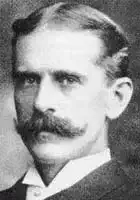
Identification and basic context
Full name: Henry Van Dyke Jr.
Pseudonyms or heteronyms: Not widely known for using pseudonyms or heteronyms.
Date and place of birth (and death, if applicable): Born November 10, 1852, in Germantown, Philadelphia, Pennsylvania, USA. Died April 14, 1933, in Princeton, New Jersey, USA.
Family background, social class, and cultural context of origin: Son of a clergyman, Henry J. Van Dyke, and Henrietta
Ashmead. He came from a family with a strong religious and intellectual tradition. His upbringing was within a comfortable middle-class environment that valued education and religious service.
Nationality and language(s) of writing: American; English.
Historical context in which they lived: Van Dyke lived through a period of significant change in the United States, including the Reconstruction era after the Civil War, the Gilded Age, the Progressive Era, and the beginnings of World War I. This was a time of industrial growth, social reform movements, and evolving American identity.
Childhood and education
Family background and social environment: His father was a prominent Presbyterian minister, which deeply influenced his early life and worldview, instilling in him a strong moral and religious foundation. His family environment was conducive to intellectual pursuits.
Formal education and self-education: He attended the Franklin School in Philadelphia and then the Princeton Preparatory School. He graduated from Princeton University in 1873 and from Princeton Theological Seminary in 1877. He also pursued studies at Johns Hopkins University.
Early influences (readings, culture, religion, politics): His religious upbringing was a primary influence. He was exposed to classical literature and the Bible from a young age. His education at Princeton, a hub of intellectual and religious thought, further shaped his perspectives. His engagement with nature also played a significant role in his creative output.
Literary, philosophical, or artistic movements absorbed: While not strictly aligned with a single movement, his work shows an appreciation for nature and a moralistic tone reminiscent of 19th-century literary traditions. He was also influenced by the Transcendentalist movement's emphasis on nature and spirituality, and by Victorian literature.
Significant events in youth: His decision to pursue a career in the ministry, following in his father's footsteps, was a significant early commitment. His academic achievements at Princeton laid the groundwork for his future career.
Literary trajectory
Beginning of writing (when and how it started): Van Dyke began writing poetry and essays from his early years, often inspired by his observations of nature and his religious faith. His early publications appeared in student journals and religious publications.
Development over time (phases, changes in style): His writing evolved from early devotional poetry and sermons to include more narrative short stories and essays. Later in his career, his work often reflected his travels and his experiences in public service.
Chronological evolution of the work: His career spanned several decades, with notable publications throughout the late 19th and early 20th centuries. His poems and stories often focused on themes of virtue, courage, and the restorative power of nature.
Contributions to magazines, newspapers, and anthologies: He was a frequent contributor to prominent magazines of his time, such as Scribner's Magazine, Harper's Monthly, and The Atlantic Monthly. His works were widely anthologized.
Activity as a critic, translator, or editor: He served as the editor of the religious magazine The Presbyterian and The Princeton Review. He also wrote literary criticism and essays on various subjects.
Works, style, and literary characteristics
Major works with dates and context of production: "The Story of the Other Wise Man" (1896), a Christmas story that became immensely popular; "Little Rivers" (1889), a collection of essays on fishing and nature; "Fisherman's Luck" (1899), another collection of essays.
Dominant themes — love, death, time, nature, identity, homeland, spirituality, etc.: Nature (especially its restorative and spiritual aspects), faith and spirituality, the pursuit of happiness and virtue, the importance of courage and integrity, outdoor life (fishing, camping), patriotism.
Form and structure — use of the sonnet, free verse, fixed forms, metrical experimentation: He wrote poetry in various forms, including lyrical poems and ballads, often with regular meter and rhyme schemes. His prose style was clear, eloquent, and often descriptive.
Poetic devices (metaphor, rhythm, musicality): He employed vivid imagery, particularly in his descriptions of nature. His prose often had a lyrical quality, with attention to rhythm and musicality.
Tone and poetic voice — lyrical, satirical, elegiac, epic, ironic, confessional: His poetic voice was generally earnest, contemplative, and inspirational. It could be lyrical when describing nature or spiritual reflections, and narrative in his stories.
Poetic voice (personal, universal, fragmented, etc.): Often personal in its reflection of his own experiences and beliefs, but also aimed for universal appeal through themes of human virtue and spiritual quest.
Language and style — vocabulary, imagery density, preferred rhetorical devices: His language was refined and eloquent, employing a rich vocabulary. His imagery was often drawn from nature and biblical allusions. He used metaphors, similes, and personification effectively.
Formal or thematic innovations introduced into literature: While not a radical innovator, he excelled at popularizing certain themes and styles, particularly the blend of nature writing with moral and spiritual reflection, and in crafting memorable short allegorical tales.
Relationship with tradition and modernity: He bridged the gap between 19th-century literary traditions (Victorianism, Romanticism) and the changing sensibilities of the early 20th century, often presenting traditional values in accessible ways.
Associated literary movements (e.g., symbolism, modernism): He is generally associated with the late Romantic and Victorian literary traditions, with echoes of Transcendentalism. He was a contemporary of many early Modernist writers but did not fully embrace the movement's experimentalism.
Lesser-known or unpublished works: He published numerous sermons, essays, and poems throughout his life. His academic writings and speeches also form a significant part of his oeuvre.
Cultural and historical context
Relationship with historical events (wars, revolutions, regimes): As a public figure, he served as a patriotic speaker during World War I, delivering speeches that aimed to boost morale and explain American involvement. His "Song-Cycle of the War" reflects this engagement.
Relationship with other writers or literary circles: He was part of the intellectual and literary circles of his time, particularly associated with Princeton University. He corresponded with and knew many prominent writers and thinkers.
Generation or movement to which they belong (e.g., Romanticism, Modernism, Surrealism): He is often seen as a writer of the late Victorian and early Edwardian eras, a successor to the American Romantic tradition, though he was active well into the Modernist period.
Political or philosophical stance: He held generally conservative views on social matters but was a proponent of conservation and national parks. His philosophy was deeply rooted in Christian ethics and a belief in the goodness of humanity and the beauty of God's creation.
Influence of society and culture on the work: The rapidly industrializing and changing American society of his time influenced his themes of finding solace and enduring values in nature and faith. His role as a clergyman and educator also shaped his moralistic tone.
Dialogues and tensions with contemporaries: He engaged with the evolving intellectual landscape, offering a more traditional, faith-based perspective compared to some of the more secular or experimental writers emerging at the time.
Critical reception during life vs. posthumous recognition: During his life, he was a highly popular and respected author, speaker, and public figure. His works were widely read and admired. Posthumously, while still recognized for his contributions, his popularity waned compared to more avant-garde writers, though his nature essays and "The Other Wise Man" remain enduring.
Personal life
Significant emotional and family relationships and how they shaped the work: His marriage to Laura Hibbard in 1879 and their children likely provided personal grounding. His father's influence as a minister was fundamental to his values and literary themes.
Friendships and literary rivalries: He maintained friendships with many literary and academic figures of his time. No significant literary rivalries are widely documented.
Personal experiences and crises, illnesses, or conflicts: He suffered from periods of illness, which may have influenced his contemplative writings on nature and recovery.
Parallel professions (if they did not live solely from poetry): He had a multifaceted career as a Presbyterian minister, professor, diplomat, and public servant, in addition to being a writer. He was appointed Minister to the Netherlands and Luxembourg (1913-1916).
Religious, spiritual, or philosophical beliefs: Deeply religious, a devout Presbyterian, he integrated his Christian faith into his writings, often exploring themes of redemption, divine providence, and the spiritual significance of the natural world.
Political positions and civic engagement: He was an active citizen, serving as a U.S. diplomat and delivering patriotic addresses. He was also involved in conservation efforts and advocated for the establishment of national parks. He was a chaplain for the U.S. Senate.
Recognition and reception
Place in national and international literature: He was a significant figure in American literature during his lifetime, particularly for his short fiction and nature essays. His international recognition came through translations and his diplomatic service.
Awards, distinctions, and institutional recognition: He received honorary degrees from several universities. His appointment as Minister to the Netherlands and Luxembourg was a high diplomatic honor. He was also awarded the French Legion of Honor.
Critical reception at the time and over time: During his lifetime, he was widely celebrated for his accessible style, moral uplift, and evocative descriptions of nature. Critics often praised his eloquence and his ability to blend literary artistry with ethical messages. Posthumously, while appreciated for these qualities, his work is sometimes seen as belonging to an earlier literary era.
Popularity vs. academic recognition: He enjoyed immense popularity among the general reading public. Academically, he is studied as an important figure in American nature writing and in the context of late 19th/early 20th-century American literature, though perhaps less so than more experimental writers.
Influences and legacy
Authors who influenced them: Ralph Waldo Emerson (especially his essays on nature), Henry David Thoreau, and biblical texts were significant influences. He also admired poets like Wordsworth.
Poets and movements they influenced: His clear prose and nature-focused themes may have influenced later nature writers and essayists. His moralistic storytelling left a mark on popular literature.
Impact on national and world literature and on later generations of poets: He contributed to the tradition of American nature writing and popularized a blend of sermon, essay, and narrative. His "The Other Wise Man" became a Christmas classic, influencing generations of readers.
Inclusion in the literary canon: He is generally included in the broader canon of American literature, particularly within the genre of nature writing and early 20th-century prose. He is a staple in collections of American short fiction.
Translations and international dissemination: His works, especially "The Other Wise Man," were translated into many languages, achieving international popularity.
Adaptations (music, theater, film): "The Other Wise Man" has been adapted into films and stage plays.
Academic studies dedicated to the work: While perhaps not as extensively studied as some contemporaries, his work is the subject of academic inquiry concerning American literature, nature writing, and the Gilded Age/Progressive Era literary scene.
Interpretation and critical analysis
Possible readings of the work: His work can be read as an affirmation of traditional Christian values, a celebration of the restorative power of nature, and an exploration of the individual's moral journey. His stories often offer allegorical meanings.
Philosophical and existential themes: Themes of purpose, meaning, the search for the divine in nature, and the importance of living a virtuous life are central. He offers a comforting, faith-based perspective on existence.
Controversies or critical debates: While generally well-regarded, some later critics might view his overt moralizing or traditionalism as dated or overly sentimental. However, he is widely appreciated for his craftsmanship and sincere message.
Curiosities and lesser-known aspects
Lesser-known aspects of personality: Despite his public roles, he was known to be a passionate angler, finding deep personal solace and inspiration in fishing. This pursuit was not just a hobby but a way of life that informed his writing.
Contradictions between life and work: There are few perceived contradictions; his life and work were remarkably consistent in their articulation of his faith, love for nature, and belief in virtuous living.
Significant or anecdotal episodes that illuminate the author’s profile: His eloquent speeches during WWI, which rallied national spirit, showcase his role as a public intellectual and patriot. His deep connection to the outdoors, often recounted in his essays, reveals a more personal, introspective side.
Objects, places, or rituals associated with poetic creation: He was strongly associated with the natural world, particularly rivers, forests, and fishing spots, which served as his muse and writing retreats. He often wrote in a simple, reflective manner, inspired by his surroundings.
Writing habits: He was a disciplined writer, balancing his public duties with his creative output. His essays often stemmed from personal reflections during his time spent in nature.
Curious episodes: His story "The First Christmas Tree" (1897) is also a beloved Christmas classic, rivaling "The Other Wise Man" in its enduring appeal.
Manuscripts, diaries, or correspondence: His extensive correspondence and manuscripts are preserved in various university archives, offering insights into his literary process and personal life.
Death and memory
Circumstances of death: Died of a heart attack at his home in Princeton, New Jersey.
Posthumous publications: His collected works have been published in various editions. Selections of his writings continue to be published in anthologies and collections of American literature.