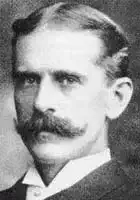
Shelley
Shelley
Knight-errant of the Never-ending Quest,
And Minstrel of the Unfulfilled Desire;
For ever tuning thy frail earthly lyre
To some unearthly music, and possessed
With painful passionate longing to invest
The golden dream of Love's immortal fire
In mortal robes of beautiful attire,
And fold perfection to thy throbbing breast!
What wonder, Shelley, if the restless wave
Should claim thee and the leaping flame consume
Thy drifted form on Viareggio's beach?
Fate to thy body gave a fitting grave,
And bade thy soul ride on with fiery plume,
Thy wild song ring in ocean's yearning speech!
Spring in the South
Spring in the South
Now in the oak the sap of life is welling,
Tho' to the bough the rusty leafage clings;
Now on the elm the misty buds are swelling,
See how the pine-wood grows alive with wings;
Blue-jays fluttering, yodeling and crying,
Meadow-larks sailing low above the faded grass,
Red-birds whistling clear, silent robins flying,--
Who has waked the birds up? What has come to pass?
Last year's cotton-plants, desolately bowing,
Tremble in the March-wind, ragged and forlorn;
Red are the hill-sides of the early ploughing,
Gray are the lowlands, waiting for the corn.
Earth seems asleep still, but she's only feigning;
Deep in her bosom thrills a sweet unrest.
Look where the jasmine lavishly is raining
Jove's golden shower into Danae's breast!
Now on the plum the snowy bloom is sifted,
Now on the peach the glory of the rose,
Over the hills a tender haze is drifted,
Full to the brim the yellow river flows.
Dark cypress boughs with vivid jewels glisten,
Greener than emeralds shining in the sun.
Who has wrought the magic? Listen, sweetheart, listen!
The mocking-bird is singing Spring has begun.
Hark, in his song no tremor of misgiving!
All of his heart he pours into his lay,-"
Love, love, love, and pure delight of living:
Winter is forgotten: here's a happy day!"
Fair in your face I read the flowery presage,
Snowy on your brow and rosy on your mouth:
Sweet in your voice I hear the season's message,--
Love, love, love, and Spring in the South!
Reliance
Reliance
Not to the swift, the race:
Not to the strong, the fight:
Not to the righteous, perfect grace:
Not to the wise, the light.
But often faltering feet
Come surest to the goal;
And they who walk in darkness meet
The sunrise of the soul.
A thousand times by night
The Syrian hosts have died;
A thousand times the vanquished right
Hath risen, glorified.
The truth the wise men sought
Was spoken by a child;
The alabaster box was brought
In trembling hands defiled.
Not from my torch, the gleam,
But from the stars above:
Not from my heart, life's crystal stream,
But from the depths of Love.
Robert Browning
Robert Browning
How blind the toil that burrows like the mole,
In winding graveyard pathways underground,
For Browning's lineage! What if men have found
Poor footmen or rich merchants on the roll
Of his forbears? Did they beget his soul?
Nay, for he came of ancestry renowned
Through all the world, -- the poets laurel-crowned
With wreaths from which the autumn takes no toll.
The blazons on his coat-of-arms are these:
The flaming sign of Shelley's heart on fire,
The golden globe of Shakespeare's human stage,
The staff and scrip of Chaucer's pilgrimage,
The rose of Dante's deep, divine desire,
The tragic mask of wise Euripides.
Peace
Peace
I
IN EXCELSIS
Two dwellings, Peace, are thine.
One is the mountain-height,
Uplifted in the loneliness of light
Beyond the realm of shadows,--fine,
And far, and clear,--where advent of the night
Means only glorious nearness of the stars,
And dawn, unhindered, breaks above the bars
That long the lower world in twilight keep.
Thou sleepest not, and hast no need of sleep,
For all thy cares and fears have dropped away;
The night's fatigue, the fever-fret of day,
Are far below thee; and earth's weary wars,
In vain expense of passion, pass
Before thy sight like visions in a glass,
Or like the wrinkles of the storm that creep
Across the sea and leave no trace
Of trouble on that immemorial face,--
So brief appear the conflicts, and so slight
The wounds men give, the things for which they fight.
Here hangs a fortress on the distant steep,--
A lichen clinging to the rock:
There sails a fleet upon the deep,--
A wandering flock
Of snow-winged gulls: and yonder, in the plain,
A marble palace shines,--a grain
Of mica glittering in the rain.
Beneath thy feet the clouds are rolled
By voiceless winds: and far between
The rolling clouds new shores and peaks are seen,
In shimmering robes of green and gold,
And faint aerial hue
That silent fades into the silent blue.
Thou, from thy mountain-hold,
All day, in tranquil wisdom, looking down
On distant scenes of human toil and strife,
All night, with eyes aware of loftier life,
Uplooking to the sky, where stars are sown,
Dost watch the everlasting fields grow white
Unto the harvest of the sons of light,
And welcome to thy dwelling-place sublime
The few strong souls that dare to climb
The slippery crags and find thee on the height.
II
DE PROFUNDIS
But in the depth thou hast another home,
For hearts less daring, or more frail.
Thou dwellest also in the shadowy vale;
And pilgrim-souls that roam
With weary feet o'er hill and dale,
Bearing the burden and the heat
Of toilful days,
Turn from the dusty ways
To find thee in thy green and still retreat.
Here is no vision wide outspread
Before the lonely and exalted seat
Of all-embracing knowledge. Here, instead,
A little garden, and a sheltered nook,
With outlooks brief and sweet
Across the meadows, and along the brook,--
A little stream that little knows
Of the great sea towards which it gladly flows,--
A little field that bears a little wheat
To make a portion of earth's daily bread.
The vast cloud-armies overhead
Are marshalled, and the wild wind blows
Its trumpet, but thou canst not tell
Whence the storm comes nor where it goes.
Nor dost thou greatly care, since all is well;
Thy daily task is done,
And though a lowly one,
Thou gavest it of thy best,
And art content to rest
In patience till its slow reward is won.
Not far thou lookest, but thy sight is clear;
Not much thou knowest, but thy faith is dear;
For life is love, and love is always near.
Here friendship lights the fire, and every heart,
Sure of itself and sure of all the rest,
Dares to be true, and gladly takes its part
In open converse, bringing forth its best:
Here is Sweet music, melting every chain
Of lassitude and pain:
And here, at last, is sleep, the gift of gifts,
The tender nurse, who lifts
The soul grown weary of the waking world,
And lays it, with its thoughts all furled,
Its fears forgotten, and its passions still,
On the deep bosom of the Eternal Will.
Pan Learns Music
Pan Learns Music
Limber-limbed, lazy god, stretched on the rock,
Where is sweet Echo, and where is your flock?
What are you making here? "Listen," said Pan, -"
Out of a river-reed music for man!"
New Year's Eve
New Year's Eve
I
The other night I had a dream, most clear
And comforting, complete
In every line, a crystal sphere,
And full of intimate and secret cheer.
Therefore I will repeat
That vision, dearest heart, to you,
As of a thing not feigned, but very true,
Yes, true as ever in my life befell;
And you, perhaps, can tell
Whether my dream was really sad or sweet.
II
The shadows flecked the elm-embowered street
I knew so well, long, long ago;
And on the pillared porch where Marguerite
Had sat with me, the moonlight lay like snow.
But she, my comrade and my friend of youth,
Most gaily wise,
Most innocently loved, --
She of the blue-grey eyes
That ever smiled and ever spoke the truth, --
From that familiar dwelling, where she moved
Like mirth incarnate in the years before,
Had gone into the hidden house of Death.
I thought the garden wore
White mourning for her blessed innocence,
And the syringa's breath
Came from the corner by the fence,
Where she had made her rustic seat,
With fragrance passionate, intense,
As if it breathed a sigh for Marguerite.
My heart was heavy with a sense
Of something good forever gone. I sought
Vainly for some consoling thought,
Some comfortable word that I could say
To the sad father, whom I visited again
For the first time since she had gone away.
The bell rang shrill and lonely, -- then
The door was opened, and I sent my name
To him, -- but ah! 't was Marguerite who came!
There in the dear old dusky room she stood
Beneath the lamp, just as she used to stand,
In tender mocking mood.
"You did not ask for me," she said,
"And so I will not let you take my hand;
"But I must hear what secret talk you planned
"With father. Come, my friend, be good,
"And tell me your affairs of state:
"Why you have stayed away and made me wait
"So long. Sit down beside me here, -"
And, do you know, it seemed a year
"Since we have talked together, -- why so late?"
Amazed, incredulous, confused with joy
I hardly dared to show,
And stammering like a boy,
I took the place she showed me at her side;
And then the talk flowed on with brimming tide
Through the still night,
While she with influence light
Controlled it, as the moon the flood.
She knew where I had been, what I had done,
What work was planned, and what begun;
My troubles, failures, fears she understood,
And touched them with a heart so kind,
That every care was melted from my mind,
And every hope grew bright,
And life seemed moving on to happy ends.
(Ah, what self-beggared fool was he
That said a woman cannot be
The very best of friends?)
Then there were memories of old times,
Recalled with many a gentle jest;
And at the last she brought the book of rhymes
We made together, trying to translate
The Songs of Heine (hers were always best).
"Now come," she said,
"To-night we will collaborate
"Again; I'll put you to the test.
"Here's one I never found the way to do, -"
The simplest are the hardest ones, you know, -"
I give this song to you."
And then she read:
Mein kind, wir waren Kinder,
Zei Kinder, jung und froh.
* * * * * * * * * *
But all the while a silent question stirred
Within me, though I dared not speak the word:
"Is it herself, and is she truly here,
"And was I dreaming when I heard
"That she was dead last year?
"Or was it true, and is she but a shade
"Who brings a fleeting joy to eye and ear,
"Cold though so kind, and will she gently fade
"When her sweet ghostly part is played
"And the light-curtain falls at dawn of day?"
But while my heart was troubled by this fear
So deeply that I could not speak it out,
Lest all my happiness should disappear,
I thought me of a cunning way
To hide the question and dissolve the doubt.
"Will you not give me now your hand,
"Dear Marguerite," I asked, "to touch and hold,
"That by this token I may understand
"You are the same true friend you were of old?"
She answered with a smile so bright and calm
It seemed as if I saw new stars arise
In the deep heaven of her eyes;
And smiling so, she laid her palm
In mine. Dear God, it was not cold
But warm with vital heat!
"You live!" I cried, "you live, dear Marguerite!"
Then I awoke; but strangely comforted,
Although I knew again that she was dead.
III
Yes, there's the dream! And was it sweet or sad?
Dear mistress of my waking and my sleep,
Present reward of all my heart's desire,
Watching with me beside the winter fire,
Interpret now this vision that I had.
But while you read the meaning, let me keep
The touch of you: for the Old Year with storm
Is passing through the midnight, and doth shake
The corners of the house, -- man oh! my heart would break
Unless both dreaming and awake
My hand could feel your hand was warm, warm, warm!
National Monuments
National Monuments
Count not the cost of honour to the dead!
The tribute that a mighty nation pays
To those who loved her well in former days
Means more than gratitude for glories fled;
For every noble man that she hath bred,
Lives in the bronze and marble that we raise,
Immortalized by art's immortal praise,
To lead our sons as he our fathers led.
These monuments of manhood strong and high
Do more than forts or battle-ships to keep
Our dear-bought liberty. They fortify
The heart of youth with valour wise and deep;
They build eternal bulwarks, and command
Eternal strength to guard our native land.
Milton
Milton
I
Lover of beauty, walking on the height
Of pure philosophy and tranquil song;
Born to behold the visions that belong
To those who dwell in melody and light;
Milton, thou spirit delicate and bright!
What drew thee down to join the Roundhead throng
Of iron-sided warriors, rude and strong,
Fighting for freedom in a world half night?
Lover of Liberty at heart wast thou,
Above all beauty bright, all music clear:
To thee she bared her bosom and her brow,
Breathing her virgin promise in thine ear,
And bound thee to her with a double vow, --
Exquisite Puritan, grave Cavalier!
II
The cause, the cause for which thy soul resigned
Her singing robes to battle on the plain,
Was won, O poet, and was lost again;
And lost the labour of thy lonely mind
On weary tasks of prose. What wilt thou find
To comfort thee for all the toil and pain?
What solace, now thy sacrifice is vain
And thou art left forsaken, poor, and blind?
Like organ-music comes the deep reply:
"The cause of truth looks lost, but shall be won.
For God hath given to mine inward eye
Vision of England soaring to the sun.
And granted me great peace before I die,
In thoughts of lowly duty bravely done."
III
O bend again above thine organ-board,
Thou blind old poet longing for repose!
Thy Master claims thy service not with those
Who only stand and wait for his reward.
He pours the heavenly gift of song restored
Into thy breast, and bids thee nobly close
A noble life, with poetry that flows
In mighty music of the major chord.
Where hast thou learned this deep, majestic strain,
Surpassing all thy youthful lyric grace,
To sing of Paradise? Ah, not in vain
The griefs that won at Dante's side thy place,
And made thee, Milton, by thy years of pain,
The loftiest poet of the Saxon race!
Music
Music
I
PRELUDE
Daughter of Psyche, pledge of that last night
When, pierced with pain and bitter-sweet delight,
She knew her Love and saw her Lord depart,
Then breathed her wonder and her woe forlorn
Into a single cry, and thou wast born?
Thou flower of rapture and thou fruit of grief;
Invisible enchantress of the heart;
Mistress of charms that bring relief
To sorrow, and to joy impart
A heavenly tone that keeps it undefiled,--
Thou art the child
Of Amor, and by right divine
A throne of love is thine,
Thou flower-folded, golden-girdled, star-crowned Queen,
Whose bridal beauty mortal eyes have never seen!
II
Thou art the Angel of the pool that sleeps,
While peace and joy lie hidden in its deeps,
Waiting thy touch to make the waters roll
In healing murmurs round the weary soul.
Ah, when wilt thou draw near,
Thou messenger of mercy robed in song?
My lonely heart has listened for thee long;
And now I seem to hear
Across the crowded market-place of life,
Thy measured foot-fall, ringing light and clear
Above the unmeaning noises and the unruly strife;
In quiet cadence, sweet and slow,
Serenely pacing to and fro,
Thy far-off steps are magical and dear.
Ah, turn this way, come close and speak to me!
>From this dull bed of languor set my spirit free,
And bid me rise, and let me walk awhile with thee
III
Where wilt thou lead me first?
In what still region
Of thy domain,
Whose provinces are legion,
Wilt thou restore me to myself again,
And quench my heart's long thirst?
I pray thee lay thy golden girdle down,
And put away thy starry crown:
For one dear restful hour
Assume a state more mild.
Clad only in thy blossom-broidered gown
That breathes familiar scent of many a flower,
Take the low path that leads thro' pastures green;
And though thou art a Queen,
Be Rosamund awhile, and in thy bower,
By tranquil love and simple joy beguiled,
Sing to my soul, as mother to her child.
IV
O lead me by the hand,
And let my heart have rest,
And bring me back to childhood land,
To find again the long-lost band
Of playmates blithe and blest.
Some quaint, old-fashioned air,
That all the children knew,
Shall run before us everywhere,
Like a little maid with flying hair,
To guide the merry crew.
Along the garden ways
We chase the light-foot tune,
And in and out the flowery maze,
With eager haste and fond delays,
In pleasant paths of June.
For us the fields are new,
For us the woods are rife
With fairy secrets, deep and true,
And heaven is but a tent of blue
Above the game of life.
The world is far away:
The fever and the fret,
And all that makes the heart grow gray,
Is out of sight and far away,
Dear Music, while I hear thee play
That olden, golden roundelay,
"Remember and forget!"
V
SLEEP SONG
Forget, forget!
The tide of life is turning;
The waves of light ebb slowly down the west:
Along the edge of dark some stars are burning
To guide thy spirit safely to an isle of rest.
A little rocking on the tranquil deep
Of song, to soothe thy yearning,
A little slumber and a little sleep,
And so, forget, forget!
Forget, forget,--
The day was long in pleasure;
Its echoes die away across the hill;
Now let thy heart beat time to their slow measure
That swells, and sinks, and faints, and falls, till all is still.
Then, like a weary child that loves to keep
Locked in its arms some treasure,
Thy soul in calm content shall fall asleep,
And so forget, forget.
Forget, forget,--
And if thou hast been weeping,
Let go the thoughts that bind thee to thy grief:
Lie still, and watch the singing angels, reaping
The golden harvest of thy sorrow, sheaf by sheaf;
Or count thy joys like flocks of snow-white sheep
That one by one come creeping
Into the quiet fold, until thou sleep,
And so forget, forget!
Forget, forget,--
Thou art a child and knowest
So little of thy life! But music tells
One secret of the world thro' which thou goest
To work with morning song, to rest with evening bells:
Life is in tune with harmony so deep
That when the notes are lowest
Thou still canst lay thee down in peace and sleep,
For God will not forget.
VI
HUNTING SONG
Out of the garden of playtime, out of the bower of rest,
Fain would I follow at daytime, music that calls to a quest.
Hark, how the galloping measure
Quickens the pulses of pleasure;
Gaily saluting the morn
With the long clear note of the hunting-horn
Echoing up from the valley,
Over the mountain side,--
Rally, you hunters, rally,
Rally, and ride!
Drink of the magical potion music has mixed with her wine,
Full of the madness of motion, joyful, exultant, divine!
Leave all your troubles behind you,
Ride where they never can find you,
Into the gladness of morn,
With the long, clear note of the hunting-horn,
Swiftly o'er hillock and hollow,
Sweeping along with the wind,--
Follow, you hunters, follow,
Follow and find!
What will you reach with your riding? What is the charm of the chase?
Just the delight and the striding swing of the jubilant pace.
Danger is sweet when you front her,--
In at the death, every hunter!
Now on the breeze the mort is borne
In the long, clear note of the hunting-horn,
Winding merrily, over and over,--
Come, come, come!
Home again, Ranger! home again, Rover!
Turn again, home!
VII
DANCE-MUSIC
Now let the sleep-tune blend with the play-tune,
Weaving the mystical spell of the dance;
Lighten the deep tune, soften the gay tune,
Mingle a tempo that turns in a trance.
Half of it sighing, half of it smiling,
Smoothly it swings, with a triplicate beat;
Calling, replying, yearning, beguiling,
Wooing the heart and bewitching the feet.
Every drop of blood
Rises with the flood,
Rocking on the waves of the strain;
Youth and beauty glide
Turning with the tide--
Music making one out of twain,
Bearing them away, and away, and away,
Like a tone and its terce--
Till the chord dissolves, and the dancers stay,
And reverse.
Violins leading, take up the measure,
Turn with the tune again,--clarinets clear
Answer their pleading,--harps full of pleasure
Sprinkle their silver like light on the mere.
Semiquaver notes,
Merry little motes,
Tangled in the haze
Of the lamp's golden rays,
Quiver everywhere
In the air,
Like a spray,--
Till the fuller stream of the might of the tune,
Gliding like a dream in the light of the moon,
Bears them all away, and away, and away,
Floating in the trance of the dance.
Then begins a measure stately,
Languid, slow, serene;
All the dancers move sedately,
Stepping leisurely and straitly,
With a courtly mien;
Crossing hands and changing places,
Bowing low between,
While the minuet inlaces
Waving arms and woven paces,--
Glittering damaskeen.
Where is she whose form is folden
In its royal sheen?
>From our longing eyes withholden
By her mystic girdle golden,
Beauty sought but never seen,
Music walks the maze, a queen.
VIII
THE SYMPHONY
Music, they do thee wrong who say thine art
Is only to enchant the sense.
For every timid motion of the heart,
And every passion too intense
To bear the chain of the imperfect word,
And every tremulous longing, stirred
By spirit winds that come we know not whence
And go we know not where,
And every inarticulate prayer
Beating about the depths of pain or bliss,
Like some bewildered bird
That seeks its nest but knows not where it is,
And every dream that haunts, with dim delight,
The drowsy hour between the day and night,
The wakeful hour between the night and day,--
Imprisoned, waits for thee,
Impatient, yearns for thee,
The queen who comes to set the captive free
Thou lendest wings to grief to fly away,
And wings to joy to reach a heavenly height;
And every dumb desire that Storms within the breast
Thou leadest forth to sob or sing itself to rest.
All these are thine, and therefore love is thine.
For love is joy and grief,
And trembling doubt, and certain-sure belief,
And fear, and hope, and longing unexpressed,
In pain most human, and in rapture brief
Almost divine.
Love would possess, yet deepens when denied;
And love would give, yet hungers to receive;
Love like a prince his triumph would achieve;
And like a miser in the dark his joys would hide.
Love is most bold:
He leads his dreams like armed men in line;
Yet when the siege is set, and he must speak,
Calling the fortress to resign
Its treasure, valiant love grows weak,
And hardly dares his purpose to unfold.
Less with his faltering lips than with his eyes
He claims the longed-for prize:
Love fain would tell it all, yet leaves the best untold.
But thou shalt speak for love. Yea, thou shalt teach
The mystery of measured tone,
The Pentecostal speech
That every listener heareth as his own.
For on thy head the cloven tongues of fire,--
Diminished chords that quiver with desire,
And major chords that glow with perfect peace,--
Have fallen from above;
And thou canst give release
In music to the burdened heart of love.
Sound with the 'cellos' pleading, passionate strain
The yearning theme, and let the flute reply
In placid melody, while violins complain,
And sob, and sigh,
With muted string;
Then let the oboe half-reluctant sing
Of bliss that trembles on the verge of pain,
While 'cellos plead and plead again,
With throbbing notes delayed, that would impart
To every urgent tone the beating of the heart.
So runs the andante, making plain
The hopes and fears of love without a word.
Then comes the adagio, with a yielding theme
Through which the violas flow soft as in a dream,
While horns and mild bassoons are heard
In tender tune, that seems to float
Like an enchanted boat
Upon the downward-gliding stream,
Toward the allegro's wide, bright sea
Of dancing, glittering, blending tone,
Where every instrument is sounding free,
And harps like wedding-chimes are rung, and trumpets blown
Around the barque of love
That sweeps, with smiling skies above,
A royal galley, many-oared,
Into the happy harbour of the perfect chord.
IX
IRIS
Light to the eye and Music to the ear,--
These are the builders of the bridge that springs
>From earths's dim shore of half-remembered things
To reach the spirit's home, the heavenly sphere
Where nothing silent is and nothing dark.
So when I see the rainbow's arc
Spanning the showery sky, far-off I hear
Music, and every colour sings:
And while the symphony builds up its round
Full sweep of architectural harmony
Above the tide of Time, far, far away I see
A bow of colour in the bow of sound.
Red as the dawn the trumpet rings,
Imperial purple from the trombone flows,
The mellow horn melts into evening rose.
Blue as the sky, the choir of strings
Darkens in double-bass to ocean's hue,
Rises in violins to noon-tide's blue,
With threads of quivering light shot through and through.
Green as the mantle that the summer flings
Around the world, the pastoral reeds in time
Embroider melodies of May and June.
Yellow as gold,
Yea, thrice-refined gold,
And purer than the treasures of the mine,
Floods of the human voice divine
Along the arch in choral song are rolled.
So bends the bow complete:
And radiant rapture flows
Across the bridge, so full, so strong, so sweet,
That the uplifted spirit hardly knows
Whether the Music-Light that glows
Within the arch of tones and colours seven
Is sunset-peace of earth, or sunrise-joy of Heaven.
X
SEA AND SHORE
Music, I yield to thee;
As swimmer to the sea
I give my Spirit to the flood of song:
Bear me upon thy breast
In rapture and at rest,
Bathe me in pure delight and make me strong;
From strife and struggle bring release,
And draw the waves of passion into tides of peace.
Remember'd songs, most dear,
In living songs I hear,
While blending voices gently swing and sway
In melodies of love,
Whose mighty currents move,
With singing near and singing far away;
Sweet in the glow of morning light,
And sweeter still across the starlit gulf of night.
Music, in thee we float,
And lose the lonely note
Of self in thy celestial-ordered strain,
Until at last we find
The life to love resigned
In harmony of joy restored again;
And songs that cheered our mortal days
Break on the coast of light in endless hymns of praise.