

Authors List
Browse our collection of authors
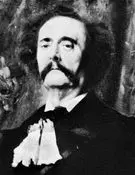
Jules Amédée Barbey d'Aurevilly

1808-11-02 – 1889-04-23
Jules Amédée Barbey d'Aurevilly was a French writer and literary critic, known for his grandiloquent style and his works that explore dark themes and the hidden side of society. He was an important figure of late Romanticism and Parnassianism, with a strong inclination towards Catholicism and traditionalism.
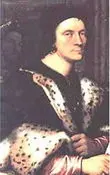
Arcipreste de Hita

1283 – 1350
Juan Ruiz, known as the Archpriest of Hita, was a 14th-century Spanish cleric and poet. He is famous for his work "Libro de buen amor" (Book of Good Love), a collection of tales, poems, and fables that mixes the sacred and the profane. The work is considered a landmark in Spanish medieval literature, standing out for its humor, sensuality, and social criticism.
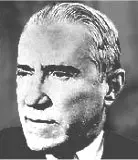
José Gorostiza

1901-11-10 – 1973-03-16
José Gorostiza was a Mexican poet, essayist, and diplomat, born in Villahermosa, Tabasco, on November 10, 1901. He is considered one of the central figures of 20th-century Mexican poetry, known for his work "Epitalamio del insomne" and his participation in the "Contemporáneos" group. His poetic work is marked by philosophical reflection, the search for meaning, and the exploration of the human condition. In addition to his literary career, Gorostiza played an important role in Mexican diplomacy, serving in various representations abroad.

José Luis Hidalgo
1919-10-10 – 1947-02-03
José Luis Hidalgo was a Spanish poet, born in Torrelavega, Cantabria, on October 10, 1919. He is considered one of the most important poets of the Generation of 1936, known for his lyrical and existential poetry. His work, especially "Las razas del agua", is marked by a deep sensitivity and an innovative language, exploring themes such as love, death, and solitude.
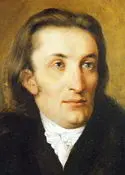
Johann Peter Eckermann

1792-09-21 – 1854-12-03
Johann Peter Eckermann was a German poet and writer, best known for his work as secretary and close friend of Johann Wolfgang von Goethe. Born in Winsen, Lower Saxony, Eckermann dedicated himself to recording and publishing Goethe's conversations and thoughts, preserving a valuable testimony of his life and work.
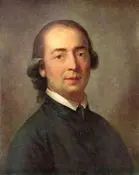
Johann Gottfried von Herder
1744-08-25 – 1803-12-18
Johann Gottfried von Herder was an influential German theologian, philosopher, poet, and literary critic of the Enlightenment. Born in Mohrungen, East Prussia, Herder is widely recognized for his contributions to the philosophy of language, anthropology, and aesthetic theory. He advocated the idea that language is intrinsically linked to the culture and thought of a people, and that each nation possesses a unique and valuable cultural identity.

J. M. G. Le Clézio
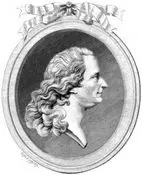
Johan Henrik Kellgren

1751-12-01 – 1795-04-20
Johan Henrik Kellgren was a Swedish poet and writer, a prominent figure of the Gustavian era. He was a member of the Swedish Academy and known for his witty and satirical poetry, as well as his contributions to journalism. Kellgren's work often reflected Enlightenment ideals and engaged with contemporary social and political issues. He is considered one of Sweden's most important poets of the 18th century.
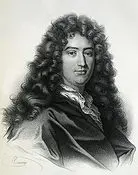
Jean-François Regnard
1655-02-07 – 1709-09-04
Jean-François Regnard was a French playwright, known for his comedies. He traveled extensively, which influenced his work.

Jean-Baptiste-Louis Gresset
1709-08-29 – 1777-06-16
Jean-Baptiste-Louis Gresset was a French poet and playwright. Born in Amiens, he is known for his work 'Vert-Vert', a satirical poem that brought him considerable fame.
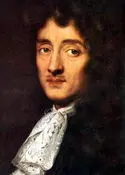
Jean Racine
1639-12-22 – 1699-04-21
Jean Racine was a renowned French playwright, considered one of the three great playwrights of the 17th century in France, alongside Molière and Corneille. He is widely celebrated for his classical tragedies, which are distinguished by their psychological depth, purity of style, and the intensity of human passions.
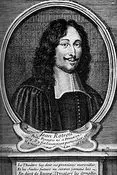
Jean Rotrou
1609-08-21 – 1650-06-28
Jean Rotrou was a 17th-century French playwright, known for his tragedies and comedies. He is considered one of the successors of Pierre Corneille in French theater. His work is marked by classical themes and the exploration of human passions.
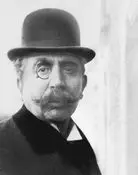
Jean Moréas
1856-04-15 – 1910-04-30
Jean Moréas was a Greek poet who became a naturalized French citizen, known for being one of the founders of Symbolism in poetry. Born in Athens, he moved to Paris where he became a prominent figure in literary circles, contributing to the renewal of poetic expression in France.

Jean Paulhan

Jean-Antoine de Baïf
1532-02-19 – 1589-09-19
Jean-Antoine de Baïf was a French poet and scholar, a founding member of the 'Pléiade', a group of poets who sought to revitalize French poetry. He is known for his metric innovations and for attempting to reform the French language in poetry, introducing verses with regular meters inspired by classical antiquity.
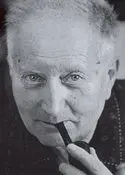
Jean Giono
1895-03-30 – 1970-10-09
Jean Giono was a prominent French writer, known for his works that celebrate nature, country life, and simplicity. His stories often depict characters who distance themselves from modern civilization to rediscover a more authentic way of life in harmony with the natural world.
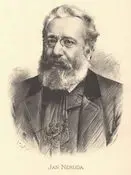
Jan Neruda

1834-07-09 – 1891-08-22
Jan Neruda was a prominent Czech writer, journalist, and poet, considered one of the central figures of the Czech literary movement in the second half of the 19th century. His work portrays the daily life, customs, and social transformations of Prague, with a sharp eye for the nuances of the human soul.

Jan Greshoff

1888-12-15 – 1971-03-19
Jan Greshoff was a Dutch poet, writer, and literary critic. Known for his lyrical works and his activity as a critic, he played an active role in the literary life of the Netherlands.
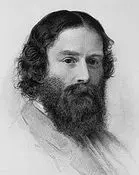
James Russell Lowell

1819-02-22 – 1891-08-12
James Russell Lowell was an American poet, critic, editor, and diplomat. He is remembered for his satirical and patriotic poetry, as well as for his significant contributions to literary criticism and abolitionist activism.
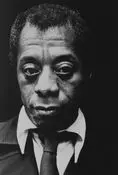
James Baldwin
1924-08-02 – 1987-12-01
James Baldwin was a prominent American writer and activist, known for his poignant essays and novels that explored racial and sexual complexities in America. His work frequently addressed themes such as racism, homosexuality, and the human condition, with powerful and passionate prose.
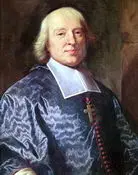
Jacques Bossuet
1627-09-27 – 1704-04-12
Jacques-Bénigne Bossuet was a sacred orator, theologian, and French writer, considered one of the greatest masters of rhetoric in the Catholic Church. Born in Dijon, he distinguished himself as a preacher at the court of Louis XIV, where he developed his eloquence and erudition. His work includes sermons, funeral orations, and theological treatises, noted for their grand style and defense of absolute monarchy and the divine right of kings.
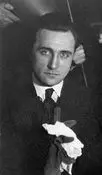
Jacques Rigaut
1898-12-30 – 1929-11-06
Jacques-Bénigne Bossuet (1627-1704) was a prominent French orator, theologian, and bishop, known for his eloquent sermons and writings that defended the theory of the divine right of kings. He served as preceptor to the Dauphin, son of Louis XIV, and his works had considerable influence on the politics and religion of his time. Bossuet is considered one of the greatest masters of French rhetoric.
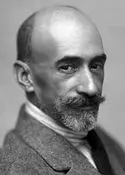
Jacinto Benavente
1866-08-12 – 1954-07-14
Jacinto Benavente was a Spanish dramatist and novelist, widely regarded as one of Spain's leading playwrights of the early 20th century. He was awarded the Nobel Prize in Literature in 1922.
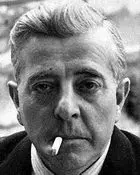
Jacques Prévert
1900-02-04 – 1977-04-11
Jacques Prévert (1900-1977) was a French poet and screenwriter, known for his lyrical and accessible work, which frequently addressed social, romantic, and everyday themes. His poems, marked by a colloquial and surrealist style, gained immense popularity, especially with the publication of 'Paroles' in 1946. As a screenwriter, he collaborated with filmmakers like Marcel Carné, creating French cinema classics.