
Browse our collection of authors
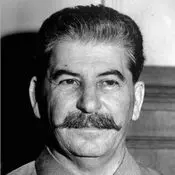
Josef Stalin
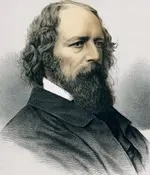
Alfred Lord Tennyson
1809-08-06 – 1892-10-06
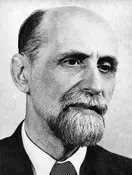
Juan Ramón Jiménez

1881-12-23 – 1958-05-29
Juan Ramón Jiménez was a Spanish poet, awarded the Nobel Prize in Literature in 1956. His work, profoundly marked by symbolism and the desire for "pure poetry," evolved towards an incessant search for beauty and transcendence. His poetry explores themes such as nature, spirituality, love, and the very essence of poetry, with a refined, musical, and visionary style. He is considered one of the great renovators of 20th-century Spanish poetry.
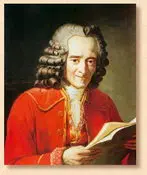
Voltaire

1694-11-21 – 1778-05-30
Voltaire was a prolific French writer, historian, and philosopher, a central figure of the Enlightenment. Known for his sharp intellect, sense of humor, and advocacy for freedom of speech, he vehemently criticized religious intolerance and the tyranny of the aristocracy and clergy of his time. His vast work spans poetry, essays, plays, correspondence, and philosophical texts, exerting a profound influence on Western thought.
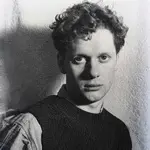
Dylan Thomas

1914-10-27 – 1953-11-09
Dylan Thomas was a celebrated Welsh poet whose vivid imagery, lyrical intensity, and unique use of language captivated readers worldwide. His work, often characterized by its passionate exploration of life, death, love, and nature, combined a deep connection to his Welsh heritage with a modernist sensibility. Despite a tragically short and often tumultuous life, his poems possess an enduring power and musicality that have secured his place as one of the 20th century's most important poets.
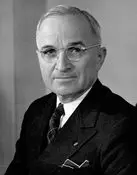
Harry S. Truman

H. L. Mencken
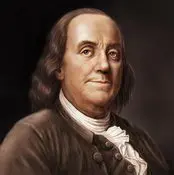
Benjamin Franklin
1706-01-17 – 1790-04-17
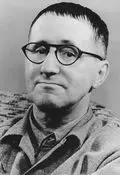
Bertolt Brecht

1898-02-10 – 1956-08-14
Bertolt Brecht was a highly influential German playwright, poet, and theatre director. He is renowned for his pioneering work in epic theatre, which aimed to provoke critical thought rather than emotional immersion. His writings often carried strong political and social messages, critiquing capitalism, war, and injustice. Brecht's innovative techniques, such as the alienation effect (Verfremdungseffekt), revolutionized modern theatre.

Mahatma Gandhi

1869-10-02 – 1948-01-30
Mahatma Gandhi was one of the most prominent leaders of India's independence movement against British rule. He was a tireless advocate of nonviolent resistance (Satyagraha) and civil disobedience, principles he successfully applied to achieve his country's freedom. His legacy transcends politics, inspiring civil rights and freedom movements worldwide.
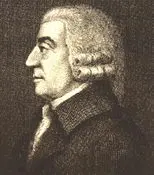
Adam Smith
1723-06-05 – 1790-07-17
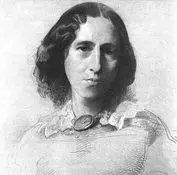
George Eliot
1819-11-22 – 1880-12-22
George Eliot is the pseudonym of Mary Ann Evans, a prominent English novelist of the Victorian era. Eliot is celebrated for her profound psychological insight, moral complexity, and realistic portrayal of English provincial life. Her works often explore themes of morality, religion, determinism, and the position of women in society.
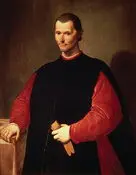
Niccolò Machiavelli
1469-05-03 – 1527-06-21
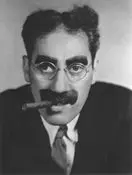
Groucho Marx
1890-10-02 – 1977-08-19
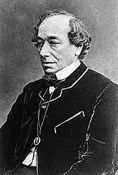
Benjamin Disraeli
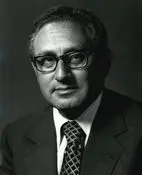
Henry Kissinger
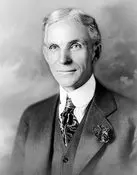
Henry Ford
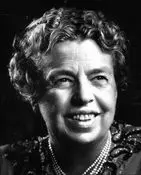
Eleanor Roosevelt
1884-10-11 – 1962-11-07
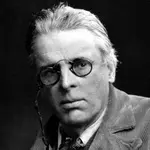
William Butler Yeats

1865-06-13 – 1939-01-28
William Butler Yeats was a prominent Irish poet, playwright, and mystic, widely regarded as one of the greatest poets of the 20th century. His early work was deeply influenced by Irish mythology and folklore, and he was a key figure in the Irish Literary Revival. Over his career, his style evolved, becoming more personal, symbolic, and philosophical, grappling with themes of love, aging, politics, and the spiritual life. Yeats's poetry is characterized by its rich imagery, musicality, and intellectual depth. He explored the complexities of the human condition, the nature of art, and the turbulent history of Ireland. His later works, in particular, are known for their aphoristic power and profound meditations on life and mortality. He received the Nobel Prize in Literature in 1923, solidifying his international literary stature.
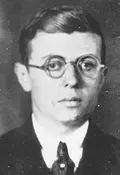
Jean-Paul Sartre
1905-06-21 – 1980-04-15
Jean-Paul Sartre was a French philosopher, writer, playwright, and literary critic, a central figure of atheistic existentialism. His vast and multifaceted work explores human freedom, individual responsibility, bad faith, and social commitment. Sartre rejected the Nobel Prize in Literature, advocating for a stance of refusal of bourgeois institutions. His thought profoundly influenced 20th-century philosophy, literature, and political debate, marking a generation with his emphasis on autonomy and the need for intervention in the world.
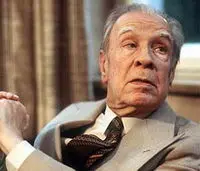
Jorge Luis Borges

1899-08-24 – 1986-06-14
Jorge Luis Borges was an Argentine writer, poet, essayist, and translator. His work is characterized by its philosophical depth, intricate plots, and exploration of themes such as time, infinity, identity, and the nature of reality. Borges is considered one of the most significant literary figures of the 20th century, renowned for his innovative use of literary devices and his profound influence on postmodern literature.
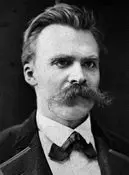
Friedrich Nietzsche
1844-10-15 – 1900-08-25
Friedrich Nietzsche was an influential German philosopher, philologist, and cultural critic. His work addresses themes such as morality, religion, truth, art, and the human condition, with a radical critique of traditional Western values. He is known for concepts such as the "death of God", the "superman" (Übermensch), and the "will to power" (Wille zur Macht). His writing is marked by an aphoristic and provocative style, which challenges the reader to rethink their beliefs and values.
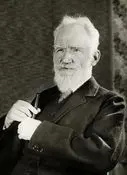
George Bernard Shaw
1856-07-26 – 1950-11-02
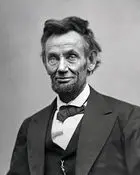
Abraham Lincoln
1809-02-12 – 1865-04-15