
Browse our collection of authors
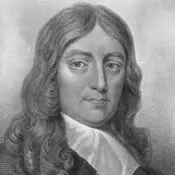
John Milton

1608-12-09 – 1674-11-08
John Milton was an English poet, polemicist, and civil servant for the Commonwealth of England under Oliver Cromwell. He is best known for his epic poem "Paradise Lost," one of the greatest works of English literature. Milton's work is characterized by its grand scope, theological depth, and masterful use of blank verse. His life and work were deeply intertwined with the political and religious turmoil of 17th-century England. Despite facing significant personal challenges, including blindness, Milton produced a body of work that continues to be studied and admired for its intellectual rigor and poetic artistry.

H. L. Mencken
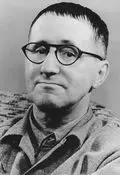
Bertolt Brecht

1898-02-10 – 1956-08-14
Bertolt Brecht was a highly influential German playwright, poet, and theatre director. He is renowned for his pioneering work in epic theatre, which aimed to provoke critical thought rather than emotional immersion. His writings often carried strong political and social messages, critiquing capitalism, war, and injustice. Brecht's innovative techniques, such as the alienation effect (Verfremdungseffekt), revolutionized modern theatre.
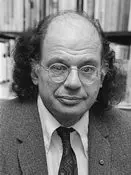
Allen Ginsberg

1926-06-03 – 1997-04-05
Allen Ginsberg was a pioneering American poet and a central figure of the Beat Generation. His work is characterized by its raw, confessional style, prophetic voice, and exploration of themes such as spirituality, sexuality, political dissent, and the critique of American materialism. He was a prominent activist, advocating for civil rights, environmental protection, and nuclear disarmament. His most famous poem, "Howl," became a symbol of countercultural rebellion and freedom of expression.
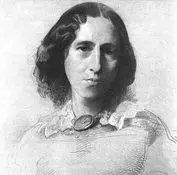
George Eliot
1819-11-22 – 1880-12-22
George Eliot is the pseudonym of Mary Ann Evans, a prominent English novelist of the Victorian era. Eliot is celebrated for her profound psychological insight, moral complexity, and realistic portrayal of English provincial life. Her works often explore themes of morality, religion, determinism, and the position of women in society.
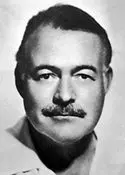
Ernest Hemingway
1899-07-21 – 1961-07-02
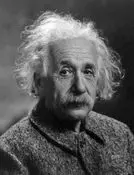
Albert Einstein
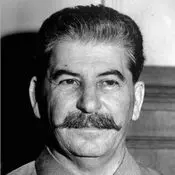
Josef Stalin
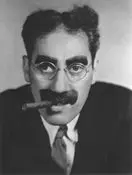
Groucho Marx
1890-10-02 – 1977-08-19
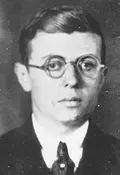
Jean-Paul Sartre

1905-06-21 – 1980-04-15
Jean-Paul Sartre was a French philosopher, writer, playwright, and literary critic, a central figure of atheistic existentialism. His vast and multifaceted work explores human freedom, individual responsibility, bad faith, and social commitment. Sartre rejected the Nobel Prize in Literature, advocating for a stance of refusal of bourgeois institutions. His thought profoundly influenced 20th-century philosophy, literature, and political debate, marking a generation with his emphasis on autonomy and the need for intervention in the world.

Warren Buffett
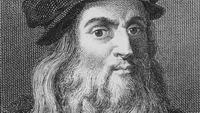
Leonardo da Vinci
1452-04-15 – 1519-05-02
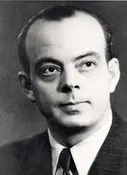
Antoine de Saint-Exupéry
1900-06-29 – 1944-07-31
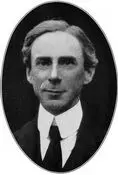
Bertrand Russell
1872-05-18 – 1970-02-02

Adlai Stevenson
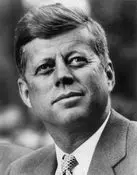
John F. Kennedy
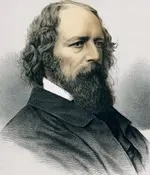
Alfred Lord Tennyson
1809-08-06 – 1892-10-06
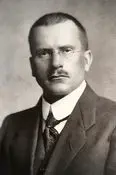
Carl Jung
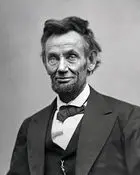
Abraham Lincoln
1809-02-12 – 1865-04-15
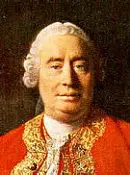
David Hume
1711-05-11 – 1629-01-01
David Hume was a Scottish philosopher, historian, economist, and essayist, considered one of the most important figures of the Scottish Enlightenment and Western philosophy. He is widely recognized as an empiricist and a radical skeptic. His works had a profound influence on the development of philosophy, especially in the areas of epistemology and philosophy of mind.
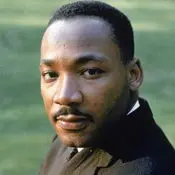
Martin Luther King Jr.
1929-01-15 – 1968-04-04
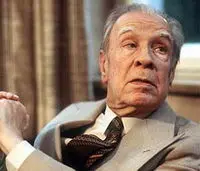
Jorge Luis Borges

1899-08-24 – 1986-06-14
Jorge Luis Borges was an Argentine writer, poet, essayist, and translator. His work is characterized by its philosophical depth, intricate plots, and exploration of themes such as time, infinity, identity, and the nature of reality. Borges is considered one of the most significant literary figures of the 20th century, renowned for his innovative use of literary devices and his profound influence on postmodern literature.
Benjamin Disraeli
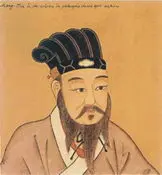
Confúcio
0552-10-09 – 0479-03-09