
Browse our collection of authors
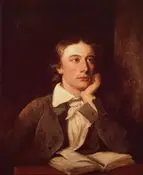
John Keats

1795-10-31 – 1821-02-23
John Keats was a leading figure of the second generation of English Romantic poets. Despite a short life, his prolific output of some of the most celebrated odes and sonnets in the English language profoundly impacted literature. His poetry is renowned for its sensory richness, exploration of beauty, and philosophical depth, often delving into themes of love, mortality, and the transient nature of existence. Keats's work, though not widely appreciated during his lifetime, is now considered a cornerstone of Romantic literature, celebrated for its exquisite craftsmanship and emotional intensity.
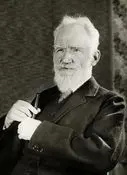
George Bernard Shaw
1856-07-26 – 1950-11-02
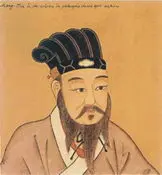
Confúcio
0552-10-09 – 0479-03-09
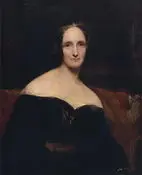
Percy Bysshe Shelley
1792-08-04 – 1822-07-08
Percy Bysshe Shelley was a prominent English Romantic poet, known for his lyrical, passionate, and often radical verse. Alongside contemporaries like Lord Byron and John Keats, he is considered one of the most influential poets of the second generation of English Romanticism. His poetry frequently explores themes of political liberty, social justice, nature, and the ephemeral nature of beauty and life, often infused with a revolutionary spirit and a yearning for an idealized world.
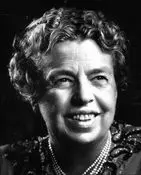
Eleanor Roosevelt
1884-10-11 – 1962-11-07
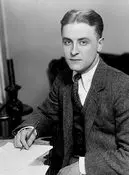
F. Scott Fitzgerald
1896-09-24 – 1940-12-21
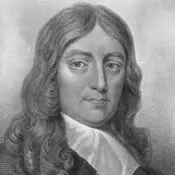
John Milton
1608-12-09 – 1674-11-08
John Milton was an English poet, polemicist, and civil servant for the Commonwealth of England under Oliver Cromwell. He is best known for his epic poem "Paradise Lost," one of the greatest works of English literature. Milton's work is characterized by its grand scope, theological depth, and masterful use of blank verse. His life and work were deeply intertwined with the political and religious turmoil of 17th-century England. Despite facing significant personal challenges, including blindness, Milton produced a body of work that continues to be studied and admired for its intellectual rigor and poetic artistry.
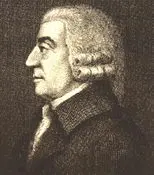
Adam Smith
1723-06-05 – 1790-07-17
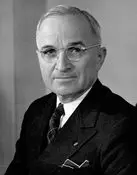
Harry S. Truman
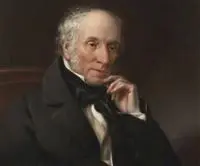
William Wordsworth
1770-04-07 – 1850-04-23
William Wordsworth was a pivotal English poet who, along with Samuel Taylor Coleridge, helped launch the Romantic Age in English literature. His poetry is deeply rooted in the natural world, often exploring themes of memory, imagination, and the spiritual connection between humanity and nature. He is celebrated for his lyrical intensity, his profound empathy, and his ability to find extraordinary beauty and meaning in the ordinary experiences of life.
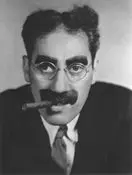
Groucho Marx
1890-10-02 – 1977-08-19

Walt Whitman

1819-05-31 – 1892-03-26
Walt Whitman was an American poet, essayist, journalist, and a deliberate humanist who became one of the most influential figures in American poetry. He is often called the "father of free verse." His seminal work, "Leaves of Grass," was a radical departure from the conventional poetry of its time, celebrating the individual, democracy, the body, and the spirit in expansive, cataloging lines. Whitman's poetry embraced a wide range of subjects, from the natural world and urban life to the experiences of laborers and soldiers. His work is characterized by its inclusive spirit, its celebration of the sensual and the spiritual, and its democratic vision. He sought to capture the diverse American experience in all its complexity and vitality, making him a truly unique voice in literature.
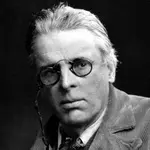
William Butler Yeats

1865-06-13 – 1939-01-28
William Butler Yeats was a prominent Irish poet, playwright, and mystic, widely regarded as one of the greatest poets of the 20th century. His early work was deeply influenced by Irish mythology and folklore, and he was a key figure in the Irish Literary Revival. Over his career, his style evolved, becoming more personal, symbolic, and philosophical, grappling with themes of love, aging, politics, and the spiritual life. Yeats's poetry is characterized by its rich imagery, musicality, and intellectual depth. He explored the complexities of the human condition, the nature of art, and the turbulent history of Ireland. His later works, in particular, are known for their aphoristic power and profound meditations on life and mortality. He received the Nobel Prize in Literature in 1923, solidifying his international literary stature.
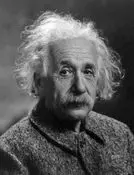
Albert Einstein

Adlai Stevenson
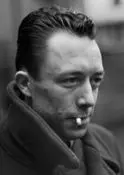
Albert Camus
1913-11-07 – 1960-01-04
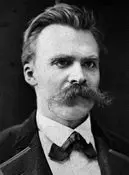
Friedrich Nietzsche

1844-10-15 – 1900-08-25
Friedrich Nietzsche was an influential German philosopher, philologist, and cultural critic. His work addresses themes such as morality, religion, truth, art, and the human condition, with a radical critique of traditional Western values. He is known for concepts such as the "death of God", the "superman" (Übermensch), and the "will to power" (Wille zur Macht). His writing is marked by an aphoristic and provocative style, which challenges the reader to rethink their beliefs and values.
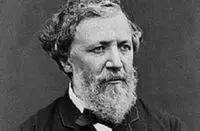
Robert Browning
1812-05-07 – 1889-12-12
Robert Browning was a prominent English poet and playwright whose mastery of the dramatic monologue and keen psychological insight made him one of the most influential figures of the Victorian era. His work often delves into complex characters and moral dilemmas, exploring the depths of human nature with a distinctive, vigorous style. Browning's expansive vocabulary, intricate plotting, and philosophical bent continue to fascinate readers and scholars alike.
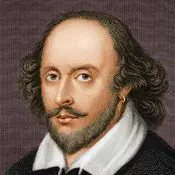
William Shakespeare
1564-04-23 – 1616-04-23
William Shakespeare is widely regarded as the greatest writer in the English language and the world's pre-eminent dramatist. His vast body of work, including tragedies, comedies, histories, and sonnets, explores the complexities of human nature with unparalleled depth and linguistic richness. His plays continue to be performed and studied globally, making him a timeless figure in literature and theatre.
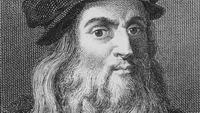
Leonardo da Vinci
1452-04-15 – 1519-05-02
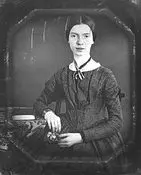
Emily Dickinson
1830-12-10 – 1886-05-15
Emilly Elizabeth Dickinson was an American poet, considered modern in various aspects of her work.
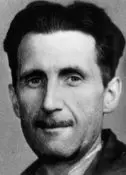
George Orwell
1903-06-25 – 1950-01-21
George Orwell, pseudonym of Eric Arthur Blair, was an English novelist, essayist, and journalist. He is widely known for his works of dystopian fiction, with strong social and political criticism. His most famous works, "Animal Farm" and "1984", explore themes of totalitarianism, surveillance, and the manipulation of truth, becoming references in world literature. Orwell also stood out for his investigative journalism and his engagement in social causes.
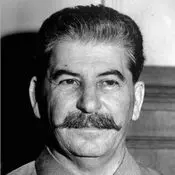
Josef Stalin
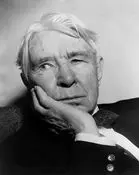
Carl Sandburg
1878-01-06 – 1967-07-22
Carl Sandburg was an American poet, historian, novelist, and lexicographer. He is considered one of the most important American poets of the 20th century, known for his free verse and his focus on the American working class and the landscapes of the American Midwest. His poetry often celebrated the common man and the industrial might of America, earning him a reputation as the "poet of the people." Beyond his poetry, Sandburg was also a prolific biographer, most notably of Abraham Lincoln, and a collector of folklore and songs.