Poem of the day

Grass

Carl Sandburg
Pile the bodies high at Austerlitz and Waterloo.
Shovel them under and let me work
-I am the grass; I cover all.

And pile them high at Gettysburg
And pile them high at Ypres and Verdun.
Shovel them under and let me work.
Two years, ten years, and the passengers ask the conductor:

What place is this?
Where are we now?

I am the grass.
Let me work.
Read full poem

Born on this day

4
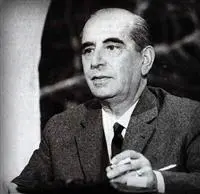
Pedro Homem de Mello

Pedro Homem de Mello was a Portuguese poet, jurist, and politician, known for his lyrical work marked by tradition and by amorous and patriotic themes. His poetry, frequently associated with the Nova Poesia Portuguesa (New Portuguese Poetry), is distinguished by its musicality, formal rigor, and elegant language. In addition to his literary production, he had a prominent career in law and politics, leaving a multifaceted legacy in the culture and public life of Portugal.

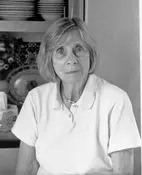
Barbara Guest

Barbara Guest was an American poet recognized for her contribution to modern poetry, particularly associated with the New York School. Her work explores the complexities of language, perception, and identity, often in an experimental and innovative manner. Guest challenged poetic conventions through her distinctive use of verse and her fragmented, interconnected approach to form. Throughout her career, she explored themes such as memory, nature, art, and the female condition, using precise and imagistic language. Her poetry is often characterized by its intelligence, subtle musicality, and profound reflection on the limits of representation and expression.

Joaquim Lagoeiro

Joaquim Lagoeiro was a poet whose work is distinguished by its deep connection to the land, tradition, and Portuguese identity. His poetry is an echo of rural landscapes, ancestral knowledge, and the soul of the people, expressed through a vernacular and authentic language. Lagoeiro celebrated simple life, the cycles of nature, and the values that shape a nation's character, leaving a legacy of love for the land and its roots.

Died on this day

6
Olinda Marques de Azevedo

Olinda Marques de Azevedo was a Portuguese writer whose works frequently explored the intimate dimension and the yearnings of the female soul. Her poetry is marked by refined sensibility and careful language, reflecting the conventions and aspirations of her time. Her literary output, although not extensive, left a record of an attentive gaze on emotions, interpersonal relationships, and the search for deeper meaning in existence. Her works engage with the literary currents of the era, presenting a voice that, within the limits established by society, sought to express the complexity of the female universe.

Letícia Parente

Letícia Parente was a Brazilian visual artist, a pioneer of video art in the country. Her work explored themes such as identity, the body, oppression, and the female condition, often through provocative performances and conceptual installations. Using video as her main tool, Parente questioned social and political structures, leaving an important legacy in Brazilian and international contemporary art.

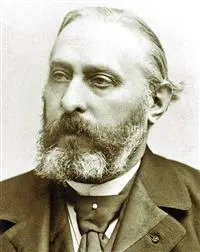
Sully Prudhomme

Sully Prudhomme was a French Parnassian poet, known for his poetry that explored philosophical, scientific, and psychological themes with a rigorous style and precise language. His works reflect a melancholic pessimism and a fascination with reason, science, and the human condition. He was the first poet to receive the Nobel Prize in Literature, in 1901, in recognition of his lyrical work which demonstrated a high artistic ideal, a profound humanity, and a rare combination of the qualities of a keen heart and mind.

António Cacho

António Cacho was a Portuguese poet whose work is part of the literary landscape of the 20th century. Marked by a unique sensibility, his poetry explores the depths of the human condition, addressing universal themes with a refined and emotional language. His contribution to Portuguese poetry stands out for its originality and its ability to touch the reader on different planes of existence. Through a writing that favors introspection and reflection on life, love, and death, Cacho left a poetic legacy that continues to be appreciated for its expressive power and existential relevance. His work is an invitation to contemplation and the discovery of the nuances that make up the human experience.

Silvina de Sousa

Silvina de Sousa was a Portuguese writer whose work stood out for its exploration of the female condition and the complexities of identity. Author of poetry and prose, her writing is marked by deep sensitivity, addressing themes such as love, loneliness, memory, and the passage of time. Her poetry, in particular, reveals an introspective lyricism and a careful language, which earned her a prominent place in contemporary Portuguese literature.

Manuel da Cruz Malpique

Manuel da Cruz Malpique was a Portuguese poet whose work is situated within the context of Arcadianism. Characterized by a bucolic and pastoral lyricism, he explored themes such as idealized love, nature, and the fleetingness of time, often employing classical mythology and the careful, ornate language typical of his era. His poetry reflects the aesthetic and cultural values of 18th-century society, marked by the influence of Enlightenment ideas and the pursuit of harmony and balance.