William Blake
Author of the day

William Blake

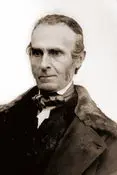
William Blake was an English poet, painter, and printmaker whose visionary works explored profound spiritual and philosophical themes. He is renowned for his prophetic books, which combine his unique mythology with his distinct artistic style, often characterized by intense symbolism and imaginative power. Blake's work defied easy categorization, blending elements of Romanticism with his own highly personal brand of mysticism. His poetry, such as "Songs of Innocence and of Experience," continues…

Poem of the day

Do Not Go Gentle Into That Good Night

Dylan Thomas
Do not go gentle into that good night, 
Old age should burn and rave at close of day; 
Rage, rage against the dying of the light. 

Though wise men at their end know dark is right, 
Because their words had forked no lightning they 
Do not go gentle into that good night. 

Good men, the last wave by, crying how bright 
Their frail deeds might have danced in a green bay, 
Rage, rage against the dying of the light. 

Wild men who caught and sang the sun in flight, 
And learn, too late, they grieved it on its way, 
Do not go gentle into that good night. 

Grave men, near death, who see with blinding sight 
Blind eyes could blaze like meteors and be gay, 
Rage, rage against the dying of the light. 

And you, my father, there on that sad height, 
Curse, bless, me now with your fierce tears, I pray. 
Do not go gentle into that good night. 
Rage, rage against the dying of the light.
Read full poem

Born on this day

11
Camilo Pessanha

Camilo Pessanha was a poet and Portuguese teacher, noted for his poetic work that marked the transition from Symbolism to Modernism in Portugal. His poetry, characterized by melancholy, exoticism, and unparalleled musicality, explores themes such as the ephemerality of time, saudade, love, and death, often through vivid and sensory images. Although his poetic output in volume is reduced, his influence on the Portuguese literary landscape is profound, being considered one of the most important poets in the Portuguese language.

Giuseppe Belli

Giuseppe Gioachino Belli was an Italian poet, widely recognized as one of the greatest exponents of Roman dialect poetry. His work, written predominantly in the Romanesco dialect, offers a vivid and often satirical portrait of popular life in Rome in the 19th century, addressing themes such as daily life, religion, politics, and the human condition with a raw and expressive language. Despite having had a modest life and publishing little during his existence, his poetry gained posthumous recognition, consolidating itself as a fundamental landmark of Italian literature and an invaluable testimony to the culture and society of 19th-century Rome.

Paulo Netho

Paulo Netho is a contemporary Angolan poet and writer, whose work is distinguished by the exploration of African identity, the complexities of the human condition, and the memories of a continent in constant transformation. His poetry is marked by a visceral language, which delves into the cultural roots of Angola and reflects on colonial heritages and post-colonial aspirations. Netho's writing, often rooted in the orality and musicality of African languages, addresses themes such as ancestry, diaspora, resistance, and the search for a place in the world. He is an important voice in the new generation of Angolan writers seeking to redefine and affirm African cultural identity in world literature, offering a unique and powerful perspective on Angolan and African reality.

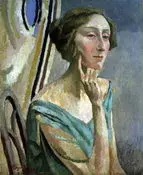
Edith Sitwell

Edith Sitwell was an influential English poet, critic, and playwright, known for her imaginative poetry and eccentric style. Her works often explore themes of beauty, decay, and the human condition, frequently with a distinct musicality and vivid imagery.

Carlos Magalhães de Azeredo

Carlos Magalhães de Azeredo was a distinguished Brazilian jurist, writer, and diplomat, whose literary work, although not extensive, is marked by an elegant and reflective prose. The author explored themes related to Brazilian culture, history, and society, with a critical and sometimes ironic eye. His production includes articles, chronicles, and essays, in which he demonstrated a profound knowledge of national reality and a refined literary style. Azeredo represents an important intellectual figure in Brazil, whose contributions, both in the public and literary spheres, deserve recognition.

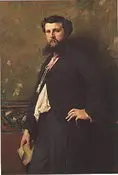
Édouard Pailleron

Édouard Pailleron was a French playwright and journalist, son of the poet Émile Pailleron. He is best known for his comedies of manners that satirized Parisian society of his time. His most famous work, "Le Monde où l'on s'ennuie" (The World Where One is Bored), was a great success and a scathing critique of the superficiality of high society and the intellectualism of the era.

Tristan Bernard

Tristan Bernard was a renowned French playwright, novelist, and journalist. He is best known for his light and witty comedies, which often satirized Parisian society of his time. Bernard was a popular figure in the intellectual and artistic life of Paris in the late 19th and early 20th centuries.

Renato Minore

Renato Minore is an Italian poet, writer, and journalist. His poetic work is marked by a deep reflection on existence, memory, and the human condition, often exploring the relationship between the individual and time. He also dedicates himself to literary criticism and translation.

Baudelio Camarillo

Baudelio Camarillo is a writer with a work focused on narrative, exploring the complexities of the human experience. His short stories and novels often delve into psychological and social aspects, with characters facing moral and existential dilemmas.

Molly Holden

Molly Holden was a South African poet, known for her sensitive and insightful observations about life in South Africa, with a particular focus on the landscape and everyday experience. Her poetry reflects a deep connection with the natural environment and an appreciation for the small things in life.

Died on this day

9
Afonso Félix de Sousa

Afonso Félix de Sousa was a poet whose work is distinguished by its strong connection to the land and traditions. His poetry, rooted in the landscape and culture of the interior, celebrates simple life, ancestral crafts, and the strength of the people who inhabit it. Through a language that evokes the rural and the popular, Félix de Sousa builds a poetic universe where nature is a confidante and stage for the deepest human emotions. His style, marked by an apparent simplicity that hides profound wisdom, reflects an attentive and tender gaze on existence. His work is an invitation to rediscover the roots and essential values of life, in a continuous dialogue between man and his environment. Afonso Félix de Sousa left a legacy of poetry that honors collective identity and memory.

Mutimati

Mutimati, a name of African origin that refers to a leader or wise person, is an author whose poetic work is situated in a context of valuing African and Afro-Brazilian identity. His poetry, despite little information available about his personal life, is recognized for its expressive force, use of symbolism, and themes that celebrate cultural roots and ancestry. His writing is an invitation to reflect on history, resistance, and the affirmation of cultural identity.

Jacques-François Ancelot

Jacques-François Ancelot was a French playwright and writer, whose theatrical works achieved popularity in his time. Known for his comedies and dramas, Ancelot contributed to the 19th-century French literary scene with a body of work that reflected the tastes and conventions of the era. His writing demonstrates an understanding of theatrical conventions and a skill in creating engaging plots for audiences.

André Suarès

André Suarès was a French writer, poet, and critic, known for his intense and passionate style and his philosophical exploration of art and life. Born in Marseille in 1868, he dedicated himself to literature and reflection on European culture. His work includes essays, poetry, and criticism, often focusing on historical and artistic figures. Suarès was an original thinker, whose writing is marked by rich language and a profound existential questioning.

Miguel Leitão de Andrade

Miguel Leitão de Andrade was a Portuguese poet of the 17th century, whose work belongs to the Baroque period. His poetry, marked by a religious tone and reflection on the ephemerality of life, reflects the spiritual and existential concerns of his time. Although not as prominent as other Baroque poets, his work possesses aesthetic and thematic merits that make it relevant for the study of Portuguese literature of that period.

Louis Brauquier

Louis Brauquier was a French poet and writer known for his lyrical and introspective work. His poetry frequently explores themes of love, nature, and the passage of time, with a rich and musical language. He stood out in the literary scene for his sensitivity and the depth of his reflections. His contribution to French poetry lies in his ability to evoke emotions and landscapes with great delicacy. Brauquier left a legacy of verses that continue to resonate with readers who appreciate beauty and sincerity in poetic expression.

Jan Heller Levi

Jan Heller Levi is an American poet, known for her work that frequently explores themes of faith, family, memory, and the search for meaning amidst the complexities of everyday life. Her poetry is marked by a lyrical and introspective voice, with a strong sense of compassion.

John Greenleaf Whittier

John Greenleaf Whittier was an American poet and abolitionist, celebrated for his lyrical verse that often depicted rural New England life and championed social reform. His poetry evoked strong imagery of nature, home, and the changing seasons, resonating deeply with readers. A staunch advocate against slavery, Whittier used his literary platform to promote abolitionist ideals, making his work a significant voice in the moral and political landscape of 19th-century America. His legacy endures through his evocative poems and his commitment to justice.

A Christmas Carmen