William Shakespeare
Author of the day

William Shakespeare

William Shakespeare is widely regarded as the greatest writer in the English language and the world's pre-eminent dramatist. His vast body of work, including tragedies, comedies, histories, and sonnets, explores the complexities of human nature with unparalleled depth and linguistic richness. His plays continue to be performed and studied globally, making him a timeless figure in literature and theatre.

Poem of the day

Grass

Carl Sandburg
Pile the bodies high at Austerlitz and Waterloo.
Shovel them under and let me work
-I am the grass; I cover all.

And pile them high at Gettysburg
And pile them high at Ypres and Verdun.
Shovel them under and let me work.
Two years, ten years, and the passengers ask the conductor:

What place is this?
Where are we now?

I am the grass.
Let me work.
Read full poem

Born on this day

11
Mariana Ferreira

Mariana Ferreira is a contemporary poet whose work is distinguished by her ability to deconstruct established narratives and explore the complexity of female identity and human relationships. Her poetry, often marked by a strong social charge and formal experimentation, invites reflection on the role of women in society and the existential challenges of contemporaneity. Her poetic voice is simultaneously intimate and interventionist.

Rossini Corrêa

Rossini Corrêa is a poet whose work is characterized by the exploration of inner and outer landscapes, intertwining memory, identity, and social criticism. His poetry, often immersed in a confessional and reflective tone, addresses themes such as time, the passage of life, human relationships, and the complexities of everyday life. With a language that combines lexical precision with intrinsic musicality, Corrêa constructs verses that resonate with authenticity and the ability to evoke vivid imagery. His work is an invitation to contemplation and introspection, challenging the reader to look at the world and themselves with a renewed and sensitive perspective.

João Moutinho

João Moutinho is a poet whose work is part of the contemporary Portuguese poetry scene, exploring the intimate and social dimension of existence. His writing reveals particular attention to the small things of everyday life, transforming them into poetic material through clear and direct language. The poet addresses themes such as memory, human relationships, and the search for meaning in a constantly changing world, inviting reflection on life and its complexity.

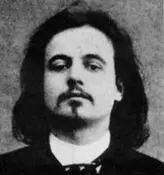
Alfred Jarry

Alfred Jarry was a French writer, playwright, journalist, and poet, best known for his 1896 play "Ubu Roi". He is a central figure of the Symbolist movement and a precursor to Surrealism and the Theatre of the Absurd. His work is characterized by black humor, social satire, and innovative, provocative language. Jarry is also remembered for his eccentric life and for creating the figure of "Père Ubu", a grotesque and tyrannical character who became an icon of modern literature.

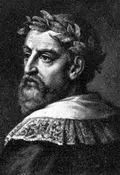
Ludovico Ariosto

Ludovico Ariosto was an Italian Renaissance poet and playwright. He is most famous for his epic poem "Orlando Furioso", a chivalric romance that became one of the most influential works in Italian literature. His work is known for its complexity, humor, and imagination.

Natura il fece, e poi roppe la stampa. Nature made
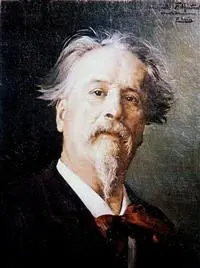
Frédéric Mistral

Frédéric Mistral was a French poet and lexicographer, a central figure of the Félibrige movement, which aimed at the revitalization and promotion of the Provençal language and culture. His poetic work, written in Provençal, celebrated the land, traditions, and way of life of southern France, gaining international recognition, including the Nobel Prize in Literature. Mistral dedicated his life to the defense of Occitan, compiling a monumental vocabulary and encouraging the use of the language in various spheres. His poetry is marked by a strong sense of regional identity, bucolic landscapes, and a deep love for his homeland, establishing him as one of the most important defenders of minority cultures and linguistic diversity.

Cristóvão de Aguiar

Cristóvão de Aguiar is a name associated with Portuguese poetry, with a body of work that explores the depth of human experience through rich and evocative language. His poetry is distinguished by its reflection on themes such as the passage of time, nature, and the search for deeper meaning in existence. With a style that combines tradition with modernity, Aguiar constructs verses that resonate with the reader's sensibility, inviting introspective immersion and contemplation. His work is a testament to the power of poetic language in expressing the complexities of the human soul.

Isabel de Sá

Isabel de Sá is a Portuguese writer and poet, known for her lyrical prose and the depth with which she addresses human relationships and the female condition. Her work is often marked by sharp sensitivity, exploring themes such as memory, identity, and the passage of time, with careful and imagistic language. Throughout her career, she has been consolidating a unique space in contemporary literature, with texts that invite reflection and introspection on the complexities of life.

Jack Prelutsky

Jack Prelutsky was a prolific American children's poet, known for his whimsical and often humorous verse that captured the imagination of young readers. His poems frequently explored the absurdities of childhood, the joys of animals, and the simple wonders of everyday life. With a playful use of language and a keen understanding of children's perspectives, Prelutsky became one of the most beloved and successful poets for children in recent times.

As Soon as Fred Gets Out of Bed
Siegfried Sassoon

Siegfried Sassoon was an English poet and soldier, renowned for his raw and often brutal war poetry written during World War I. His work vividly depicted the horrors of trench warfare, starkly contrasting with the patriotic fervor of the time. Sassoon's poems are characterized by their directness, anger, and profound sense of disillusionment, making him a prominent voice against the romanticization of conflict. He later explored themes of loss, faith, and the complexities of human relationships in his post-war writings.

A Child's Prayer
Rafael Cadenas

Rafael Cadenas is a Venezuelan poet, essayist, and critic, considered one of the most important voices in contemporary Spanish-language poetry. His work is characterized by a profound reflection on existence, time, memory, and the human condition, often tinged with a serene melancholy and a moving lucidity. Through refined language and apparent simplicity, Cadenas manages to address life's great questions with exceptional intellectual acuity and sensitivity, establishing himself as an indispensable reference for understanding contemporary poetry.

Died on this day

6
Eliane Stoducto

Eliane Stoducto is a writer whose work stands out for its exploration of themes such as memory, identity, and the individual's relationship with space and time. Her writing is characterized by a careful language and a refined sensibility in approaching inner and outer landscapes. Her poetry and prose invite reflection on the human condition and the search for meaning in a constantly changing world.

Bandeira Tribuzi

Bandeira Tribuzi was a Brazilian poet, essayist, and professor, a prominent figure in contemporary poetry. His work is characterized by the exploration of existential themes, the relationship of man with the city and nature, and reflection on language and art. With dense poetry, which transitions between lyricism and philosophical reflection, Tribuzi addresses the complexity of the human experience in a constantly changing world. He also stood out for his academic activity and critical intervention.

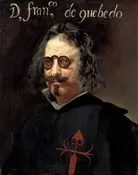
Francisco de Quevedo

Francisco de Quevedo y Villegas (1580-1645) was one of the greatest poets and prose writers of Spanish literature during the Golden Age. Known for his satirical, witty, and often dark style, Quevedo mastered a wide range of literary genres, from lyrical and philosophical poetry to satirical and political prose. His work reflects a cynical and realistic view of the society of his time, marked by social criticism and the exploration of themes of death, time, and the human condition. Quevedo is celebrated for his mastery of the Spanish language, his use of neologisms, and his ability to create vivid and impactful imagery.

Moreira das Neves

Moreira das Neves was a poet whose work is notable for its introspection and exploration of existential themes. His writing is characterized by careful language and refined sensitivity, capturing the nuances of the human soul and the complexity of the world. Although his poetic production may not have achieved widespread popularity, his work represents a valuable testament to Portuguese poetry, marked by a deep reflection on life, time, and the human condition. His literary contribution, though discreet in terms of notoriety, is appreciated for its authenticity and aesthetic quality.

José María Millares

José María Millares was a Spanish poet and writer, associated with the post-war generation of poets. His work is marked by a melancholic and reflective tone, exploring loneliness, love, and the search for meaning in an often hostile world. He is recognized for his contribution to 20th-century Spanish poetry.