Pablo Neruda
Author of the day

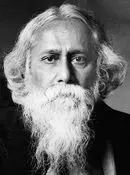
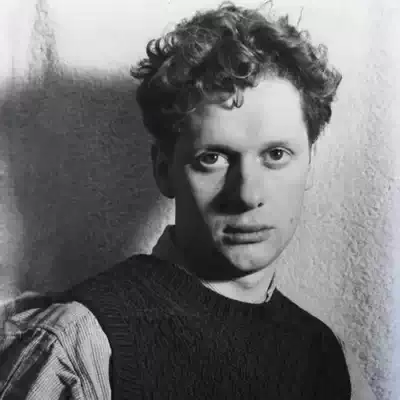
Pablo Neruda

Pablo Neruda was a Chilean poet, diplomat, and politician. He is widely regarded as one of the most influential poets of the 20th century, celebrated for his lyrical and evocative verse, which often explored themes of love, nature, politics, and everyday life. Neruda's prolific output and diverse thematic concerns earned him international acclaim, culminating in the Nobel Prize in Literature in 1971. His work is characterized by its passionate imagery, sensuous language, and profound connection…

Poem of the day

Grass

Carl Sandburg
Pile the bodies high at Austerlitz and Waterloo.
Shovel them under and let me work
-I am the grass; I cover all.

And pile them high at Gettysburg
And pile them high at Ypres and Verdun.
Shovel them under and let me work.
Two years, ten years, and the passengers ask the conductor:

What place is this?
Where are we now?

I am the grass.
Let me work.
Read full poem

Born on this day

13
Edmundo de Bettencourt

Edmundo de Bettencourt was a Portuguese poet and short-story writer, native to Madeira, whose work was characterized by a strong connection to his homeland and by the influences of Saudosismo and Symbolism. His writing, often marked by a lyrical and melancholic tone, explored themes such as nature, saudade (longing), love, and Madeiran identity. He was an important figure in promoting island culture through literature, contributing with his sensitivity and keen eye for the island's landscape and customs. His poetry evokes beauty and introspection, leaving a legacy of inestimable value to Madeiran and Portuguese literature.

Vicente Franz Cecim

Vicente Franz Cecim is an Angolan poet whose work is part of the context of African literature in Portuguese, marked by social intervention and the search for identity. His poetry is known for its expressive force, musicality, and the use of language that evokes Angolan culture and reality. Cecim addressed themes such as the struggle for freedom, human dignity, and cultural identity, positioning himself as an important voice in his country's literature.

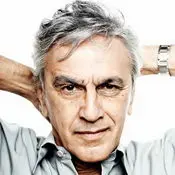
Caetano Veloso

Caetano Veloso is a Brazilian singer, songwriter, and writer, one of the most influential and innovative figures in Brazilian popular music. World-renowned for his work that spans various musical genres and for his poetic intelligence, Veloso was one of the creators of the Tropicalist movement in the 1960s, revolutionizing the country's cultural landscape. His career is marked by constant sonic experimentation, lyrical sophistication, and a sharp perception of Brazilian social and cultural reality, making him a timeless artist of great impact.

Mercedez Vasconcellos

Mercedez Vasconcellos is a literary figure whose work stands out for its depth and exploration of universal themes, such as love, loss, and the search for identity. Her writing, marked by dense language and a strong emotional charge, invites reflection on the human condition and its complexities. Vasconcellos approaches her themes with a particular sensitivity, weaving verses that resonate with individual and collective experience, and establishing a dialogue between literary tradition and modernity.

Victor Silva

Victor Silva is a poet whose work stands out for its lyrical depth and exploration of universal themes such as love, longing, nature, and the ephemerality of existence. His poetry is recognized for its musicality and rich imagery, which create a unique sensory and emotional universe. With a style that bridges tradition and modernity, Silva approaches the human condition with sensitivity and aesthetic rigor. His compositions invite reflection on feelings, memories, and the passage of time, establishing a bond of empathy with the reader through accessible yet meaningful language.

Nancy Morejón

Nancy Morejón is a prominent Cuban poet, essayist, and translator, recognized for her powerful voice and exploration of themes such as identity, race, gender, and history. Her work is marked by a deep reflection on the experiences of the African diaspora and the social and political reality of Cuba, integrating lyrical and denunciation elements.

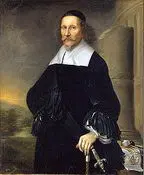
Georg Stiernhielm

Georg Stiernhielm was a Swedish jurist, mathematician, and poet, known as the "father of modern Swedish poetry." He was one of the first to write poetry in Swedish in an elaborate way and to use Nordic languages in literary and scientific contexts.

Haroldo Maranhão

Haroldo Maranhão was a Brazilian poet, essayist, and literary critic, whose work is notable for its lyrical depth and exploration of existential and social themes. With a rich and imagistic language, he explored the complexities of the human condition, the relationship with the land, and memory. His literary production encompassed poetry and prose, always with a keen eye on the nuances of language and the expressive power of words. He was also an engaged intellectual, contributing to the cultural debate of his time.

Carlos Cristóvão

Carlos Cristóvão is a contemporary Portuguese poet, whose work is characterized by an innovative approach and the exploration of themes such as identity, memory, and the human condition in modern society. With a style that moves between lyricism and formal experimentation, Cristóvão seeks new forms of poetic expression that engage with the complexities of the current world. His poetry is recognized for its relevance and its ability to question the reader about fundamental issues of existence. His work has been associated with a generation of poets seeking to renew poetic language, maintaining a strong link with tradition, but opening paths for the future. Through his work, Carlos Cristóvão asserts himself as an important voice in contemporary Portuguese poetry.

Políbio Gomes dos Santos

Políbio Gomes dos Santos was a Portuguese poet, whose work is part of a context of poetic renewal, exploring themes such as nature, love, and identity. He stood out for his lyrical sensitivity and his search for new forms of poetic expression. His poetry reflects a deep connection with the inner universe and the surrounding landscape, characterized by careful language and intrinsic musicality. He is a figure to be rediscovered in the panorama of Portuguese poetry.

Peter Gizzi

Peter Gizzi is a contemporary American poet, known for his lyrical and cerebral poetry, which explores language, perception, and the nature of reality. His work is often characterized by its intelligence, verbal precision, and a sensitivity to the details of the natural and human world. He is a poet dedicated to the art of the word, seeking in his compositions the exploration of new ways of seeing and feeling the world. His poetry invites contemplation and appreciation of the subtle beauty that permeates existence.

Gligor Stojkovski

Gligor Stojkovski is a Macedonian writer, poet, and editor. He is known for his prolific literary production and for his role in promoting Macedonian culture and literature, both nationally and internationally.

Alonso de Ercilla

Alonso de Ercilla y Zúñiga was a Spanish soldier and poet, author of "La Araucana", one of the most important epic poems in Spanish literature and the first major work of Chilean literature. His life was marked by his participation in the wars of conquest in America, especially in the Arauco War, where he fought against the Mapuche. His work is a direct testimony of these campaigns, combining historical chronicle with the exaltation of the bravery of the conquerors and, at the same time, showing respect for the courage of the indigenous people.

Died on this day

9
Jáder de Carvalho

Jáder de Carvalho was a Brazilian poet known for his lyrical exploration of themes such as love, longing, and transcendence. His work stands out for its musicality and formal delicacy, often using free verse to express intense subjectivity. His poetry invites reflection on the human condition and the ephemerality of life, marked by a refined and imagistic language.

Rabindranath Tagore

Rabindranath Tagore was a Bengali poet, writer, playwright, composer, philosopher, social reformer, and painter, widely regarded as the most important figure in modern Indian literature. A polymath, his vast creative output spanned poetry, novels, short stories, dramas, essays, and songs, often exploring themes of nature, spirituality, human relationships, and the complexities of life in a changing world. Tagore was the first non-European to win the Nobel Prize in Literature in 1913, a testament to his profound lyrical genius and universal appeal. His work championed humanism, internationalism, and the harmonious integration of Eastern and Western thought.

At my dying hour, and over my long life, A clock s
Duarte de Brito

Duarte de Brito was a Portuguese poet of the 16th century, whose works are part of the Renaissance. His poetry, although not as prominent as that of some contemporaries, contributes to the literary landscape of the time with a style that reflects classical and humanist influences. His work is a testament to the transition and poetic richness of the period.

João Vário

João Vário, pseudonym of Manuel de Mello Moser, was a multifaceted Portuguese writer, known for his innovative and experimental work, which challenged the literary conventions of his time. His production spanned poetry, prose, and essay, always marked by a profound reflection on language, identity, and the human condition. With an irreverent and erudite style, João Vário left a significant legacy in contemporary Portuguese literature.

John Caddy

John Caddy is an Australian poet and writer known for his lyrical and contemplative poetry, often inspired by the landscape and nature. His work explores themes of identity, memory, and the connection between humans and the natural environment.

Juan de Arguijo

Juan de Arguijo was a Spanish poet of the Golden Age, known for his metric skill and his adherence to the poetic currents of his time. His work, although not extensive, is characterized by formal perfection and the exploration of traditional themes such as love, death, and the fleeting nature of time. He is associated with the influence of Garcilaso de la Vega and his poetry is framed within Renaissance and early Baroque lyricism, showing a notable capacity for the sonnet and other educated poetic forms. His figure, although less prominent than that of other contemporaries, represents an important link in the evolution of Spanish poetry towards the Baroque.