Poem of the day

Grass

Carl Sandburg
Pile the bodies high at Austerlitz and Waterloo.
Shovel them under and let me work
-I am the grass; I cover all.

And pile them high at Gettysburg
And pile them high at Ypres and Verdun.
Shovel them under and let me work.
Two years, ten years, and the passengers ask the conductor:

What place is this?
Where are we now?

I am the grass.
Let me work.
Read full poem

Born on this day

13
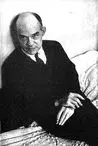
René Char

René Char was a French poet, a central figure of surrealist poetry and, later, one of the most original and influential poets of the 20th century. His work is marked by concise, aphoristic language and a profound reflection on the human condition, freedom, and resistance. Char's poetry, often defined as "poetry of action," seeks the alliance between thought and lyricism, exploring beauty and transcendence in everyday life.

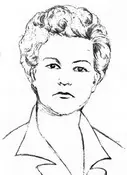
Áurea de Arruda Féres

Áurea de Arruda Féres was a Brazilian writer whose works explored the depths of the human soul and the nuances of interpersonal relationships. Her writing, marked by a unique sensitivity, addressed universal themes such as love, longing, and the ephemerality of life, always with a poetic and engaging language that captivated her readers. Féres left a literary legacy that resonates through her ability to touch the reader on an intimate and reflective level, consolidating her name in the landscape of Brazilian literature.

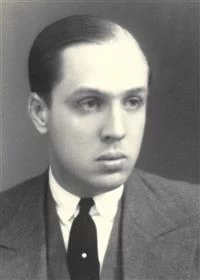
Joaquim Paço d'arcos

Joaquim Paço d'arcos was a multifaceted creator, exploring poetry, theatre, prose, cinema, and literary criticism. His poetic work, marked by a strong lyrical vein and, at times, by a more social and interventionist dimension, reflects a refined sensitivity to the nuances of human existence and the concerns of his time. Throughout his career, he demonstrated a remarkable capacity for renewal, navigating between different aesthetics and approaches, without ever losing his unique identity.

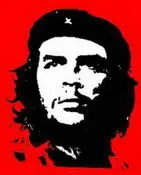
Che Guevara

Ernesto 'Che' Guevara was an Argentine Marxist revolutionary, physician, author, guerrilla fighter, diplomat, and military theorist. A prominent figure in the Cuban Revolution, he became an international icon of counterculture and anti-imperialist revolution. His image is widely reproduced in various media, serving as a symbol of resistance and idealism for many. Guevara dedicated a large part of his life to the struggle against what he considered capitalist oppression and exploitation, traveling and intervening in conflicts in various parts of the world. His legacy endures through his writings and the impact of his actions on the political history of the 20th century.

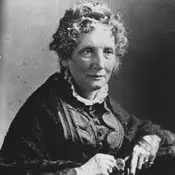
Harriet Beecher Stowe

Harriet Beecher Stowe was an American abolitionist and writer whose novel 'Uncle Tom's Cabin' had a profound impact on the anti-slavery movement in the United States. Her work brought a humanized perspective on slavery, influencing public opinion and the political debate of the time.

I s’pect I growed. Don’t think nobody never made m
Vázquez Montalbán

Manuel Vázquez Montalbán was a Spanish writer, journalist, and critic, famous for creating the detective Pepe Carvalho. His work spanned various genres, including detective novels, social chronicles, and poetry, always with a critical eye on contemporary Spanish society and its political and cultural intricacies.

Alfred Starr Hamilton

Alfred Starr Hamilton was an American poet, painter, and sculptor. His poetic work is characterized by a strong surrealist and existential current, exploring themes such as time, memory, and the human condition. His artistic production also encompassed the visual arts, where he demonstrated an equally expressive capacity.

Dalton Trevisan

Dalton Trevisan is a Brazilian writer known for his short story work and his raw, direct writing. His narrative frequently explores urban marginality, human misery, and the complexities of interpersonal relationships, using concise language and a cutting style that earned him the nickname "Vampire of Curitiba." His work is marked by keen observation of everyday life and the ability to reveal the grotesque and tragic in the simplicity of life.

Manuel António Ferreira

Manuel António Ferreira was a Portuguese poet whose work is part of the literary landscape of the 20th century. His poetry is characterized by a lyrical and, at times, melancholic approach, exploring themes such as love, nature, and the ephemerality of life. With a style marked by musicality and sensitivity, Ferreira left a poetic legacy that reflects the concerns and aesthetics of his time.

António da Costa Santos

António da Costa Santos, also known by the pseudonym António Gedeão, was a Portuguese poet and chemical engineer. His poetic work, marked by a strong scientific and philosophical charge, explores the relationship between science, art, and the human condition. He is recognized for the originality of his language and his ability to merge technical rigor with lyrical sensibility.

Luís Filipe Rodrigues

Luís Filipe Rodrigues is a poet whose work is characterized by its reflective depth and exploration of existential, social, and cultural themes. His poetry shows a particular interest in the human condition in the contemporary world, often addressing the complexity of interpersonal relationships and the search for identity in a context of rapid transformations. His writing is guided by careful language and a sensitivity that captures the nuances of everyday life and feelings. Through his verses, Rodrigues seeks to provoke reflection on the values, anxieties, and hopes that shape individuals' lives. His work contributes to contemporary poetic dialogue with an authentic voice and a critical, humanistic vision.

Leah Naomi Green

Leah Naomi Green is an American poet known for her poetry that intertwines the personal with the political, addressing themes of identity, social justice, and the experience of being a woman in a complex society. Her writing is often marked by a strong and reflective voice. She uses her art to question power structures and celebrate human resilience, creating verses that resonate with deep humanity and a call for empathy and understanding.

Manuel José Othón

Manuel José Othón was a Mexican poet, considered a relevant figure of Parnassianism in Mexico and a precursor of Modernism. His poetic work is characterized by formal perfection, musicality, and the pursuit of aesthetic beauty, often inspired by nature and classical themes. Despite his relatively scarce production, his influence on Mexican poetry of the late 19th and early 20th centuries was significant, laying the groundwork for the renewal of poetic language in his country.

Died on this day

13
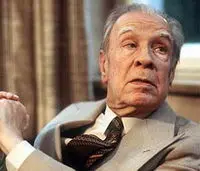
Jorge Luis Borges

Jorge Luis Borges was an Argentine writer, poet, essayist, and translator. His work is characterized by its philosophical depth, intricate plots, and exploration of themes such as time, infinity, identity, and the nature of reality. Borges is considered one of the most significant literary figures of the 20th century, renowned for his innovative use of literary devices and his profound influence on postmodern literature.

Adam Cast Forth
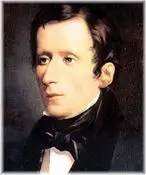
Giacomo Leopardi

Giacomo Leopardi was an Italian poet, philosopher, and scholar of great renown. His poetic work is marked by profound pessimism and intense reflection on the human condition, nature, and suffering. He is considered one of the greatest poets in Italian literature and one of the most important thinkers of the 19th century, with a body of work that continues to resonate for its universality and its lyrical and philosophical acuity.

Vicente Franz Cecim

Vicente Franz Cecim is an Angolan poet whose work is part of the context of African literature in Portuguese, marked by social intervention and the search for identity. His poetry is known for its expressive force, musicality, and the use of language that evokes Angolan culture and reality. Cecim addressed themes such as the struggle for freedom, human dignity, and cultural identity, positioning himself as an important voice in his country's literature.

Fábio Afonso de Almeida

Fábio Afonso de Almeida is a poet whose work is distinguished by the exploration of existential themes and introspective lyricism. His writing, marked by careful language and a measured rhythm, invites reflection on the human condition, time, and memory. His poetic compositions often evoke inner landscapes and the complexity of emotions, establishing an intimate dialogue with the reader.

Zoraida Díaz

Zoraida Díaz was a prominent figure in literature, known for her evocative poetry and insightful prose. Her work explores the complexity of human emotions, interpersonal relationships, and the search for identity in a constantly changing world. With rich language and a keen eye for the details of everyday life, Díaz has earned a prominent place in the literary landscape.

Maria Teresa Rita Lopes

Maria Teresa Rita Lopes was a prominent figure in Portuguese poetry, whose work stands out for its lyrical depth and exploration of universal themes. Her writing is marked by careful language and keen sensitivity, which have made her a recognized voice in the contemporary literary landscape. Her contribution extends beyond poetry, reflecting an attentive gaze on the human condition and its complexity.

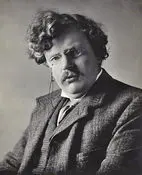
G. K. Chesterton

Gilbert Keith Chesterton was a prominent English writer, journalist, and Christian apologist. Known for his argumentative style and sharp wit, Chesterton addressed a wide range of topics in his work, including philosophy, theology, literary criticism, and social essays. He was an influential figure in the early 20th century.

I tell you naught for your comfort,
Gesualdo Bufalino

Gesualdo Bufalino was an Italian writer, known for his lyrical prose and deep exploration of memory, identity, and time. His work is marked by rich language and an introspective atmosphere, often set in his native Sicily. Bufalino is considered one of the great names in contemporary Italian literature, appreciated for his originality and the complexity of his themes.

Salvatore Quasimodo

Salvatore Quasimodo was an Italian poet and translator, awarded the Nobel Prize in Literature in 1959. His work is characterized by lyrical and introspective language, exploring themes such as memory, nature, and the human condition in times of war and post-war. Quasimodo is seen as one of the exponents of Italian hermetic poetry.

Poetry is the revelation of a feeling that the poe
Diogo Velho

Diogo Velho is a Portuguese poet whose work focuses on the exploration of identity, memory, and the relationship between human beings and time and space. His poetry is marked by a dense and evocative language, which uses strong imagery and subtle musicality to create atmospheres of introspection and existential questioning. His verses invite deep reflection on the human condition, the transience of life, and the search for meaning in a constantly changing world.