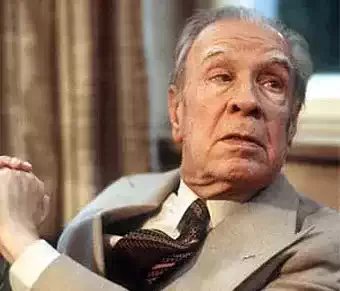
Jorge Luis Borges
Author of the day

Jorge Luis Borges

Jorge Luis Borges was an Argentine writer, poet, essayist, and translator. His work is characterized by its philosophical depth, intricate plots, and exploration of themes such as time, infinity, identity, and the nature of reality. Borges is considered one of the most significant literary figures of the 20th century, renowned for his innovative use of literary devices and his profound influence on postmodern literature.

Poem of the day

Grass

Carl Sandburg
Pile the bodies high at Austerlitz and Waterloo.
Shovel them under and let me work
-I am the grass; I cover all.

And pile them high at Gettysburg
And pile them high at Ypres and Verdun.
Shovel them under and let me work.
Two years, ten years, and the passengers ask the conductor:

What place is this?
Where are we now?

I am the grass.
Let me work.
Read full poem

Born on this day

14
António Castañeda

António Castañeda is a Portuguese poet whose work is distinguished by the exploration of themes such as memory, landscape, ephemerality, and introspection. His poetry is marked by careful language and a refined sensibility for capturing the nuances of daily life and the inner world. Throughout his career, he has contributed to contemporary Portuguese poetry with a singular and reflective voice, inviting the reader to immerse themselves in universes of profound subjectivity.

Taumaturgo Vaz

Taumaturgo Vaz is a poet whose writing is distinguished by its introspective nature and the exploration of existential themes, often approached with a dense and imagistic language. His poetry delves into the depths of the human soul, questioning reality, time, and the very condition of being. With a style that sometimes approaches the hermetic, Taumaturgo Vaz offers a work that challenges the reader to unravel meanings and confront their own questions.

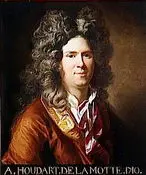
Antoine Houdar de la Motte

Antoine Houdar de la Motte was a 17th and 18th-century French playwright, poet, and writer. Known for his theatrical works and poems, he also stood out as an important literary theorist, advocating for new aesthetic approaches in opposition to rigid classical rules.

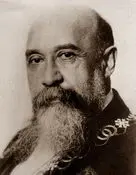
Nicolae Iorga

Nicolae Iorga was a Romanian historian, writer, and politician. He is considered one of the most influential Romanian historians of the 20th century, known for his extensive work on Romanian history and the history of Eastern Europe. In addition to his academic career, Iorga played an active role in Romania's political life, serving as Prime Minister.

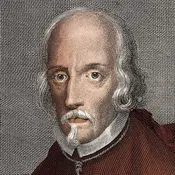
Calderón de la Barca

Pedro Calderón de la Barca was a Spanish playwright and writer of the Golden Age. Born in Madrid in 1600, he is considered one of the greatest names in Spanish theater, succeeding Lope de Vega in popularity. His work is known for its philosophical depth, poetic complexity, and exploration of themes such as free will, destiny, and honor.

A. Lopes Cardoso

A. Lopes Cardoso is a poet whose work is distinguished by its lyrical depth and exploration of themes that resonate with the human condition, nature, and the passage of time. His writing is marked by careful language and unique sensitivity, giving him a prominent place in contemporary poetry. He has been consolidating a literary career marked by reflection and formal beauty.

João de Brito Câmara

João de Brito Câmara was a multifaceted figure, whose work encompassed poetry, theater, and literary criticism. His poetry, marked by strong lyricism and deep reflection on the human condition, engaged with Portuguese literary tradition while exploring modern sensibilities. His intellectual and artistic activity contributed to the cultural landscape of his time.

Amorim de Carvalho

Amorim de Carvalho was a Portuguese poet and writer. His poetic work, placed in modern literary contexts, explores sensitivity and lyrical expression. Through careful language and a strong imagistic charge, the poet addresses universal themes such as love, nature, and the human condition. His writing reflects a search for beauty and the depth of inner experience.

Amélia Vieira

Amélia Vieira is a prominent figure in contemporary poetry, whose work is characterized by the exploration of themes such as identity, memory, and the female condition, approached with incisive language and a deeply personal perspective. Her writing is marked by emotional honesty and the ability to weave universal reflections from intimate experiences. With a style that moves between confession and social criticism, Vieira has established herself as an important voice, capable of dialoguing with the complexities of the modern world and offering a penetrating look at human relationships and existential challenges.

César Cañedo

César Cañedo is a Spanish writer and poet. His poetic work is recognized for its lyrical intensity and exploration of themes such as love, loss, and the passage of time, often with an existential approach. He also dedicates himself to literary criticism and the organization of cultural events, actively contributing to the Spanish literary scene.

Ángel Petisme

Ángel Petisme is a Spanish poet, musician, and writer, multifaceted in his artistic expressions. His poetic work is marked by a strong charge of social criticism and existential reflection, combining formal beauty with the impact of his messages. As a musician, his songs often incorporate poetic elements, creating a dialogue between different arts. His artistic personality is vibrant and engaged, reflecting a deep interest in the issues affecting contemporary society.

Anne Brontë

Anne Brontë was an English novelist and poet, the youngest of the three Brontë sisters. Her works often explored themes of social injustice, the constraints placed upon women, and the search for personal and spiritual freedom. She is known for her honest and often unflinching portrayal of characters and their struggles within the societal norms of her time.

And yet my comrades marked it not,

Died on this day

11
José Terra

José Terra was a Portuguese poet, essayist, translator, and professor, whose work stood out for its lyrical depth and exploration of existential and philosophical themes. With a writing style marked by introspection and reflection on the human condition, Terra established himself as a unique voice in contemporary Portuguese poetry. His vast body of work, which includes poetry, essays, and translations, reveals a deep knowledge of literary tradition and a constant search for the authentic expression of subjectivity. His legacy lies in his ability to touch the reader with the beauty and complexity of language, inviting meditation on the meaning of life and the ephemerality of time.

Miguel Torga

Miguel Torga was a Portuguese poet and writer, known for his multifaceted work that explores the roots of the human being and their relationship with the land. His poetry is marked by a deep connection to nature, popular tradition, and an existentialist view of the world. His writing, often visceral and strongly lyrical, reflects a constant search for identity and truth, in a style that combines the strength of free verse with the solidity of form. Torga addressed themes such as the human condition, the passage of time, the land of Trás-os-Montes, and spirituality, leaving a poetic legacy that continues to resonate for its authenticity and depth.

Júlio Maria dos Reis Pereira

Júlio Maria dos Reis Pereira was a Portuguese poet and university professor, whose poetic work developed in parallel with his vast academic and critical activity. He was a figure linked to literary renewal movements, exploring themes such as spirituality, memory and landscape, with a careful language and a reflective tone that distinguished him in the Portuguese poetic landscape of the 20th century.

Camilo José Cela

Camilo José Cela was a prominent Spanish writer, awarded the Nobel Prize in Literature in 1989. His work, which includes novels, short stories, and poetry, is known for its rich language, raw realism, and exploration of the complexities of Spanish society. He is considered a central figure in 20th-century Spanish literature, particularly known for novels such as "The Family of Pascual Duarte" and "The Hive," which portray the harsh reality of post-civil war Spain.

Gregory Corso

Gregory Corso was an American poet, prominent in the Beat scene, known for his vibrant, irreverent, and often lyrical poetry. His work explores themes such as love, death, religion, politics, and the urban experience with accessible language, yet full of strong imagery and a captivating rhythm. Recognized for his active participation in poetry readings and his influence on the Beat movement, Corso left a lasting legacy in American poetry, with iconic poems that continue to be read and admired for their raw energy and originality.

Félix José da Costa

Félix José da Costa was a Portuguese poet known for his lyrical work and his participation in literary gatherings. His poetry reflects a careful style and a refined sensibility for the themes of nature and romantic sentiment, fitting into a transitional literary context. Although less prominent than other figures in Portuguese poetry, he left a discreet but significant mark on the literary landscape of his time.

Patrícia Joyce

Patrícia Joyce is a contemporary poet whose work is distinguished by its exploration of themes such as identity, memory, and the human condition. Her writing is marked by a lyrical and imagistic language, which invites reflection on the complexities of existence. With a singular poetic voice, the author addresses the fragilities and strengths of the individual in a constantly changing world. Her poetry resonates with the sensitivity with which she portrays universal emotions and dilemmas, establishing a deep connection with the reader.