Poem of the day

Do Not Go Gentle Into That Good Night

Dylan Thomas
Do not go gentle into that good night, 
Old age should burn and rave at close of day; 
Rage, rage against the dying of the light. 

Though wise men at their end know dark is right, 
Because their words had forked no lightning they 
Do not go gentle into that good night. 

Good men, the last wave by, crying how bright 
Their frail deeds might have danced in a green bay, 
Rage, rage against the dying of the light. 

Wild men who caught and sang the sun in flight, 
And learn, too late, they grieved it on its way, 
Do not go gentle into that good night. 

Grave men, near death, who see with blinding sight 
Blind eyes could blaze like meteors and be gay, 
Rage, rage against the dying of the light. 

And you, my father, there on that sad height, 
Curse, bless, me now with your fierce tears, I pray. 
Do not go gentle into that good night. 
Rage, rage against the dying of the light.
Read full poem

Born on this day

8
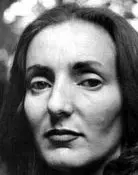
Zuca Sardan

Zuca Sardan, artistic name of Ana Cristina Martins Marques, is a Portuguese poet, short story writer, and performer. Her poetic work is recognized for its formal experimentation, its exploration of themes such as identity, the body, and memory, and for a strong performative component. With a career that spans diverse artistic manifestations, Zuca Sardan has established herself as a singular voice in contemporary literature, challenging the boundaries between written poetry and spoken poetry, and exploring the potentialities of language and the body as vehicles of expression.

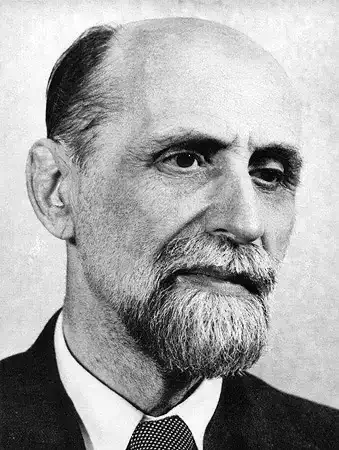
Idea Vilariño

Idea Vilariño was a Uruguayan poet, essayist, translator, and literary critic, a prominent figure in Latin American literature. She stood out for her engaged poetry and for exploring themes such as love, death, identity, and the female condition, with direct and powerful language. Her work, marked by deep social and existential reflection, established her as one of the most important voices in Spanish-language poetry.

Pedro de Azevedo Tojal

Pedro de Azevedo Tojal is a prominent figure in contemporary Portuguese poetry. His poetic work is recognized for its lyrical depth, its exploration of universal themes such as time, memory, and the human condition, and for its careful and evocative language. Tojal has been consolidating his own style, which combines heightened sensitivity with philosophical reflection, making him a relevant name in the current literary landscape.

Adolfo Simões Müller

Adolfo Simões Müller was a multifaceted Portuguese creator, known for his diverse work that encompassed poetry, short stories, novels, plays, and essays. His writing, often marked by a critical tone and deep reflection on society and the human condition, demonstrates a remarkable ability to adapt to different genres. With a prolific career and a restless mind, Müller left a rich and complex literary legacy, exploring the most varied facets of the human experience with intelligence and sensitivity.

Paulo Moreiras

Paulo Moreiras is a name associated with contemporary Portuguese-language poetry, whose work is distinguished by its lyrical depth and exploration of existential and social themes. His writing, marked by careful language and keen sensitivity, addresses the human condition, its fragilities and longings, in constant dialogue with the world around him. A poet and essayist, Paulo Moreiras has been building a literary career that has earned him recognition in literary circles. His works reflect artistic maturity and a unique ability to capture life's nuances, offering the reader an experience of profound reflection.

Died on this day

11
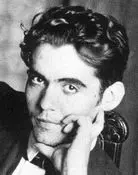
Federico García Lorca

Federico García Lorca was a Spanish poet, playwright, and theatre director, widely regarded as one of the most important figures of the Generation of '27. His work is characterized by its lyrical intensity, exploration of Andalusian folklore, and profound engagement with themes of love, death, desire, and social injustice. Lorca's poetic and dramatic output, infused with elements of surrealism and symbolism, has had a lasting impact on Spanish and world literature.

Adam
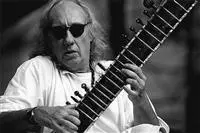
Alberto Marsicano Rodrigues

Alberto Marsicano Rodrigues is an author whose poetic work is characterized by a deep exploration of the human condition, combining lyricism and existential reflection. His writing, often marked by rich language and intrinsic musicality, addresses themes such as the passage of time, memory, and the search for identity. With a refined sensitivity to the nuances of human experience, Marsicano Rodrigues constructs a poetic universe that resonates with the reader through its authenticity and its ability to evoke feelings and reflections. His work contributes to the diversity and depth of contemporary Portuguese-language poetry.

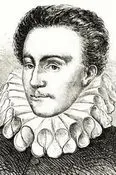
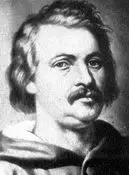
Étienne de La Boétie

Étienne de La Boétie was a French jurist, poet, and political activist, best known for his essay 'Discourse on Voluntary Servitude'. A close friend and collaborator of Michel de Montaigne, La Boétie is admired for his eloquence and his ideas on freedom and tyranny, which continue to influence political thought.

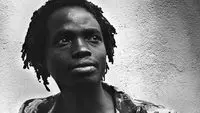
Dambudzo Marechera

Dambudzo Marechera was a Zimbabwean poet, short story writer, and novelist, known for his innovative and challenging writing. His work explores themes of identity, colonialism, alienation, and the human condition in a post-colonial context. Emerging as a prominent voice in African literature, Marechera addressed the complexity of the Zimbabwean experience with intense and often surreal language, distinguishing himself through his originality and lasting impact, despite a relatively short literary career.

Francisco de Sousa e Almada

Francisco de Sousa e Almada was a Portuguese lawyer and poet, born in Lisbon. His poetic work, although not extensive, reveals a lyrical sensibility and a concern for form, characteristic of his time. His connection to the legal world did not distance him from the literary universe, where he left a record of a particular poetic voice, attentive to the nuances of existence.

Raul Leal

Raul Leal was a Portuguese poet and physician, a singular and controversial figure in the literary scene of the early 20th century. Known for his erotic poetry and irreverence, Leal challenged the social and literary conventions of his time, leaving behind a body of work marked by boldness, musicality, and a raw vision of human existence.

Domingos Monteiro

Domingos Monteiro was a Portuguese writer and professor who left an indelible mark on literature, especially through his novels that explore rural life and the complexities of human relationships with raw realism and vigorous language. His work, deeply rooted in Portuguese identity, is a testament to his keen observation of society and his ability to create striking characters and engaging stories. He was also an interventionist intellectual, whose writing reflected a commitment to education and culture.

Philip Hodgins

Philip Hodgins was an Australian poet known for his lyrical exploration of everyday life and the Australian landscape. His poetry often addressed themes of memory, loss, and the passage of time, with clear and accessible language. He is remembered for his contribution to contemporary Australian poetry, offering an introspective and sensitive perspective on the human experience.

Jennifer Kronovet

Jennifer Kronovet is an American writer known for her imaginative prose and her ability to weave narratives that explore the relationship between the human and the non-human, the real and the fantastic. Her work frequently delves into dreamlike worlds and reflections on perception and reality. With a style that evokes both beauty and strangeness, Kronovet creates stories that challenge the reader's expectations, inviting them to question the limits of the possible. Her writing is marked by originality and psychological depth.