Poem of the day

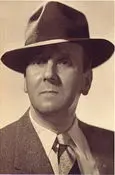
Grass

Carl Sandburg
Pile the bodies high at Austerlitz and Waterloo.
Shovel them under and let me work
-I am the grass; I cover all.

And pile them high at Gettysburg
And pile them high at Ypres and Verdun.
Shovel them under and let me work.
Two years, ten years, and the passengers ask the conductor:

What place is this?
Where are we now?

I am the grass.
Let me work.
Read full poem

Born on this day

17
António Botto

António Botto was a Portuguese poet who marked his time by the audacity of his themes and his direct approach to sensuality and love, including homosexual love, in a conservative period. His poetry, although sometimes controversial, revealed a refined lyrical sensitivity and a desire for freedom of expression. Botto is an important figure in the history of Portuguese literature for his courage in addressing taboo subjects and for his contribution to the modernization of poetry.

Sanders

Sanders is a name associated with a literary production that fits into the context of contemporary poetry. His work tends to explore urban modernity and social dynamics, with a language that sometimes adopts colloquial and critical tones. Sanders' poetry reflects a particular view of the surrounding reality, marked by attentive observation of daily life.

Maurício B. Moisés

Maurício B. Moisés is an Angolan writer and poet whose work explores the complexities of African identity, the memories of the diaspora, and the social and political realities of Angola. His poetry is marked by a strong expressive charge, a rich vocabulary, and a profound reflection on the human condition in the post-colonial context.

Fagundes Varela

Luís Nicolau Fagundes Varela was a Brazilian poet, a prominent figure of Romanticism in his country. His work is characterized by sensitivity, melancholy, and themes such as love, death, and religiosity, with a strong influence from European Romanticism. He was also an intellectual engaged in social and political debates of his time.

Herta Müller

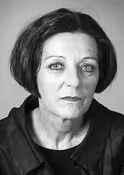
Herta Müller is a Romanian-German writer and poet, known for her work portraying life under the communist dictatorship in Romania. Her writing is marked by raw language and powerful imagery, exploring themes of oppression, identity, and memory. Born in Nițchidorf, Romania, Müller emigrated to West Germany in 1987. She received the Nobel Prize in Literature in 2009, being recognized for "with the force of poetry and the frankness of prose, she depicts the landscape of the vanquished".

Bronisława Wajs

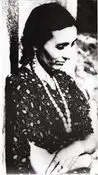
Bronisława Wajs, better known by her stage name Papusza, was a Polish Romani singer and poet. Her work, marked by a deep connection to the culture and tradition of her people, addresses themes such as nature, love, pain, and Romani identity. Despite facing difficulties and misunderstanding, her poetic voice became an important testament to the Romani experience, influencing later generations of artists and writers.

Manuel de Moura

Manuel de Moura was a Portuguese poet of the 17th century, known for his lyrical and religious work. His poetry is marked by the influence of the Baroque, with the use of elaborate language, wordplay, and a deep reflection on themes such as faith, the ephemerality of life, and devotion to God. Although integrated into the literary context of the time, his work is distinguished by the intensity of expression and the pursuit of sincere spirituality.

Óscar Ribas

Óscar Ribas was a Portuguese ethnographer and writer, known for his profound research and dissemination of Angolan cultures. He dedicated a large part of his life to the study of Angolan traditions, legends, and popular tales, collecting and publishing an extensive body of work that became a reference in the field of ethnography and African oral literature. His work contributed significantly to the preservation and appreciation of Angola's cultural heritage, allowing new generations and the world to know the richness of its roots.

Hélio da Costa Ferreira

Hélio da Costa Ferreira was a Portuguese poet whose work is distinguished by its profound connection to lyricism and the exploration of the human condition. His poetry, marked by careful language and refined sensibility, addresses themes such as the passage of time, memory, nature, and the search for meaning. Ferreira contributed to the contemporary poetic landscape with an authentic and reflective voice.

Jorge de Amorim

Jorge de Amorim is a contemporary Portuguese poet, whose work stands out for its exploration of themes such as memory, time, identity, and the fragility of the human condition. His poetry is often marked by a careful language, a lyrical tone, and a profound capacity for reflection on daily life and its existential implications. His writing, part of the recent Portuguese poetry scene, dialogues with tradition but leaves its own mark of originality and contemporary sensibility. Jorge de Amorim has been establishing himself as a relevant voice in contemporary poetry, appreciated for his introspection and for how he addresses the complexities of inner and outer life.

Cândida Aires de Magalhães

Cândida Aires de Magalhães is a prominent figure in contemporary poetry, whose work stands out for its lyrical depth and exploration of universal themes with a unique sensitivity. Her writing is characterized by careful language and an unparalleled ability to evoke deep emotions and reflections on life, love, nature, and the human condition. Through verses that combine introspection with a broader view of the world, Magalhães establishes an intimate dialogue with the reader, inviting them to share an enriching aesthetic and existential experience. Her literary contribution is marked by originality and expressive strength.

António Ferro

António Ferro was a multifaceted figure in the 20th-century Portuguese cultural landscape, excelling as a journalist, critic, poet, and essayist. He was one of the main driving forces behind literary modernity in Portugal, particularly through the magazine "Orpheu" and the movement he led, Orphism. His writing is marked by a strong vocation for aesthetic renewal, formal experimentation, and the exploration of new artistic languages, reflecting a desire to align Portuguese culture with European avant-gardes. His role as a cultural catalyst, through exhibitions, conferences, and publications, was fundamental in introducing new artistic and literary trends to Portugal, leaving a lasting legacy in the affirmation of Portuguese modernism. Ferro is remembered as an active agent of cultural transformation and a visionary of modernity.

Ted Hughes

Ted Hughes was a prominent English poet, translator, and children's writer, celebrated for his powerful and visceral depictions of the natural world and its raw, primal forces. His poetry is characterized by its intensity, rugged language, and exploration of myth, the animal kingdom, and the darker aspects of human nature. Hughes's work often draws upon mythologies and folk traditions, imbuing his verse with a profound sense of elemental power and ancient wisdom.

I imagine this midnight moment’s forest: Something
Iván Tubau

Iván Tubau is a Spanish poet whose work is characterized by an intimate and reflective lyricism, often tinged with melancholy and a deep connection with the inner and outer landscape. His poetry explores themes such as solitude, the passage of time, love, and the search for meaning in everyday life, using careful language and suggestive imagery that invites introspection. Considered a relevant voice in contemporary Spanish-language poetry, Tubau has managed to build a personal and moving poetic universe, marked by authenticity and a sensitivity that resonates with many readers.

Oliverio Girondo

Oliverio Girondo was a prominent Argentine poet, a key figure of the literary avant-garde in his country and one of the most original voices in 20th-century Spanish-language poetry. His work is characterized by profound formal and thematic experimentation, corrosive humor, and a critical view of reality, society, and language. Despite his relatively scarce output, his influence has been considerable, marking a milestone in Argentine poetry for its audacity and constant search for new forms of poetic expression. His poetry invites reflection on the limits of representation and the capacity of language to capture the complexity of the modern world.

Died on this day

8
Carlos Drummond de Andrade

Carlos Drummond de Andrade was one of the most important Brazilian poets, considered one of the greatest names in Portuguese-language literature. His work, marked by irony, reflection on the human condition, lyricism, and social criticism, addressed universal themes such as love, death, time, memory, and the individual's relationship with society. Drummond left a very rich poetic legacy, characterized by his accessible yet profound language and his ability to capture the essence of everyday life.

Eugénio de Castro

Eugénio de Castro was a Portuguese poet, a prominent figure in the transition between the late 19th and early 20th centuries. Linked to Symbolism, his work is marked by intense musicality and a deep exploration of themes such as spirituality, art, and the search for ideal beauty. Considered a renovator of Portuguese poetry, Eugénio de Castro introduced formal and thematic innovations that influenced later generations of poets. His vast literary production encompasses not only poetry but also theater and prose, demonstrating a multifaceted talent and a deep dedication to art.

Odorico Mendes

Odorico Mendes was a Brazilian poet whose works deeply explored national identity and the Brazilian landscape. His writing is marked by a lyricism that celebrates the land and the customs of the country, reflecting a strong sense of belonging and patriotic pride. Mendes stood out for his ability to capture the essence of popular culture in verses that resonate with a particular musicality. His literary contribution lies in the way he approached regional themes with an accessible and evocative language, promoting a valorization of Brazilian culture in a period of formation of the country's literary identity. Odorico Mendes' poetry is an invitation to contemplate the beauty and the Brazilian soul.

Jack Spicer

Jack Spicer was an American poet, a prominent figure in the San Francisco poetry scene of the 1950s. His work, often marked by a colloquial tone but laden with existential intensity, explores themes such as love, death, language, and the very nature of poetry. With an approach that defied formal conventions, Spicer is recognized for his authenticity and his ability to create poems that resonate with disconcerting rawness and honesty. His poetry is seen as a reflection of a constant search for meaning in an uncertain world. Jack Spicer's life, marked by hardship and a certain nomadism, seems to have influenced his writing, imbuing it with a unique urgency and vulnerability. He is remembered as a poet who intensely lived his art, leaving a legacy of works that continue to challenge and inspire readers and poets.

António Pedro

António Pedro was a multifaceted poet and a central figure in the Portuguese literary avant-garde. His work is characterized by strong linguistic experimentation, exploration of existential themes, and irreverence. He was one of the driving forces behind artistic renewal movements, constantly seeking to break with established conventions. His poetry reflects a restless, innovative spirit, deeply connected to the artistic and cultural transformations of his time.

Edwin Morgan

Edwin Morgan was a Scottish poet, translator, and literary critic, widely regarded as one of the most important figures in 20th-century Scottish poetry. His work is notable for its diversity of styles and themes, ranging from experimental and futuristic to lyrical and conversational. Morgan was a pioneer in exploring language in new ways, often incorporating elements of science and popular culture into his poetry.

Marosa di Giorgio

Marosa di Giorgio was a prominent Uruguayan poet and writer, whose work is characterized by a deep exploration of sensuality, the body, nature, and the dreamlike. Her poetry, often tinged with a mystical eroticism and a telluric force, is distinguished by powerful language, dazzling imagery, and a singular view of the human condition. Throughout her career, she developed an intimate yet universal poetic universe, establishing her as one of the most original and influential voices in contemporary Latin American literature. Her writing invites an introspective journey into the mysteries of desire, life, and death, through an unmistakable voice.