
22 de July
Born on this day
9

Marcão de Barros is a poet whose work is distinguished by its deep sensitivity and the way it explores the human condition through a unique poetic language. His verses often address universal themes such as love, loss, and the search for meaning, with an approach that combines introspection with keen observation of the world around him. His poetry is characterized by an intrinsic musicality and a creative use of words, which invite the reader to reflect on life and its complexities. Marcão de Barros stands out as an important voice in contemporary poetry, capable of touching the reader with the authenticity and strength of his expressions.
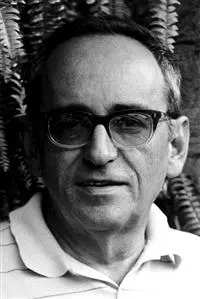
José Paulo Paz e Amor à Vida was a Brazilian poet, translator, literary critic and essayist. Having studied industrial chemistry in the city of Curitiba, José Paulo worked in a pharmaceutical laboratory for many years.
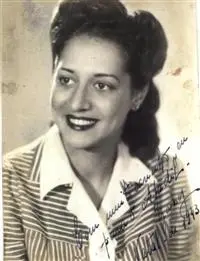
Lara de Lemos is a contemporary Portuguese poet, short story writer, and columnist, whose work stands out for its delicacy, lyrical depth, and exploration of female subjectivity. Her writing is marked by accessible language, yet filled with emotion and reflection, addressing themes such as love, solitude, memory, and the complexities of human relationships, with a sensitive and introspective gaze.

The 3rd Count of Ericeira, historiographer, military man, statesman, and general of artillery, was also a poet, having written, among other compositions, the fable Orfeu.


Poet. In 1956 he completed his Theology degree at the seminary of the Patriarchate of Lisbon. He was one of the organizers of the literary page "Parábola" of the Jornal de Almada.


León de Greiff was a Colombian poet whose work is characterized by profound musicality, a language rich in neologisms, and a style that oscillates between the classical and the avant-garde. His poetry explores universal themes such as love, death, time, and the human condition, often with a melancholic and reflective tone. Recognized as one of Colombia's great poets, his figure is associated with bohemianism and a life dedicated to art. His influence extends to several generations of poets, solidifying his place as a pillar of Hispano-American literature.
Died on this day
14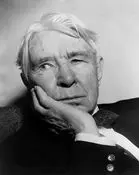
Carl Sandburg was an American poet, historian, novelist, and lexicographer. He is considered one of the most important American poets of the 20th century, known for his free verse and his focus on the American working class and the landscapes of the American Midwest. His poetry often celebrated the common man and the industrial might of America, earning him a reputation as the "poet of the people." Beyond his poetry, Sandburg was also a prolific biographer, most notably of Abraham Lincoln, and a collector of folklore and songs.
A Coin
Ceará-born poet and writer
Rosalía de Castro was a central figure of Galician and Portuguese literature, known for her lyrical poetry and her deep connection to the land and people of Galicia. Her work addresses themes such as saudade (longing), social injustice, the condition of women, and the melancholic beauty of the landscape. She is considered one of the most important voices of the Rexurdimento, a movement of cultural renaissance in Galicia.
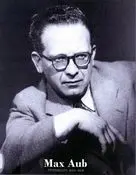
Max Aub was a prolific Spanish writer, playwright, essayist, and art critic of French origin. Born in Paris in 1903, he went into exile in Mexico after the Spanish Civil War, where he developed much of his career. His work covers a wide range of genres and themes, with a marked interest in memory, identity, and the human condition.


Miguel Arteche is a Chilean poet and essayist, a member of the Chilean Academy of Language. His poetic work is recognized for its lyrical depth, its reflection on existence, and its formal mastery. Arteche has dedicated himself to exploring the nuances of language and the search for a deeper meaning of life in his verses.

José de Jesús Sampedro is an author whose work falls within the field of literature, with a particular focus on poetry and prose that explore the human condition and society. His writing is marked by careful language and reflection on everyday experiences. With a presence in the literary scene, Sampedro seeks through his words to connect with the reader, sharing visions and feelings that invite contemplation and dialogue on relevant themes of contemporary life.

Manuel González Prada was a prominent Peruvian writer, essayist, and poet, a key figure of the Modernist literary movement in his country and a fervent social and political critic. His work is characterized by a deep reflection on Peruvian reality, the denunciation of injustice and colonialism, and a marked influence of Krausism and anarchism. Prada advocated for the modernization of Peru, educational reform, and the vindication of indigenous cultures. His poetry, often avant-garde and challenging, explores themes such as national identity, criticism of religion and established morality, and a pessimistic view of human destiny. He is considered one of the most influential intellectuals of republican Peru.
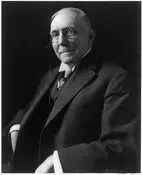
James Whitcomb Riley was an American poet and author, best known for his dialect verse that celebrated rural life in Indiana. His poems often captured the nostalgia and simplicity of childhood, small-town America, and the common folk. Riley's warm, humorous, and often sentimental style made him immensely popular in his time, earning him the nickname "The Hoosier Poet." His works, such as "Little Orphant Annie" and "The Raggedy Man," remain beloved for their accessible language and evocative portrayals of American folklore and rural experiences.
As she told me it was father


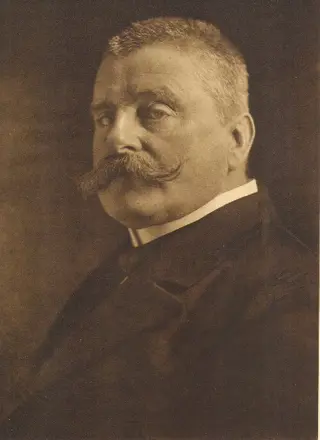
Detlev von Liliencron foi um poeta, contista e romancista alemão, nascido em Kiel em 1844, cuja lírica ajudou a renovar a poesia alemã no final do século XIX. Situado entre o naturalismo e a modernidade literária, destacou-se pela linguagem sensorial, pelo movimento e pela captação de impressões fugazes.