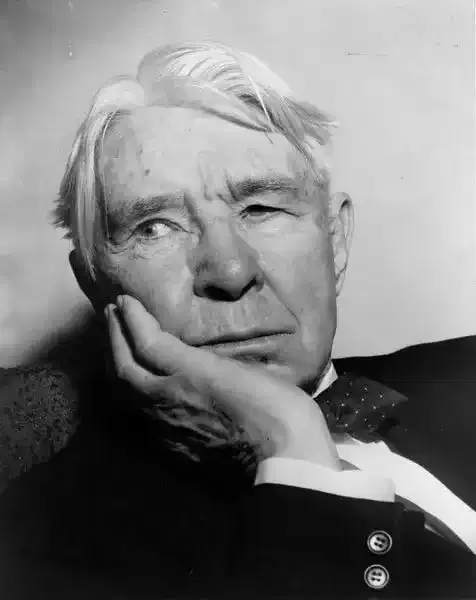
Carl Sandburg
Author of the day

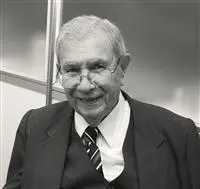
Carl Sandburg

Carl Sandburg was an American poet, historian, novelist, and lexicographer. He is considered one of the most important American poets of the 20th century, known for his free verse and his focus on the American working class and the landscapes of the American Midwest. His poetry often celebrated the common man and the industrial might of America, earning him a reputation as the "poet of the people." Beyond his poetry, Sandburg was also a prolific biographer, most notably of Abraham Lincoln, and a…

Poems
Poem of the day

Grass

Carl Sandburg
Pile the bodies high at Austerlitz and Waterloo.
Shovel them under and let me work
-I am the grass; I cover all.

And pile them high at Gettysburg
And pile them high at Ypres and Verdun.
Shovel them under and let me work.
Two years, ten years, and the passengers ask the conductor:

What place is this?
Where are we now?

I am the grass.
Let me work.
Read full poem

Born on this day

6
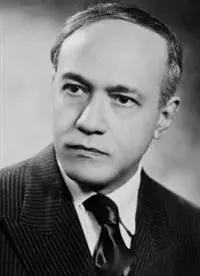
Jorge de Lima

Jorge de Lima was a Brazilian poet, doctor, and novelist, a central figure of the second generation of Modernism in Brazil. His work is marked by a deep religiosity, by the exploration of language, and by the influence of diverse aesthetic currents, such as Symbolism and Surrealism. He began with regionalist poetry and evolved towards formal experimentation and universal themes, masterfully addressing the sacred, the profane, love, and death.

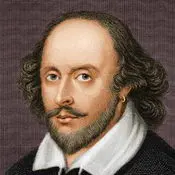
William Shakespeare

William Shakespeare is widely regarded as the greatest writer in the English language and the world's pre-eminent dramatist. His vast body of work, including tragedies, comedies, histories, and sonnets, explores the complexities of human nature with unparalleled depth and linguistic richness. His plays continue to be performed and studied globally, making him a timeless figure in literature and theatre.

A Fairy Song
Osvaldo Alcântara

Osvaldo Alcântara was an Angolan poet and professor. He stood out for his poetic work that addresses themes such as African identity, the human condition, and social criticism. His writing is marked by careful language and deep lyrical sensitivity, exploring the complexities of the African experience in post-colonialism. He was also an active intellectual in promoting culture and education in Angola.

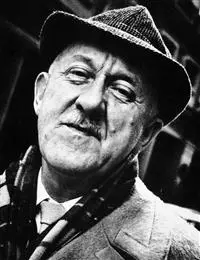
Halldór Laxness

Halldór Laxness was one of the most prominent Icelandic writers, awarded the Nobel Prize in Literature in 1955. His vast and diverse work encompasses novels, short stories, plays, poems, and essays, exploring Icelandic identity, the struggle for survival in a hostile environment, and social criticism with a rich and innovative language. He is recognized for his ability to blend realism with elements of Icelandic folklore and sagas. With a unique literary style, Laxness addressed themes such as poverty, social injustice, religion, and the search for existential meaning, leaving a literary legacy that continues to influence world literature and represent the soul and history of Iceland.

Jorge de Resende

Jorge de Resende was a Portuguese poet whose work developed in the 20th century, fitting into a period of literary renewal. His poetry is known for its lyrical depth, for the exploration of universal themes such as love, death, and the passage of time, and for a style that combines tradition with a modern sensibility.

Jorge Guimarães

Jorge Guimarães is a contemporary Portuguese poet, whose work stands out for its deep exploration of themes such as identity, memory, and the human condition, often intertwined with the Portuguese landscape and culture. His writing is characterized by careful language and a refined lyrical sensibility, inviting reflection on the passage of time and the complexities of existence. With a unique poetic voice, Guimarães has been building a body of work that dialogues with literary tradition while opening up to new perspectives and sensibilities, establishing himself as a relevant figure in current Portuguese poetry.

Died on this day

11
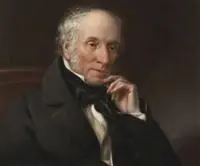
William Wordsworth

William Wordsworth was a pivotal English poet who, along with Samuel Taylor Coleridge, helped launch the Romantic Age in English literature. His poetry is deeply rooted in the natural world, often exploring themes of memory, imagination, and the spiritual connection between humanity and nature. He is celebrated for his lyrical intensity, his profound empathy, and his ability to find extraordinary beauty and meaning in the ordinary experiences of life.

Is ample, and some little might be stored
Roy Campbell

Roy Campbell was a South African poet known for his vigorous, imagistic, and often controversial poetry. His work reflects his adventurous life, his involvement in conflicts, and his strong political convictions. He explored themes such as landscape, the sea, war, faith, and cultural identity, with a style that combines intense lyricism with direct and powerful language. Campbell is considered one of the most distinctive poetic voices of 20th-century South Africa.

William Shakespeare

William Shakespeare is widely regarded as the greatest writer in the English language and the world's pre-eminent dramatist. His vast body of work, including tragedies, comedies, histories, and sonnets, explores the complexities of human nature with unparalleled depth and linguistic richness. His plays continue to be performed and studied globally, making him a timeless figure in literature and theatre.

A Fairy Song
Gaspara Stampa

Gaspara Stampa was an Italian poet of the Renaissance, celebrated for the intensity and originality of her lyrical work, which places her among the most important female voices in Italian poetry. Her poetic production is predominantly dedicated to love, exploring its various facets with passion, melancholy, and eroticism. Her work, recovered and published posthumously, reveals a refined sensibility and a remarkable formal mastery, influencing subsequent generations of poets. Stampa is recognized for her courage in expressing feminine feelings so openly and honestly in a period dominated by rigid social conventions.

Erik Gustaf Geijer

Erik Gustaf Geijer was a Swedish writer, historian, poet, and composer. He is considered a central figure in Swedish Romanticism and had a significant impact on the development of historiography and literature in Sweden. Geijer was also a member of the Swedish Academy.

Jules Amédée Barbey d'Aurevilly

Jules Amédée Barbey d'Aurevilly was a French writer and literary critic, known for his grandiloquent style and his works that explore dark themes and the hidden side of society. He was an important figure of late Romanticism and Parnassianism, with a strong inclination towards Catholicism and traditionalism.

Theodor Gottlieb von Hippel

Theodor Gottlieb von Hippel was a Prussian jurist, writer, and civil servant. Known for his satirical works and writings on the condition of women, he was an influential intellectual figure of his time, promoting ideas on female education and women's rights.

Rolf Dieter Brinkmann

Rolf Dieter Brinkmann was a German poet, a central figure in post-war German experimental poetry and concrete poetry. His work, marked by the deconstruction of language and the exploration of new forms of expression, addressed themes such as urban alienation, mass culture, and the search for authenticity in an increasingly media-driven and fragmented world. Brinkmann was an innovator, challenging literary conventions and paving the way for future poetic experimentation.

Inca Garcilaso de la Vega

El Inca Garcilaso de la Vega was a Peruvian chronicler and historian, recognized as the first mestizo writer to achieve literary fame in Europe. His masterpiece, 'Comentarios Reales de los Incas' (Royal Commentaries of the Incas), is a valuable chronicle of the history, culture, and civilization of the Inca Empire, written from a unique perspective that fuses indigenous heritage and European education. He is a crucial figure for understanding the identity and history of Peru and Latin America.

Rupert Brooke

Rupert Brooke was an English poet known for his idealistic and patriotic war sonnets written at the outset of World War I. His early death from sepsis during the war cemented his image as a heroic figure. Brooke's poetry is characterized by its lyrical beauty, traditional form, and exploration of themes such as love, beauty, and patriotism, often tinged with a sense of youthful idealism.

I: Peace