Poem of the day

Grass

Carl Sandburg
Pile the bodies high at Austerlitz and Waterloo.
Shovel them under and let me work
-I am the grass; I cover all.

And pile them high at Gettysburg
And pile them high at Ypres and Verdun.
Shovel them under and let me work.
Two years, ten years, and the passengers ask the conductor:

What place is this?
Where are we now?

I am the grass.
Let me work.
Read full poem

Born on this day

9
Alves Coelho

Alves Coelho was a prominent poet, whose work is distinguished by its lyrical depth and reflection on existential themes. His poetry, marked by refined and sensitive language, often addressed the human condition and its complexities. His contribution to literature is notable, leaving a poetic legacy that continues to be valued for its aesthetic quality and its ability to touch the reader.

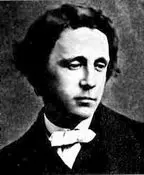
Lewis Carroll

Lewis Carroll, born Charles Lutwidge Dodgson, was an English writer, mathematician, logician, and photographer. He is most famously known as the author of "Alice's Adventures in Wonderland" and "Through the Looking-Glass." Carroll's work is characterized by its whimsical fantasy, wordplay, logic puzzles, and surreal humor, which have captivated readers of all ages. His unique blend of childlike imagination and sophisticated intellectualism has made his stories enduring classics of children's literature and beyond.

All in the golden afternoon Full leisurely we glid
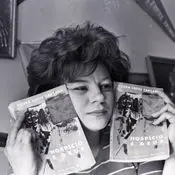
Maura Lopes Cançado

Maura Lopes Cançado was a Brazilian poet and short story writer whose work is marked by strong sensitivity, a particular lyricism, and a profound exploration of the feminine soul and human relationships. Her writing, often poetic even in prose, addresses themes such as love, loneliness, identity, and the search for freedom. With a style distinguished by its musicality and its ability to create vivid images, Maura Lopes Cançado left a legacy of texts that continue to resonate for their originality and depth. Her work is an invitation to revisit the emotions and complexities of existence with a sensitive and questioning eye.

Hugo Santos

Hugo Santos is a contemporary poet whose work is characterized by an intense exploration of language and human experience. His poems frequently delve into the complexities of daily life, interpersonal relationships, and existential questions, using a style marked by conciseness and imagistic power. With a writing that moves between the lyrical and the reflective, Santos addresses themes such as the search for meaning, the ephemerality of life, and the quest for authenticity in a constantly changing world. His poetry invites contemplation and questioning, establishing an intimate dialogue with the reader.

Ana Maria Botelho

Ana Maria Botelho was a poet whose work is distinguished by her introspection and exploration of themes such as memory, identity, and the passage of time. Her writing, often marked by subtle musicality and careful language, invites reflection on the human condition and its complexities.

João Caetano

João Caetano was a Portuguese actor and playwright, a prominent figure in 19th-century theater. He stood out for his stage versatility, interpreting a wide range of roles and being recognized for his dedication to his characters. As an author, he contributed several plays that reflected the taste and theatrical conventions of his time, consolidating his name in the Portuguese artistic landscape.

Pedro Juan Gutiérrez

Pedro Juan Gutiérrez is a contemporary Cuban writer, known for his raw and provocative style that often explores the darker aspects of life and sexuality. His work is characterized by direct and uncompromising prose, which has generated both admiration and controversy. Through his novels, short stories, and poetry, Gutiérrez has established himself as an important voice in current Latin American literature, offering an unflinching look at Cuban reality and the human condition.

Emiliano Hernández

Emiliano Hernández is a Spanish poet and writer whose work is part of contemporary poetry. His writing is characterized by deep introspection, the exploration of existential themes, and a remarkable ability to create evocative poetic imagery. Through careful and often suggestive language, Hernández addresses the complexity of the human experience, the fleeting nature of time, memory, and the search for meaning. His work reflects a particular sensitivity to the world around him, inviting the reader to reflect.

Died on this day

15
J. G. de Araújo Jorge

J. G. de Araújo Jorge was a prominent Brazilian poet, short story writer, and columnist, known for his rich contribution to literature. His work covers a variety of themes, from everyday life to existential reflection, with a style characterized by musicality, rich vocabulary, and keen observation. He was also an important figure in journalism and radio, demonstrating a creative versatility that made him a multifaceted figure in Brazilian culture. His poetry is appreciated for its lyrical depth and ability to capture the nuances of human experience.

Oscar Rosas

Oscar Rosas is a poet known for his deep exploration of the human condition, addressing themes such as loneliness, the ephemerality of time, and the search for meaning. His work is distinguished by the musicality of its verse and its ability to evoke powerful images with accessible yet symbolism-laden language. His poetry invites introspection, reflecting on the complexities of love, loss, and memory. The poet uses language that oscillates between the colloquial and the erudite, creating a unique poetic universe that resonates with contemporary experience. His work has been recognized by critics for its originality and sensitivity in approaching universal themes, solidifying his place in Lusophone poetry.

Francisco Mangabeira

Francisco Mangabeira was a Brazilian politician and jurist, known for his role in the national political scene, especially during the Second Republic and the Estado Novo. His career was marked by the defense of democratic ideals and the pursuit of social and economic development for Brazil. As a jurist, he contributed to legal debate and lawmaking. His trajectory reflects the complexities and political challenges faced by the country in the mid-20th century, demonstrating a commitment to justice and constitutional order.

Yolanda Morazzo

Yolanda Morazzo was an Angolan poet whose work is marked by a deep reflection on identity, the condition of women, and the struggle for freedom, expressed through powerful language and a strong emotional charge. Her poetry addresses themes such as ancestry, diaspora, and the search for a space of dignity and recognition, both personally and collectively. With an authentic and resilient voice, Morazzo left a valuable testimony of the African experience and the female perspective, contributing significantly to Lusophone literature with her sensitivity and commitment to expressing human truth.

John Updike

John Updike was an acclaimed American writer, known for his elegant prose and for exploring the lives of the American middle class, focusing on the complexities of human relationships, sexuality, and spirituality. His novels and short stories often portray suburban life and the existential dilemmas of his characters.

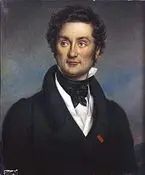
Charles Nodier

Charles Nodier was a French writer, librarian, and politician. He stood out in the literary movement of Romanticism, although he maintained a connection with Classicism. He was one of the founders of the Société des antiquaires de France and one of the first members of the French Academy.

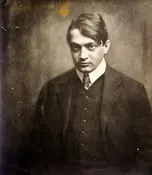
Endre Ady

Endre Ady was one of the most influential and innovative poets in Hungarian literature. His work is marked by an overwhelming emotional intensity, exploring themes such as love, death, homeland, and spirituality in a deeply personal and, at the same time, universal way. Ady revolutionized Hungarian poetry with his modern language, bold imagery, and raw approach to the human condition. His poetry reflects the complexities of his time and his own soul, with a strong sense of urgency and an incessant search for meaning. He is considered one of the pillars of Hungarian modernism, whose impact on the country's literature endures to this day.

Hashem Shaabani

Hashem Shaabani was an Iranian poet known for his work in the Kurdish language. His poetry often addresses themes related to Kurdish identity, culture, and the struggles of his people. His works reflect a deep connection to the land and a strong sense of belonging, exploring the beauty of the landscape and the resilience of the human spirit in the face of adversity. His poetic voice is a landmark in Kurdish literature, conveying genuine emotions and a lyrical vision of the world.

Alberto Teles

Alberto Teles was a Portuguese poet and professor, whose poetic work is part of Neo-Realism, exploring social and political themes with a direct and engaged language. His writing reflects a strong sense of civic intervention and concern for social injustices, characteristic of the literary movement to which he was associated. As an educator, he dedicated himself to the training of young people, transmitting not only knowledge but also values of citizenship and social criticism.

Orlando da Costa

Orlando da Costa was an Angolan writer and political activist, a central figure in Portuguese-language literature, especially for his connection to the Angolan liberation movement. His work, both fictional and essayistic, reflects a deep commitment to the social and political reality of his country, addressing themes such as identity, colonization, the struggle for independence, and the construction of a new nation. With a multifaceted style, which moves between lyricism, social denunciation, and philosophical reflection, Orlando da Costa sought to give voice to Angola's aspirations and contradictions. His literary production, although sometimes marked by political urgency, is also an exploration of the human condition and the pursuit of justice and freedom.

Maria Filomena Cabral

Maria Filomena Cabral is a Portuguese writer and ethnohistorian, known for her vast work that bridges literature with anthropological and historical research. With a keen eye for cultures, traditions, and the human condition, her writing reveals a profound sensitivity and intellectual rigor, exploring narratives that bring us closer to different social and historical realities.

Víctor Català

Víctor Català, pseudonym of Caterina Albert i Paradís, was a prominent figure in Catalan literature, especially known for her novel "Solitud". Her work is characterized by a raw realism and a deep exploration of female psychology, addressing themes such as oppression, loneliness, and the search for identity. Català was a pioneer in her time, defending the voice and perspective of women in literature and using a powerful and evocative language. Her contribution to the Catalan Renaixença movement and her distinctive literary style consolidate her as one of the most important writers in Catalonia.