

Awards
United States Poet Laureate
Poeta Laureado dos EUA
Description
The United States' Highest Poetic Honor
Origins and Historical Evolution
The title of Poet Laureate of the United States, formerly known as Consultant in Poetry, is the highest poetic honor in the United States. The position was established in 1936, inspired by the role of Poet Laureate of Great Britain. The first to hold the position was American poet Joseph Auslander, who served from 1937 to 1941. However, the position was truly solidified and gained prominence with the appointment of Robert Frost in 1958. From 1985 onwards, the title was officially changed to Poet Laureate of the United States.
Selection Process and Term
The Librarian of Congress is responsible for appointing the Poet Laureate, based on recommendations from an advisory council. The laureate serves for a one-year term, typically from September to May. While there are no strict formal criteria, the laureate is usually a renowned American poet with a significant and recognized body of work. The selection aims to honor a poet whose work demonstrates literary excellence and who can serve as a spokesperson for poetry throughout the country.
Responsibilities and Special Projects
The Poet Laureate's responsibilities include reading poems at special events, organizing poetry readings, and promoting poetry in schools and communities. The laureate may also develop special projects to disseminate poetry. For instance, laureate Gwendolyn Brooks initiated a project to bring poetry to nursing homes, while Rita Dove led a project on the poetry of Abraham Lincoln.
Cultural Significance and Notable Laureates
The significance of the honor lies in its recognition of poetic excellence and its role in elevating the profile of poetry in American public life. The title confers prestige on the laureate and helps bring public attention to the art of poetry. Over the years, many of America's most celebrated poets have held this position, including Elizabeth Bishop, Robert Penn Warren, Louise Glück, Billy Collins, and Ada Limón, the current Poet Laureate.
Nature of the Honor and Enduring Significance
The award is not competitive in the traditional sense; there are no open applications or a jury that votes. The appointment is made by the Librarian of Congress, making the process more akin to a bestowed honor than a won prize. This approach ensures that the selection is based on admiration and recognition of the poet's career and impact. The longevity and continuity of the position, despite changes in Librarians of Congress and administrations, attest to its enduring importance in the American cultural landscape. The Poet Laureate serves as a beacon, illuminating the power and beauty of poetry for all Americans.
Winners

Arthur Sze


Ada Limón
Ada Limón is a contemporary American poet whose work is marked by a deep connection with nature, the body, and the complexities of human relationships. Her poetry is often described as visceral, honest, and compassionate, exploring themes of healing, loss, and the search for belonging.

Joy Harjo

Tracy K. Smith

Juan Felipe Herrera

Charles Wright

Natasha Trethewey

Philip Levine

W. S. Merwin

Kay Ryan
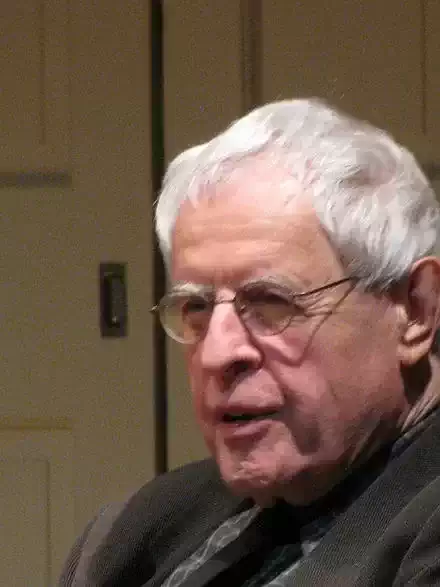
Charles Simic

Charles Simic was a Serbian-American poet, essayist, and translator, known for his poetry that often explores the surreal, the absurd, and the dark, often with a touch of black humor. His work is marked by powerful and unexpected images, drawn from both everyday life and his experiences with war and exile. He is celebrated for his ability to transform the mundane into something mysterious and for his unmistakable poetic voice, which manages to be both intimate and universal. Simic was an influential figure in American poetry, known for his clarity and insight.

Donald Hall

Ted Kooser
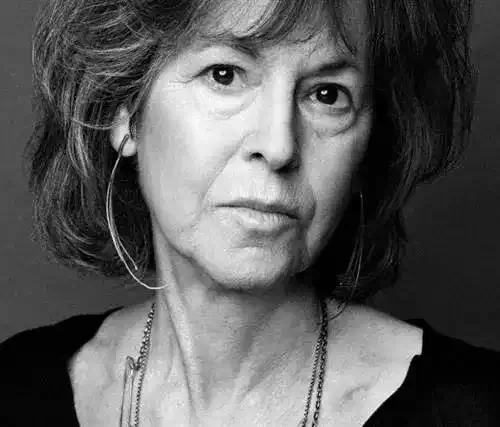
Louise Glück
Louise Glück was an American poet known for her lyrical and introspective writing, which frequently explored themes of loss, desire, family, and nature. Her work is marked by raw emotional intensity, direct language, and careful structure, often revisiting classical myths and fairy tales to explore the human psyche. Throughout her career, Glück received widespread acclaim, culminating in the Nobel Prize in Literature in 2020, solidifying her place as one of the most significant voices in contemporary American poetry.
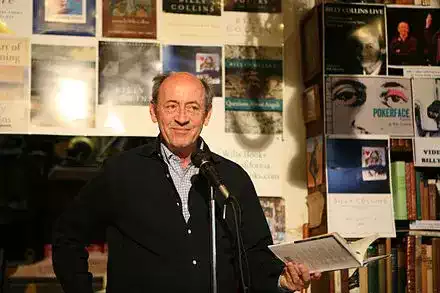
Billy Collins

Billy Collins is a highly acclaimed contemporary American poet, celebrated for his accessible, witty, and often lyrical verse. His work frequently explores the ordinary experiences of everyday life, imbuing them with a sense of wonder, humor, and gentle philosophical insight. Collins served as the Poet Laureate of the United States, bringing poetry to a wider audience through his engaging and relatable style.

Stanley Kunitz
Louise Glück
Louise Glück was an American poet known for her lyrical and introspective writing, which frequently explored themes of loss, desire, family, and nature. Her work is marked by raw emotional intensity, direct language, and careful structure, often revisiting classical myths and fairy tales to explore the human psyche. Throughout her career, Glück received widespread acclaim, culminating in the Nobel Prize in Literature in 2020, solidifying her place as one of the most significant voices in contemporary American poetry.

Rita Dove
W. S. Merwin

Howard Nemerov

Robert Pinsky
Robert Pinsky is a contemporary American poet and essayist, known for his poetry that combines technical rigor with a vivid exploration of everyday life, history, and language. His work is marked by a distinctive musicality and a reflective approach to the human experience, having served as the Poet Laureate of the United States.

Robert Hass
Rita Dove

Mona Van Duyn
Joseph Brodsky

Joseph Brodsky was a Russian-American poet and essayist, Nobel laureate in Literature. His work is marked by erudition, formal complexity, and profound reflection on themes such as exile, time, memory, and the human condition. His poetry, often dense and challenging, engages with Russian and Western literary tradition, exploring the ambiguities of language and the search for meaning in a constantly changing world. His life, marked by exile and opposition to the Soviet regime, lends an autobiographical and resistant dimension to his literary production.

Mark Strand

Richard Wilbur

Robert Penn Warren

Gwendolyn Brooks
Gwendolyn Brooks was a pioneering American poet whose work chronicled the lives of ordinary African Americans with vivid imagery and profound empathy. She broke significant ground as the first African American to win a Pulitzer Prize for Poetry, an achievement that underscored her distinctive voice and her commitment to portraying the realities of urban Black life. Brooks's poetry often explored themes of identity, social justice, community, and the challenges and triumphs of Black existence in America, using both traditional forms and more experimental approaches to capture the rhythms and spirit of her subjects.

Reed Whittemore
Reed Whittemore was an American poet, critic, and professor, known for his poetry that blends the colloquial with the reflective, often addressing themes of daily life and intellectual pursuits with a touch of humor and irony. His literary work is appreciated for its clarity and the originality of his view of the world. Whittemore dedicated part of his career to teaching, sharing his love for literature and writing with new generations of students.

Robert Fitzgerald

Anthony Hecht

Maxine Kumin

William Meredith

Robert Hayden
Robert Hayden was a prominent American poet, known for his exploration of the African American experience and universal themes such as faith, identity, and history. His poetry is marked by a rich tapestry of language, an impressive formal mastery, and an emotional depth that established him as a significant voice in American literature.
Stanley Kunitz

Daniel Hoffman

Josephine Jacobsen
Josephine Jacobsen was an American poet and short story writer recognized for her lyrical and insightful voice. Her work frequently explores the complexity of human relationships, memory, and the existential condition, with a depth that resonates with many readers. She stood out for her ability to capture moments of introspection and for her elegant and meditative prose.

William Stafford

William Jay Smith

James Dickey

Stephen Spender

Reed Whittemore
Reed Whittemore was an American poet, critic, and professor, known for his poetry that blends the colloquial with the reflective, often addressing themes of daily life and intellectual pursuits with a touch of humor and irony. His literary work is appreciated for its clarity and the originality of his view of the world. Whittemore dedicated part of his career to teaching, sharing his love for literature and writing with new generations of students.
Howard Nemerov

Louis Untermeyer
Louis Untermeyer was an American poet, critic, and anthologist, known for his accessible and often humorous approach to poetry. He played a significant role in bringing poetry to a wider audience through his anthologies and his own work. His career spanned several decades, and he was an influential figure in the literary scene, promoting the work of other poets and enriching the poetic landscape with his distinctive style and passion for the written word.

Richard Eberhart
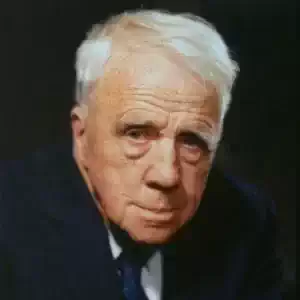
Robert Frost
Robert Frost was an American poet whose work is often associated with the rural life of New England. His poetry is characterized by its accessible language, conversational tone, and exploration of profound themes about nature, human existence, and the choices people make. Despite often being perceived as a simple observer of country life, Frost's poems delve into complex psychological states and philosophical questions, making him one of America's most celebrated and enduring literary figures.

Randall Jarrell
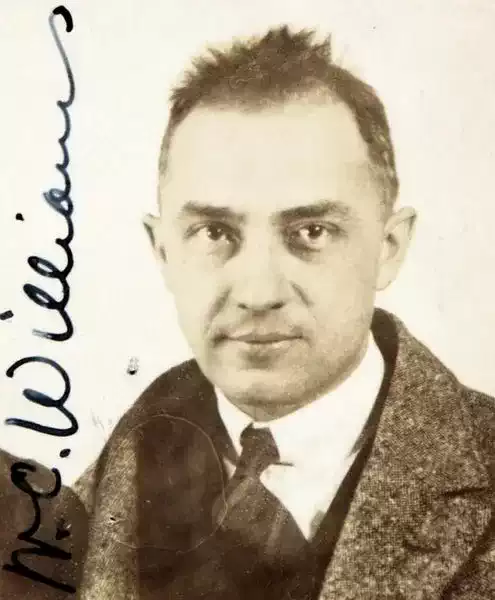
William Carlos Williams
William Carlos Williams was an American poet, physician, and writer closely associated with the Modernist movement. His poetry is characterized by its focus on everyday American life, colloquial speech, and vivid imagery, often drawing inspiration from the ordinary objects and experiences of his surroundings. Williams championed the idea of a distinctly American poetry, free from European influences, and his work significantly impacted the development of Imagism and later poetic movements.

Conrad Aiken
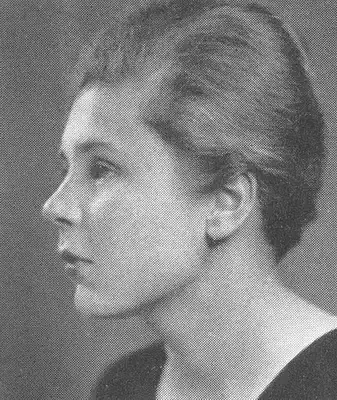
Elizabeth Bishop
Elizabeth Bishop was an American poet renowned for her meticulously crafted, observant, and subtly emotional verse. Her work is characterized by its precise imagery, quiet tone, and profound empathy for the subjects she described, often focusing on landscapes, travel, and the details of everyday life. Despite a relatively small output of published work during her lifetime, she gained significant critical acclaim and is now considered one of the most important American poets of the 20th century. Her poetry is marked by its formal control and deep engagement with the physical world.

Léonie Adams

Robert Lowell

Karl Shapiro
Karl Shapiro was an American poet, known for his direct poetry, often socially and personally critical. He served in World War II, and this experience significantly influenced his work. His poetry is characterized by its use of colloquial language and its straightforward approach to themes such as war, identity, and American society.

Louise Bogan
Louise Bogan was an American poet known for her emotional intensity and technical skill in her work. Her poetry often explores themes of female identity, anguish, and the human condition, with precise and evocative language. Despite facing personal difficulties, Bogan maintained a consistent and influential literary output. Her work is marked by deep introspection and a lyrical approach that resonates with inner experience. She is considered one of the most significant voices in 20th-century American poetry, admired for her originality and expressive power.
Robert Penn Warren

Allen Tate
Allen Tate was an influential American poet, literary critic, and professor, a central figure of the modernist movement and one of the founders of the New Criticism movement. His poetic work is known for its intellectual intensity, use of symbolism, and exploration of themes such as the decline of the American South, religion, and the nature of art. As a critic, Tate advocated for a rigorous approach to textual analysis, focusing on the structure and language of the literary work. His influence extended for decades, shaping the teaching and appreciation of literature in the English-speaking world.
