

Awards
Prémio Oceanos
Description
History and Foundation
The Oceanos Prize for Literature in Portuguese Language, formerly known as the Portugal Telecom Prize, was created in 2003 with the aim of recognizing and promoting literary production in the Portuguese language, encompassing authors from all Lusophone countries. Its foundation represented an important milestone in the appreciation of literature produced in Portuguese, establishing a cultural dialogue among the various nations that share this language.
Scope and Categories
The prize distinguishes works of fiction (novel and short story) and poetry, published in Portugal, Brazil, and the Portuguese-speaking African countries (Angola, Mozambique, Cape Verde, Guinea-Bissau, São Tomé and Príncipe), as well as Timor-Leste. This geographical scope is one of its greatest strengths, as it encourages the circulation and recognition of authors and works that might otherwise have less international visibility.
Criteria and Jury
The selection criteria, although not always explicitly detailed publicly in all aspects, generally focus on literary quality, originality, thematic relevance, and mastery of language. A jury composed of literary critics, academics, and renowned writers in each edition evaluates the submitted works. The jury's composition is rotating and aims to ensure diverse and qualified representation.
Importance and Impact
Over the years, the Oceanos Prize has been a stage for the recognition of established authors and the discovery of new talents. Its importance lies not only in the prestige conferred upon the winners and finalists but also in the impact it has on promoting Lusophone literature to a wider audience, both nationally and internationally. Awarding works in Portuguese contributes to the affirmation of the cultural and literary identity of Lusophone countries, strengthening ties between them.
The Oceanos Prize acts as a catalyst for literary debate, criticism, and reflection on the state of the art of literature in the Portuguese language.
Name Change and Sponsorship
Interestingly, the prize has undergone a name and sponsor change throughout its history. Initially known as the Portugal Telecom Prize, in 2017, after the end of the partnership with the telecommunications company, the prize was relaunched under the name Oceanos Prize, under the auspices of Editora Companhia das Letras and with the support of other entities. This transition demonstrated the resilience and importance of the award, which managed to maintain its prestige and relevance in the literary scene.
Legacy and Cultural Role
The Oceanos Prize is not limited to awarding individual works; it acts as a catalyst for literary debate, criticism, and reflection on the state of the art of literature in the Portuguese language. Its ability to attract the attention of specialized critics and the reading public solidifies its position as one of the most important literary awards today, boosting the careers of writers and enriching the Lusophone cultural landscape.
Winners

Ana Maria Vasconcelos

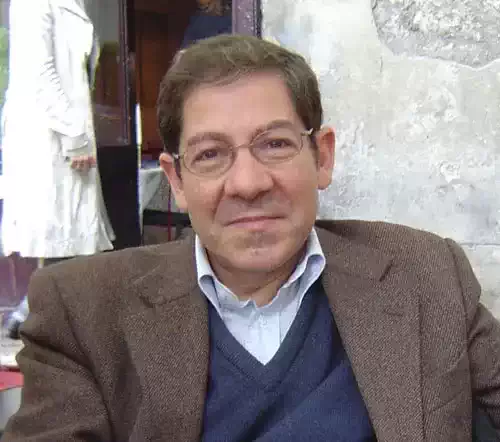
Nuno Júdice

Nuno Júdice was a prominent Portuguese poet, essayist, novelist, and literary critic. His poetic work is characterized by intelligence, irony, and a constant questioning of language, identity, and reality itself. With a style that moves between the lyrical and the reflective, Júdice addressed universal themes such as time, memory, love, and the human condition, always with a sharp eye on the paradoxes of existence. His vast output, recognized nationally and internationally, establishes him as one of the most important authors of contemporary Portuguese-language literature.

Prisca Agustoni

Alexandra Lucas Coelho

LuÃs Cardoso de Noronha


Itamar Vieira Junior

Djaimilia Pereira de Almeida


Marília Garcia
Marília Garcia is a Brazilian poet, essayist, and translator, whose poetic work is characterized by intelligence, metalinguistic reflection, and the exploration of language as a tool for understanding the world and oneself. With a style that blends erudition and informality, Garcia addresses themes such as memory, identity, writing, and the human condition, often with subtle humor and a critical perspective. Her literary production is marked by originality and the depth of her investigations into poetry and life.

Ana Teresa Pereira
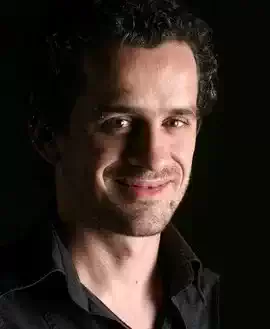
José Luís Peixoto
José Luís Peixoto is one of the most prominent contemporary Portuguese writers, known for his lyrical prose and his profound exploration of the human condition, memory, and identity. His work spans poetry, novels, and short stories, distinguished by its stylistic originality and its ability to evoke landscapes and emotions intensely, earning him national and international recognition.

Silviano Santiago
Silviano Santiago is a renowned Brazilian writer, essayist, and literary critic. His work is marked by a deep reflection on cultural identity, language, and power relations in contemporary society. With a consolidated career, he moves between fiction and non-fiction, always with a sharp eye for the complexities of Brazil and Latin America. He is considered one of the most important intellectuals of his generation, influencing debates on literature and critical thinking. His writing, often challenging, invites the reader to immerse themselves in complex themes, exploring the nuances of the human experience and cultural production.

Sérgio Rodrigues

José Luiz Passos

Valter Hugo Mãe
Valter Hugo Mãe is a Portuguese poet and writer known for his dense, reflective, and often melancholic poetry. His work explores profound themes such as existence, the passage of time, memory, pain, and the search for meaning in a complex world. It is characterized by careful language, sometimes hermetic, but always loaded with strong musicality and deep lyricism, making him a unique voice in contemporary Portuguese-language literature.

Rubens Figueiredo

Chico Buarque
Chico Buarque de Hollanda is one of the most prominent Brazilian singers, composers, and writers. His musical work, marked by melodic sophistication and engaged poetry, has established him as an icon of MPB (Música Popular Brasileira). Parallel to his musical career, he developed a literary body of work that explores social and existential themes with profound sensitivity and mastery of language.

Nuno Ramos
Nuno Ramos is a Brazilian writer, visual artist, and critic. His literary work, marked by an intense and transgressive language, explores themes such as violence, the body, memory, and identity, often in dialogue with his artistic practice. With a visceral and fragmented writing style, Nuno Ramos challenges literary conventions, inviting the reader to an immersion in complex and disturbing universes. He is a prominent figure in contemporary Brazilian literature.

Cristovão Tezza
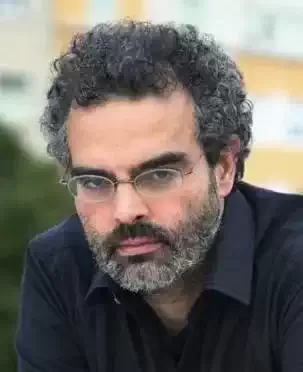
Gonçalo M. Tavares
Gonçalo M. Tavares is a contemporary Portuguese writer, known for his extensive work encompassing poetry, prose, and essays. His writing is often marked by formal experimentation, exploration of philosophical themes, and the creation of complex narrative universes.

Milton Hatoum

AmÃlcar Bettega Barbosa

Paulo Henriques Britto
Paulo Henriques Britto is a Brazilian poet, translator, and professor. His poetic work stands out for its formal intelligence, irony, and reflection on themes such as everyday life, the ephemerality of life, and human relationships. Britto is also a recognized English-language translator, having rendered works by authors such as Shakespeare, T.S. Eliot, and Raymond Carver into Portuguese.

Bernardo Carvalho
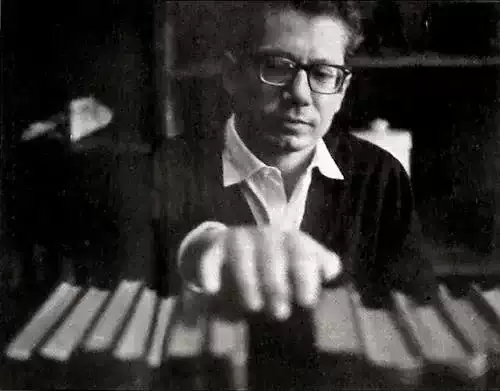
Dalton Trevisan
Dalton Trevisan is a Brazilian writer known for his short story work and his raw, direct writing. His narrative frequently explores urban marginality, human misery, and the complexities of interpersonal relationships, using concise language and a cutting style that earned him the nickname "Vampire of Curitiba." His work is marked by keen observation of everyday life and the ability to reveal the grotesque and tragic in the simplicity of life.