

Awards
Wallace Stevens Award
Description
The Award and Its Origin
The Wallace Stevens Award is one of the most prestigious awards in American poetry, presented by the Academy of American Poets. Established in 1997, this biennial award comes with a substantial monetary prize (currently $100,000) and is intended to honor a poet who has demonstrated exceptional merit throughout their career and made significant contributions to the art of poetry in the United States.
The award is not based on specific works, but rather on the poet's entire body of work and influence. Its nature is that of a recognition of a life dedicated to poetry, celebrating the depth, originality, and lasting impact of the laureate's work.
Honoring Wallace Stevens
The award is named in honor of Wallace Stevens (1879-1955), one of the most important American modernist poets, known for his philosophical poetry, his exploration of the relationship between imagination and reality, and his lyrical and intellectually rigorous style.
The Academy of American Poets
The Academy of American Poets, founded in 1934, is a non-profit organization dedicated to celebrating poetry and supporting American poets. The Wallace Stevens Award is one of its most significant honors, alongside the Fellowship Award and the Lenore Marshall Poetry Prize.
Selection Criteria
The criteria for selecting the laureate are rigorous and involve evaluating literary quality, innovation, influence on other poets and the literary landscape in general, and consistency of excellence over a career. There are no specific categories within the award; it is a singular recognition of an individual.
Relevance and Impact
The relevance of the Wallace Stevens Award lies in its ability to highlight and financially support poets who have often already achieved a certain level of recognition but can greatly benefit from this substantial acknowledgment. It allows these poets to continue their creative work with greater security and freedom.
Notable Laureates
The list of laureates includes some of the most revered names in contemporary American poetry:
- John Ashbery
- Adrienne Rich
- Robert Creeley
- Nathaniel Mackey
- Rita Dove
- Louise Glück
- Charles Bernstein
- Marilyn Nelson
Each of these poets represents different facets and styles of American poetry, but all share a deep dedication to the art and a distinctive voice.
Prestige and Significance
The award's importance is amplified by the fact that it is presented by a respected institution and a panel of qualified judges, typically including renowned poets, critics, and academics. Its biennial nature means that attention is focused on each laureate more intensely, allowing for a deeper celebration of their legacy.
The award is not merely financial recognition but also a seal of approval and a testament to the importance of the poet's work to American literature and, by extension, to world literature.
Its connection to Wallace Stevens lends it historical and intellectual weight, linking contemporary poetry to one of its most influential founding figures.
Winners

Cornelius Eady


Naomi Shihab Nye
Naomi Shihab Nye is an American poet of Palestinian and American descent, known for her poetry that celebrates everyday life, human connection, and empathy. Her work explores themes of identity, home, culture, and the search for peace and understanding in a diverse world.

Afaa Michael Weaver

Marilyn Nelson

Toi Derricotte

Nikky Finney
Nikky Finney is an American poet and academic known for her work that frequently addresses themes of Black identity, family history, ancestry, and the landscape of the Southern United States. Her poetry is deeply rooted in personal and collective narratives, celebrating the resilience and voice of Black women. Finney is an important figure in contemporary literature, inspiring through her writing and activism.

Rita Dove

Sonia Sanchez

Jorie Graham
Jorie Graham is a contemporary American poet, known for her philosophical and experimental poetry that investigates themes such as nature, consciousness, time, and the human relationship with the world. Her work is marked by an intense and reflective approach, exploring language as a means to apprehend reality and human experience. Graham is also an important figure in creative writing education.

Sharon Olds
Sharon Olds is an American poet whose work is known for its brutal honesty and intimate exploration of the body, sexuality, family, and politics. With a distinctly personal and direct voice, Olds tackles themes often considered taboo with a lyrical clarity and emotional force that resonates deeply with readers, addressing the human experience in its rawest and most vulnerable facets.

Joy Harjo

Robert Hass

Philip Levine

Gary Snyder

Yusef Komunyakaa

Galway Kinnell

Jean Valentine
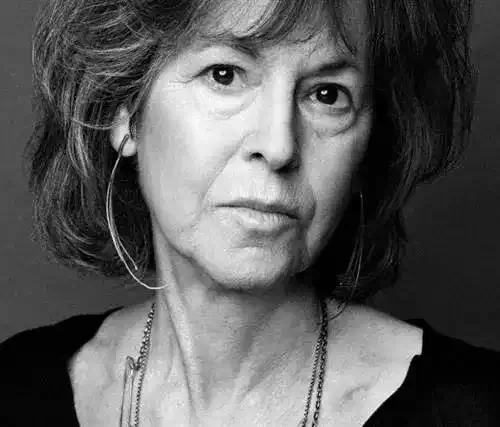
Louise Glück
Louise Glück was an American poet known for her lyrical and introspective writing, which frequently explored themes of loss, desire, family, and nature. Her work is marked by raw emotional intensity, direct language, and careful structure, often revisiting classical myths and fairy tales to explore the human psyche. Throughout her career, Glück received widespread acclaim, culminating in the Nobel Prize in Literature in 2020, solidifying her place as one of the most significant voices in contemporary American poetry.
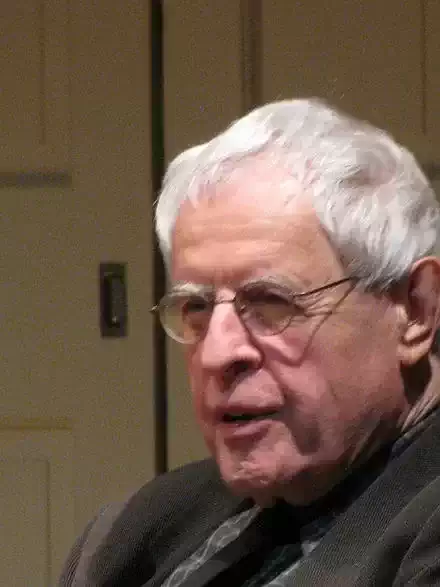
Charles Simic

Charles Simic was a Serbian-American poet, essayist, and translator, known for his poetry that often explores the surreal, the absurd, and the dark, often with a touch of black humor. His work is marked by powerful and unexpected images, drawn from both everyday life and his experiences with war and exile. He is celebrated for his ability to transform the mundane into something mysterious and for his unmistakable poetic voice, which manages to be both intimate and universal. Simic was an influential figure in American poetry, known for his clarity and insight.

Michael Palmer
Michael Palmer is an American poet known for his experimental and politically engaged work. His poetry frequently explores themes of power, politics, medicine, and the nature of language, challenging traditional literary conventions. He is a prominent figure in contemporary poetry, with a career spanning decades.

Gerald Stern
Gerald Stern was an American poet whose poems are known for their exuberant energy, ironic humor, and ability to move between the personal and the universal. His work frequently celebrates life, nature, and simple joys, while also addressing the complexities and sorrows of existence. Stern used vibrant and accessible language, often incorporating elements of colloquialism and the American lyrical tradition. His poems invite the reader on a journey of discovery, where imagination and emotion intertwine with reflections on love, family, art, and the search for transcendence.

Mark Strand

Richard Wilbur

Ruth Stone
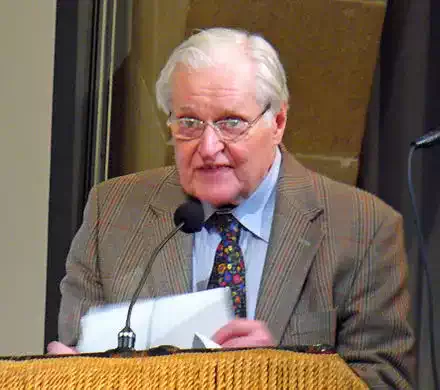
John Ashbery
John Ashbery was one of the most influential American poets of the second half of the 20th century, known for his challenging and innovative poetry. His work explores the nature of language, consciousness, and reality, often through lengthy, stream-of-consciousness poems. Ashbery demonstrated a remarkable ability to blend the colloquial with the sublime, the personal with the impersonal, creating a unique style that defies easy categorization. He was also a respected literary critic and teacher, leaving a lasting legacy on contemporary poetry.

Frank Bidart

Jackson Mac Low

A.R. Ammons

Anthony Hecht
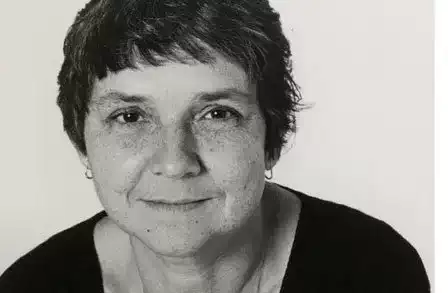
Adrienne Rich
Adrienne Rich was an American poet, essayist, and feminist activist, recognized for her politically engaged poetry and her exploration of identity, sexuality, and social oppression. Throughout her career, her work evolved to address themes of radical feminism, lesbianism, pacifism, and social justice, becoming an influential voice in counterculture movements and gender studies.

James Tate
