

Awards
Premio de la Crítica (Poesía castellana)
Premio de la Crítica Poesía
Description
History and Purpose
The Premio de la Crítica, in its categories of Poetry in Spanish and Poetry in Co-official Languages (which is divided into Galician, Catalan, and Basque), is one of the most prestigious awards in the Spanish literary landscape.
Created in 1956 by the Spanish Association of Literary Critics (AECL), the award aims to recognize and promote literary quality, serving as a barometer of the most significant poetic output each year.
Importance and Credibility
Its importance lies largely in the autonomy and judgment of its juries, composed of renowned literary critics, which lends considerable credibility and weight to the award.
Over the decades, the award has been a significant boost to poetic careers, both for established authors and for emerging voices that have demonstrated exceptional talent.
Linguistic Diversity
The distinction is not limited to a single genre but encompasses poetry written in Spanish and also in the other official languages of the Spanish State, reflecting the diversity and richness of the country's literary production.
This division into categories underscores the AECL's commitment to valuing all poetic manifestations within Spain:
- Poetry in Spanish
- Galician Poetry
- Catalan Poetry
- Basque Poetry
Selection Criteria
The selection criteria, although not explicitly codified in rigid regulations, tend to favor originality, thematic depth, formal mastery, and the capacity for innovation in poetic language. The award focuses not only on the individual work but also on its resonance and impact within the broader literary and cultural context.
Impact and Legacy
Throughout its history, the Premio de la Crítica has been the scene of debates and the recognition of works that have marked eras and continue to be essential references in the history of Spanish poetry. Its longevity and the constant renewal of its laureates attest to its vitality and its ability to adapt to new times, always maintaining a focus on literary quality as its main value.
The award ceremony, although sometimes discreet, is always eagerly awaited by the literary community, as the winners are often considered the foremost exponents of the year's poetry. The award's influence extends beyond Spanish borders, serving as an indicator of the quality of poetry produced in the Spanish language and its regional variants.
Winners

Tomás Sánchez Santiago

Tomás Sánchez Santiago is a contemporary Spanish writer, whose work focuses mainly on the novel and the short story. His texts are known for portraying rural reality and life in small towns, exploring the complexities of human relationships, the passage of time, and memory. With a careful prose and an attentive eye to the details of everyday life, Sánchez Santiago has built a body of work that captures the essence of his characters and settings, gaining recognition for his contribution to Spanish realist literature.

Ben Clark

Ben Clark is an Anglo-Spanish writer and poet, known for his work that spans novels, poetry, and short stories, often exploring urban themes, youth, and identity in a contemporary context. His writing is characterized by a direct and energetic style, with a sharp eye for the social and existential realities of his characters. Clark has established himself as a relevant voice in recent Spanish literature, in both prose and verse.

Dionisia GarcÃa

MarÃa Ãngeles Pérez López

Ramón Andrés
Ramón Andrés is a Spanish writer and musician, known for his work that moves between narrative, poetry, and music. His writing is often marked by a refined artistic sensibility, exploring the intersection between different forms of expression and the search for beauty in life.

Juan Antonio González-Iglesias
Juan Antonio González-Iglesias is a Spanish poet and university professor, known for his work that blends erudition and lyricism. His poetry explores classical and contemporary themes, with careful language and a deep reflection on culture, art, and life.

Raquel Lanseros
Raquel Lanseros is a contemporary Spanish poet, recognized for her introspective lyricism and for exploring themes such as identity, memory, and the search for meaning. Her poetry is characterized by formal delicacy and emotional depth, inviting reflection on the human experience.

Luis Bagué QuÃlez

Fermín Herrero
Fermín Herrero is a Spanish poet known for his lyrical and reflective work. His poems explore deep themes, often addressing the human condition, the passage of time, and the beauty found in everyday life. He stands out for his mastery of language and his ability to evoke intense emotions in his readers.

Ángeles Mora

Lorenzo Oliván
Lorenzo Oliván is a Spanish poet known for his lyrical and reflective work, which explores the nuances of human experience with precise and sensitive language. His poetry addresses themes such as memory, the passage of time, nature, and the search for meaning, using a style that combines clarity and depth, inviting the reader to serene contemplation.

Antonio Hernández
Antonio Hernández is a Spanish poet whose work is distinguished by its lyrical intensity and exploration of universal themes such as love, death, memory, and landscape. With a language rich in imagery and sensitivity, his poetry emanates a deep connection with cultural and existential roots, reflecting on the passage of time and the search for meaning. Hernández is recognized for his contribution to contemporary Spanish poetry, offering a poetic vision that combines the personal and the universal with remarkable depth.

Juan Carlos Mestre
Juan Carlos Mestre is a Spanish poet known for his lyrical and engaged work. His poetry explores themes such as memory, identity, and the human condition, often with accessible and evocative language. He stands out for the depth of his reflections and his ability to connect the personal to the universal.

Tomás Segovia

Juana Castro
Juana Castro is a Spanish poet whose work is known for its lyrical intensity and its profound exploration of the female experience and the human condition. Her poetry is characterized by expressive force, sensitivity in approaching themes such as love, loss, memory, and the passage of time, often with a touch of melancholy and wisdom.

Francisco Ferrer LerÃn

Eduardo GarcÃa

Chantal Maillard

Julia Uceda

Eloy Sánchez Rosillo
Eloy Sánchez Rosillo is a Spanish poet known for his lyrical and introspective work. His poetry explores themes such as time, memory, and the human condition, with careful and evocative language. He stands out for the depth of his verses and his ability to create striking poetic images. Throughout his career, Sánchez Rosillo has consolidated a recognized authorial voice in the landscape of contemporary Spanish-language poetry. His writing is often associated with a particular sensitivity to the nuances of existence and the search for meaning amidst everyday experiences.

Jacobo Cortines

Luis García Montero

Vicente Gallego
Vicente Gallego is a contemporary Spanish poet, recognized for his work that blends colloquial language with deep philosophical reflections. His poetry stands out for its originality and its ability to address complex themes in an accessible way. He moves between the real and the symbolic, inviting the reader to question reality and explore new perspectives on life, art, and language itself.

Carlos Marzal
Carlos Marzal is a Spanish poet whose work is distinguished by its reflective depth and exploration of the complexities of human existence. His poems often address themes such as memory, time, identity, and the relationship between the individual and the world around them, with careful language and intrinsic musicality.

Antonio Cabrera

Guillermo Carnero
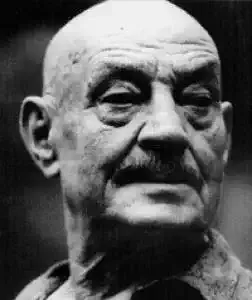
José Hierro

José Hierro was a Spanish poet, one of the central figures of post-war social poetry and one of the innovators of poetic language in Spain. His work is characterized by a profound humanism, a concern for social and existential reality, and constant formal and thematic experimentation. His poetry is distinguished by its reflective tone, its commitment to the human condition, and its search for a language that can name the complexity of the world and of being. Hierro is considered a poet of doubt, of constant questioning, and his work is a testament to the search for meaning in an often turbulent and contradictory world.

María Victoria Atencia
María Victoria Atencia is a prominent figure in 20th and 21st-century Spanish poetry, known for her erudition-marked work, formal mastery, and profound reflection on time, memory, and the human condition. Her poetry, of great stylistic rigor, explores themes such as beauty, the ephemerality of existence, spirituality, and love, using dense and imagistic language. Atencia is recognized for her ability to combine literary tradition with innovation, creating a unique work of great relevance in the contemporary poetic landscape.

Diego Jesús Jiménez
Diego Jesús Jiménez was a Spanish poet whose work is distinguished by its lyrical depth and the incessant search for a language that translates the nuances of human experience. His poetry explores themes such as memory, time, identity, and the individual's relationship with the world. With keen sensitivity, Jiménez addressed the beauty and melancholy of existence in his verses, using a refined and reflective style. His contribution to contemporary Spanish poetry is notable for its authenticity and the expressive force of his writing.

Felipe Benítez Reyes
Antonio Hernández
Antonio Hernández is a Spanish poet whose work is distinguished by its lyrical intensity and exploration of universal themes such as love, death, memory, and landscape. With a language rich in imagery and sensitivity, his poetry emanates a deep connection with cultural and existential roots, reflecting on the passage of time and the search for meaning. Hernández is recognized for his contribution to contemporary Spanish poetry, offering a poetic vision that combines the personal and the universal with remarkable depth.

Andrés Trapiello

José Agustín Goytisolo
José Agustín Goytisolo was a Spanish poet and translator, recognized for his socially and existentially oriented poetry. His work, marked by a deep commitment to reality and a lucid, often critical poetic voice, addresses themes such as injustice, memory, identity, and the human condition. In addition to his literary work, Goytisolo was an intellectual committed to the social and political causes of his time, which was reflected in his writing and activism.

Abelardo Linares
Abelardo Linares is a Spanish poet and editor, whose poetic work is recognized for its formal elegance and the depth of its themes. He also plays an important role in the publishing world, contributing to the dissemination of literature. His poetry often explores the relationship between the individual and the world, addressing issues of memory, identity, and the search for beauty amidst life's complexity.

Antonio Carvajal

Javier Salvago
Javier Salvago is a Spanish writer, poet, and essayist, whose work spans various literary genres, but with a particular focus on poetry and literary criticism. He is recognized for his distinct authorial voice and the depth of his reflections. His literary production is marked by a constant exploration of language and the boundaries of knowledge, addressing themes ranging from metaphysics to contemporary social issues.

Francisco Bejarano
Francisco Bejarano is a Spanish writer and poet known for his poetic work. He explores profound themes and uses rich language in his compositions. His writing often moves between the personal and the universal, inviting the reader to reflect on the human condition and the complexities of existence.

Miguel d'Ors
Miguel d'Ors is a Spanish writer and essayist, known for his elegant prose and his deep reflection on cultural, philosophical, and aesthetic themes. His work is characterized by a scholarly yet accessible style, inviting the reader to think about art, history, and the human condition itself. With a vast output of essays and articles, d'Ors masterfully addresses the relationship between tradition and modernity, and beauty and its perception, establishing himself as an influential intellectual in the Spanish cultural landscape.

Justo Navarro
Justo Navarro is a Spanish writer whose literary work, especially his novels, is distinguished by a refined prose and by a deep exploration of character psychology and the complexities of human relationships. His narrative addresses themes such as memory, identity, desire, and social tensions with an introspective perspective. With a style that combines formal rigor and sensitivity, Navarro has established himself as a relevant author in contemporary Spanish literature, inviting the reader to immerse themselves in the nuances of the human experience.

Luis Alberto de Cuenca
Spanish poet, literary critic, and translator, Luis Alberto de Cuenca is a prominent figure in the poetry of the second half of the 20th century and the early 21st century. His work is characterized by profound erudition, a conversational tone, and constant intertextuality with popular culture and literary tradition. Through poetry that is accessible yet rich in nuance, he explored universal themes such as love, death, and the passage of time, often with an undertone of melancholy and existential reflection.

Andrés Sánchez Robayna

Jaime Siles
Jaime Siles is a Spanish poet, literary critic, and university professor, known for his poetry that combines formal rigor with a deep reflection on literary tradition, memory, and the human condition. His work is marked by notable erudition and precise, evocative language.

Vicente Núñez

Luis Antonio de Villena
Luis Antonio de Villena is a prominent Spanish poet, writer, and literary critic. His work is marked by a deep sensitivity, exploring themes such as love, beauty, ephemerality, and the human condition. With a lyrical and dense style, he has established himself as an important voice in contemporary Spanish-language poetry. In addition to his poetic production, Villena has also dedicated himself to prose, with novels and essays that reflect his vast culture and his critical view of society and art. His figure is associated with a certain aestheticism and a constant search for formal perfection in his texts.

José Ángel Valente

Luis Rosales
Luis Rosales was a Spanish poet whose work is associated with the Generation of '27, although his style developed its own voice and a profound reflection on the human condition and beauty. His poetry is characterized by a refined lyricism, precise language, and a constant search for harmony and transcendence. Rosales explored themes such as love, death, time, nature, and memory, often with an existential and metaphysical perspective. He is recognized for his formal mastery, his balance between tradition and modernity, and his ability to evoke deep emotions through suggestive images and a musical rhythm. His work represents a valuable legacy in 20th-century Spanish poetry, marked by lyrical intensity and the nobility of his expression.

Ángel García López

Antonio Colinas
Spanish poet whose work is distinguished by a deep spirituality, a constant reflection on time, memory, and the search for transcendence. His poetry, characterized by careful musicality and evocative imagery, explores the beauty of the natural world, the mystery of existence, and the intimate connection between human beings and the cosmos. Colinas has managed to bridge lyrical tradition and modernity, creating a unique poetic universe of great philosophical depth.

Luis Felipe Vivanco
Luis Felipe Vivanco was a Spanish poet and literary critic, associated with the Generation of 36 and the movement called "Rationalist Poetry" (Poesía Racionalista). His poetic work, although less numerous than that of some contemporaries, is recognized for its expressive force, existential reflection, and formal rigor. He explored themes such as anguish, solitude, the search for meaning, and social reality, with clear and objective language. As a critic, Vivanco contributed to the analysis and dissemination of the work of other poets, playing an important role in the understanding and appreciation of the poetry of his time. His literary trajectory represents a testament to the complexity and concerns that marked Spanish literature in the mid-20th century.

Carlos Bousoño
Carlos Bousoño was a distinguished Spanish poet and literary critic, a central figure in post-war Spanish poetry and one of the foremost experts on the work of Juan Ramón Jiménez. His poetic work, marked by a profound reflection on being, time, and reality, is characterized by its formal rigor, careful language, and constant search for truth and beauty. As a critic, his analysis of contemporary poetry and his erudition established him as an undisputed authority in the Spanish literary sphere.

Alfonso Canales
Alfonso Canales was a Spanish poet and professor. His poetic work is marked by a deep reflection on existence, the human condition, and the ephemerality of time. With a style that moves between the lyrical and the existential, Canales masterfully explored language, seeking to express the complexities of the soul. In addition to his literary production, Canales also dedicated himself to teaching, sharing his love for literature and writing with new generations. His influence extends to both the field of poetry and the educational area, leaving a legacy of sensitivity and thought.

Salvador Espriu
Salvador Espriu was a Spanish poet, playwright, and novelist, a central figure in post-war Catalan literature. His work, deeply rooted in the identity and history of Catalonia, is characterized by a reflection on the human condition, collective memory, injustice, and the fragility of existence. Using often symbolic and evocative language, Espriu addressed universal themes from a local perspective, becoming a moral and literary reference.

Eladio Cabañero
Eladio Cabañero is a contemporary Spanish poet, recognized for his contribution to lyrical poetry. His work stands out for its sensitivity in approaching universal themes, such as love, nature, and the passage of time, with a refined and emotional poetic language.
Luis Rosales
Luis Rosales was a Spanish poet whose work is associated with the Generation of '27, although his style developed its own voice and a profound reflection on the human condition and beauty. His poetry is characterized by a refined lyricism, precise language, and a constant search for harmony and transcendence. Rosales explored themes such as love, death, time, nature, and memory, often with an existential and metaphysical perspective. He is recognized for his formal mastery, his balance between tradition and modernity, and his ability to evoke deep emotions through suggestive images and a musical rhythm. His work represents a valuable legacy in 20th-century Spanish poetry, marked by lyrical intensity and the nobility of his expression.
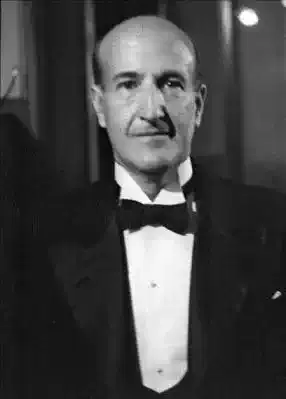
Vicente Aleixandre
Vicente Aleixandre was a Spanish poet, a central figure of the Generation of '27. His poetic work is marked by a deep lyricism and an exploration of the themes of love, death, the cosmos, and the human condition, often with a language charged with symbolism and dreamlike imagery. He was awarded the Nobel Prize in Literature in 1977, recognizing the universality and strength of his poetic expression, which made him one of the most important Spanish-language poets of the 20th century.
Carlos Bousoño
Carlos Bousoño was a distinguished Spanish poet and literary critic, a central figure in post-war Spanish poetry and one of the foremost experts on the work of Juan Ramón Jiménez. His poetic work, marked by a profound reflection on being, time, and reality, is characterized by its formal rigor, careful language, and constant search for truth and beauty. As a critic, his analysis of contemporary poetry and his erudition established him as an undisputed authority in the Spanish literary sphere.

Francisco Brines
Francisco Brines was a Spanish poet, considered one of the most important voices in Spanish poetry in the second half of the 20th century. His work is characterized by a deep reflection on the human condition, the passage of time, memory, love, and nature, with a lyrical and restrained language. Brines explored existential themes with particular sensitivity, seeking beauty in everyday experiences and in the contemplation of the natural world. His poetry, although often melancholic, possesses an inner strength and serenity that invite introspection, consolidating him as a master of contemporary Spanish lyricism.

Claudio Rodríguez
Claudio Rodríguez was a Spanish poet whose work is characterized by his profound reflection on existence, nature, and transcendence. His poetry, rooted in Spanish tradition but open to contemporary currents, stands out for its vigorous language and its ability to find the extraordinary in the everyday. Throughout his career, he explored universal themes with a hopeful and vitalistic perspective, becoming a key figure in Spanish poetry of the second half of the 20th century.
José Hierro
José Hierro was a Spanish poet, one of the central figures of post-war social poetry and one of the innovators of poetic language in Spain. His work is characterized by a profound humanism, a concern for social and existential reality, and constant formal and thematic experimentation. His poetry is distinguished by its reflective tone, its commitment to the human condition, and its search for a language that can name the complexity of the world and of being. Hierro is considered a poet of doubt, of constant questioning, and his work is a testament to the search for meaning in an often turbulent and contradictory world.

María Elvira Lacaci
María Elvira Lacaci was a Spanish writer, known for her literary work that addresses social and existential themes with sensitivity and depth. Her writing is characterized by the exploration of the human condition, interpersonal relationships, and the complexities of modern life. Through her short stories and novels, Lacaci offered readers reflections on identity, loneliness, and the search for meaning in a constantly changing world. Her literary voice stands out for its authenticity and its ability to portray the nuances of human experience.
Vicente Aleixandre
Vicente Aleixandre was a Spanish poet, a central figure of the Generation of '27. His poetic work is marked by a deep lyricism and an exploration of the themes of love, death, the cosmos, and the human condition, often with a language charged with symbolism and dreamlike imagery. He was awarded the Nobel Prize in Literature in 1977, recognizing the universality and strength of his poetic expression, which made him one of the most important Spanish-language poets of the 20th century.

José María Valverde
José Ángel Valente

José Manuel Caballero Bonald
José Manuel Caballero Bonald was a Spanish poet and novelist, a prominent figure of the Generation of '50. His work is characterized by a deep social and existential charge, addressing themes such as injustice, marginalization, historical memory, and the human condition with a powerful and often heartbreaking language. He was a chronicler of the reality of his time, especially of Andalusia, capturing in his writing the harshness of rural life and the aftermath of the war and post-war period. His literary legacy is immense and his recognition encompasses numerous awards and distinctions.
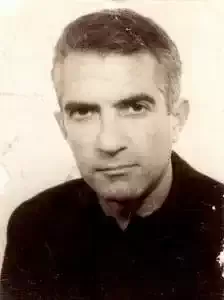
Blas de Otero
Blas de Otero was one of the most relevant Spanish poets of the second half of the 20th century, a key figure of the so-called "social poetry." His work is characterized by a deep human and ethical commitment, addressing themes such as injustice, solidarity, hope, and the search for freedom. With a direct and emotional language, Otero managed to connect with a wide audience, becoming the voice of many who longed for a more just world. His poetry, marked by formal simplicity and expressive force, remains a reference for committed poetry in Spanish.
José Hierro
José Hierro was a Spanish poet, one of the central figures of post-war social poetry and one of the innovators of poetic language in Spain. His work is characterized by a profound humanism, a concern for social and existential reality, and constant formal and thematic experimentation. His poetry is distinguished by its reflective tone, its commitment to the human condition, and its search for a language that can name the complexity of the world and of being. Hierro is considered a poet of doubt, of constant questioning, and his work is a testament to the search for meaning in an often turbulent and contradictory world.
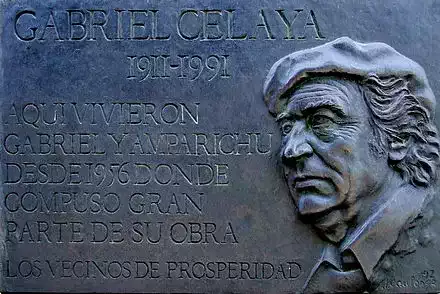
Gabriel Celaya
Gabriel Celaya was an influential Spanish poet, known for his social and existential poetry. His work addresses themes such as the human condition, social injustice, and the search for identity in a changing world.