
Awards
Premio letterario internazionale Viareggio Rèpaci
Viareggio-Rèpaci
Description
History and Foundation
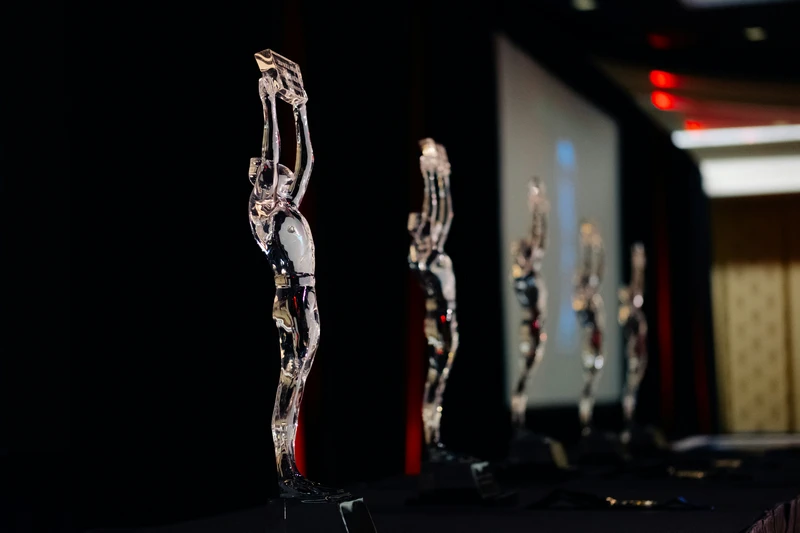
The Premio Letterario Internazionale Viareggio-Rèpaci, founded in 1933, is one of Italy's oldest and most respected literary awards. Initially known as Premio Viareggio, it was renamed in honor of the writer Leonida Rèpaci, who was one of its founders and one of its most fervent supporters. The award has been a pillar in promoting Italian and international literature, recognizing works that stand out for their artistic excellence, thematic depth, and cultural impact.
Selection Criteria and Jury
The selection criteria are rigorous, focusing on the intrinsic literary quality of the work, the originality of the writing, the relevance of the themes addressed, and the author's ability to innovate and engage with literary tradition. The jury is composed of academics, literary critics, writers, and prominent figures from the Italian cultural world, ensuring a careful and informed evaluation.
Award Categories
The award annually distinguishes works in various categories, the most prominent being:
- Narrative: Recognizes novels and short stories that demonstrate mastery in the art of storytelling, psychological depth of characters, and stylistic richness.
- Poetry: Celebrates poetic collections that explore new forms of expression, address universal themes with sensitivity and innovation, and contribute to the evolution of poetic language.
- Essay: Distinguishes non-fiction works that offer insightful analyses of social, cultural, historical, or philosophical issues, presented with intellectual rigor and expository clarity.
- Debut Narrative (Opera Prima): A crucial category aimed at boosting new talent, awarding works by emerging authors who demonstrate exceptional literary potential and an authentic voice.
Cultural Relevance and Impact
The relevance of the Viareggio-Rèpaci transcends Italian borders. Over the decades, the award has been a stage for the discovery and consecration of numerous authors who have become benchmarks in contemporary literature. Its ability to identify literary trends and reward works that anticipate cultural debates gives it a pioneering role in the literary landscape. The award ceremony, traditionally held in Viareggio, is a highly prestigious cultural event, attracting writers, publishers, critics, and literature lovers from across the country and abroad.
An interesting curiosity is the strong connection of the award to the city of Viareggio and its cultural history, especially during the fascist period, when the award served as a space for resistance and affirmation of freedom of expression.
Legacy and Permanence
The persistence and adaptation of the award over more than eight decades attest to its resilience and its lasting importance in the literary ecosystem.
Winners

Mariangela Gualtieri


Stefano Dal Bianco

Vivian Lamarque

Claudio Damiani

Flavio Santi

Luciano Cecchinel
Luciano Cecchinel is an Italian poet and writer. His poetry is characterized by clear and sometimes colloquial language, exploring themes such as daily life, human relationships, and landscapes. He also dedicates himself to prose and literary translation.

Renato Minore
Renato Minore is an Italian poet, writer, and journalist. His poetic work is marked by a deep reflection on existence, memory, and the human condition, often exploring the relationship between the individual and time. He also dedicates himself to literary criticism and translation.

Roberta Dapunt
Roberta Dapunt is an Italian poet and writer. Her poetic work is known for its lyrical strength, exploration of intimacy, and reflection on nature, memory, and the passage of time. Her verses often transition between the personal and the universal. In addition to her poetic production, Dapunt also dedicates herself to prose, exploring similar themes with a narrative approach. Her literary voice stands out for its sensitivity and its ability to evoke deep images and emotions in the reader.

Stefano Carrai
Stefano Carrai is an Italian university professor and literary critic, specializing in French and comparative literature. His research spans from the classical period to modernity, with a particular interest in 19th and 20th-century poetry and prose. As a critic, Carrai is known for his insightful analyses of authors and works, exploring themes such as aesthetics, literary history, and the relationship between literature and other arts. His academic work establishes him as a reference in literary studies in Italy.

Sonia Gentili
Sonia Gentili is an Italian writer and translator. Her literary work, which includes novels and short stories, is often marked by a lyrical and introspective prose, exploring the complexities of human relationships and existential dilemmas. As a translator, Gentili has contributed to the dissemination of foreign literature in Italy, with a focus on works of fiction and poetry. Her intellectual activity positions her as an important voice in the contemporary Italian cultural scene.

Franco Buffoni

Alessandro Fo

Enrico Testa

Antonella Anedda

Gian Mario Villalta
Gian Mario Villalta is an Italian writer, poet, and literary critic. His poetic work is recognized for its rigorous exploration of language and its reflective depth on the human condition, memory, and the passage of time. As a novelist, he often turns to history and identity, weaving narratives that explore the complexities of relationships and moral dilemmas. His writing is characterized by intelligence and attention to formal details.

Pierluigi Cappello

Ennio Cavalli
Ennio Cavalli is an Italian writer known for his diverse work, encompassing poetry, prose, and essays. His writing often explores the complexities of human existence, internal and external landscapes, and the connections between memory and identity. He is recognized for his evocative and reflective language, which invites the reader to deep contemplation.

Eugenio De Signoribus
Eugenio De Signoribus is a contemporary Italian poet, whose work is characterized by an austere and rigorous language, often focused on reflection on nature, existence, and the passage of time. His poetry explores the relationship between man and the cosmos, with a perspective that unites the lyrical with the metaphysical. His work has been praised by critics for its philosophical depth and the contained beauty of its verses, which invite silent contemplation of the mysteries of life and the universe, consolidating him as an important figure in current Italian poetry.

Silvia Bre

Giuseppe Conte

Milo De Angelis
Milo De Angelis is a prominent contemporary Italian poet, known for his work that often moves between intense lyricism and profound philosophical reflection. His poetry is marked by precise language and an exploration of the great questions of existence, often with a tone of urgency and gravity. His work has been widely praised by critics for its originality and its ability to address the human condition in a direct and moving way, solidifying his position as one of the most important voices in contemporary Italian poetry.

Livia Livi
Livia Livi is an Italian writer whose literary work is distinguished by its exploration of intimate and existential themes. Her poetic and prose work is marked by deep sensitivity and language that evokes images and feelings with great impact. With a writing that transitions between lyricism and philosophical reflection, Livi addresses the human condition, memories, and life's transformations. Her work invites the reader on a journey of self-discovery and contemplation.

Maria Marchesi

Roberto Amato
Roberto Amato is an Italian author, known for his contributions to contemporary literature. His work fits into a context of exploring social and existential themes, with an approach that seeks to deepen the reader's understanding of the human condition. Amato's writing is characterized by clear and direct prose, which focuses on building engaging narratives. He addresses relevant issues of current society, inviting reflection on the challenges and complexities of life.

Jolanda Insana
Jolanda Insana is a contemporary Italian poet and writer, known for her lyrical and introspective poetry. Her work explores the complexities of the human experience, memory, and the relationship between the individual and the world. With evocative and sensitive language, Insana weaves verses that capture moments of intense emotion and reflection. Her writing invites the reader on an inner journey, permeated by a unique musicality and profound humanity.

Ludovica Ripa di Meana
Ludovica Ripa di Meana is an Italian author whose work focuses on narratives that explore human relationships and social dynamics. Her writing is often characterized by an observant and analytical approach to the complexities of human behavior. With engaging prose, Ripa di Meana crafts stories that captivate the reader, addressing themes such as identity, belonging, and the challenges of modern life. Her work reflects a deep understanding of the human psyche.

Michele Ranchetti

Tiziano Rossi
Tiziano Rossi is a contemporary Italian writer and poet, known for his work that moves between narrative and poetry, exploring the complexities of modern life and human relationships. His writing is marked by precise language and a sensitivity that captures the nuances of everyday life, inviting reflection on existence and the search for meaning in a constantly changing world. Rossi stands out for his versatility and the depth of his observations.

Patrizia Cavalli
Patrizia Cavalli was a prominent Italian poet on the contemporary literary scene. Her work is marked by incisive language and an honest, sometimes provocative, exploration of feelings, human relationships, and the female condition. Known for her authenticity and for challenging conventions, Cavalli established herself as a powerful and influential voice, whose verses resonate with her ability to address universal themes with a unique and visceral perspective. Her poetry is a mirror of life in its most diverse and complex facets.

Michele Sovente
Michele Sovente was an Italian poet, whose work is recognized for its strong connection with the lyrical tradition and for exploring existential themes. His poetry is marked by careful language and a deep reflection on the human condition, the passage of time, and the search for meaning. His writing invites the reader to contemplate life with an attentive eye to its beauties and contradictions. Sovente contributed to the Italian poetic landscape with an authentic voice and an unmistakable style, which engages with the great questions of existence.

Franca Grisoni
Franca Grisoni was an Italian writer and poet, known for her work that delves into the complexities of the human condition, with lyrical and reflective language. Her writing often explores interpersonal relationships, memory, and the passage of time, with a keen eye for the nuances of daily life. Her work stands out for its ability to evoke emotions and create dense atmospheres, inviting the reader to deep introspection. Grisoni established herself as an important voice in contemporary Italian literature, offering a sensitive and insightful perspective on existence.

Alda Merini
Alda Merini was an Italian poet of great lyrical and expressive intensity. Her work is marked by the deep exploration of the human soul, addressing themes such as love, pain, madness, and spirituality with a raw and visceral language. Her poetry often reflects her personal experiences, including periods of psychiatric hospitalization, transforming suffering into art of rare beauty and strength. Known for her ability to move between the sacred and the profane, the everyday and the transcendental, Merini became one of the most important and influential poetic voices in Italy in the 20th century. Her writing is an invitation to reflect on the human condition, the fragility of existence, and the incessant search for meaning.

Elio Pagliarani

Giovanni Raboni

Pier Luigi Bacchini
Pier Luigi Bacchini was an Italian poet, novelist, essayist, and translator. His work is diverse, encompassing different literary genres, but maintaining a line of continuity in the exploration of the human condition and language. With a remarkable poetic vein, Bacchini also ventured into prose, where he developed narratives that explore philosophical and existential themes. His work as a translator enriched cultural exchange in Italy, and his essays reveal a thinker attentive to the nuances of literature and culture.

Franco Marcoaldi

Gabriella Leto

Cesare Viviani

Attilio Bertolucci

Raffaello Baldini
Raffaello Baldini was an Italian poet and writer, known for his poetry that delves into the landscapes and culture of Romagna, his native land. His work stands out for its colloquial language, musicality, and ability to evoke daily life with simplicity and depth. Baldini moved between the Romagnol dialect and standard Italian, exploring the nuances of regional identity. His poetry is often marked by a melancholic and ironic tone, addressing themes such as memory, time, the passage of life, and human relationships. Baldini is recognized for giving voice to common experiences, transforming the particular into the universal through his lyrical sensibility and his keen eye for detail.

Valerio Magrelli

Mario Socrate

Vasco Pratolini

Antonio Porta

Maurizio Cucchi

Vittorio Sereni

Maria Luisa Spaziani

Luciano Erba

Andrea Zanzotto

Mario Luzi
Mario Luzi was one of the most important Italian poets of the 20th century, known for his introspective, meditative poetry deeply rooted in the human condition. His work, marked by an incessant search for meaning and by a dense, evocative language, explores themes such as faith, doubt, time, memory, and man's relationship with the sacred. Throughout his extensive career, he demonstrated a remarkable capacity for renewal and reflection on the great existential dilemmas, becoming a central figure in contemporary Italian and European poetry.

Tommaso Landolfi

Dario Bellezza

Leonardo Sinisgalli
Leonardo Sinisgalli was an Italian poet, writer, and advertiser, known for his poetry that stands between tradition and modernity, exploring themes of daily life, work, and the human condition with a clear and incisive language. His poetic work is marked by a lyrical realism, where banal objects and experiences gain deeper meaning. Sinisgalli also stood out in the field of advertising, where he applied his artistic sensitivity and mastery of language, leaving a multifaceted legacy in Italian culture.

Rossana Ombres
Rossana Ombres is a contemporary Italian writer and poet, whose work is characterized by its lyrical sensitivity and exploration of themes such as female identity, human relationships, and the passage of time. Her poetry is marked by evocative language and deep introspection. With an active literary career, Ombres has been building a body of work that reflects a personal and attentive vision of the world. Her works are appreciated for their ability to touch the reader with universal themes, expressed in an original and captivating way.

Ferdinando Camon

Ignazio Buttitta
Ignazio Buttitta was an Italian poet, considered one of the most important voices of Sicilian dialect poetry. His work stands out for its strong connection with popular traditions, peasant culture, and the social struggles of Sicily. With an authentic and expressive language, Buttitta gave voice to the aspirations, pains, and dignity of his people. His poetry is a vibrant testimony of Sicilian identity and a call for justice and solidarity, consolidating him as a poet of profound social and cultural significance.

Libero de Libero
Libero de Libero was an Italian poet and writer known for his lyrical work and his profound exploration of the human condition. His poetry is marked by evocative language and keen sensibility, addressing themes such as love, death, memory, and the passage of time. With a literary career spanning several decades, de Libero left a significant legacy in 20th-century Italian poetry. His writing reflects a constant search for beauty and truth, in an attempt to capture the nuances of existential experience.

Nelo Risi
Nelo Risi was an Italian poet and filmmaker, known for his work that bridges lyrical poetry and social commentary, frequently exploring themes such as memory, war, urban experience, and human relationships. His poetry is characterized by direct and concise language, yet is laden with emotion and reflection. As a filmmaker, Risi directed several documentaries and fiction films, addressing social and political issues with an attentive and critical eye. His dual role as a poet and audiovisual director makes him a unique figure in Italian culture, capable of expressing his visions through different artistic languages, always with a strong commitment to reality and the human condition.

Giovanni Giudici

Giorgio Vigolo

Diego Valeri

Alfonso Gatto

Paolo Volponi
Giorgio Caproni
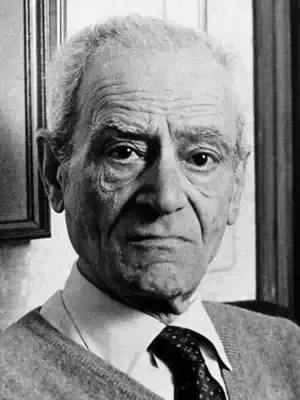
Giorgio Caproni was an Italian poet whose work is characterized by a profound melancholy, a constant questioning of existence, memory, and the search for meaning in a world marked by loss and transience. His poetry, of great formal and expressive rigor, often explores themes such as childhood, the maternal figure, the city of Livorno, and the human condition in the face of the mystery of being. Considered one of the great names in 20th-century Italian poetry, Caproni built a unique poetic universe, where existential reflection unites with a lyrical and musical language, sometimes ironic and bitter, but always imbued with rare authenticity.

Giuseppe Villaroel
Giuseppe Villaroel was an Italian poet and writer, known for his lyrical and introspective work. His poetry explores themes such as the human condition, the passage of time, and the search for meaning, often with a melancholic and reflective tone. He stood out in the literary scene of his time, contributing to 20th-century Italian poetry with an authentic and sensitive voice. In addition to his poetic production, Villaroel also dedicated himself to other forms of writing, although poetry was the genre that consecrated him. His work is appreciated for the musicality of his verses, the depth of his imagery, and his ability to evoke universal emotions, making him a reference for lovers of contemporary Italian poetry.
Salvatore Quasimodo
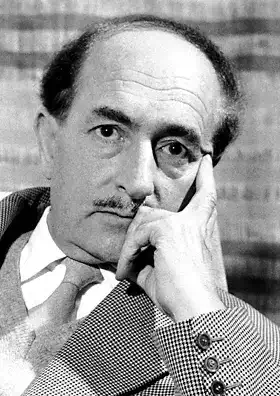
Salvatore Quasimodo was an Italian poet and translator, awarded the Nobel Prize in Literature in 1959. His work is characterized by lyrical and introspective language, exploring themes such as memory, nature, and the human condition in times of war and post-war. Quasimodo is seen as one of the exponents of Italian hermetic poetry.

Alberto Mondadori
Pier Paolo Pasolini
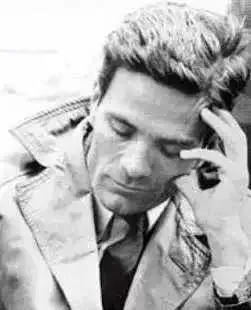
Pier Paolo Pasolini was a multifaceted Italian intellectual, poet, filmmaker, writer, and thinker of the 20th century, known for his provocative and deeply critical work of contemporary society. His artistic and intellectual output spanned various areas, always with a sharp eye on the contradictions of modernity, marginality, religion, and politics. Pasolini stood out for his boldness in questioning established values and his ability to capture the complexity of the human condition.
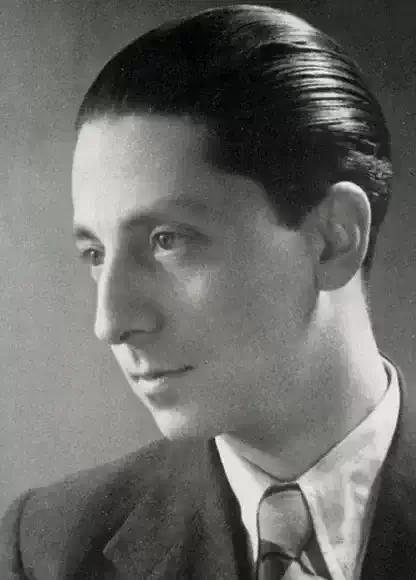
Sandro Penna
Sandro Penna was an Italian poet, known for his lyrical and intimate poetry, which frequently explores themes such as youth, beauty, desire, and melancholy. His work, marked by clear and musical language, and by an apparent formal simplicity, reveals a profound sensibility and a unique vision of the world. Penna maintained a discreet stance throughout his life, dedicating himself entirely to his art.

Giacomo Noventa
Giacomo Noventa was an Italian poet and writer, whose work stands out for its sensitive lyricism and musical language, often exploring man's relationship with nature and the depths of the human soul. His poetry is marked by a search for beauty and harmony, with a style that combines classicism and a restrained modernity. Noventa is remembered for his ability to evoke vivid images and deep feelings, using carefully crafted language. His contribution to Italian poetry lies in the delicacy of his expression and the universality of his themes, which resonate with the human experience in its search for meaning and beauty.

Carlo Betocchi

Raffaele Carrieri
Giorgio Caproni
Giorgio Caproni was an Italian poet whose work is characterized by a profound melancholy, a constant questioning of existence, memory, and the search for meaning in a world marked by loss and transience. His poetry, of great formal and expressive rigor, often explores themes such as childhood, the maternal figure, the city of Livorno, and the human condition in the face of the mystery of being. Considered one of the great names in 20th-century Italian poetry, Caproni built a unique poetic universe, where existential reflection unites with a lyrical and musical language, sometimes ironic and bitter, but always imbued with rare authenticity.
Attilio Bertolucci

Corrado Govoni

Biagio Zagarrio
Biagio Zagarrio was an Italian poet and writer, whose work stands out for its lyrical depth and exploration of existential and social themes. His poetry is often marked by accessible language, yet loaded with meaning, reflecting on the human condition and the reality of his time. With a literary output that spans poetry and prose, Zagarrio left a legacy of reflections on life, art, and society. His work is an invitation to introspection and to the appreciation of beauty found in simple things and in the deepest feelings.

Ugo Moretti

Sibilla Aleramo
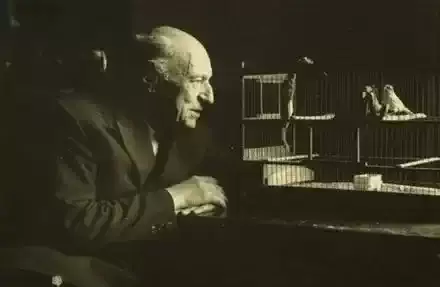
Umberto Saba
Umberto Saba, born Umberto Poli, was an Italian poet, known for his lyrical, autobiographical poetry with a strong intimate tone. His work is characterized by colloquial language, the exploration of daily life, the city of Trieste, and the complexities of the human soul, including motherhood, fatherhood, and identity itself. Despite a life marked by personal difficulties and instability, Saba maintained a constant dedication to poetry, becoming a unique voice in 20th-century Italian literature.