
Art

William Wordsworth
Scorn Not the Sonnet
Scorn not the Sonnet; Critic, you have frowned,
Mindless of its just honours; with this key
Shakspeare unlocked his heart; the melody
Of this small lute gave ease to Petrarch's wound;
A thousand times this pipe did Tasso sound;
With it Camoens soothed an exile's grief;
The Sonnet glittered a gay myrtle leaf
Amid the cypress with which Dante crowned
His visionary brow: a glow-worm lamp,
It cheered mild Spenser, called from Faery-land
To struggle through dark ways; and when a damp
Fell round the path of Milton, in his hand
The Thing became a trumpet; whence he blew
Soul-animating strains--alas, too few!
605

Rudyard Kipling
The Palace
When I was a King and a Mason -- a Master proven and skilled --
I cleared me ground for a Palace such as a King should build.
I decreed and dug down to my levels. Presently, under the silt,
I came on the wreck of a Palace such as a King had built.
There was no worth in the fashion -- there was no wit in the plan --
Hither and thither, aimless, the ruined footings ran --
Masonry, brute, mishandled, but carven on every stone:
"After me cometh a Builder. Tell him, I too have known."
Swift to my use in my trenches, where my well-planned ground-works grew,
I tumbled his quoins and his ashlars, and cut and reset them anew.
Lime I milled of his marbles; burned it, slacked it, and spread;
Taking and leaving at pleasure the gifts of the humble dead.
Yet I despised not nor gloried; yet, as we wrenched them apart,
I read in the razed foundations the heart of that builder's heart.
As he had risen and pleaded, so did I understand
The form of the dream he had followed in the face of the thing he had planned.
* * * * *
When I was a King and a Mason -- in the open noon of my pride,
They sent me a Word from the Darkness. They whispered and called me aside.
They said -- "The end is forbidden." They said -- "Thy use is fulfilled.
"Thy Palace shall stand as that other's -- the spoil of a King who shall build."
I called my men from my trenches, my quarries, my wharves, and my sheers.
All I had wrought I abandoned to the faith of the faithless years.
Only I cut on the timber -- only I carved on the stone:
"After me cometh a Builder. Tell him, I too have known!"
611
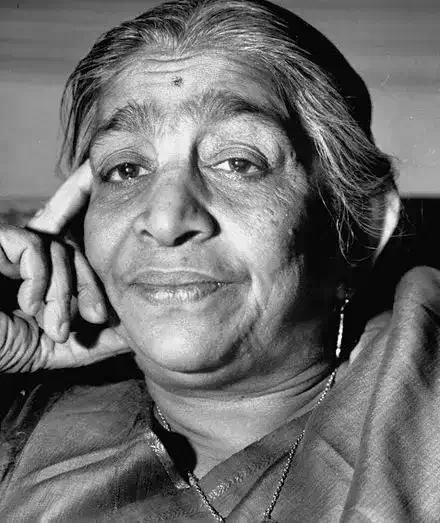
Sarojini Naidu
Ode to H.H. The Nizam Of Hyderabad
DEIGN, Prince, my tribute to receive,
This lyric offering to your name,
Who round your jewelled scepter bind
The lilies of a poet's fame;
Beneath whose sway concordant dwell
The peoples whom your laws embrace,
In brotherhood of diverse creeds,
And harmony of diverse race:
The votaries of the Prophet's faith,
Of whom you are the crown and chief
And they, who bear on Vedic brows
Their mystic symbols of belief;
And they, who worshipping the sun,
Fled o'er the old Iranian sea;
And they, who bow to Him who trod
The midnight waves of Galilee.
Sweet, sumptuous fables of Baghdad
The splendours of your court recall,
The torches of a Thousand Nights
Blaze through a single festival;
And Saki-singers down the streets,
Pour for us, in a stream divine,
From goblets of your love-ghazals
The rapture of your Sufi wine.
Prince, where your radiant cities smile,
Grim hills their sombre vigils keep,
Your ancient forests hoard and hold
The legends of their centuried sleep;
Your birds of peace white-pinioned float
O'er ruined fort and storied plain,
Your faithful stewards sleepless guard
The harvests of your gold and grain.
God give you joy, God give you grace
To shield the truth and smite the wrong,
To honour Virtue, Valour, Worth.
To cherish faith and foster song.
So may the lustre of your days
Outshine the deeds Firdusi sung,
Your name within a nation's prayer,
Your music on a nation's tongue.
597
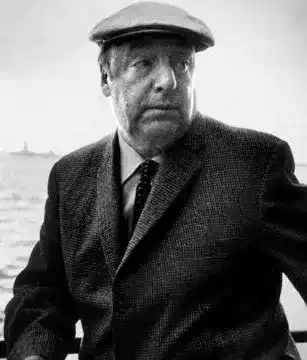
Pablo Neruda
The House of Odes
Writing
these
odes
in this
year nineteen
hundred and
fifty-five,
readying and tuning
my demanding, murmuring lyre,
I know who I am
and where my song is going.
I understand
that the shopper for myths
and mysteries
may enter
my wood
and adobe
house of odes,
may despise
the utensils,
the portraits
of father and mother and country
on the walls,
the simplicity
of the bread
and the saltcellar. But
that's how it is in my house of odes.
I deposed the dark monarchy,
the useless flowing hair of dreams,
I trod on the tail
of the cerebral reptile,
and set things
-- water and fire in
harmony with man and earth.
I want everything
to have
a handle,
I want everything to be
a cup or a tool,
I want people to enter a hardware
store through the door of my odes.
I work at
cutting
newly hewn boards,
storing casks
of honey,
arranging
horseshoes, harness,
forks:
I want everyone to enter here,
let them ask questions,
ask for anything they want.
I am from the South, a Chilean,
a sailor
returned
from the seas.
I did not stay in the islands,
a king.
I did not stay ensconced
in the land of dreams.
I returned to labor simply
beside others,
for everyone.
So that everyone
may live here,
I build my house
with transparent
odes.
598
Rudyard Kipling
The Legend of Mirth
The Four Archangels, so the legends tell,
Raphael, Gabriel, Michael, Azrael,
Being first of those to whom the Power was shown
Stood first of all the Host before The Throne,
And, when the Charges were allotted, burst
Tumultuous-winged from out the assembly first.
Zeal was their spur that bade them strictly heed
Their own high judgment on their lightest deed.
Zeal was their spur that, when relief was given,
Urged them unwearied to new toils in Heaven;
For Honour's sake perfecting every task
Beyond what e 'en Perfection's self could ask. . .
And Allah, Who created Zeal and Pride,
Knows how the twain are perilous-near allied.
It chanced on one of Heaven's long-lighted days,
The Four and all the Host being gone their ways
Each to his Charge, the shining Courts were void
Save for one Seraph whom no charge employed,
With folden wings and slumber-threatened brow,
To whom The Word: "Beloved, what dost thou?"
"By the Permission," came the answer soft,
Little I do nor do that little oft.
As is The Will in Heaven so on Earth
Where by The Will I strive to make men mirth"
He ceased and sped, hearing The Word once more:
" Beloved, go thy way and greet the Four."
Systems and Universes overpast,
The Seraph came upon the Four, at last,
Guiding and guarding with devoted mind
The tedious generations of mankind
Who lent at most unwilling ear and eye
When they could not escape the ministry. . . .
Yet, patient, faithful, firm, persistent, just
Toward all that gross, indifferent, facile dust,
The Archangels laboured to discharge their trust
By precept and example, prayer and law,
Advice, reproof, and rule, but, labouring, saw
Each in his fellows' countenance confessed,
The Doubt that sickens: "Have I done my best?"
Even as they sighed and turned to toil anew,
The Seraph hailed them with observance due;
And, after some fit talk of higher things,
Touched tentative on mundane happenings.
This they permitting, he, emboldened thus,
Prolused of humankind promiscuous,
And, since the large contention less avails
Than instances observed, he told them tales--
Tales of the shop, the bed, the court, the street,
Intimate, elemental, indiscreet:
Occasions where Confusion smiting swift
Piles jest on jest as snow-slides pile the drift
Whence, one by one, beneath derisive skies,
The victims' bare, bewildered heads arise--
Tales of the passing of the spirit, graced
With humour blinding as the doom it faced--
Stark tales of ribaldy that broke aside
To tears, by laughter swallowed ere they dried-
Tales to which neither grace nor gain accrue,
But Only (Allah be exalted!) true,
And only, as the Seraph showed that night,
Delighting to the limits of delight.
These he rehearsed with artful pause and halt,
And such pretence of memory at fault,
That soon the Four--so well the bait was thrown--
Came to his aid with memories of their own--
Matters dismissed long since as small or vain,
Whereof the high significance had lain
Hid, till the ungirt glosses made it plain.
Then, as enlightenment came broad and fast,
Each marvelled at his own oblivious past
Until--the Gates of Laughter opened wide--
The Four, with that bland Seraph at their side,
While they recalled, compared, and amplified,
In utter mirth forgot both Zeal and Pride!
High over Heaven the lamps of midnight burned
Ere, weak with merriment, the Four returned,
Not in that order they were wont to keep--
Pinion to pinion answering, sweep for sweep,
In awful diapason heard afar--
But shoutingly adrift 'twixt star and star;
Reeling a planet's orbit left or right
As laughter took them in the abysmal Night;
Or, by the point of some remembered jest,
Winged and brought helpless down through gulfs unguessed,
Where the blank worlds that gather to the birth
Leaped in the Womb of Darkness at their mirth,
And e'en Gehenna's bondsmen understood.
They were not damned from human brotherhood . . .
Not first nor last of Heaven's high Host, the Four
That night took place beneath The Throne once more.
lovelier than their morning majesty,
The understanding light behind the eye!
more compelling than their old command,
The new-learned friendly gesture of the hand!
sweeter than their zealous fellowship,
The wise half-smile that passed from lip to lip!
well and roundly, when Command was given,
They told their tale against themselves to Heaven,
And in the silence, waiting on The Word,
Received the Peace and Pardon of The Lord!
599
Rudyard Kipling
Evarra And His Gods
Read here:
This is the story of Evarra -- man --
Maker of Gods in lands beyond the sea.
Because the city gave him of her gold,
Because the caravans brought turquoises,
Because his life was sheltered by the King,
So that no man should maim him, none should steal,
Or break his rest with babble in the streets
When he was weary after toil, he made
An image of his God in gold and pearl,
With turquoise diadem and human eyes,
A wonder in the sunshine, known afar,
And worshipped by the King; but, drunk with pride,
Because the city bowed to him for God,
He wrote above the shrine: "Thus Gods are made,
And whoso makes them otherwise shall die."
And all the city praised him. . . . Then he died.
Read here the story of Evarra -- man --
Maker of Gods in lands beyond the sea.
Because the city had no wealth to give,
Because the caravans were spoiled afar,
Because his life was threatened by the King,
So that all men despised him in the streets,
He hewed the living rock, with sweat and tears,
And reared a God against the morning-gold,
A terror in the sunshine, seen afar,
And worshipped by the King; but, drunk with pride,
Because the city fawned to bring him back,
He carved upon the plinth: "Thus Gods are made,
And whoso makes them otherwise shall die."
And all the people praised him. . . . Then he died.
Read here the story of Evarra -- man --
Maker of Gods in lands beyond the sea.
Because he lived among a simple folk,
Because his village was between the hills,
Because he smeared his cheeks with blood of ewes,
He cut an idol from a fallen pine,
Smeared blood upon its cheeks, and wedged a shell
Above its brows for eyes, and gave it hair
Of trailing moss, and plaited straw for crown.
And all the village praised him for this craft,
And brought him butter, honey, milk, and curds.
Wherefore, because the shoutings drove him mad,
He scratched upon that log: "Thus Gods are made,
And whoso makes them otherwise shall die."
And all the people praised him. . . . Then he died.
Read here the story of Evarra -- man --
Maker of Gods in lands beyond the sea.
Because his God decreed one clot of blood
Should swerve one hair's-breadth from the pulse's path,
And chafe his brain, Evarra mowed alone,
Rag-wrapped, among the cattle in the fields,
Counting his fingers, jesting with the trees,
And mocking at the mist, until his God
Drove him to labour. Out of dung and horns
Dropped in the mire he made a monstrous God,
Abhorrent, shapeless, crowned with plantain tufts,
And when the cattle lowed at twilight-time,
He dreamed it was the clamour of lost crowds,
And howled among the beasts: "Thus Gods are made,
And whoso makes them otherwise shall die."
Thereat the cattle bellowed. . . . Then he died.
Yet at the last he came to Paradise,
And found his own four Gods, and that he wrote;
And marvelled, being very near to God,
What oaf on earth had made his toil God's law,
Till God said mocking: "Mock not. These be thine."
Then cried Evarra: "I have sinned!" -- "Not so.
If thou hadst written otherwise, thy Gods
Had rested in the mountain and the mine,
And I were poorer by four wondrous Gods,
And thy more wondrous law, Evarra. Thine,
Servant of shouting crowds and lowing kine."
Thereat, with laughing mouth, but tear-wet eyes,
Evarra cast his Gods from Paradise.
This is the story of Evarra -- man --
Maker of Gods in lands beyond the sea.
This is the story of Evarra -- man --
Maker of Gods in lands beyond the sea.
Because the city gave him of her gold,
Because the caravans brought turquoises,
Because his life was sheltered by the King,
So that no man should maim him, none should steal,
Or break his rest with babble in the streets
When he was weary after toil, he made
An image of his God in gold and pearl,
With turquoise diadem and human eyes,
A wonder in the sunshine, known afar,
And worshipped by the King; but, drunk with pride,
Because the city bowed to him for God,
He wrote above the shrine: "Thus Gods are made,
And whoso makes them otherwise shall die."
And all the city praised him. . . . Then he died.
Read here the story of Evarra -- man --
Maker of Gods in lands beyond the sea.
Because the city had no wealth to give,
Because the caravans were spoiled afar,
Because his life was threatened by the King,
So that all men despised him in the streets,
He hewed the living rock, with sweat and tears,
And reared a God against the morning-gold,
A terror in the sunshine, seen afar,
And worshipped by the King; but, drunk with pride,
Because the city fawned to bring him back,
He carved upon the plinth: "Thus Gods are made,
And whoso makes them otherwise shall die."
And all the people praised him. . . . Then he died.
Read here the story of Evarra -- man --
Maker of Gods in lands beyond the sea.
Because he lived among a simple folk,
Because his village was between the hills,
Because he smeared his cheeks with blood of ewes,
He cut an idol from a fallen pine,
Smeared blood upon its cheeks, and wedged a shell
Above its brows for eyes, and gave it hair
Of trailing moss, and plaited straw for crown.
And all the village praised him for this craft,
And brought him butter, honey, milk, and curds.
Wherefore, because the shoutings drove him mad,
He scratched upon that log: "Thus Gods are made,
And whoso makes them otherwise shall die."
And all the people praised him. . . . Then he died.
Read here the story of Evarra -- man --
Maker of Gods in lands beyond the sea.
Because his God decreed one clot of blood
Should swerve one hair's-breadth from the pulse's path,
And chafe his brain, Evarra mowed alone,
Rag-wrapped, among the cattle in the fields,
Counting his fingers, jesting with the trees,
And mocking at the mist, until his God
Drove him to labour. Out of dung and horns
Dropped in the mire he made a monstrous God,
Abhorrent, shapeless, crowned with plantain tufts,
And when the cattle lowed at twilight-time,
He dreamed it was the clamour of lost crowds,
And howled among the beasts: "Thus Gods are made,
And whoso makes them otherwise shall die."
Thereat the cattle bellowed. . . . Then he died.
Yet at the last he came to Paradise,
And found his own four Gods, and that he wrote;
And marvelled, being very near to God,
What oaf on earth had made his toil God's law,
Till God said mocking: "Mock not. These be thine."
Then cried Evarra: "I have sinned!" -- "Not so.
If thou hadst written otherwise, thy Gods
Had rested in the mountain and the mine,
And I were poorer by four wondrous Gods,
And thy more wondrous law, Evarra. Thine,
Servant of shouting crowds and lowing kine."
Thereat, with laughing mouth, but tear-wet eyes,
Evarra cast his Gods from Paradise.
This is the story of Evarra -- man --
Maker of Gods in lands beyond the sea.
586
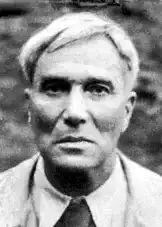
Boris Pasternak
Humble home. But rum, and charcoal...
Humble home. But rum, and charcoal
Grog of sketches on the wall,
And the cell becomes a mansion,
And the garret is a hall.
No more waves of housecoats: questions,
Even footsteps disappear;
Glassy mica fills the latticed
Work-encompassed vault of air.
Voice, commanding as a levy,
Does not leave a thing immune,
Smelting, fusing… In his gullet
Flows the tin of molten spoons.
What is fame for him, and glory,
Name, position in the world,
When the sudden breath of fusion
Blends his words into the Word?
He will burn for it his chattels,
Friendship, reason, daily round.
On his desk-a glass, unfinished,
World forgotten, clock unwound.
Clustered stanzas change like seething
Wax at fortune-telling times.
He will bless the sleeping children
With the steam of molten rhymes.
587
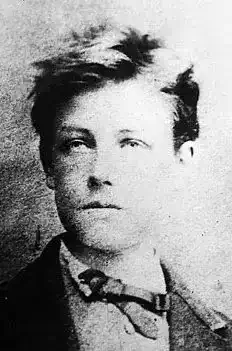
Arthur Rimbaud
The Bridges
Skies the gray of crystal.
A strange design of bridges,
some straight, some arched,
others descending at oblique angles to the first;
and these figures recurring
in other lighted circuits of the canal,
but all so long and light that the banks,
laden with domes, sink and shrink.
A few of these bridges
are still covered with hovels,
others support polls,
signals, frail parapets.
Minor chords cross
each other and disappear;
ropes rise from the shore.
One can make out a red coat,
possibly other costumes
and musical instruments.
Are these popular tunes,
snatches of seigniorial concerts,
remnants of public hymns?
The water is gray and blue,
wide as an arm of the sea.
A white ray falling from high
in the sky destroys this comedy.
583
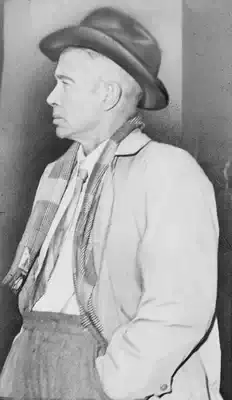
E. E. Cummings
Fame Speaks
Stand forth,John Keats! On earth thou knew'st me not;
Steadfast through all the storms of passion,thou,
True to thy muse,and virgin to thy vow;
Resigned,if name with ashes were forgot,
So thou one arrow in the gold had'st shot!
I never placed my laurel on thy brow,
But on thy name I come to lay it now,
When thy bones wither in the earthly plot.
Fame is my name. I dwell among the clouds,
Being immortal,and the wreath I bring
Itself is Immortality. The sweets
Of earth I know not,more the pains,but wing
In mine own ether,with the crownéd crowds
Born of the centuries.-Stand forth,John Keats!
581
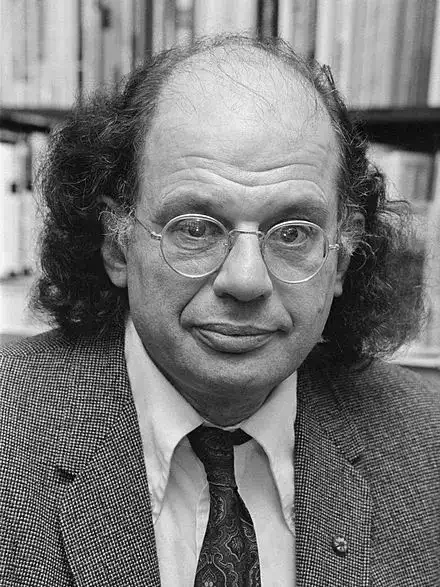
Allen Ginsberg
In Back of the Real
railroad yard in San Jose
I wandered desolate
in front of a tank factory
and sat on a bench
near the switchman's shack.
A flower lay on the hay on
the asphalt highway
--the dread hay flower
I thought--It had a
brittle black stem and
corolla of yellowish dirty
spikes like Jesus' inchlong
crown, and a soiled
dry center cotton tuft
like a used shaving brush
that's been lying under
the garage for a year.
Yellow, yellow flower, and
flower of industry,
tough spiky ugly flower,
flower nonetheless,
with the form of the great yellow
Rose in your brain!
This is the flower of the World.
579

William Butler Yeats
Sailing To Byzantium
I
That is no country for old men. The young
In one another's arms, birds in the trees
---Those dying generations---at their song,
The salmon-falls, the mackerel-crowded seas,
Fish, flesh, or fowl commend all summer long
Whatever is begotten, born, and dies.
Caught in that sensual music all neglect
Monuments of unaging intellect.
II
An aged man is but a paltry thing,
A tattered coat upon a stick, unless
Soul clap its hands and sing, and louder sing
For every tatter in its mortal dress,
Nor is there singing school but studying
Monuments of its own magnificence;
And therefore I have sailed the seas and come
To the holy city of Byzantium.
III
O sages standing in God's holy fire
As in the gold mosaic of a wall,
Come from the holy fire, perne in a gyre,
And be the singing-masters of my soul.
Consume my heart away; sick with desire
And fastened to a dying animal
It knows not what it is; and gather me
Into the artifice of eternity.
IV
Once out of nature I shall never take
My bodily form from any natural thing,
But such a form as Grecian goldsmiths make
Of hammered gold and gold enamelling
To keep a drowsy Emperor awake;
Or set upon a golden bough to sing
To lords and ladies of Byzantium
Of what is past, or passing, or to come.
580

Lord Byron
English Bards and Scotch Reviewers (excerpt)
Time was, ere yet in these degenerate days
Ignoble themes obtain'd mistaken praise,
When sense and wit with poesy allied,
No fabl'd graces, flourish'd side by side;
From the same fount their inspiration drew,
And, rear'd by taste, bloom'd fairer as they grew.
Then, in this happy isle, a Pope's pure strain
Sought the rapt soul to charm, nor sought in vain;
A polish'd nation's praise aspir'd to claim,
And rais'd the people's, as the poet's fame.
Like him great Dryden pour'd the tide of song,
In stream less smooth, indeed, yet doubly strong.
Then Congreve's scenes could cheer, or Otway's melt
For nature then an English audience felt.
But why these names, or greater still, retrace,
When all to feebler bards resign their place?
Yet to such times our lingering looks are cast,
When taste and reason with those times are past.
Now look around, and turn each trifling page,
Survey the precious works that please the age;
This truth at least let satire's self allow,
No dearth of bards can be complain'd of now.
The loaded press beneath her labour groans,
And printers' devils shake their weary bones;
While Southey's epics cram the creaking shelves,
And Little's lyrics shine in hotpress'd
twelves.
Thus saith the Preacher: "Nought beneath the sun
Is new"; yet still from change to change we run:
What varied wonders tempt us as they pass!
The cowpox,
tractors, galvanism and gas,
In turns appear, to make the vulgar stare,
Till the swoln bubble burstsand
all is air!
Nor less new schools of Poetry arise,
Where dull pretenders grapple for the prize:
O'er taste awhile these pseudobards
prevail;
Each country bookclub
bows the knee to Baal,
And, hurling lawful genius from the throne,
Erects a shrine and idol of its own;
Some leaden calfbut
whom it matters not,
From soaring Southey down to grovelling Stott.
Behold! in various throngs the scribbling crew,
For notice eager, pass in long review:
Each spurs his jaded Pegasus apace,
And rhyme and blank maintain an equal race;
Sonnets on sonnets crowd, and ode on ode;
And tales of terror jostle on the road;
Immeasurable measures move along;
For simpering folly loves a varied song,
To strange mysterious dulness still the friend,
Admires the strain she cannot comprehend.
Thus Lays of Minstrelsmay
they be the last!
On halfstrung
harps whine mournful to the blast.
While mountain spirits prate to river sprites,
That dames may listen to the sound at nights;
And goblin brats, of Gilpin Horner's brood,
Decoy young bordernobles
through the wood,
And skip at every step, Lord knows how high,
And frighten foolish babes, the Lord knows why;
While highborn
ladies in their magic cell,
Forbidding knights to read who cannot spell,
Despatch a courier to a wizard's grave,
And fight with honest men to shield a knave.
Next view in state, proud prancing on his roan,
The goldencrested
haughty Marmion,
Now forging scrolls, now foremost in the fight,
Not quite a felon, yet but half a knight,
The gibbet or the field prepar'd to grace;
A mighty mixture of the great and base.
And think'st thou, Scott! by vain conceit perchance,
On public taste to foist thy stale romance,
Though Murray with his Miller may combine
To yield thy muse just halfacrown
per line?
No! when the sons of song descend to trade,
Their bays are sear, their former laurels fade.
Let such forego the poet's sacred name,
Who rack their brains for lucre, not for fame:
Still for stern Mammon may they toil in vain!
And sadly gaze on gold they cannot gain!
Such be their meed, such still the just reward
Of prostituted muse and hireling bard!
For this we spurn Apollo's venal son,
And bid a long "good night to Marmion."
These are the themes that claim our plaudits now;
These are the bards to whom the muse must bow;
While Milton, Dryden, Pope, alike forgot,
Resign their hallow'd bays to Walter Scott.
The time has been, when yet the muse was young,
When Homer swept the lyre, and Maro sung,
An epic scarce ten centuries could claim,
While awestruck
nations hail'd the magic name;
The work of each immortal bard appears
The single wonder of a thousand years.
Empires have moulder'd from the face of earth,
Tongues have expir'd with those who gave them birth,
Without the glory such a strain can give,
As even in ruin bids the language live.
Not so with us, though minor bards, content
On one great work a life of labour spent:
With eagle pinion soaring to the skies,
Behold the balladmonger
Southey rise!
To him let Camoëns, Milton, Tasso yield,
Whose annual strains, like armies, take the field.
First in the ranks see Joan of Arc advance,
The scourge of England and the boast of France!
Though burnt by wicked Bedford for a witch,
Behold her statue plac'd in glory's niche;
Her fetters burst, and just releas'd from prison,
A virgin phoenix from her ashes risen.
Next see tremendous Thalaba come on,
Arabia's monstrous, wild and wondrous son:
Domdaniel's dread destroyer, who o'erthrew
More mad magicians than the world e'er knew.
Immortal hero! all thy foes o'ercome,
For ever reignthe
rival of Tom Thumb!
Since startled metre fled before thy face,
Well wert thou doom'd the last of all thy race!
Well might triumphant genii bear thee hence,
Illustrious conqueror of common sense!
Now, last and greatest, Madoc spreads his sails,
Cacique in Mexico, and prince in Wales;
Tells us strange tales, as other travellers do,
More old than Mandeville's, and not so true.
Oh Southey! Southey! cease thy varied song!
A bard may chant too often and too long:
As thou art strong in verse, in mercy, spare!
A fourth, alas! were more than we could bear.
But if, in spite of all the world can say,
Thou still wilt verseward plod thy weary way;
If still in Berkley ballads most uncivil,
Thou wilt devote old women to the devil,
The babe unborn thy dread intent may rue:
"God help thee," Southey, and thy readers too.
Next comes the dull disciple of thy school,
That mild apostate from poetic rule,
The simple Wordsworth, framer of a lay
As soft as evening in his favourite May,
Who warns his friend "to shake off toil and trouble,
And quit his books, for fear of growing double";
Who, both by precept and example, shows
That prose is verse, and verse is merely prose;
Convincing all, by demonstration plain,
Poetic souls delight in prose insane;
And Christmas stories tortur'd into rhyme
Contain the essence of the true sublime.
Thus, when he tells the tale of Betty Foy,
The idiot mother of "an idiot boy";
A moonstruck,
silly lad, who lost his way,
And, like his bard, confounded night with day;
So close on each pathetic part he dwells,
And each adventure so sublimely tells,
That all who view the "idiot in his glory"
Conceive the bard the hero of the story.
Shall gentle Coleridge pass unnotic'd here,
To turgid ode and tumid stanza dear?
Though themes of innocence amuse him best,
Yet still obscurity's a welcome guest.
If Inspiration should her aid refuse
To him who takes a pixy for a muse,
Yet none in lofty numbers can surpass
The bard who soars to elegize an ass.
So well the subject suits his noble mind,
He brays the laureat of the longear'd
kind.
578
Allen Ginsberg
Cezanne's Ports
In the foreground we see time and life
swept in a race
toward the left hand side of the picture
where shore meets shore.
But that meeting place
isn't represented;
it doesn't occur on the canvas.
For the other side of the bay
is Heaven and Eternity,
with a bleak white haze over its mountains.
And the immense water of L'Estaque is a go-between
for minute rowboats.
563

Ezra Pound
Canto III
Another's a half-cracked fellow—John Heydon,
Worker of miracles, dealer in levitation,
In thoughts upon pure form, in alchemy,
Seer of pretty visions ('servant of God and secretary of nature');
Full of plaintive charm, like Botticelli's,
With half-transparent forms, lacking the vigor of gods.
Thus Heydon, in a trance, at Bulverton,
Had such a sight:
Decked all in green, with sleeves of yellow silk
Slit to the elbow, slashed with various purples.
Her eyes were green as glass, her foot was leaf-like.
She was adorned with choicest emeralds,
And promised him the way of holy wisdom.
'Pretty green bank,' began the half-lost poem.
Take the old way, say I met John Heydon,
Sought out the place,
Lay on the bank, was 'plungèd deep in swevyn;'
And saw the company—Layamon, Chaucer—
Pass each in his appropriate robes;
Conversed with each, observed the varying fashion.
And then comes Heydon.
'I have seen John Heydon.'
Let us hear John Heydon!
'Omniformis
Omnis intellectus est'—thus he begins, by spouting half of Psellus.
(Then comes a note, my assiduous commentator:
Not Psellus De Daemonibus, but Porphyry's Chances,
In the thirteenth chapter, that 'every intellect is omni-form.')
Magnifico Lorenzo used the dodge,
Says that he met Ficino
In some Wordsworthian, false-pastoral manner,
And that they walked along, stopped at a well-head,
And heard deep platitudes about contentment
From some old codger with an endless beard.
'A daemon is not a particular intellect,
But is a substance differed from intellect,'
Breaks in Ficino,
'Placed in the latitude or locus of souls'—
That's out of Proclus, take your pick of them.
Valla, more earth and sounder rhetoric—
Prefacing praise to his Pope Nicholas:
'A man of parts, skilled in the subtlest sciences;
A patron of the arts, of poetry; and of a fine discernment.'
Then comes a catalogue, his jewels of conversation.
No, you've not read your Elegantiae—
A dull book?—shook the church.
The prefaces, cut clear and hard:
'Know then the Roman speech, a sacrament,'
Spread for the nations, eucharist of wisdom,
Bread of the liberal arts.
Ha! Sir Blancatz,
Sordello would have your heart to give to all the princes;
Valla, the heart of Rome,
Sustaining speech, set out before the people.
'Nec bonus Christianus ac bonus
Tullianus.'
Marius, Du Bellay, wept for the buildings,
Baldassar Castiglione saw Raphael
'Lead back the soul into its dead, waste dwelling,'
Corpore laniato; and Lorenzo Valla,
'Broken in middle life? bent to submission?—
Took a fat living from the Papacy'
(That's in Villari, but Burckhardt's statement is different)—
'More than the Roman city, the Roman speech'
(Holds fast its part among the ever-living).
'Not by the eagles only was Rome measured.'
'Wherever the Roman speech was, there was Rome,'
Wherever the speech crept, there was mastery
Spoke with the law's voice while your Greek, logicians...
More Greeks than one! Doughty's 'divine Homeros'
Came before sophistry. Justinopolitan
Uncatalogued Andreas Divus,
Gave him in Latin, 1538 in my edition, the rest uncertain,
Caught up his cadence, word and syllable:
'Down to the ships we went, set mast and sail,
Black keel and beasts for bloody sacrifice,
Weeping we went.'
I've strained my ear for -ensa, -ombra, and -ensa
And cracked my wit on delicate canzoni—
Here's but rough meaning:
'And then went down to the ship, set keel to breakers,
Forth on the godly sea;
We set up mast and sail on the swarthy ship,
Sheep bore we aboard her, and our bodies also
Heavy with weeping. And winds from sternward
Bore us out onward with bellying canvas—
Circe's this craft, the trim-coifed goddess.
Then sat we amidships, wind jamming the tiller.
Thus with stretched sail
We went over sea till day's end:
Sun to his slumber, shadows o'er all the ocean.
Came we then to the bounds of deepest water,
To the Kimmerian lands and peopled cities
Covered with close-webbed mist, unpiercèd ever
With glitter of sun-rays,
Nor with stars stretched, nor looking back from heaven,
Swartest night stretched over wretched men there.
Thither we in that ship, unladed sheep there,
The ocean flowing backward, came we through to the place
Aforesaid by Circe.
Here did they rites, Perimedes and Eurylochus,
And drawing sword from my hip
I dug the ell-square pitkin, poured we libations unto each the dead,
First mead and then sweet wine,
Water mixed with white flour.
Then prayed I many a prayer to the sickly death's-heads
As set in Ithaca, sterile bulls of the best,
For sacrifice, heaping the pyre with goods.
Sheep, to Tiresias only,
Black, and a bell sheep;
Dark blood flowed in the fosse.
Souls out of Erebus, cadaverous dead
Of brides, of youths, and of many passing old,
Virgins tender, souls stained with recent tears,
Many men mauled with bronze lance-heads,
Battle spoil, bearing yet dreary arms:
These many crowded about me,
With shouting, pallor upon me, cried to my men for more beasts;
Slaughtered the herds—sheep slain of bronze,
Poured ointment, cried to the gods,
To Pluto the strong, and praised Proserpine.
Unsheathed the narrow steel,
I sat to keep off the impetuous, impotent dead
Till I should hear Tiresias.
But first Elpenor came, our friend Elpenor,
Unburied, cast on the wide earth—
Limbs that we left in the house of Circe,
Unwept, unwrapped in sepulchre, since toils urged other,
Pitiful spirit—and I cried in hurried speech:
'Elpenor, how art thou come to this dark coast?
Cam'st thou afoot, outstripping seamen?' And he in heavy speech:
'Ill fate and abundant wine! I slept in Circe's ingle,
Going down the long ladder unguarded, I fell against the buttress,
Shattered the nape-nerve, the soul sought Avernus.
But thou, O King, I bid remember me, unwept, unburied!
Heap up mine arms, be tomb by the sea-board, and inscribed,
A man of no fortune and with a name to come;
And set my oar up, that I swung 'mid fellows.'
Came then another ghost, whom I beat off, Anticlea,
And then Tiresias, Theban,
Holding his golden wand, knew me and spoke first:
'Man of ill hour, why come a second time,
Leaving the sunlight, facing the sunless dead and this joyless region?
Stand from the fosse, move back, leave me my bloody bever,
And I will speak you true speeches.'
'And I stepped back,
Sheathing the yellow sword. Dark blood he drank then
And spoke: 'Lustrous Odysseus, shalt
Return through spiteful Neptune, over dark seas,
Lose all companions.' Foretold me the ways and the signs.
Came then Anticlea, to whom I answered:
'Fate drives me on through these deeps; I sought Tiresias.'
I told her news of Troy, and thrice her shadow
Faded in my embrace.
Then had I news of many faded women—
Tyro, Alcmena, Chloris—
Heard out their tales by that dark fosse, and sailed
By sirens and thence outward and away,
And unto Circe buried Elpenor's corpse.'
Lie quiet, Divus.
In Officina Wechli, Paris,
M. D. three X's, Eight, with Aldus on the Frogs,
And a certain Cretan's
Hymni Deorum:
(The thin clear Tuscan stuff
Gives way before the florid mellow phrase.)
Take we the Goddess, Venus:
Venerandam,
Aurean coronam habentem, pulchram,
Cypri munimenta sortita est, maritime,
Light on the foam, breathed on by zephyrs,
And air-tending hours. Mirthful, orichalci
, with golden
Girdles and breast bands.
Thou with dark eye-lids,
Bearing the golden bough of Argicida.
562
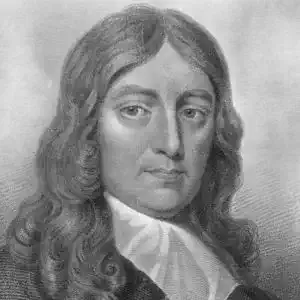
John Milton
At A Vacation Exercise In The Colledge, Part Latin, Part English. The Latin
Hail native Language, that by sinews weak
Didst move my first endeavouring tongue to speak,
And mad'st imperfect words with childish tripps,
Half unpronounc't, slide through my infant-lipps,
Driving dum silence from the portal dore,
Where he had mutely sate two years before:
Here I salute thee and thy pardon ask,
That now I use thee in my latter task:
Small loss it is that thence can come unto thee,
I know my tongue but little Grace can do thee:
Thou needst not be ambitious to be first,
Believe me I have thither packt the worst:
And, if it happen as I did forecast,
The daintest dishes shall be serv'd up last.
I pray thee then deny me not thy aide
For this same small neglect that I have made:
But haste thee strait to do me once a Pleasure,
And from thy wardrope bring thy chiefest treasure;
Not those new fangled toys, and triming slight
Which takes our late fantasticks with delight,
But cull those richest Robes, and gay'st attire
Which deepest Spirits, and choicest Wits desire:
I have some naked thoughts that rove about
And loudly knock to have their passage out;
And wearie of their place do only stay
Till thou hast deck't them in thy best aray;
That so they may without suspect or fears
Fly swiftly to this fair Assembly's ears;
Yet I had rather if I were to chuse,
Thy service in some graver subject use,
Such as may make thee search thy coffers round
Before thou cloath my fancy in fit sound:
Such where the deep transported mind may scare
Above the wheeling poles, and at Heav'ns dore
Look in, and see each blissful Deitie
How he before the thunderous throne doth lie,
Listening to what unshorn Apollo sings
To th'touch of golden wires, while Hebe brings
Immortal Nectar to her Kingly Sire:
Then passing through the Spherse of watchful fire,
And mistie Regions of wide air next under,
And hills of Snow and lofts of piled Thunder,
May tell at length how green-ey'd Neptune raves,
In Heav'ns defiance mustering all his waves;
Then sing of secret things that came to pass
When Beldam Nature in her cradle was;
And last of Kings and Queens and Hero's old,
Such as the wise Demodocus once told
In solemn Songs at King Alcinous feast,
While sad Ulisses soul and all the rest
Are held with his melodious harmonie
In willing chains and sweet captivitie.
But fie my wandring Muse how thou dost stray!
Expectance calls thee now another way,
Thou know'st it must he now thy only bent
To keep in compass of thy Predicament:
Then quick about thy purpos'd business come,
That to the next I may resign my Roome
Then Ens is represented as Father of the Predicaments his ten
Sons, whereof the Eldest stood for Substance with his Canons,
which Ens thus speaking, explains.
Good luck befriend thee Son; for at thy birth
The Faiery Ladies daunc't upon the hearth;
Thy drowsie Nurse hath sworn she did them spie
Come tripping to the Room where thou didst lie;
And sweetly singing round about thy Bed
Strew all their blessings on thy sleeping Head.
She heard them give thee this, that thou should'st still
From eyes of mortals walk invisible,
Yet there is something that doth force my fear,
For once it was my dismal hap to hear
A Sybil old, bow-bent with crooked age,
That far events full wisely could presage,
And in Times long and dark Prospective Glass
Fore-saw what future dayes should bring to pass,
Your Son, said she, (nor can you it prevent)
Shall subject be to many an Accident.
O're all his Brethren he shall Reign as King,
Yet every one shall make him underling,
And those that cannot live from him asunder
Ungratefully shall strive to keep him under,
In worth and excellence he shall out-go them,
Yet being above them, he shall be below them;
From others he shall stand in need of nothing,
Yet on his Brothers shall depend for Cloathing.
To find a Foe it shall not be his hap,
And peace shall lull him in her flowry lap;
Yet shall he live in strife, and at his dore
Devouring war shall never cease to roare;
Yea it shall be his natural property
To harbour those that are at enmity.
What power, what force, what mighty spell, if not
Your learned hands, can loose this Gordian knot?
The next Quantity and Quality, spake in Prose, then Relation
was call'd by his Name.
Rivers arise; whether thou be the Son,
Of utmost Tweed, or Oose, or gulphie Dun,
Or Trent, who like some earth-born Giant spreads
His thirty Armes along the indented Meads,
Or sullen Mole that runneth underneath,
Or Severn swift, guilty of Maidens death,
Or Rockie Avon, or of Sedgie Lee,
Or Coaly Tine, or antient hallowed Dee,
Or Humber loud that keeps the Scythians Name,
Or Medway smooth, or Royal Towred Thame.
562
Ezra Pound
Tenzone
Will people accept them?
(i.e. these songs).
As a timorous wench from a centaur
(or a centurion),
Already they flee, howling in terror.
Will they be touched with the verisimilitudes?
Their virgin stupidity is untemptable.
I beg you, my friendly critics,
Do not set about to procure me an audience.
I mate with my free kind upon the crags;
the hidden recesses
Have heard the echo ofmy heels,
in the cool light,
in the darkness.
560
Boris Pasternak
Definition of Creative Art
With shirt wide open at the collar,
Maned as Beethoven's bust, it stands;
Our conscience, dreams, the night and love,
Are as chessmen covered by its hands.
And one black king upon the board:
In sadness and in rage, forthright
It brings the day of doom.-Against
The pawn it brings the mounted knight.
In gardens where from icy spheres
The stars lean tender, linger near,
Tristan still sings, like a nightingale
On Isolde's vine, with trembling fear.
The gardens, ponds, and fences, made pure
By burning tears, and the whole great span,
Creation-are only burst of passion
Hoarded in the hearts of men.
554
Boris Pasternak
Craft
When, having finished, I shall move my armchair,
The page will gasp, awakened from the strain.
Delirious, she is half asleep at present,
Obedient to suspense and to the rain.
The heaviness of burnt-out ships has numbed her,
Prostrated, weighted down her senseless form;
You cannot dupe this one by false pretences-
It is the poet who will keep her warm.
I told her at an hour (its secret shudder
Vouchsafed by fancy) when the winter will
Light up green screeching ice, fed up with waiting
Behind an office worker's window sill,
And clocks in banks and other public places,
While drinking in the snow and outside's dark,
Will suddenly jump up and strike-their faces
Crossed by the clockhands at the 'seven' mark-
At such a deep, at such a fateful hour,
I made the page wake up and take her chance,
To put on hood and scarf, and venture out to
Descendants, strangers, shaking off her trance.
555
Boris Pasternak
In everything I seek to grasp...
In everything I seek to grasp
The fundamental:
The daily choice, the daily task,
The sentimental.
To plumb the essence of the past,
The first foundations,
The crux, the roots, the inmost hearts,
The explanations.
And, puzzling out the weave of fate,
Events observer,
To live, feel, love and meditate
And to discover.
Oh, if my skill did but suffice
After a fashion,
In eight lines I'd anatomize
The parts of passion.
I'd write of sins, forbidden fruit,
Of chance-seized shadows;
Of hasty flight and hot pursuit,
Of palms, of elbows.
Define its laws and origin
In terms judicial,
Repeat the names it glories in,
And the initials.
I'd sinews strain my verse to shape
Like a trim garden:
The limes should blossom down the nape,
A double cordon.
My verse should breathe the fresh-clipped hedge,
Roses and meadows
And mint and new-mown hay and sedge,
The thunder's bellows.
As Chopin once in his etudes
Miraculously conjured
Parks, groves, graves and solitudes-
A living wonder.
The moment of achievement caught
Twixt sport and torment…
A singing bowstring shuddering taut,
A stubborn bow bent.
557
John Milton
Arcades
Part of an entertainment presented to the Countess Dowager of
Darby at Harefield, by som Noble persons of her Family, who
appear on the Scene in pastoral habit, moving toward the seat
of State with this Song.
I. SONG.
Look Nymphs, and Shepherds look,
What sudden blaze of majesty
Is that which we from hence descry
Too divine to be mistook:
This this is she
To whom our vows and wishes bend,
Heer our solemn search hath end.
Fame that her high worth to raise,
Seem'd erst so lavish and profuse,
We may justly now accuse
Of detraction from her praise,
Less then half we find exprest,
Envy bid conceal the rest.
Mark what radiant state she spreds,
In circle round her shining throne,
Shooting her beams like silver threds,
This this is she alone,
Sitting like a Goddes bright,
In the center of her light.
Might she the wise Latona be,
Or the towred Cybele,
Mother of a hunderd gods;
Juno dare's not give her odds;
Who had thought this clime had held
A deity so unparalel'd?
As they com forward, the genius of the Wood appears, and
turning toward them, speaks.
GEN. Stay gentle Swains, for though in this disguise,
I see bright honour sparkle through your eyes,
Of famous Arcady ye are, and sprung
Of that renowned flood, so often sung,
Divine Alpheus, who by secret sluse,
Stole under Seas to meet his Arethuse;
And ye the breathing Roses of the Wood,
Fair silver-buskind Nymphs as great and good,
I know this quest of yours, and free intent
Was all in honour and devotion ment
To the great Mistres of yon princely shrine,
Whom with low reverence I adore as mine,
And with all helpful service will comply
To further this nights glad solemnity;
And lead ye where ye may more neer behold
What shallow-searching Fame hath left untold;
Which I full oft amidst these shades alone
Have sate to wonder at, and gaze upon:
For know by lot from Jove I am the powr
Of this fair wood, and live in Oak'n bowr,
To nurse the Saplings tall, and curl the grove
With Ringlets quaint, and wanton windings wove.
And all my Plants I save from nightly ill,
Of noisom winds, and blasting vapours chill.
And from the Boughs brush off the evil dew,
And heal the harms of thwarting thunder blew,
Or what the cross dire-looking Planet smites,
Or hurtfull Worm with canker'd venom bites.
When Eev'ning gray doth rise, I fetch my round
Over the mount, and all this hallow'd ground,
And early ere the odorous breath of morn
Awakes the slumbring leaves, or tasseld horn
Shakes the high thicket, haste I all about,
Number my ranks, and visit every sprout
With puissant words, and murmurs made to bless,
But els in deep of night when drowsines
Hath lockt up mortal sense, then listen I
To the celestial Sirens harmony,
That sit upon the nine enfolded Sphears,
And sing to those that hold the vital shears,
And turn the Adamantine spindle round,
On which the fate of gods and men is wound.
Such sweet compulsion doth in musick ly,
To lull the daughters of Necessity,
And keep unsteddy Nature to her law,
And the low world in measur'd motion draw
After the heavenly tune, which none can hear
Of human mould with grosse unpurged ear;
And yet such musick worthiest were to blaze
The peerles height of her immortal praise,
Whose lustre leads us, and for her most fit,
If my inferior hand or voice could hit
Inimitable sounds, yet as we go,
What ere the skill of lesser gods can show,
I will assay, her worth to celebrate,
And so attend ye toward her glittering state;
Where ye may all that are of noble stemm
Approach, and kiss her sacred vestures hemm.
2. SONG.
O're the smooth enameld green
Where no print of step hath been,
Follow me as I sing,
And touch the warbled string.
Under the shady roof
Of branching Elm Star-proof,
Follow me,
I will bring you where she sits
Clad in splendor as befits
Her deity.
Such a rural Queen
All Arcadia hath not seen.
3. SONG.
Nymphs and Shepherds dance no more
By sandy Ladons Lillied banks.
On old Lycaeus or Cyllene hoar,
Trip no more in twilight ranks,
Though Erynanth your loss deplore,
A better soyl shall give ye thanks.
From the stony Maenalus,
Bring your Flocks, and live with us,
Here ye shall have greater grace,
To serve the Lady of this place.
Though Syrinx your Pans Mistres were,
Yet Syrinx well might wait on her.
Such a rural Queen
All Arcadia hath not seen.
Note: 22 hunderd] Milton's own spelling here is hundred. But in
the Errata to Paradise Lost (i. 760) he corrects hundred to hunderd.
549
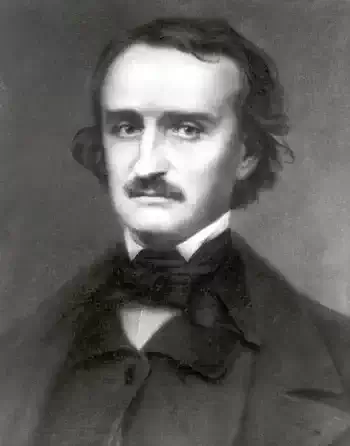
Edgar Allan Poe
Sonnet- To Science
Science! true daughter of Old Time thou art!
Who alterest all things with thy peering eyes.
Why preyest thou thus upon the poet's heart,
Vulture, whose wings are dull realities?
How should he love thee? or how deem thee wise,
Who wouldst not leave him in his wandering
To seek for treasure in the jewelled skies,
Albeit he soared with an undaunted wing?
Hast thou not dragged Diana from her car?
And driven the Hamadryad from the wood
To seek a shelter in some happier star?
Hast thou not torn the Naiad from her flood,
The Elfin from the green grass, and from me
The summer dream beneath the tamarind tree?
548
Ezra Pound
Translations And Adaptations From Heine
FROM ‘DIE HEIMKEHR'
I
Is your hate, then, of such measure?
Do you, truly, so detest me?
Through all the world will I complain
Of how you have addressed me.
O ye lips that are ungrateful,
Hath it never once distressed you,
That you can say such awful things
Of any one who ever kissed you?
II
So thou hast forgotten fully
That I so long held thy heart wholly,
Thy little heart, so sweet and false and small
That there's no thing more sweet or false at all.
Love and lay thou hast forgotten fully,
And my heart worked at them unduly.
I know not if the love or if the lay were better stuff,
But I know now, they both were good enough.
III
Tell me where thy lovely love is,
Whom thou once did sing so sweetly,
When the fairy flames enshrouded
Thee, and held thy heart completely.
All the flames are dead and sped now
And my heart is cold and sere;
Behold this book, the urn of ashes,
Tis my true love's sepulchre.
IV
I dreamt that I was God Himself
Whom heavenly joy immerses,
And all the angels sat about
And praised my verses.
V
The mutilated choir boys
When I begin to sing
Complain about the awful noise
And call my voice too thick a thing.
When light their voices lift them up,
Bright notes against the ear,
Through trills and runs like crystal,
Ring delicate and clear.
They sing of Love that's grown desirous,
Of Love, and joy that is Love's inmost part,
And all the ladies swim through tears
Toward such a work of art.
VI
This delightful young man
Should not lack for honourers,
He propitiates me with oysters,
With Rhine wine and liqueurs.
How his coat and pants adorn him!
Yet his ties are more adorning,
In these he daily comes to ask me:
'Are you feeling well this morning?'
He speaks of my extended fame,
My wit, charm, definitions,
And is diligent to serve me,
Is detailed in his provisions.
In evening company he sets his face
In most spirituel positions,
And declaims before the ladies
My god-like compositions.
what comfort is it for me
To find him such, when the days bring
No comfort, at my time of life when
All good things go vanishing.
TRANSLATOR TO TRANSLATED
O Harry Heine, curses be,
I live too late to sup with thee!
Who can demolish at such polished ease
Philistia's pomp and Art's pomposities!
VII
SONG FROM 'DIE HARZREISE'
I am the Princess Ilza
In Ilsenstein I fare,
Come with me to that castle
And we'll be happy there.
Thy head will I cover over
With my waves' clarity
Till thou forget thy sorrow,
wounded sorrowfully.
Thou wilt in my white arms then
Nay, on my breast thou must
Forget and rest and dream there
For thine old legend-lust.
My lips and my heart are thine there
As they were his and mine.
His? Why the good King Harry's,
And he is dead lang syne.
Dead men stay alway dead men.
Life is the live man's part,
And I am fair and golden
With joy breathless at heart.
If my heart stay below there,
My crystal halls ring clear
To the dance of lords and ladies
In all their splendid gear.
The silken trains go rustling,
The spur-clinks sound between,
The dark dwarfs blow and bow there
Small horn and violin.
Yet shall my white arms hold thee,
That bound King Harry about.
Ah, I covered his ears with them
When the trumpet rang out.
VIII
NIGHT SONG
And have you thoroughly kissed my lips;
There was no particular haste,
And are you not ready when evening's come?
There's no particular haste.
You've got the whole night before you,
Heart's-all-beloved-my-own;
In an uninterrupted night one can
Get a good deal of kissing done.
553
Rudyard Kipling
A Recantation
What boots it on the Gods to call?
Since, answered or unheard,
We perish with the Gods and all
Things made--except the Word.
Ere certain Fate had touched a heart
By fifty years made cold,
I judged thee, Lyde, and thy art
O'erblown and over-bold.
But he--but he, of whom bereft
I suffer vacant days--
He on his shield not meanly left
He cherished all thy lays.
Witness the magic coffer stocked
With convoluted runes
Wherein thy very voice was locked
And linked to circling tunes.
Witness thy portrait, smoke-defiled,
That decked his shelter-place.
Life seemed more present, wrote the child,
Beneath thy well-known face.
And when the grudging days restored
Him for a breath to home,
He, with fresh crowds of youth, adored
Thee making mirth in Rome.
Therefore, I humble, join the hosts,
Loyal and loud, who bow
To thee as Queen of Song--and ghosts,
For I remember how
Never more rampant rose the Hall
At thy audacious line
Than when the news came in from Gaul
Thy son had--followed mine.
But thou didst hide it in thy breast
And, capering, took the brunt
Of blaze and blare, and launched the jest
That swept next week the front.
Singer to children! Ours possessed
Sleep before noon--but thee,
Wakeful each midnight for the rest,
No holocaust shall free!
Yet they who use the Word assigned,
To hearten and make whole,
Not less than Gods have served mankind,
Though vultures rend their soul.
551
John Milton
Sonnet 08
VIII
Captain or Colonel, or Knight in Arms,
Whose chance on these defenceless dores may sease,
If ever deed of honour did thee please,
Guard them, and him within protect from harms,
He can requite thee, for he knows the charms
That call Fame on such gentle acts as these,
And he can spred thy Name o're Lands and Seas,
What ever clime the Suns bright circle warms.
Lift not thy spear against the Muses Bowre,
The great Emathian Conqueror bid spare
The house of Pindarus, when Temple and Towre
Went to the ground: And the repeated air
Of sad Electra's Poet had the power
To save th' Athenian Walls from ruine bare.
Notes:
Camb. autograph supplies title, When the assault was intended
to the city.
3 If deed of honour did thee ever please, 1673.
547