
City and Everyday Life
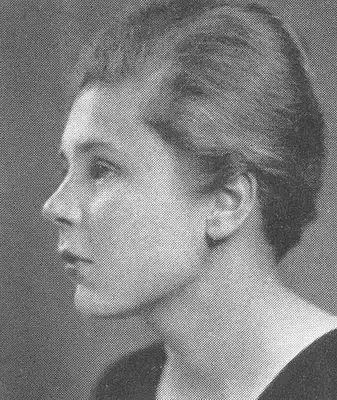
Elizabeth Bishop
Love Lies Sleeping
that cross the sky from cinder star to star,
coupling the ends of streets
to trains of light.
now draw us into daylight in our beds;
and clear away what presses on the brain:
put out the neon shapes
that float and swell and glare
down the gray avenue between the eyes
in pinks and yellows, letters and twitching signs.
Hang-over moons, wane, wane!
From the window I see
an immense city, carefully revealed,
made delicate by over-workmanship,
detail upon detail,
cornice upon facade,
reaching up so languidly up into
a weak white sky, it seems to waver there.
(Where it has slowly grown
in skies of water-glass
from fused beads of iron and copper crystals,
the little chemical "garden" in a jar
trembles and stands again,
pale blue, blue-green, and brick.)
The sparrows hurriedly begin their play.
Then, in the West, "Boom!" and a cloud of smoke.
"Boom!" and the exploding ball
of blossom blooms again.
(And all the employees who work in a plants
where such a sound says "Danger," or once said "Death,"
turn in their sleep and feel
the short hairs bristling
on backs of necks.) The cloud of smoke moves off.
A shirt is taken of a threadlike clothes-line.
Along the street below
the water-wagon comes
throwing its hissing, snowy fan across
peelings and newspapers. The water dries
light-dry, dark-wet, the pattern
of the cool watermelon.
I hear the day-springs of the morning strike
from stony walls and halls and iron beds,
scattered or grouped cascades,
alarms for the expected:
queer cupids of all persons getting up,
whose evening meal they will prepare all day,
you will dine well
on his heart, on his, and his,
so send them about your business affectionately,
dragging in the streets their unique loves.
Scourge them with roses only,
be light as helium,
for always to one, or several, morning comes
whose head has fallen over the edge of his bed,
whose face is turned
so that the image of
the city grows down into his open eyes
inverted and distorted. No. I mean
distorted and revealed,
if he sees it at all.
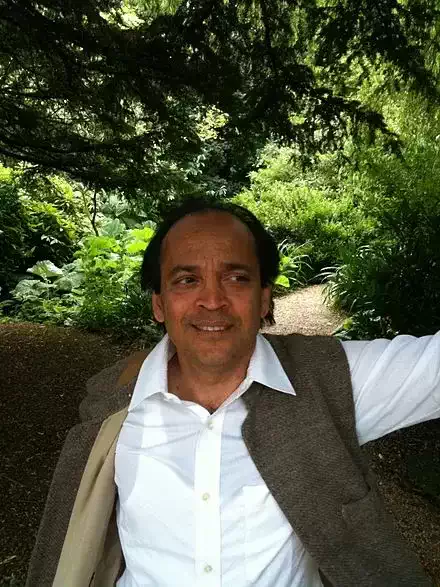
Vikram Seth
The Golden Gate - I (A novel in verse)
To make a start more swift and weighty,
Hail Muse. Dear Reader, once upon
A time, say, circa 1980,
There lived a man. His name was John.
Successful in his field though only
Twenty-six, respected, lonely,
One evening as he walked across
Golden Gate Park, the ill-judged toss
Of a red frisbee almost brained him.
He thought, "Who'd gloat? Who would be glad?
Would anybody? " As it pained him,
He turned from this dispiriting theme
To ruminations less extreme.
1.2.
He tuned his thoughts to electronic
Circuitry. This soothed his mind.
He left irregular (moronic)
Sentimentality behind.
He thought of or-gates and of and-gates,
Of ROMs, of nor-gates, and of nand-gates,
Of nanoseconds, megabytes,
And bits and nibbles… but as flights
Of silhouetted birds move cawing
Across the pine-serrated sky,
Dragged from his cove, not knowing why,
He feels an urgent riptide drawing
Him far out, where, caught in the kelp
Of loneliness, he cries for help.
1.3.
John's looks are good. His dress is formal.
His voice is low. His mind is sound.
His appetite for work's abnormal.
A plastic name tag hangs around
His collar like a votive necklace.
Though well-paid, he is far from reckless,
Pays his rent promptly, jogs, does not
Smoke cigarettes, and rarely pot,
Eschews both church and heavy drinking,
Enjoys his garden, like to read
Eclectically from Mann to Bede.
(A surrogate, some say, for thinking.)
friends claim he's grown aloof and prim.
(His boss, though, is well-pleased with him.)
1.4.
Grey-eyed, blond-haired, aristocratic
In height, impatience, views, and face,
Discriminating though dogmatic,
Tender beneath a carapace
Of well-groomed tastes and tasteful grooming,
John, though his corporate stock is booming,
For all his mohair, serge, and tweed,
Senses his life has run to seed.
A passionate man, with equal parts of
Irritability and charm,
Without as such intending harm,
His flaring temper singed the hearts of
Several woman in the days
Before his chaste, ambitious phase.
1.5.
John notes the late September showers
Have tinged the blond hills round the bay
With a new green. He notes the flowers
In their pre-winter bloom. The way
That, when he was a child, the mystery
Of San Francisco's restless spark,
It strikes him now as, through the park,
Wrested from old dunes by the westward
Thrust of the greenbelt to the slow
Pacific swell, his footsteps go.
But it is late. The birds fly nestward
Towards the sunset, and the arc
Of darkness drifts across the park.
1.6.
It's Friday night. The unfettered city
Resounds with hedonistic glee.
John feels a cold cast of self-pity
Envelop him. No family
Cushions his solitude, or rather,
His mother's dead, his English father,
Retired in his native Kent,
Rarely responds to letters sent
(If rarely) by his transatlantic
Offspring. In letters to The Times
He rails against the nameless crimes
Of the post office. Waxing frantic
About delays from coast to coast,
He hones his wit and damns the post.
1.7.
A linkless node, no spouse or sibling,
No children - John wanders alone
Into an ice cream parlor. Nibbling
The edges of a sugar cone
By turns, a pair of high school lovers
Stand giggling. John, uncharmed, discovers
His favorite flavors, Pumpkin Pie
And Bubble Gum, decides to buy
A double scoop; sits down; but whether
His eyes fall on a knot of three
Schoolgirls, a clamorous family,
Or, munching cheerfully together,
A hippie and a Castro clone,
It hurts that only he's alone.
1.8.
He goes home, seeking consolation
Among old Beatles and Pink Floyd —
But "Girl" elicits mere frustration,
While "Money" leaves him more annoyed.
Alas, he hungers less for money
Than for a fleeting Taste of Honey.
Murmuring, "Money — it's a gas! …
The lunatic is on the grass,"
He pours himself a beer. Desires
And reminiscences intrude
Upon his unpropitious mood
Until he feels that he requires
A one-way Ticket to Ride — and soon —
Across the Dark Side of the Moon.
1.9.
He thinks back to his day at college,
To Phil, to Berkeley friends, to nights
When the pursuit of grades and knowledge
Foundered in beery jokes and fights.
Eheu fugaces… Silicon Valley
Lures to ambition's ulcer alley
Young graduates with siren screams
Of power and wealth beyond their dreams,
Ejects the lax, and drives the driven,
Burning their candles at both ends.
Thus files take precedence over friends,
Labor is lauded, leisure riven.
John kneels bareheaded and unshod
Before the Chip, a jealous God.
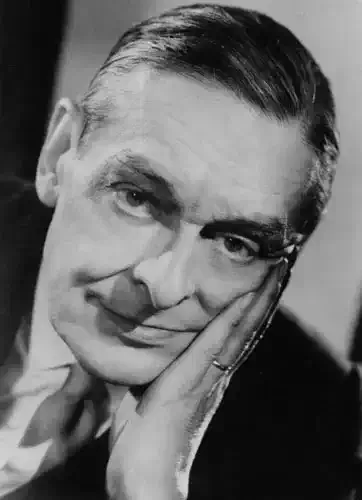
T. S. Eliot
The Love Song of J Alfred Prufrock
A persona che mai tornasse al mondo,
Questa fiamma staria senza piu scosse.
Ma perciocche giammai di questo fondo
Non torno vivo alcun, siodo il vero,
Senza tema dinfamia ti rispondo.
LET us go then, you and I,
When the evening is spread out against the sky
Like a patient etherised upon a table;
Let us go, through certain half-deserted streets,
The muttering retreats
Of restless nights in one-night cheap hotels
And sawdust restaurants with oyster-shells:
Streets that follow like a tedious argument
Of insidious intent
To lead you to an overwhelming question...
Oh, do not ask, "What is it?"
Let us go and make our visit.
In the room the women come and go
Talking of Michelangelo.
The yellow fog that rubs its back upon the window-panes,
The yellow smoke that rubs its muzzle on the window-panes
Licked its tongue into the corners of the evening,
Lingered upon the pools that stand in drains,
Let fall upon its back the soot that falls from chimneys,
Slipped by the terrace, made a sudden leap,
And seeing that it was a soft October night,
Curled once about the house, and fell asleep.
And indeed there will be time
For the yellow smoke that slides along the street,
Rubbing its back upon the window-panes;
There will be time, there will be time
To prepare a face to meet the faces that you meet;
There will be time to murder and create,
And time for all the works and days of hands
That lift and drop a question on your plate;
Time for you and time for me,
And time yet for a hundred indecisions,
And for a hundred visions and revisions,
Before the taking of a toast and tea.
In the room the women come and go
Talking of Michelangelo.
And indeed there will be time
To wonder, "Do I dare?" and, "Do I dare?"
Time to turn back and descend the stair,
With a bald spot in the middle of my hair—
[They will say: "How his hair is growing thin!"]
My morning coat, my collar mounting firmly to the chin,
My necktie rich and modest, but asserted by a simple pin—
[They will say: "But how his arms and legs are thin!"]
Do I dare
Disturb the universe?
In a minute there is time
For decisions and revisions which a minute will reverse.
For I have known them all already, known them all:—
Have known the evenings, mornings, afternoons,
I have measured out my life with coffee spoons;
I know the voices dying with a dying fall
Beneath the music from a farther room.
So how should I presume?
And I have known the eyes already, known them all—
The eyes that fix you in a formulated phrase,
And when I am formulated, sprawling on a pin,
When I am pinned and wriggling on the wall,
Then how should I begin
To spit out all the butt-ends of my days and ways?
And how should I presume?
And I have known the arms already, known them all—
Arms that are braceleted and white and bare
[But in the lamplight, downed with light brown hair!]
It is perfume from a dress
That makes me so digress?
Arms that lie along a table, or wrap about a shawl.
And should I then presume?
And how should I begin?
. . . . .
Shall I say, I have gone at dusk through narrow streets
And watched the smoke that rises from the pipes
Of lonely men in shirt-sleeves, leaning out of windows?...
I should have been a pair of ragged claws
Scuttling across the floors of silent seas.
. . . . .
And the afternoon, the evening, sleeps so peacefully!
Smoothed by long fingers,
Asleep ... tired ... or it malingers,
Stretched on the floor, here beside you and me.
Should I, after tea and cakes and ices,
Have the strength to force the moment to its crisis?
But though I have wept and fasted, wept and prayed,
Though I have seen my head [grown slightly bald] brought in upon a platter,
I am no prophet—and heres no great matter;
I have seen the moment of my greatness flicker,
And I have seen the eternal Footman hold my coat, and snicker,
And in short, I was afraid.
And would it have been worth it, after all,
After the cups, the marmalade, the tea,
Among the porcelain, among some talk of you and me,
Would it have been worth while,
To have bitten off the matter with a smile,
To have squeezed the universe into a ball
To roll it toward some overwhelming question,
To say: "I am Lazarus, come from the dead,
Come back to tell you all, I shall tell you all"—
If one, settling a pillow by her head,
Should say: "That is not what I meant at all.
That is not it, at all."
And would it have been worth it, after all,
Would it have been worth while,
After the sunsets and the dooryards and the sprinkled streets,
After the novels, after the teacups, after the skirts that trail along the floor—
And this, and so much more?—
It is impossible to say just what I mean!
But as if a magic lantern threw the nerves in patterns on a screen:
Would it have been worth while
If one, settling a pillow or throwing off a shawl,
And turning toward the window, should say:
"That is not it at all,
That is not what I meant, at all."
. . . . .
No! I am not Prince Hamlet, nor was meant to be;
Am an attendant lord, one that will do
To swell a progress, start a scene or two,
Advise the prince; no doubt, an easy tool,
Deferential, glad to be of use,
Politic, cautious, and meticulous;
Full of high sentence, but a bit obtuse;
At times, indeed, almost ridiculous—
Almost, at times, the Fool.
I grow old ... I grow old...
I shall wear the bottoms of my trousers rolled.
Shall I part my hair behind? Do I dare to eat a peach?
I shall wear white flannel trousers, and walk upon the beach.
I have heard the mermaids singing, each to each.
I do not think that they will sing to me.
I have seen them riding seaward on the waves
Combing the white hair of the waves blown back
When the wind blows the water white and black.
We have lingered in the chambers of the sea
By sea-girls wreathed with seaweed red and brown
Till human voices wake us, and we drown.

Derek Walcott
Night in the Gardens of Port of Spain
into a village; she assumes the impenetrable
musk of the negro, grows secret as sweat,
her alleys odorous with shucked oyster shells,
coals of gold oranges, braziers of melon.
Commerce and tambourines increase her heat.
Hellfire or the whorehouse: crossing Park Street,
a surf of sailor's faces crest, is gone
with the sea's phosphoresence; the boites-de-nuit
tinkle like fireflies in her thick hair.
Blinded by headlamps, deaf to taxi klaxons,
she lifts her face from the cheap, pitch oil flare
toward white stars, like cities, flashing neon,
burning to be the bitch she must become.
As daylight breaks the coolie turns his tumbril
of hacked, beheaded coconuts towards home.
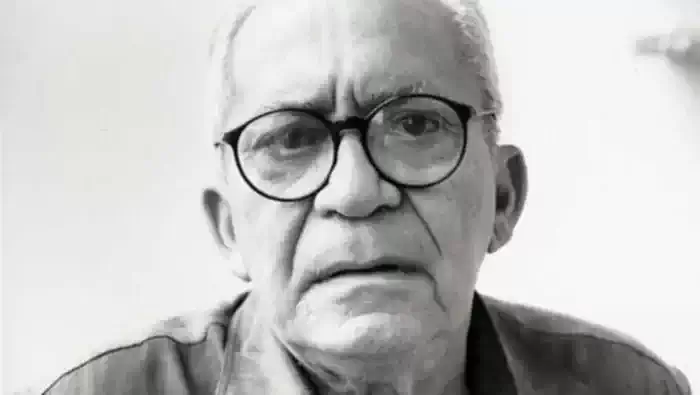
Lêdo Ivo
Poor Folk at the Bus Station
they crane their necks like geese to see
the place-names on the buses. The look on their faces
betrays their fear of losing something:
the suitcase that holds a transitor radio and a coat
of chilling drabness on a day without dreams,
the mortadella sandwich at the bottom of their bag,
and the suburban sunshine and dust beyond the viaducts.
Amid the uproar of loud-speakers and the wheezing of buses
they are seared of missing their connection
hidden in a haze of time-tables.
Some dozing on benches awaken with a start
though nightmares are the privilege of those
who fuel the hearing of bored psycho-analysts
in rooms as antiseptic as the cotton-wool that
plugs the nostrils of corpses.
Standing in queues poor folk adopt a serious expression
combining fear, impatience and submission.
How grotesque poor folk are! And how their stench
offends us even at a distance!
They have no concept of social graces and no idea
how to behave in public.
A nicotine-stained finger rubs an itching eye
that has nothing but matter to show for its dream.
From a sagging swollen breast a trickle of milk
drips into a tiny mouth familiar with tears.
On the platform poor folk come and go, leaping and clutching
baggage and parcels,
they ask silly questions at the ticket offices,
whisper mysterious words
and gaze at magazine covers with the starfled look
of someone who does not know the way to the threshold of life.
Why all this coming and going? And those gaudy clothes,
those yeflows reminiscent of palm oü that injure the delicate sight
of passengers forced to endure so many unpleasant odours
and those glaring reds one associares with a fun-fair or circus?
Poor folk do not know how to travel or dress.
Not even how to live: they have no concept of comfort
although some even possess a television set.
In truth, poor folk do not know how to die.
(They invariably have a sordid, vulgar death)
Throughout the world they are a nuisance,
unwanted travellers who occupy our seats
even when we are seated and they travel on foot.
Os Pobres na Estação Rodoviária Poema em Português

Ezra Pound
In a Station of the Metro
Petals on a wet, black bough.

Oscar Wilde
Les Silhouettes
The dull dead wind is out of tune,
And like a withered leaf the moon
Is blown across the stormy bay.
Etched clear upon the pallid sand
Lies the black boat: a sailor boy
Clambers aboard in careless joy
With laughing face and gleaming hand.
And overhead the curlews cry,
Where through the dusky upland grass
The young brown-throated reapers pass,
Like silhouettes against the sky.
Oscar Wilde
Symphony in Yellow
Crawls like a yellow butterfly
And, here and there, a passer-by
Shows like a little restless midge.
Big barges full of yellow hay
Are moored against the shadowy wharf,
And, like a yellow silken scarf,
The thick fog hangs along the quay.
The yellow leaves begin to fade
And flutter from the Temple elms,
And at my feet the pale green Thames
Lies like a rod of rippled jade.

Federico García Lorca
City That Does Not Sleep
Nobody is asleep.
The creatures of the moon sniff and prowl about their cabins.
The living iguanas will come and bite the men who do not dream,
and the man who rushes out with his spirit broken will meet on the
street corner
the unbelievable alligator quiet beneath the tender protest of the
stars.
Nobody is asleep on earth. Nobody, nobody.
Nobody is asleep.
In a graveyard far off there is a corpse
who has moaned for three years
because of a dry countryside on his knee;
and that boy they buried this morning cried so much
it was necessary to call out the dogs to keep him quiet.
Life is not a dream. Careful! Careful! Careful!
We fall down the stairs in order to eat the moist earth
or we climb to the knife edge of the snow with the voices of the dead
dahlias.
But forgetfulness does not exist, dreams do not exist;
flesh exists. Kisses tie our mouths
in a thicket of new veins,
and whoever his pain pains will feel that pain forever
and whoever is afraid of death will carry it on his shoulders.
One day
the horses will live in the saloons
and the enraged ants
will throw themselves on the yellow skies that take refuge in the
eyes of cows.
Another day
we will watch the preserved butterflies rise from the dead
and still walking through a country of gray sponges and silent boats
we will watch our ring flash and roses spring from our tongue.
Careful! Be careful! Be careful!
The men who still have marks of the claw and the thunderstorm,
and that boy who cries because he has never heard of the invention
of the bridge,
or that dead man who possesses now only his head and a shoe,
we must carry them to the wall where the iguanas and the snakes
are waiting,
where the bear's teeth are waiting,
where the mummified hand of the boy is waiting,
and the hair of the camel stands on end with a violent blue shudder.
Nobody is sleeping in the sky. Nobody, nobody.
Nobody is sleeping.
If someone does close his eyes,
a whip, boys, a whip!
Let there be a landscape of open eyes
and bitter wounds on fire.
No one is sleeping in this world. No one, no one.
I have said it before.
No one is sleeping.
But if someone grows too much moss on his temples during the
night,
open the stage trapdoors so he can see in the moonlight
the lying goblets, and the poison, and the skull of the theaters.
Oscar Wilde
Impression Du Matin
Changed to a Harmony in grey:
A barge with ochre-coloured hay
Dropt from the wharf: and chill and cold
The yellow fog came creeping down
The bridges, till the houses' walls
Seemed changed to shadows and St. Paul's
Loomed like a bubble o'er the town.
Then suddenly arose the clang
Of waking life; the streets were stirred
With country waggons: and a bird
Flew to the glistening roofs and sang.
But one pale woman all alone,
The daylight kissing her wan hair,
Loitered beneath the gas lamps' flare,
With lips of flame and heart of stone.
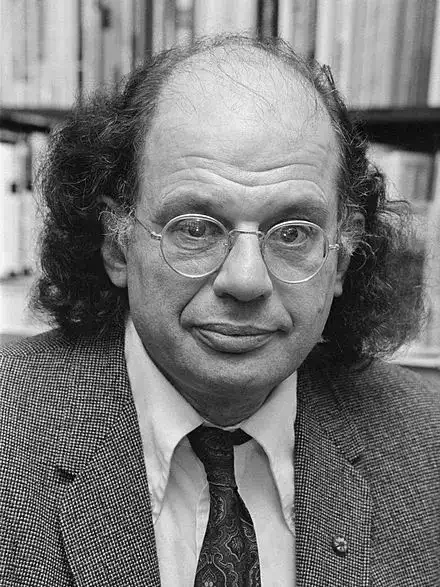
Allen Ginsberg
Sunflower Sutra
of a Southern Pacific locomotive to look for the sunset over the box house hills and cry.
Jack Kerouac sat beside me on a busted rusty iron pole, companion, we thought the
same thoughts of the soul, bleak and blue and sad-eyed, surrounded by the gnarled
steel roots of trees of machinery.
The only water on the river mirrored the red sky, sun sank on top of final Frisco peaks,
no fish in that stream, no hermit in those mounts, just ourselves rheumy-eyed and
hung-over like old bums on the riverbank, tired and wily.
Look at the Sunflower, he said, there was a dead gray shadow against the sky, big as a
man, sitting dry on top of a pile of ancient sawdust-
--I rushed up enchanted--it was my first sunflower, memories of Blake--my
visions--Harlem
and Hells of the Eastern rivers, bridges clanking Joes greasy Sandwiches, dead baby
carriages, black treadless tires forgotten and unretreaded, the poem of the riverbank,
condoms & pots, steel knives, nothing stainless, only the dank muck and the
razor-sharp artifacts passing into the past-
and the gray Sunflower poised against the sunset, crackly bleak and dusty with the
smut and smog and smoke of olden locomotives in its eye-
corolla of bleary spikes pushed down and broken like a battered crown, seeds fallen out
of its face, soon-to-be-toothless mouth of sunny air, sunrays obliterated on its hairy
head like a dried wire spiderweb,
leaves stuck out like arms out of the stem, gestures from the sawdust root, broke
pieces of plaster fallen out of the black twigs, a dead fly in its ear,
Unholy battered old thing you were, my sunflower O my soul, I loved you then!
The grime was no man's grime but death and human locomotives,
all that dress of dust, that veil of darkened railroad skin, that smog of cheek, that
eyelid of black mis'ry, that sooty hand or phallus or protuberance of artificial
worse-than-dirt--industrial--modern--all that civilization spotting your crazy golden
crown-
and those blear thoughts of death and dusty loveless eyes and ends and withered roots
below, in the home-pile of sand and sawdust, rubber dollar bills, skin of machinery, the
guts and innards of the weeping coughing car, the empty lonely tincans with their rusty
tongues alack, what more could I name, the smoked ashes of some cock cigar, the
cunts of wheelbarrows and the milky breasts of cars, wornout asses out of chairs &
sphincters of dynamos--all these
entangled in your mummied roots--and you standing before me in the sunset, all your
glory in your form!
A perfect beauty of a sunflower! a perfect excellent lovely sunflower existence! a sweet
natural eye to the new hip moon, woke up alive and excited grasping in the sunset
shadow sunrise golden monthly breeze!
How many flies buzzed round you innocent of your grime, while you cursed the
heavens of your railroad and your flower soul?
Poor dead flower? when did you forget you were a flower? when did you look at your
skin and decide you were an impotent dirty old locomotive? the ghost of a locomotive?
the specter and shade of a once powerful mad American locomotive?
You were never no locomotive, Sunflower, you were a sunflower!
And you Locomotive, you are a locomotive, forget me not!
So I grabbed up the skeleton thick sunflower and stuck it at my side like a scepter,
and deliver my sermon to my soul, and Jack's soul too, and anyone who'll listen,
--We're not our skin of grime, we're not our dread bleak dusty imageless locomotive,
we're all golden sunflowers inside, blessed by our own seed & hairy naked
accomplishment-bodies growing into mad black formal sunflowers in the sunset, spied
on by our eyes under the shadow of the mad locomotive riverbank sunset Frisco hilly
tincan evening sitdown vision.
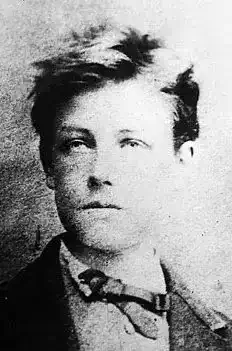
Arthur Rimbaud
Departure
The vision gleams in every air.
Everything had...
The far sound of cities, in the evening,
In sunlight, and always.
Everything known...
O Tumult! O Visions! These are the stops of life.
Departure in affection, and shining sounds.
Elizabeth Bishop
Cape Breton
the razorbill auks and the silly-looking puffins all stand
with their backs to the mainland
in solemn, uneven lines along the cliff's brown grass-frayed edge,
while the few sheep pastured there go "Baaa, baaa."
(Sometimes, frightened by aeroplanes, they stampede
and fall over into the sea or onto the rocks.)
The silken water is weaving and weaving,
disappearing under the mist equally in all directions,
lifted and penetrated now and then
by one shag's dripping serpent-neck,
and somewhere the mist incorporates the pulse,
rapid but unurgent, of a motor boat.
The same mist hangs in thin layers
among the valleys and gorges of the mainland
like rotting snow-ice sucked away
almost to spirit; the ghosts of glaciers drift
among those folds and folds of fir: spruce and hackmatack-dull,
dead, deep pea-cock colors,
each riser distinguished from the next
by an irregular nervous saw-tooth edge,
alike, but certain as a stereoscopic view.
The wild road clambers along the brink of the coast.
On it stand occasional small yellow bulldozers,
but without their drivers, because today is Sunday.
The little white churches have been dropped into the matted hills
like lost quartz arrowheads.
The road appears to have been abandoned.
Whatever the landscape had of meaning appears to have been abandoned,
unless the road is holding it back, in the interior,
where we cannot see,
where deep lakes are reputed to be,
and disused trails and mountains of rock
and miles of burnt forests, standing in gray scratches
like the admirable scriptures made on stones by stones-and
these regions now have little to say for themselves
except in thousands of light song-sparrow songs floating upward
freely, dispassionately, through the mist, and meshing
in brown-wet, fine torn fish-nets.
A small bus comes along, in up-and-down rushes,
packed with people, even to its step.
(On weekdays with groceries, spare automobile parts, and pump parts,
but today only two preachers extra, one carrying his frock coat on a
hanger.)
It passes the closed roadside stand, the closed schoolhouse,
where today no flag is flying
from the rough-adzed pole topped with a white china doorknob.
It stops, and a man carrying a bay gets off,
climbs over a stile, and goes down through a small steep meadow,
which establishes its poverty in a snowfall of daisies,
to his invisible house beside the water.
The birds keep on singing, a calf bawls, the bus starts.
The thin mist follows
the white mutations of its dream;
an ancient chill is rippling the dark brooks.
Allen Ginsberg
Kaddish, Part I
the sunny pavement of Greenwich Village.
downtown Manhattan, clear winter noon, and I've been up all night, talking,
talking, reading the Kaddish aloud, listening to Ray Charles blues
shout blind on the phonograph
the rhythm the rhythm--and your memory in my head three years after-And
read Adonais' last triumphant stanzas aloud--wept, realizing
how we suffer--
And how Death is that remedy all singers dream of, sing, remember,
prophesy as in the Hebrew Anthem, or the Buddhist Book of Answers--
and my own imagination of a withered leaf--at dawn--
Dreaming back thru life, Your time--and mine accelerating toward Apocalypse,
the final moment--the flower burning in the Day--and what comes after,
looking back on the mind itself that saw an American city
a flash away, and the great dream of Me or China, or you and a phantom
Russia, or a crumpled bed that never existed-
like a poem in the dark--escaped back to Oblivion--
No more to say, and nothing to weep for but the Beings in the Dream,
trapped in its disappearance,
sighing, screaming with it, buying and selling pieces of phantom, worshipping
each other,
worshipping the God included in it all--longing or inevitability?--while it
lasts, a Vision--anything more?
It leaps about me, as I go out and walk the street, look back over my shoulder,
Seventh Avenue, the battlements of window office buildings shouldering
each other high, under a cloud, tall as the sky an instant--and
the sky above--an old blue place.
or down the Avenue to the south, to--as I walk toward the Lower East Side
--where you walked 50 years ago, little girl--from Russia, eating the
first poisonous tomatoes of America frightened on the dock
then struggling in the crowds of Orchard Street toward what?--toward
Newark-
toward candy store, first home-made sodas of the century, hand-churned ice
cream in backroom on musty brownfloor boards--
Toward education marriage nervous breakdown, operation, teaching school,
and learning to be mad, in a dream--what is this life?
Toward the Key in the window--and the great Key lays its head of light
on top of Manhattan, and over the floor, and lays down on the
sidewalk--in a single vast beam, moving, as I walk down First toward
the Yiddish Theater--and the place of poverty
you knew, and I know, but without caring now--Strange to have moved
thru Paterson, and the West, and Europe and here again,
with the cries of Spaniards now in the doorstops doors and dark boys on
the street, firs escapes old as you
--Tho you're not old now, that's left here with me--
Myself, anyhow, maybe as old as the universe--and I guess that dies with
us--enough to cancel all that comes--What came is gone forever
every time-
That's good!
That leaves it open for no regret--no fear radiators, lacklove,
torture even toothache in the end--
Though while it comes it is a lion that eats the soul--and the lamb, the soul,
in us, alas, offering itself in sacrifice to change's fierce hunger--hair
and teeth--and the roar of bonepain, skull bare, break rib, rot-skin,
braintricked Implacability.
Ai! ai!we do worse! We are in a fix!
And you're out, Death let you out,
Death had the Mercy, you're done with your century, done with
God, done with the path thru it--Done with yourself at last--Pure
--Back to the Babe dark before your Father, before us all--before the
world--
There, rest.
No more suffering for you.
I know where you've gone, it's good.
No more flowers in the summer fields of New York, no joy now, no more
fear of Louis,
and no more of his sweetness and glasses, his high school decades, debts,
loves, frightened telephone calls, conception beds, relatives, hands--
No more of sister Elanor,--she gone before you--we kept it secret you
killed her--or she killed herself to bear with you--an arthritic heart
--But Death's killed you both--No matter--
Nor your memory of your mother, 1915 tears in silent movies weeks and
weeks--forgetting, agrieve watching Marie Dressler address humanity,
Chaplin dance in youth,
or Boris Godunov, Chaliapin's at the Met, halling his voice of a weeping Czar
--by standing room with Elanor & Max--watching also the Capital
ists take seats in Orchestra, white furs, diamonds,
with the YPSL's hitch-hiking thru Pennsylvania, in black baggy gym skirts
pants, photograph of 4 girls holding each other round the waste, and
laughing eye, too coy, virginal solitude of 1920
all girls grown old, or dead now, and that long hair in the grave--lucky to
have husbands later--
You made it--I came too--Eugene my brother before (still grieving now and
will gream on to his last stiff hand, as he goes thru his cancer--or kill
--later perhaps--soon he will think--)
And it's the last moment I remember, which I see them all, thru myself, now
--tho not you
I didn't foresee what you felt--what more hideous gape of bad mouth came
first--to you--and were you prepared?
To go where?
In that Dark--that--in that God? a radiance? A Lord in the
Void?Like an eye in the black cloud in a dream?
Adonoi at last, with
you?
Beyond my remembrance! Incapable to guess! Not merely the yellow skull
in the grave, or a box of worm dust, and a stained ribbon--Deathshead
with Halo?can you believe it?
Is it only the sun that shines once for the mind, only the flash of existence,
than none ever was?
Nothing beyond what we have--what you had--that so pitiful--yet Triumph,
to have been here, and changed, like a tree, broken, or flower--fed to the
ground--but made, with its petals, colored, thinking Great Universe,
shaken, cut in the head, leaf stript, hid in an egg crate hospital, cloth
wrapped, sore--freaked in the moon brain, Naughtless.
No flower like that flower, which knew itself in the garden, and fought the
knife--lost
Cut down by an idiot Snowman's icy--even in the Spring--strange ghost
thought some--Death--Sharp icicle in his hand--crowned with old
roses--a dog for his eyes--cock of a sweatshop--heart of electric
irons.
All the accumulations of life, that wear us out--clocks, bodies, consciousness,
shoes, breasts--begotten sons--your Communism--'Paranoia' into
hospitals.
You once kicked Elanor in the leg, she died of heart failure later.
You of
stroke.
Asleep?within a year, the two of you, sisters in death.
Is
Elanor happy?
Max grieves alive in an office on Lower Broadway, lone large mustache over
midnight Accountings, not sure.
His life passes--as he sees--and
what does he doubt now?
Still dream of making money, or that might
have made money, hired nurse, had children, found even your Immortality,
Naomi?
I'll see him soon.
Now I've got to cut through to talk to you as I didn't
when you had a mouth.
Forever.And we're bound for that, Forever like Emily Dickinson's horses
--headed to the End.
They know the way--These Steeds--run faster than we think--it's our own
life they cross--and take with them.
Magnificent, mourned no more, marred of heart, mind behind, married
dreamed, mortal changed--Ass and face done with murder.
In the world, given, flower maddened, made no Utopia, shut under
pine, almed in Earth, blamed in Lone, Jehovah, accept.
Nameless, One Faced, Forever beyond me, beginningless, endless,
Father in death.
Tho I am not there for this Prophecy, I am unmarried, I'm
hymnless, I'm Heavenless, headless in blisshood I would still adore
Thee, Heaven, after Death, only One blessed in Nothingness, not
light or darkness, Dayless Eternity-Take
this, this Psalm, from me, burst from my hand in a day, some
of my Time, now given to Nothing--to praise Thee--But Death
This is the end, the redemption from Wilderness, way for the Wonderer,
House sought for All, black handkerchief washed clean by weeping
--page beyond Psalm--Last change of mine and Naomi--to God's perfect
Darkness--Death, stay thy phantoms!
II
Over and over--refrain--of the Hospitals--still haven't written your
history--leave it abstract--a few images
run thru the mind--like the saxophone chorus of houses and years-remembrance
of electrical shocks.
By long nites as a child in Paterson apartment, watching over your
nervousness--you were fat--your next move-
By that afternoon I stayed home from school to take care of you-once
and for all--when I vowed forever that once man disagreed with my
opinion of the cosmos, I was lost-
By my later burden--vow to illuminate mankind--this is release of
particulars--(mad as you)--(sanity a trick of agreement)-But
you stared out the window on the Broadway Church corner, and
spied a mystical assassin from Newark,
So phoned the Doctor--'OK go way for a rest'--so I put on my coat
and walked you downstreet--On the way a grammarschool boy screamed,
unaccountably--'Where you goin Lady to Death'? I shuddered-
and you covered your nose with motheaten fur collar, gas mask
against poison sneaked into downtown atmosphere, sprayed by Grandma-
And was the driver of the cheesebox Public Service bus a member of
the gang?
You shuddered at his face, I could hardly get you on--to New
York, very Times Square, to grab another Greyhound--
Federico García Lorca
Ode to Walt Whitman
boys were singing, exposing their waists
with the wheel, with oil, leather, and the hammer.
Ninety thousand miners taking silver from the rocks
and children drawing stairs and perspectives.
But none of them could sleep,
none of them wanted to be the river,
none of them loved the huge leaves
or the shoreline's blue tongue.
By the East River and the Queensboro
boys were battling with industry
and the Jews sold to the river faun
the rose of circumcision,
and over bridges and rooftops, the mouth of the sky emptied
herds of bison driven by the wind.
But none of them paused,
none of them wanted to be a cloud,
none of them looked for ferns
or the yellow wheel of a tambourine.
As soon as the moon rises
the pulleys will spin to alter the sky;
a border of needles will besiege memory
and the coffins will bear away those who don't work.
New York, mire,
New York, mire and death.
What angel is hidden in your cheek?
Whose perfect voice will sing the truths of wheat?
Who, the terrible dream of your stained anemones?
Not for a moment, Walt Whitman, lovely old man,
have I failed to see your beard full of butterflies,
nor your corduroy shoulders frayed by the moon,
nor your thighs pure as Apollo's,
nor your voice like a column of ash,
old man, beautiful as the mist,
you moaned like a bird
with its sex pierced by a needle.
Enemy of the satyr,
enemy of the vine,
and lover of bodies beneath rough cloth...
Not for a moment, virile beauty,
who among mountains of coal, billboards, and railroads,
dreamed of becoming a river and sleeping like a river
with that comrade who would place in your breast
the small ache of an ignorant leopard.
Not for a moment, Adam of blood, Macho,
man alone at sea, Walt Whitman, lovely old man,
because on penthouse roofs,
gathered at bars,
emerging in bunches from the sewers,
trembling between the legs of chauffeurs,
or spinning on dance floors wet with absinthe,
the faggots, Walt Whitman, point you out.
He's one, too! That's right! And they land
on your luminous chaste beard,
blonds from the north, blacks from the sands,
crowds of howls and gestures,
like cats or like snakes,
the faggots, Walt Whitman, the faggots,
clouded with tears, flesh for the whip,
the boot, or the teeth of the lion tamers.
He's one, too! That's right! Stained fingers
point to the shore of your dream
when a friend eats your apple
with a slight taste of gasoline
and the sun sings in the navels
of boys who play under bridges.
But you didn't look for scratched eyes,
nor the darkest swamp where someone submerges children,
nor frozen saliva,
nor the curves slit open like a toad's belly
that the faggots wear in cars and on terraces
while the moon lashes them on the street corners of terror.
You looked for a naked body like a river.
Bull and dream who would join wheel with seaweed,
father of your agony, camellia of your death,
who would groan in the blaze of your hidden equator.
Because it's all right if a man doesn't look for his delight
in tomorrow morning's jungle of blood.
The sky has shores where life is avoided
and there are bodies that shouldn't repeat themselves in the dawn.
Agony, agony, dream, ferment, and dream.
This is the world, my friend, agony, agony.
Bodies decompose beneath the city clocks,
war passes by in tears, followed by a million gray rats,
the rich give their mistresses
small illuminated dying things,
and life is neither noble, nor good, nor sacred.
Man is able, if he wishes, to guide his desire
through a vein of coral or a heavenly naked body.
Tomorrow, loves will become stones, and Time
a breeze that drowses in the branches.
That's why I don't raise my voice, old Walt Whitman,
against the little boy who writes
the name of a girl on his pillow,
nor against the boy who dresses as a bride
in the darkness of the wardrobe,
nor against the solitary men in casinos
who drink prostitution's water with revulsion,
nor against the men with that green look in their eyes
who love other men and burn their lips in silence.
But yes against you, urban faggots,
tumescent flesh and unclean thoughts.
Mothers of mud. Harpies. Sleepless enemies
of the love that bestows crowns of joy.
Always against you, who give boys
drops of foul death with bitter poison.
Always against you,
Fairies of North America,
Pájaros of Havana,
Jotos of Mexico,
Sarasas of Cádiz,
Apios of Seville,
Cancos of Madrid,
Floras of Alicante,
Adelaidas of Portugal.
Faggots of the world, murderers of doves!
Slaves of women. Their bedroom bitches.
Opening in public squares like feverish fans
or ambushed in rigid hemlock landscapes.
No quarter given! Death
spills from your eyes
and gathers gray flowers at the mire's edge.
No quarter given! Attention!
Let the confused, the pure,
the classical, the celebrated, the supplicants
close the doors of the bacchanal to you.
And you, lovely Walt Whitman, stay asleep on the Hudson's banks
with your beard toward the pole, openhanded.
Soft clay or snow, your tongue calls for
comrades to keep watch over your unbodied gazelle.
Sleep on, nothing remains.
Dancing walls stir the prairies
and America drowns itself in machinery and lament.
I want the powerful air from the deepest night
to blow away flowers and inscriptions from the arch where you sleep,
and a black child to inform the gold-craving whites
that the kingdom of grain has arrived.

Lord Byron
Beppo, A Venetian Story
I.
'Tis known, at least it should be, that throughout
All countries of the Catholic persuasion,
Some weeks before Shrove Tuesday comes about,
The People take their fill of recreation,
And buy repentance, ere they grow devout,
However high their rank, or low their station,
With fiddling, feasting, dancing, drinking, masking,
And other things which may be had for asking.
II.
The moment Night with dusky mantle covers
The skies (and the more duskily the better),
The Timeless
liked by husbands than by lovers
Begins,
and Prudery flings aside her fetter,
And Gaiety on restless tiptoe hovers,
Giggling with all the Gallants who beset her;
And there are Songs and quavers, roaring, humming,
Guitars, and every other sort of strumming.
III.
And there are dresses, splendid but fantastical,
Masks of all times and nations, Turks and Jews,
And Harlequins and Clowns, with feats gymnastical,
Greeks, Romans, Yankeedoodles,
and Hindoos;
All kinds of dress, except the ecclesiastical,
All people, as their fancies hit, may choose,
But no one in these parts may quiz the Clergy,Therefore
take heed, ye Freethinkers! I charge ye.
IV.
You'd better walk about begirt with briars,
Instead of Coat and smallclothes, than put on
A single stitch reflecting upon Friars,
Although you swore it only was in fun;
They'd haul you o'er the coals, and stir the fires
Of Phlegethon with every mother's son,
Nor say one Mass to cool the Caldron's bubble
That boil'd your bonesunless
you paid them double.
V.
But saving this, you may put on whate'er
You like by way of doublet, cape, or cloak,
Such as in Monmouth Street, or in Rag Fair,
Would rig you out in Seriousness or Joke;
And even in Italy such places are
With prettier name in softer accents spoke,
For, bating Covent Garden, I can hit on
No place that's called 'Piazza' in Great Britain.
VI.
This feast is named the Carnival, which being
Interpreted implies 'Farewell to Flesh':
So call'd, because the name and thing agreeing,
Through Lent they live on fish, both salt and fresh.
But why they usher Lent with so much glee in
Is more than I can tell, although I guess
'Tis as we take a glass with friends at parting
In the StageCoach
or Packet, just at starting.
VII.
And thus they bid farewell to Carnal dishes,
And solid meats, and highly spiced ragouts,
To live for forty days on illdress’d
fishes,
Because they have no sauces to their stews
A
thing which causes many 'poohs' and 'pishes,'
And several oaths (which would not suit the Muse)
From travellers accustom'd from a boy
To eat their Salmon, at the least, with Soy;
VIII.
And therefore humbly I would recommend
'The Curious in FishSauce,'
before they cross
The Sea, to bid their Cook, or wife, or friend,
Walk or ride to the Strand, and buy in gross
(Or if set out beforehand these may send
By any means least liable to loss)
Ketchup, Soy, ChiliVinegar,
and Harvey,
Or, by the Lord! a Lent will well nigh starve ye.
IX.
That is to say, if your Religion's Roman,
And you at Rome would do as Romans do,
According to the proverb,although
No man
If foreign is obliged to fast, and you
If
Protestant, or sicklyor
a woman
Would
rather dine in sin on a ragout
Dine
and be d____d! I don't mean to be coarse,
But that's the penalty, to say no worse.
X.
Of all the places where the Carnival
Was most facetious in the days of yore,
For dance, and song, and serenade, and ball,
And Masque, and Mime, and Mystery, and more
Than I have time to tell now, or at all,
Venice the bell from every city bore,
And at the moment when I fix my story,
That Seaborn
City was in all her Glory.
XI.
They've pretty faces yet, those same Venetians,
Black eyes, arch'd brows, and sweet expressions still,
Such as of old were copied from the Grecians,
In ancient Arts by Moderns mimick'd ill;
And like so many Venuses of Titian's
(The best's at Florencesee
it, if ye will),
They look when leaning over the Balcony;
Or stepp'd from out a picture by Giorgione,
XII.
Whose tints are Truth and Beauty at their best;
And when you to Manfrini's palace go,
That Picture (howsoever fine the rest)
Is loveliest to my mind of all the show;
It may perhaps be also to your Zest,
And that's the cause I rhyme upon it so:
'Tis but a portrait of his Son and Wife
And Self; but such a Woman! Love in life!
XIII.
Love in full life and length, not Love ideal,
No, nor ideal Beauty, that fine name,
But something better still, so very real,
That the sweet Model must have been the same;
A thing that you would purchase, beg, or steal,
Were't not impossible, besides a shame;
The face recalls some face, as 'twere with pain,
You once have seen, but ne'er will see again.
XIV.
One of those forms which flit by us, when we
Are young, and fix our eyes on every face;
And, oh! the Loveliness at times we see
In momentary gliding, the soft grace,
The Youth, the Bloom, the Beauty which agree
In many a nameless being we retrace,
Whose course and home we knew not, nor shall know,
Like the lost Pleiad seen no more below.
XV.
I said that like a picture by Giorgione
Venetian women were, and so they are,
Particularly seen from a balcony
(For Beauty's sometimes best set off afar)
And there, just like a heroine of Goldoni,
They peep from out the blind, or o'er the bar;
And truth to say they're mostly very pretty,
And rather like to show it, more's the Pity!
XVI.
For glances beget ogles, ogles sighs,
Sighs wishes, wishes words, and words a letter,
Which flies on wings of lightheel'd
Mercuries,
Who do such things because they know no better;
And then, God knows! what Mischief may arise,
When Love links two young people in one fetter:
Vile assignations, and adulterous beds,
Elopements, broken vows, and hearts, and heads.
XVII.
Shakespeare described the Sex in Desdemona
As very fair, but yet suspect in fame,
And to this day from Venice to Verona
Such matters may be probably the same,
Except that since those times was never known a
Husband whom mere Suspicion could inflame
To suffocate a wife no more than twenty,
Because she had a 'Cavalier Servente.'
XVIII.
Their jealousy (if they are ever jealous)
Is of a fair complexion altogether,
Not like that sooty devil of Othello's,
Which smothers women in a bed of feather,
But worthier of these much more jolly fellows,
When weary of the matrimonial tether
His head for such a wife no mortal bothers,
But takes at once another, or another's.
XIX.
Didst ever see a Gondola? For fear
You should not, I'll describe it you exactly:
'Tis a long cover'd boat that's common here,
Carved at the prow, built lightly, but compactly,
Row'd by two rowers, each call'd 'Gondolier,'
It glides along the water looking blackly,
Just like a Coffin clapt in a Canoe,
Where none can make out what you say or do.
XX.
And up and down the long Canals they go,
And under the Rialto shoot along
By night and day, all paces, swift or slow,
And round the theatres, a sable throng,
They wait in their dusk livery of woe,
But
not to them do woeful things belong,
For sometimes they contain a deal of fun,
Like Mourning Coaches when the funeral’s done.
XXI.
But to my story.'
Twas some years ago,
It may be thirty, forty, more or less,
The Carnival was at its height, and so
Were all kinds of Buffoonery and dress;
A Certain Lady went to see the show,
Her real name I know not, nor can guess,
And so we'll call her Laura, if you please,
Because it slips into my verse with ease.
XXII.
She was not old, nor young, nor at the years
Which certain people call a 'certain Age,'
Which yet the most uncertain age appears,
Because I never heard, nor could engage
A person yet by prayers, or bribes, or tears,
To name, define by speech, or write on page,
The period meant precisely by that word,
Which
surely is exceedingly absurd.
XXIII.
Laura was blooming still, had made the best
Of Time, and Time return'd the compliment,
And treated her genteelly, so that, 'drest,
She look'd extremely well where'er she went;
A pretty woman is a welcome guest,
And Laura's brow a frown had rarely bent;
Indeed, she shone all Smiles, and seem'd to flatter
Mankind with her black eyes for looking at her.
XXIV.
She was a married woman; 'tis convenient,
Because in Christian countries 'tis a rule
To view their little slips with eyes more lenient;
Whereas if single ladies play the fool
(Unless within the period intervenient
A welltimed
wedding makes the scandal cool),
I don't know how they ever can get over it,
Except they manage never to discover it.
XXV.
Her husband sail'd upon the Adriatic,
And made some voyages, too, in other seas,
And when he lay in Quarantine for Pratique
(A forty days' precaution 'gainst disease),
His wife would mount, at times, her highest attic,
For thence she could discern the ship with ease;
He was a Merchant trading to Aleppo,
His name Giuseppecall'd
more briefly, Beppo.
XXVI.
He was a man as dusky as a Spaniard,
Sunburnt with travel, yet a portly figure;
Though colour'd, as it were, within a tanyard,
He was a person both of sense and vigour
A
better Seaman never yet did man yard;
And She, although her manners show'd no rigour,
Was deem'd a woman of the strictest principle,
So much as to be thought almost invincible.
XXVII.
But several years elapsed since they had met;
Some people thought the ship was lost, and some
That he had somehow blunder'd into debt,
And did not like the thought of steering home;
And there were several offer'd any bet,
Or that he would, or that he would not come,
For Most Men (till by losing render'd sager)
Will back their own opinions with a wager.
XXVIII.
'Tis said that their last parting was pathetic,
As partings often are, or ought to be,
And their presentiment was quite prophetic,
That they should never more each other see,
(A sort of morbid feeling, half poetic,
Which I have known occur in two or three)
When kneeling on the shore upon her sad knee
He left this Adriatic Ariadne.
XXIX.
And Laura waited long, and wept a little,
And thought of wearing weeds, as well she might;
She almost lost all appetite for victual,
And could not sleep with ease along at night;
She deem'd the windowframes
and shutters brittle
Against a daring Housebreaker
or Sprite,
And so She thought it prudent to connect her.
With a Vicehusband,
chiefly to protect her.
XXX.
She chose, (and what is there they will not choose,
If only you will but oppose their choice?)
Till Beppo should return from his long cruise,
And bid once more her faithful heart rejoice,
A Man some women like, and yet abuse
A
Coxcomb was he by the public voice;
A Count of wealth, they said, as well as quality,
And (in his pleasures) of great liberality.
XXXI.
And then he was A Count, and then he knew
Music, and dancing, fiddling, French and Tuscan;
The last not easy, be it known to you.
For few Italians speak the right Etruscan.
He was a Critic upon Operas, too,
And knew all niceties of the sock and buskin;
And no Venetian audience could endure a
Song, scene, or air, when he cried 'Seccatura!'
XXXII.
His 'Bravo' was decisive—for that sound
Hush'd 'Academie' sigh'd in silent awe;
The fiddlers trembled as he look'd around,
For fear of some false note's detected flaw;
The 'Prima Donna's' tuneful heart would bound,
Dreading the deep damnation of his 'Bah!'
Soprano, Basso, even the ContraAlto,
Wish'd him five fathom under the Rialto.
XXXIII.
He patronised the Improvisatori,
Nay, could himself extemporise some stanzas;
Wrote rhymes, sang songs, could also tell a story,
Sold pictures, and was skilful in the dance as
Italians can bethough
in this their glory
Must surely yield the palm to that which France has;
In short, he was a perfect Cavaliero,
And to his very Valet seem'd a Hero.
XXXIV.
Then he was faithful too, as well as amorous;
So that no sort of female could complain
Although
they're now and then a little clamourous,
He never put the pretty souls in pain;
His heart was one of those which most enamour us,
Wax to receive, and Marble to retain:
He was a lover of the good old School,
Who still become more constant as they cool.
XXXV.
No wonder such accomplishments should turn
A female head, however sage and steady
With
scarce a hope that Beppo could return,
In law he was almost as good as dead, he
Nor sent, nor wrote, nor show'd the least concern,
And she had waited several years already;
And really if a Man won't let us know
That he's alive, he's dead, or should be so.
XXXVI.
Besides, within the Alps, to every woman,
(Although, God knows! it is a grievous sin)
'Tis, I may say, permitted to have two men;
I can't tell who first brought the custom in,
But 'Cavalier Serventes' are quite common,
And no one notices nor cares a pin;
And we may call this (not to say the worst)
A Second Marriage which corrupts the First.
XXXVII.
The word was formerly a 'Cicisbeo,'
But that is now grown vulgar and indecent;
The Spaniards call the person a 'Cortejo,'
For the same Mode subsists in Spain, though recent;
In short, it reaches from the Po to Teio,
And may perhaps at last be o'er the Sea sent;
But Heaven preserve Old England from such courses!
Or what becomes of damage and divorces?
XXXVIII.
However, I still think, with all due deference
To the fair single part of the Creation,
That married ladies should preserve the preference
In têteàtête
or general conversation
And
this I say without peculiar reference
To England, France, or any other nation
Because
they know the world, and are at ease,
And being natural, naturally please.
XXXIX.
'Tis true, your budding Miss is very charming,
But shy and awkward at first coming out,
So much alarm'd, that she is quite alarming,
All Giggle, Blushhalf
Pertness, and half
PoutAnd
glancing at Mamma, for fear there's harm in
What you, she, it, or they, may be about;
The nursery still lisps out in all they utter
Besides,
they always smell of Bread and Butter.
XL.
But 'Cavalier Servente' is the phrase
Used in politest circles to express
This supernumary slave, who stays
Close to the lady as a part of dress
Her
word the only law which he obeys.
His is no Sinecure, as you may guess;
Coach, Servants, Gondola, he goes to call,
And carries fan and tippet, gloves and shawl.
XLI.
With all its sinful doings, I must say,
That Italy's a pleasant place to me,
Who love to see the Sun shine every day,
And vines (not nail’d to walls) from tree to tree
Festoon'd, much like the back Scene of a play,
Or Melodrame, which people flock to see
When the first act is ended by a dance
In Vineyards copied from the South of France.
XLII.
I like on Autumn evenings to ride out,
Without being forced to bid my Groom be sure
My Cloak is round his middle strapp'd about,
Because the skies are not the most secure;
I know too that, if stopp'd upon my route
Where the green alleys windingly allure,
Reeling with grapes red waggons choke the way
In
England 'twould be dung, dust, or a dray.
XLIII.
I also like to dine on Becaficas,
To see the Sun set, sure he'll rise tomorrow,
Not through a misty morning twinkling weak as
A drunken man's dead eye in maudlin sorrow,
But with all Heaven t' himself; the Day will break as
Beauteous as cloudless, nor be forced to borrow
That sort of farthing candlelight which glimmers
Where reeking London's smoky Caldron simmers.
XLIV.
I love the language, that soft bastard Latin,
Which melts like kisses from a female mouth,
And sounds as if it should be writ on satin,
With syllables which breathe of the sweet South,
And gentle liquids gliding all so pat in
That not a single accent seems uncouth
Like
our harsh Northern whistling, grunting guttural,
Which we're obliged to hiss, and spit, and sputter all.
XLV.
I like the women too (Forgive my folly!)
From the rich peasant cheek of ruddy bronze,
And large black eyes that flash on you a volley
Of rays that say a thousand things at once,
To the high Dama's brow, more melancholy,
But clear, and with a wild and liquid Glance,
Heart on her lips, and Soul within her eyes,
Soft as her clime, and Sunny as her skies.
XLVI.
Eve of the land which still is Paradise!
Italian Beauty! didst thou not inspire
Raphael, who died in thy embrace, and vies
With all we know of Heaven, or can desire
In what he hath bequeath'd us?in
what guise,
Though flashing from the fervour of the Lyre,
Would Words describe thy past and present Glow,
While yet Canova can create below?
XLVII.
'England! with all thy faults I love thee still!'
I said at Calais, and have not forgot it;
I like to speak and lucubrate my fill;
I like the Government (but that is not it);
I like the freedom of the press and quill;
I like the Hapeas Corpus (when we've got it);
I like a parliamentary debate,
Particularly when 'tis not too late;
XLVIII.
I like the taxes, when they're not too many;
I like a seacoal
fire, when not too dear;
I like a beefsteak,
too, as well as any;
Have no objection to a pot of beer;
I like the weatherwhen
it is not rainy
That
is, I like two months of every Year;
And so God save the Regent, Church, and King!
Which means that I like all and every thing.
XLIX.
Our standing Army, and disbanded Seamen,
Poor's rate, Reform, my own, the nation's debt,
Our little Riots just to show we're free men,
Our trifling Bankruptcies in the Gazette,
Our cloudy Climate, and our chilly Women;
All these I can forgive, and those forget,
And greatly venerate our recent glories,
And wish they were not owing to the Tories.
L.
But to my tale of Laurafor
I find
Digression is a sin, that by degrees
Becomes exceeding tedious to my mind,
And, therefore, may the reader too displease
The
gentle readerwho
may wax unkind,
And caring little for the Author’s ease,
Insist on knowing what he means, a hard
And hapless situation for a Bard.
LI.
Oh that I had the art of easy writing
What should be easy reading! could I scale
Parnassus, where the Muses sit inditing
Those pretty poems never known to fail!
How quickly would I print (the world delighting)
A Grecian, Syrian, or Assyrian tale;
And sell you, mix'd with Western sentimentalism,
Some samples of the finest Orientalism.
LII.
But I am but a nameless sort of person
(A broken Dandy lately on my travels)
And take for Rhyme, to hook my rambling Verse on,
The first that Walker's Lexicon unravels,
And when I can't find that, I put a worse on,
Not caring as I ought for Critics' cavils;
I've half a mind to tumble down to prose,
But Verse is more in fashionso
here goes!
LIII.
The Count and Laura made their new arrangement,
Which lasted, as Arrangements sometimes do,
For half a dozen years without estrangement;
They had their little differences, too;
Those jealous whiffs, which never any change meant;
In such affairs there probably are few
Who have not had this pouting sort of squabble,
From Sinners of high station to the Rabble.
LIV.
But, on the whole, they were a happy pair,
As happy as unlawful love could make them;
The Gentleman was fond, the Lady fair,
Their chains so slight 'twas not worth while to break them;
The World beheld them with indulgent air;
The Pious only wish'd 'the Devil take them!'
He took them not; he very often waits,
And leaves old Sinners to be young ones’ baits.
LV.
But they were young; Oh! what without our youth
Would Love be! What would youth be without love!
Youth lends it joy, and sweetness, vigour, truth,
Heart, soul, and all that seems as from above;
But, languishing with years, it grows uncouth
One
of few things Experience don't improve,
Which is perhaps the reason why old fellows
Are always so preposterously jealous.
LVI.
It was the Carnival, as I have said
Some six and thirty stanzas back, and so
Laura the usual preparations made,
Which you do when your mind's made up to go
Tonight
to Mrs. Boehm's Masquerade,
Spectator, or Partaker in the show;
The only difference known between the cases
Is here, we have six weeks of 'varnish'd faces.'
LVII.
Laura, when dress'd, was (as I sang before)
A pretty woman as was ever seen,
Fresh as the Angel o'er a new Inn door,
Or frontispiece of a new Magazine,
With all the Fashions which the last month wore,
Colour'd, and silver paper leaved between
That and the titlepage,
for fear the Press
Should soil with parts of speech the parts of dress.
LVIII.
They went to the Ridotto;'
tis a hall
Where people dance, and sup, and dance again
Its
proper name perhaps were a masqued Ball,
But that’s of no importance to my strain;
'Tis (on a smaller scale) like our Vauxhall,
Excepting that it can't be spoilt by Rain;
The company is 'mix'd' (the phrase I quote is
As much as saying they're below your Notice).
LIX.
For a 'mix'd company' implies that, save
Yourself and friends and half a hundred more
Whom you may bow to without looking grave,
The rest are but a vulgar setthe
Bore
Of public places, where they basely brave
The fashionable stare of twenty score
Of wellbred
persons call'd 'The World'but
I,
Although I know them, really don't know why.
LX.
This is the case in England, at least was
During the dynasty of Dandies, now
Perchance succeeded by some other class
Of imitated Imitators :how
Irreparably soon decline, alas!
The Demagogues of fashion; all below
Is frail; how easily the World is lost
By Love, or War, and now and then by Frost!
LXI.
Crush'd was Napoleon by the northern Thor,
Who knock’d his army down with icy hammer,
Stopp'd by the Elements, like a Whaler, or
A blundering Novice in his new French grammar;
Good cause had he to doubt the chance of War,
And as for Fortunebut
I dare not d___n her,
Because, were I to ponder to Infinity,
The more I should believe in her Divinity.
LXII.
She rules the present, past, and all to be yet;
She gives us luck in lotteries, love, and marriage;
I cannot say that she’s done much for me yet,
Not that I mean her bounties to disparage
We've
not yet closed accountsand
we shall see yet
How much she'll make amends for past miscarriage.
Meantime the Goddess I'll no more importune,
Unless to thank her when she's made my fortune.
LXIII.
To turnand
to return, the Devil take it!
This Story slips for ever through my fingers,
Because, just as the Stanza likes to make it,
It needs must be, and so it rather lingers:
This form of verse began, I can't well break it,
But must keep time and tune like public Singers;
But if I once get through my present measure,
I'll take another when I'm at leisure.
LXIV.
They went to the Ridotto ('tis a place
To which I mean to go myself tomorrow,
Just to divert my thoughts a little space,
Because I’m rather hippish, and may borrow
Some spirits, guessing at what kind of face
May lurk beneath each mask; and as my sorrow
Slackens its pace sometimes, I'll make or find
Something shall leave it half an hour behind).
LXV.
Now Laura moves along the joyous crowd
Smiles
in her eyes, and simpers on her lips
To
some she whispers, others speaks aloud;
To some she curtsies, and to some she dips,
Complains of warmth and, this complaint avow'd,
Her lover brings the Lemonade she sips;
She then surveys, condemns, but pities still
Her dearest friends for being dress'd so ill.
LXVI.
One has false curls, another too much paint,
A thirdwhere
did She buy that frightful turban?
A fourth's so pale she fears she's going to faint,
A fifth's look's vulgar, dowdyish, and suburban,
A sixth's white silk has got a yellow taint,
A seventh's thin Muslin surely will be her bane,
And lo! an eighth appears'
I'll see no more!'
For fear, like Banquo's kings, they reach a score.
LXVII.
Meantime, while she was thus at others gazing,
Others were leveling their looks at her;
She heard the Men's halfwhisper'd
mode of praising,
And, till ’twas done, determined not to stir;
The women only thought it quite amazing
That, at her time of Life, so many were
Admirers stillbut
Men are so debased,
Those brazen creatures always suit their taste.
LXVIII.
For my part now, I ne'er could understand
Why naughty Womenbut
I won’t discuss
A thing which is a Scandal to the land;
I only don't see why it should be thus;
And if I were but in a gown and band
Just to entitle me to make a fuss
I'd preach on this till Wilberforce and Romilly
Should quote in their next speeches from my homily.
LXIX.
While Laura thus was seen, and seeing, smiling,
Talking, she knew not why, and cared not what,
So that her female friends, with envy broiling,
Beheld her airs and triumph, and all that,
And welldress'd
males still kept before her filing,
And passing bow'd and mingled with her chat;
More than the rest, one person seem'd to stare
With pertinacity that's rather rare.
LXX.
He was a Turk, the colour of mahogany;
And Laura saw him, and at first was glad,
Because the Turks so much admire Phylogyny,
Although their usage of their wives is sad;
'Tis said they use no better than a dog any
Poor woman, whom they purchase like a pad;
They have a number, though they ne'er exhibit 'em,
Four Wives by law, and Concubines 'ad libitum.'
LXXI.
They lock them up, and veil and guard them daily;
They scarcely can behold their male relations,
So that their moments do not pass so gaily
As is supposed the case with Northern nations;
Confinement, too, must make them look quite palely;
And as the Turks abhor long conversations,
Their days are either pass'd in doing nothing,
Or bathing, nursing, making love, and clothing.
LXXII.
They cannot readand
so don't lisp in Criticism;
Nor writeand
so they don't affect the Muse;
Were never caught in epigram or witticism,
Have no romances, sermons, plays, reviews
In
harams Learning soon would make a pretty schism!
But luckily these beauties are no 'Blues;'
No bustling Botherbys have they to show 'em
'That charming passage in the last new poem!'
LXXIII.
No solemn Antique gentleman of rhyme,
Who, having angled all his life for Fame
And getting but a nibble at a time,
Still fussily keeps fishing on, the same
Small 'Triton of the Minnows,' the sublime
Of mediocrity, the furious tame,
The echo’s Echo, usher of the School
Of female Wits, boy bardsin
short, a fool!
LXXIV.
A stalking Oracle of awful phrase,
The approving 'Good!' (By no means GOOD in law)
Humming like flies around the newest blaze,
The bluest of Bluebottles you e'er saw,
Teasing with blame, excruciating with praise,
Gorging the little fame he gets all raw,
Translating tongues he knows not even by letter,
And sweating plays so middling, bad were better.
LXXV.
One hates an Author that's all Author, fellows
In foolscap uniforms turn'd up with ink,
So very anxious, clever, fine, and jealous,
One don't know what to say to them, or think,
Unless to puff them with a pair of Bellows;
Of Coxcombry's worst Coxcombs e'en the pink
Are preferable to these shreds of paper,
These unquench'd snufflings of the midnight taper.
LXXVI.
Of these same we see several, and of others,
Men of the World, who know the world like men,
Scott, Rogers, Moore, and all the better brothers
Who think of something else besides the pen;
But for the Children of the 'Mighty Mother's'The
wouldbe
Wits, and can’tbe
GentlemenI
leave them to their daily 'Tea is ready,'
Smug Coterie, and Literary Lady.
LXXVII.
The poor dear Mussulwomen whom I mention
Have none of these instructive, pleasant people,
And One would seem to them a new Invention,
Unknown as bells within a Turkish steeple;
I think 'twould almost be worth while to pension
(Though bestsown
projects very often reap ill)
A Missionary Author, just to preach
Our Christian usage of the parts of Speech.
LXXVIII.
No Chemistry for them unfolds her gases,
No Metaphysics are let loose in lectures,
No Circulating Library amasses
Religious novels, moral tales, and strictures
Upon the living manners, as they pass us;
No Exhibition glares with annual pictures;
They stare not on the Stars from out their Attics,
Nor deal (thank God for that!) in Mathematics.
LXXIX.
Why I thank God for that is no great matter;
I have my reasons, you no doubt suppose,
And as perhaps they would not highly flatter,
I'll keep them for my life (to come) in prose;
I fear I have a little turn for Satire,
And yet, methinks, the older that one grows
Inclines us more to laugh than scold, though Laughter
Leaves us no doubly serious shortly after.
LXXX.
Oh, mirth and innocence! Oh, milk and water!
Ye happy mixtures of more happy days!
In these sad centuries of sin and slaughter,
Abominable Man no more allays
His thirst with such pure beverage. No matter,
I love you both, and both shall have my praise;
Oh, for old Saturn's reign of sugarcandy!
Meantime I drink to your return in Brandy.
LXXXI.
Our Laura's Turk still kept his eyes upon her,
Less in the Mussulman than Christian way,
Which seems to say, 'Madam, I do you honour,
And while I please to stare, you'll please to stay!'
Could staring win a woman, this had won her,
But Laura could not thus be led astray;
She had stood fire too long and well, is boggle
Even at this Stranger's most outlandish Ogle.
LXXXII.
The Morning now was on the point of breaking,
A turn of time at which I would advise
Ladies who have been dancing, or partaking
In any other kind of Exercise,
To make their preparations for forsaking
The Ballroom
ere the Sun begins to rise,
Because when once the lamps and candles fail,
His Blushes make them look a little pale.
LXXXIII.
I've seen some balls and revels in my time,
And stay'd them over for some silly reason;
And then I look'd (I hope it was no crime)
To see what lady best stood out the Season;
And though I've seen some thousands in their prime,
Lovely and pleasing, and who still may please on,
I never saw but One (the stars withdrawn)
Whose bloom could, after dancing, dare the dawn.
LXXXIV.
The name of this Aurora I'll not mention,
Although I might, for She was nought to me
More than that patent work of God's invention,
A charming woman, whom we like to see;
But writing names would merit reprehension,
Yet if you like to find out this fair She,
At the next London or Parisian ball
You still may mark her cheek, outblooming
all.
LXXXV.
Laura, who knew it would not do at all
To meet the daylight after seven hours' sitting
Among three thousand people at a ball,
To make her curtsy thought it right and fitting;
The Count was at her elbow with her shawl,
And they the room were on the point of quitting,
When lo! those cursed gondoliers had got
Just in the very place where they should not.
LXXXVI.
In this they're like our Coachmen, and the cause
Is much the samethe
Crowd, and pulling, hauling
With
blasphemies enough to break their jaws
They
make a neverintermitted
bawling.
At home, our Bow Street Gem'men keep the laws,
And here a Sentry stands within your calling;
But for all that, there is a deal of swearing,
And nauseous words past mentioning or bearing.
LXXXVII.
The Count and Laura found their boat at last,
And homeward floated o'er the silent tied,
Discussing all the dances gone and past;
The Dancers and their dresses, too, beside.
Some little Scandals eke; but all aghast
(As to their palacestairs
the rowers glide)
Sate Laura by the side of her Adorer,
When lo! the Mussulman was there before her!
LXXXVIII.
'Sir!' said the Count, with brow exceeding grave,
'Your unexpected presence here will make
It necessary for myself to crave
Its importbut
perhaps 'tis a mistake.
I hope it is so, and at once to waive
All compliment
I
hope so for your sake;
You understand my meaning, or you shall.'
'Sir' (quoth the Turk), ''tis no mistake at all:
LXXXIX.
'That Lady is my Wife!' Much wonder paints
The Lady's changing cheek, as well it might,
But where an Englishwoman sometimes faints,
Italian females don't do so outright;
They only call a little on their Saints,
And then come to themselves, almost or quite,
Which saves much hartshorn, salts, and sprinkling faces,
And cutting stays, as usual in such cases.
XC.
She said—what could she say? why, not a word:
But the Count courteously invited in
The Stranger, much appeased by what he heard;
'Such things perhaps we'd best discuss within,'
Said he, 'don't let us make ourselves absurd
In public, by a Scene, nor raise a din,
For then the chief and only satisfaction
Will be much quizzing on the whole transaction.'
XCI.
They enter'd, and for coffee call'd; it came,
A beverage for Turks and Christians both,
Although the way they make it's not the same.
Now Laura, much recover'd, or less loth
To speak, cries 'Beppo! what's your Pagan name?
Bless me! your beard is of amazing growth!
And how came you to keep away so long?
Are you not sensible 'twas very wrong?
XCII.
'And are you really, truly, now a Turk?
With any other women did you wive?
Is't true they use their fingers for a fork?
Well, that's the prettiest Shawlas
I'm alive!
You'll give it me? They say you eat no pork.
And how so many years did you contrive
ToBless
me! did I ever? No, I never
Saw a man grown so yellow! How’s your liver?
XCIII.
'Beppo! that beard of yours becomes you not;
It shall be shaved before you're a day older;
Why do you wear it? Oh! I had forgot
Pray
don't you think the weather here is colder?
How do I look? You shan't stir from this spot
In that queer dress, for fear that some beholder
Should find you out, and make the story known.
How short your hair is! Lord! how grey it’s grown!'
XCIV.
What answer Beppo made to these demands
Is more than I know. He was cast away
About where Troy stood once, and Nothing stands;
Became a Slave of course, and for his pay
Had bread and bastinadoes, till some bands
Of pirates landing in a neighbouring bay,
He join'd the rogues and prosper’d, and became
A Renegado of indifferent fame.
XCV.
But he grew rich, and with his riches grew so
Keen the desire to see his home again,
He thought himself in duty bound to do so,
And not be always thieving on the Main;
Lonely he felt at times as Robin Crusoe,
And so he hired a vessel come from Spain,
Bound for Corfu: she was a fine polacca,
Mann'd with twelve hands, and laden with tobacco.
XCVI.
Himself, and much (Heaven knows how gotten!) Cash,
He then embark'd, with risk of life and limb,
And got clear off, although the attempt was rash.
He said that Providence protected him;
For my part, I say nothinglest
we clash
In our opinionswell,
the Ship was trim,
Set sail, and kept her reckoning fairly on,
Except three days of calm when off Cape Bonn.
XCVII.
They reach'd the Island, he transferr'd his lading
And self and live stock to another bottom,
And pass'd for a true TurkeyMerchant,
trading
With goods of various namesbut
I've forgot 'em.
However, he got off by this evading,
Or else the people would perhaps have shot him;
And thus at Venice landed to reclaim
His wife, religion, house, and Christian name.
XCVIII.
His Wife received, the Patriarch rebaptised
him
(He made the Church a present, by the way);
He then threw off the Garments which disguised him
And borrow'd the Count's small clothes for a day:
His friends the more for his long absence prized him,
Finding he'd wherewithal to make them gay,
With dinnerswhere
he oft became the laugh of them;
For storiesbut
I don’t believe the half of them.
XCIX.
Whate'er his Youth had suffer'd, his old Age
With wealth and talking made him some amends;
Though Laura sometimes put him in a rage,
I've heard the Count and He were always friends.
My pen is at the bottom of a page,
Which being finish'd, here the story ends;
'Tis to be wish'd it had been sooner done,
But Stories somehow lengthen when begun.
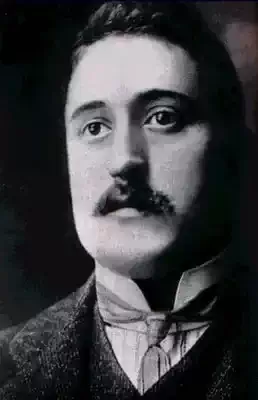
Guillaume Apollinaire
Hotels
Each for himself
A new arrival
Pays by the month
The boss is doubtful
Whether you’ll pay
Like a top
I spin on the way
The traffic noise
My neighbour gross
Who puffs an acrid
English smoke
O La Vallière
Who limps and smiles
In my prayers
The bedside table
And all the company
in this hotel
know the languages
of Babel
Let’s shut our doors
With a double lock
And each adore
his lonely love
Arthur Rimbaud
Metropolitan
on pink and orange sands washed by the vinous sky,
crystal boulevards have just risen and crossed,
immediately occupied by poor young families
who get their food at the greengrocers'.
Nothing rich.-- The city! From the bituminous desert,
in headlong flight with the sheets of fog spread
in frightful bands across the sky,
that bends, recedes, descends,
formed by the most sinister black smoke
that Ocean in mourning can produce,
flee helmets, wheels, boats, rumps.--
The battle! Raise your eyes: that arched wooden bridge;
those last truck gardens of Samaria; those faces reddened
by the lantern lashed by the cold night;
silly Undine in her noisy dress, down by the river;
those luminous skulls among the rows of peas,-and
all the other phantasmagoria-- the country.
Roads bordered by walls and iron fences
that with difficulty hold back their groves,
and frightful flowers probably called loves and doves,
Damask damning languorously,-- possessions of magic
aristocracies ultra-Rhinish, Japanese, Guaranian,
still qualified to receive ancestral music-- and there are inns
that now never open anymore,-there
are princesses, and if you are not too overwhelmed,
the study of the stars-- the sky.
The morning when with Her you struggled among
the glittering of snow, those green lips,
those glaciers, black banners and blue beams,
and the purple perfumes of the polar sun.-- Your strength.
Arthur Rimbaud
At The Green Inn, Five In The Evening (Au Cabaret-Vert, Cinq Heures Du Soir)
on the stones of the roads.
I walked into Charleroi. -Into the Green Inn:
I asked for some slices of bread and butter,
and some half-cooked ham. Happy, I stuck out my legs under
the green table: I studied the artless patterns of the wallpaper
-and it was charming when the girl with the huge breasts
and lively eyes, - a kiss wouldn't scare that one!
-smilingly brought me some bread and butter and lukewarm ham,
on a coloured plate; - pink and white ham,
scented with a clove of garlic - and filled my huge beer mug,
whose froth was turned into gold
by a ray of late sunshine.
Original French
Au Cabaret-Vert, cinq heures du soir.
Depuis huit jours, j'avais déchiré mes bottines
Aux cailloux des chemins. J'entrais à Charleroi.
-Au Cabaret-Vert : je demandai des tartines
Du beurre et du jambon qui fût à moitié froid.
Bienheureux, j'allongeai les jambes sous la table
Verte : je contemplai les sujets très naïfs
De la tapisserie. - Et ce fut adorable,
Quand la fille aux tétons énormes, aux yeux vifs,
- Celle-là, ce n'est pas un baiser qui l'épeure ! -
Rieuse, m'apporta des tartines de beurre,
Du jambon tiède, dans un plat colorié,
Du jambon rose et blanc parfumé d'une gousse
D'ail, - et m'emplit la chope immense, avec sa mousse
Que dorait un rayon de soleil arriéré.

Roger Mcgough
Q
We move up nicely.
I ask the lady in front
What are we queuing for.
'To join another queue,'
She explains.
'How pointless,' I say,
'I'm leaving.' She points
To another long queue.
'Then you must get in line.'
I join the queue.
We move up nicely.
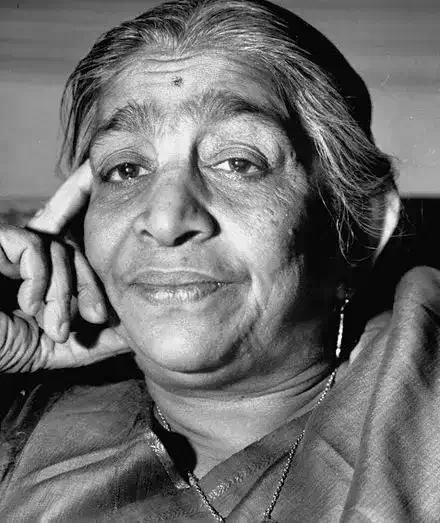
Sarojini Naidu
Street Cries
Rousing the world to labour's various cry,
To tend the flock, to bind the mellowing grain,
From ardent toil to forge a little gain,
And fasting men go forth on hurrying feet,
Buy bread, buy bread, rings down the eager street.
When the earth falters and the waters swoon
With the implacable radiance of noon,
And in dim shelters koïls hush their notes,
And the faint, thirsting blood in languid throats
Craves liquid succour from the cruel heat,
Buy fruit, buy fruit, steals down the panting street.
When twilight twinkling o'er the gay bazaars,
Unfurls a sudden canopy of stars,
When lutes are strung and fragrant torches lit
On white roof-terraces where lovers sit
Drinking together of life's poignant sweet,
Buy flowers, buy flowers, floats down the singing street.
Arthur Rimbaud
Brussels
July Flowerbeds of amaranths right up to
The pleasant palace of Jupiter. -
I know it is Thou, who is this place,
Minglest thine almost Saharan Blue !
Then, since rose and fir-tree of the sun
And tropical creeper have their play enclosed here,
The little widow's cage !...
What, Flocks of birds, o iaio, iaio !... -
Calm houses, old passions !
Summerhouse of the Lady who ran mad for love.
After the buttocks of the rosebushes,
the balcony Of Juliet, shadowy and very low. -
La Juliette, that reminds me of l'Henriette,
A charming railway station,
At the heart of a mountain, as if the bottom of an orchard
Where a thousand blue devils dance in the air !
Green bench where in stormy paradise,
The white Irish girl sings to the guitar.
Then, from the Guianian dining-room,
Chatter of children and of cages.
The duke's window which makes me think
Of the poison of snails and of boxwood
Sleeping down here in the sun.
And then, It is too beautiful ! too ! Let us maintain our silence. -
Boulevard without movement or business,
Dumb, every drama and every comedy,
Unending concentration of scenes,
I know you and I admire you in silence.
*** Is she an Almeh ?...
in the first blue hours
Will she destroy herself like flowers of fire...
In front of the splendid sweep where one may smell
The enormous flowering city's breath !
It's too beautiful ! It's too beautiful ! but it is necessary -
For the Fisherwoman*
and the Corsair's song,
And also because the last masqueraders still believed
In nocturnal festivities on the pure sea !
Allen Ginsberg
Hospital Window
ribbons past Chrysler Building's silver fins
tapering delicately needletopped, Empire State's
taller antenna filmed milky lit amid blocks
black and white apartmenting veil'd sky over Manhattan,
offices new built dark glassed in blueish heaven--The East
50's & 60's covered with castles & watertowers, seven storied
tar-topped house-banks over York Avenue, late may-green trees
surrounding Rockefellers' blue domed medical arbor--
Geodesic science at the waters edge--Cars running up
East River Drive, & parked at N.Y. Hospital's oval door
where perfect tulips flower the health of a thousand sick souls
trembling inside hospital rooms. Triboro bridge steel-spiked
penthouse orange roofs, sunset tinges the river and in a few
Bronx windows, some magnesium vapor brilliances're
spotted five floors above E 59th St under grey painted bridge
trestles. Way downstream along the river, as Monet saw Thames
100 years ago, Con Edison smokestacks 14th street,
& Brooklyn Bridge's skeined dim in modern mists--
Pipes sticking up to sky nine smokestacks huge visible--
U.N. Building hangs under an orange crane, & red lights on
vertical avenues below the trees turn green at the nod
of a skull with a mild nerve ache. Dim dharma, I return
to this spectacle after weeks of poisoned lassitude, my thighs
belly chest & arms covered with poxied welts,
head pains fading back of the neck, right eyebrow cheek
mouth paralyzed--from taking the wrong medicine, sweated
too much in the forehead helpless, covered my rage from
gorge to prostate with grinding jaw and tightening anus
not released the weeping scream of horror at robot Mayaguez
World self ton billions metal grief unloaded
Pnom Penh to Nakon Thanom, Santiago & Tehran.
Fresh warm breeze in the window, day's release
>from pain, cars float downside the bridge trestle
and uncounted building-wall windows multiplied a mile
deep into ash-delicate sky beguile
my empty mind. A seagull passes alone wings
spread silent over roofs.
Elizabeth Bishop
The Bight
White, crumbling ribs of marl protrude and glare
and the boats are dry, the pilings dry as matches.
Absorbing, rather than being absorbed,
the water in the bight doesn't wet anything,
the color of the gas flame turned as low as possible.
One can smell it turning to gas; if one were Baudelaire
one could probably hear it turning to marimba music.
The little ocher dredge at work off the end of the dock
already plays the dry perfectly off-beat claves.
The birds are outsize. Pelicans crash
into this peculiar gas unnecessarily hard,
it seems to me, like pickaxes,
rarely coming up with anything to show for it,
and going off with humorous elbowings.
Black-and-white man-of-war birds soar
on impalpable drafts
and open their tails like scissors on the curves
or tense them like wishbones, till they tremble.
The frowsy sponge boats keep coming in
with the obliging air of retrievers,
bristling with jackstraw gaffs and hooks
and decorated with bobbles of sponges.
There is a fence of chicken wire along the dock
where, glinting like little plowshares,
the blue-gray shark tails are hung up to dry
for the Chinese-restaurant trade.
Some of the little white boats are still piled up
against each other, or lie on their sides, stove in,
and not yet salvaged, if they ever will be, from the last bad storm,
like torn-open, unanswered letters.
The bight is littered with old correspondences.
Click. Click. Goes the dredge,
and brings up a dripping jawful of marl.
All the untidy activity continues,
awful but cheerful.