
Friendship
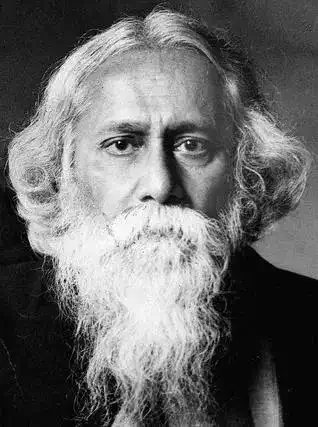
Rabindranath Tagore
Old And New
Thou hast made me known to friends whom I knew not.
Thou hast given me seats in homes not my own.
Thou hast brought the distant near and made a brother of the stranger.
I am uneasy at heart when I have to leave my accustomed shelter;
I forget that there abides the old in the new,
and that there also thou abidest.
Through birth and death, in this world or in others,
wherever thou leadest me it is thou, the same,
the one companion of my endless life
who ever linkest my heart with bonds of joy to the unfamiliar.
When one knows thee, then alien there is none, then no door is shut.
Oh, grant me my prayer that I may never lose
the bliss of the touch of the one
in the play of many.
541

Ezra Pound
Causa
I join these words for four people,
Some others may overhear them,
O world, I am sorry for you,
You do not know these four people.
Some others may overhear them,
O world, I am sorry for you,
You do not know these four people.
542

Lord Byron
To Edward Noel Long, Esq.
'Nil ego contulerim jucundo sanus amico.' — Horace.
Dear Long, in this sequester'd scene,
While all around in slumber lie,
The joyous days, which ours have been
Come rolling fresh on Fancy's eye;
Thus, if, amidst the gathering storm,
While clouds the darken'd noon deform,
Yon heaven assumes a varied glow,
I hail the sky's celestial bow,
Which spreads the sign of future peace,
And bids the war of tempests cease.
Ah! though the present brings but pain,
I think those days may come again;
Or if, in melancholy mood,
Some lurking envious fear intrude,
To check my bosom's fondest thought,
And interrupt the golden dream
I crush the fiend with malice fraught,
And, still, indulge my wonted theme.
Although we ne'er again can trace,
In Granta's vale, the pedant's lore,
Nor through the groves of Ida chace
Our raptured visions, as before;
Though Youth has flown on rosy pinion,
And Manhood claims his stern dominion,
Age will not every hope destroy,
But yields some hours of sober joy.
Yes, I will hope that Time's broad wing
Will shed around some dews of spring:
But, if his scythe must sweep the flowers
Which bloom among the fairy bowers,
Where smiling Youth delights to dwell,
And hearts with early rapture swell;
In frowning Age, with cold control,
Confines the current of the soul,
Congeals the tear of Pity's eye,
Or checks the sympathetic sigh,
Or hears, unmov'd, Misfortune's groan,
And bids me feel for self alone;
Oh! may my bosom never learn
To soothe its wonted heedless flow;
Still may I rove untutor'd, wild,
But ne'er forget another's woe.
Yes, as you knew me in the days
O'er which Remembrance yet delays
And even in age, at heart a child.
Though, now, on airy visions borne,
To you my soul is still the same.
Oft has it ben my fate to mourn,
And all my former joys are tame:
But, hence! ye hours of sabl hue!
Your frowns are gone, my sorrows o'er:
By every bliss my childhood knew,
I'll think upon your shade no more.
Thus, when the whirlwind's rage is past,
And caves their sullen roar enclose,
We heed no more the wintery blast,
When lull'd by zephyr to repose.
Full often has my infant Muse
Attun'd to love her languid lyre;
But, now, without a theme to choose,
The strains in stolen sighs expire.
My youthful nymps, alas! are flown;
E — is a wife, and C — a mother,
And Carolina sighs alone,
And Mary's given to another;
And Cora's eye, which roll'd on me,
Can now no more my love recall In
truth, dear LONG, 'twas time to flee For
Cora's eye will shine on all.
And though the Sun, with genial rays,
His beams aike to all displays,
And every lady's eye's a sun,
These last should be confin'd to one.
The souls' meridian don't become her,
Whose sun desplays a general summer!
Thus faint is every former flame,
And Passion's self is now a name;
As, when the ebbing flames are low,
The aid which once improv'd their light,
And bade them burn with fiercer glow,
Now quenches all their sparks in night;
Thus has it been with Passion's fires,
As many a boy and girl remembers,
While all the force of love expires,
Extinguish'd with the dying embers.
But now, dear LONG, 'tis midnight's noon,
And clouds obscure the watery moon,
Whose beauties I shall not rehearse,
Describ'd in every stripling's verse;
For why should I the path go o'er
Which every bard has trod before?
Yet ere yon silver lamp of night
Has thrice perform'd her stated round,
Has thrice retraced her path of light,
And chased away the gloom profound,
I trust that we, my gentle Friend,
Shall see her rolling orbit wend,
Above the dearloved
peaceful seat,
Which once contain'd our youth's retreat;
And then, with those our childhood knew,
We'll mingle in the festive crew;
While many a tale of former day
Shall wing the laughing hours away;
And all the flow of souls shall pour
Tha sacred intellectual shower,
Nor cease, till Luna's waning horn
Scarce glimmers through the mist of Morn.
542

Rudyard Kipling
Helen All Alone
There was darkness under Heaven
For an hour's space--
Darkness that we knew was given
Us for special grace.
Sun and noon and stars were hid,
God had left His Throne,
When Helen came to me, she did,
Helen all alone!
Side by side (because our fate
Damned us ere our birth)
We stole out of Limbo Gate
Looking for the Earth.
Hand in pulling hand amid
Fear no dreams have known,
Helen ran with me, she did,
Helen all alone!
When the Horror passing speech
Hunted us along,
Each laid hold on each, and each
Found the other strong.
In the teeth of Things forbid
And Reason overthrown,
Helen stood by me, she did,
Helen all alone!
When, at last, we heard those Fires
Dull and die away,
When, at last, our linked desires
Dragged us up to day;
When, at last, our souls were rid
Of what that Night had shown,
Helen passed from me, she did,
Helen all alone!
Let her go and find a mate,
As I will find a bride,
Knowing naught of Limbo Gate
Or Who are penned inside.
There is knowledge God forbid
More than one should own.
So Helen went from me, she did,
Oh, my soul, be glad she did!
Helen all alone!
528
Lord Byron
To-- : From The French
Must thou go, my glorious Chief,
Sever'd from thy faithful few?
Who can tell thy warrior's grief,
Maddening o'er that long adieu?
Woman's love, and friendship's zeal,
Dear as both have been to me
What
are they to all I feel,
With a soldier's faith for thee?
Idol of the soldier's soul!
First in fight, but mightiest now;
Many could a world control;
Thee alone no doom can bow.
By thy side for years I dared
Death; and envied those who fell,
When their dying shout was heard,
Blessing him they served so well.
Would that I were cold with those,
Since this hour I live to see;
When the doubts of coward foes
Scarce dare trust a man with thee,
Dreading each should set thee free!
Oh! although in dungeons pent,
All their chains were light to me,
Gazing on thy soul unbent.
Would the sycophants of him
Now so deaf to duty's prayer,
Were his borrow'd glories dim,
In his native darkness share?
Were that world this hour his own,
All thou calmly dost resign,
Could he purchase with that throne
Hearts like those which still are thine?
My chief, my king, my friend, adieu!
Never did I droop before;
Never to my sovereign sue,
As his foes I now implore:
All I ask is to divide
Every peril he must brave;
Sharing by the hero's side
His fall, his exile, and his grave.
527
Rudyard Kipling
To James Whitcomb Riley
Your trail runs to the westward,
And mine to my own place;
There is water between our lodges,
And I have not seen your face.
But since I have read your verses
'Tis easy to guess the rest,--
Because in the hearts of the children
There is neither East nor West.
Born to a thousand fortunes
Of good or evil hap,
Once they were kings together,
Throned in a mother's lap.
Surely they know that secret--
Yellow and black and white--
When they meet as kings together
In innocent dreams at night.
By a moon they all can play with--
Grubby and grimed and unshod,
Very happy together,
And very near to God.
Your trail runs to the westward,
And mine to my own place:
There is water between our lodges,
And you cannot see my face.--
And that is well--for crying
Should neither be written nor seen,
But if I call you Smoke-in-the-Eyes,
I know you will know what I mean.
530

Ella Wheeler Wilcox
The Traveller
Reply to Rudyard Kipling’s ‘He travels the fastest who travels alone.’
Who travels alone with his eye on the heights,
Though he laughs in the day time oft weeps on the nights;
For courage goes down at the set of the sun,
When the toil of the journey is all borne by one.
He speeds but to grief though full gaily he ride
Who travels alone without love at his side.
Who travels alone without lover of friend
But hurries from nothing, to naught at the end.
Though great be his winnings and high be his goal,
He is bankrupt in wisdom and beggared in soul.
Life’s one gift of value to him is denied
Who travels alone without love at his side.
It is easy enough in this world to make haste
If one live for that purpose – but think of the waste;
For life is a poem to leisurely read,
And the joy of the journey lies not in its speed.
Oh! vain his achievement and petty his pride
Who travels alone without love at his side.
530
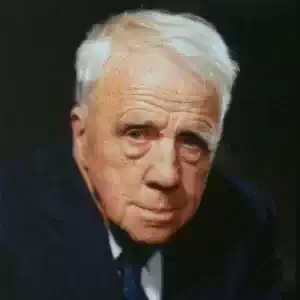
Robert Frost
To E.T.
I slumbered with your poems on my breast
Spread open as I dropped them half-read through
Like dove wings on a figure on a tomb
To see, if in a dream they brought of you,
I might not have the chance I missed in life
Through some delay, and call you to your face
First soldier, and then poet, and then both,
Who died a soldier-poet of your race.
I meant, you meant, that nothing should remain
Unsaid between us, brother, and this remained--
And one thing more that was not then to say:
The Victory for what it lost and gained.
You went to meet the shell's embrace of fire
On Vimy Ridge; and when you fell that day
The war seemed over more for you than me,
But now for me than you--the other way.
How over, though, for even me who knew
The foe thrust back unsafe beyond the Rhine,
If I was not to speak of it to you
And see you pleased once more with words of mine?
530
Rabindranath Tagore
My Dependence
I like to be dependent, and so for ever
with warmth and care of my mother
my father , to love, kiss and embrace
wear life happily in all their grace.
I like to be dependent, and so for ever
on my kith and kin, for they all shower
harsh and warm advices, complaints
full wondering ,true and info giants.
I like to be dependent, and so for ever
for my friends, chat and want me near
with domestic,family and romantic tips
colleagues as well , guide me work at risks.
I like to be dependent, and so for ever
for my neighbours too, envy at times
when at my rise of fortune like to hear
my daily steps , easy and odd things too.
532
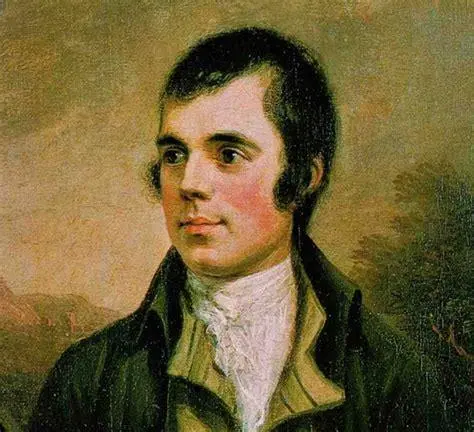
Robert Burns
Tam O' Shanter
A Tale
"Of Brownyis and of Bogillis full is this Buke."
Gawin Douglas.
When chapman billies leave the street,
And drouthy neibors neibors meet;
As market days are wearing late,
And folk begin to tak the gate,
While we sit bousing at the nappy,
An' getting fou and unco happy,
We think na on the lang Scots miles,
The mosses, waters, slaps and stiles,
That lie between us and our hame,
Where sits our sulky, sullen dame,
Gathering her brows like gathering storm,
Nursing her wrath to keep it warm.
This truth fand honest Tam o' Shanter,
As he frae Ayr ae night did canter:
(Auld Ayr, wham ne'er a town surpasses,
For honest men and bonie lasses).
O Tam! had'st thou but been sae wise,
As taen thy ain wife Kate's advice!
She tauld thee weel thou was a skellum,
A blethering, blustering, drunken blellum;
That frae November till October,
Ae market-day thou was na sober;
That ilka melder wi' the Miller,
Thou sat as lang as thou had siller;
That ev'ry naig was ca'd a shoe on
The Smith and thee gat roarin fou on;
That at the Lord's house, ev'n on Sunday,
Thou drank wi' Kirkton Jean till Monday;
She prophesied that late or soon,
Thou wad be found, deep drown'd in Doon,
Or catch'd wi' warlocks in the mirk,
By Alloway's auld, haunted kirk.
Ah, gentle dames! it gars me greet,
To think how mony counsels sweet,
How mony lengthen'd, sage advices,
The husband frae the wife despises!
But to our tale: - Ae market night,
Tam had got planted unco right,
Fast by the ingle, bleezing finely,
Wi' reaming swats that drank divinely;
And at his elbow, Souter Johnie,
His ancient, trusty, drouthy crony:
Tam lo'ed him like a very brither;
They had been fou for weeks thegither.
The night drave on wi' sangs an' clatter;
And aye the ale was growing better:
The Landlady and Tam grew gracious,
Wi' favours secret, sweet and precious:
The Souter tauld his queerest stories;
The Landlord's laugh was ready chorus:
The storm without might rair and rustle,
Tam did na mind the storm a whistle.
Care, mad to see a man sae happy,
E'en drown'd himsel amang the nappy.
As bees flee hame wi' lades o' treasure,
The minutes wing'd their way wi' pleasure:
Kings may be blest, but Tam was glorious,
O'er a' the ills o' life victorious!
But pleasures are like poppies spread,
You seize the flow'r, its bloom is shed;
Or like the snow falls in the river,
A moment white - then melts for ever;
Or like the Borealis race,
That flit ere you can point their place;
Or like the Rainbow's lovely form
Evanishing amid the storm. -
Nae man can tecther Time nor Tide,
The hour approaches Tam maun ride;
That hour, o' night's black arch the key-stane,
That dreary hour he mounts his beast in;
And sic a night he taks the road in,
As ne'er poor sinner was abroad in.
The wind blew as 'twad blawn its last;
The rattling showers rose on the blast;
The speedy gleams the darkness swallow'd;
Loud, deep, and lang the thunder bellow'd:
That night, a child might understand,
The deil had business on his hand.
Weel-mounted on his grey mare Meg,
A better never leg,
Tam skelpit on thro' dub and mire,
Despising wind, and rain, and fire;
Whiles holding fast his gude blue bonnett,
Whiles crooning o'er some auld Scots sonnet,
Whiles glow'rin round wi' prudent cares,
Lest bogles catch him unawares;
Kirk-Alloway was drawing nigh,
Where ghaists and houlets nightly cry.
By this time he was cross the ford,
Where in the snaw the chapman smoor'd;
And past the birks and meikle stane,
Where drunken Charlie brak's neck-bane;
And thro' the whins, and by the cairn,
Where hunters fand the murder'd bairn;
And near the thorn, aboon the well,
Where Mungo's mither hang'd hersel'.
Before him Doon pours all his floods,
The doubling storm roars thro' the woods,
The lightnings flash from pole to pole,
Near and more near the thunders roll,
When, glimmering thro' the groaning trees,
Kirk-Alloway seem'd in a bleeze,
Thro' ilka bore the beams were glancing,
And loud resounded mirth and dancing.
Inspiring bold John Barleycorn!
What dangers thou canst make us scorn!
Wi' tippeny, we fear nae evil;
Wi' usquabae, we'll face the devil!
The swats sae ream'd in Tammie's noddle,
Fair play, he car'd na deils a boddle,
But Maggie stood, right sair astonish'd,
Till, by the heel and hand admonish'd,
She ventur'd forward on the light;
And wow! Tam saw an unco sight!
Warlocks and witches in a dance:
Nae cotillon, brent new frae France,
But hornpipes, jigs, strathspeys, and reels,
Put life and mettle in their heels.
A winnock-bunker in the east,
There sat auld Nick, in shape o' beast;
A tousie tyke, black, grim, and large,
To gie them music was his charge.
He screw'd the pipes and gart them skirl,
Till roof and rafters a' did dirl. -
Coffins stood round, like open presses,
That shaw'd the Dead in their last dresses;
And (by some devilish cantraip sleight)
Each in its cauld hand held a light.
By which heroic Tam was able
To note upon the haly table,
A murderer's banes, in gibbet-airns;
Twa span-lang, wee, unchristened bairns;
A thief, new-cutted frae a rape,
Wi' his last gasp his gab did gape;
Five tomahawks, wi' blude red-rusted:
Five scimitars, wi' murder crusted;
A garter which a babe had strangled:
A knife, a father's throat had mangled,
Whom his ain son of life bereft,
The grey hairs yet stack to the heft;
Wi' mair of horrible and awfu',
Which even to name was be unlawfu'.
As Tammie glowr'd, amaz'd, and curious,
The mirth and fun grew fast and furious;
The Piper loud and louder blew,
The dancers quick and quicker flew,
They reel'd, they set, they cross'd, they cleekit,
Till ilka carlin swat and reekit,
And coost her duddies to the wark,
And linkit at it in her sark!
Now Tam, O Tam! had they been queans,
A' plump and strapping in their teens!
Their sarks, instead o' creeshie flainen,
Been snaw-white seventeen-hunder linen! -
Thir breeks o' mine, my only pair,
That aince were plush, o' guid blue hair,
I wud hae gien them off my hurdies,
For ae blink o' the bonie burdies!
But wither'd beldams, auld and droll,
Rigwoodie hags wad spean a foal,
Louping an' flinging on a crummock,
I wonder did na turn thy stomach.
But Tam kent what was what fu' brawlie:
There was ae winsome wench and waulie
That night enlisted in the core,
Lang after ken'd on Carrick shore
(For mony a beast to dead she shot,
And perish'd mony a bonie boat,
And shook baith meikle corn and bear,
And kept the country-side in fear);
Her cutty sark, o' Paisley harn,
That while a lassie she had worn,
In longitude tho' sorely scanty,
It was her best, and she was vauntie.
Ah! little ken'd thy reverend grannie,
That sark she coft for her wee Nannie,
Wi' twa pund Scots ('twas a' her riches),
Wad ever grac'd a dance of witches!
But here my Muse her wing maun cour,
Sic flights are far beyond her power;
To sing how Nannie lap and flang
(A souple jade she was and strang),
And how Tam stood, like ane bewitch'd,
And thought his very een enrich'd:
Even Satan glowr'd, and fidg'd fu' fain,
And hotch'd and blew wi' might and main:
Till first ae caper, syne anither,
Tam tint his reason a' thegither,
And roars out, "Weel done, Cutty-sark!"
And in an instant all was dark:
And scarcely had he Maggie rallied,
When out the hellish legion sallied.
As bees bizz out wi' angry fyke,
When plundering herds assail their byke;
As open pussie's mortal foes,
When, pop! she starts before their nose;
As eager runs the market-crowd,
When "Catch the thief!" resounds aloud;
So Maggie runs, the witches follow,
Wi' mony an eldritch skreich and hollo.
Ah, Tam! Ah, Tam! thou'll get thy fairin!
In hell they'll roast thee like a herrin!
In vain thy Kate awaits thy comin!
Kate soon will be a woefu' woman!
Now, do thy speedy utmost, Meg,
And win the key-stane o' the brig;
There, at them thou thy tail may toss,
A running stream they dare ne cross.
But ere the key-stane she could make,
The fient a tail she had to shake!
For Nannie, far before the rest,
Hard upon noble Maggie prest,
And flew at Tam wi' furious ettle;
But little wist she Maggie's mettle!
Ae spring brought off her master hale,
But left behind her ain grey tale:
The carlin claught her by the rump,
And left poor Maggie scarce a stump.
Now, wha this tale o' truth shall read,
Ilk man, and mother's son, take heed:
Whene'er to Drink you are inclin'd,
Or Cutty-sarks rin in your mind,
Think ye may buy the joys o'er dear;
Remember Tam o' Shanter's mare.
524
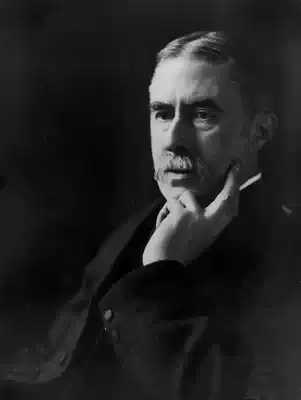
Alfred Edward Housman
The Isle of Portland
The star-filled seas are smooth to-night
From France to England strown;
Black towers above the Portland light
The felon-quarried stone.
On yonder island, not to rise,
Never to stir forth free,
Far from his folk a dead lad lies
That once was friends with me.
Lie you easy, dream you light,
And sleep you fast for aye;
And luckier may you find the night
Than ever you found the day.
524
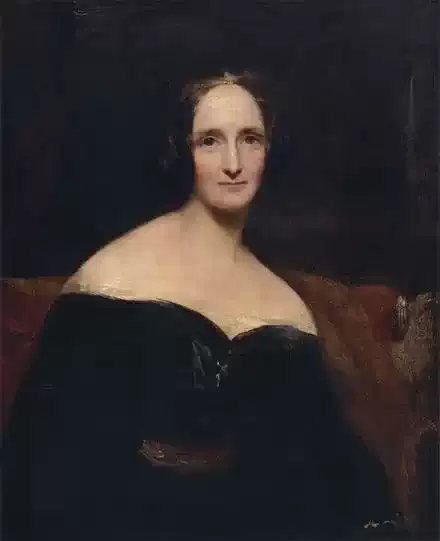
Percy Bysshe Shelley
Lines Written Among The Euganean Hills
Many a green isle needs must be
In the deep wide sea of Misery,
Or the mariner, worn and wan,
Never thus could voyage on -
Day and night, and night and day,
Drifting on his dreary way,
With the solid darkness black
Closing round his vessel's track:
Whilst above the sunless sky,
Big with clouds, hangs heavily,
And behind the tempest fleet
Hurries on with lightning feet,
He is ever drifted on
O'er the unreposing wave
To the haven of the grave.
What, if there no friends will greet;
What, if there no heart will meet
His with love's impatient beat;
Wander wheresoe'er he may,
Can he dream before that day
To find refuge from distress
In friendship's smile, in love's caress?
Then 'twill wreak him little woe
Whether such there be or no:
Senseless is the breast, and cold,
Which relenting love would fold;
Bloodless are the veins and chill
Which the pulse of pain did fill;
Every little living nerve
That from bitter words did swerve
Round the tortured lips and brow,
Are like sapless leaflets now
Frozen upon December's bough.
On the beach of a northern sea
Which tempests shake eternally,
As once the wretch there lay to sleep,
Lies a solitary heap,
One white skull and seven dry bones,
On the margin of the stones,
Where a few grey rushes stand,
Boundaries of the sea and land:
Nor is heard one voice of wail
But the sea-mews, as they sail
O'er the billows of the gale;
Or the whirlwind up and down
Howling, like a slaughtered town,
When a king in glory rides
Through the pomp and fratricides:
Those unburied bones around
There is many a mournful sound;
There is no lament for him,
Like a sunless vapour, dim,
Who once clothed with life and thought
What now moves nor murmurs not.
Ay, many flowering islands lie
In the waters of wide Agony:
To such a one this morn was led,
My bark by soft winds piloted:
'Mid the mountains Euganean
I stood listening to the paean
With which the legioned rooks did hail
The sun's uprise majestical;
Gathering round with wings all hoar,
Through the dewy mist they soar
Like gray shades, till the eastern heaven
Bursts, and then, as clouds of even,
Flecked with fire and azure, lie
In the unfathomable sky,
So their plumes of purple grain,
Starred with drops of golden rain,
Gleam above the sunlight woods,
As in silent multitudes
On the morning's fitful gale
Through the broken mist they sail,
And the vapours cloven and gleaming
Follow, down the dark steep streaming,
Till all is bright, and clear, and still,
Round the solitary hill.
Beneath is spread like a green sea
The waveless plain of Lombardy,
Bounded by the vaporous air,
Islanded by cities fair;
Underneath Day's azure eyes
Ocean's nursling, Venice, lies,
A peopled labyrinth of walls,
Amphitrite's destined halls,
Which her hoary sire now paves
With his blue and beaming waves.
Lo! the sun upsprings behind,
Broad, red, radiant, half-reclined
On the level quivering line
Of the waters crystalline;
And before that chasm of light,
As within a furnace bright,
Column, tower, and dome, and spire,
Shine like obelisks of fire,
Pointing with inconstant motion
From the altar of dark ocean
To the sapphire-tinted skies;
As the flames of sacrifice
From the marble shrines did rise,
As to pierce the dome of gold
Where Apollo spoke of old.
Sea-girt City, thou hast been
Ocean's child, and then his queen;
Now is come a darker day,
And thou soon must be his prey,
If the power that raised thee here
Hallow so thy watery bier.
A less drear ruin then than now,
With thy conquest-branded brow
Stooping to the slave of slaves
From thy throne, among the waves
Wilt thou be, when the sea-mew
Flies, as once before it flew,
O'er thine isles depopulate,
And all is in its ancient state,
Save where many a palace gate
With green sea-flowers overgrown
Like a rock of Ocean's own,
Topples o'er the abandoned sea
As the tides change sullenly.
The fisher on his watery way,
Wandering at the close of day,
Will spread his sail and seize his oar
Till he pass the gloomy shore,
Lest thy dead should, from their sleep
Bursting o'er the starlight deep,
Lead a rapid masque of death
O'er the waters of his path.
Those who alone thy towers behold
Quivering through aereal gold,
As I now behold them here,
Would imagine not they were
Sepulchres, where human forms,
Like pollution-nourished worms,
To the corpse of greatness cling,
Murdered, and now mouldering:
But if Freedom should awake
In her omnipotence and shake
From the Celtic Anarch's hold
All the keys of dungeons cold,
Where a hundred cities lie
Chained like thee, ingloriously,
Thou and all thy sister band
Might adorn this sunny land,
Twining memories of old time
With new virtues more sublime;
If not, perish thou ldering:
But if Freedom should awake
In her omnipotence and shake
From the Celtic Anarch's hold
All the keys of dungeons cold,
Where a hundred cities lie
Chained like thee, ingloriously,
Thou and all thy sister band
Might adorn this sunny land,
Twining memories of old time
With new virtues more sublime;
If not, perish thou and they! -
Clouds which stain truth's rising day
By her sun consumed away -
Earth can spare ye; while like flowers,
In the waste of years and hours,
From your dust new nations spring
With more kindly blossoming.
Perish -let there only be
Floating o'er thy heartless sea
As the garment of thy sky
Clothes the world immortally,
One remembrance, more sublime
Than the tattered pall of time,
Which scarce hides thy visage wan; -
That a tempest-cleaving Swan
Of the sons of Albion,
Driven from his ancestral streams
By the might of evil dreams,
Found a nest in thee; and Ocean
Welcomed him with such emotion
That its joy grew his, and sprung
From his lips like music flung
O'er a mighty thunder-fit,
Chastening terror: -what though yet
Poesy's unfailing River,
Which through Albion winds forever
Lashing with melodious wave
Many a sacred Poet's grave,
Mourn its latest nursling fled?
What though thou with all thy dead
Scarce can for this fame repay
Aught thine own? oh, rather say
Though thy sins and slaveries foul
Overcloud a sunlike soul?
As the ghost of Homer clings
Round Scamander's wasting springs;
As divinest Shakespeare's might
Fills Avon and the world with light
Like omniscient power which he
Imaged 'mid mortality;
As the love from Petrarch's urn,
Yet amid yon hills doth burn,
A quenchless lamp by which the heart
Sees things unearthly; -so thou art,
Mighty spirit -so shall be
The City that did refuge thee.
Lo, the sun floats up the sky
Like thought-winged Liberty,
Till the universal light
Seems to level plain and height;
From the sea a mist has spread,
And the beams of morn lie dead
On the towers of Venice now,
Like its glory long ago.
By the skirts of that gray cloud
Many-domed Padua proud
Stands, a peopled solitude,
'Mid the harvest-shining plain,
Where the peasant heaps his grain
In the garner of his foe,
And the milk-white oxen slow
With the purple vintage strain,
Heaped upon the creaking wain,
That the brutal Celt may swill
Drunken sleep with savage will;
And the sickle to the sword
Lies unchanged, though many a lord,
Like a weed whose shade is poison,
Overgrows this region's foison,
Sheaves of whom are ripe to come
To destruction's harvest-home:
Men must reap the things they sow,
Force from force must ever flow,
Or worse; but 'tis a bitter woe
That love or reason cannot change
The despot's rage, the slave's revenge.
Padua, thou within whose walls
Those mute guests at festivals,
Son and Mother, Death and Sin,
Played at dice for Ezzelin,
Till Death cried, "I win, I win!"
And Sin cursed to lose the wager,
But Death promised, to assuage her,
That he would petition for
Her to be made Vice-Emperor,
When the destined years were o'er,
Over all between the Po
And the eastern Alpine snow,
Under the mighty Austrian.
She smiled so as Sin only can,
And since that time, ay, long before,
Both have ruled from shore to shore, -
That incestuous pair, who follow
Tyrants as the sun the swallow,
As Repentance follows Crime,
And as changes follow Time.
In thine halls the lamp of learning,
Padua, now no more is burning;
Like a meteor, whose wild way
Is lost over the grave of day,
It gleams betrayed and to betray:
Once remotest nations came
To adore that sacred flame,
When it lit not many a hearth
On this cold and gloomy earth:
Now new fires from antique light
Spring beneath the wide world's might;
But their spark lies dead in thee,
Trampled out by Tyranny.
As the Norway woodman quells,
In the depth of piny dells,
One light flame among the brakes,
While the boundless forest shakes,
And its mighty trunks are torn
By the fire thus lowly born:
The spark beneath his feet is dead,
He starts to see the flames it fed
Howling through the darkened sky
With a myriad tongues victoriously,
And sinks down in fear: so thou,
O Tyranny, beholdest now
Light around thee, and thou hearest
The loud flames ascend, and fearest:
Grovel on the earth; ay, hide
In the dust thy purple pride!
Noon descends around me now:
'Tis the noon of autumn's glow,
When a soft and purple mist
Like a vapourous amethyst,
Or an air-dissolved star
Mingling light and fragrance, far
From the curved horizon's bound
To the point of Heaven's profound,
Fills the overflowing sky;
And the plains that silent lie
Underneath the leaves unsodden
Where the infant Frost has trodden
With his morning-winged feet,
Whose bright print is gleaming yet;
And the red and golden vines,
Piercing with their trellised lines
The rough, dark-skirted wilderness;
The dun and bladed grass no less,
Pointing from this hoary tower
In the windless air; the flower
Glimmering at my feet; the line
Of the olive-sandalled Apennine
In the south dimly islanded;
And the Alps, whose snows are spread
High between the clouds and sun;
And of living things each one;
And my spirit which so long
Darkened this swift stream of song, -
Interpenetrated lie
By the glory of the sky:
Be it love, light, harmony,
Odour, or the soul of all
Which from Heaven like dew doth fall,
Or the mind which feeds this verse
Peopling the lone universe.
Noon descends, and after noon
Autumn's evening meets me soon,
Leading the infantine moon,
And that one star, which to her
Almost seems to minister
Half the crimson light she brings
From the sunset's radiant springs:
And the soft dreams of the morn
(Which like winged winds had borne
To that silent isle, which lies
Mid remembered agonies,
The frail bark of this lone being)
Pass, to other sufferers fleeing,
And its ancient pilot, Pain,
Sits beside the helm again.
Other flowering isles must be
In the sea of Life and Agony:
Other spirits float and flee
O'er that gulf: even now, perhaps,
On some rock the wild wave wraps,
With folded wings they waiting sit
For my bark, to pilot it
To some calm and blooming cove,
Where for me, and those I love,
May a windless bower be built,
Far from passion, pain, and guilt,
In a dell mid lawny hills,
Which the wild sea-murmur fills,
And soft sunshine, and the sound
Of old forests echoing round,
And the light and smell divine
Of all flowers that breathe and shine:
We may live so happy there,
That the Spirits of the Air,
Envying us, may even entice
To our healing Paradise
The polluting multitude;
But their rage would be subdued
By that clime divine and calm,
And the winds whose wings rain balm
On the uplifted soul, and leaves
Under which the bright sea heaves;
While each breathless interval
In their whisperings musical
The inspired soul supplies
With its own deep melodies;
And the love which heals all strife
Circling, like the breath of life,
All things in that sweet abode
With its own mild brotherhood:
They, not it, would change; and soon
Every sprite beneath the moon
Would repent its envy vain,
And the earth grow young again.
523
Rudyard Kipling
Prelude
I have eaten your bread and salt.
I have drunk your water and wine.
In deaths ye died I have watched beside,
And the lives ye led were mine.
Was there aught that I did not share
In vigil or toil or ease, --
One joy or woe that I did not know,
Dear hearts across the seas?
I have written the tale of our life
For a sheltered people's mirth,
In jesting guise -- but ye are wise,
And ye know what the jest is worth.
521
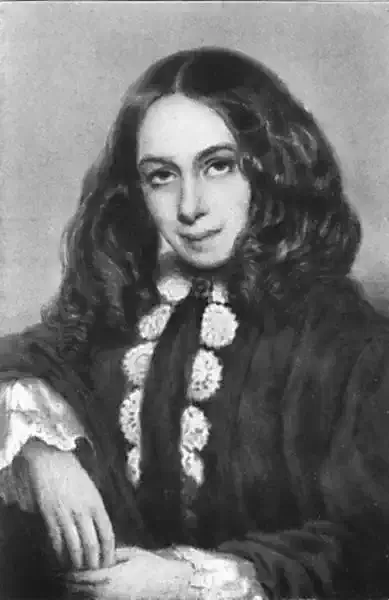
Elizabeth Barrett Browning
To Flush, My Dog
Loving friend, the gift of one
Who her own true faith has run
Through thy lower nature,
Be my benediction said
With my hand upon thy head,
Gentle fellow-creature!
Like a lady's ringlets brown,
Flow thy silken ears adown
Either side demurely
Of thy silver-suited breast
Shining out from all the rest
Of thy body purely.
Darkly brown thy body is,
Till the sunshine striking this
Alchemise its dullness,
When the sleek curls manifold
Flash all over into gold
With a burnished fulness.
Underneath my stroking hand,
Startled eyes of hazel bland
Kindling, growing larger,
Up thou leapest with a spring,
Full of prank and curveting,
Leaping like a charger.
Leap! thy broad tail waves a light,
Leap! thy slender feet are bright,
Canopied in fringes;
Leap! those tasselled ears of thine
Flicker strangely, fair and fine
Down their golden inches
Yet, my pretty, sportive friend,
Little is't to such an end
That I praise thy rareness;
Other dogs may be thy peers
Haply in these drooping ears
And this glossy fairness.
But of thee it shall be said,
This dog watched beside a bed
Day and night unweary,
Watched within a curtained room
Where no sunbeam brake the gloom
Round the sick and dreary.
Roses, gathered for a vase,
In that chamber died apace,
Beam and breeze resigning;
This dog only, waited on,
Knowing that when light is gone
Love remains for shining.
Other dogs in thymy dew
Tracked the hares and followed through
Sunny moor or meadow;
This dog only, crept and crept
Next a languid cheek that slept,
Sharing in the shadow.
Other dogs of loyal cheer
Bounded at the whistle clear,
Up the woodside hieing;
This dog only, watched in reach
Of a faintly uttered speech
Or a louder sighing.
And if one or two quick tears
Dropped upon his glossy ears
Or a sigh came double,
Up he sprang in eager haste,
Fawning, fondling, breathing fast,
In a tender trouble.
And this dog was satisfied
If a pale thin hand would glide
Down his dewlaps sloping, --
Which he pushed his nose within,
After, -- platforming his chin
On the palm left open.
This dog, if a friendly voice
Call him now to blither choice
Than such chamber-keeping,
'Come out!' praying from the door, --
Presseth backward as before,
Up against me leaping.
Therefore to this dog will I,
Tenderly not scornfully,
Render praise and favor:
With my hand upon his head,
Is my benediction said
Therefore and for ever.
And because he loves me so,
Better than his kind will do
Often man or woman,
Give I back more love again
Than dogs often take of men,
Leaning from my Human.
Blessings on thee, dog of mine,
Pretty collars make thee fine,
Sugared milk make fat thee!
Pleasures wag on in thy tail,
Hands of gentle motion fail
Nevermore, to pat thee
Downy pillow take thy head,
Silken coverlid bestead,
Sunshine help thy sleeping!
No fly's buzzing wake thee up,
No man break thy purple cup
Set for drinking deep in.
Whiskered cats arointed flee,
Sturdy stoppers keep from thee
Cologne distillations;
Nuts lie in thy path for stones,
And thy feast-day macaroons
Turn to daily rations!
Mock I thee, in wishing weal? --
Tears are in my eyes to feel
Thou art made so straitly,
Blessing needs must straiten too, --
Little canst thou joy or do,
Thou who lovest greatly.
Yet be blessed to the height
Of all good and all delight
Pervious to thy nature;
Only loved beyond that line,
With a love that answers thine,
Loving fellow-creature!
520

Walt Whitman
To You
STRANGER! if you, passing, meet me, and desire to speak to me, why
should you not speak to me?
And why should I not speak to you?
should you not speak to me?
And why should I not speak to you?
518
Walt Whitman
Over The Carnage
OVER the carnage rose prophetic a voice,
Be not dishearten'd--Affection shall solve the problems of Freedom
yet;
Those who love each other shall become invincible--they shall yet
make Columbia victorious.
Sons of the Mother of All! you shall yet be victorious!
You shall yet laugh to scorn the attacks of all the remainder of the
earth.
No danger shall balk Columbia's lovers;
If need be, a thousand shall sternly immolate themselves for one.
One from Massachusetts shall be a Missourian's comrade;
From Maine and from hot Carolina, and another, an Oregonese, shall be
friends triune,
More precious to each other than all the riches of the earth.
To Michigan, Florida perfumes shall tenderly come;
Not the perfumes of flowers, but sweeter, and wafted beyond death.
It shall be customary in the houses and streets to see manly
affection;
The most dauntless and rude shall touch face to face lightly;
The dependence of Liberty shall be lovers,
The continuance of Equality shall be comrades.
These shall tie you and band you stronger than hoops of iron;
I, extatic, O partners! O lands! with the love of lovers tie you.
(Were you looking to be held together by the lawyers?
Or by an agreement on a paper? or by arms?
--Nay--nor the world, nor any living thing, will so cohere.)
514
Rabindranath Tagore
The Gardener LXXIX: I Often Wonder
I often wonder where lie hidden
the boundaries of recognition between
man and the beast whose heart knows
no spoken language.
Through what primal paradise in a
remote morning of creation ran the
simple path by which their hearts
visited each other.
Those marks of their constant tread
have not been effaced though their
kinship has been long forgotten.
Yet suddenly in some wordless
music the dim memory wakes up
and the beast gazes into the man's
face with a tender trust, and the
man looks down into its eyes with
amused affection.
It seems that the two friends meet
masked, and vaguely know each other
through the disguise.
515

John Keats
Character Of Charles Brown
I.
He is to weet a melancholy carle:
Thin in the waist, with bushy head of hair
As hath the seeded thistle when in parle
It holds the Zephyr, ere it sendeth fair
Its light balloons into the summer air;
Therto his beard had not begun to bloom,
No brush had touch'd his chin or razor sheer;
No care had touch'd his cheek with mortal doom,
But new he was and bright as scarf from Persian loom.
II.
Ne cared he for wine, or half-and-half;
Ne cared he for fish or flesh or fowl,
And sauces held he worthless as the chaff,
He 'sdeigned the swine-head at the wassail-bowl;
Ne with lewd ribbalds sat he cheek by jowl,
Ne with sly Lemans in the scorner's chair;
But after water-brooks this Pilgrim's soul
Panted, and all his food was woodland air
Though he would oft-times feast on gilliflowers rare.
III.
The slang of cities in no wise he knew,
Tipping the wink to him was heathen Greek;
He sipp'd no olden Tom or ruin blue,
Or nantz or cherry-brandy drank full meek
By many a damsel hoarse and rouge of cheek;
Nor did he know each aged watchman's beat,
Nor in obscured purlieus would he seek
For curled Jewesses with ankles neat,
Who as they walk abroad make tinkling with their feet.
507
John Keats
Sonnet IX. Keen, Fitful Gusts Are
Keen, fitful gusts are whisp'ring here and there
Among the bushes half leafless, and dry;
The stars look very cold about the sky,
And I have many miles on foot to fare.
Yet feel I little of the cool bleak air,
Or of the dead leaves rustling drearily,
Or of those silver lamps that burn on high,
Or of the distance from home's pleasant lair:
For I am brimfull of the friendliness
That in a little cottage I have found;
Of fair-hair'd Milton's eloquent distress,
And all his love for gentle Lycid drown'd;
Of lovely Laura in her light green dress,
And faithful Petrarch gloriously crown'd.
507
Ella Wheeler Wilcox
Memory's Mansion
In Memory's Mansion are wonderful rooms,
And I wander about them at will;
And I pause at the casements, where boxes of blooms
Are sending sweet scents o'er the sill.
I lean from a window that looks on a lawn;
From a turret that looks on the wave.
But I draw down the shade when I see on some glade
A stone standing guard by a grave.
To Memory's attic I clambered one day
When the roof was resounding with rain,
And there, among relics long hidden away,
I rummaged with heart ache and pain.
A hope long surrendered and covered with dust,
A pastime, out-grown and forgot,
And a fragment of love all corroded with rust,
Were lying heaped up in one spot.
And there on the floor of that garret was tossed
A friendship too fragile to last,
With pieces of dearly bought pleasures that cost
Vast fortunes of pain in the past,
A fabric of passion, once vivid and bright,
As the breast of a robin in Spring,
Was spread out before me-a terrible sight-
A moth-eaten rag of a thing.
Then down the deep stairway I hurriedly went,
And into fair chambers below;
But the mansion seemed filled with the old attic scent
Wherever my footsteps would go.
Though in Memory's House I still wander full oft,
No more to the garret I climb;
And I leave all the rubbish heaped there in the loft
To the hands of the Housekeeper, Time.
508
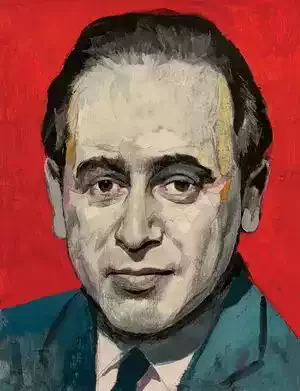
Paul Celan
The Triumph Of Achilles
In the story of Patroclus
no one survives, not even Achilles
who was nearly a god.
Patroclus resembled him; they wore
the same armor.
Always in these friendships
one serves the other, one is less than the other:
the hierarchy
is always apparant, though the legends
cannot be trusted-their
source is the survivor,
the one who has been abandoned.
What were the Greek ships on fire
compared to this loss?
In his tent, Achilles
grieved with his whole being
and the gods saw
he was a man already dead, a victim
of the part that loved,
the part that was mortal.
505
Alfred Edward Housman
Diffugere Nives
Horace, Odes, iv, 7
The snows are fled away, leaves on the shaws
And grasses in the mead renew their birth,
The river to the river-bed withdraws,
And altered is the fashion of the earth.
The Nymphs and Graces three put off their fear
And unapparelled in the woodland play.
The swift hour and the brief prime of the year
Say to the soul, Thou wast not born for aye.
Thaw follows frost; hard on the heel of spring
Treads summer sure to die, for hard on hers
Comes autumn with his apples scattering;
Then back to wintertide, when nothing stirs.
But oh, whate'er the sky-led seasons mar,
Moon upon moon rebuilds it with her beams;
Come we where Tullus and where Ancus are
And good Aeneas, we are dust and dreams.
Torquatus, if the gods in heaven shall add
The morrow to the day, what tongue has told?
Feast then thy heart, for what thy heart has had
The fingers of no heir will ever hold.
When thou descendest once the shades among,
The stern assize and equal judgment o'er,
Not thy long lineage nor thy golden tongue,
No, nor thy righteousness, shall friend thee more.
Night holds Hippolytus the pure of stain,
Diana steads him nothing, he must stay;
And Theseus leafves Pirithous in the chain
The love of comrades cannot take away.
508

John Clare
Sport In The Meadows
Maytime is to the meadows coming in,
And cowslip peeps have gotten eer so big,
And water blobs and all their golden kin
Crowd round the shallows by the striding brig.
Daisies and buttercups and ladysmocks
Are all abouten shining here and there,
Nodding about their gold and yellow locks
Like morts of folken flocking at a fair.
The sheep and cows are crowding for a share
And snatch the blossoms in such eager haste
That basket-bearing children running there
Do think within their hearts they'll get them all
And hoot and drive them from their graceless waste
As though there wa'n't a cowslip peep to spare.
--For they want some for tea and some for wine
And some to maken up a cuckaball
To throw across the garland's silken line
That reaches oer the street from wall to wall.
--Good gracious me, how merrily they fare:
One sees a fairer cowslip than the rest,
And off they shout--the foremost bidding fair
To get the prize--and earnest half and jest
The next one pops her down--and from her hand
Her basket falls and out her cowslips all
Tumble and litter there--the merry band
In laughing friendship round about her fall
To helpen gather up the littered flowers
That she no loss may mourn. And now the wind
In frolic mood among the merry hours
Wakens with sudden start and tosses off
Some untied bonnet on its dancing wings;
Away they follow with a scream and laugh,
And aye the youngest ever lags behind,
Till on the deep lake's very bank it hings.
They shout and catch it and then off they start
And chase for cowslips merry as before,
And each one seems so anxious at the heart
As they would even get them all and more.
One climbs a molehill for a bunch of may,
One stands on tiptoe for a linnet's nest
And pricks her hand and throws her flowers away
And runs for plantin leaves to have it drest.
So do they run abouten all the day
And teaze the grass-hid larks from getting rest.
--Scarce give they time in their unruly haste
To tie a shoestring that the grass unties--
And thus they run the meadows' bloom to waste,
Till even comes and dulls their phantasies,
When one finds losses out to stifle smiles
Of silken bonnet-strings--and utters sigh
Oer garments renten clambering over stiles.
Yet in the morning fresh afield they hie,
Bidding the last day's troubles all goodbye;
When red pied cow again their coming hears,
And ere they clap the gate she tosses up
Her head and hastens from the sport she fears:
The old yoe calls her lamb nor cares to stoop
To crop a cowslip in their company.
Thus merrily the little noisy troop
Along the grass as rude marauders hie,
For ever noisy and for ever gay
While keeping in the meadows holiday.
504
Ezra Pound
In Durance
(1907)
1 am homesick after mine own kind,
Oh I know that there are folk about me, friendly faces,
But I am homesick after mine own kind.
'These sell our pictures'! Oh well,
They reach me not, touch me some edge or that,
But reach me not and all my life's become
One flame, that reaches not beyond
My heart's own hearth,
Or hides among the ashes there for thee.
Thee'? Oh, 'Thee' is who cometh first
Out of mine own soul-kin,
For I am homesick after mine own kind
And ordinary people touch me not.
And I am homesick
After mine own kind that know, and feel
And have some breath for beauty and the arts.
Aye, I am wistful for my kin of the spirit
And have none about me save in the shadows
When come they, surging of power, 'DAEMON,'
'Quasi KALOUN.' S.T. says Beauty is most that, a
'calling to the soul'.
Well then, so call they, the swirlers out of the mist of my soul,
They that come mewards, bearing old magic.
But for all that, I am homesick after mine own kind
And would meet kindred even as I am,
Flesh-shrouded bearing the secret.
'All they that with strange sadness'
Have the earth in mockery, and are kind to all,
My fellows, aye I know the glory
Of th' unbounded ones, but ye, that hide
As I hide most the while
And burst forth to the windows only whiles or whiles
For love, or hope or beauty or for power,
Then smoulder, with the lids half closed
And are untouched by echoes of the world.
Oh ye, my fellows: with the seas between us some be,
Purple and sapphire for the silver shafts
Of sun and spray all shattered at the bows;
And some the hills hold off,
The little hills to east of us, though here we
Have damp and plain to be our shutting in.
And yet my soul sings ‘Up!' and we are one.
Yea thou, and Thou, and THOU, and all my kin
To whom my breast and arms are ever warm,
For that I love ye as the wind the trees
That holds their blossoms and their leaves in cure
And calls the utmost singing from the boughs
That Hhout him, save the aspen, were as dumb
Still shade, and bade no whisper speak the birds of how
'Beyond, beyond, beyond, there lies . . .'
503