
Desire

Kabir
To be a Slave of Intensity
Friend, hope for the guest while you are alive.
Jump into experience while you are alive!
Think...and think...while you are alive.
What you call 'salvation' belongs to the time before death.
If you don't break your ropes while you're alive,
do you think
ghosts will do it after?
The idea that the soul will join with the ecstatic
Just because the body is rotten that
is all fantasy.
What is found now is found then.
If you find nothing now,
you will simply end up with an apartment in the City of Death.
If you make love with the divine now, in the next life you will have the face of satisfied
desire.
So plunge into the truth, find out who the Teacher is,
Believe in the Great Sound!
Kabir says this: When the guest is being searched for, it is the intensity of the longing
for the Guest that does all the work.
Look at me, and you will see a slave of that intensity.
420
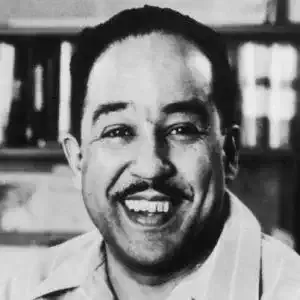
Langston Hughes
Love Song for Lucinda
Love
Is a ripe plum
Growing on a purple tree.
Taste it once
And the spell of its enchantment
Will never let you be.
Love
Is a bright star
Glowing in far Southern skies.
Look too hard
And its burning flame
Will always hurt your eyes.
Love
Is a high mountain
Stark in a windy sky.
If you
Would never lose your breath
Do not climb too high.
421

Johann Wolfgang von Goethe
The Maid Of The Mill's Treachery
WHENCE comes our friend so hastily,
When scarce the Eastern sky is grey?
Hath he just ceased, though cold it be,
In yonder holy spot to pray?
The brook appears to hem his path,
Would he barefooted o'er it go?
Why curse his orisons in wrath,
Across those heights beclad with snow?
Alas! his warm bed he bath left,
Where he had look'd for bliss, I ween;
And if his cloak too, had been reft,
How fearful his disgrace had been!
By yonder villain sorely press'd,
His wallet from him has been torn;
Our hapless friend has been undress'd,
Left well nigh naked as when born.
The reason why he came this road,
Is that he sought a pair of eyes,
Which, at the mill, as brightly glow'd
As those that are in Paradise.
He will not soon again be there;
From out the house he quickly hied,
And when he gain'd the open air,
Thus bitterly and loudly cried
'Within her gaze, so dazzling bright,
No word of treachery I could read;
She seem'd to see me with delight,
Yet plann'd e'en then this cruel deed!
Could I, when basking in her smile,
Dream of the treason in her breast?
She bade kind Cupid stay awhile,
And he was there, to make us blest.
'To taste of love's sweet ecstasy
Throughout the night, that endless seem'd,
And for her mother's help to cry
Only when morning sunlight beam'd!
A dozen of her kith and kin,
A very human flood, in-press'd
Her cousins came, her aunts peer'd in,
And uncles, brothers, and the rest.
'Then what a tumult, fierce and loud!
Each seem'd a beast of prey to be;
The maiden's honour all the crowd,
With fearful shout, demand of me.
Why should they, madmen-like, begin
To fall upon a guiltless youth?
For he who such a prize would win,
Far nimbler needs must be, in truth.
'The way to follow up with skill
His freaks, by love betimes is known:
He ne'er will leave, within a mill,
Sweet flowers for sixteen years alone.-
They stole my clothes away,-yes, all!
And tried my cloak besides to steal.
How strange that any house so small
So many rascals could conceal!
'Then I sprang up, and raved, and swore,
To force a passage through them there.
I saw the treacherous maid once more,
And she was still, alas, so fair
They all gave way before my wrath,
Wild outcries flew about pell-mell;
At length I managed to rush forth,
With voice of thunder, from that hell.
'As maidens of the town we fly,
We'll shun you maidens of the village;
Leave it to those of quality
Their humble worshippers to pillage.
Yet if ye are of practised skill,
And of all tender ties afraid,
Exchange your lovers, if ye will,
But never let them be betray'd.'
Thus sings he in the winter-night,
While not a blade of grass was green.
I laugh'd to see his piteous plight,
For it was well-deserved, I ween.
And may this be the fate of all,
Who treat by day their true loves ill,
And, with foolhardy daring, crawl
By night to Cupid's treacherous mill!
417

Ezra Pound
The Bath-Tub
As a bathtub lined with white porcelain,
When the hot water gives out or goes tepid,
So is the slow cooling of our chivalrous passion,
O my much praised but-not-altogether-satisfactory lady.
When the hot water gives out or goes tepid,
So is the slow cooling of our chivalrous passion,
O my much praised but-not-altogether-satisfactory lady.
416

Lord Byron
From Anacreon: 'Twas Now The Hour When Night Had Driven
'Twas now the hour when Night had driven
Her car half round yon sable heaven;
Boötes, only, seem'd to roll
His arctic charge around the pole;
While mortals, lost in gentle sleep,
Forgot to smile, or ceased to weep:
At this lone hour the Paphian boy,
Descending from the realms of joy,
Quick to my gate directs his course,
And knocks with all his little force.
My visions fled, alarm'd I rose,'
What stranger breaks my blest repose?'
'Alas!' replies the wily child,
In faltering accents sweetly mild,
'A hapless infant here I roam,
Far from my dear maternal home.
Oh! shield me from the wintry blast!
The nightly storm is pouring fast.
No prowling robber lingers here.
A wandering baby who can fear?'
I heard his seeming artless tale,
I heard his sighs upon the gale:
My breast was never pity's foe,
But felt for all the baby's woe.
I drew the bar, and by the light
Young Love, the infant, met my sight;
His bow across his shoulders flung,
And thence his fatal quiver hung
(Ah! little did I think the dart
Would rankle soon within my heart).
With care I tend my weary guest,
His little fingers chill my breast;
His glossy curls, his azure wing,
Which droop with nightly showers, I wring;
His shivering limbs the embers warm;
And now reviving from the storm,
Scarce had he felt his wonted glow,
Than swift he seized his slender bow:'
I fain would know, my gentle host,'
He cried, 'if this its strength has lost;
I fear, relax'd with midnight dews,
The strings their former aid refuse.'
With poison tipt, his arrow flies,
Deep in my tortured heart it lies:
Then loud the joyous urchin laugh'd:'
My bow can still impel the shaft:
'Tis firmly fix'd, thy sighs reveal it;
Say, courteous host, canst thou not feel it?'
417

Robert Browning
Women And Roses
I.
I dream of a red-rose tree.
And which of its roses three
Is the dearest rose to me?
II.
Round and round, like a dance of snow
In a dazzling drift, as its guardians, go
Floating the women faded for ages,
Sculptured in stone, on the poet's pages.
Then follow women fresh and gay,
Living and loving and loved to-day.
Last, in the rear, flee the multitude of maidens,
Beauties yet unborn. And all, to one cadence,
They circle their rose on my rose tree.
III.
Dear rose, thy term is reached,
Thy leaf hangs loose and bleached:
Bees pass it unimpeached.
IV.
Stay then, stoop, since I cannot climb,
You, great shapes of the antique time!
How shall I fix you, fire you, freeze you,
Break my heart at your feet to please you?
Oh, to possess and be possessed!
Hearts that beat 'neath each pallid breast!
Once but of love, the poesy, the passion,
Drink but once and die!---In vain, the same fashion,
They circle their rose on my rose tree.
V.
Dear rose, thy joy's undimmed,
Thy cup is ruby-rimmed,
Thy cup's heart nectar-brimmed.
VI.
Deep, as drops from a statue's plinth
The bee sucked in by the hyacinth,
So will I bury me while burning,
Quench like him at a plunge my yearning,
Eyes in your eyes, lips on your lips!
Fold me fast where the cincture slips,
Prison all my soul in eternities of pleasure,
Girdle me for once! But no---the old measure,
They circle their rose on my rose tree.
VII.
Dear rose without a thorn,
Thy bud's the babe unborn:
First streak of a new morn.
VIII.
Wings, lend wings for the cold, the clear!
What is far conquers what is near.
Roses will bloom nor want beholders,
Sprung from the dust where our flesh moulders.
What shall arrive with the cycle's change?
A novel grace and a beauty strange.
I will make an Eve, be the artist that began her,
Shaped her to his mind!---Alas! in like manner
They circle their rose on my rose tree.
417
Johann Wolfgang von Goethe
New Love, New Life
HEART! my heart! what means this feeling?
What oppresseth thee so sore?
What strange life is o'er me stealing!
I acknowledge thee no more.
Fled is all that gave thee gladness,
Fled the cause of all thy sadness,
Fled thy peace, thine industry-
Ah, why suffer it to be?
Say, do beauty's graces youthful,
Does this form so fair and bright,
Does this gaze, so kind, so truthful,
Chain thee with unceasing might?
Would I tear me from her boldly,
Courage take, and fly her coldly,
Back to her. I'm forthwith led
By the path I seek to tread.
By a thread I ne'er can sever,
For 'tis 'twined with magic skill,
Doth the cruel maid for ever
Hold me fast against my will.
While those magic chains confine me,
To her will I must resign me.
Ah, the change in truth is great!
Love! kind love! release me straight!
417

John Keats
Song. Hush, Hush! Tread Softly!
1.
Hush, hush! tread softly! hush, hush my dear!
All the house is asleep, but we know very well
That the jealous, the jealous old bald-pate may hear.
Tho' you've padded his night-cap -- O sweet Isabel!
Tho' your feet are more light than a Fairy's feet,
Who dances on bubbles where brooklets meet,--
Hush, hush! soft tiptoe! hush, hush my dear!
For less than a nothing the jealous can hear.
2.
No leaf doth tremble, no ripple is there
On the river, -- all's still, and the night's sleepy eye
Closes up, and forgets all its Lethean care,
Charm'd to death by the drone of the humming May-fly;
And the Moon, whether prudish or complaisant,
Hath fled to her bower, well knowing I want
No light in the dusk, no torch in the gloom,
But my Isabel's eyes, and her lips pulp'd with bloom.
3.
Lift the latch! ah gently! ah tenderly -- sweet!
We are dead if that latchet gives one little chink!
Well done -- now those lips, and a flowery seat --
The old man may sleep, and the planets may wink;
The shut rose shall dream of our loves, and awake
Full blown, and such warmth for the morning's take;
The stock-dove shall hatch her soft brace and shall coo,
While I kiss to the melody, aching all through!
414
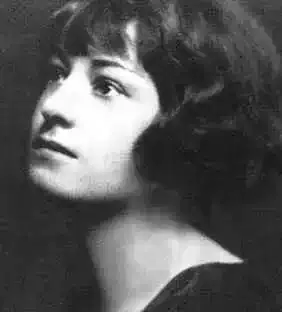
Dorothy Parker
Prologue to a Saga
Maidens, gather not the yew,
Leave the glossy myrtle sleeping;
Any lad was born untrue,
Never a one is fit your weeping.
Pretty dears, your tumult cease;
Love's a fardel, burthening double.
Clear your hearts, and have you peace-
Gangway, girls: I'll show you trouble.
Leave the glossy myrtle sleeping;
Any lad was born untrue,
Never a one is fit your weeping.
Pretty dears, your tumult cease;
Love's a fardel, burthening double.
Clear your hearts, and have you peace-
Gangway, girls: I'll show you trouble.
412
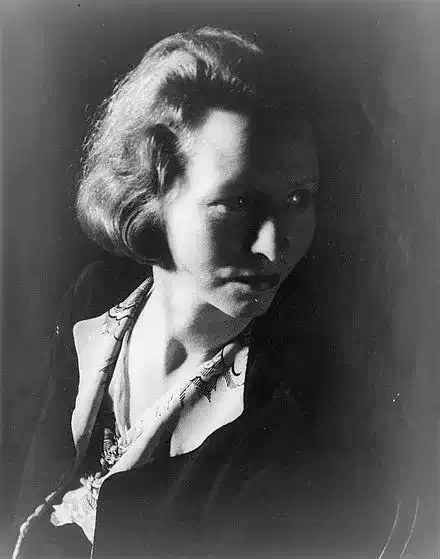
Edna St. Vincent Millay
When I Too Long Have Looked Upon Your Face
When I too long have looked upon your face,
Wherein for me a brightness unobscured
Save by the mists of brightness has its place,
And terrible beauty not to be endured,
I turn away reluctant from your light,
And stand irresolute, a mind undone,
A silly, dazzled thing deprived of sight
From having looked too long upon the sun.
Then is my daily life a narrow room
In which a little while, uncertainly,
Surrounded by impenetrable gloom,
Among familiar things grown strange to me
Making my way, I pause, and feel, and hark,
Till I become accustomed to the dark.
410
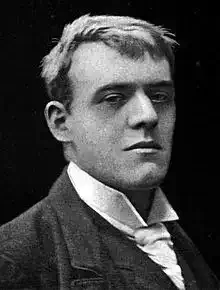
Hilaire Belloc
Her Final Role
This man's desire; that other's hopeless end;
A third's capricious tyrant: and my friend.
A third's capricious tyrant: and my friend.
411

Rudyard Kipling
My Lady's Law
The Law whereby my lady moves
Was never Law to me,
But 'tis enough that she approves
Whatever Law it be.
For in that Law, and by that Law
My constant course I'll steer;
Not that I heed or deem it dread,
But that she holds it dear.
Tho' Asia sent for my content
Her richest argosies,
Those would I spurn, and bid return,
If that should give her ease.
With equal heart I'd watch depart
Each spiced sail from sight;
Sans bitterness, desiring less
Great gear than her delight.
Though Kings made swift with many a gift
My proven sword to hire--
I would not go nor serve 'em so--
Except at her desire.
With even mind, I'd put behind
Adventure and acclaim,
And clean give o'er, esteeming more
Her favour than my fame.
Yet such am I, yea, such am I--
Sore bond and freest free,
The Law that sways my lady's ways
Is mystery to me!
411
John Keats
Hither, Hither, Love
HITHER hither, love--'
Tis a shady mead---
Hither, hither, love!
Let us feed and feed!
Hither, hither, sweet--'
Tis a cowslip bed---
Hither, hither, sweet!
'Tis with dew bespread!
Hither, hither, dear
By the breath of life,
Hither, hither, dear!--Be
the summer's wife!
Though one moment's pleasure
In one moment flies---
Though the passion's treasure
In one moment dies;---
Yet it has not passed--Think
how near, how near!---
And while it doth last,
Think how dear, how dear!
Hither, hither, hither
Love its boon has sent---
If I die and wither
I shall die content!
407

Claude Mckay
Commemoration
When first your glory shone upon my face
My body kindled to a mighty flame,
And burnt you yielding in my hot embrace
Until you swooned to love, breathing my name.
And wonder came and filled our night of sleep,
Like a new comet crimsoning the sky;
And stillness like the stillness of the deep
Suspended lay as an unuttered sigh.
I never again shall feel your warm heart flushed,
Panting with passion, naked unto mine,
Until the throbbing world around is hushed
To quiet worship at our scented shrine.
Nor will your glory seek my swarthy face,
To kindle and to change my jaded frame
Into a miracle of godlike grace,
Transfigured, bathed in your immortal flame.
405
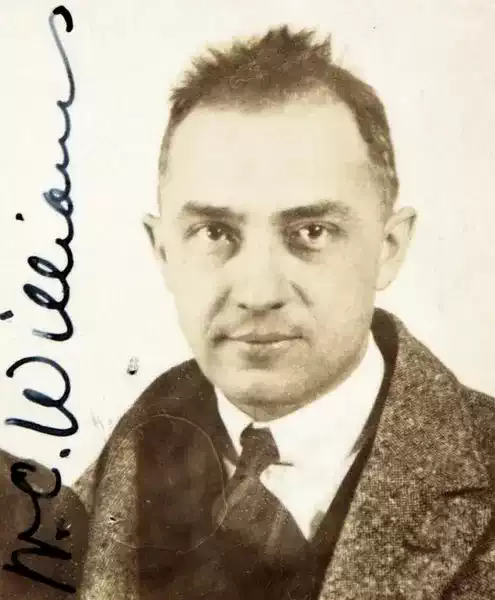
William Carlos Williams
Arrival
And yet one arrives somehow,
finds himself loosening the hooks of
her dress
in a strange bedroom--
feels the autumn
dropping its silk and linen leaves
about her ankles.
The tawdry veined body emerges
twisted upon itself
like a winter wind . . . !
finds himself loosening the hooks of
her dress
in a strange bedroom--
feels the autumn
dropping its silk and linen leaves
about her ankles.
The tawdry veined body emerges
twisted upon itself
like a winter wind . . . !
403
Claude Mckay
Poetry
Sometimes I tremble like a storm-swept flower,
And seek to hide my tortured soul from thee.
Bowing my head in deep humility
Before the silent thunder of thy power.
Sometimes I flee before thy blazing light,
As from the specter of pursuing death;
Intimidated lest thy mighty breath,
Windways, will sweep me into utter night.
For oh, I fear they will be swallowed up--
The loves which are to me of vital worth,
My passion and my pleasure in the earth--
And lost forever in thy magic cup!
I fear, I fear my truly human heart
Will perish on the altar-stone of art!
405
Johann Wolfgang von Goethe
Book Of Hafis - The Unlimited
THAT thou can't never end, doth make thee great,
And that thou ne'er beginnest, is thy fate.
Thy song is changeful as yon starry frame,
End and beginning evermore the same;
And what the middle bringeth, but contains
What was at first, and what at last remains.
Thou art of joy the true and minstrel-source,
From thee pours wave on wave with ceaseless force.
A mouth that's aye prepared to kiss,
A breast whence flows a loving song,
A throat that finds no draught amiss,
An open heart that knows no wrong.
And what though all the world should sink!
Hafis, with thee, alone with thee
Will I contend! joy, misery,
The portion of us twain shall be;
Like thee to love, like thee to drink,--
This be my pride,--this, life to me!
Now, Song, with thine own fire be sung,--
For thou art older, thou more young!
404
Ezra Pound
Fratres Minores
With minds still hovering above their testicles
Certain poets here and in France
Still sigh over established and natural fact
Long since fully discussed by Ovid.
They howl. They complain in delicate and exhausted metres
That the twitching of three abdominal nerves
Is incapable of producing a lasting Nirvana.
Certain poets here and in France
Still sigh over established and natural fact
Long since fully discussed by Ovid.
They howl. They complain in delicate and exhausted metres
That the twitching of three abdominal nerves
Is incapable of producing a lasting Nirvana.
404
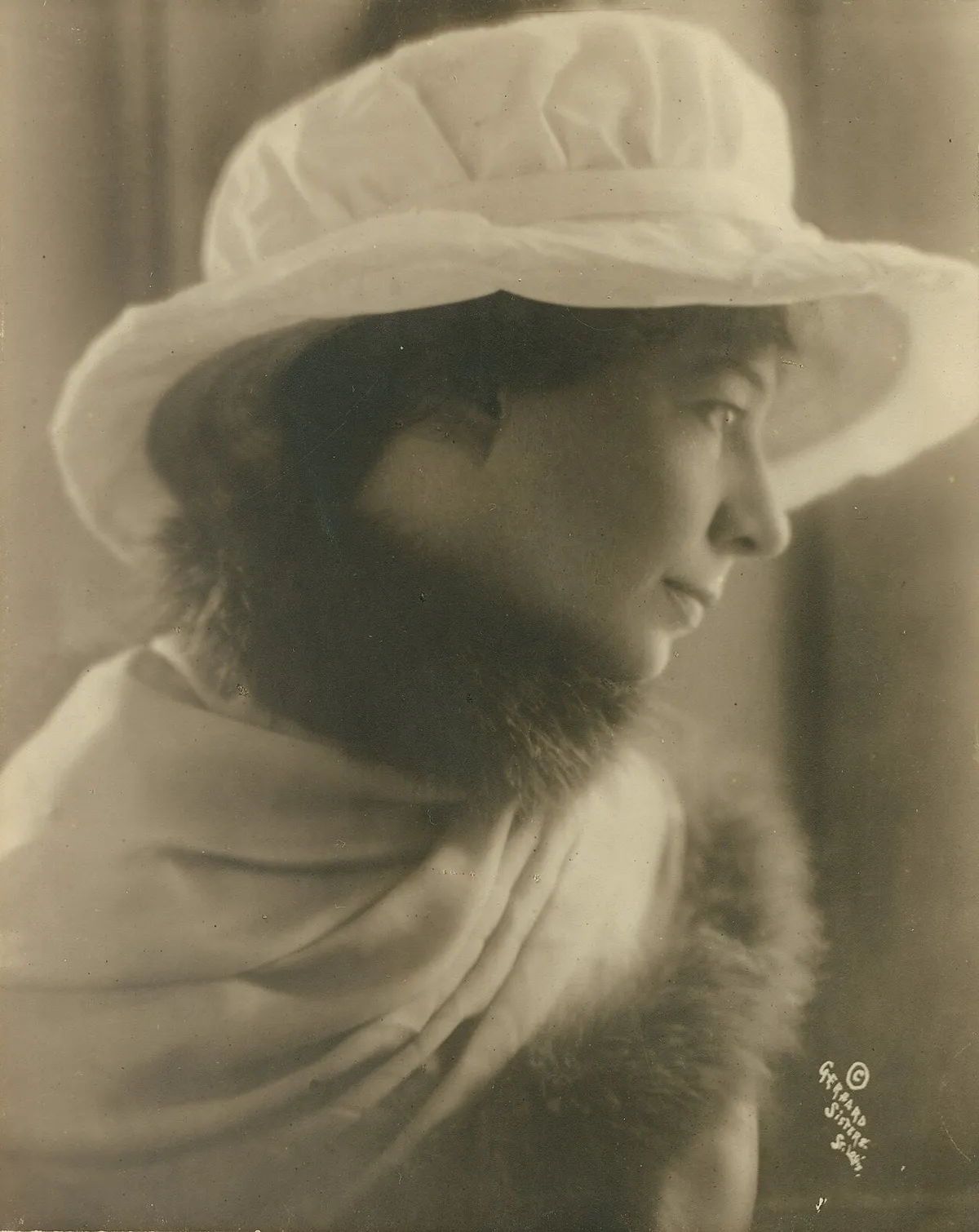
Sara Teasdale
After Parting
Oh, I have sown my love so wide
That he will find it everywhere;
It will awake him in the night,
It will enfold him in the air.
I set my shadow in his sight
And I have winged it with desire,
That it may be a cloud by day,
And in the night a shaft of fire.
That he will find it everywhere;
It will awake him in the night,
It will enfold him in the air.
I set my shadow in his sight
And I have winged it with desire,
That it may be a cloud by day,
And in the night a shaft of fire.
402

Walt Whitman
Native Moments
NATIVE moments! when you come upon me--Ah you are here now! Give me now
libidinous joys only! Give me the drench of my passions! Give me life
coarse and rank! To-day, I go consort with nature's darlings--to-night too;
I am for those who believe in loose delights--I share the midnight orgies
of young men; I dance with the dancers, and drink with the drinkers; The
echoes ring with our indecent calls; I take for my love some prostitute--I
pick out some low person for my dearest friend, He shall be lawless, rude,
illiterate--he shall be one condemn'd by others for deeds done; I will play
a part no longer--Why should I exile myself from my companions? 10 O you
shunn'd persons! I at least do not shun you, I come forthwith in your
midst--I will be your poet, I will be more to you than to any of the rest.
400
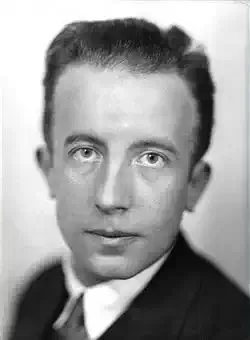
Paul Éluard
At the Window
I have not always had this certainty, this pessimism which reassures the best among
us. There was
a time when my friends laughed at me. I was not the master of my words. A certain
indifference, I
have not always known well what I wanted to say, but most often it was because I had
nothing to
say. The necessity of speaking and the desire not to be heard. My life hanging only by
a thread.
There was a time when I seemed to understand nothing. My chains floated on the
water.
All my desires are born of my dreams. And I have proven my love with words. To what
fantastic
creatures have I entrusted myself, in what dolorous and ravishing world has my
imagination
enclosed me? I am sure of having been loved in the most mysterious of domains, my
own. The
language of my love does not belong to human language, my human body does not
touch the flesh
of my love. My amorous imagination has always been constant and high enough so
that nothing
could attempt to convince me of error.
398
Dorothy Parker
A Portrait
Because my love is quick to come and go-
A little here, and then a little there-
What use are any words of mine to swear
My heart is stubborn, and my spirit slow
Of weathering the drip and drive of woe?
What is my oath, when you have but to bare
My little, easy loves; and I can dare
Only to shrug, and answer, "They are so"?
You do not know how heavy a heart it is
That hangs about my neck- a clumsy stone
Cut with a birth, a death, a bridal-day.
Each time I love, I find it still my own,
Who take it, now to that lad, now to this,
Seeking to give the wretched thing away.
398

Walter de la Mare
Tartary
If I were Lord of Tartary,
Myself, and me alone,
My bed should be of ivory,
Of beaten gold my throne;
And in my court should peacocks flaunt,
And in my forests tigers haunt,
And in my pools great fishes slant
Their fins athwart the sun.
If I were Lord of Tartary,
Trumpeters every day
To all my meals should summon me,
And in my courtyards bray;
And in the evening lamps should shine,
Yellow as honey, red as wine,
While harp, and flute, and mandoline
Made music sweet and gay.
If I were Lord of Tartary,
I'd wear a robe of beads,
White, and gold, and green they'd be --
And small and thick as seeds;
And ere should wane the morning star,
I'd don my robe and scimitar.
And zebras seven should draw my car
Through Tartary's dark gleades.
Lord of the fruits of Tartary.
Her rivers silver-pale!
Lord of the hills of Tartary.
Glen, thicket, wood, and dale!
Her flashing stars, her scented breeze,
Her trembling lakes, like foamless seas,
Her bird-delighting citron-trees,
In every purple vale!
396
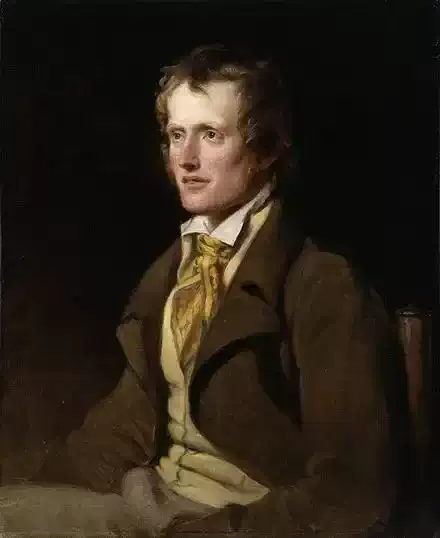
John Clare
The Cellar Door
By the old tavern door on the causey there lay
A hogshead of stingo just rolled from a dray,
And there stood the blacksmith awaiting a drop
As dry as the cinders that lay in his shop;
And there stood the cobbler as dry as a bun,
Almost crackt like a bucket when left in the sun.
He'd whetted his knife upon pendil and hone
Till he'd not got a spittle to moisten the stone;
So ere he could work--though he'd lost the whole day--
He must wait the new broach and bemoisten his clay.
The cellar was empty, each barrel was drained
To its dregs--and Sir John like a rebel remained
In the street--for removal too powerful and large
For two or three topers to take into charge.
Odd zooks, said a gipsey, with bellows to mend,
Had I strength I would just be for helping a friend
To walk on his legs: but a child in the street
Had as much power as he to put John on his feet.
Then up came the blacksmith: Sir Barley, said he,
I should just like to storm your old tower for a spree;
And my strength for your strength and bar your renown
I'd soon try your spirit by cracking your crown.
And the cobbler he tuckt up his apron and spit
In his hands for a burster--but devil a bit
Would he move--so as yet they made nothing of land;
For there lay the knight like a whale in the sand.
Said the tinker: If I could but drink of his vein
I should just be as strong and as stubborn again.
Push along, said the toper, the cellar's adry:
There's nothing to moisten the mouth of a fly.
Says the host, We shall burn out with thirst, he's so big.
There's a cag of small swipes half as sour as a wig.
In such like extremes, why, extremes will come pat;
So let's go and wet all our whistles with that.
Says the gipsey, May I never bottom a chair
If I drink of small swipes while Sir John's lying there.
And the blacksmith he threw off his apron and swore
Small swipes should bemoisten his gullet no more:
Let it out on the floor for the dry cock-a-roach--
And he held up his hammer with threatens to broach
Sir John in his castle without leave or law
And suck out his blood with a reed or a straw
Ere he'd soak at the swipes--and he turned him to start,
Till the host for high treason came down a full quart.
Just then passed the dandy and turned up his nose:
They'd fain have him shove, but he looked at his clothes
And nipt his nose closer and twirled his stick round
And simpered, Tis nuisance to lie on the ground.
But Bacchus, he laughed from the old tavern sign,
Saying, Go on, thou shadow, and let the sun shine.
Then again they all tried, and the tinker he swore
That the hogshead had grown twice as heavy or more.
Nay nay, said the toper, and reeled as he spoke,
We're all getting weak, that's the end of the joke.
The ploughman came up and cut short his old tune,
Hallooed 'woi' to his horses and though it was June
Said he'd help them an hour ere he'd keep them adry;
Well done, said the blacksmith with hopes running high;
He moves, and, by jingo, success to the plough!
Aye aye, said the cobbler, we'll conquer him now.
The hogshead rolled forward, the toper fell back,
And the host laughed aloud as his sides they would crack
To see the old tinker's toil make such a gap
In his coat as to rend it from collar to flap.
But the tinker he grumbled and cried Fiddle-dee!
This garment hath been an old tenant with me;
And a needle and thread with a little good skill
When I've leisure will make it stand more weathers still.
Then crack went his breeks from the hip to the knee
With his thrusting--no matter; for nothing cared he.
So long as Sir John rolled along to the door,
He's a chip of our block, said the blacksmith, and swore;
And as sure as I live to drive nails in a shoe
He shall have at my cost a full pitcher or two.
And the toper he hiccuped--which hindered an oath--
So long as he'd credit, he'd pitcher them both.
But the host stopt to hint when he'd ordered the dray
Sir Barleycorn's order was purchase and pay.
And now the old knight is imprisoned and ta'en
To waste in the tavern man's cellar again.
And now, said the blacksmith, let forfeits come first
For the insult swipes offered, or his hoops I will burst.
Here it is, my old hearties--Then drink your thirst full,
Said the host, for the stingo is worth a strong pull.
Never fear for your legs if they're broken to-day;
Winds only blow straws, dust, and feathers away.
But the cask that is full, like a giant he lies,
And giants alone can his spirits capsize.
If he lies in the path, though a king's coming bye,
John Barleycorn's mighty and there he will lie.
Then the toper sat down with a hiccup and felt
If he'd still an odd coin in his pocket to melt,
And he made a wry face, for his pocket was bare.
--But he laughed and danced up, What, old boy, are you there?
When he felt that a stiver had got to his knee
Through a hole in his fob, and right happy was he.
Says the tinker, I've brawled till no breath I have got
And not met with twopence to purchase a pot.
Says the toper, I've powder to charge a long gun,
And a stiver I've found when I thought I'd got none;
So helping a thirsty old friend in his need
Is my duty--take heart, thou art welcome indeed.
Then the smith with his tools in Sir John made a breach,
And the toper he hiccuped and ended his speech;
And pulled at the quart, till the snob he declared
When he went to drink next that the bottom was bared.
No matter for that, said the toper, and grinned;
I had but a soak and neer rested for wind.
That's the law, said the smith, with a look rather vexed,
But the quart was a forfeit; so pay for the next.
Thus they talked of their skill and their labour till noon
When the sober man's toil was exactly half done,
And there the plough lay--people hardly could pass
And the horses let loose polished up the short grass
And browsed on the bottle of flags lying there,
By the gipsey's old budget, for mending a chair.
The miller's horse tied to the old smithy door
Stood stamping his feet, by the flies bitten sore,
Awaiting the smith as he wanted a shoe;
And he stampt till another fell off and made two:
Till the miller, expecting that all would get loose,
Went to seek him and cursed him outright for a goose;
But he dipt his dry beak in the mug once or twice
And forgot all his passion and toil in a trice.
And the flybitten horse at the old smithy post
Might stamp till his shoes and his legs they were lost.
He sung his old songs and forgot his old mill--
Blow winds high or low, she might rest her at will.
And the cobbler, in spite of his bustle for pelf,
Left the shop all the day to take care of itself.
And the toper who carried his house on his head,
No wife to be teazing, no bairns to be fed,
Would sit out the week or the month or the year
Or a life-time so long as he'd credit for beer.
The ploughman he talked of his skill as divine,
How he could plough thurrows as straight as a line;
And the blacksmith he swore, had he but the command,
He could shoe the king's hunter the best in the land;
And the cobbler declared, was his skill but once seen,
He should soon get an order for shoes from the queen.
But the tinker he swore he could beat them all three,
For gi' me a pair of old bellows, says he,
And I'll make them roar out like the wind in a storm
And make them blow fire out of coal hardly warm.
The toper said nothing but wished the quart full
And swore he could toss it all off at a pull.
Have one, said the tinker; but wit was away,
When the bet was to bind him he'd nothing to pay.
And thus in the face of life's sun-and-shower weather
They drank, bragged, and sung, and got merry together.
The sun he went down--the last gleam from his brow
Flung a smile of repose on the holiday plough;
The glooms they approached, and the dews like a rain
Fell thick and hung pearls on the old sorrel mane
Of the horse that the miller had brought to be shod,
And the morning awoke, saw a sight rather odd--
For a bit of the halter still hung at the door,
Bit through by the horse now at feed on the moor;
And the old tinker's budget lay still in the weather,
While all kept on singing and drinking together.
395