
Desire

Alfred Lord Tennyson
Come down, O Maid
COME down, O maid, from yonder mountain height:
What pleasure lives in height (the shepherd sang),
In height and cold, the splendour of the hills?
But cease to move so near the Heavens, and cease
To glide a sunbeam by the blasted Pine,
To sit a star upon the sparkling spire;
And come, for Love is of the valley, come,
For Love is of the valley, come thou down
And find him; by the happy threshold, he,
Or hand in hand with Plenty in the maize,
Or red with spirted purple of the vats,
Or foxlike in the vine; nor cares to walk
With Death and Morning on the silver horns,
Nor wilt thou snare him in the white ravine,
Nor find him dropt upon the firths of ice,
That huddling slant in furrow-cloven falls
To roll the torrent out of dusky doors:
But follow; let the torrent dance thee down
To find him in the valley; let the wild
Lean-headed Eagles yelp alone, and leave
The monstrous ledges there to slope, and spill
Their thousand wreaths of dangling water-smoke,
That like a broken purpose waste in air:
So waste not thou; but come; for all the vales
Await thee; azure pillars of the hearth
Arise to thee; the children call, and I
Thy shepherd pipe, and sweet is every sound,
Sweeter thy voice, but every sound is sweet;
Myriads of rivulets hurrying thro' the lawn,
The moan of doves in immemorial elms,
And murmuring of innumerable bees.
918
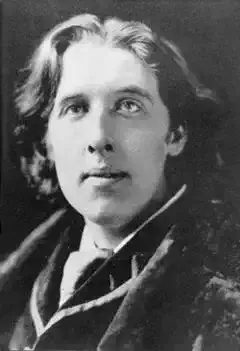
Oscar Wilde
La Bella Donna Della Mia Mente
MY limbs are wasted with a flame,
My feet are sore with travelling,
For calling on my Lady's name
My lips have now forgot to sing.
O Linnet in the wild-rose brake
Strain for my Love thy melody,
O Lark sing louder for love's sake,
My gentle Lady passeth by.
She is too fair for any man
To see or hold his heart's delight,
Fairer than Queen or courtezan
Or moon-lit water in the night.
Her hair is bound with myrtle leaves,
(Green leaves upon her golden hair!)
Green grasses through the yellow sheaves
Of autumn corn are not more fair.
Her little lips, more made to kiss
Than to cry bitterly for pain,
Are tremulous as brook-water is,
Or roses after evening rain.
Her neck is like white melilote
Flushing for pleasure of the sun,
The throbbing of the linnet's throat
Is not so sweet to look upon.
As a pomegranate, cut in twain,
White-seeded, is her crimson mouth,
Her cheeks are as the fading stain
Where the peach reddens to the south.
O twining hands! O delicate
White body made for love and pain!
O House of love! O desolate
Pale flower beaten by the rain!
949
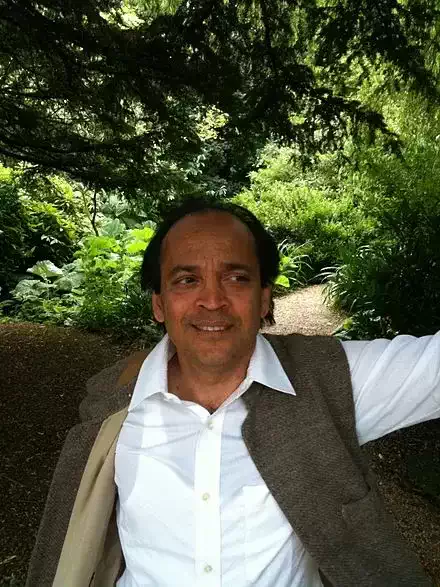
Vikram Seth
A Style Of Loving
Light now restricts itself
To the top half of trees;
The angled sun
Slants honey-coloured rays
That lessen to the ground
As we bike through
The corridor of Palm Drive
We two
Have reached a safety the years
Can claim to have created:
Unconsumated, therefore
Unjaded, unsated.
Picnic, movie, ice-cream;
Talk; to clear my head
Hot buttered rum - coffee for you;
And so not to bed
And so we have set the question
Aside, gently.
Were we to become lovers
Where would our best friends be?
You do not wish, nor I
To risk again
This savoured light for noon's
High joy or pain.
920

William Shakespeare
Sonnet 129: The expense of spirit in a waste of shame
The expense of spirit in a waste of shame
Is lust in action; and till action, lust
Is perjured, murderous, bloody, full of blame,
Savage, extreme, rude, cruel, not to trust,
Enjoy'd no sooner but despised straight,
Past reason hunted, and no sooner had
Past reason hated, as a swallow'd bait
On purpose laid to make the taker mad;
Mad in pursuit and in possession so;
Had, having, and in quest to have, extreme;
A bliss in proof, and proved, a very woe;
Before, a joy proposed; behind, a dream.
All this the world well knows; yet none knows well
To shun the heaven that leads men to this hell.
925

John Keats
The Day Is Gone, And All Its Sweets Are Gone
The day is gone, and all its sweets are gone!
Sweet voice, sweet lips, soft hand, and softer breast,
Warm breath, light whisper, tender semitone,
Bright eyes, accomplished shape, and lang'rous waist!
Faded the flower and all its budded charms,
Faded the sight of beauty from my eyes,
Faded the shape of beauty from my arms,
Faded the voice, warmth, whiteness, paradise-
Vanished unseasonably at shut of eve,
When the dusk holiday-or holinight
Of fragrant-curtained love begins to weave
The woof of darkness thick, for hid delight;
But, as I've read love's missal through today,
He'll let me sleep, seeing I fast and pray.
920
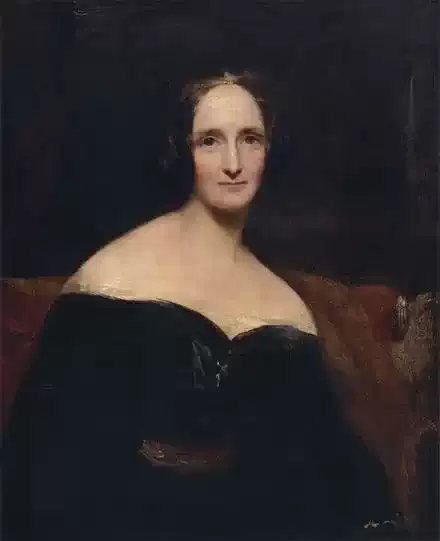
Percy Bysshe Shelley
To ----
ONE word is too often profaned
For me to profane it;
One feeling too falsely disdain'd
For thee to disdain it;
One hope is too like despair
For prudence to smother;
And pity from thee more dear
Than that from another.
I can give not what men call love:
But wilt thou accept not
The worship the heart lifts above
And the heavens reject not,
The desire of the moth for the star,
Of the night for the morrow,
The devotion to something afar
From the sphere of our sorrow?
934
John Keats
Sonnet: When I Have Fears That I May Cease To Be
When I have fears that I may cease to be
Before my pen has glean'd my teeming brain,
Before high piled books, in charactry,
Hold like rich garners the full-ripen'd grain;
When I behold, upon the night's starr'd face,
Huge cloudy symbols of a high romance,
And think that I may never live to trace
Their shadows, with the magic hand of chance;
And when I feel, fair creature of an hour,
That I shall never look upon thee more,
Never have relish in the faery power
Of unreflecting love; -- then on the shore
Of the wide world I stand alone, and think
Till Love and Fame to nothingness do sink.
912

Federico García Lorca
Gacela of Unforseen Love
No one understood the perfume
of the dark magnolia of your womb.
Nobody knew that you tormented
a hummingbird of love between your teeth.
A thousand Persian little horses fell asleep
in the plaza with moon of your forehead,
while through four nights I embraced
your waist, enemy of the snow.
Between plaster and jasmins, your glance
was a pale branch of seeds.
I sought in my heart to give you
the ivory letters that say "siempre",
"siempre", "siempre" : garden of my agony,
your body elusive always,
that blood of your veins in my mouth,
your mouth already lightless for my death.
870
John Keats
Sonnet XVII. Happy Is England
Happy is England! I could be content
To see no other verdure than its own;
To feel no other breezes than are blown
Through its tall woods with high romances blent:
Yet do I sometimes feel a languishment
For skies Italian, and an inward groan
To sit upon an Alp as on a throne,
And half forget what world or worldling meant.
Happy is England, sweet her artless daughters;
Enough their simple loveliness for me,
Enough their whitest arms in silence clinging:
Yet do I often warmly burn to see
Beauties of deeper glance, and hear their singing,
And float with them about the summer waters.
863
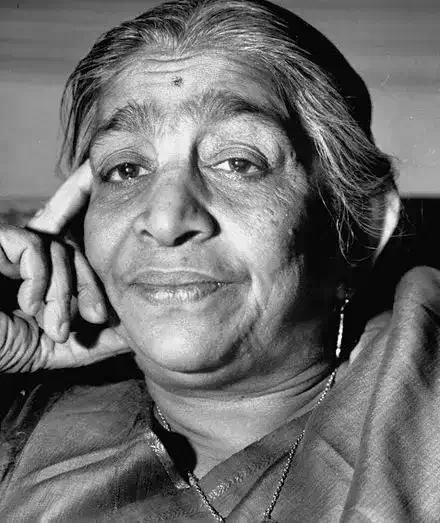
Sarojini Naidu
Indian Love Song
She
LIKE a serpent to the calling voice of flutes,
Glides my heart into thy fingers, O my Love!
Where the night-wind, like a lover, leans above
His jasmine-gardens and sirisha-bowers;
And on ripe boughs of many-coloured fruits
Bright parrots cluster like vermilion flowers.
He
Like the perfume in the petals of a rose,
Hides thy heart within my bosom, O my love!
Like a garland, like a jewel, like a dove
That hangs its nest in the asoka-tree.
Lie still, O love, until the morning sows
Her tents of gold on fields of ivory.
882
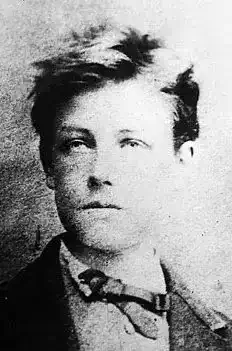
Arthur Rimbaud
Being Beauteous
Against a fall of snow, a Being Beauiful, and very tall.
Whistlings of death and circles of faint music
Make this adored body, swelling and trembling
Like a specter, rise...
Black and scarlet gashes burst in the gleaming flesh.
The true colors of life grow dark,
Shimmering and sperate
In the scaffolding, around the Vision.
Shiverings mutter and rise,
And the furious taste of these effects is charged
With deadly whistlings and the raucous music
That the world, far behind us, hurls at our mother of beauty...
She retreats, she rises up...
Oh! Our bones have put on new flesh, for love.
Oh ash-white face
Oh tousled hair
O crystal arms!
On this cannot I mean to destroy myself
In a swirling of trees and soft air!
893
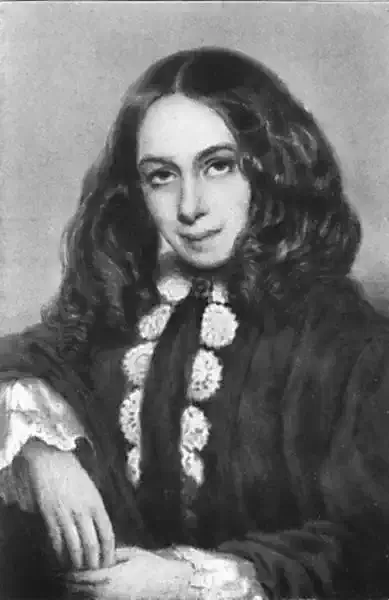
Elizabeth Barrett Browning
Sonnet XIX: The Soul's Rialto
The soul's Rialto hath its merchandise;
I barter curl for curl upon that mart,
And from my poet's forehead to my heart
Receive this lock which outweighs argosies,--
As purply black, as erst to Pindar's eyes
The dim purpureal tresses gloomed athwart
The nine white Muse-brows. For this counterpart,...
The bay-crown's shade, Belovèd, I surmise,
Still lingers on thy curl, it so black!
Thus, with a fillet of smooth-kissing breath,
I tie the shadows safe from gliding back,
And lay the gift where nothing hindereth;
Here on my heart, as on thy brow, to lack
No natural heat till mine grows cold in death.
895

Kazi Nazrul Islam
You Are So Handsome
You are so handsome that I can't take my eye off you,
is that my crime?
The bird that cries beholding the moon doesn't bother the moon.
I watch the flower's gradual unfolding, but the flower
doesn't mind
Nor does the cloud when the admiring bird circles round it.
The sun-flower knows it will never get the sun, and yet
undismay'd
It watches its sovereign, it is content just watching
I've got the gift of vision so that I may see you,
you beautiful being
Let this wish of mine be realized, my dearest one.
[Original: Tumi shundor tai cheye thaki; Translation: Abu Rushd]
859
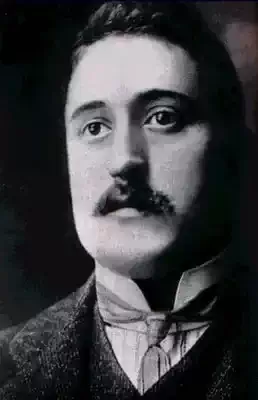
Guillaume Apollinaire
Moonlight
Mellifluent moon on the lips of the maddened
The orchards and towns are greedy tonight
The stars appear like the image of bees
Of this luminous honey that offends the vines
For now all sweet in their fall from the sky
Each ray of moonlight’s a ray of honey
Now hid I conceive the sweetest adventure
I fear stings of fire from this Polar bee
that sets these deceptive rays in my hands
And takes its moon-honey to the rose of the winds
884
Guillaume Apollinaire
The Ninth Secret Poem
I worship your fleece which is the perfect triangle
Of the Goddess
I am the lumberjack of the only virgin forest
O my Eldorado
I am the only fish in your voluptuous ocean
You my lovely Siren
I am the climber on your snowy mountains
O my whitest Alp
I am the heavenly archer at your beautiful mouth
O my darling quiver
I am the hauler of your midnight hair
O lovely ship on the canal of my kisses
And the lilies of your arms are beckoning me
O my summer garden
The fruits of your breast are ripening their honey for me
O my sweet-smelling orchard
And I am raising you O Madeleine O my beauty above the earth
Like the torch of all light
893
Elizabeth Barrett Browning
Sonnet XXVI: I Lived With Visions
I lived with visions for my company
Instead of men and women, years ago,
And found them gentle mates, nor thought to know
A sweeter music than they played to me.
But soon their trailing purple was not free
Of this world's dust, their lutes did silent grow,
And I myself grew faint and blind below
Their vanishing eyes. Then thou didst come--to be,
Belovèd, what they seemed. Their shining fronts,
Their songs, their splendors (better, yet the same,
As river water hallowed into fonts),
Met in thee, and from out thee overcame
My soul with satisfaction of all wants:
Because God's gifts put man's best dreams to shame.
814

Robert Browning
The Statue and the Bust
There's a palace in Florence, the world knows well,
And a statue watches it from the square,
And this story of both do our townsmen tell.
Ages ago, a lady there,
At the farthest window facing the East,
Asked, "Who rides by with the royal air?"
The bridesmaids' prattle around her ceased;
She leaned forth, one on either hand;
They saw how the blush of the bride increased --
They felt by its beats her heart expand --
As one at each ear and both in a breath
Whispered, "The Great-Duke Ferdinand."
That self-same instant, underneath,
The Duke rode past in his idle way,
Empty and fine like a swordless sheath.
Gay he rode, with a friend as gay,
Till he threw his head back -- "Who is she?"
-- "A bride the Riccardi brings home today."
Hair in heaps lay heavily
Over a pale brow spirit-pure --
Carved like the heart of the coal-black tree,
Crisped like a war-steed's encolure --
And vainly sought to dissemble her eyes
Of the blackest black our eyes endure.
And lo, a blade for a knight's emprise
Filled the fine empty sheath of a man, --
The Duke grew straightway brave and wise.
He looked at her, as a lover can;
She looked at him, as one who awakes:
The past was a sleep, and their life began.
Now, love so ordered for both their sakes,
A feast was held that selfsame night
In the pile which the mighty shadow makes.
(For Via Larga is three-parts light,
But the palace overshadows one,
Because of a crime which may God requite!
To Florence and God the wrong was done,
Through the first republic's murder there
By Cosimo and his cursèd son.)
The Duke (with the statue's face in the square)
Turned in the midst of his multitude
At the bright approach of the bridal pair.
Face to face the lovers stood
A single minute and no more,
While the bridegroom bent as a man subdued --
Bowed till his bonnet brushed the floor --
For the Duke on the lady a kiss conferred,
As the courtly custom was of yore.
In a minute can lovers exchange a word?
If a word did pass, which I do not think,
Only one out of the thousand heard.
That was the bridegroom. At day's brink
He and his bride were alone at last
In a bedchamber by a taper's blink.
Calmly he said that her lot was cast,
That the door she had passed was shut on her
Till the final catafalque repassed.
The world meanwhile, its noise and stir,
Through a certain window facing the East,
She could watch like a convent's chronicler.
Since passing the door might lead to a feast,
And a feast might lead to so much beside,
He, of many evils, chose the least.
"Freely I choose too," said the bride --
"Your window and its world suffice,"
Replied the tongue, while the heart replied --
"If I spend the night with that devil twice,
May his window serve as my loop of hell
Whence a damned soul looks on paradise!
"I fly to the Duke who loves me well,
Sit by his side and laugh at sorrow
Ere I count another ave-bell.
"'Tis only the coat of a page to borrow,
And tie my hair in a horse-boy's trim,
And I save my soul -- but not tomorrow" --
(She checked herself and her eye grew dim)
"My father tarries to bless my state:
I must keep it one day more for him.
"Is one day more so long to wait?
Moreover the Duke rides past, I know;
We shall see each other, sure as fate."
She turned on her side and slept. Just so!
So we resolve on a thing and sleep:
So did the lady, ages ago.
That night the Duke said, "Dear or cheap
As the cost of this cup of bliss may prove
To body or soul, I will drain it deep."
And on the morrow, bold with love,
He beckoned the bridegroom (close on call,
As his duty bade, by the Duke's alcove)
And smiled "'Twas a very funeral,
Your lady will think, this feast of ours, --
A shame to efface, whate'er befall!
"What if we break from the Arno bowers,
And try if Petraja, cool and green,
Cure last night's fault with this morning's flowers?"
The bridegroom, not a thought to be seen
On his steady brow and quiet mouth,
Said, "Too much favour for me so mean!
"But, alas! my lady leaves the South;
Each wind that comes from the Apennine
Is a menace to her tender youth:
"Nor a way exists, the wise opine,
If she quits her palace twice this year,
To avert the flower of life's decline."
Quoth the Duke, "A sage and a kindly fear.
Moreover Petraja is cold this spring:
Be our feast tonight as usual here!"
And then to himself -- "Which night shall bring
Thy bride to her lover's embraces, fool --
Or I am the fool, and thou art the king!
"Yet my passion must wait a night, nor cool --
For tonight the Envoy arrives from France
Whose heart I unlock with thyself, my tool.
"I need thee still and might miss perchance.
Today is not wholly lost, beside,
With its hope of my lady's countenance:
"For I ride -- what should I do but ride?
And passing her palace, if I list,
May glance at its window -- well betide!"
So said, so done: nor the lady missed
One ray that broke from the ardent brow,
Nor a curl of the lips where the spirit kissed.
Be sure that each renewed the vow,
No morrow's sun should arise and set
And leave them then as it left them now.
But next day passed, and next day yet,
With still fresh cause to wait one day more
Ere each leaped over the parapet.
And still, as love's brief morning wore,
With a gentle start, half smile, half sigh,
They found love not as it seemed before.
They thought it would work infallibly,
But not in despite of heaven and earth:
The rose would blow when the storm passed by.
Meantime they could profit in winter's dearth
By store of fruits that supplant the rose:
The world and its ways have a certain worth:
And to press a point while these oppose
Were simple policy; better wait:
We lose no friends and we gain no foes.
Meantime, worse fates than a lover's fate,
Who daily may ride and pass and look
Where his lady watches behind the grate!
And she -- she watched the square like a book
Holding one picture and only one,
Which daily to find she undertook:
When the picture was reached the book was done,
And she turned from the picture at night to scheme
Of tearing it out for herself next sun.
So weeks grew months, years; gleam by gleam
The glory dropped from their youth and love,
And both perceived they had dreamed a dream;
Which hovered as dreams do, still above:
But who can take a dream for a truth?
Oh, hide our eyes from the next remove!
One day as the lady saw her youth
Depart, and the silver thread that streaked
Her hair, and, worn by the serpent's tooth,
The brow so puckered, the chin so peaked, --
And wondered who the woman was,
Hollow-eyed and haggard-cheeked,
Fronting her silent in the glass --
"Summon here," she suddenly said,
"Before the rest of my old self pass,
"Him, the Carver, a hand to aid,
Who fashions the clay no love will change,
And fixes a beauty never to fade.
"Let Robbia's craft so apt and strange
Arrest the remains of young and fair,
And rivet them while the seasons range.
"Make me a face on the window there,
Waiting as ever, mute the while,
My love to pass below in the square!
"And let me think that it may beguile
Dreary days which the dead must spend
Down in their darkness under the aisle,
"To say, 'What matters it at the end?
I did no more while my heart was warm
Than does that image, my pale-faced friend.'
"Where is the use of the lip's red charm,
The heaven of hair, the pride of the brow,
And the blood that blues the inside arm --
"Unless we turn, as the soul knows how,
The earthly gift to an end divine?
A lady of clay is as good, I trow."
But long ere Robbia's cornice, fine,
With flowers and fruits which leaves enlace,
Was set where now is the empty shrine --
(And, leaning out of a bright blue space,
As a ghost might lean from a chink of sky,
The passionate pale lady's face --
Eyeing ever, with earnest eye
And quick-turned neck at its breathless stretch,
Some one who ever is passing by --)
The Duke had sighed like the simplest wretch
In Florence, "Youth -- my dream escapes!
Will its record stay?" And he bade them fetch
Some subtle moulder of brazen shapes --
"Can the soul, the will, die out of a man
Ere his body find the grave that gapes?
"John of Douay shall effect my plan,
Set me on horseback here aloft,
Alive, as the crafty sculptor can,
"In the very square I have crossed so oft:
That men may admire, when future suns
Shall touch the eyes to a purpose soft,
"While the mouth and the brow stay brave in bronze --
Admire and say, 'When he was alive
How he would take his pleasure once!'
"And it shall go hard but I contrive
To listen the while, and laugh in my tomb
At idleness which aspires to strive."
So! While these wait the trump of doom,
How do their spirits pass, I wonder,
Nights and days in the narrow room?
Still, I suppose, they sit and ponder
What a gift life was, ages ago,
Six steps out of the chapel yonder.
Only they see not God, I know,
Nor all that chivalry of his,
The soldier-saints who, row on row,
Burn upward each to his point of bliss --
Since, the end of life being manifest,
He had burned his way through the world to this.
I hear you reproach, "But delay was best,
For their end was a crime." -- Oh, a crime will do
As well, I reply, to serve for a test,
As a virtue golden through and through,
Sufficient to vindicate itself
And prove its worth at a moment's view!
Must a game be played for the sake of pelf?
Where a button goes, 'twere an epigram
To offer the stamp of the very Guelph.
The true has no value beyond the sham:
As well the counter as coin, I submit,
When your table's a hat, and your prize a dram.
Stake your counter as boldly every whit,
Venture as warily, use the same skill,
Do your best, whether winning or losing it,
If you choose to play! -- is my principle.
Let a man contend to the uttermost
For his life's set prize, be it what it will!
The counter our lovers staked was lost
As surely as if it were lawful coin:
And the sin I impute to each frustrate ghost
Is -- the unlit lamp and the ungirt loin,
Though the end in sight was a vice, I say.
You of the virtue (we issue join)
How strive you? De te, fabula.
819
Guillaume Apollinaire
The Skirt
Hallo Germaine that's a fine skirt you have
A fine skirt for a queen A cruel queen
Let's feel the silk of it Silk from Japan
And trimmed with wide lace made on no machine
Your skirt's a silken bell whose double clapper
Your legs have struck the passing of my fancies
O Germaine now I ring it my breast heaving
My hands press down upon your willing haunches
Your bedroom O my bell is a fine belfry
My hands touch silk and seem to tear my ears
Those pegs are gallows on which skirts are hanging
Those hanging men are dazzling my eyes
Motionless as an owl the oil lamp watches
764
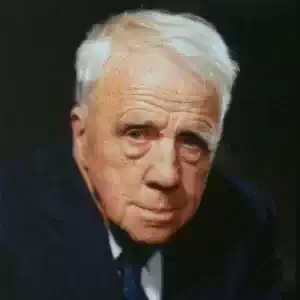
Robert Frost
A Line-Storm Song
The line-storm clouds fly tattered and swift,
The road is forlorn all day,
Where a myriad snowy quartz stones lift,
And the hoof-prints vanish away.
The roadside flowers, too wet for the bee,
Expend their bloom in vain.
Come over the hills and far with me,
And be my love in the rain.
The birds have less to say for themselves
In the wood-world’s torn despair
Than now these numberless years the elves,
Although they are no less there:
All song of the woods is crushed like some
Wild, easily shattered rose.
Come, be my love in the wet woods; come,
Where the boughs rain when it blows.
There is the gale to urge behind
And bruit our singing down,
And the shallow waters aflutter with wind
From which to gather your gown.
What matter if we go clear to the west,
And come not through dry-shod?
For wilding brooch shall wet your breast
The rain-fresh goldenrod.
Oh, never this whelming east wind swells
But it seems like the sea’s return
To the ancient lands where it left the shells
Before the age of the fern;
And it seems like the time when after doubt
Our love came back amain.
Oh, come forth into the storm and rout
And be my love in the rain.
779
Arthur Rimbaud
L'Idole.. Sonnet Du Trou Du Cul
Obscur et froncé comme un oeillet violet
Il respire, humblement tapi parmi la mousse.
Humide encor d'amour qui suit la fuite douce
Des Fesses blanches jusqu'au coeur de son ourlet.
Des filaments pareils à des larmes de lait
Ont pleuré, sous le vent cruel qui les repousse,
À travers de petits caillots de marne rousse
Pour s'aller perdre où la pente les appelait.
Mon Rêve s'aboucha souvent à sa ventouse ;
Mon âme, du coït matériel jalouse,
En fit son larmier fauve et son nid de sanglots.
C'est l'olive pâmée, et la flûte caline ;
C'est le tube où descend la céleste praline :
Chanaan féminin dans les moiteurs enclos !
Albert Mérat.
The Idol.
Sonnet to an Asshole
Dark and wrinkled like a purple pink
It breathes, nestling humbly among the still-damp
Froth of love that follows the gentle slope
Of the white buttocks to its crater's edge.
Filaments like tears of milk
Have wept in the cruel wind which pushes them back,
Across little clots of reddish marl
To lose themselves where the slope called them.
My dream has often kissed its opening;
My soul, jealous of physical coitus,
Has made this its fawn-coloured tear-bottle and its nest of sobs.
It is the rapturous olive and the wheedling flute,
The tube from which the heavenly burnt almond falls:
Feminine Canaan enclosed among moistures.
Albert Mérat.
P.V.-A.R.
797
Oscar Wilde
Silentium Amoris
As often-times the too resplendent sun
Hurries the pallid and reluctant moon
Back to her sombre cave, ere she hath won
A single ballad from the nightingale,
So doth thy Beauty make my lips to fail,
And all my sweetest singing out of tune.
And as at dawn across the level mead
On wings impetuous some wind will come,
And with its too harsh kisses break the reed
Which was its only instrument of song,
So my too stormy passions work me wrong,
And for excess of Love my Love is dumb.
But surely unto Thee mine eyes did show
Why I am silent, and my lute unstrung;
Else it were better we should part, and go,
Thou to some lips of sweeter melody,
And I to nurse the barren memory
Of unkissed kisses, and songs never sung.
764
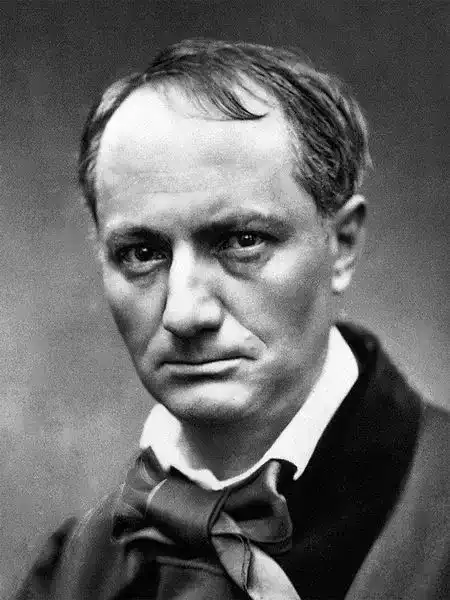
Charles Baudelaire
Her Hair
O fleece, that down the neck waves to the nape!
O curls! O perfume nonchalant and rare!
O ecstasy! To fill this alcove shape
With memories that in these tresses sleep,
I would shake them like penions in the air!
Languorous Asia, burning Africa,
And a far world, defunct almost, absent,
Within your aromatic forest stay!
As other souls on music drift away,
Mine, O my love! still floats upon your scent.
I shall go there where, full of sap, both tree
And man swoon in the heat of the southern climates;
Strong tresses be the swell that carries me!
I dream upon your sea of amber
Of dazzling sails, of oarsmen, masts, and flames:
A sun-drenched and reverberating port,
Where I imbibe colour and sound and scent;
Where vessels, gliding through the gold and moiré,
Open their vast arms as they leave the shore
To clasp the pure and shimmering firmament.
I'll plunge my head, enamored of its pleasure,
In this black ocean where the other hides;
My subtle spirit then will know a measure
Of fertile idleness and fragrant leisure,
Lulled by the infinite rhythm of its tides!
Pavilion, of autumn-shadowed tresses spun,
You give me back the azure from afar;
And where the twisted locks are fringed with down
Lurk mingled odors I grow drunk upon
Of oil of coconut, of musk, and tar.
A long time! always! my hand in your hair
Will sow the stars of sapphire, pearl, ruby,
That you be never deaf to my desire,
My oasis and my gourd whence I aspire
To drink deep of the wine of memory.
765
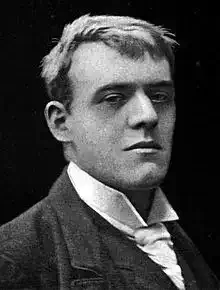
Hilaire Belloc
Heroic Poem in Praise of Wine
To exalt, enthrone, establish and defend,
To welcome home mankind's mysterious friend
Wine, true begetter of all arts that be;
Wine, privilege of the completely free;
Wine the recorder; wine the sagely strong;
Wine, bright avenger of sly-dealing wrong,
Awake, Ausonian Muse, and sing the vineyard song!
Sing how the Charioteer from Asia came,
And on his front the little dancing flame
Which marked the God-head. Sing the Panther-team,
The gilded Thrysus twirling, and the gleam
Of cymbals through the darkness. Sing the drums.
He comes; the young renewer of Hellas comes!
The Seas await him. Those Aegean Seas
Roll from the dawning, ponderous, ill at ease,
In lifts of lead, whose cresting hardly breaks
To ghostly foam, when suddenly there awakes
A mountain glory inland. All the skies
Are luminous; and amid the sea bird cries
The mariner hears a morning breeze arise.
Then goes the Pageant forward. The sea-way
Silvers the feet of that august array
Trailing above the waters, through the airs;
And as they pass a wind before them bears
The quickening word, the influence magical.
The Islands have received it, marble-tall;
The long shores of the mainland. Something fills
The warm Euboean combes, the sacred hills
Of Aulis and of Argos. Still they move
Touching the City walls, the Temple grove,
Till, far upon the horizon-glint, a gleam
Of light, of trembling light, revealed they seem
Turned to a cloud, but to a cloud that shines,
And everywhere as they pass, the Vines! The Vines!
The Vines, the conquering Vines! And the Vine
breaths
Her savour through the upland, empty heaths
Of treeless wastes; the Vines have come to where
The dark Pelasgian steep defends the lair
Of the wolf's hiding; to the empty fields
By Aufidus, the dry campaign that yields
No harvest for the husbandman, but now
Shall bear a nobler foison than the plough;
To where, festooned along the tall elm trees,
Tendrils are mirrored in Tyrrhenian seas;
To where the South awaits them; even to where
Stark, African informed of burning air,
Upturned to Heaven the broad Hipponian plain
Extends luxurious and invites the main.
Guelma's a mother: barren Thaspsa breeds;
And northward in the valleys, next the meads
That sleep by misty river banks, the Vines
Have struck to spread below the solemn pines.
The Vines are on the roof-trees. All the Shrines
And Homes of men are consecrate with Vines.
And now the task of that triumphant day
Has reached to victory. In the reddening ray
With all his train, from hard Iberian lands
Fulfilled, apparent, that Creator stands
Halted on Atlas. Far Beneath him, far,
The strength of Ocean darkening and the star
Beyond all shores. There is a silence made.
It glorifies: and the gigantic shade
Of Hercules adores him from the West.
Dead Lucre: burnt Ambition: Wine is best.
But what are these that from the outer murk
Of dense mephitic vapours creeping lurk
To breathe foul airs from that corrupted well
Which oozes slime along the floor of Hell?
These are the stricken palsied brood of sin
In whose vile veins, poor, poisonous and thin,
Decoctions of embittered hatreds crawl:
These are the Water-Drinkers, cursed all!
On what gin-sodden Hags, what flaccid sires
Bred these White Slugs from what exhaust desires?
In what close prison's horror were their wiles
Watched by what tyrant power with evil smiles;
Or in what caverns, blocked from grace and air
Received they, then, the mandates of despair?
What! Must our race, our tragic race, that roam
All exiled from our first, and final, home:
That in one moment of temptation lost
Our heritage, and now wander, hunger-tost
Beyond the Gates (still speaking with our eyes
For ever of remembered Paradise),
Must we with every gift accepted, still,
With every joy, receive attendant ill?
Must some lewd evil follow all our good
And muttering dog our brief beatitude?
A primal doom, inexorable, wise,
Permitted, ordered, even these to rise.
Even in the shadow of so bright a Lord
Must swarm and propagate the filthy horde
Debased, accursed I say, abhorrent and abhorred.
Accursed and curse-bestowing. For whosoe'er
Shall suffer their contagion, everywhere
Falls from the estate of man and finds his end
To the mere beverage of the beast condemned.
For such as these in vain the Rhine has rolled
Imperial centuries by hills of gold;
For such as these the flashing Rhone shall rage
In vain its lightning through the Hermitage
Or level-browed divine Touraine receive
The tribute of her vintages at eve.
For such as these Burgundian heats in vain
Swell the rich slope or load the empurpled plain.
Bootless for such as these the mighty task
Of bottling God the Father in a flask
And leading all Creation down distilled
To one small ardent sphere immensely filled.
With memories empty, with experience null,
With vapid eye-balls meaningless and dull
They pass unblest through the unfruitful light;
And when we open the bronze doors of Night,
When we in high carousal, we reclined,
Spur up to Heaven the still ascending mind,
Pass with the all inspiring, to and fro,
The torch of genius and the Muse's glow,
They, lifeless, stare at vacancy alone
Or plan mean traffic, or repeat their moan.
We, when repose demands us, welcomed are
In young white arms, like our great Exemplar
Who, wearied with creation, takes his rest
And sinks to sleep on Ariadne's breast.
They through the darkness into darkness press
Despised, abandoned and companionless.
And when the course of either's sleep has run
We leap to life like heralds of the sun;
We from the couch in roseate mornings gay
Salute as equals the exultant day
While they, the unworthy, unrewarded, they
The dank despisers of the Vine, arise
To watch grey dawns and mourn indifferent skies.
Forget them! Form the Dionysian ring
And pulse the ground, and Io, Io, sing.
Father Lenaean, to whom our strength belongs,
Our loves, our wars, our laughter and our songs,
Remember our inheritance, who praise
Your glory in these last unhappy days
When beauty sickens and a muddied robe
Of baseness fouls the universal globe.
Though all the Gods indignant and their train
Abandon ruined man, do thou remain!
By thee the vesture of our life was made,
The Embattled Gate, the lordly Colonnade,
The woven fabric's gracious hues, the sound
Of trumpets, and the quivering fountain-round,
And, indestructible, the Arch, and, high,
The Shaft of Stone that stands against the sky,
And, last, the guardian-genius of them, Rhyme,
Come from beyond the world to conquer time:
All these are thine, Lenaean.
By thee do seers the inward light discern;
By thee the statue lives, the Gods return;
By thee the thunder and the falling foam
Of loud Acquoria's torrent call to Rome;
Alba rejoices in a thousand springs,
Gensano laughs, and Orvieto sings...
But, Ah! With Orvieto, with that name
Of dark, Eturian, subterranean flame
The years dissolve. I am standing in that hour
Of majesty Septembral, and the power
Which swells the clusters when the nights are still
With autumn stars on Orvieto hill.
Had these been mine, Ausonian Muse, to know
The large contented oxen heaving slow;
To count my sheaves at harvest; so to spend
Perfected days in peace until the end;
With every evening's dust of gold to hear
The bells upon the pasture height, the clear
Full horn of herdsmen gathering in the kine
To ancient byres in hamlets Appenine,
And crown abundant age with generous ease:
Had these, Ausonian Muse, had these, had these.....
But since I would not, since I could not stay,
Let me remember even in this my day
How, when the ephemeral vision's lure is past
All, all, must face their Passion at the last
Was there not one that did to Heaven complain
How, driving through the midnight and the rain,
He struck, the Atlantic seethe and surge before,
Wrecked in the North along a lonely shore
To make the lights of home and hear his name no
more.
Was there not one that from a desperate field
Rode with no guerdon but a rifted shield;
A name disherited; a broken sword;
Wounds unrenowned; battle beneath no Lord;
Strong blows, but on the void, and toil without
reward.
When from the waste of such long labour done
I too must leave the grape-ennobling sun
And like the vineyard worker take my way
Down the long shadows of declining day,
Bend on the sombre plain my clouded sight
And leave the mountain to the advancing night,
Come to the term of all that was mine own
With nothingness before me, and alone;
Then to what hope of answer shall I turn?
Comrade-Commander whom I dared not earn,
What said You then to trembling friends and
few?
"A moment, and I drink it with you new:
But in my Father's Kingdom." So, my Friend,
Let not Your cup desert me in the end.
But when the hour of mine adventure's near
Just and benignant, let my youth appear
Bearing a Chalice, open, golden, wide,
With benediction graven on its side.
So touch my dying lip: so bridge that deep:
So pledge my waking from the gift of sleep,
And, sacramental, raise me the Divine:
Strong brother in God and last companion, Wine.
739
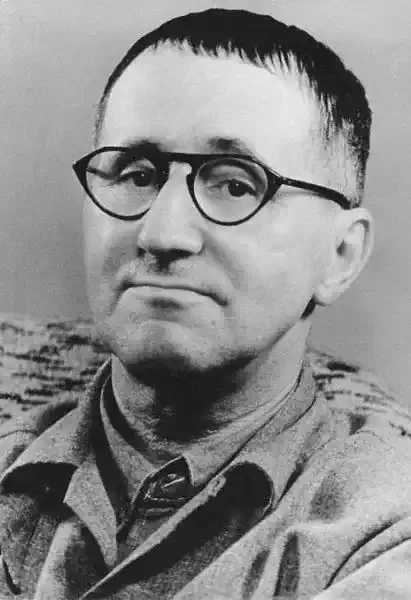
Bertolt Brecht
Alabama Song
Show me the way to the next whisky bar
Oh, don't ask why, oh, don't ask why
Show me the way to the next whisky bar
Oh, don't ask why, oh, don't ask why
For if we don't find the next whisky bar
I tell you we must die
I tell you we must die
I tell you
I tell you
I tell you we must die
Oh, moon of Alabama
We now must say say good-bye
We've lost our good old mamma
And must have whisky
Oh, you know why.
Show me the way to the next pretty girl
Oh, don't ask why, oh, don't ask why
Show me the way to the next pretty girl
Oh don't ask why, oh, don't ask why
For if we don't find the next pretty girl
I tell you we must die
I tell you we must die
I tell you
I tell you
I tell you we must die
Oh, moon of Alabama
We now must say good-bye
We've lost our good old mamma
And must have a girl
Oh, you know why.
Show me the way to the next little dollar
Oh, don't ask why, oh, don't ask why
Show me the way to the next little dollar
Oh, don't ask why, oh, don't ask why
For if we don't find the next little dollar
I tell you we must die
I tell you we must die
I tell you
I tell you
I tell you we must die
Oh, moon of Alabama
We now must say good-bye
We've lost our good old mamma
And must have dollars
Oh, you know why.
Oh, don't ask why, oh, don't ask why
Show me the way to the next whisky bar
Oh, don't ask why, oh, don't ask why
For if we don't find the next whisky bar
I tell you we must die
I tell you we must die
I tell you
I tell you
I tell you we must die
Oh, moon of Alabama
We now must say say good-bye
We've lost our good old mamma
And must have whisky
Oh, you know why.
Show me the way to the next pretty girl
Oh, don't ask why, oh, don't ask why
Show me the way to the next pretty girl
Oh don't ask why, oh, don't ask why
For if we don't find the next pretty girl
I tell you we must die
I tell you we must die
I tell you
I tell you
I tell you we must die
Oh, moon of Alabama
We now must say good-bye
We've lost our good old mamma
And must have a girl
Oh, you know why.
Show me the way to the next little dollar
Oh, don't ask why, oh, don't ask why
Show me the way to the next little dollar
Oh, don't ask why, oh, don't ask why
For if we don't find the next little dollar
I tell you we must die
I tell you we must die
I tell you
I tell you
I tell you we must die
Oh, moon of Alabama
We now must say good-bye
We've lost our good old mamma
And must have dollars
Oh, you know why.
754