
Disillusionment and Lost Love

Lord Byron
Written Shortly After The Marriage Of Miss Chaworth
Hills of Annesley, bleak and barren,
Where my thoughtless childhood stray'd,
How the northern tempests, warring,
Howl above thy tufted shade!
Now no more, the hours beguiling,
Former favourite haunts I see;
Now no more my Mary smiling
Makes ye seem a heaven to me.
Where my thoughtless childhood stray'd,
How the northern tempests, warring,
Howl above thy tufted shade!
Now no more, the hours beguiling,
Former favourite haunts I see;
Now no more my Mary smiling
Makes ye seem a heaven to me.
456

Ella Wheeler Wilcox
The Duet
I was smoking a cigarette;
Maud, my wife, and the tenor McKey
Were singing together a blithe duet,
And days it were better I should forget
Came suddenly back to me,
Days when life seemed a gay masque ball
And to love and be loved as the sum of it all.
As they sang together the whole scene fled,
The room’s rich hangings, the sweet home air,
Stately Maud, with her proud blonde head,
And I seemed to see in her place instead
A wealth of blue-black hair,
And a face, ah! your face, - yours, Lisette,
A face it were wiser I should forget.
We were back – well, no matter when or where,
But you remember, I know, Lisette,
I saw you, dainty, and debonnaire,
With the very same look you used to wear
In the days I should forget.
And your lips, as red as the vintage we quaffed,
Were pearl-edged bumpers of wine when you laughed.
Two small slippers with big rosettes
Peeped out under your kilt-skirt there,
While we sat smoking our cigarettes
(Oh, I shall be dust when my heart forgets!)
And singing that selfsame air;
And between the verses for interlude,
I kissed your throat, and your shoulders nude.
You were so full of a subtle fire,
You were so warm and so sweet, Lisette;
You were everything men admire,
And there were no fetters to make us tire;
For you were – a pretty grisette.
But you loved, as only such natures can,
With a love that makes heaven of hell for a man.
****
They have ceased singing that old duet,
Stately Maud and the tenor McKey.
‘You are burning your coat with your cigarette,
And qu’avez-vous, dearest, your lids are wet, ’
Maud says, as she leans o’er me.
And I smile, and lie to her, husband-wise,
‘Oh, it is nothing but smoke in my eyes.’
458
Ella Wheeler Wilcox
Only A Sad Mistake
Only a blunder-a sad mistake;
All my own fault and mine alone.
The saddest error a heart can make;
I was so young, or I would have known.
Only his rare, sweet, tender smile;
Only a lingering touch of his hand.
I think I was dreaming all the while,
The reason I did not understand.
Yet, somewhere, I've read men woo this way;
That eyes speak, sometimes, before the tongue.
And I was sure he would speak some day;
Pardon the folly-I was so young.
Was I, say-for now I am old!
So old, it seems like a hundred years
Since I felt my heart growing hard and cold
With a pain too bitter and deep for tears.
I saw him lean over the stranger's chair,
With a warm, new light in his beautiful eyes;
And I woke from my dreaming, then and there,
And went out of my self-made Paradise.
He never loved me-I know, I see!
Such sad, sad blunders as young hearts make.
She did not win him away from me,
For he was not mine. It was my mistake.
A woman should wait for a man to speak
Before she dreams of his love, I own;
But I was a girl-girls' hearts are weak;
And the pain, like the fault, is mine alone.
458

Rudyard Kipling
The Penalty
Once in life I watched a Star;
But I whistled, "Let her go!
There are others, fairer far,
Which my favouring skies shall show
Here I lied, and herein I
Stood to pay the penalty.
Marvellous the Planets shone
As I ranged from coast to coast--
But beyond comparison
Rode the Star that I had lost.
I had lied, and only I
Did not guess the penalty! . . .
When my Heavens were turned to blood,
When the dark had filled my day,
Furthest, but most faithful, stood
That lone Star I cast away.
I had loved myself, and I
Have not lived and dare not die!
458
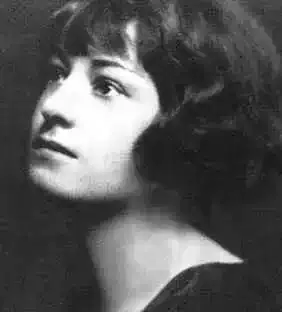
Dorothy Parker
A Fairly Sad Tale
I think that I shall never know
Why I am thus, and I am so.
Around me, other girls inspire
In men the rush and roar of fire,
The sweet transparency of glass,
The tenderness of April grass,
The durability of granite;
But me- I don't know how to plan it.
The lads I've met in Cupid's deadlock
Were- shall we say?- born out of wedlock.
They broke my heart, they stilled my song,
And said they had to run along,
Explaining, so to sop my tears,
First came their parents or careers.
But ever does experience
Deny me wisdom, calm, and sense!
Though she's a fool who seeks to capture
The twenty-first fine, careless rapture,
I must go on, till ends my rope,
Who from my birth was cursed with hope.
A heart in half is chaste, archaic;
But mine resembles a mosaic-
The thing's become ridiculous!
Why am I so? Why am I thus?
451

Emily Dickinson
A darting fear-a pomp-a tear
A darting fear-a pomp-a tear-
A waking on a morn
To find that what one waked for,
Inhales the different dawn.
A waking on a morn
To find that what one waked for,
Inhales the different dawn.
450
Ella Wheeler Wilcox
Time And Love
Time flies. The swift hours hurry by
And speed us on to untried ways;
New seasons ripen, perish, die,
And yet love stays.
The old, old love – like sweet at first,
At last like bitter wine –
I know not if it blest or curst,
Thy life and mine.
Time flies. In vain our prayers, our tears,
We cannot tempt him to delays;
Down to the past he bears the years,
And yet love stays.
Through changing task and varying dream
We hear the same refrain,
As one can hear a plaintive theme
Run through each strain.
Time flies. He steals out pulsing youth,
He robs us of our care-free days,
He takes away our trust and truth,
And yet love stays.
O Time! take love! When love is vain,
When all its best joys die –
When only its regrets remain –
Let love, too, fly.
447
Ella Wheeler Wilcox
Only A Slight Flirtation
‘Twas just a slight flirtation,
And where’s the harm, I pray,
In that amusing pastime
So much in vogue to-day?
Her hand was plighted elsewhere
To one she held most dear,
But why should she sit lonely
When other men are near?
They walked to church together,
They sat upon the shore.
She found him entertaining,
He found her something more.
They rambled in the moonlight;
It made her look so fair,
She let him praise her beauty,
And kiss her flowing hair.
‘Twas just a nice flirtation.
So sad the fellow died.
Was drowned one day while boating,
The week she was a bride.’
A life went out in darkness,
A mother’s fond heart broke,
A maiden pined in secret –
With grief she never spoke.
While robed in bridal whiteness,
Queen of a festal throng,
She moved, whose slight flirtation
Had wrought this triple wrong.
447

William Butler Yeats
Two Years Later
HAS no one said those daring
Kind eyes should be more learn'd?
Or warned you how despairing
The moths are when they are burned?
I could have warned you; but you are young,
So we speak a different tongue.
O you will take whatever's offered
And dream that all the world's a friend,
Suffer as your mother suffered,
Be as broken in the end.
But I am old and you are young,
And I speak a barbarous tongue.
445
Rudyard Kipling
The Kingdom
Now we are come to our Kingdom,
And the State is thus and thus;
Our legions wait at the Palace gate—
Little it profits us.
Now we are come to our Kingdom!
Now we are come to our Kingdom,
And the Crown is ours to take—
With a naked sword at the Council board,
And under the throne the snake.
Now we are come to our Kingdom !
Now we are come to our Kingdom,
And the Realm is ours by right,
With shame and fear for our daily cheer,
And heaviness at night.
Now we are come to our Kingdom !
Now we are come to our Kingdom,
But my love's eyelids fall.
All that I wrought for, all that I fought for,
Delight her nothing at all.
My crown is of withered leaves,
For she sits in the dust and grieves.
Now we are come to our Kingdom !
445
William Butler Yeats
Ephemera
'YOUR eyes that once were never weary of mine
Are bowed in sotrow under pendulous lids,
Because our love is waning.'
And then She:
'Although our love is waning, let us stand
By the lone border of the lake once more,
Together in that hour of gentleness
When the poor tired child, passion, falls asleep.
How far away the stars seem, and how far
Is our first kiss, and ah, how old my heart!'
Pensive they paced along the faded leaves,
While slowly he whose hand held hers replied:
'Passion has often worn our wandering hearts.'
The woods were round them, and the yellow leaves
Fell like faint meteors in the gloom, and once
A rabbit old and lame limped down the path;
Autumn was over him: and now they stood
On the lone border of the lake once more:
Turning, he saw that she had thrust dead leaves
Gathered in silence, dewy as her eyes,
In bosom and hair.
'Ah, do not mourn,' he said,
'That we are tired, for other loves await us;
Hate on and love through unrepining hours.
Before us lies eternity; our souls
Are love, and a continual farewell.'
442
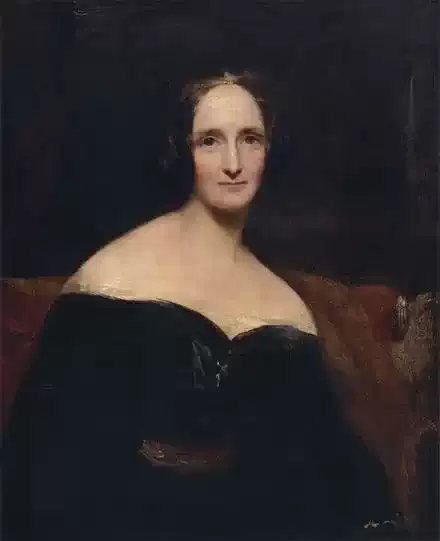
Percy Bysshe Shelley
Rosalind and Helen: a Modern Eclogue
ROSALIND, HELEN, and her Child.
SCENE. The Shore of the Lake of Como.
HELEN
Come hither, my sweet Rosalind.
'T is long since thou and I have met;
And yet methinks it were unkind
Those moments to forget.
Come, sit by me. I see thee stand
By this lone lake, in this far land,
Thy loose hair in the light wind flying,
Thy sweet voice to each tone of even
United, and thine eyes replying
To the hues of yon fair heaven.
Come, gentle friend! wilt sit by me?
And be as thou wert wont to be
Ere we were disunited?
None doth behold us now; the power
That led us forth at this lone hour
Will be but ill requited
If thou depart in scorn. Oh, come,
And talk of our abandoned home!
Remember, this is Italy,
And we are exiles. Talk with me
Of that our land, whose wilds and floods,
Barren and dark although they be,
Were dearer than these chestnut woods;
Those heathy paths, that inland stream,
And the blue mountains, shapes which seem
Like wrecks of childhood's sunny dream;
Which that we have abandoned now,
Weighs on the heart like that remorse
Which altered friendship leaves. I seek
No more our youthful intercourse.
That cannot be! Rosalind, speak,
Speak to me! Leave me not! When morn did come,
When evening fell upon our common home,
When for one hour we parted,--do not frown;
I would not chide thee, though thy faith is broken;
But turn to me. Oh! by this cherished token
Of woven hair, which thou wilt not disown,
Turn, as 't were but the memory of me,
And not my scornèd self who prayed to thee!
ROSALIND
Is it a dream, or do I see
And hear frail Helen? I would flee
Thy tainting touch; but former years
Arise, and bring forbidden tears;
And my o'erburdened memory
Seeks yet its lost repose in thee.
I share thy crime. I cannot choose
But weep for thee; mine own strange grief
But seldom stoops to such relief;
Nor ever did I love thee less,
Though mourning o'er thy wickedness
Even with a sister's woe. I knew
What to the evil world is due,
And therefore sternly did refuse
To link me with the infamy
Of one so lost as Helen. Now,
Bewildered by my dire despair,
Wondering I blush, and weep that thou
Shouldst love me still--thou only!--There,
Let us sit on that gray stone
Till our mournful talk be done.
HELEN
Alas! not there; I cannot bear
The murmur of this lake to hear.
A sound from there, Rosalind dear,
Which never yet I heard elsewhere
But in our native land, recurs,
Even here where now we meet. It stirs
Too much of suffocating sorrow!
In the dell of yon dark chestnut wood
Is a stone seat, a solitude
Less like our own. The ghost of peace
Will not desert this spot. To-morrow,
If thy kind feelings should not cease,
We may sit here.
ROSALIND
Thou lead, my sweet,
And I will follow.
HENRY
'T is Fenici's seat
Where you are going? This is not the way,
Mamma; it leads behind those trees that grow
Close to the little river.
HELEN
Yes, I know;
I was bewildered. Kiss me and be gay,
Dear boy; why do you sob?
HENRY
I do not know;
But it might break any one's heart to see
You and the lady cry so bitterly.
HELEN
It is a gentle child, my friend. Go home,
Henry, and play with Lilla till I come.
We only cried with joy to see each other;
We are quite merry now. Good night.
The boy
Lifted a sudden look upon his mother,
And, in the gleam of forced and hollow joy
Which lightened o'er her face, laughed with the glee
Of light and unsuspecting infancy,
And whispered in her ear, 'Bring home with you
That sweet strange lady-friend.' Then off he flew,
But stopped, and beckoned with a meaning smile,
Where the road turned. Pale Rosalind the while,
Hiding her face, stood weeping silently.
In silence then they took the way
Beneath the forest's solitude.
It was a vast and antique wood,
Through which they took their way;
And the gray shades of evening
O'er that green wilderness did fling
Still deeper solitude.
Pursuing still the path that wound
The vast and knotted trees around,
Through which slow shades were wandering,
To a deep lawny dell they came,
To a stone seat beside a spring,
O'er which the columned wood did frame
A roofless temple, like the fane
Where, ere new creeds could faith obtain,
Man's early race once knelt beneath
The overhanging deity.
O'er this fair fountain hung the sky,
Now spangled with rare stars. The snake,
The pale snake, that with eager breath
Creeps here his noontide thirst to slake,
Is beaming with many a mingled hue,
Shed from yon dome's eternal blue,
When he floats on that dark and lucid flood
In the light of his own loveliness;
And the birds, that in the fountain dip
Their plumes, with fearless fellowship
Above and round him wheel and hover.
The fitful wind is heard to stir
One solitary leaf on high;
The chirping of the grasshopper
Fills every pause. There is emotion
In all that dwells at noontide here;
Then through the intricate wild wood
A maze of life and light and motion
Is woven. But there is stillness now--
Gloom, and the trance of Nature now.
The snake is in his cave asleep;
The birds are on the branches dreaming;
Only the shadows creep;
Only the glow-worm is gleaming;
Only the owls and the nightingales
Wake in this dell when daylight fails,
And gray shades gather in the woods;
And the owls have all fled far away
In a merrier glen to hoot and play,
For the moon is veiled and sleeping now.
The accustomed nightingale still broods
On her accustomed bough,
But she is mute; for her false mate
Has fled and left her desolate.
This silent spot tradition old
Had peopled with the spectral dead.
For the roots of the speaker's hair felt cold
And stiff, as with tremulous lips he told
That a hellish shape at midnight led
The ghost of a youth with hoary hair,
And sate on the seat beside him there,
Till a naked child came wandering by,
When the fiend would change to a lady fair!
A fearful tale! the truth was worse;
For here a sister and a brother
Had solemnized a monstrous curse,
Meeting in this fair solitude;
For beneath yon very sky,
Had they resigned to one another
Body and soul. The multitude,
Tracking them to the secret wood,
Tore limb from limb their innocent child,
And stabbed and trampled on its mother;
But the youth, for God's most holy grace,
A priest saved to burn in the market-place.
Duly at evening Helen came
To this lone silent spot,
From the wrecks of a tale of wilder sorrow
So much of sympathy to borrow
As soothed her own dark lot.
Duly each evening from her home,
With her fair child would Helen come
To sit upon that antique seat,
While the hues of day were pale;
And the bright boy beside her feet
Now lay, lifting at intervals
His broad blue eyes on her;
Now, where some sudden impulse calls,
Following. He was a gentle boy
And in all gentle sorts took joy.
Oft in a dry leaf for a boat,
With a small feather for a sail,
His fancy on that spring would float,
If some invisible breeze might stir
Its marble calm; and Helen smiled
Through tears of awe on the gay child,
To think that a boy as fair as he,
In years which never more may be,
By that same fount, in that same wood,
The like sweet fancies had pursued;
And that a mother, lost like her,
Had mournfully sate watching him.
Then all the scene was wont to swim
Through the mist of a burning tear.
For many months had Helen known
This scene; and now she thither turned
Her footsteps, not alone.
The friend whose falsehood she had mourned
Sate with her on that seat of stone.
Silent they sate; for evening,
And the power its glimpses bring,
Had with one awful shadow quelled
The passion of their grief. They sate
With linkèd hands, for unrepelled
Had Helen taken Rosalind's.
Like the autumn wind, when it unbinds
The tangled locks of the nightshade's hair
Which is twined in the sultry summer air
Round the walls of an outworn sepulchre,
Did the voice of Helen, sad and sweet,
And the sound of her heart that ever beat
As with sighs and words she breathed on her,
Unbind the knots of her friend's despair,
Till her thoughts were free to float and flow;
And from her laboring bosom now,
Like the bursting of a prisoned flame,
The voice of a long-pent sorrow came.
ROSALIND
I saw the dark earth fall upon
The coffin; and I saw the stone
Laid over him whom this cold breast
Had pillowed to his nightly rest!
Thou knowest not, thou canst not know
My agony. Oh! I could not weep.
The sources whence such blessings flow
Were not to be approached by me!
But I could smile, and I could sleep,
Though with a self-accusing heart.
In morning's light, in evening's gloom,
I watched--and would not thence depart--
My husband's unlamented tomb.
My children knew their sire was gone;
But when I told them, 'He is dead,'
They laughed aloud in frantic glee,
They clapped their hands and leaped about,
Answering each other's ecstasy
With many a prank and merry shout.
But I sate silent and alone,
Wrapped in the mock of mourning weed.
They laughed, for he was dead; but I
Sate with a hard and tearless eye,
And with a heart which would deny
The secret joy it could not quell,
Low muttering o'er his loathèd name;
Till from that self-contention came
Remorse where sin was none; a hell
Which in pure spirits should not dwell.
I 'll tell thee truth. He was a man
Hard, selfish, loving only gold,
Yet full of guile; his pale eyes ran
With tears which each some falsehood told,
And oft his smooth and bridled tongue
Would give the lie to his flushing cheek;
He was a coward to the strong;
He was a tyrant to the weak,
On whom his vengeance he would wreak;
For scorn, whose arrows search the heart,
From many a stranger's eye would dart,
And on his memory cling, and follow
His soul to its home so cold and hollow.
He was a tyrant to the weak,
And we were such, alas the day!
Oft, when my little ones at play
Were in youth's natural lightness gay,
Or if they listened to some tale
Of travellers, or of fairyland,
When the light from the wood-fire's dying brand
Flashed on their faces,--if they heard
Or thought they heard upon the stair
His footstep, the suspended word
Died on my lips; we all grew pale;
The babe at my bosom was hushed with fear
If it thought it heard its father near;
And my two wild boys would near my knee
Cling, cowed and cowering fearfully.
I 'll tell thee truth: I loved another.
His name in my ear was ever ringing,
His form to my brain was ever clinging;
Yet, if some stranger breathed that name,
My lips turned white, and my heart beat fast.
My nights were once haunted by dreams of flame,
My days were dim in the shadow cast
By the memory of the same!
Day and night, day and night,
He was my breath and life and light,
For three short years, which soon were passed.
On the fourth, my gentle mother
Led me to the shrine, to be
His sworn bride eternally.
And now we stood on the altar stair,
When my father came from a distant land,
And with a loud and fearful cry
Rushed between us suddenly.
I saw the stream of his thin gray hair,
I saw his lean and lifted hand,
And heard his words--and live! O God!
Wherefore do I live?--'Hold, hold!'
He cried, 'I tell thee 't is her brother!
Thy mother, boy, beneath the sod
Of yon churchyard rests in her shroud so cold;
I am now weak, and pale, and old;
We were once dear to one another,
I and that corpse! Thou art our child!'
Then with a laugh both long and wild
The youth upon the pavement fell.
They found him dead! All looked on me,
The spasms of my despair to see;
But I was calm. I went away;
I was clammy-cold like clay.
I did not weep; I did not speak;
But day by day, week after week,
I walked about like a corpse alive.
Alas! sweet friend, you must believe
This heart is stone--it did not break.
My father lived a little while,
But all might see that he was dying,
He smiled with such a woful smile.
When he was in the churchyard lying
Among the worms, we grew quite poor,
So that no one would give us bread;
My mother looked at me, and said
Faint words of cheer, which only meant
That she could die and be content;
So I went forth from the same church door
To another husband's bed.
And this was he who died at last,
When weeks and months and years had passed,
Through which I firmly did fulfil
My duties, a devoted wife,
With the stern step of vanquished will
Walking beneath the night of life,
Whose hours extinguished, like slow rain
Falling forever, pain by pain,
The very hope of death's dear rest;
Which, since the heart within my breast
Of natural life was dispossessed,
Its strange sustainer there had been.
When flowers were dead, and grass was green
Upon my mother's grave--that mother
Whom to outlive, and cheer, and make
My wan eyes glitter for her sake,
Was my vowed task, the single care
Which once gave life to my despair--
When she was a thing that did not stir,
And the crawling worms were cradling her
To a sleep more deep and so more sweet
Than a baby's rocked on its nurse's knee,
I lived; a living pulse then beat
Beneath my heart that awakened me.
What was this pulse so warm and free?
Alas! I knew it could not be
My own dull blood. 'T was like a thought
Of liquid love, that spread and wrought
Under my bosom and in my brain,
And crept with the blood through every vein,
And hour by hour, day after day,
The wonder could not charm away
But laid in sleep my wakeful pain,
Until I knew it was a child,
And then I wept. For long, long years
These frozen eyes had shed no tears;
But now--'t was the season fair and mild
When April has wept itself to May;
I sate through the sweet sunny day
By my window bowered round with leaves,
And down my cheeks the quick tears ran
Like twinkling rain-drops from the eaves,
When warm spring showers are passing o'er.
O Helen, none can ever tell
The joy it was to weep once more!
I wept to think how hard it were
To kill my babe, and take from it
The sense of light, and the warm air,
And my own fond and tender care,
And love and smiles; ere I knew yet
That these for it might, as for me,
Be the masks of a grinning mockery.
And haply, I would dream, 't were sweet
To feed it from my faded breast,
Or mark my own heart's restless beat
And watch the growing soul beneath
Dawn in faint smiles; and hear its breath,
Half interrupted by calm sighs,
And search the depth of its fair eyes
For long departed memories!
And so I lived till that sweet load
Was lightened. Darkly forward flowed
The stream of years, and on it bore
Two shapes of gladness to my sight;
Two other babes, delightful more,
In my lost soul's abandoned night,
Than their own country ships may be
Sailing towards wrecked mariners
Who cling to the rock of a wintry sea.
For each, as it came, brought soothing tears;
And a loosening warmth, as each one lay
Sucking the sullen milk away,
About my frozen heart did play,
And weaned it, oh, how painfully--
As they themselves were weaned each one
From that sweet food--even from the thirst
Of death, and nothingness, and rest,
Strange inmate of a living breast,
Which all that I had undergone
Of grief and shame, since she who first
The gates of that dark refuge closed
Came to my sight, and almost burst
The seal of that Lethean spring--
But these fair shadows interposed.
For all delights are shadows now!
And from my brain to my dull brow
The heavy tears gather and flow.
I cannot speak--oh, let me weep!
The tears which fell from her wan eyes
Glimmered among the moonlight dew.
Her deep hard sobs and heavy sighs
Their echoes in the darkness threw.
When she grew calm, she thus did keep
The tenor of her tale:--
He died;
I know not how; he was not old,
If age be numbered by its years;
But he was bowed and bent with fears,
Pale with the quenchless thirst of gold,
Which, like fierce fever, left him weak;
And his strait lip and bloated cheek
Were warped in spasms by hollow sneers;
And selfish cares with barren plough,
Not age, had lined his narrow brow,
And foul and cruel thoughts, which feed
Upon the withering life within,
Like vipers on some poisonous weed.
Whether his ill were death or sin
None knew, until he died indeed,
And then men owned they were the same.
Seven days within my chamber lay
That corse, and my babes made holiday.
At last, I told them what is death.
The eldest, with a kind of shame,
Came to my knees with silent breath,
And sate awe-stricken at my feet;
And soon the others left their play,
And sate there too. It is unmeet
To shed on the brief flower of youth
The withering knowledge of the grave.
From me remorse then wrung that truth.
I could not bear the joy which gave
Too just a response to mine own.
In vain. I dared not feign a groan;
And in their artless looks I saw,
Between the mists of fear and awe,
That my own thought was theirs; and they
Expressed it not in words, but said,
Each in its heart, how every day
Will pass in happy work and play,
Now he is dead and gone away!
After the funeral all our kin
Assembled, and the will was read.
My friend, I tell thee, even the dead
Have strength, their putrid shrouds within,
To blast and torture. Those who live
Still fear the living, but a corse
Is merciless, and Power doth give
To such pale tyrants half the spoil
He rends from those who groan and toil,
Because they blush not with remorse
Among their crawling worms. Behold,
I have no child! my tale grows old
With grief, and staggers; let it reach
The limits of my feeble speech,
And languidly at length recline
On the brink of its own grave and mine.
Thou knowest what a thing is Poverty
Among the fallen on evil days.
'T is Crime, and Fear, and Infamy,
And houseless Want in frozen ways
Wandering ungarmented, and Pain,
And, worse than all, that inward stain,
Foul Self-contempt, which drowns in sneers
Youth's starlight smile, and makes its tears
First like hot gall, then dry forever!
And well thou knowest a mother never
Could doom her children to this ill,
And well he knew the same. The will
Imported that, if e'er again
I sought my children to behold,
Or in my birthplace did remain
Beyond three days, whose hours were told,
They should inherit nought; and he,
To whom next came their patrimony,
A sallow lawyer, cruel and cold,
Aye watched me, as the will was read,
With eyes askance, which sought to see
The secrets of my agony;
And with close lips and anxious brow
Stood canvassing still to and fro
The chance of my resolve, and all
The dead man's caution just did call;
For in that killing lie 't was said--
'She is adulterous, and doth hold
In secret that the Christian creed
Is false, and therefore is much need
That I should have a care to save
My children from eternal fire.'
Friend, he was sheltered by the grave,
And therefore dared to be a liar!
In truth, the Indian on the pyre
Of her dead husband, half consumed,
As well might there be false as I
To those abhorred embraces doomed,
Far worse than fire's brief agony.
As to the Christian creed, if true
Or false, I never questioned it;
I took it as the vulgar do;
Nor my vexed soul had leisure yet
To doubt the things men say, or deem
That they are other than they seem.
All present who those crimes did hear,
In feigned or actual scorn and fear,
Men, women, children, slunk away,
Whispering with self-contented pride
Which half suspects its own base lie.
I spoke to none, nor did abide,
But silently I went my way,
Nor noticed I where joyously
Sate my two younger babes at play
In the courtyard through which I passed;
But went with footsteps firm and fast
Till I came to the brink of the ocean green,
And there, a woman with gray hairs,
Who had my mother's servant been,
Kneeling, with many tears and prayers,
Made me accept a purse of gold,
Half of the earnings she had kept
To refuge her when weak and old.
With woe, which never sleeps or slept,
I wander now. 'T is a vain thought--
But on yon Alp, whose snowy head
'Mid the azure air is islanded,
(We see it--o'er the flood of cloud,
Which sunrise from its eastern caves
Drives, wrinkling into golden waves,
Hung with its precipices proud--
From that gray stone where first we met)
There--now who knows the dead feel nought?--
Should be my grave; for he who yet
Is my soul's soul once said: ''T were sweet
'Mid stars and lightnings to abide,
And winds, and lulling snows that beat
With their soft flakes the mountain wide,
Where weary meteor lamps repose,
And languid storms their pinions close,
And all things strong and bright and pure,
And ever during, aye endure.
Who knows, if one were buried there,
But these things might our spirits make,
Amid the all-surrounding air,
Their own eternity partake?'
Then 't was a wild and playful saying
At which I laughed or seemed to laugh.
They were his words--now heed my praying,
And let them be my epitaph.
Thy memory for a term may be
My monument. Wilt remember me?
I know thou wilt; and canst forgive,
Whilst in this erring world to live
My soul disdained not, that I thought
Its lying forms were worthy aught,
And much less thee.
HELEN
Oh, speak not so!
But come to me and pour thy woe
Into this heart, full though it be,
Aye overflowing with its own.
I thought that grief had severed me
From all beside who weep and groan,
Its likeness upon earth to be--
Its express image; but thou art
More wretched. Sweet, we will not part
Henceforth, if death be not division;
If so, the dead feel no contrition.
But wilt thou hear, since last we parted,
All that has left me broken-hearted?
ROSALIND
Yes, speak. The faintest stars are scarcely shorn
Of their thin beams by that delusive morn
Which sinks again in darkness, like the light
Of early love, soon lost in total night.
HELEN
Alas! Italian winds are mild,
But my bosom is cold--wintry cold;
When the warm air weaves, among the fresh leaves,
Soft music, my poor brain is wild,
And I am weak like a nursling child,
Though my soul with grief is gray and old.
ROSALIND
Weep not at thine own words, though they must make
Me weep. What is thy tale?
HELEN
I fear 't will shake
Thy gentle heart with tears. Thou well
Rememberest when we met no more;
And, though I dwelt with Lionel,
That friendless caution pierced me sore
With grief; a wound my spirit bore
Indignantly--but when he died,
With him lay dead both hope and pride.
Alas! all hope is buried now.
But then men dreamed the aged earth
Was laboring in that mighty birth
Which many a poet and a sage
Has aye foreseen--the happy age
When truth and love shall dwell below
Among the works and ways of men;
Which on this world not power but will
Even now is wanting to fulfil.
Among mankind what thence befell
Of strife, how vain, is known too well;
When Liberty's dear pæan fell
'Mid murderous howls. To Lionel,
Though of great wealth and lineage high,
Yet through those dungeon walls there came
Thy thrilling light, O Liberty!
And as the meteor's midnight flame
Startles the dreamer, sun-like truth
Flashed on his visionary youth,
And filled him, not with love, but faith,
And hope, and courage mute in death;
For love and life in him were twins,
Born at one birth. In every other
First life, then love, its course begins,
Though they be children of one mother;
And so through this dark world they fleet
Divided, till in death they meet;
But he loved all things ever. Then
He passed amid the strife of men,
And stood at the throne of armèd power
Pleading for a world of woe.
Secure as one on a rock-built tower
O'er the wrecks which the surge trails to and fro,
'Mid the passions wild of humankind
He stood, like a spirit calming them;
For, it was said, his words could bind
Like music the lulled crowd, and stem
That torrent of unquiet dream
Which mortals truth and reason deem,
But is revenge and fear and pride.
Joyous he was; and hope and peace
On all who heard him did abide,
Raining like dew from his sweet talk,
As where the evening star may walk
Along the brink of the gloomy seas,
Liquid mists of splendor quiver.
His very gestures touched to tears
The unpersuaded tyrant, never
So moved before; his presence stung
The torturers with their victim's pain,
And none knew how; and through their ears
The subtle witchcraft of his tongue
Unlocked the hearts of those who keep
Gold, the world's bond of slavery.
Men wondered, and some sneered to see
One sow what he could never reap;
For he is rich, they said, and young,
And might drink from the depths of luxury.
If he seeks fame, fame never crowned
The champion of a trampled creed;
If he seeks power, power is enthroned
'Mid ancient rights and wrongs, to feed
Which hungry wolves with praise and spoil
Those who would sit near power must toil;
And such, there sitting, all may see.
What seeks he? All that others seek
He casts away, like a vile weed
Which the sea casts unreturningly.
That poor and hungry men should break
The laws which wreak them toil and scorn
We understand; but Lionel,
We know, is rich and nobly born.
So wondered they; yet all men loved
Young Lionel, though few approved;
All but the priests, whose hatred fell
Like the unseen blight of a smiling day,
The withering honey-dew which clings
Under the bright green buds of May
Whilst they unfold their emerald wings;
For he made verses wild and queer
On the strange creeds priests hold so dear
Because they bring them land and gold.
Of devils and saints and all such gear
He made tales which whoso heard or read
Would laugh till he were almost dead.
So this grew a proverb: 'Don't get old
Till Lionel's Banquet in Hell you hear,
And then you will laugh yourself young again.'
So the priests hated him, and he
Repaid their hate with cheerful glee.
Ah, smiles and joyance quickly died,
For public hope grew pale and dim
In an altered time and tide,
And in its wasting withered him,
As a summer flower that blows too soon
Droops in the smile of the waning moon,
When it scatters through an April night
The frozen dews of wrinkling blight.
None now hoped more. Gray Power was seated
Safely on her ancestral throne;
And Faith, the Python, undefeated
Even to its blood-stained steps dragged on
Her foul and wounded train; and men
Were trampled and deceived again,
And words and shows again could bind
The wailing tribes of humankind
In scorn and famine. Fire and blood
Raged round the raging multitude,
To fields remote by tyrants sent
To be the scornèd instrument
With which they drag from mines of gore
The chains their slaves yet ever wore;
And in the streets men met each other,
And by old altars and in halls,
And smiled again at festivals.
But each man found in his heart's brother
Cold cheer; for all, though half deceived,
The outworn creeds again believed,
And the same round anew began
Which the weary world yet ever ran.
Many then wept, not tears, but gall,
Within their hearts, like drops which fall
Wasting the fountain-stone away.
And in that dark and evil day
Did all desires and thoughts that claim
Men's care--ambition, friendship, fame,
Love, hope, though hope was now despair--
Indue the colors of this change,
As from the all-surrounding air
The earth takes hues obscure and strange,
When storm and earthquake linger there.
And so, my friend, it then befell
To many,--most to Lionel,
Whose hope was like the life of youth
Within him, and when dead became
A spirit of unresting flame,
Which goaded him in his distress
Over the world's vast wilderness.
Three years he left his native land,
And on the fourth, when he returned,
None knew him; he was stricken deep
With some disease of mind, and turned
Into aught unlike Lionel.
On him--on whom, did he pause in sleep,
Serenest smiles were wont to keep,
And, did he wake, a wingèd band
Of bright Persuasions, which had fed
On his sweet lips and liquid eyes,
Kept their swift pinions half outspread
To do on men his least command--
On him, whom once 't was paradise
Even to behold, now misery lay.
In his own heart 't was merciless--
To all things else none may express
Its innocence and tenderness.
'T was said that he had refuge sought
In love from his unquiet thought
In distant lands, and been deceived
By some strange show; for there were found,
Blotted with tears--as those relieved
By their own words are wont to do--
These mournful verses on the ground,
By all who read them blotted too.
'How am I changed! my hopes were once like fire;
I loved, and I believed that life was love.
How am I lost! on wings of swift desire
Among Heaven's winds my spirit once did move.
I slept, and silver dreams did aye inspire
My liquid sleep; I woke, and did approve
All Nature to my heart, and thought to make
A paradise of earth for one sweet sake.
'I love, but I believe in love no more.
I feel desire, but hope not. Oh, from sleep
Most vainly must my weary brain implore
Its long lost flattery now! I wake to weep,
And sit through the long day gnawing the core
Of my bitter heart, and, like a miser, keep--
Since none in what I feel take pain or pleasure--
To my own soul its self-consuming treasure.'
He dwelt beside me near the sea;
And oft in evening did we meet,
When the waves, beneath the starlight, flee
O'er the yellow sands with silver feet,
And talked. Our talk was sad and sweet,
Till slowly from his mien there passed
The desolation which it spoke;
And smiles--as when the lightning's blast
Has parched some heaven-delighting oak,
The next spring shows leaves pale and rare,
But like flowers delicate and fair,
On its rent boughs--again arrayed
His countenance in tender light;
His words grew subtle fire, which made
The air his hearers breathed delight;
His motions, like the winds, were free,
Which bend the bright grass gracefully,
Then fade away in circlets faint;
And wingèd Hope--on which upborne
His soul seemed hovering in his eyes,
Like some bright spirit newly born
Floating amid the sunny skies--
Sprang forth from his rent heart anew.
Yet o'er his talk, and looks, and mien,
Tempering their loveliness too keen,
Past woe its shadow backward threw;
Till, like an exhalation spread
From flowers half drunk with evening dew,
They did become infectious--sweet
And subtle mists of sense and thought,
Which wrapped us soon, when we might meet,
Almost from our own looks and aught
The wild world holds. And so his mind
Was healed, while mine grew sick with fear;
For ever now his health declined,
Like some frail bark which cannot bear
The impulse of an altered wind,
Though prosperous; and my heart grew full,
'Mid its new joy, of a new care;
For his cheek became, not pale, but fair,
As rose-o'ershadowed lilies are;
And soon his deep and sunny hair,
In this alone less beautiful,
Like grass in tombs grew wild and rare.
The blood in his translucent veins
Beat, not like animal life, but love
Seemed now its sullen springs to move,
When life had failed, and all its pains;
And sudden sleep would seize him oft
Like death, so calm,--but that a tear,
His pointed eye-lashes between,
Would gather in the light serene
Of smiles whose lustre bright and soft
Beneath lay undulating there.
His breath was like inconstant flame
As eagerly it went and came;
And I hung o'er him in his sleep,
Till, like an image in the lake
Which rains disturb, my tears would break
The shadow of that slumber deep.
Then he would bid me not to weep,
And say, with flattery false yet sweet,
That death and he could never meet,
If I would never part with him.
And so we loved, and did unite
All that in us was yet divided;
For when he said, that many a rite,
By men to bind but once provided,
Could not be shared by him and me,
Or they would kill him in their glee,
I shuddered, and then laughing said--
'We will have rites our faith to bind,
But our church shall be the starry night,
Our altar the grassy earth outspread,
And our priest the muttering wind.'
'T was sunset as I spoke. One star
Had scarce burst forth, when from afar
The ministers of misrule sent
Seized upon Lionel, and bore
His chained limbs to a dreary tower,
In the midst of a city vast and wide.
For he, they said, from his mind had bent
Against their gods keen blasphemy,
For which, though his soul must roasted be
In hell's red lakes immortally,
Yet even on earth must he abide
The vengeance of their slaves: a trial,
I think, men call it. What avail
Are prayers and tears, which chase denial
From the fierce savage nursed in hate?
What the knit soul that pleading and pale
Makes wan the quivering cheek which late
It painted with its own delight?
We were divided. As I could,
I stilled the tingling of my blood,
And followed him in their despite,
As a widow follows, pale and wild,
The murderers and corse of her only child;
And when we came to the prison door,
And I prayed to share his dungeon floor
With prayers which rarely have been spurned,
And when men drove me forth, and I
Stared with blank frenzy on the sky,--
A farewell look of love he turned,
Half calming me; then gazed awhile,
As if through that black and massy pile,
And through the crowd around him there,
And through the dense and murky air,
And the thronged streets, he did espy
What poets know and prophesy;
And said, with voice that made them shiver
And clung like music in my brain,
And which the mute walls spoke again
Prolonging it with deepened strain--
'Fear not the tyrants shall rule forever,
Or the priests of the bloody faith;
They stand on the brink of that mighty river,
Whose waves they have tainted with death;
It is fed from the depths of a thousand dells,
Around them it foams, and rages, and swells,
And their swords and their sceptres I floating see,
Like wrecks, in the surge of eternity.'
I dwelt beside the prison gate;
And the strange crowd that out and in
Passed, some, no doubt, with mine own fate,
Might have fretted me with its ceaseless din,
But the fever of care was louder within.
Soon but too late, in penitence
Or fear, his foes released him thence.
I saw his thin and languid form,
As leaning on the jailor's arm,
Whose hardened eyes grew moist the while
To meet his mute and faded smile
And hear his words of kind farewell,
He tottered forth from his damp cell.
Many had never wept before,
From whom fast tears then gushed and fell;
Many will relent no more,
Who sobbed like infants then; ay, all
Who thronged the prison's stony hall,
The rulers or the slaves of law,
Felt with a new surprise and awe
That they were human, till strong shame
Made them again become the same.
The prison bloodhounds, huge and grim,
From human looks the infection caught,
And fondly crouched and fawned on him;
And men have heard the prisoners say,
Who in their rotting dungeons lay,
That from that hour, throughout one day,
The fierce despair and hate which kept
Their trampled bosoms almost slept,
Where, like twin vultures, they hung feeding
On each heart's wound, wide torn and bleeding,--
Because their jailors' rule, they thought,
Grew merciful, like a parent's sway.
I know not how, but we were free;
And Lionel sate alone with me,
As the carriage drove through the streets apace;
And we looked upon each other's face;
And the blood in our fingers intertwined
Ran like the thoughts of a single mind,
As the swift emotions went and came
Through the veins of each united frame.
So through the long, long streets we passed
Of the million-peopled City vast;
Which is that desert, where each one
Seeks his mate yet is alone,
Beloved and sought and mourned of none;
Until the clear blue sky was seen,
And the grassy meadows bright and green.
And then I sunk in his embrace
Enclosing there a mighty space
Of love; and so we travelled on
By woods, and fields of yellow flowers,
And towns, and villages, and towers,
Day after day of happy hours.
It was the azure time of June,
When the skies are deep in the stainless noon,
And the warm and fitful breezes shake
The fresh green leaves of the hedge-row briar;
And there were odors then to make
The very breath we did respire
A liquid element, whereon
Our spirits, like delighted things
That walk the air on subtle wings,
Floated and mingled far away
'Mid the warm winds of the sunny day.
And when the evening star came forth
Above the curve of the new bent moon,
And light and sound ebbed from the earth,
Like the tide of the full and the weary sea
To the depths of its own tranquillity,
Our natures to its own repose
Did the earth's breathless sleep attune;
Like flowers, which on each other close
Their languid leaves when daylight's gone,
We lay, till new emotions came,
Which seemed to make each mortal frame
One soul of interwoven flame,
A life in life, a second birth
In worlds diviner far than earth;--
Which, like two strains of harmony
That mingle in the silent sky,
Then slowly disunite, passed by
And left the tenderness of tears,
A soft oblivion of all fears,
A sweet sleep:--so we travelled on
Till we came to the home of Lionel,
Among the mountains wild and lone,
Beside the hoary western sea,
Which near the verge of the echoing shore
The massy forest shadowed o'er.
The ancient steward with hair all hoar,
As we alighted, wept to see
His master changed so fearfully;
And the old man's sobs did waken me
From my dream of unremaining gladness;
The truth flashed o'er me like quick madness
When I looked, and saw that there was death
On Lionel. Yet day by day
He lived, till fear grew hope and faith,
And in my soul I dared to say,
Nothing so bright can pass away;
Death is dark, and foul, and dull,
But he is--oh, how beautiful!
Yet day by day he grew more weak,
And his sweet voice, when he might speak,
Which ne'er was loud, became more low;
And the light which flashed through his waxen cheek
Grew faint, as the rose-like hues which flow
From sunset o'er the Alpine snow;
And death seemed not like death in him,
For the spirit of life o'er every limb
Lingered, a mist of sense and thought.
When the summer wind faint odors brought
From mountain flowers, even as it passed,
His cheek would change, as the noonday sea
Which the dying breeze sweeps fitfully.
If but a cloud the sky o'ercast,
You might see his color come and go,
And the softest strain of music made
Sweet smiles, yet sad, arise and fade
Amid the dew of his tender eyes;
And the breath, with intermitting flow,
Made his pale lips quiver and part.
You might hear the beatings of his heart,
Quick but not strong; and with my tresses
When oft he playfully would bind
In the bowers of mossy lonelinesses
His neck, and win me so to mingle
In the sweet depth of woven caresses,
And our faint limbs were intertwined,--
Alas! the unquiet life did tingle
From mine own heart through every vein,
Like a captive in dreams of liberty,
Who beats the walls of his stony cell.
But his, it seemed already free,
Like the shadow of fire surrounding me!
On my faint eyes and limbs did dwell
That spirit as it passed, till soon--
As a frail cloud wandering o'er the moon,
Beneath its light invisible,
Is seen when it folds its gray wings again
To alight on midnight's dusky plain--
I lived and saw, and the gathering soul
Passed from beneath that strong control,
And I fell on a life which was sick with fear
Of all the woe that now I bear.
Amid a bloomless myrtle wood,
On a green and sea-girt promontory
Not far from where we dwelt, there stood,
In record of a sweet sad story,
An altar and a temple bright
Circled by steps, and o'er the gate
Was sculptured, 'To Fidelity;'
And in the shrine an image sate
All veiled; but there was seen the light
Of smiles which faintly could express
A mingled pain and tenderness
Through that ethereal drapery.
The left hand held the head, the right--
Beyond the veil, beneath the skin,
You might see the nerves quivering within--
Was forcing the point of a barbèd dart
Into its side-convulsing heart.
An unskilled hand, yet one informed
With genius, had the marble warmed
With that pathetic life. This tale
It told: A dog had from the sea,
When the tide was raging fearfully,
Dragged Lionel's mother, weak and pale,
Then died beside her on the sand,
And she that temple thence had planned;
But it was Lionel's own hand
Had wrought the image. Each new moon
That lady did, in this lone fane,
The rites of a religion sweet
Whose god was in her heart and brain.
The seasons' loveliest flowers were strewn
On the marble floor beneath her feet,
And she brought crowns of sea-buds white
Whose odor is so sweet and faint,
And weeds, like branching chrysolite,
Woven in devices fine and quaint;
And tears from her brown eyes did stain
The altar; need but look upon
That dying statue, fair and wan,
If tears should cease, to weep again;
And rare Arabian odors came,
Through the myrtle copses, steaming thence
From the hissing frankincense,
Whose smoke, wool-white as ocean foam,
Hung in dense flocks beneath the dome--
That ivory dome, whose azure night
With golden stars, like heaven, was bright
O'er the split cedar's pointed flame;
And the lady's harp would kindle there
The melody of an old air,
Softer than sleep; the villagers
Mixed their religion up with hers,
And, as they listened round, shed tears.
One eve he led me to this fane.
Daylight on its last purple cloud
Was lingering gray, and soon her strain
The nightingale began; now loud,
Climbing in circles the windless sky,
Now dying music; suddenly
'T is scattered in a thousand notes;
And now to the hushed ear it floats
Like field-smells known in infancy,
Then, failing, soothes the air again.
We sate within that temple lone,
Pavilioned round with Parian stone;
His mother's harp stood near, and oft
I had awakened music soft
Amid its wires; the nightingale
Was pausing in her heaven-taught tale.
'Now drain the cup,' said Lionel,
'Which the poet-bird has crowned so well
With the wine of her bright and liquid song!
Heard'st thou not sweet words among
That heaven-resounding minstrelsy?
Heard'st thou not that those who die
Awake in a world of ecstasy?
That love, when limbs are interwoven,
And sleep, when the night of life is cloven,
And thought, to the world's dim boundaries clinging,
And music, when one beloved is singing,
Is death? Let us drain right joyously
The cup which the sweet bird fills for me.'
He paused, and to my lips he bent
His own; like spirit his words went
Through all my limbs with the speed of fire;
And his keen eyes, glittering through mine,
Filled me with the flame divine
Which in their orbs was burning far,
Like the light of an unmeasured star
In the sky of midnight dark and deep;
Yes, 't was his soul that did inspire
Sounds which my skill could ne'er awaken;
And first, I felt my fingers sweep
The harp, and a long quivering cry
Burst from my lips in symphony;
The dusk and solid air was shaken,
As swift and swifter the notes came
From my touch, that wandered like quick flame,
And from my bosom, laboring
With some unutterable thing.
The awful sound of my own voice made
My faint lips tremble; in some mood
Of wordless thought Lionel stood
So pale, that even beside his cheek
The snowy column from its shade
Caught whiteness; yet his countenance,
Raised upward, burned with radiance
Of spirit-piercing joy whose light,
Like the moon struggling through the night
Of whirlwind-rifted clouds, did break
With beams that might not be confined.
I paused, but soon his gestures kindled
New power, as by the moving wind
The waves are lifted; and my song
To low soft notes now changed and dwindled,
And, from the twinkling wires among,
My languid fingers drew and flung
Circles of life-dissolving sound,
Yet faint; in aëry rings they bound
My Lionel, who, as every strain
Grew fainter but more sweet, his mien
Sunk with the sound relaxedly;
And slowly now he turned to me,
As slowly faded from his face
That awful joy; with look serene
He was soon drawn to my embrace,
And my wild song then died away
In murmurs; words I dare not say
We mixed, and on his lips mine fed
Till they methought felt still and cold.
'What is it with thee, love?' I said;
No word, no look, no motion! yes,
There was a change, but spare to guess,
Nor let that moment's hope be told.
I looked,--and knew that he was dead;
And fell, as the eagle on the plain
Falls when life deserts her brain,
And the mortal lightning is veiled again.
Oh, that I were now dead! but such--
Did they not, love, demand too much,
Those dying murmurs?--he forbade.
Oh, that I once again were mad!
And yet, dear Rosalind, not so,
For I would live to share thy woe.
Sweet boy! did I forget thee too?
Alas, we know not what we do
When we speak words.
No memory more
Is in my mind of that sea-shore.
Madness came on me, and a troop
Of misty shapes did seem to sit
Beside me, on a vessel's poop,
And the clear north wind was driving it.
Then I heard strange tongues, and saw strange flowers,
And the stars methought grew unlike ours,
And the azure sky and the stormless sea
Made me believe that I had died
And waked in a world which was to me
Drear hell, though heaven to all beside.
Then a dead sleep fell on my mind,
Whilst animal life many long years
Had rescued from a chasm of tears;
And, when I woke, I wept to find
That the same lady, bright and wise,
With silver locks and quick brown eyes,
The mother of my Lionel,
Had tended me in my distress,
And died some months before. Nor less
Wonder, but far more peace and joy,
Brought in that hour my lovely boy.
For through that trance my soul had well
The impress of thy being kept;
And if I waked or if I slept,
No doubt, though memory faithless be,
Thy image ever dwelt on me;
And thus, O Lionel, like thee
Is our sweet child. 'T is sure most strange
I knew not of so great a change
As that which gave him birth, who now
Is all the solace of my woe.
That Lionel great wealth had left
By will to me, and that of all
The ready lies of law bereft
My child and me,--might well befall.
But let me think not of the scorn
Which from the meanest I have borne,
When, for my child's belovèd sake,
I mixed with slaves, to vindicate
The very laws themselves do make;
Let me not say scorn is my fate,
Lest I be proud, suffering the same
With those who live in deathless fame.
She ceased.--'Lo, where red morning through the woods
Is burning o'er the dew!' said Rosalind.
And with these words they rose, and towards the flood
Of the blue lake, beneath the leaves, now wind
With equal steps and fingers intertwined.
Thence to a lonely dwelling, where the shore
Is shadowed with steep rocks, and cypresses
Cleave with their dark green cones the silent skies
And with their shadows the clear depths below,
And where a little terrace from its bowers
Of blooming myrtle and faint lemon flowers
Scatters its sense-dissolving fragrance o'er
The liquid marble of the windless lake;
And where the aged forest's limbs look hoar
Under the leaves which their green garments make,
They come. 'T is Helen's home, and clean and white,
Like one which tyrants spare on our own land
In some such solitude; its casements bright
Shone through their vine-leaves in the morning sun,
And even within 't was scarce like Italy.
And when she saw how all things there were planned
As in an English home, dim memory
Disturbed poor Rosalind; she stood as one
Whose mind is where his body cannot be,
Till Helen led her where her child yet slept,
And said, 'Observe, that brow was Lionel's,
Those lips were his, and so he ever kept
One arm in sleep, pillowing his head with it.
You cannot see his eyes--they are two wells
Of liquid love. Let us not wake him yet.'
But Rosalind could bear no more, and wept
A shower of burning tears which fell upon
His face, and so his opening lashes shone
With tears unlike his own, as he did leap
In sudden wonder from his innocent sleep.
So Rosalind and Helen lived together
Thenceforth--changed in all else, yet friends again,
Such as they were, when o'er the mountain heather
They wandered in their youth through sun and rain.
And after many years, for human things
Change even like the ocean and the wind,
Her daughter was restored to Rosalind,
And in their circle thence some visitings
Of joy 'mid their new calm would intervene.
A lovely child she was, of looks serene,
And motions which o'er things indifferent shed
The grace and gentleness from whence they came.
And Helen's boy grew with her, and they fed
From the same flowers of thought, until each mind
Like springs which mingle in one flood became;
And in their union soon their parents saw
The shadow of the peace denied to them.
And Rosalind--for when the living stem
Is cankered in its heart, the tree must fall--
Died ere her time; and with deep grief and awe
The pale survivors followed her remains
Beyond the region of dissolving rains,
Up the cold mountain she was wont to call
Her tomb; and on Chiavenna's precipice
They raised a pyramid of lasting ice,
Whose polished sides, ere day had yet begun,
Caught the first glow of the unrisen sun,
The last, when it had sunk; and through the night
The charioteers of Arctos wheelèd round
Its glittering point, as seen from Helen's home,
Whose sad inhabitants each year would come,
With willing steps climbing that rugged height,
And hang long locks of hair, and garlands bound
With amaranth flowers, which, in the clime's despite,
Filled the frore air with unaccustomed light;
Such flowers as in the wintry memory bloom
Of one friend left adorned that frozen tomb.
Helen, whose spirit was of softer mould,
Whose sufferings too were less, death slowlier led
Into the peace of his dominion cold.
She died among her kindred, being old.
And know, that if love die not in the dead
As in the living, none of mortal kind
Are blessed as now Helen and Rosalind.
438

Johann Wolfgang von Goethe
After-Sensations
WHEN the vine again is blowing,
Then the wine moves in the cask;
When the rose again is glowing,
Wherefore should I feel oppress'd?
Down my cheeks run tears all-burning,
If I do, or leave my task;
I but feel a speechless yearning,
That pervades my inmost breast.
But at length I see the reason,
When the question I would ask:
'Twas in such a beauteous season,
Doris glowed to make me blest!
440
Dorothy Parker
The False Friends
They laid their hands upon my head,
They stroked my cheek and brow;
And time could heal a hurt, they said,
And time could dim a vow.
And they were pitiful and mild
Who whispered to me then,
"The heart that breaks in April, child,
Will mend in May again."
Oh, many a mended heart they knew.
So old they were, and wise.
And little did they have to do
To come to me with lies!
Who flings me silly talk of May
Shall meet a bitter soul;
For June was nearly spent away
Before my heart was whole.
436
William Butler Yeats
The Three Bushes
SAID lady once to lover,
'None can rely upon
A love that lacks its proper food;
And if your love were gone
How could you sing those songs of love?
I should be blamed, young man.
O my dear, O my dear.
Have no lit candles in your room,'
That lovely lady said,
'That I at midnight by the clock
May creep into your bed,
For if I saw myself creep in
I think I should drop dead.'
O my dear, O my dear.
'I love a man in secret,
Dear chambermaid,' said she.
'I know that I must drop down dead
If he stop loving me,
Yet what could I but drop down dead
If I lost my chastity?
O my dear, O my dear.
'So you must lie beside him
And let him think me there.
And maybe we are all the same
Where no candles are,
And maybe we are all the same
That stip the body bare.'
O my dear, O my dear.
But no dogs barked, and midnights chimed,
And through the chime she'd say,
'That was a lucky thought of mine,
My lover. looked so gay';
But heaved a sigh if the chambermaid
Looked half asleep all day.
O my dear, O my dear.
'No, not another song,' siid he,
'Because my lady came
A year ago for the first time
At midnight to my room,
And I must lie between the sheets
When the clock begins to chime.'
O my dear, O my d-ear.
'A laughing, crying, sacred song,
A leching song,' they said.
Did ever men hear such a song?
No, but that day they did.
Did ever man ride such a race?
No, not until he rode.
O my dear, O my dear.
But when his horse had put its hoof
Into a rabbit-hole
He dropped upon his head and died.
His lady saw it all
And dropped and died thereon, for she
Loved him with her soul.
O my dear, O my dear.
The chambermaid lived long, and took
Their graves into her charge,
And there two bushes planted
That when they had grown large
Seemed sprung from but a single root
So did their roses merge.
O my dear, O my dear.
When she was old and dying,
The priest came where she was;
She made a full confession.
Long looked he in her face,
And O he was a good man
And understood her case.
O my dear, O my dear.
He bade them take and bury her
Beside her lady's man,
And set a rose-tree on her grave,
And now none living can,
When they have plucked a rose there,
Know where its roots began.
O my dear, O my dear.
438
Dorothy Parker
A Well-Worn Story
In April, in April,
My one love came along,
And I ran the slope of my high hill
To follow a thread of song.
His eyes were hard as porphyry
With looking on cruel lands;
His voice went slipping over me
Like terrible silver hands.
Together we trod the secret lane
And walked the muttering town.
I wore my heart like a wet, red stain
On the breast of a velvet gown.
In April, in April,
My love went whistling by,
And I stumbled here to my high hill
Along the way of a lie.
Now what should I do in this place
But sit and count the chimes,
And splash cold water on my face
And spoil a page with rhymes?
434
Dorothy Parker
Ballade of Unfortunate Mammals
Love is sharper than stones or sticks;
Lone as the sea, and deeper blue;
Loud in the night as a clock that ticks;
Longer-lived than the Wandering Jew.
Show me a love was done and through,
Tell me a kiss escaped its debt!
Son, to your death you'll pay your due-
Women and elephants never forget.
Ever a man, alas, would mix,
Ever a man, heigh-ho, must woo;
So he's left in the world-old fix,
Thus is furthered the sale of rue.
Son, your chances are thin and few
Won't
you ponder, before you're set?
Shoot if you must, but hold in view
Women and elephants never forget.
Down from Caesar past Joynson-Hicks
Echoes the warning, ever new:
Though they're trained to amusing tricks,
Gentler, they, than the pigeon's coo,
Careful, son, of the curs'ed two-
Either one is a dangerous pet;
Natural history proves it true-
Women and elephants never forget.
L'ENVOI
Prince, a precept I'd leave for you,
Coined in Eden, existing yet:
Skirt the parlor, and shun the zoo-
Women and elephants never forget.
437
William Butler Yeats
The Lover Mourns For The Loss Of Love
PALE brows, still hands and dim hair,
I had a beautiful friend
And dreamed that the old despair
Would end in love in the end:
She looked in my heart one day
And saw your image was there;
She has gone weeping away.
I had a beautiful friend
And dreamed that the old despair
Would end in love in the end:
She looked in my heart one day
And saw your image was there;
She has gone weeping away.
434
Ella Wheeler Wilcox
After the Engagement
Well, Mabel, 'tis over and ended---
The ball I wrote was to be;
And oh! it was perfectly splendid---
If you could have been here to see.
I've a thousand things to write you
That I know you are wanting to hear,
And one, that is sure to delight you---
I am wearing Joe's diamond, my dear!
Yes, mamma is quite ecstatic
That I am engaged to Joe;
She thinks I am rather erratic,
And feared that I might say "no."
But, Mabel, I'm twenty-seven
(Though nobody dreams it, dear),
And a fortune like Joe's isn't given
To lay at one's feet each year.
You know my old fancy for Harry---
Or, at least, I am certain you guessed
That it took all my sense not to marry
And go with that fellow out west.
But that was my very first season---
And Harry was poor as could be,
And mamma's good practical reason
Took all the romance out of me.
She whisked me off over the ocean,
And had me presented at court,
And got me all out of the notion
That ranch life out west was my forte.
Of course I have never repented--I'm
not such a goose of a thing;
But after I had consented
To Joe---and he gave me the ring---
I felt such a queer sensation.
I seemed to go into a trance,
Away from the music's pulsation,
Away from the lights and the dance.
And the wind o'er the wild prairie
Seemed blowing strong and free,
And it seemed not Joe, but Harry
Who was standing there close to me.
And the funniest feverish feeling
Went up from my feet to my head,
With little chills after it stealing---
And my hands got as numb as the dead.
A moment, and then it was over:
The diamond blazed up in my eyes,
And I saw in the face of my lover
A questioning, strange surprise.
Maybe 'twas the scent of the flowers,
That heavy with fragrance bloomed near,
But I didn't feel natural for hours;
It was odd now, wasn't it, dear?
Write soon to your fortunate Clara
Who has carried the prize away,
And say you'll come on when I marry;
I think it will happen in May.
433
Ella Wheeler Wilcox
New And Old
I and new love, in all its living bloom,
Sat vis-à-vis, while tender twilight hours
Went softly by us, treading as on flowers.
Then suddenly I saw within the room
The old love, long since lying in its tomb.
It dropped the cerecloth from its fleshless face
And smiled on me, with a remembered grace
That, like the noontide, lit the gloaming gloom.
Upon its shroud there hung the grave’s green mould,
About it hung the odour of the dead;
Yet from its cavernous eyes such light was shed
That all my life seemed gilded, as with gold;
Unto the trembling new love “Go, ” I said,
“I do not need thee, for I have the old.”
428
Ella Wheeler Wilcox
When Love Is Lost
When love is lost, the day sets towards the night,
Albeit the morning sun may still be bright,
And not one cloud-ship sails across the sky.
Yet from the places where it used to lie
Gone is the lustrous glory of the light.
No splendour rests in any mountain height,
No scene spreads fair and beauteous to the sight;
All, all seems dull and dreary to the eye
When love is lost.
Love lends to life its grandeur and its might;
Love goes, and leaves behind it gloom and blight;
Like ghosts of time the pallid hours drag by,
And grief's one happy thought is that we die.
Ah, what can recompense us for its flight
When love is lost?
429
Ella Wheeler Wilcox
Smoke
Last summer, lazing by the sea,
I met a most entrancing creature,
Her black eyes quite bewildered me---
She had a Spanish cast of feature.
She often smoked a cigarette,
And did it in the cutest fashion.
Before a week passed by she set
My young heart in a raging passion.
I swore I loved her as my life,
I gave her gems (don't tell my tailor).
She promised to become my wife,
But whispered, 'Papa is my jailer.'
'We must be very sly, you see,
For Papa will not list to reason.
You must not come to call on me
Until he's gone from home a season.
'I'll send you word, now don't forget,
Take this as pledge, I will remember.'
She gave me a perfumed cigarette,
And turned and left me with September.
To-day she sent her 'cards' to me.
'My presence asked' to see her marry
That millionaire old banker C---
She has my 'presents,' so I'll tarry.
And still I feel a keen regret
(About the jewels that I gave her)
I've smoked the little cigarette---
It had a most delicious flavour.
429
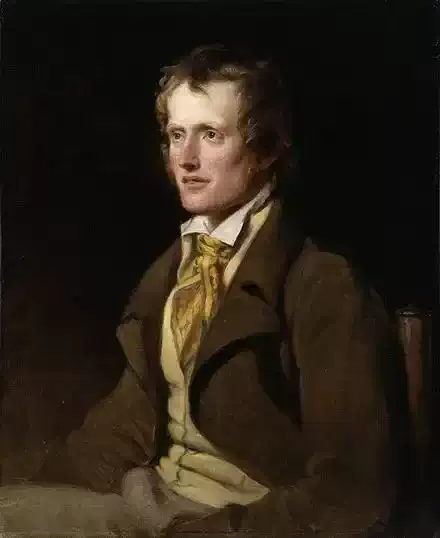
John Clare
The Maid Of Ocram, Or, Lord Gregory
Gay was the Maid of Ocram
As lady eer might be
Ere she did venture past a maid
To love Lord Gregory.
Fair was the Maid of Ocram
And shining like the sun
Ere her bower key was turned on two
Where bride bed lay for none.
And late at night she sought her love--
The snow slept on her skin--
Get up, she cried, thou false young man,
And let thy true love in.
And fain would he have loosed the key
All for his true love's sake,
But Lord Gregory then was fast asleep,
His mother wide awake.
And up she threw the window sash,
And out her head put she:
And who is that which knocks so late
And taunts so loud to me?
It is the Maid of Ocram,
Your own heart's next akin;
For so you've sworn, Lord Gregory,
To come and let me in.
O pause not thus, you know me well,
Haste down my way to win.
The wind disturbs my yellow locks,
The snow sleeps on my skin.--
If you be the Maid of Ocram,
As much I doubt you be,
Then tell me of three tokens
That passed with you and me.--
O talk not now of tokens
Which you do wish to break;
Chilled are those lips you've kissed so warm,
And all too numbed to speak.
You know when in my father's bower
You left your cloak for mine,
Though yours was nought but silver twist
And mine the golden twine.--
If you're the lass of Ocram,
As I take you not to be,
The second token you must tell
Which past with you and me.--
O know you not, O know you not
Twas in my father's park,
You led me out a mile too far
And courted in the dark?
When you did change your ring for mine
My yielding heart to win,
Though mine was of the beaten gold
Yours but of burnished tin,
Though mine was all true love without,
Yours but false love within?
O ask me no more tokens
For fast the snow doth fall.
Tis sad to strive and speak in vain,
You mean to break them all.--
If you are the Maid of Ocram,
As I take you not to be,
You must mention the third token
That passed with you and me.--
Twas when you stole my maidenhead;
That grieves me worst of all.--
Begone, you lying creature, then
This instant from my hall,
Or you and your vile baby
Shall in the deep sea fall;
For I have none on earth as yet
That may me father call.--
O must none close my dying feet,
And must none close my hands,
And may none bind my yellow locks
As death for all demands?
You need not use no force at all,
Your hard heart breaks the vow;
You've had your wish against my will
And you shall have it now.
And must none close my dying feet,
And must none close my hands,
And will none do the last kind deeds
That death for all demands?--
Your sister, she may close your feet,
Your brother close your hands,
Your mother, she may wrap your waist
In death's fit wedding bands;
Your father, he may tie your locks
And lay you in the sands.--
My sister, she will weep in vain,
My brother ride and run,
My mother, she will break her heart;
And ere the rising sun
My father will be looking out-
But find me they will none.
I go to lay my woes to rest,
None shall know where I'm gone.
God must be friend and father both,
Lord Gregory will be none.--
Lord Gregory started up from sleep
And thought he heard a voice
That screamed full dreadful in his ear,
And once and twice and thrice.
Lord Gregory to his mother called:
O mother dear, said he,
I've dreamt the Maid of Ocram
Was floating on the sea.
Lie still, my son, the mother said,
Tis but a little space
And half an hour has scarcely passed
Since she did pass this place.--
O cruel, cruel mother,
When she did pass so nigh
How could you let me sleep so sound
Or let her wander bye?
Now if she's lost my heart must break-I'll
seek her till I die.
He sought her east, he sought her west,
He sought through park and plain;
He sought her where she might have been
But found her not again.
I cannot curse thee, mother,
Though thine's the blame, said he
I cannot curse thee, mother,
Though thou'st done worse to me.
Yet do I curse thy pride that aye
So tauntingly aspires;
For my love was a gay knight's heir,
And my father was a squire's.
And I will sell my park and hall;
And if ye wed again
Ye shall not wed for titles twice
That made ye once so vain.
So if ye will wed, wed for love,
As I was fain to do;
Ye've gave to me a broken heart,
And I'll give nought to you.
Your pride has wronged your own heart's blood;
For she was mine by grace,
And now my lady love is gone
None else shall take her place.
I'll sell my park and sell my hall
And sink my titles too.
Your pride's done wrong enough as now
To leave it more to do.
She owneth none that owned them all
And would have graced them well;
None else shall take the right she missed
Nor in my bosom dwell.--
And then he took and burnt his will
Before his mother's face,
And tore his patents all in two,
While tears fell down apace--
But in his mother's haughty look
Ye nought but frowns might trace.
And then he sat him down to grieve,
But could not sit for pain.
And then he laid him on the bed
And ne'er got up again.
427

Kazi Nazrul Islam
The Thorn of the Lotus
In my lotus-lake there remains only the
thorn of the lotus.
When did arise the tremendous noise,
Who did tear off the red lotus of my
bosom?
the lake from time to time maketh
the queries.
Why goeth not the thorn along with
the lotus?
I am now constantly covered with the cures
only of the bathing Nymph.
Will the wandering girls ever come to me?
Ever wear a garland made of my
lotus thread?
Will the pain of my thorn ever remain
only in my mind?
If the flower is gone, who will ever
entwine her bangle with the lotus-thorn?
[Translation: Abdul Hakim]
426