
Justice and Equality

Kazi Nazrul Islam
Don't be afraid, O human soul!
The power thrones of today represent devil's affair,
the power-hungry monsters are busy playing there.
Don't be afraid, O human soul! Don't break down in tear!
The drunkard of the underworld won't prevail much longer here.
With injustice and wrongs black-stained is his throne,
his sword is rusted with curse of those under oppression.
Painting the sky dark yellow approaches the monsoon storm in full power,
the greedy ones are beguiled thinking, this is beautiful twilight hour.
The fire they have spread around the world, now in its flame in turn,
like blazing fire, everywhere, these wretcheds will burn.
The traveler of the path of truth! Don't be afraid, don't fear!
Those who seek peace, defeat is not for them, my dear!
Sometimes the enemies of peace win in their disguise,
at the end only in humiliation and shame comes their inevitable demise.
Dusts of the road rise off the ground as wind blows strong,
if you think, they are on the rise, won't that be wrong?
Those who want to ascend above, these trash stand in their way;
they can make the road slippery, but the mud doesn't win the day.
In tranquility, win or defeat, we will treat the same,
if we win, we will dedicate it to His glory and name.
If we lose, we will be greeted by Him in the hereafter,
if we are battle-wounded, we will be His beloved, forever.
Sometimes they will win, but never shall we retreat!
Our Lord tests us - we will take it as His treat.
Does hatred ever bring back those who are lost?
To win their heart, with love first our heart must defrost.
Those who knowingly practice oppression and take away others' right,
it is against them, the sword of God is always ready and upright.
Don't be hard on those who, in ignorance, go astray!
They might return to the truth, if you show love, and pray!
In His one name, invite people of all nation;
Hold sword in hand, while offer your heart with love and affection.
The whole world would be in your favor, if at you His grace flashes;
all the enemies of the truth, you will see, will burn into ashes.
Those whose hearts among us are stained with temptation,
they also deserve discipline, before facing God's condemnation.
March forward, O the new warriors, indomitable!
Prevent our journey and progress? No one would be able!
Let faith and patience be the lasting friends - yours and mine.
On our path, the light of such and of moon will always shine.
Don't be afraid! Have no fear!
Falsehood will definitely disappear!
Truth will triumph, O my dear!
Those who treat the meek with bloody eyes, finished is their share!
This world belongs to people, not to any throne; declare!
Those who disgrace the blessed power from their power-bed,
at the command of the King of kings, they lose their head.
The rule of the ship-owners is ending; it won't be very long,
to the real king of the universe, all the countries will belong.
O blood-eyed vultures, monsters! Beware, beware!
To beguile others and make forget God's command, how do you dare?
We fear one God only; no one else do we fear!
Our guide is the Omnipotent, our Lord so dear!
Sky, earth, moon, planets, and stars are witnesses, I say,
as to who are the followers of truth, and who go astray.
Don't be afraid; have no fear!
Falsehood will surely disappear!
Truth will be triumphant, my dear!
[Original: Bhoy Koriyo Na, He Manobata; Translation: Mohammad Omar Farooq]
Read more →
1,772
7
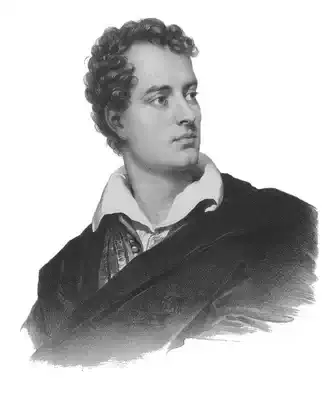
Lord Byron
On Jordan's Banks
On Jordan's banks the Arab's camels stray,
On Sion's hill the False One's votaries pray,
The Baaladorer
bows on Sinai's steep Yet
there even
there Oh
God! thy thunders sleep:
There where
thy finger scorch'd the tablet stone!
There where
thy shadow to thy people shone!
Thy glory shrouded in its garb of fire:
Thyself none
living see and not expire!
Oh! in the lightning let thy glance appear;
Sweep from his shiver'd hand the oppressor's spear!
How long by tyrants shall thy land be trod?
How long thy temple worshipless, Oh God?
Read more →
1,314
7
Kazi Nazrul Islam
Human Being
I sing of equality.
There's nothing greater than a human being,
nothing nobler!
Caste, creed, religion-there's no difference.
Throughout all ages, all places,
we're all a manifestation
of our common humanity.
'O Priest, please open the door!
A hungry god is at your doorstep
it's time for worship.'
Awakened by this dream
the priest rushes to open the temple door
with eager anticipation: His day might have
finally arrive! ! to get rich as a king
from the blessings that this god may bestow upon him.
Instead, there's this traveler-clad in rags, thin,
with a feeble voice, saying: 'Please,
open the door, Father-1 haven't eaten anything
for seven days! '
The priest slams the door on his face!
Turning around to continue on his journey
through the dark night
the hungry traveler says: 'This temple
belongs to the priest, 0 God, not to you! '
At the mosque, the mollah is overjoyed,
by the huge amount of leftovers of,meat and bread
from yesterday's offerings.
Just then a sickly traveler arrives at the door,
saying: 'Father, I have been hungry
for the last seven days! '
The mollah reacts: 'What a botheration!
You're starving? -Just go and dropp dead
in some cattle graveyard!
Besides-do you say your prayers? '
'No, Father,' replied the hungry man.
'That does it-out! ' shouts the mollah
shutting the door on his face,
holding on to the meat and bread.
The hungry man continues on his journey,
saying: 'I have lived for eighty years
without saying a prayer, yet you've never
deprived me of my food. But the mosques
and temples, O Lord-human beings have
no claim on them. Mollahs and priests
have locked all their doors! '
Where are you Chengis, Ghazni Mahmood, Kalapahar?
Smash the locked doors of these houses of worship!
Who dares shutting\the doors of the house of God,
who dares to put locks on them?
Open those doors-strike with your hammers & crowbars!
Oh, the house of worship-selfish, hypocrites
occupy their towers! -
Who are they-hating human beings
yet kissing the Quran, the Vedas, the Bible?
Snatch away those books from them.
The hypocrites pretend worshipping those books
by killing the human beings who have, in fact,
brought those books into existence.
Listen, you ignorants: Human beings
have brought the books,
the books never brought human beings!
Adam, David, Isiah, Moses, Abraham, Mohammad,
Krishna, Buddha, Nanak, Kabir-the treasures
of the world-they are our ancestors.
It's their blood that runs through our veins.
We're their children, kin-we're of the same body.
Who can tell? -Someone among us
may turn out to be like one of them.
Don't laugh, my friend-the self within us
is fathomless and infinite.
Do I-does anyone-know what greatness
may lie within that self?
Perhaps in me lies the Kalki,
and in you, Mehdi or Isiah.
Who knows what is one's limit or the origin!
Who finds what path to follow?
Whom do you hate, brother, whom do you kick?
Perhaps within his heart
resides the ever-awakened God!
Or pernaps he's nobody that important,
great, or of high esteem-but just someone
who's covered with filth, badly wounded and battered,
and burning with sorrow.
Yet, all the holy scriptures and houses of worship
are not as sacred as that one tiny human body!
Perhaps he'll father-in his house will be born
someone yet unmatched in the history of the world,
who'll deliver a message never heard before,
whose great power the world has yet to witness!
Who's he? An untouchable?
Why do you startle? He's not to be despised!
He may turn out to be Harishchandra or Lord Shiva.
Today an untouchable-tomorrow he may become
a supremely revered yogi-emperor.
You'll come to him with offerings, sing his eulogy.
Why do you look down upon a shepherd?
Perhaps he's Krishna in shepherd's disguise!
Don't hate him for being a peasant
he maybe Lord Balaram!
They're all bearers of eternal messages.
Everyday begging men and women
are turned away from the door.
How would I recognize
if Lord Bholanath and Girijaya were among them?
Just to avoid sharing a little of your sumptuous meal
with a beggar, you resort to your doorman-beating up
and chasing away a god!
But all that gets recorded-who knows if you're
ever forgiven by the humiliated goddess.
Friend, you're full of greed
with a blinder of selfishness over your eyes.
Otherwise you'd recognize the god
serving you as a coolie.
You, beast! To appease your hunger, do you want
to go on plundering the god within the human heart,
the nectar churned out of human pain?
Your evil gorge knows what appeases your hunger,
where in your palace is concealed your death-arrow.
Through the ages, your own desires
have dragged you into your death-holes.
[Translation: Sajed Kamal]
Read more →
2,022
Kazi Nazrul Islam
Beware My Captain
You have to cross the darkness of the night
A desert vast and a hill of great height,
And an ocean, fathomless and dark.
Travellers, beware and look sharp.
The boat is trembling,
The water is swelling,
The sail is torn asunder,
And the boatman is losing his way,
Who will sit at the helm at this hour?
Who has the courage and the power?
The future calls your,
Come forward, all who are bold and true.
The night is dark, the storm is great,
You must look sharp, there is no time to hesitate.
You must make haste or it would be too late
To ferry the boat across the other side.
The night is dark, Be your own guard.
your, soldiers of the country,
Age old grievances have declared a fight,
The deprived heart is demanding its right.
You must take them along, the poor and the weak,
You must make them strong, no longer mild and meek
You must lead them to victory.
O Captain, my captain,
The helpless nation is going under water,
It does not know how to swim.
I shall watch tonight
Your determination, grim yet bright,
To free the country from slavery.
'Are they Hindus or Muslims? '
Who ask this question, I say.
Tell him, my Captain,
The children of the motherland are drowning today.
Doubts assail the mind of the travelers still,
There is thunder in the sky and danger over the hill.
Captain, will you lose the way
And leave us in the lurch?
You must not waver or sway,
You must carry on the march.
Those who sang the victory of life
With the nose of the gallows round their neck
Come and gather round quietly today.
What price do you pay for that, friends,
What sacrifice do you make?
It is a test, dear Captain,
Do you save the country or the cast at this hour?
The boat is trembling,
The water is swelling,
Beware, my Captain, beware.
[Translation: Kabir Chowdhury]
Read more →
3,096
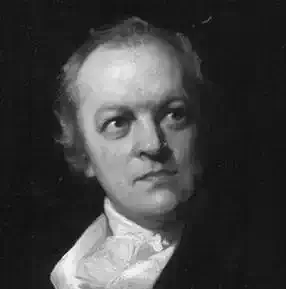
William Blake
From Milton: And did those feet
And did those feet in ancient time
Walk upon England's mountains green?
And was the holy Lamb of God
On England's pleasant pastures seen?
And did the Countenance Divine
Shine forth upon our clouded hills?
And was Jerusalem builded here,
Among these dark Satanic Mills?
Bring me my Bow of burning gold:
Bring me my Arrows of desire:
Bring me my Spear:O clouds unfold!
Bring me my Chariot of fire!
I will not cease from Mental Fight,
Nor shall my Sword sleep in my hand,
Till we have built Jerusalem
In England's green & pleasant Land.
Read more →
1,291
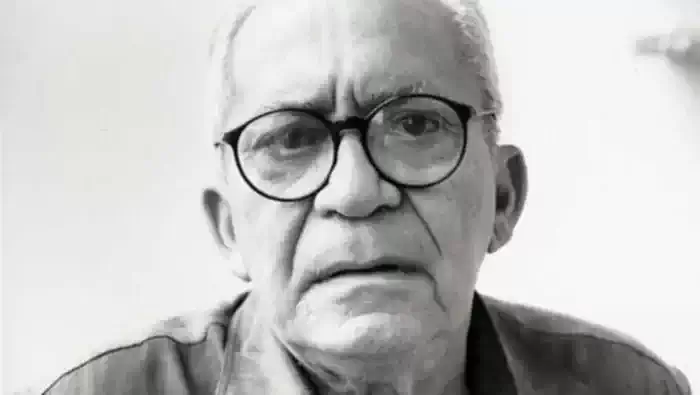
Lêdo Ivo
Poor Folk at the Bus Station
Poor folk travel. At the bus station
they crane their necks like geese to see
the place-names on the buses. The look on their faces
betrays their fear of losing something:
the suitcase that holds a transitor radio and a coat
of chilling drabness on a day without dreams,
the mortadella sandwich at the bottom of their bag,
and the suburban sunshine and dust beyond the viaducts.
Amid the uproar of loud-speakers and the wheezing of buses
they are seared of missing their connection
hidden in a haze of time-tables.
Some dozing on benches awaken with a start
though nightmares are the privilege of those
who fuel the hearing of bored psycho-analysts
in rooms as antiseptic as the cotton-wool that
plugs the nostrils of corpses.
Standing in queues poor folk adopt a serious expression
combining fear, impatience and submission.
How grotesque poor folk are! And how their stench
offends us even at a distance!
They have no concept of social graces and no idea
how to behave in public.
A nicotine-stained finger rubs an itching eye
that has nothing but matter to show for its dream.
From a sagging swollen breast a trickle of milk
drips into a tiny mouth familiar with tears.
On the platform poor folk come and go, leaping and clutching
baggage and parcels,
they ask silly questions at the ticket offices,
whisper mysterious words
and gaze at magazine covers with the starfled look
of someone who does not know the way to the threshold of life.
Why all this coming and going? And those gaudy clothes,
those yeflows reminiscent of palm oü that injure the delicate sight
of passengers forced to endure so many unpleasant odours
and those glaring reds one associares with a fun-fair or circus?
Poor folk do not know how to travel or dress.
Not even how to live: they have no concept of comfort
although some even possess a television set.
In truth, poor folk do not know how to die.
(They invariably have a sordid, vulgar death)
Throughout the world they are a nuisance,
unwanted travellers who occupy our seats
even when we are seated and they travel on foot.
Os Pobres na Estação Rodoviária Poema em Português
Read more →
1,328

Paul Laurence Dunbar
Frederick Douglass
A hush is over all the teeming lists,
And there is pause, a breath-space in the strife;
A spirit brave has passed beyond the mists
And vapors that obscure the sun of life.
And Ethiopia, with bosom torn,
Laments the passing of her noblest born.
She weeps for him a mother's burning tears--
She loved him with a mother's deepest love
He was her champion thro' direful years,
And held her weal all other ends above.
When Bondage held her bleeding in the dust,
He raised her up and whispered, 'Hope and Trust.'
For her his voice, a fearless clarion, rung
That broke in warning on the ears of men;
For her the strong bow of his pow'r he strung
And sent his arrows to the very den
Where grim Oppression held his bloody place
And gloated o'er the mis'ries of a race.
And he was no soft-tongued apologist;
He spoke straight-forward, fearlessly uncowed;
The sunlight of his truth dispelled the mist
And set in bold relief each dark-hued cloud;
To sin and crime he gave their proper hue,
And hurled at evil what was evil's due.
Thro' good and ill report he cleaved his way
Right onward, with his face set toward the heights,
Nor feared to face the foeman's dread array--
The lash of scorn, the sting of petty spites.
He dared the lightning in the lightning's track,
And answered thunder with his thunder back.
When men maligned him and their torrent wrath
In furious imprecations o'er him broke,
He kept his counsel as he kept his path;
'Twas for his race, not for himself, he spoke.
He knew the import of his Master's call
And felt himself too mighty to be small.
No miser in the good he held was he--
His kindness followed his horizon's rim.
His heart, his talents and his hands were free
To all who truly needed aught of him.
Where poverty and ignorance were rife,
He gave his bounty as he gave his life.
The place and cause that first aroused his might
Still proved its pow'r until his latest day.
In Freedom's lists and for the aid of Right
Still in the foremost rank he waged the fray;
Wrong lived; His occupation was not gone.
He died in action with his armor on!
We weep for him, but we have touched his hand,
And felt the magic of his presence nigh,
The current that he sent thro' out the land,
The kindling spirit of his battle-cry
O'er all that holds us we shall triumph yet
And place our banner where his hopes were set!
Oh, Douglass, thou hast passed beyond the shore,
But still thy voice is ringing o'er the gale!
Thou 'st taught thy race how high her hopes may soar
And bade her seek the heights, nor faint, nor fail.
She will not fail, she heeds thy stirring cry,
She knows thy guardian spirit will be nigh,
And rising from beneath the chast'ning rod,
She stretches out her bleeding hands to God!
Read more →
1,126
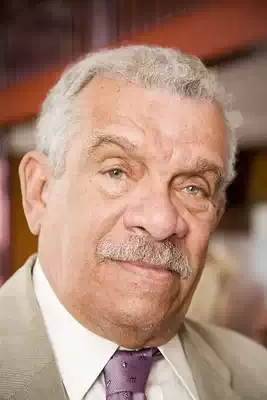
Derek Walcott
Blues
Those five or six young guys
lunched on the stoop
that oven-hot summer night
whistled me over. Nice
and friendly. So, I stop.
MacDougal or Christopher
Street in chains of light.
A summer festival. Or some
saint's. I wasn't too far from
home, but not too bright
for a nigger, and not too dark.
I figured we were all
one, wop, nigger, jew,
besides, this wasn't Central Park.
I'm coming on too strong? You figure
right! They beat this yellow nigger
black and blue.
Yeah. During all this, scared
on case one used a knife,
I hung my olive-green, just-bought
sports coat on a fire plug.
I did nothing. They fought
each other, really. Life
gives them a few kcks,
that's all. The spades, the spicks.
My face smashed in, my bloddy mug
pouring, my olive-branch jacket saved
from cuts and tears,
I crawled four flights upstairs.
Sprawled in the gutter, I
remember a few watchers waved
loudly, and one kid's mother shouting
like 'Jackie' or 'Terry,'
'now that's enough!'
It's nothing really.
They don't get enough love.
You know they wouldn't kill
you. Just playing rough,
like young Americans will.
Still it taught me somthing
about love. If it's so tough,
forget it.
Read more →
1,113
William Blake
The Grey Monk
'I die, I die!' the Mother said,
'My children die for lack of bread.
What more has the merciless Tyrant said?'
The Monk sat down on the stony bed.
The blood red ran from the Grey Monk's side,
His hands and feet were wounded wide,
His body bent, his arms and knees
Like to the roots of ancient trees.
His eye was dry; no tear could flow:
A hollow groan first spoke his woe.
He trembled and shudder'd upon the bed;
At length with a feeble cry he said:
'When God commanded this hand to write
In the studious hours of deep midnight,
He told me the writing I wrote should prove
The bane of all that on Earth I lov'd.
My Brother starv'd between two walls,
His Children's cry my soul appalls;
I mock'd at the rack and griding chain,
My bent body mocks their torturing pain.
Thy father drew his sword in the North,
With his thousands strong he marched forth;
Thy Brother has arm'd himself in steel
To avenge the wrongs thy Children feel.
But vain the Sword and vain the Bow,
They never can work War's overthrow.
The Hermit's prayer and the Widow's tear
Alone can free the World from fear.
For a Tear is an intellectual thing,
And a Sigh is the sword of an Angel King,
And the bitter groan of the Martyr's woe
Is an arrow from the Almighty's bow.
The hand of Vengeance found the bed
To which the Purple Tyrant fled;
The iron hand crush'd the Tyrant's head
And became a Tyrant in his stead.'
Read more →
1,014
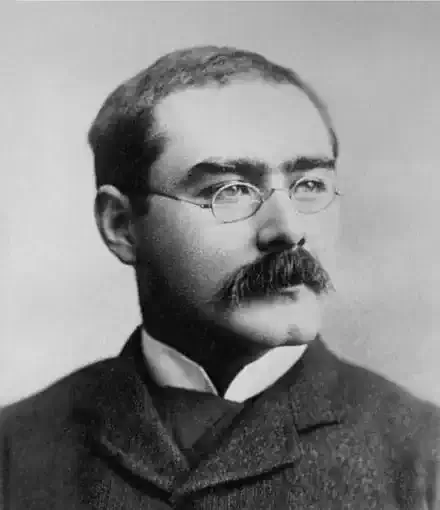
Rudyard Kipling
Cleared
(In Memory of a Commission)
Help for a patriot distressed, a spotless spirit hurt,
Help for an honourable clan sore trampled in the dirt!
From Queenstown Bay to Donegal, O listen to my song,
The honourable gentlemen have suffered grievous wrong.
Their noble names were mentioned -- O the burning black disgrace! --
By a brutal Saxon paper in an Irish shooting-case;
They sat upon it for a year, then steeled their heart to brave it,
And "coruscating innocence" the learned Judges gave it.
Bear witness, Heaven, of that grim crime beneath the surgeon's knife,
The honourable gentlemen deplored the loss of life!
Bear witness of those chanting choirs that burk and shirk and snigger,
No man laid hand upon the knife or finger to the trigger!
Cleared in the face of all mankind beneath the winking skies,
Like ph]oenixes from Ph]oenix Park (and what lay there) they rise!
Go shout it to the emerald seas -- give word to Erin now,
Her honourable gentlemen are cleared -- and this is how: --
They only paid the Moonlighter his cattle-hocking price,
They only helped the murderer with counsel's best advice,
But -- sure it keeps their honour white -- the learned Court believes
They never gave a piece of plate to murderers and thieves.
They never told the ramping crowd to card a woman's hide,
They never marked a man for death -- what fault of theirs he died? --
They only said "intimidate", and talked and went away --
By God, the boys that did the work were braver men than they!
Their sin it was that fed the fire -- small blame to them that heard --
The "bhoys" get drunk on rhetoric, and madden at a word --
They knew whom they were talking at, if they were Irish too,
The gentlemen that lied in Court, they knew, and well they knew.
They only took the Judas-gold from Fenians out of jail,
They only fawned for dollars on the blood-dyed Clanna-Gael.
If black is black or white is white, in black and white it's down,
They're only traitors to the Queen and rebels to the Crown.
"Cleared", honourable gentlemen! Be thankful it's no more: --
The widow's curse is on your house, the dead are at your door.
On you the shame of open shame, on you from North to South
The hand of every honest man flat-heeled across your mouth.
"Less black than we were painted"? -- Faith, no word of black was said;
The lightest touch was human blood, and that, you know, runs red.
It's sticking to your fist to-day for all your sneer and scoff,
And by the Judge's well-weighed word you cannot wipe it off.
Hold up those hands of innocence -- go, scare your sheep together,
The blundering, tripping tups that bleat behind the old bell-wether;
And if they snuff the taint and break to find another pen,
Tell them it's tar that glistens so, and daub them yours again!
"The charge is old"? -- As old as Cain -- as fresh as yesterday;
Old as the Ten Commandments -- have ye talked those laws away?
If words are words, or death is death, or powder sends the ball,
You spoke the words that sped the shot -- the curse be on you all.
"Our friends believe"? -- Of course they do -- as sheltered women may;
But have they seen the shrieking soul ripped from the quivering clay?
They! -- If their own front door is shut,
they'll swear the whole world's warm;
What do they know of dread of death or hanging fear of harm?
The secret half a county keeps, the whisper in the lane,
The shriek that tells the shot went home behind the broken pane,
The dry blood crisping in the sun that scares the honest bees,
And shows the "bhoys" have heard your talk -- what do they know of these?
But you -- you know -- ay, ten times more; the secrets of the dead,
Black terror on the country-side by word and whisper bred,
The mangled stallion's scream at night, the tail-cropped heifer's low.
Who set the whisper going first? You know, and well you know!
My soul! I'd sooner lie in jail for murder plain and straight,
Pure crime I'd done with my own hand for money, lust, or hate,
Than take a seat in Parliament by fellow-felons cheered,
While one of those "not provens" proved me cleared as you are cleared.
Cleared -- you that "lost" the League accounts -- go, guard our honour still,
Go, help to make our country's laws that broke God's law at will --
One hand stuck out behind the back, to signal "strike again";
The other on your dress-shirt-front to show your heart is clane.
If black is black or white is white, in black and white it's down,
You're only traitors to the Queen and rebels to the Crown.
If print is print or words are words, the learned Court perpends: --
We are not ruled by murderers, but only -- by their friends.
Read more →
985
Kazi Nazrul Islam
Prostitute
Who calls you a prostitute, Mother?
Who spits at you?
Perhaps you were suckled by someone
as chaste as Seeta.
You may not be chaste,
yet you are one of the family
of all our mothers and sisters.
Your sons are like any of us sons,
as capable of achieving fame and honor
as any of us,
as capable of entering heaven.
The great hero Drona
was the son of Ghritachi,
a prostitute in heaven.
Krishna-Daipayan,
who was universally respected,
was the son of an unmarried girl.
Karna the Benevolent
Was born of a maiden.
Ganga, expelled from heaven,
was married to Shiva.
King Shantanu, too,
offered her his love.
Their son was the immortal Bheeshma,
to whom Krishna paid homage!
The Sage Satyakama
was the illegitimate son of Jabala.
The conception of the great lover of humanity, Jesus,
remains a mystery.
None is,stained with sin here,
none is an object of hatred.
Millions of beautiful lilies
blossom in the lake of lust!
Listen to this message of humanity:
After birth, all human beings
are free of all impurities.
Because I have once committed a sin,
have I no right to return to virtue?
Hundreds of sinful acts
did not take away the divineness of the gods.
If Ahalya was freed of sin,
if Mary was canonized,
truthfully, why shouldn't you, too,
be worthy of worship?
Who are the bigots
who condescendingly label your son
as an 'illegitimate' child?
To them I simply ask these questions.
How many of the 1,500 million children
of this world were born
purely out of the purpose of procreation,
and not out of lust?
How many are pure and chaste?
For whose sin do millions of sucklings
die in the cradle?
Purely from carnal urge
do men and women unite.
We are children born of that lust.
Yet how proud we are!
So, listen, religious leaders:
There's no difference between 'illegitimate'
and 'legitimate' children!
And if the son of an unchaste mother is 'illegitimate,'
so is the son of an unchaste father.
[Translation: Sajed Kamal]
Read more →
896
Kazi Nazrul Islam
Equality
I sing the song of equality.
I sing of the country
Where fresh joys blossom forth in, the hearts of men
And budding life shimmers in their faces.
Comrade, nobody is king- in this land and none a subject.
There is no man here poor and abject
Nor is there any, full of riches and money.
Here some do not. eat cast off rice-sweepings
And some all the cream and honey.
No one bows down here before the horses feet,
Or in front of the motor-cars wheels.
Hatred does not spring up here
In whitemen's breasts
Whenever they see blackmen close and near.
Comrade, this is a place where all are equal,
Where the black and the white have no separate
graveyards,
Where they have no separate rooms for offering
their prayers.
There are no sentries or peons here,
Nor is there any police-troops fear.
This is the Heaven where there are no distinctions,
Where leaving aside all 'quarrels
Men have clasped other's hands as brothers dear,
Religion does not create differences in this place
Nor do scriptures raise any futile clamour.
The priests and padres, the mollah and the
moulvis
Drink water here from the same container.
Here the house of prayer for the Creator
Lies in the body and the mind.
Here His throne of sorrows
Is amidst the miseries of mankind.
Here He responds to men's calls
By whatever name ,they may choose to appeal
Like the loving and fond mother
Ever ready and alert to respond
To the call of her child,
Whatever name he may call her by.
Here in this abode of equality
Different ways of apparel
Do not give rise to vicious quarrel.
Here clothed in dusty costume
Men are satisfied and happy,
Here in this land peace and equality.
[Original: Shammyo; Translation: Kabir Chowdhury]
Read more →
907
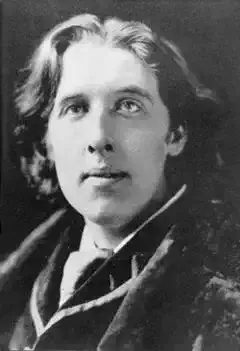
Oscar Wilde
Libertatis Sacra Fames
Albeit nurtured in democracy,
And liking best that state republican
Where every man is Kinglike and no man
Is crowned above his fellows, yet I see,
Spite of this modern fret for Liberty,
Better the rule of One, whom all obey,
Than to let clamorous demagogues betray
Our freedom with the kiss of anarchy.
Wherefore I love them not whose hands profane
Plant the red flag upon the piled-up street
For no right cause, beneath whose ignorant reign
Arts, Culture, Reverence, Honour, all things fade,
Save Treason and the dagger of her trade,
Or Murder with his silent bloody feet.
Read more →
762
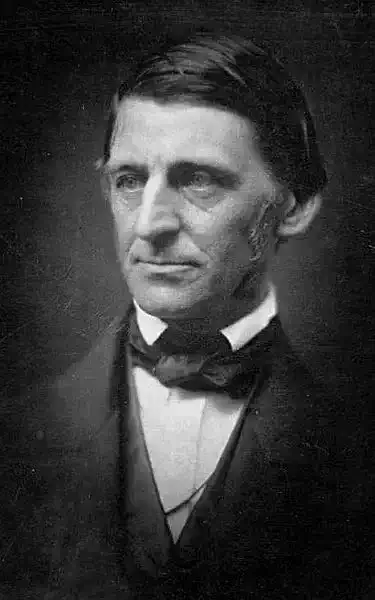
Ralph Waldo Emerson
Ode To William H. Channing
Though loth to grieve
The evil time's sole patriot,
I cannot leave
My buried thought
For the priest's cant,
Or statesman's rant.
If I refuse
My study for their politique,
Which at the best is trick,
The angry muse
Puts confusion in my brain.
But who is he that prates
Of the culture of mankind,
Of better arts and life?
Go, blind worm, go,
Behold the famous States
Harrying Mexico
With rifle and with knife.
Or who, with accent bolder,
Dare praise the freedom-loving mountaineer,
I found by thee, O rushing Contoocook!
And in thy valleys, Agiochook!
The jackals of the negro-holder.
The God who made New Hampshire
Taunted the lofty land
With little men.
Small bat and wren
House in the oak.
If earth fire cleave
The upheaved land, and bury the folk,
The southern crocodile would grieve.
Virtue palters, right is hence,
Freedom praised but hid;
Funeral eloquence
Rattles the coffin-lid.
What boots thy zeal,
O glowing friend,
That would indignant rend
The northland from the south?
Wherefore? To what good end?
Boston Bay and Bunker Hill
Would serve things still:
Things are of the snake.
The horseman serves the horse,
The neat-herd serves the neat,
The merchant serves the purse,
The eater serves his meat;
'Tis the day of the chattel,
Web to weave, and corn to grind,
Things are in the saddle,
And ride mankind.
There are two laws discrete
Not reconciled,
Law for man, and law for thing;
The last builds town and fleet,
But it runs wild,
And doth the man unking.
'Tis fit the forest fall,
The steep be graded,
The mountain tunnelled,
The land shaded,
The orchard planted,
The globe tilled,
The prairie planted,
The steamer built.
Live for friendship, live for love,
For truth's and harmony's behoof;
The state may follow how it can,
As Olympus follows Jove.
Yet do not I implore
The wrinkled shopman to my sounding woods,
Nor bid the unwilling senator
Ask votes of thrushes in the solitudes.
Every one to his chosen work.
Foolish hands may mix and mar,
Wise and sure the issues are.
Round they roll, till dark is light,
Sex to sex, and even to odd;
The over-God,
Who marries Right to Might,
Who peoples, unpeoples,
He who exterminates
Races by stronger races,
Black by white faces,
Knows to bring honey
Out of the lion,
Grafts gentlest scion
On Pirate and Turk.
The Cossack eats Poland,
Like stolen fruit;
Her last noble is ruined,
Her last poet mute;
Straight into double band
The victors divide,
Half for freedom strike and stand,
The astonished muse finds thousands at her side.
Read more →
754
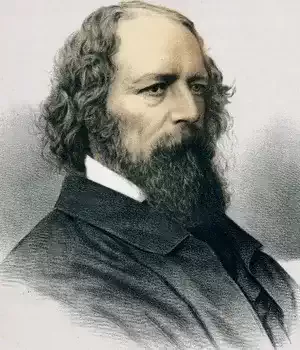
Alfred Lord Tennyson
Ring Out , Wild Bells
Ring out, wild bells, to the wild sky,
The flying cloud, the frosty light;
The year is dying in the night;
Ring out, wild bells, and let him die.
Ring out the old, ring in the new,
Ring, happy bells, across the snow:
The year is going, let him go;
Ring out the false, ring in the true.
Ring out the grief that saps the mind,
For those that here we see no more,
Ring out the feud of rich and poor,
Ring in redress to all mankind.
Ring out a slowly dying cause,
And ancient forms of party strife;
Ring in the nobler modes of life,
With sweeter manners, purer laws.
Ring out the want, the care the sin,
The faithless coldness of the times;
Ring out, ring out my mournful rhymes,
But ring the fuller minstrel in.
Ring out false pride in place and blood,
The civic slander and the spite;
Ring in the love of truth and right,
Ring in the common love of good.
Ring out old shapes of foul disease,
Ring out the narrowing lust of gold;
Ring out the thousand wars of old,
Ring in the thousand years of peace.
Ring in the valiant man and free,
The larger heart, the kindlier hand;
Ring out the darkness of the land,
Ring in the Christ that is to be.
Read more →
726
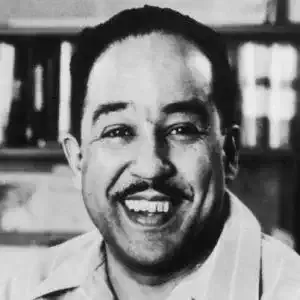
Langston Hughes
Let America be America Again
Let America be America again.
Let it be the dream it used to be.
Let it be the pioneer on the plain
Seeking a home where he himself is free.
(America never was America to me.)
Let America be the dream the dreamers dreamed--
Let it be that great strong land of love
Where never kings connive nor tyrants scheme
That any man be crushed by one above.
(It never was America to me.)
O, let my land be a land where Liberty
Is crowned with no false patriotic wreath,
But opportunity is real, and life is free,
Equality is in the air we breathe.
(There's never been equality for me,
Nor freedom in this "homeland of the free.")
Say, who are you that mumbles in the dark?
And who are you that draws your veil across the stars?
I am the poor white, fooled and pushed apart,
I am the Negro bearing slavery's scars.
I am the red man driven from the land,
I am the immigrant clutching the hope I seek--
And finding only the same old stupid plan
Of dog eat dog, of mighty crush the weak.
I am the young man, full of strength and hope,
Tangled in that ancient endless chain
Of profit, power, gain, of grab the land!
Of grab the gold! Of grab the ways of satisfying need!
Of work the men! Of take the pay!
Of owning everything for one's own greed!
I am the farmer, bondsman to the soil.
I am the worker sold to the machine.
I am the Negro, servant to you all.
I am the people, humble, hungry, mean--
Hungry yet today despite the dream.
Beaten yet today--O, Pioneers!
I am the man who never got ahead,
The poorest worker bartered through the years.
Yet I'm the one who dreamt our basic dream
In the Old World while still a serf of kings,
Who dreamt a dream so strong, so brave, so true,
That even yet its mighty daring sings
In every brick and stone, in every furrow turned
That's made America the land it has become.
O, I'm the man who sailed those early seas
In search of what I meant to be my home--
For I'm the one who left dark Ireland's shore,
And Poland's plain, and England's grassy lea,
And torn from Black Africa's strand I came
To build a "homeland of the free."
The free?
Who said the free? Not me?
Surely not me? The millions on relief today?
The millions shot down when we strike?
The millions who have nothing for our pay?
For all the dreams we've dreamed
And all the songs we've sung
And all the hopes we've held
And all the flags we've hung,
The millions who have nothing for our pay--
Except the dream that's almost dead today.
O, let America be America again--
The land that never has been yet--
And yet must be--the land where every man is free.
The land that's mine--the poor man's, Indian's, Negro's, ME--
Who made America,
Whose sweat and blood, whose faith and pain,
Whose hand at the foundry, whose plow in the rain,
Must bring back our mighty dream again.
Sure, call me any ugly name you choose--
The steel of freedom does not stain.
From those who live like leeches on the people's lives,
We must take back our land again,
America!
O, yes,
I say it plain,
America never was America to me,
And yet I swear this oath--
America will be!
Out of the rack and ruin of our gangster death,
The rape and rot of graft, and stealth, and lies,
We, the people, must redeem
The land, the mines, the plants, the rivers.
The mountains and the endless plain--
All, all the stretch of these great green states--
And make America again!
Read more →
709
Langston Hughes
I Dream A World
I dream a world where man
No other man will scorn,
Where love will bless the earth
And peace its paths adorn
I dream a world where all
Will know sweet freedom's way,
Where greed no longer saps the soul
Nor avarice blights our day.
A world I dream where black or white,
Whatever race you be,
Will share the bounties of the earth
And every man is free,
Where wretchedness will hang its head
And joy, like a pearl,
Attends the needs of all mankind-
Of such I dream, my world!
Read more →
675
Kazi Nazrul Islam
Coming of Anondomoyee
How much longer will you
stay hidden behind a clay statue?
Heaven today is subjugated by merciless tyrants.
God's children are getting whipped, heroic youth-hanged.
India today is a butchery-when will you arrive, O Destroyer?
God's soldiers are serving terms of hard labor exiled to desolate islands.
Who will come to the battlefield
unless you come with your sword in your hand?
[Translation: Sajed Kamal]
Read more →
691
Kazi Nazrul Islam
Pain of the Poor
These children-suffering
from a lack of mother's care,
in rags, their bodies covered with dirt,
faces dried up from starving all day, scornful,
their bodies feverish, skin chapped all over.
They can't even get a meager meal
from laboring all day.
Ignoring them-O Rich, O Ruler,
how can you stand the taste of monda, mithai, khaja?
Starving, when they see you-eating,
they beg silently with their pathetic eyes.
Shame on you!-How do you still go on gorging?
All that rice you store in your binsjust
a portion of it could save them.
You have such a wide variety of clothing;
these children do not have even as much
as the rag you polish your shoes with.
You've trunk loads of clothing,
while these children freeze to death all night long
with their mothers lying in corridors and lanes.
You feel so happy from hugs and kisses
from your children,
their mothers weep holding them in their bosoms.
Your children have no dearth of toys,
their toys are what's been thrown outan
embarrassment for their mothers.
Their unkempt hair, turning brownish and matted,
their skin blackened from roaming about in the sun,
for no reason they get beaten and scolded by people.
Your children cry 'bloody murder' for minor incidents,
whereas they have at most a sombre face
even when their hearts break from sadness.
The mothers of these unfortunate childrenstanding
aloof-who understands how much pain there is
in their tearful eyes?
If there's a slight touch of fever
in your children, ten doctors come rushing to check them.
But for these children-even when they have a high temperature,
there's none to offer them even a sip of water;
reduced to skeletons, they die in their mothers' arms.
They don't eat pomegranates or grapes when they are sick;
they think they have the world
by getting just a piece of sugar candy.
Your children go to sleep in rocking cradles,
these children sleep under the tamarind tree;
even the most stone-hearted aught to be moved to see this.
Nobody understands their misery,
everybody despises them
and thinks, 'Why do they litter the streets?'
So take heed, a burning stomach needs to complain;
I don't wish that even on my enemies. .
Even in such misery,
God will supposedly grant them welfare-that's
the only consolation for the poor.
[Original: Goriber baytha; Translation: Sajed Kamal]
Read more →
654
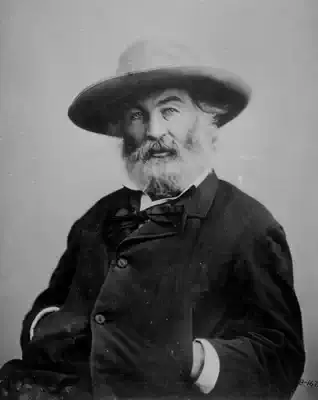
Walt Whitman
I Sit And Look Out
I SIT and look out upon all the sorrows of the world, and upon all
oppression and shame;
I hear secret convulsive sobs from young men, at anguish with
themselves, remorseful after deeds done;
I see, in low life, the mother misused by her children, dying,
neglected, gaunt, desperate;
I see the wife misused by her husband--I see the treacherous seducer
of young women;
I mark the ranklings of jealousy and unrequited love, attempted to be
hid--I see these sights on the earth;
I see the workings of battle, pestilence, tyranny--I see martyrs and
prisoners;
I observe a famine at sea--I observe the sailors casting lots who
shall be kill'd, to preserve the lives of the rest;
I observe the slights and degradations cast by arrogant persons upon
laborers, the poor, and upon negroes, and the like;
All these--All the meanness and agony without end, I sitting, look
out upon,
See, hear, and am silent.
Read more →
643
Kazi Nazrul Islam
Kings and Subjects
I am the bard of equality.
At the crossroads I sing,
Where pity and sympathy
Have made us all comrades and brother
It is a simple question,
We are all children of this earth,
But can you tell me
Why are some kings, rolling in luxury
And some subjects, starving in gutters?
But it is a queer philosophy,
If I state this simple truth
I am charged with sedition.
The subject can turn a traitor as simply as that.
But whom shall I ask
Why a king should not be condemned
As a traitor to the people
For his thousand crimes and follies
It is the people who create kings
And not the kings the people
Is that the reason
Why the king tortures the people?
Is that the way
They express their gratitude?
How can you smile, friend?
We are only coolies and servants
In our own home and land.
We have given up our manliness,
Our strength, and power.
And what have we got?
Rendered eunuchs we are guarding today
The lascivious harem of the tyrant king.
Whom shall I relate to
This sad and tragic tale?
In our Own land we are the ruled and the oppressed.
Those who make up the very country
Have no right in it
While the rulers enjoy,
The people remain starved and hungry.
Whom shall I complain to
Of this grievous injustice?
All around we hear the sycophants crying
'God save the king, Glory to him',
We the people are always judged.
Is there no Hall of Justice for the kings and the
monarchs?
The war-drums sound deafeningly
And the country's youth rush
To the battle-field to die with smiles on their lips.
But the tender and loving hearts, losing their dear
ones,
Weep bitter tears at home.
And the ravens fly over their roofs.
The royal road is ready..
The victorious chariot will soon pass by
Rejoice, O Citizens!
Have not your sons come back?
Did not your brothers return? Are your husbands dead?
Why weep for them? They sleep in the lap
Of the Goddess of victory.
A dark shadow of gloom and grief
Envelopes the country today,
God save the King, glory to him?
Rejoice, O Citizens,
For the king has come out of his fort today
After so many days.
The King's chariot is flying fast,
Trampling under the wheels
The returned heroes,
Trampling underneath
The brave crippled soldiers and the glorious dead.
O the one-armed and the one-legged
Soldiers of the King,
Keep off the roads and move away
If you want to save your lives today.
Well, friend,
That is exactly what happens,
The people fight and win the battles
And sing the King's praises,
The people provide their rulers
With food and apparel.
The people serve the king with devotion and humility
Only to be rewarded like this.
Isn't that a queer justice, friend?
We have to bow down and make obeisance
To the servants who are paid from our money.
Come, O you all, and have a look
At those glorious Public Servants of our land.
The wheels of Time revolve,
And yet here in our country
Over millions of men
Rule a hundred thieves.
It is no wishful thinking,
Nor is the day very far
When all the kings of the world
Will, in unison, sing
The People's Victory.
[Original: Raja-Proja; Translation: Kabir Chowdhury]
Read more →
638
Kazi Nazrul Islam
Come Hither
Come hither, the 'fallen', the 'impure', the 'outcastes'!
Let us all worship The Holy Mother together!
Only when all castes and all nations
Assemble at Her feet, side by side without fear;
Only where we are not bound by temple, priest or scriptures
Can we properly worship the Goddess
Only when brothers sit side by side, worshiping together
Will she embrace those who call Her by name
Descending from Her throne in the heavens,
Sitting amongst us on the dusty earthly ground.
The Goddess' altar will become sacred only when
Her holy water is blessed by the touch of us all.
Because we have ignored Her true message,
Brother has turned against brother
Today, upon seeing the Goddess in Her full splendor,
You will realize that we are all children of the same Mother
And heaven, earth and the entire universe will erupt in awe,
Awoken by our invocation to the Holy Mother
Fearlessly chanted by all in unison.
[Translated by: Udayan Chattopadhyay]
Read more →
632
Rudyard Kipling
The Broken Men
For things we never mention,
For Art misunderstood --
For excellent intention
That did not turn to good;
From ancient tales' renewing,
From clouds we would not clear --
Beyond the Law's pursuing
We fled, and settled here.
We took no tearful leaving,
We bade no long good-byes;
Men talked of crime and thieving,
Men wrote of fraud and lies.
To save our injured feelings
'T was time and time to go --
Behind was dock and Dartmoor,
Ahead lay Callao!
The widow and the orphan
That pray for ten per cent,
They clapped their trailers on us
To spy the road we went.
They watched the foreign sailings
(They scan the shipping still),
And that's your Christian people
Returning good for ill!
God bless the thoughtfull islands
Where never warrants come;
God bless the just Republics
That give a man a home,
That ask no foolish questions,
But set him on his feet;
And save his wife and daughters
From the workhouse and the street!
On church and square and market
The noonday silence falls;
You'll hear the drowsy mutter
Of the fountain in our halls.
Asleep amid the yuccas
The city takes her ease --
Till twilight brings the land-wind
To the clicking jalousies.
Day long the diamond weather,
The high, unaltered blue --
The smell of goats and incense
And the mule-bells tinkling through.
Day long the warder ocean
That keeps us from our kin,
And once a month our levee
When the English mail comes in.
You'll find us up and waiting
To treat you at the bar;
You'll find us less exclusive
Than the average English are.
We'll meet you with a carriage,
Too glad to show you round,
But -- we do not lunch on steamers,
For they are English ground.
We sail o' nights to England
And join our smiling Boards --
Our wives go in with Viscounts
And our daughters dance with Lords,
But behind our princely doings,
And behind each coup we make,
We feel there's Something Waiting,
And -- we meet It when we wake.
Ah God! One sniff of England --
To greet our flesh and blood --
To hear the traffic slurring
Once more through London mud!
Our towns of wasted honour --
Our streets of lost delight!
How stands the old Lord Warden?
Are Dover's cliffs still white?
Read more →
626
Kazi Nazrul Islam
Robbers and Dacoits
Who calls you a dacoit, friend,
Who calls you a robber?
All around dacoits reign today,
And thieves prosper.
Who is judging the robbers and the dacoits?
Who is the lord of justice?
Ask him, friend, who is not a dacoit today,
Who is not a robber chief.
My lord, raise your mace of justice and punish
Those wealthy and the rich who thrived
Robbing the humble poor and the deprive.
Today the greater the robber, the bigger the thief
and the cleverer the cheat
The more honourable, the more distinguished
and the more dignified his seat
In the assembly of nations.
All around
Bricks red with the blood of the subjects
Go to raise the king's palaces
And the factories of the gangster-rich flourish
Rendering thousands homeless.
The cunning devils start mills
Where men are ground to pieces,
Where from hungry millions emerge,
Sucked dry like sugarcane,
Bereft of their juices.
Squeezing out the life blood of millions of men
The mill owners amass vast wealth in their hidden den.
The money lenders grow rich
Robbing the helpless,
And the Zamindars on joy rides go
Rendering the weak homeless.
The greedy merchants in this earth
Have built a house of prostitution of wealth
There the vice Saki dances and drinks
The gold demon's health.
Losing health, food, life, hope, language and all
Bankrupt man is heading to a terrible fall.
There is no way of escape
The gold-hungry monsters have dug
Deep invincible moats all around,
The world today is a prison sound
With cruel gangsters working as sentinel.
Thieves are friends here
Cheats are comrades dear.
Who calls you a dacoit, dear friend?
Who calls you a robber?
You may have stolen money or goods,
But you have not dug a dagger
In some one's tender-heart.
You may be thieves all right
But not inhuman like the so-called great
You can turn Valmikis yet
When true men you meet
You who are the Ratnakars.
[Original: Chor-Dakaat; Translation: Kabir Chowdhury]
Read more →
610
Page 1
Next