
Sea, Rivers and Oceans

Billy Collins
Walking Across The Atlantic
I wait for the holiday crowd to clear the beach
before stepping onto the first wave.
Soon I am walking across the Atlantic
thinking about Spain,
checking for whales, waterspouts.
I feel the water holding up my shifting weight.
Tonight I will sleep on its rocking surface.
But for now I try to imagine what
this must look like to the fish below,
the bottoms of my feet appearing, disappearing.
240
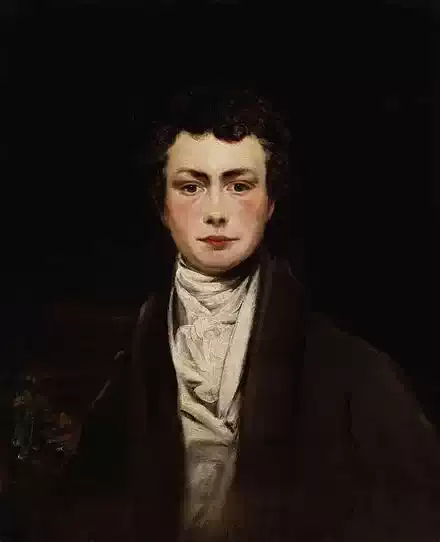
Thomas Moore
Come O'er the Sea
Come o'er the sea,
Maiden with me,
Mine through sunshine, storm, and snows;
Seasons may roll,
But the true soul
Burns the same, where'er it goes.
Let fate frown on, so we love and part not;
'Tis life where thou art, 'tis death were thou are not.
Then come o'er the sea,
Maiden with me,
Come wherever the wild wind blows;
Seasons may roll,
But the true soul
Burns the same, where'er it goes.
Was not the sea
Made for the Free,
Land for courts and chains alone?
Here we are slaves,
But, on the waves,
Love and Liberty's all our own.
No eye to watch, and no tongue to wound us
All earth forgot, and all heaven around us --
Then come o'er the sea,
Maiden, with me,
Mine through sunshine, storms, and snows
Seasons may roll,
But the true soul
Burns the same, where'er it goes.
Maiden with me,
Mine through sunshine, storm, and snows;
Seasons may roll,
But the true soul
Burns the same, where'er it goes.
Let fate frown on, so we love and part not;
'Tis life where thou art, 'tis death were thou are not.
Then come o'er the sea,
Maiden with me,
Come wherever the wild wind blows;
Seasons may roll,
But the true soul
Burns the same, where'er it goes.
Was not the sea
Made for the Free,
Land for courts and chains alone?
Here we are slaves,
But, on the waves,
Love and Liberty's all our own.
No eye to watch, and no tongue to wound us
All earth forgot, and all heaven around us --
Then come o'er the sea,
Maiden, with me,
Mine through sunshine, storms, and snows
Seasons may roll,
But the true soul
Burns the same, where'er it goes.
238

Edgar Allan Poe
To The River --
Fair river! in thy bright, clear flow
Of crystal, wandering water,
Thou art an emblem of the glow
Of beauty- the unhidden heart
The
playful maziness of art
In old Alberto's daughter;
But when within thy wave she looks
Which
glistens then, and trembles
Why,
then, the prettiest of brooks
Her worshipper resembles;
For in his heart, as in thy stream,
Her image deeply lies
His
heart which trembles at the beam
Of her soul-searching eyes.
238

Christina Rossetti
O Sailor, Come Ashore
O sailor, come ashore,
What have you brought for me?
Red coral, white coral,
Coral from the sea.
I did not dig it from the ground,
Nor pluck it from a tree;
Feeble insects made it
In the stormy sea.
What have you brought for me?
Red coral, white coral,
Coral from the sea.
I did not dig it from the ground,
Nor pluck it from a tree;
Feeble insects made it
In the stormy sea.
238

Henry Wadsworth Longfellow
Ultima Thule: The Tide Rises, The Tide Falls
The tide rises, the tide falls,
The twilight darkens, the curlew calls;
Along the sea-sands damp and brown
The traveller hastens toward the town,
And the tide rises, the tide falls.
Darkness settles on roofs and walls,
But the sea, the sea in the darkness calls;
The little waves, with their soft, white hands,
Efface the footprints in the sands,
And the tide rises, the tide falls.
The morning breaks; the steeds in their stalls
Stamp and neigh, as the hostler calls;
The day returns, but nevermore
Returns the traveller to the shore,
And the tide rises, the tide falls.
234
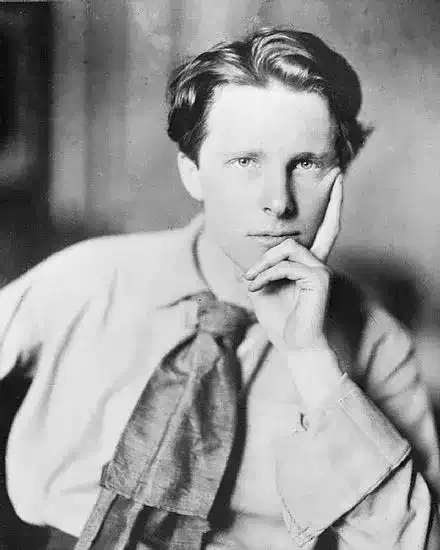
Rupert Brooke
Seaside
Swiftly out from the friendly lilt of the band,
The crowd's good laughter, the loved eyes of men,
I am drawn nightward; I must turn again
Where, down beyond the low untrodden strand,
There curves and glimmers outward to the unknown
The old unquiet ocean. All the shade
Is rife with magic and movement. I stray alone
Here on the edge of silence, half afraid,
Waiting a sign. In the deep heart of me
The sullen waters swell towards the moon,
And all my tides set seaward.
From inland
Leaps a gay fragment of some mocking tune,
That tinkles and laughs and fades along the sand,
And dies between the seawall and the sea.
231

Emily Jane Brontë
The Sun Has Set
The sun has set, and the long grass now
Waves dreamily in the evening wind;
And the wild bird has flown from that old gray stone
In some warm nook a couch to find.
In all the lonely landscape round
I see no light and hear no sound,
Except the wind that far away
Come sighing o'er the healthy sea.
Waves dreamily in the evening wind;
And the wild bird has flown from that old gray stone
In some warm nook a couch to find.
In all the lonely landscape round
I see no light and hear no sound,
Except the wind that far away
Come sighing o'er the healthy sea.
222

Robert W. Service
The Mountain And The Lake
I know a mountain thrilling to the stars,
Peerless and pure, and pinnacled with snow;
Glimpsing the golden dawn o'er coral bars,
Flaunting the vanisht sunset's garnet glow;
Proudly patrician, passionless, serene;
Soaring in silvered steeps where cloud-surfs break;
Virgin and vestal -- Oh, a very Queen!
And at her feet there dreams a quiet lake.
My lake adores my mountain -- well I know,
For I have watched it from its dawn-dream start,
Stilling its mirror to her splendid snow,
Framing her image in its trembling heart;
Glassing her graciousness of greening wood,
Kissing her throne, melodiously mad,
Thrilling responsive to her every mood,
Gloomed with her sadness, gay when she is glad.
My lake has dreamed and loved since time was born;
Will love and dream till time shall cease to be;
Gazing to Her in worship half forlorn,
Who looks towards the stars and will not see --
My peerless mountain, splendid in her scorn. . . .
Alas! poor little lake! Alas! poor me!
220

Ogden Nash
Pretty Halcyon Days
How pleasant to sit on the beach,
On the beach, on the sand, in the sun,
With ocean galore within reach,
And nothing at all to be done!
No letters to answer,
No bills to be burned,
No work to be shirked,
No cash to be earned,
It is pleasant to sit on the beach
With nothing at all to be done!
How pleasant to look at the ocean,
Democratic and damp; indiscriminate;
It fills me with noble emotion
To think I am able to swim in it.
To lave in the wave,
Majestic and chilly,
Tomorrow I crave;
But today it is silly.
It is pleasant to look at the ocean;
Tomorrow, perhaps, I shall swim in it.
How pleasant to gaze at the sailors
As their sailboats they manfully sail
With the vigor of vikings and whalers
In the days of the vikings and whale.
They sport on the brink
Of the shad and the shark;
If it’s windy, they sink;
If it isn’t, they park.
It is pleasant to gaze at the sailors,
To gaze without having to sail.
How pleasant the salt anesthetic
Of the air and the sand and the sun;
Leave the earth to the strong and athletic,
And the sea to adventure upon.
But the sun and the sand
No contractor can copy;
We lie in the land
Of the lotus and poppy;
We vegetate, calm and aesthetic,
On the beach, on the sand, in the sun.
215

Henry Lawson
The Wreck Of The `Derry Castle'
Day of ending for beginnings!
Ocean hath another innings,
Ocean hath another score;
And the surges sing his winnings,
And the surges shout his winnings,
And the surges shriek his winnings,
All along the sullen shore.
Sing another dirge in wailing,
For another vessel sailing
With the shadow-ships at sea;
Shadow-ships for ever sinking -Shadow-
ships whose pumps are clinking,
And whose thirsty holds are drinking
Pledges to Eternity.
Pray for souls of ghastly, sodden
Corpses, floating round untrodden
Cliffs, where nought but sea-drift strays;
Souls of dead men, in whose faces
Of humanity no trace is --
Not a mark to show their races -
Floating round for days and days.
. . . . .
Ocean's salty tongues are licking
Round the faces of the drowned,
And a cruel blade seems sticking
Through my heart and turning round.
Heaven! shall HIS ghastly, sodden
Corpse float round for days and days?
Shall it dash 'neath cliffs untrodden,
Rocks where nought but sea-drift strays?
God in heaven! hide the floating,
Falling, rising, face from me;
God in heaven! stay the gloating,
Mocking singing of the sea!
204
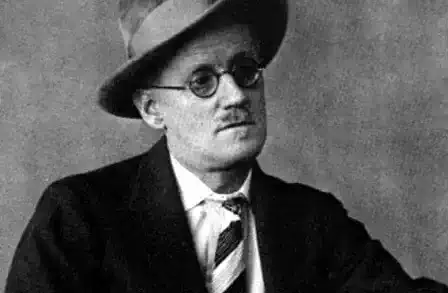
James Joyce
Flood
Goldbrown upon the sated flood
The rockvine clusters lift and sway;
Vast wings above the lambent waters brood
Of sullen day.
A waste of waters ruthlessly
Sways and uplifts its weedy mane
Where brooding day stares down upon the sea
In dull disdain.
Uplift and sway, O golden vine,
Your clustered fruits to love's full flood,
Lambent and vast and ruthless as is thine
Incertitude!
197
Christina Rossetti
The Wind Has Such A Rainy Sound
The wind has such a rainy sound
Moaning through the town,
The sea has such a windy sound, -
Will the ships go down?
The apples in the orchard
Tumble from their tree. -
Oh will the ships go down, go down,
In the windy sea?
Moaning through the town,
The sea has such a windy sound, -
Will the ships go down?
The apples in the orchard
Tumble from their tree. -
Oh will the ships go down, go down,
In the windy sea?
197
Thomas Moore
How Dear to Me the Hour
How dear to me the hour when daylight dies,
And sunbeams melt along the silent sea,
For then sweet dreams of other days arise,
And memory breathes her vesper sigh to thee.
And, as I watch the line of light, that plays
Along the smooth wave toward the burning west,
I long to tread that golden path of rays,
And think 'twould lead to some bright isle of rest.
189
Henry Lawson
The Stranded Ship: (The “Vincennes”)
’Twas the glowing log of a picnic fire where a red light should not be,
Or the curtained glow of a sick room light in a window that faced the sea.
But the Manly lights seemed the Sydney lights, and the bluffs as the “Heads” were
seen;
And the Manly beach was the channel then—and the captain steered between.
The croakers said with a shoulder shrug, and a careless, know-all glance:
“You might pull out her stem, or pull out her stern—but she’ll sail no more for France!”
Her stem was dry when the tide was out, and behind her banked the sand,
Where strong gales come from the Hurricane east and the sun sets on the land.
When the tide was high and the rollers struck she shuddered as if in pain,
She had no hope for the open sea and the fair full breeze again.
She turned her side to the pounding seas and the foam glared over the rails,
It seemed her fate to be sold and stripped, and broken by winter gales.
But they sent strong gear, and they sent the gangs, and they sent her a man who
knew,
And the tugs came nosing round from the Heads to see what a tug could do;
The four-ton anchors they laid to sea in the waves and the wind and rain,
And the great steel hawser they hove aboard made fast to her cable chain.
And then, while the gaping townsfolk stared from the shining beach in doubt,
The crew and the shore-gangs lowered her yards and they hove the ballast out.
(To lie like a strange sea-grave upheaved on the smooth sand by her side)
And they made all ready and clear for the tugs to come on the rising tide.
And so, in the night when the tide was in and a black sky hid the stars,
The shoremen worked at the jumping winch and the crew at the capstan bars.
To seaward the two tugs rose and fell in their own wild stormy glare
And her head came round for a fathom’s length! for a mighty heave was there.
So, tide by tide, and yard by yard, they hove her off the shore
To fit, and load for her ports of call, and to sail for France once more.
Till at last she came with the wild blind rush of a frightened thing set free,
And they towed her round to the Sydney Heads and in from the stormy sea.
And the croakers say, when a man is down, with a shrug and a know-all glance,
Oh, he’ll never get out of the gutter again, he has done with every chance;
But we’ll “haul and heave on the block and sheeve”, wave-beaten and black-rock
hemmed,
And we’ll sail with cargoes that they shall buy, when their ships are all condemned.
179
Previous
Page 6