
Memories and Recollections
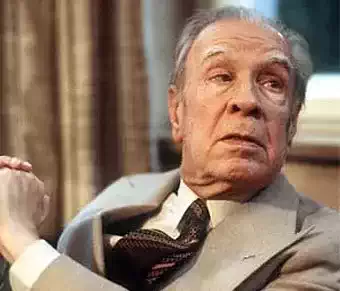
Jorge Luis Borges
Remorse For Any Death
Free of memory and of hope,
limitless, abstract, almost future,
the dead man is not a dead man: he is death.
Like the God of the mystics,
of Whom anything that could be said must be denied,
the dead one, alien everywhere,
is but the ruin and absence of the world.
We rob him of everything,
we leave him not so much as a color or syllable:
here, the courtyard which his eyes no longer see,
there, the sidewalk where his hope lay in wait.
Even what we are thinking,
he could be thinking;
we have divvied up like thieves
the booty of nights and days.
804
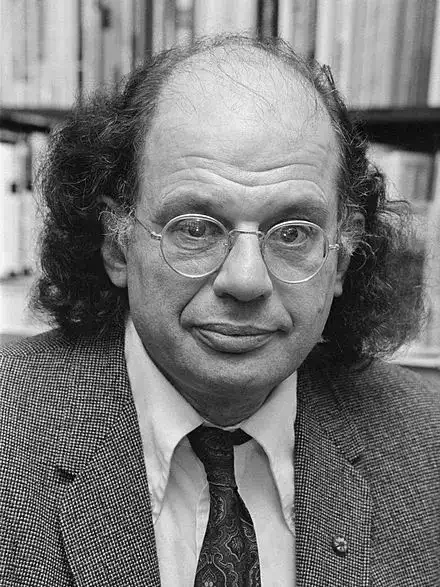
Allen Ginsberg
To Aunt Rose
Aunt Rose—now—might I see you
with your thin face and buck tooth smile and pain
of rheumatism—and a long black heavy shoe
for your bony left leg
limping down the long hall in Newark on the running carpet
past the black grand piano
in the day room
where the parties were
and I sang Spanish loyalist songs
in a high squeaky voice
(hysterical) the committee listening
while you limped around the room
collected the money—
Aunt Honey, Uncle Sam, a stranger with a cloth arm
in his pocket
and huge young bald head
of Abraham Lincoln Brigade
—your long sad face
your tears of sexual frustration
(what smothered sobs and bony hips
under the pillows of Osborne Terrace)
—the time I stood on the toilet seat naked
and you powdered my thighs with calamine
against the poison ivy—my tender
and shamed first black curled hairs
what were you thinking in secret heart then
knowing me a man already—
and I an ignorant girl of family silence on the thin pedestal
of my legs in the bathroom—Museum of Newark.
Aunt Rose
Hitler is dead, Hitler is in Eternity; Hitler is with
Tamburlane and Emily Brontë
Though I see you walking still, a ghost on Osborne Terrace
down the long dark hall to the front door
limping a little with a pinched smile
in what must have been a silken
flower dress
welcoming my father, the Poet, on his visit to Newark
—see you arriving in the living room
dancing on your crippled leg
and clapping hands his book
had been accepted by Liveright
Hitler is dead and Liveright’s gone out of business
The Attic of the Past and Everlasting Minute are out of print
Uncle Harry sold his last silk stocking
Claire quit interpretive dancing school
Buba sits a wrinkled monument in Old
Ladies Home blinking at new babies
last time I saw you was the hospital
pale skull protruding under ashen skin
blue veined unconscious girl
in an oxygen tent
the war in Spain has ended long ago
Aunt Rose
800

William Wordsworth
She Dwelt Among Untrodden Ways
She dwelt among the untrodden ways
Beside the springs of Dove,
Maid whom there were none to praise
And very few to love:
A violet by a mosy tone
Half hidden from the eye!
---Fair as a star, when only one
Is shining in the sky.
She lived unknown, and few could know
When Lucy ceased to be;
But she is in her grave, and, oh,
The difference to me!
815
Jorge Luis Borges
Adam Cast Forth
Was there a Garden or was the Garden a dream?
Amid the fleeting light, I have slowed myself and queried,
Almost for consolation, if the bygone period
Over which this Adam, wretched now, once reigned supreme,
Might not have been just a magical illusion
Of that God I dreamed. Already it's imprecise
In my memory, the clear Paradise,
But I know it exists, in flower and profusion,
Although not for me. My punishment for life
Is the stubborn earth with the incestuous strife
Of Cains and Abels and their brood; I await no pardon.
Yet, it's much to have loved, to have known true joy,
To have had -- if only for just one day --
The experience of touching the living Garden.
Translated by Genia Gurarie.
837
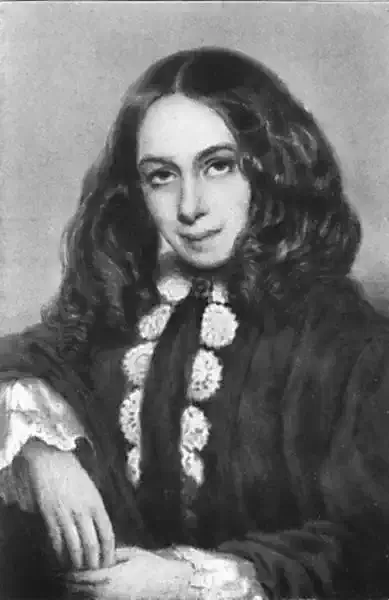
Elizabeth Barrett Browning
Sonnet XVIII: I Never Gave a Lock of Hair
I never gave a lock of hair away
To a man, dearest, except this to thee,
Which now upon my fingers thoughtfully,
I ring out to the full brown length and say
Take it. My day of youth went yesterday;
My hair no longer bounds to my foot's glee,
Nor plant I it from rose or myrtle-tree,
As girls do, any more: it only may
Now shade on two pale cheeks the mark of tears,
Taught drooping from the head that hangs aside
Through sorrow's trick. I thought the funeral-shears
Would take this first, but Love is justified,--
Take it thou,--finding pure, from all those years,
The kiss my mother left here when she died.
837
Allen Ginsberg
Kaddish, Part I
Strange now to think of you, gone without corsets & eyes, while I walk on
the sunny pavement of Greenwich Village.
downtown Manhattan, clear winter noon, and I've been up all night, talking,
talking, reading the Kaddish aloud, listening to Ray Charles blues
shout blind on the phonograph
the rhythm the rhythm--and your memory in my head three years after-And
read Adonais' last triumphant stanzas aloud--wept, realizing
how we suffer--
And how Death is that remedy all singers dream of, sing, remember,
prophesy as in the Hebrew Anthem, or the Buddhist Book of Answers--
and my own imagination of a withered leaf--at dawn--
Dreaming back thru life, Your time--and mine accelerating toward Apocalypse,
the final moment--the flower burning in the Day--and what comes after,
looking back on the mind itself that saw an American city
a flash away, and the great dream of Me or China, or you and a phantom
Russia, or a crumpled bed that never existed-
like a poem in the dark--escaped back to Oblivion--
No more to say, and nothing to weep for but the Beings in the Dream,
trapped in its disappearance,
sighing, screaming with it, buying and selling pieces of phantom, worshipping
each other,
worshipping the God included in it all--longing or inevitability?--while it
lasts, a Vision--anything more?
It leaps about me, as I go out and walk the street, look back over my shoulder,
Seventh Avenue, the battlements of window office buildings shouldering
each other high, under a cloud, tall as the sky an instant--and
the sky above--an old blue place.
or down the Avenue to the south, to--as I walk toward the Lower East Side
--where you walked 50 years ago, little girl--from Russia, eating the
first poisonous tomatoes of America frightened on the dock
then struggling in the crowds of Orchard Street toward what?--toward
Newark-
toward candy store, first home-made sodas of the century, hand-churned ice
cream in backroom on musty brownfloor boards--
Toward education marriage nervous breakdown, operation, teaching school,
and learning to be mad, in a dream--what is this life?
Toward the Key in the window--and the great Key lays its head of light
on top of Manhattan, and over the floor, and lays down on the
sidewalk--in a single vast beam, moving, as I walk down First toward
the Yiddish Theater--and the place of poverty
you knew, and I know, but without caring now--Strange to have moved
thru Paterson, and the West, and Europe and here again,
with the cries of Spaniards now in the doorstops doors and dark boys on
the street, firs escapes old as you
--Tho you're not old now, that's left here with me--
Myself, anyhow, maybe as old as the universe--and I guess that dies with
us--enough to cancel all that comes--What came is gone forever
every time-
That's good!
That leaves it open for no regret--no fear radiators, lacklove,
torture even toothache in the end--
Though while it comes it is a lion that eats the soul--and the lamb, the soul,
in us, alas, offering itself in sacrifice to change's fierce hunger--hair
and teeth--and the roar of bonepain, skull bare, break rib, rot-skin,
braintricked Implacability.
Ai! ai!we do worse! We are in a fix!
And you're out, Death let you out,
Death had the Mercy, you're done with your century, done with
God, done with the path thru it--Done with yourself at last--Pure
--Back to the Babe dark before your Father, before us all--before the
world--
There, rest.
No more suffering for you.
I know where you've gone, it's good.
No more flowers in the summer fields of New York, no joy now, no more
fear of Louis,
and no more of his sweetness and glasses, his high school decades, debts,
loves, frightened telephone calls, conception beds, relatives, hands--
No more of sister Elanor,--she gone before you--we kept it secret you
killed her--or she killed herself to bear with you--an arthritic heart
--But Death's killed you both--No matter--
Nor your memory of your mother, 1915 tears in silent movies weeks and
weeks--forgetting, agrieve watching Marie Dressler address humanity,
Chaplin dance in youth,
or Boris Godunov, Chaliapin's at the Met, halling his voice of a weeping Czar
--by standing room with Elanor & Max--watching also the Capital
ists take seats in Orchestra, white furs, diamonds,
with the YPSL's hitch-hiking thru Pennsylvania, in black baggy gym skirts
pants, photograph of 4 girls holding each other round the waste, and
laughing eye, too coy, virginal solitude of 1920
all girls grown old, or dead now, and that long hair in the grave--lucky to
have husbands later--
You made it--I came too--Eugene my brother before (still grieving now and
will gream on to his last stiff hand, as he goes thru his cancer--or kill
--later perhaps--soon he will think--)
And it's the last moment I remember, which I see them all, thru myself, now
--tho not you
I didn't foresee what you felt--what more hideous gape of bad mouth came
first--to you--and were you prepared?
To go where?
In that Dark--that--in that God? a radiance? A Lord in the
Void?Like an eye in the black cloud in a dream?
Adonoi at last, with
you?
Beyond my remembrance! Incapable to guess! Not merely the yellow skull
in the grave, or a box of worm dust, and a stained ribbon--Deathshead
with Halo?can you believe it?
Is it only the sun that shines once for the mind, only the flash of existence,
than none ever was?
Nothing beyond what we have--what you had--that so pitiful--yet Triumph,
to have been here, and changed, like a tree, broken, or flower--fed to the
ground--but made, with its petals, colored, thinking Great Universe,
shaken, cut in the head, leaf stript, hid in an egg crate hospital, cloth
wrapped, sore--freaked in the moon brain, Naughtless.
No flower like that flower, which knew itself in the garden, and fought the
knife--lost
Cut down by an idiot Snowman's icy--even in the Spring--strange ghost
thought some--Death--Sharp icicle in his hand--crowned with old
roses--a dog for his eyes--cock of a sweatshop--heart of electric
irons.
All the accumulations of life, that wear us out--clocks, bodies, consciousness,
shoes, breasts--begotten sons--your Communism--'Paranoia' into
hospitals.
You once kicked Elanor in the leg, she died of heart failure later.
You of
stroke.
Asleep?within a year, the two of you, sisters in death.
Is
Elanor happy?
Max grieves alive in an office on Lower Broadway, lone large mustache over
midnight Accountings, not sure.
His life passes--as he sees--and
what does he doubt now?
Still dream of making money, or that might
have made money, hired nurse, had children, found even your Immortality,
Naomi?
I'll see him soon.
Now I've got to cut through to talk to you as I didn't
when you had a mouth.
Forever.And we're bound for that, Forever like Emily Dickinson's horses
--headed to the End.
They know the way--These Steeds--run faster than we think--it's our own
life they cross--and take with them.
Magnificent, mourned no more, marred of heart, mind behind, married
dreamed, mortal changed--Ass and face done with murder.
In the world, given, flower maddened, made no Utopia, shut under
pine, almed in Earth, blamed in Lone, Jehovah, accept.
Nameless, One Faced, Forever beyond me, beginningless, endless,
Father in death.
Tho I am not there for this Prophecy, I am unmarried, I'm
hymnless, I'm Heavenless, headless in blisshood I would still adore
Thee, Heaven, after Death, only One blessed in Nothingness, not
light or darkness, Dayless Eternity-Take
this, this Psalm, from me, burst from my hand in a day, some
of my Time, now given to Nothing--to praise Thee--But Death
This is the end, the redemption from Wilderness, way for the Wonderer,
House sought for All, black handkerchief washed clean by weeping
--page beyond Psalm--Last change of mine and Naomi--to God's perfect
Darkness--Death, stay thy phantoms!
II
Over and over--refrain--of the Hospitals--still haven't written your
history--leave it abstract--a few images
run thru the mind--like the saxophone chorus of houses and years-remembrance
of electrical shocks.
By long nites as a child in Paterson apartment, watching over your
nervousness--you were fat--your next move-
By that afternoon I stayed home from school to take care of you-once
and for all--when I vowed forever that once man disagreed with my
opinion of the cosmos, I was lost-
By my later burden--vow to illuminate mankind--this is release of
particulars--(mad as you)--(sanity a trick of agreement)-But
you stared out the window on the Broadway Church corner, and
spied a mystical assassin from Newark,
So phoned the Doctor--'OK go way for a rest'--so I put on my coat
and walked you downstreet--On the way a grammarschool boy screamed,
unaccountably--'Where you goin Lady to Death'? I shuddered-
and you covered your nose with motheaten fur collar, gas mask
against poison sneaked into downtown atmosphere, sprayed by Grandma-
And was the driver of the cheesebox Public Service bus a member of
the gang?
You shuddered at his face, I could hardly get you on--to New
York, very Times Square, to grab another Greyhound--
783
Arthur Rimbaud
Departure
Everything seen...
The vision gleams in every air.
Everything had...
The far sound of cities, in the evening,
In sunlight, and always.
Everything known...
O Tumult! O Visions! These are the stops of life.
Departure in affection, and shining sounds.
The vision gleams in every air.
Everything had...
The far sound of cities, in the evening,
In sunlight, and always.
Everything known...
O Tumult! O Visions! These are the stops of life.
Departure in affection, and shining sounds.
770
Allen Ginsberg
Feb. 29, 1958
Last nite I dreamed of T.S. Eliot
welcoming me to the land of dream
Sofas couches fog in England
Tea in his digs Chelsea rainbows
curtains on his windows, fog seeping in
the chimney but a nice warm house
and an incredibly sweet hooknosed
Eliot he loved me, put me up,
gave me a couch to sleep on,
conversed kindly, took me serious
asked my opinion on Mayakovsky
I read him Corso Creeley Kerouac
advised Burroughs Olson Huncke
the bearded lady in the Zoo, the
intelligent puma in Mexico City
6 chorus boys from Zanzibar
who chanted in wornout polygot
Swahili, and the rippling rythyms
of Ma Rainey and Vachel Lindsay.
On the Isle of the Queen
we had a long evening's conversation
Then he tucked me in my long
red underwear under a silken
blanket by the fire on the sofa
gave me English Hottie
and went off sadly to his bed,
Saying ah Ginsberg I am glad
to have met a fine young man like you.
At last, I woke ashamed of myself.
Is he that good and kind? Am I that great?
What's my motive dreaming his
manna? What English Department
would that impress? What failure
to be perfect prophet's made up here?
I dream of my kindness to T.S. Eliot
wanting to be a historical poet
and share in his finance of Imageryoverambitious
dream of eccentric boy.
God forbid my evil dreams come true.
Last nite I dreamed of Allen Ginsberg.
T.S. Eliot would've been ashamed of me.
758
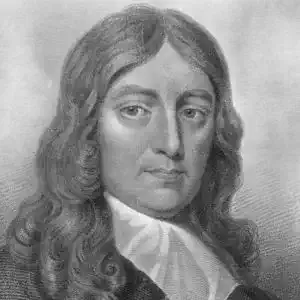
John Milton
Sonnet 14
XIV
When Faith and Love which parted from thee never,
Had ripen'd thy just soul to dwell with God,
Meekly thou didst resign this earthy load
Of Death, call'd Life; which us from Life doth sever
Thy Works and Alms and all thy good Endeavour
Staid not behind, nor in the grave were trod;
But as Faith pointed with her golden rod,
Follow'd thee up to joy and bliss for ever.
Love led them on, and Faith who knew them best
Thy hand-maids, clad them o're with purple beams
And azure wings, that up they flew so drest,
And speak the truth of thee on glorious Theams
Before the Judge, who thenceforth bid thee rest
And drink thy fill of pure immortal streams.
Note: Camb. Autograph supplies title, On the Religious
Memory of Catherine Thomson, my Christian Friend, deceased
16 Decemb., 1646.
763

John Greenleaf Whittier
The Library
'Let there be light!' God spake of old,
And over chaos dark and cold,
And through the dead and formless frame
Of nature, life and order came.
Faint was the light at first that shone
On giant fern and mastodon,
On half-formed plant and beast of prey,
And man as rude and wild as they.
Age after age, like waves, o'erran
The earth, uplifting brute and man;
And mind, at length, in symbols dark
Its meanings traced on stone and bark.
On leaf of palm, on sedge-wrought roll,
On plastic clay and leathern scroll,
Man wrote his thoughts; the ages passed,
And to! the Press was found at last!
Then dead souls woke; the thoughts of men
Whose bones were dust revived again;
The cloister's silence found a tongue,
Old prophets spake, old poets sung.
And here, to-day, the dead look down,
The kings of mind again we crown;
We hear the voices lost so long,
The sage's word, the sibyl's song.
Here Greek and Roman find themselves
Alive along these crowded shelves;
And Shakespeare treads again his stage,
And Chaucer paints anew his age.
As if some Pantheon's marbles broke
Their stony trance, and lived and spoke,
Life thrills along the alcoved hall,
The lords of thought await our call!
790
Jorge Luis Borges
Limits
Of all the streets that blur in to the sunset,
There must be one (which, I am not sure)
That I by now have walked for the last time
Without guessing it, the pawn of that Someone
Who fixes in advance omnipotent laws,
Sets up a secret and unwavering scale
for all the shadows, dreams, and forms
Woven into the texture of this life.
If there is a limit to all things and a measure
And a last time and nothing more and forgetfulness,
Who will tell us to whom in this house
We without knowing it have said farewell?
Through the dawning window night withdraws
And among the stacked books which throw
Irregular shadows on the dim table,
There must be one which I will never read.
There is in the South more than one worn gate,
With its cement urns and planted cactus,
Which is already forbidden to my entry,
Inaccessible, as in a lithograph.
There is a door you have closed forever
And some mirror is expecting you in vain;
To you the crossroads seem wide open,
Yet watching you, four-faced, is a Janus.
There is among all your memories one
Which has now been lost beyond recall.
You will not be seen going down to that fountain
Neither by white sun nor by yellow moon.
You will never recapture what the Persian
Said in his language woven with birds and roses,
When, in the sunset, before the light disperses,
You wish to give words to unforgettable things.
And the steadily flowing Rhone and the lake,
All that vast yesterday over which today I bend?
They will be as lost as Carthage,
Scourged by the Romans with fire and salt.
At dawn I seem to hear the turbulent
Murmur of crowds milling and fading away;
They are all I have been loved by, forgotten by;
Space, time, and Borges now are leaving me.
773

Christina Rossetti
When I am dead, my dearest
When I am dead, my dearest,
Sing no sad songs for me;
Plant thou no roses at my head,
Nor shady cypress tree:
Be the green grass above me
With showers and dewdrops wet;
And if thou wilt, remember,
And if thou wilt, forget.
I shall not see the shadows,
I shall not feel the rain;
I shall not hear the nightingale
Sing on, as if in pain:
And dreaming through the twilight
That doth not rise nor set,
Haply I may remember,
And haply may forget.
783

William Shakespeare
Sonnet 73: That time of year thou mayst in me behold
That time of year thou mayst in me behold
When yellow leaves, or none, or few, do hang
Upon those boughs which shake against the cold,
Bare ruin'd choirs, where late the sweet birds sang.
In me thou seest the twilight of such day
As after sunset fadeth in the west,
Which by and by black night doth take away,
Death's second self, that seals up all in rest.
In me thou see'st the glowing of such fire
That on the ashes of his youth doth lie,
As the death-bed whereon it must expire
Consumed with that which it was nourish'd by.
This thou perceivest, which makes thy love more strong,
To love that well which thou must leave ere long.
786
Elizabeth Barrett Browning
Sonnet XX: Belovèd, My Belovèd
Belovèd, my Belovèd, when I think
That thou wast in the world a year ago,
What time I sat alone here in the snow
And saw no footprint, heard the silence sink
No moment at thy voice, but, link by link
Went counting all my chains as if that so
They never could fall off at any blow
Struck by thy possible hand,--why, thus I drink
Of life's great cup of wonder! Wonderful,
Never to feel thee thrill the day or night
With personal act or speech,--nor ever cull
Some prescience of thee with the blossoms white
Thou sawest growing! Atheists are as dull
Who cannot guess God's presence out of sight.
757

Robert Browning
Evelyn Hope
I.
Beautiful Evelyn Hope is dead!
Sit and watch by her side an hour.
That is her book-shelf, this her bed;
She plucked that piece of geranium-flower,
Beginning to die too, in the glass;
Little has yet been changed, I think:
The shutters are shut, no light may pass
Save two long rays thro' the hinge's chink.
II.
Sixteen years old, when she died!
Perhaps she had scarcely heard my name;
It was not her time to love; beside,
Her life had many a hope and aim,
Duties enough and little cares,
And now was quiet, now astir,
Till God's hand beckoned unawares,---
And the sweet white brow is all of her.
III.
Is it too late then, Evelyn Hope?
What, your soul was pure and true,
The good stars met in your horoscope,
Made you of spirit, fire and dew---
And, just because I was thrice as old
And our paths in the world diverged so wide,
Each was nought to each, must I be told?
We were fellow mortals, nought beside?
IV.
No, indeed! for God above
Is great to grant, as mighty to make,
And creates the love to reward the love:
I claim you still, for my own love's sake!
Delayed it may be for more lives yet,
Through worlds I shall traverse, not a few:
Much is to learn, much to forget
Ere the time be come for taking you.
V.
But the time will come,---at last it will,
When, Evelyn Hope, what meant (I shall say)
In the lower earth, in the years long still,
That body and soul so pure and gay?
Why your hair was amber, I shall divine,
And your mouth of your own geranium's red---
And what you would do with me, in fine,
In the new life come in the old one's stead.
VI.
I have lived (I shall say) so much since then,
Given up myself so many times,
Gained me the gains of various men,
Ransacked the ages, spoiled the climes;
Yet one thing, one, in my soul's full scope,
Either I missed or itself missed me:
And I want and find you, Evelyn Hope!
What is the issue? let us see!
VII.
I loved you, Evelyn, all the while.
My heart seemed full as it could hold?
There was place and to spare for the frank young smile,
And the red young mouth, and the hair's young gold.
So, hush,---I will give you this leaf to keep:
See, I shut it inside the sweet cold hand!
There, that is our secret: go to sleep!
You will wake, and remember, and understand.
745
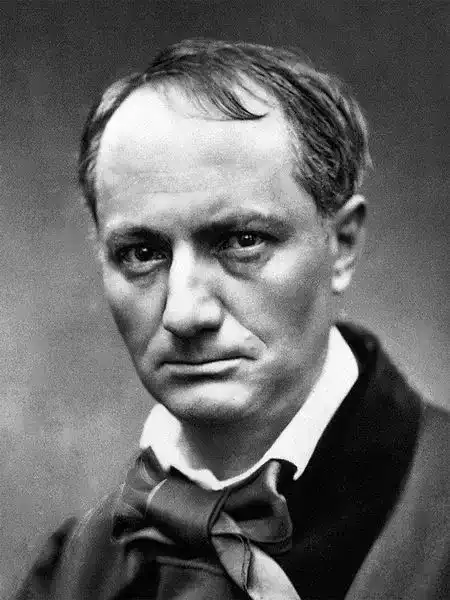
Charles Baudelaire
Evening Harmony
The hour has come at last when, trembling to and fro,
Each flower is a censer sifting its perfume;
The scent and sounds all swirl in evening’s gentle fume;
A melancholy waltz, a languid vertigo!
Each flower is a censer sifting its perfume;
A violin’s vibrato wounds the heart of woe;
A melancholy waltz, a languid vertigo!
The sky, a lofty altar, lovely in the gloom,
A violin’s vibrato wounds the heart of woe,
A tender heart detests the black of nullity,
The sky, a lofty altar, lovely in the gloom;
The sun is drowning in the evening’s blood-red glow.
A tender heart detests the black of nullity,
And lovingly preserves each trace of long ago!
The sun is drowning in the evening’s blood-red glow …
Your memory shines through me like an ostensory!
Each flower is a censer sifting its perfume;
The scent and sounds all swirl in evening’s gentle fume;
A melancholy waltz, a languid vertigo!
Each flower is a censer sifting its perfume;
A violin’s vibrato wounds the heart of woe;
A melancholy waltz, a languid vertigo!
The sky, a lofty altar, lovely in the gloom,
A violin’s vibrato wounds the heart of woe,
A tender heart detests the black of nullity,
The sky, a lofty altar, lovely in the gloom;
The sun is drowning in the evening’s blood-red glow.
A tender heart detests the black of nullity,
And lovingly preserves each trace of long ago!
The sun is drowning in the evening’s blood-red glow …
Your memory shines through me like an ostensory!
707
William Shakespeare
Sonnet 71: No longer mourn for me when I am dead
No longer mourn for me when I am dead
Than you shall hear the surly sullen bell
Give warning to the world that I am fled
From this vile world with vilest worms to dwell.
Nay if you read this line, remember not
The hand that writ it, for I love you so
That I in your sweet thoughts would be forgot
If thinking on me then should make you woe.
O, if, I say, you look upon this verse,
When I perhaps compounded am with clay,
Do not so much as my poor name rehearse,
But let your love even with my life decay,
Lest the wise world should look into your moan
And mock you with me after I am gone.
709
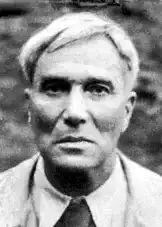
Boris Pasternak
To Anna Akhmatova
I think I can call on words
that will last: you are there.
But if I can’t, no matter –
I’ll persist, I won’t care.
I hear the muttering of wet roofs,
pale eclogues from stones and kerb.
From the opening lines, that city,
is alive in each sound, each word.
You can’t leave town though it’s spring,
and your customers won’t wait.
Dawn glows, by lamplight sewing
with unbowed back, eyes wet.
Breathing the calm of far-off Ladoga,
stumbling towards the water.
There’s no relief from such trips.
The shallows smell mustier, darker.
The wind dances, it’s a walnut shell,
a glitter, the warm wind blows
branches and stars, lights, and views,
as the seamstress watches the flow.
Eyesight can be sharp, differently,
form be precise in varying ways,
but a solvent of acid power’s
out there under the white night’s blaze.
That’s how I see your face and look.
Not that pillar of salt, in mind,
in which five years ago you fixed
our fears of looking behind.
From your first verses where grains
of clear speech hardened, to the last,
your eye, the spark that shakes the wire,
makes all things quiver with the past.
704
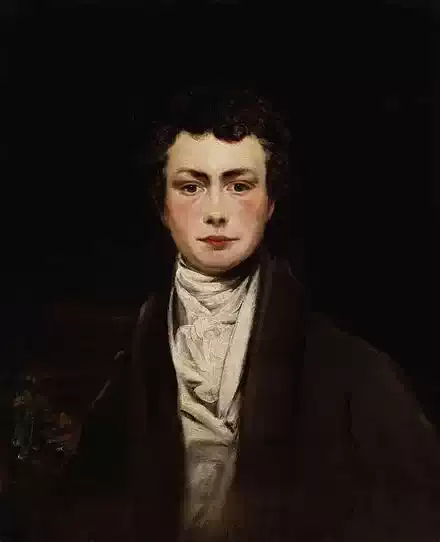
Thomas Moore
Oft, in the Stilly Night
Oft, in the stilly night,
Ere slumber's chain has bound me,
Fond memory brings the light
Of other days around me;
The smiles, the tears,
Of boyhood's years,
The words of love then spoken;
The eyes that shone,
Now dimm'd and gone,
The cheerful hearts now broken!
Thus, in the stilly night,
Ere slumber's chain hath bound me,
Sad memory brings the light
Of other days around me.
When I remember all
The friends, so link'd together,
I've seen around me fall,
Like leaves in wintry weather;
I feel like one
Who treads alone
Some banquet-hall deserted,
Whose lights are fled,
Whose garlands dead,
And all but he departed!
Thus, in the stilly night,
Ere slumber's chain has bound me,
Sad memory brings the light
Of other days around me.
Ere slumber's chain has bound me,
Fond memory brings the light
Of other days around me;
The smiles, the tears,
Of boyhood's years,
The words of love then spoken;
The eyes that shone,
Now dimm'd and gone,
The cheerful hearts now broken!
Thus, in the stilly night,
Ere slumber's chain hath bound me,
Sad memory brings the light
Of other days around me.
When I remember all
The friends, so link'd together,
I've seen around me fall,
Like leaves in wintry weather;
I feel like one
Who treads alone
Some banquet-hall deserted,
Whose lights are fled,
Whose garlands dead,
And all but he departed!
Thus, in the stilly night,
Ere slumber's chain has bound me,
Sad memory brings the light
Of other days around me.
704
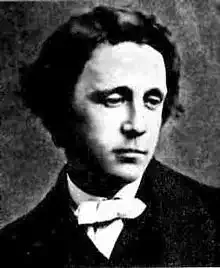
Lewis Carroll
The White Knight's Song
'Haddock's Eyes' or 'The Aged Aged Man' or
'Ways and Means' or 'ASitting
On A Gate'
I'll tell thee everything I can;
There's little to relate.
I saw an aged, aged man,
Asitting
on a gate.
'Who are you, aged man?' I said.
'And how is it you live?'
And his answer trickled through my head
Like water through a sieve.
He said 'I look for butterflies
That sleep among the wheat;
I make them into muttonpies,
And sell them in the street.
I sell them unto men,' he said,
'Who sail on stormy seas;
And that's the way I get my bread
A
trifle, if you please.'
But I was thinking of a plan
To dye one's whiskers green,
And always use so large a fan
That it could not be seen.
So, having no reply to give
To what the old man said,
I cried, 'Come, tell me how you live!'
And thumped him on the head.
His accents mild took up the tale;
He said, 'I go my ways,
And when I find a mountainrill,
I set it in a blaze.
And thence they make a stuff they call
Rowland's Macassar OilYet
twopencehalfpenny
is all
They give me for my toil.'
But I was thinking of a way
To feed oneself on batter,
And so go on from day to day
Getting a little fatter.
I shook him well from side to side,
Until his face was blue;
'Come, tell me how you live,' I cried
'And what it is you do!'
He said, 'I hunt for haddocks' eyes
Among the heather bright,
And work them into waistcoatbuttons
In the silent night.
And these I do not sell for gold
Or coin of silvery shine,
But for a copper halfpenny,
And that will purchase nine.
'I sometimes dig for buttered rolls,
Or set limed twigs for crabs;
I sometimes search the grassy knolls
For wheels of hansomcabs.
And that's the way' (he gave a wink)
'By which I get my wealth
And
very gladly will I drink
Your Honor's noble health.'
I heard him then, for I had just
Completed my design
To keep the Menai bridge from rust
By boiling it in wine.
I thanked him much for telling me
The way he got his wealth,
But chiefly for his wish that he
Might drink my noble health.
And now, if e'er by chance I put
My fingers into glue,
Or madly squeeze a righthand
foot
Into a lefthand
shoe,
Or if I drop upon my toe
A very heavy weight,
I weep, for it reminds me so
Of that old man I used to know
Whose
look was mild, whose speech was slow,
Whose hair was whiter than the snow,
Whose face was very like a crow
With eyes, like cinders, all aglow,
Who seemed distracted with his woe,
Who rocked his body to and fro,
And muttered mumblingly and low,
As if his mouth were full of dough,
Who snorted like a buffalo
That
summer evening long ago
Asitting
on a gate.
685

Lord Byron
When I Roved A Young Highlander
When I roved a young Highlander o'er the dark heath,
And climb'd thy steep sumrnit, oh Morven of snow!
To gaze on the torrent that thunder'd beneath,
Or the mist of the tempest that gather'd below,
Untutor'd by science, a stranger to fear,
And rude as the rocks where my infancy grew,
No feeling, save one, to my bosom was dear
Need I say, my sweet Mary, 'twas centred in you?
Yet it could not be love, for I knew not the name,
What
passion can dwell in the heart of a child?
But still I pereceive an emotion the same
As I felt, when a boy, on the crag cover'd wild:
One image alone on my bosom impress'd
I loved my bleak regions, nor panted for new;
And few were my wants, for my wishes were bless'd;
And pure were my thoughts, for my soul was with you.
I arose with the dawn; with my dog as my guide,
From mountain to mountain I bounded along
I breasted the billows of Dee's rushing tide,
And heard at a distance the Highlander's song:
At eve, on my heathcover'd
couch of repose,
No dreams, save of Mary, were spread to my view;
And warm to the skies my devotions aoose,
For the first of my prayers was a blessing on you.
I left my bleak home, and my visions are gone;
The mountains are vanish'd, my youth is no more;
As the last of my race, I must wither alone,
And delight but in days I have witness'd before:
Ah! splendour has raised but embitter'd my lot;
More dear were the scenes which my infancy knew:
Though my hopes may have fail'd, yet they are not forgot;
Though cold is my heart, still it lingers with you.
When I see some dark hill point its crest to the sky,
I think of the rocks that o'ershadow Colbleen
When I see the soft blue of a lovespeaking
eye
I think of those eyes that endear'd the rude scene;
When, haply, some lightwaving
locks I behold,
That faintly resemble my Mary's in hue,
I think on the long, flowing ringlets of gold,
The locks that were sacred to beauty, and you.
Yet the day may arrive when the mountains once more
Shall rise to my sight In their mantles of snow:
But while these soar above me, unchanged as before
Will Mary be there to receive me? ah,
no!
Adieu, then, ye hills, where my childhood was bred!
Thou sweet flowing Dee, to thy waters adieu!
No home in the forest shall shelter my head,
Ah! Mary, what home could be mine but with you?
695
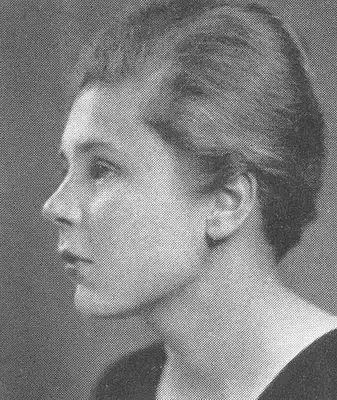
Elizabeth Bishop
The Monument
Now can you see the monument? It is of wood
built somewhat like a box. No. Built
like several boxes in descending sizes
one above the other.
Each is turned half-way round so that
its corners point toward the sides
of the one below and the angles alternate.
Then on the topmost cube is set
a sort of fleur-de-lys of weathered wood,
long petals of board, pierced with odd holes,
four-sided, stiff, ecclesiastical.
From it four thin, warped poles spring out,
(slanted like fishing-poles or flag-poles)
and from them jig-saw work hangs down,
four lines of vaguely whittled ornament
over the edges of the boxes
to the ground.
The monument is one-third set against
a sea; two-thirds against a sky.
The view is geared
(that is, the view's perspective)
so low there is no "far away,"
and we are far away within the view.
A sea of narrow, horizontal boards
lies out behind our lonely monument,
its long grains alternating right and left
like floor-boards--spotted, swarming-still,
and motionless. A sky runs parallel,
and it is palings, coarser than the sea's:
splintery sunlight and long-fibred clouds.
"Why does the strange sea make no sound?
Is it because we're far away?
Where are we? Are we in Asia Minor,
or in Mongolia?"
An ancient promontory,
an ancient principality whose artist-prince
might have wanted to build a monument
to mark a tomb or boundary, or make
a melancholy or romantic scene of it...
"But that queer sea looks made of wood,
half-shining, like a driftwood, sea.
And the sky looks wooden, grained with cloud.
It's like a stage-set; it is all so flat!
Those clouds are full of glistening splinters!
What is that?"
It is the monument.
"It's piled-up boxes,
outlined with shoddy fret-work, half-fallen off,
cracked and unpainted. It looks old."
--The strong sunlight, the wind from the sea,
all the conditions of its existence,
may have flaked off the paint, if ever it was painted,
and made it homelier than it was.
"Why did you bring me here to see it?
A temple of crates in cramped and crated scenery,
what can it prove?
I am tired of breathing this eroded air,
this dryness in which the monument is cracking."
It is an artifact
of wood. Wood holds together better
than sea or cloud or and could by itself,
much better than real sea or sand or cloud.
It chose that way to grow and not to move.
The monument's an object, yet those decorations,
carelessly nailed, looking like nothing at all,
give it away as having life, and wishing;
wanting to be a monument, to cherish something.
The crudest scroll-work says "commemorate,"
while once each day the light goes around it
like a prowling animal,
or the rain falls on it, or the wind blows into it.
It may be solid, may be hollow.
The bones of the artist-prince may be inside
or far away on even drier soil.
But roughly but adequately it can shelter
what is within (which after all
cannot have been intended to be seen).
It is the beginning of a painting,
a piece of sculpture, or poem, or monument,
and all of wood. Watch it closely.
668
Elizabeth Barrett Browning
A Sea-Side Walk
We walked beside the sea,
After a day which perished silently
Of its own glory---like the Princess weird
Who, combating the Genius, scorched and seared,
Uttered with burning breath, 'Ho! victory!'
And sank adown, an heap of ashes pale;
So runs the Arab tale.
The sky above us showed
An universal and unmoving cloud,
On which, the cliffs permitted us to see
Only the outline of their majesty,
As master-minds, when gazed at by the crowd!
And, shining with a gloom, the water grey
Swang in its moon-taught way.
Nor moon nor stars were out.
They did not dare to tread so soon about,
Though trembling, in the footsteps of the sun.
The light was neither night's nor day's, but one
Which, life-like, had a beauty in its doubt;
And Silence's impassioned breathings round
Seemed wandering into sound.
O solemn-beating heart
Of nature! I have knowledge that thou art
Bound unto man's by cords he cannot sever---
And, what time they are slackened by him ever,
So to attest his own supernal part,
Still runneth thy vibration fast and strong,
The slackened cord along.
For though we never spoke
Of the grey water anal the shaded rock,---
Dark wave and stone, unconsciously, were fused
Into the plaintive speaking that we used,
Of absent friends and memories unforsook;
And, had we seen each other's face, we had
Seen haply, each was sad.
667

Walt Whitman
Out of the Cradle Endlessly Rocking
Out of the cradle endlessly rocking,
Out of the mocking-bird's throat, the musical shuttle,
Out of the Ninth-month midnight,
Over the sterile sands and the fields beyond, where the child
leaving his bed wander'd alone, bareheaded, barefoot,
Down from the shower'd halo,
Up from the mystic play of shadows twining and twisting as
if they were alive,
Out from the patches of briers and blackberries,
From the memories of the bird that chanted to me,
From your memories sad brother, from the fitful risings and
fallings I heard,
From under that yellow half-moon late-risen and swollen as
if with tears,
From those beginning notes of yearning and love there in
the mist,
From the thousand responses of my heart never to cease,
From the myriad thence-arous'd words,
From the word stronger and more delicious than any,
From such as now they start the scene revisiting,
As a flock, twittering, rising, or overhead passing,
Borne hither, ere all eludes me, hurriedly,
A man, yet by these tears a little boy again,
Throwing myself on the sand, confronting the waves,
I, chanter of pains and joys, uniter of here and hereafter,
Taking all hints to use them, but swiftly leaping beyond them,
A reminiscence sing.
Once Paumanok,
When the lilac-scent was in the air and Fifth-month grass
was growing,
Up this seashore in some briers,
Two feather'd guests from Alabama, two together,
And their nest, and four light-green eggs spotted with brown,
And every day the he-bird to and fro near at hand,
And every day the she-bird crouch'd on her nest, silent, with
bright eyes,
And every day I, a curious boy, never too close, never
disturbing them,
Cautiously peering, absorbing, translating.
Shine! shine! shine!
Pour down your warmth, great sun!
While we bask, we two together.
Two together!
Winds blow south, or winds blow north,
Day come white, or niqht come black,
Home, or rivers and mountains from home,
Singing all time, minding no time,
While we two keep together.
Till of a sudden,
May-be kill'd, unknown to her mate,
One forenoon the she-bird crouch'd not on the nest,
Nor return'd that afternoon, nor the next,
Nor ever appear'd again.
And thenceforward all summer in the sound of the sea,
And at night under the full of the moon in calmer weather,
Over the hoarse surging of the sea,
Or flitting from brier to brier by day,
I saw, I heard at intervals the remaining one, the he-bird,
The solitary guest from Alabama.
Blow! blow! blow!
Blow up sea-winds along Paumanok's shore;
I wait and I wait till you blow my mate to me.
Yes, when the stars glisten'd,
All night long on the prong of a moss-scallop'd stake,
Down almost amid the slapping waves,
Sat the lone singer wonderful causing tears.
He call'd on his mate,
He pour'd forth the meanings which I of all men know.
Yes my brother I know,
The rest might not, but I have treasur'd every note,
For more than once dimly down to the beach gliding,
Silent, avoiding the moonbeams, blending myself with the
shadows,
Recalling now the obscure shapes, the echoes, the sounds
and sights after their sorts,
The white arms out in the breakers tirelessly tossing,
I, with bare feet, a child, the wind wafting my hair,
Listen'd long and long.
Listen'd to keep, to sing, now translating the notes,
Following you my brother.
Soothe! soothe! soothe!
Close on its wave soothes the wave behind,
And again another behind embracing and lapping, every one close,
But my love soothes not me, not me.
Low hangs the moon, it rose late,
It is lagging--O I think it is heavy with love, with love.
O madly the sea pushes upon the land,
With love, with love.
O night! do I not see my love fluttering out among the breakers?
What is that little black thing I see there in the white?
Loud! loud! loud!
Loud I call to you, my love!
Hiqh and clear I shoot my voice over the waves,
Surely you must know who is here, is here,
You must know who I am, my love.
Low-hanging moon!
What is that dusky spot in your brown yellow?
O it is the shape, the shape of my mate!
O moon do not keep her from me any longer.
Land! land! O land!
Whichever way I turn, 0 I think you could give me my mate
back again if you only would,
For I am almost sure I see her dimly whichever way I look.
O rising stars!
Perhaps the one I want so much will rise, will rise with some of you.
O throat! 0 trembling throat!
Sound clearer through the atmosphere!
Pierce the woods, the earth,
Somewhere listening to catch you must be the one I want.
Shake out carols!
Solitary here, the niqht's carols!
Carols of lonesome love! death's carols!
Carols under that lagging, yellow, waning moon!
O under that moon where she droops almost down into the sea!
O reckless despairing carols.
But soft! sink low!
Soft! let me just murmur,
And do you wait a moment you husky-nois'd sea,
For somewhere I believe I heard my mate responding to me,
So faint, I must be still, be still to listen,
But not altogether still, for then she miqht not come immediately
to me.
Hither my love!
Here I am! here!
With this just-sustain'd note I announce myself to you,
This gentle call is for you my love, for you.
Do not be decoy'd elsewhere,
That is the whistle of the wind, it is not my voice,
That is the fluttering, the fluttering of the spray,
Those are the shadows of leaves.
O darkness! 0 in vain!
0 I am very sick and sorrowful.
O brown halo in the sky near the moon, drooping upon the sea!
O troubled reflection in the sea!
O throat! 0 throbbing heart!
And I singing uselessly, uselessly all the niqht.
0 past! 0 happy life! 0 songs of joy!
In the air, in the woods, over fields,
Loved! loved! loved! loved! loved!
But my mate no more, no more with me!
We two together no more.
The aria sinking,
All else continuing, the stars shining,
The winds blowing, the notes of the bird continuous echoing,
With angry moans the fierce old mother incessantly moaning,
On the sands of Paumanok's shore gray and rustling,
The yellow half-moon enlarged, sagging down, drooping,
the face of the sea almost touching,
The boy ecstatic, with his bare feet the waves, with his hair
the atmosphere dallying,
The love in the heart long pent, now loose, now at last
tumultuously bursting,
The aria's meaning, the ears, the soul, swiftly depositing,
The strange tears down the cheeks coursing,
The colloquy there, the trio, each uttering,
The undertone, the savage old mother incessantly crying,
To the boy's soul's questions sullenly timing, some drown'd
secret hissing,
To the outsetting bard.
Demon or bird! (said the boy's soul,)
Is it indeed toward your mate you sing? or is it really to me?
For I, that was a child, my tongue's use sleeping, now I
have heard you,
Now in a moment I know what I am for, I awake,
And already a thousand singers, a thousand songs, clearer,
louder and more sorrowful than yours,
A thousand warbling echoes have started to life within me,
never to die.
O you singer solitary, singing by yourself, projecting me,
O solitary me listening, never more shall I cease
perpetuating you,
Never more shall I escape, never more the reverberations,
Never more the cries of unsatisfied love be absent from me,
Never again leave me to be the peaceful child I was before
what there in the night,
By the sea under the yellow and sagging moon,
The messenger there arous'd, the fire, the sweet hell within,
The unknown want, the destiny of me.
O give me the clew! (it lurks in the night here somewhere,)
O if I am to have so much, let me have more!
A word then, (for I will conquer it,)
The word final, superior to all,
Subtle, sent up--what is it?--I listen;
Are you whispering it, and have been all the time, you seawaves?
Is that it from your liquid rims and wet sands?
Whereto answering, the sea,
Delaying not, hurrying not,
Whisper'd me through the night, and very plainly before
daybreak,
Lisp'd to me the low and delicious word death,
And again death, death, death, death,
Hissing melodious, neither like the bird nor like my arous'd
child's heart,
But edging near as privately for me rustling at my feet,
Creeping thence steadily up to my ears and laving me softly
all over,
Death, death, death, death, death.
Which I do not forget,
But fuse the song of my dusky demon and brother,
That he sang to me in the moonlight on Paumanok's gray
beach,
With the thousand responsive songs at random,
My own songs awaked from that hour,
And with them the key, the word up from the waves,
The word of the sweetest song and all songs,
That strong and delicious word which, creeping to my feet,
(Or like some old crone rocking the cradle, swathed in sweet
garments, bending aside,)
The sea whisper'd me.
674