
Death and Mourning

Ella Wheeler Wilcox
Fading*
She sits beside the window. All who pass
Turn once again to gaze on her sweet face.
She is so fair; but soon, too soon, alas,
To lie down in her last resting-place.
No gems are brighter than her sparkling eyes,
Her brow like polished marble, white and fair -
Her cheeks are glowing as the sunset skies You
would not dream that Death was lurking there.
But, Oh! he lingers closely at her side,
And when the forest dons her Autumn dress,
We know that he will claim her as his bride,
And earth will number one fair spirit less.
She sees the meadow robed in richest green The
laughing stream - the willows bending o'er.
With tear-dimmed eyes she views each sylvan scene,
And thinks earth never was so fair before.
We do not sigh for heaven, till we have known
Something of sorrow, something of grief and woe,
And as a summer day her life has flown.
Oh, can we wonder she is loth to go?
She has no friends in heaven: all are here.
No lost one waits her in that unknown land,
And life grows doubly, trebly sweet and dear
As day by day she nears the mystic strand.
We love her and we grieve to see her go.
But it is Christ who calls her to His breast,
And He shall greet her, and she soon shall know
The joys of souls that dwell among the blest.
Read more →
421
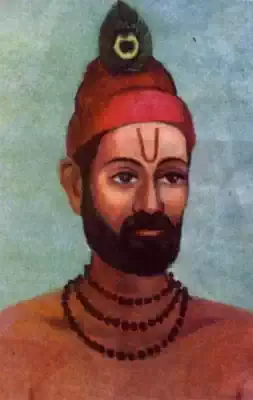
Kabir
The Swan flies away
The Swan Will Fly Away All Alone,
Spectacle of the World Will Be a Mere Fair
As the Leaf Falls from the Tree
Is Difficult to Find
Who Knows Where it Will Fall
Once it is Struck with a Gust Of Wind
When Life Span is Complete
Then Listening to Orders, Following Others, Will Be Over
The Messengers of Yama are Very Strong
It's an Entanglement with the Yama
Servant Kabir Praises the Attributes of the Lord
He Finds the Lord Soon
Guru Will Go According to His Doings
The Disciple According to His!
Read more →
419
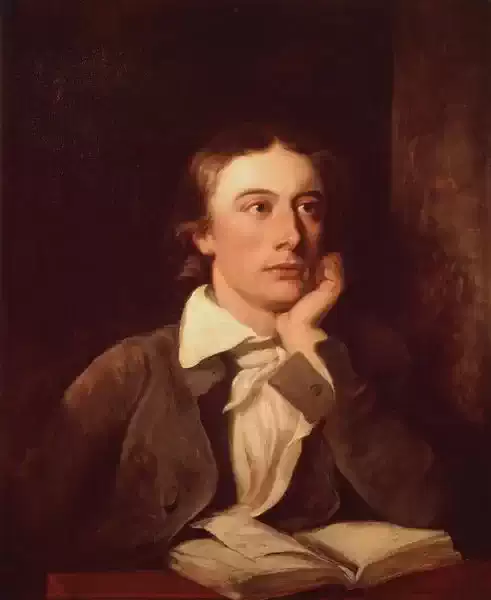
John Keats
On Death
1.
Can death be sleep, when life is but a dream,
And scenes of bliss pass as a phantom by?
The transient pleasures as a vision seem,
And yet we think the greatest pain's to die.
2.
How strange it is that man on earth should roam,
And lead a life of woe, but not forsake
His rugged path; nor dare he view alone
His future doom which is but to awake.
Read more →
421

John Greenleaf Whittier
The Farewell
Of A Virginia Slave Mother To Her Daughters Sold Into Southern Bondage
Gone, gone, -- sold and gone
To the rice-swamp dank and lone.
Where the slave-whip ceaseless swings
Where the noisome insect stings
Where the fever demon strews
Poison with the falling dews
Where the sickly sunbeams glare
Through the hot and misty air;
Gone, gone, -- sold and gone,
To the rice-swamp dank and lone,
From Virginia's hills and waters;
Woe is me, my stolen daughters!
Gone, gone, -- sold and gone
To the rice-swamp dank and lone
There no mother's eye is near them,
There no mother's ear can hear them;
Never, when the torturing lash
Seams their back with many a gash
Shall a mother's kindness bless them
Or a mother's arms caress them.
Gone, gone, -- sold and gone,
To the rice-swamp dank and lone,
From Virginia's hills and waters;
Woe is me, my stolen daughters!
Gone, gone, -- sold and gone,
To the rice-swamp dank and lone,
Oh, when weary, sad, and slow,
From the fields at night they go
Faint with toil, and racked with pain
To their cheerless homes again,
There no brother's voice shall greet them
There no father's welcome meet them.
Gone, gone, -- sold and gone,
To the rice-swamp dank and lone,
From Virginia's hills and waters;
Woe is me, my stolen daughters!
Gone, gone, -- sold and gone,
To the rice-swamp dank and lone
From the tree whose shadow lay
On their childhood's place of play;
From the cool sprmg where they drank;
Rock, and hill, and rivulet bank;
From the solemn house of prayer,
And the holy counsels there;
Gone, gone, -- sold and gone,
To the rice-swamp dank and lone,
From Virginia's hills and waters;
Woe is me, my stolen daughters!
Gone, gone, -- sold and gone,
To the rice-swamp dank and lone;
Toiling through the weary day,
And at night the spoiler's prey.
Oh, that they had earlier died,
Sleeping calmly, side by side,
Where the tyrant's power is o'er
And the fetter galls no more!
Gone, gone, -- sold and gone,
To the rice-swamp dank and lone;
From Virginia's hills and waters
Woe is me, my stolen daughters!
Gone, gone, -- sold and gone,
To the rice-swamp dank and lone;
By the holy love He beareth;
By the bruised reed He spareth;
Oh, may He, to whom alone
All their cruel wrongs are known,
Still their hope and refuge prove,
With a more than mother's love.
Gone, gone, -- sold and gone,
To the rice-swamp dank and lone,
From Virginia's hills and waters;
Woe is me, my stolen daughters!
Read more →
416
Ella Wheeler Wilcox
The Question
Beside us in our seeking after pleasures,
Through all our restless striving after fame,
Thorough all our search for worldly gains and treasures
There walketh one whom no man likes to name.
Silent he follows, veiled of form and feature,
Indifferent if we sorrow or rejoice,
Yet that day comes when every living creature
Must look upon his face and hear his voice.
When that day comes to you, and Death, unmasking,
Shall bar your path, and say, “Behold the end, ”
What are the questions that he will be asking
About your past? Have you considered, friend?
I think he will not chide you for your sinning,
Nor for your creeds or dogmas will he care;
He will but ask, “From your life’s first beginning
How many burdens have you helped to bear? ”
Read more →
414
Ella Wheeler Wilcox
The Land Of The Gone-Away Souls
Oh! that is a beautiful land, I wis,
The land of the Gone-away Souls.
Yes, a lovelier region by far than this
(Though this is a world most fair).
The goodliest goal of all good goals,
Else why do our friends stay there?
I walk in a world that is sweet with friends,
And earth I have ever held dear;
Yes, love with duty and beauty blends
To render the earth-place bright.
But faster and faster, year on year,
My comrades hurry from sight.
They hurry away to the Over-There,
And few of them say farewell;
Yes, they go away with a secret air
As if on a secret quest.
And they come not back to earth to tell
Why that land seems the best.
Messages come from the mystic sphere,
But few know the code of that land,
Yes, many the message but few who hear,
In the din of the world below,
Or hearing the message, can understand
Those truths which we long to know.
But it must be the goal of all good goals,
And I think of it more and more.
Yes, think of that land of the Gone-Away Souls
And its growing hosts of friends
Who will hail my bark when it touches shore
Where the last brief journey ends.
Read more →
415
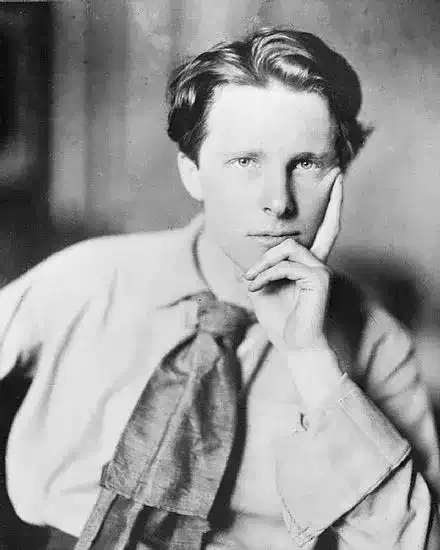
Rupert Brooke
The Goddess in the Wood
In a flowered dell the Lady Venus stood,
Amazed with sorrow. Down the morning one
Far golden horn in the gold of trees and sun
Rang out; and held; and died.… She thought the wood
Grew quieter. Wing, and leaf, and pool of light
Forgot to dance. Dumb lay the unfalling stream;
Life one eternal instant rose in dream
Clear out of time, poised on a golden height.…
Till a swift terror broke the abrupt hour.
The gold waves purled amidst the green above her;
And a bird sang. With one sharp-taken breath,
By sunlit branches and unshaken flower,
The immortal limbs flashed to the human lover,
And the immortal eyes to look on death.
Read more →
413
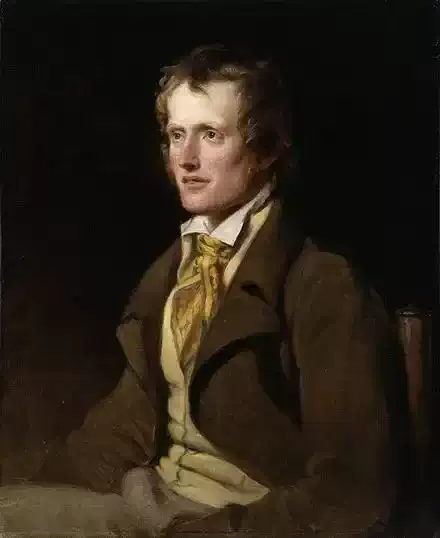
John Clare
Invitation To Eternity
Say, wilt thou go with me, sweet maid,
Say, maiden, wilt thou go with me
Through the valley-depths of shade,
Of bright and dark obscurity;
Where the path has lost its way,
Where the sun forgets the day,
Where there's nor light nor life to see,
Sweet maiden, wilt thou go with me?
Where stones will turn to flooding streams,
Where plains will rise like ocean's waves,
Where life will fade like visioned dreams
And darkness darken into caves,
Say, maiden, wilt thou go with me
Through this sad non-identity
Where parents live and are forgot,
And sisters live and know us not?
Say, maiden, wilt thou go with me
In this strange death of life to be,
To live in death and be the same,
Without this life or home or name,
At once to be and not to be--
That was and is not--yet to see
Things pass like shadows, and the sky
Above, below, around us lie?
The land of shadows wilt thou trace,
Nor look nor know each other's face;
The present marred with reason gone,
And past and present both as one?
Say, maiden, can thy life be led
To join the living and the dead?
Then trace thy footsteps on with me:
We are wed to one eternity.
Read more →
414
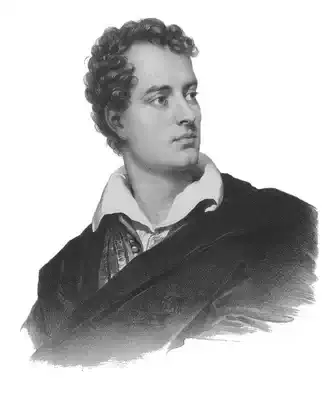
Lord Byron
A Fragment: When, To Their Airy Hall
When, to their airy hall, my father's voice
Shall call my spirit, joyful in their choice;
When, poised upon the gale, my form shall ride,
Or, dark in mist, descend the mountains side;
Oh! may my shade behold no sculptured urns,
To mark the spot where earth to earth returns!
No lengthen'd scroll, no praiseencumber'd
stone;
My epitaph shall be my name alone:
If that with honour fail to crown my clay,
Oh! may no other fame my deeds repay!
That, only that, shall single out the spot;
By that remember'd, or with that forgot.
Read more →
413
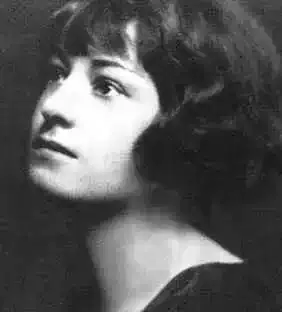
Dorothy Parker
Condolence
They hurried here, as soon as you had died,
Their faces damp with haste and sympathy,
And pressed my hand in theirs, and smoothed my knee,
And clicked their tongues, and watched me, mournful-eyed.
Gently they told me of that Other Side-
How, even then, you waited there for me,
And what ecstatic meeting ours would be.
Moved by the lovely tale, they broke, and cried.
And when I smiled, they told me I was brave,
And they rejoiced that I was comforted,
And left to tell of all the help they gave.
But I had smiled to think how you, the dead,
So curiously preoccupied and grave,
Would laugh, could you have heard the things they said.
Read more →
413

Emily Dickinson
As by the dead we love to sit
As by the dead we love to sit,
Become so wondrous dear-
As for the lost we grapple
Tho' all the rest are here-
In broken mathematics
We estimate our prize
Vast-in its fading ration
To our penurious eyes!
Read more →
413

Henry Wadsworth Longfellow
The Siege Of Kazan. (Tartar Song, From The Prose Version Of Chodzko)
Black are the moors before Kazan,
And their stagnant waters smell of blood:
I said in my heart, with horse and man,
I will swim across this shallow flood.
Under the feet of Argamack,
Like new moons were the shoes he bare,
Silken trappings hung on his back,
In a talisman on his neck, a prayer.
My warriors, thought I, are following me;
But when I looked behind, alas!
Not one of all the band could I see,
All had sunk in the black morass!
Where are our shallow fords? and where
The power of Kazan with its fourfold gates?
From the prison windows our maidens fair
Talk of us still through the iron grates.
We cannot hear them; for horse and man
Lie buried deep in the dark abyss!
Ah! the black day hath come down on Kazan!
Ah! was ever a grief like this?
Read more →
411
Henry Wadsworth Longfellow
The Sea Diver
My way is on the bright blue sea,
My sleep upon its rocking tide;
And many an eye has followed me
Where billows clasp the worn seaside.
My plumage bears the crimson blush,
When ocean by the sun is kissed!
When fades the evening's purple flush,
My dark wing cleaves the silver mist.
Full many a fathom down beneath
The bright arch of the splendid deep
My ear has heard the sea-shell breathe
O'er living myriads in their sleep.
They rested by the coral throne,
And by the pearly diadem;
Where the pale sea-grape had o'ergrown
The glorious dwellings made for them.
At night upon my storm-drench'd wing,
I poised above a helmless bark,
And soon I saw the shattered thing
Had passed away and left no mark.
And when the wind and storm were done,
a ship, that had rode out the gale,
Sunk down, without a signal-gun,
And none was left to tell the tale.
I saw the pomp of day depart--
The cloud resign its golden crown,
When to the ocean's beating heart
The sailor's wasted corse went down.
Peace be to those whose graves are made
Beneath the bright and silver sea!
Peace - that their relics there were laid
With no vain pride and pageantry.
Read more →
410
Ella Wheeler Wilcox
The Saddest Hour
The saddest hour of anguish and of loss
Is not that season of supreme despair
When we can find no least light anywhere
To gild the dread, black shadow of the Cross;
Not in that luxury of sorrow when
We sup on salt of tears, and drink the gall
Of memories of days beyond recall—
Of lost delights that cannot come again.
But when, with eyes that are no longer wet,
We look out on the great, wide world of men,
And, smiling, lean toward a bright to-morrow,
Then backward shrink, with sudden keen regret,
To find that we are learning to forget:
Ah! then we face the saddest hour of sorrow.
Read more →
410
Ella Wheeler Wilcox
Spectres
How terrible these nights are when alone
With our scarred hearts, we sit in solitude,
And some old sorrow, to the world unknown,
Does suddenly with silent steps intrude.
After the guests departed, and the light
Burned dimly in my room, there came to me,
As noiselessly as shadows of the night,
The spectre of a woe that used to be.
Out of the gruesome darkness and the gloom
I saw it peering; and, in still despair,
I watched it gliding swift across the room,
Until it came and stood beside my chair.
Why, need I tell thee what its shape or name?
Thou hast thy secret hidden from the light:
And be it sin or sorrow, woe or shame,
Thou dost not like to meet it in the night.
And yet it comes. As certainly as death,
And far more cruel since death ends all pain,
On lonesome nights we feel its icy breath,
And turn and face the thing we fancied slain.
With shrinking hearts, we view the ghastly shape;
We look into its eyes with fear and dread,
And know that we can never more escape
Until the grave doth fold us with the dead.
On the swift maelstrom of the eddying world
We hurl our woes, and think they are no more.
But round and round by dizzy billows whirled,
They reach out sinewy arms and swim to shore.
Read more →
410
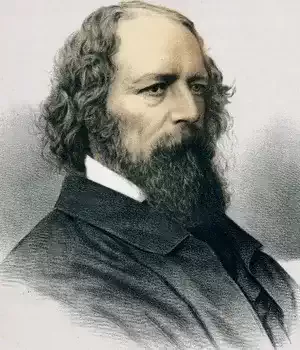
Alfred Lord Tennyson
In Memoriam A. H. H.: The Prelude
Strong Son of God, immortal Love,
Whom we, that have not seen thy face,
By faith, and faith alone, embrace,
Believing where we cannot prove;
Thine are these orbs of light and shade;
Thou madest Life in man and brute;
Thou madest Death; and lo, thy foot
Is on the skull which thou hast made.
Thou wilt not leave us in the dust:
Thou madest man, he knows not why,
He thinks he was not made to die;
And thou hast made him: thou art just.
Thou seemest human and divine,
The highest, holiest manhood, thou.
Our wills are ours, we know not how,
Our wills are ours, to make them thine.
Our little systems have their day;
They have their day and cease to be:
They are but broken lights of thee,
And thou, O Lord, art more than they.
We have but faith: we cannot know;
For knowledge is of things we see;
And yet we trust it comes from thee,
A beam in darkness: let it grow.
Let knowledge grow from more to more,
But more of reverence in us dwell;
That mind and soul, according well,
May make one music as before,
But vaster. We are fools and slight;
We mock thee when we do not fear:
But help thy foolish ones to bear;
Help thy vain worlds to bear thy light.
Forgive what seem'd my sin in me,
What seem'd my worth since I began;
For merit lives from man to man,
And not from man, O Lord, to thee.
Forgive my grief for one removed,
Thy creature, whom I found so fair.
I trust he lives in thee, and there
I find him worthier to be loved.
Forgive these wild and wandering cries,
Confusions of a wasted youth;
Forgive them where they fail in truth,
And in thy wisdom make me wise.
Read more →
406
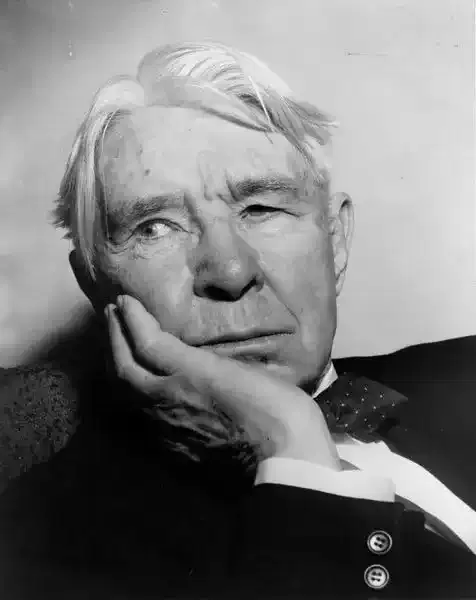
Carl Sandburg
Chamfort
There's Chamfort. He’s a sample.
Locked himself in his library with a gun,
Shot off his nose and shot out his right eye.
And this Chamfort knew how to write
And thousands read his books on how to live,
But he himself didn’t know
How to die by force of his own hand—see?
They found him a red pool on the carpet
Cool as an April forenoon,
Talking and talking gay maxims and grim epigrams.
Well, he wore bandages over his nose and right eye,
Drank coffee and chatted many years
With men and women who loved him
Because he laughed and daily dared Death:
“Come and take me.”
Read more →
409
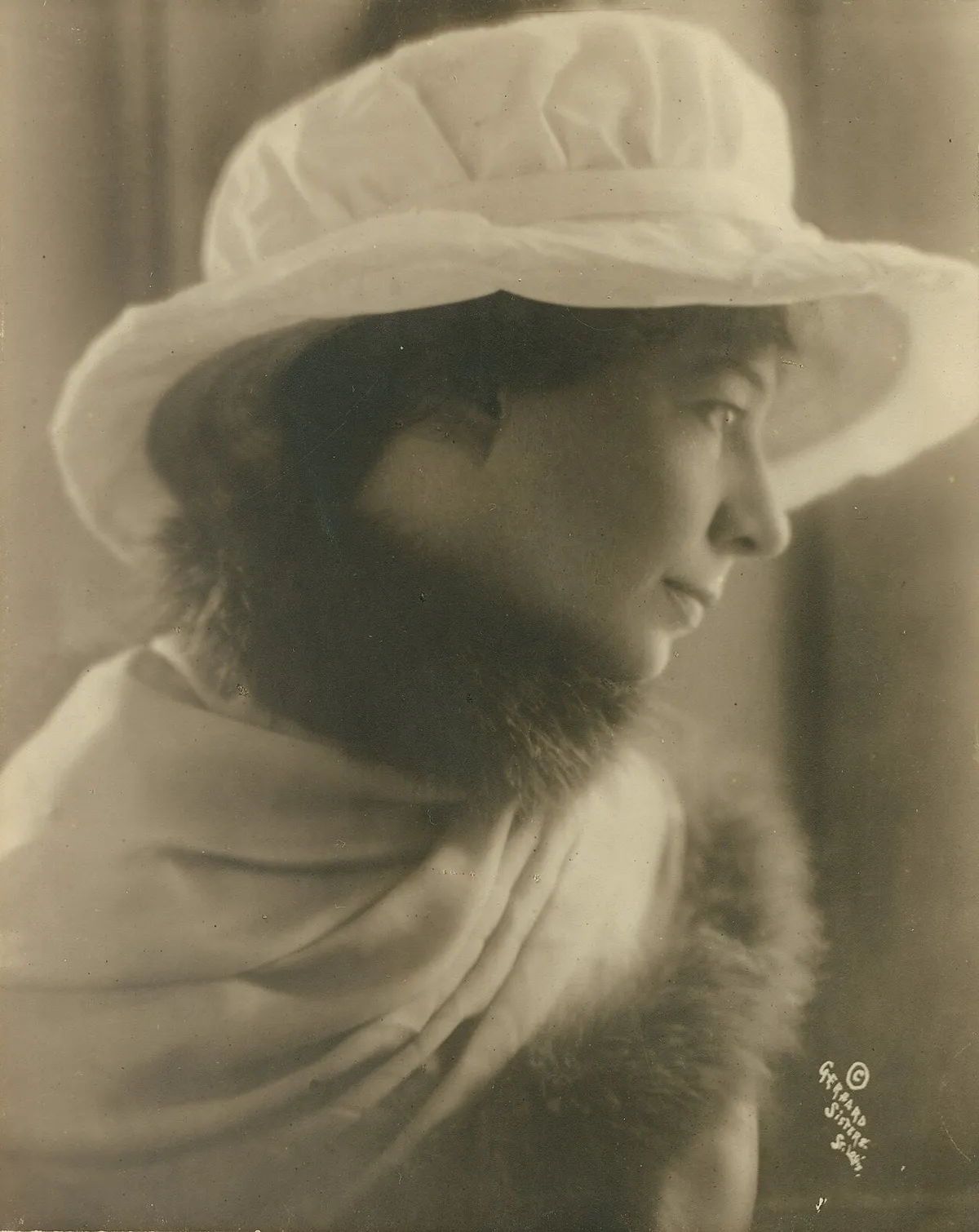
Sara Teasdale
Alone
I am alone, in spite of love,
In spite of all I take and give --
In spite of all your tenderness,
Sometimes I am not glad to live.
I am alone, as though I stood
On the highest peak of the tired gray world,
About me only swirling snow,
Above me, endless space unfurled;
With earth hidden and heaven hidden,
And only my own spirit's pride
To keep me from the peace of those
Who are not lonely, having died.
Read more →
410

William Butler Yeats
Three Things
`O cruel Death, give three things back,'
Sang a bone upon the shore;
`A child found all a child can lack,
Whether of pleasure or of rest,
Upon the abundance of my breast':
A bone wave-whitened and dried in the wind.
`Three dear things that women know,'
Sang a bhone upon the shore;
`A man if I but held him so
When my body was alive
Found all the pleasure that life gave':
A bone wave-whitened and dried in the wind.
`The third thing that I think of yet,'
Sang a bone upon the shore,
`Is that morning when I met
Face to face my rightful man
And did after stretch and yawn':
A bone wave-whitened and dried in the wind.
Read more →
407
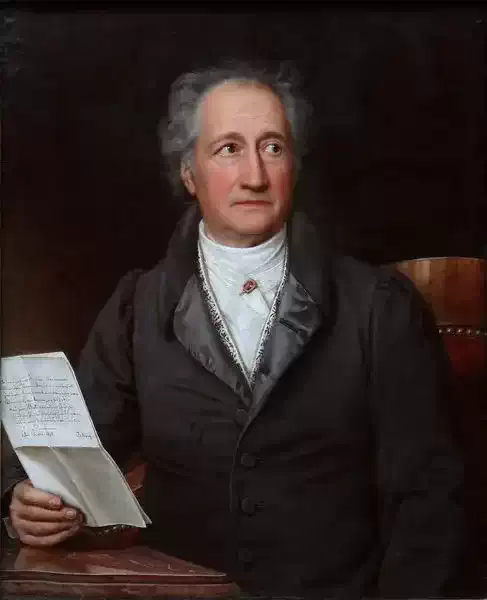
Johann Wolfgang von Goethe
Death-Lament Of The Noble Wife Of Asan Aga
WHAT is yonder white thing in the forest?
Is it snow, or can it swans perchance be?
Were it snow, ere this it had been melted,
Were it swans, they all away had hastend.
Snow, in truth, it is not, swans it is not,
'Tis the shining tents of Asan Aga.
He within is lying, sorely wounded;
To him come his mother and his sister;
Bashfully his wife delays to come there.
When the torment of his wounds had lessen'd,
To his faithful wife he sent this message:
"At my court no longer dare to tarry,
At my court, or e'en amongst my people."
When the woman heard this cruel message,
Mute and full of sorrow stood that true one.
At the doors she hears the feet of horses,
And bethinks that Asan comes--her husband,
To the tower she springs, to leap thence headlong,
Her two darling daughters follow sadly,
And whilst weeping bitter tears, exclaim they:
These are not our father Asan's horses;
'Tis thy brother Pintorowich coming!"
So the wife of Asan turns to meet him,
Clasps her arms in anguish round her brother:
"See thy sister's sad disgrace, oh brother!
How I'm banish'd--mother of five children!"
Silently her brother from his wallet,
Wrapp'd in deep red-silk, and ready written,
Draweth forth the letter of divorcement,
To return home to her mother's dwelling,
Free to be another's wife thenceforward.
When the woman saw that mournful letter,
Fervently she kiss'd her two sons' foreheads,
And her two girls' cheeks with fervour kiss'd she,
But she from the suckling in the cradle
Could not tear herself, so deep her sorrow!
So she's torn thence by her fiery brother,
On his nimble steed he lifts her quickly,
And so hastens, with the heart-sad woman,
Straightway tow'rd his father's lofty dwelling.
Short the time was--seven days had pass'd not,--
Yet enough 'twas; many mighty princes
Sought the woman in her widow's-mourning.
Sought the woman,--as their wife they sought her.
And the mightiest was Imoski's Cadi,
And the woman weeping begg'd her brother:
By thy life, my brother, I entreat thee,
Let me not another's wife be ever,
Lest my heart be broken at the image
Of my poor, my dearly-cherish'd children!"
To her prayer her brother would not hearken,
Fix'd to wed her to Imoski's Cadi.
Yet the good one ceaselessly implored him:
"Send, at least a letter, oh, my brother,
With this message to Imoski's Cadi:
'The young widow sends thee friendly greeting;
Earnestly she prays thee, through this letter,
That, when thou com'st hither, with thy Suatians,
A long veil thou'lt bring me, 'neath whose shadow
I may hide, when near the house of Asan,
And not see my dearly cherish'd orphans.'"
Scarcely had the Cadi read this letter,
Than he gather'd all his Suatians round him,
And then tow'rd the bride his course directed,
And the veil she ask'd for, took he with him.
Happily they reach'd the princess' dwelling,
From the dwelling happily they led her.
But when they approach'd the house of Asan,
Lo! the children saw from high their mother,
And they shouted: "To thy halls return thou!
Eat thy supper with thy darling children!"
Mournfully the wife of Asan heard it,
Tow'rd the Suatian prince then turn'd she, saying:
"Let, I pray, the Suatians and the horses
At the loved ones' door a short time tarry,
That I may give presents to my children."
And before the loved ones' door they tarried,
And she presents gave to her poor children,
To the boys gave gold-embroider'd buskins,
To the girls gave long and costly dresses,
To the suckling, helpless in the cradle,
Gave a garment, to be worn hereafter.
This aside saw Father Asan Aga,--
Sadly cried he to his darling children:
"Hither come, ye dear unhappy infants,
For your mother's breast is turn'd to iron,
Lock'd for ever, closed to all compassion!"
When the wife of Asan heard him speak thus,
On the ground, all pale and trembling, fell she,
And her spirit fled her sorrowing bosom,
When she saw her children flying from her.
Read more →
404

Robert Browning
Any Wife To Any Husband
My love, this is the bitterest, that thou---
Who art all truth, and who dost love me now
As thine eyes say, as thy voice breaks to say---
Shouldst love so truly, and couldst love me still
A whole long life through, had but love its will,
Would death that leads me from thee brook delay.
II.
I have but to be by thee, and thy hand
Will never let mine go, nor heart withstand
The beating of my heart to reach its place.
When shall I look for thee and feel thee gone?
When cry for the old comfort and find none?
Never, I know! Thy soul is in thy face.
III.
Oh, I should fade---'tis willed so! Might I save,
Gladly I would, whatever beauty gave
Joy to thy sense, for that was precious too.
It is not to be granted. But the soul
Whence the love comes, all ravage leaves that whole;
Vainly the flesh fades; soul makes all things new.
IV.
It would not be because my eye grew dim
Thou couldst not find the love there, thanks to Him
Who never is dishonoured in the spark
He gave us from his fire of fires, and bade
Remember whence it sprang, nor be afraid
While that burns on, though all the rest grow dark.
V.
So, how thou wouldst be perfect, white and clean
Outside as inside, soul and soul's demesne
Alike, this body given to show it by!
Oh, three-parts through the worst of life's abyss,
What plaudits from the next world after this,
Couldst thou repeat a stroke and gain the sky!
VI.
And is it not the bitterer to think
That, disengage our hands and thou wilt sink
Although thy love was love in very deed?
I know that nature! Pass a festive day,
Thou dost not throw its relic-flower away
Nor bid its music's loitering echo speed.
VII.
Thou let'st the stranger's glove lie where it fell;
If old things remain old things all is well,
For thou art grateful as becomes man best
And hadst thou only heard me play one tune,
Or viewed me from a window, not so soon
With thee would such things fade as with the rest.
VIII.
I seem to see! We meet and part; 'tis brief;
The book I opened keeps a folded leaf,
The very chair I sat on, breaks the rank
That is a portrait of me on the wall---
Three lines, my face comes at so slight a call:
And for all this, one little hour to thank!
IX.
But now, because the hour through years was fixed,
Because our inmost beings met and mixed,
Because thou once hast loved me---wilt thou dare
Say to thy soul and Who may list beside,
``Therefore she is immortally my bride;
``Chance cannot change my love, nor time impair.
X.
``So, what if in the dusk of life that's left,
``I, a tired traveller of my sun bereft,
Look from my path when, mimicking the same,
``The fire-fly glimpses past me, come and gone?
``---Where was it till the sunset? where anon
``It will be at the sunrise! What's to blame?''
XI.
Is it so helpful to thee? Canst thou take
The mimic up, nor, for the true thing's sake,
Put gently by such efforts at a beam?
Is the remainder of the way so long,
Thou need'st the little solace, thou the strong
Watch out thy watch, let weak ones doze and dream!
XII.
---Ah, but the fresher faces! ``Is it true,''
Thou'lt ask, ``some eyes are beautiful and new?
``Some hair,---how can one choose but grasp such wealth?
``And if a man would press his lips to lips
``Fresh as the wilding hedge-rose-cup there slips
``The dew-drop out of, must it be by stealth?
XIII.
``It cannot change the love still kept for Her,
``More than if such a picture I prefer
``Passing a day with, to a room's bare side:
The painted form takes nothing she possessed,
Yet, while the Titian's Venus lies at rest,
A man looks. Once more, what is there to chide?''
XIV.
So must I see, from where I sit and watch,
My own self sell myself, my hand attach
Its warrant to the very thefts from me---
Thy singleness of soul that made me proud,
Thy purity of heart I loved aloud,
Thy man's-truth I was bold to bid God see!
XV.
Love so, then, if thou wilt! Give all thou canst
Away to the new faces---disentranced,
(Say it and think it) obdurate no more:
Re-issue looks and words from the old mint,
Pass them afresh, no matter whose the print
Image and superscription once they bore
XVI.
Re-coin thyself and give it them to spend,---
It all comes to the same thing at the end,
Since mine thou wast, mine art and mine shalt be,
Faithful or faithless, scaling up the sum
Or lavish of my treasure, thou must come
Back to the heart's place here I keep for thee!
XVII.
Only, why should it be with stain at all?
Why must I, 'twixt the leaves of coronal,
Put any kiss of pardon on thy brow?
Why need the other women know so much,
And talk together, ``Such the look and such
``The smile he used to love with, then as now!''
XVIII.
Might I die last and show thee! Should I find
Such hardship in the few years left behind,
If free to take and light my lamp, and go
Into thy tomb, and shut the door and sit,
Seeing thy face on those four sides of it
The better that they are so blank, I know!
XIX.
Why, time was what I wanted, to turn o'er
Within my mind each look, get more and more
By heart each word, too much to learn at first;
And join thee all the fitter for the pause
'Neath the low doorway's lintel. That were cause
For lingering, though thou calledst, if I durst!
XX.
And yet thou art the nobler of us two
What dare I dream of, that thou canst not do,
Outstripping my ten small steps with one stride?
I'll say then, here's a trial and a task---
Is it to bear?---if easy, I'll not ask:
Though love fail, I can trust on in thy pride.
XXI.
Pride?---when those eyes forestall the life behind
The death I have to go through!---when I find,
Now that I want thy help most, all of thee!
What did I fear? Thy love shall hold me fast
Until the little minute's sleep is past
And I wake saved.---And yet it will not be!
Read more →
406
Alfred Lord Tennyson
The Princess: A Medley: As thro' the land
As thro' the land at eve we went,
And pluck'd the ripen'd ears,
We fell out, my wife and I,
O we fell out I know not why,
And kiss'd again with tears.
And blessings on the falling out
That all the more endears,
When we fall out with those we love
And kiss again with tears!
For when we came where lies the child
We lost in other years,
There above the little grave,
O there above the little grave,
We kiss'd again with tears.
Read more →
406
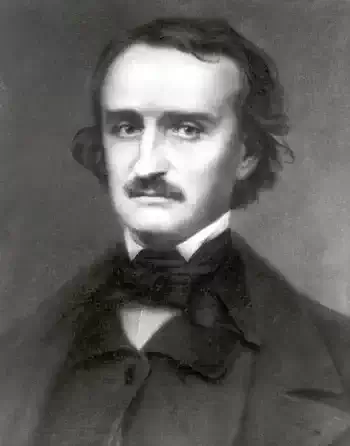
Edgar Allan Poe
Spirits Of The Dead
Thy soul shall find itself alone
'Mid dark thoughts of the grey tomb-stone;
Not one, of all the crowd, to pry
Into thine hour of secrecy.
Be silent in that solitude,
Which is not loneliness- for then
The spirits of the dead, who stood
In life before thee, are again
In death around thee, and their will
Shall overshadow thee; be still.
The night, though clear, shall frown,
And the stars shall not look down
From their high thrones in the Heaven
With light like hope to mortals given,
But their red orbs, without beam,
To thy weariness shall seem
As a burning and a fever
Which would cling to thee for ever.
Now are thoughts thou shalt not banish,
Now are visions ne'er to vanish;
From thy spirit shall they pass
No more, like dew-drop from the grass.
The breeze, the breath of God, is still,
And the mist upon the hill
Shadowy, shadowy, yet unbroken,
Is a symbol and a token.
How it hangs upon the trees,
A mystery of mysteries!
Read more →
404