
Death and Mourning
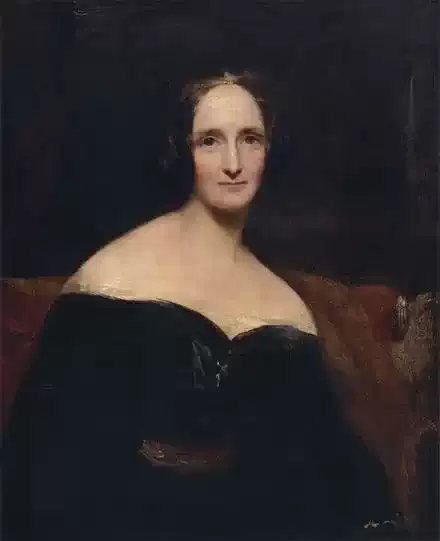
Percy Bysshe Shelley
A Summer Evening Churchyard, Lechlade, Gloucestershire
THE wind has swept from the wide atmosphere
Each vapour that obscured the sunset's ray,
And pallid Evening twines its beaming hair
In duskier braids around the languid eyes of Day:
Silence and Twilight, unbeloved of men,
Creep hand in hand from yon obscurest glen.
They breathe their spells towards the departing day,
Encompassing the earth, air, stars, and sea;
Light, sound, and motion, own the potent sway,
Responding to the charm with its own mystery.
The winds are still, or the dry church-tower grass
Knows not their gentle motions as they pass.
Thou too, aerial pile, whose pinnacles
Point from one shrine like pyramids of fire,
Obey'st I in silence their sweet solemn spells,
Clothing in hues of heaven thy dim and distant spire,
Around whose lessening and invisible height
Gather among the stars the clouds of night.
The dead are sleeping in their sepulchres:
And, mouldering as they sleep, a thrilling sound,
Half sense half thought, among the darkness stirs,
Breathed from their wormy beds all living things around,
And, mingling with the still night and mute sky,
Its awful hush is felt inaudibly.
Thus solemnized and softened, death is mild
And terrorless as this serenest night.
Here could I hope, like some enquiring child
Sporting on graves, that death did hide from human sight
Sweet secrets, or beside its breathless sleep
That loveliest dreams perpetual watch did keep.
Read more →
525
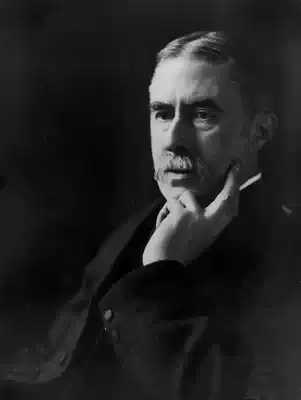
Alfred Edward Housman
The Isle of Portland
The star-filled seas are smooth to-night
From France to England strown;
Black towers above the Portland light
The felon-quarried stone.
On yonder island, not to rise,
Never to stir forth free,
Far from his folk a dead lad lies
That once was friends with me.
Lie you easy, dream you light,
And sleep you fast for aye;
And luckier may you find the night
Than ever you found the day.
Read more →
524
Percy Bysshe Shelley
Lines Written Among The Euganean Hills
Many a green isle needs must be
In the deep wide sea of Misery,
Or the mariner, worn and wan,
Never thus could voyage on -
Day and night, and night and day,
Drifting on his dreary way,
With the solid darkness black
Closing round his vessel's track:
Whilst above the sunless sky,
Big with clouds, hangs heavily,
And behind the tempest fleet
Hurries on with lightning feet,
He is ever drifted on
O'er the unreposing wave
To the haven of the grave.
What, if there no friends will greet;
What, if there no heart will meet
His with love's impatient beat;
Wander wheresoe'er he may,
Can he dream before that day
To find refuge from distress
In friendship's smile, in love's caress?
Then 'twill wreak him little woe
Whether such there be or no:
Senseless is the breast, and cold,
Which relenting love would fold;
Bloodless are the veins and chill
Which the pulse of pain did fill;
Every little living nerve
That from bitter words did swerve
Round the tortured lips and brow,
Are like sapless leaflets now
Frozen upon December's bough.
On the beach of a northern sea
Which tempests shake eternally,
As once the wretch there lay to sleep,
Lies a solitary heap,
One white skull and seven dry bones,
On the margin of the stones,
Where a few grey rushes stand,
Boundaries of the sea and land:
Nor is heard one voice of wail
But the sea-mews, as they sail
O'er the billows of the gale;
Or the whirlwind up and down
Howling, like a slaughtered town,
When a king in glory rides
Through the pomp and fratricides:
Those unburied bones around
There is many a mournful sound;
There is no lament for him,
Like a sunless vapour, dim,
Who once clothed with life and thought
What now moves nor murmurs not.
Ay, many flowering islands lie
In the waters of wide Agony:
To such a one this morn was led,
My bark by soft winds piloted:
'Mid the mountains Euganean
I stood listening to the paean
With which the legioned rooks did hail
The sun's uprise majestical;
Gathering round with wings all hoar,
Through the dewy mist they soar
Like gray shades, till the eastern heaven
Bursts, and then, as clouds of even,
Flecked with fire and azure, lie
In the unfathomable sky,
So their plumes of purple grain,
Starred with drops of golden rain,
Gleam above the sunlight woods,
As in silent multitudes
On the morning's fitful gale
Through the broken mist they sail,
And the vapours cloven and gleaming
Follow, down the dark steep streaming,
Till all is bright, and clear, and still,
Round the solitary hill.
Beneath is spread like a green sea
The waveless plain of Lombardy,
Bounded by the vaporous air,
Islanded by cities fair;
Underneath Day's azure eyes
Ocean's nursling, Venice, lies,
A peopled labyrinth of walls,
Amphitrite's destined halls,
Which her hoary sire now paves
With his blue and beaming waves.
Lo! the sun upsprings behind,
Broad, red, radiant, half-reclined
On the level quivering line
Of the waters crystalline;
And before that chasm of light,
As within a furnace bright,
Column, tower, and dome, and spire,
Shine like obelisks of fire,
Pointing with inconstant motion
From the altar of dark ocean
To the sapphire-tinted skies;
As the flames of sacrifice
From the marble shrines did rise,
As to pierce the dome of gold
Where Apollo spoke of old.
Sea-girt City, thou hast been
Ocean's child, and then his queen;
Now is come a darker day,
And thou soon must be his prey,
If the power that raised thee here
Hallow so thy watery bier.
A less drear ruin then than now,
With thy conquest-branded brow
Stooping to the slave of slaves
From thy throne, among the waves
Wilt thou be, when the sea-mew
Flies, as once before it flew,
O'er thine isles depopulate,
And all is in its ancient state,
Save where many a palace gate
With green sea-flowers overgrown
Like a rock of Ocean's own,
Topples o'er the abandoned sea
As the tides change sullenly.
The fisher on his watery way,
Wandering at the close of day,
Will spread his sail and seize his oar
Till he pass the gloomy shore,
Lest thy dead should, from their sleep
Bursting o'er the starlight deep,
Lead a rapid masque of death
O'er the waters of his path.
Those who alone thy towers behold
Quivering through aereal gold,
As I now behold them here,
Would imagine not they were
Sepulchres, where human forms,
Like pollution-nourished worms,
To the corpse of greatness cling,
Murdered, and now mouldering:
But if Freedom should awake
In her omnipotence and shake
From the Celtic Anarch's hold
All the keys of dungeons cold,
Where a hundred cities lie
Chained like thee, ingloriously,
Thou and all thy sister band
Might adorn this sunny land,
Twining memories of old time
With new virtues more sublime;
If not, perish thou ldering:
But if Freedom should awake
In her omnipotence and shake
From the Celtic Anarch's hold
All the keys of dungeons cold,
Where a hundred cities lie
Chained like thee, ingloriously,
Thou and all thy sister band
Might adorn this sunny land,
Twining memories of old time
With new virtues more sublime;
If not, perish thou and they! -
Clouds which stain truth's rising day
By her sun consumed away -
Earth can spare ye; while like flowers,
In the waste of years and hours,
From your dust new nations spring
With more kindly blossoming.
Perish -let there only be
Floating o'er thy heartless sea
As the garment of thy sky
Clothes the world immortally,
One remembrance, more sublime
Than the tattered pall of time,
Which scarce hides thy visage wan; -
That a tempest-cleaving Swan
Of the sons of Albion,
Driven from his ancestral streams
By the might of evil dreams,
Found a nest in thee; and Ocean
Welcomed him with such emotion
That its joy grew his, and sprung
From his lips like music flung
O'er a mighty thunder-fit,
Chastening terror: -what though yet
Poesy's unfailing River,
Which through Albion winds forever
Lashing with melodious wave
Many a sacred Poet's grave,
Mourn its latest nursling fled?
What though thou with all thy dead
Scarce can for this fame repay
Aught thine own? oh, rather say
Though thy sins and slaveries foul
Overcloud a sunlike soul?
As the ghost of Homer clings
Round Scamander's wasting springs;
As divinest Shakespeare's might
Fills Avon and the world with light
Like omniscient power which he
Imaged 'mid mortality;
As the love from Petrarch's urn,
Yet amid yon hills doth burn,
A quenchless lamp by which the heart
Sees things unearthly; -so thou art,
Mighty spirit -so shall be
The City that did refuge thee.
Lo, the sun floats up the sky
Like thought-winged Liberty,
Till the universal light
Seems to level plain and height;
From the sea a mist has spread,
And the beams of morn lie dead
On the towers of Venice now,
Like its glory long ago.
By the skirts of that gray cloud
Many-domed Padua proud
Stands, a peopled solitude,
'Mid the harvest-shining plain,
Where the peasant heaps his grain
In the garner of his foe,
And the milk-white oxen slow
With the purple vintage strain,
Heaped upon the creaking wain,
That the brutal Celt may swill
Drunken sleep with savage will;
And the sickle to the sword
Lies unchanged, though many a lord,
Like a weed whose shade is poison,
Overgrows this region's foison,
Sheaves of whom are ripe to come
To destruction's harvest-home:
Men must reap the things they sow,
Force from force must ever flow,
Or worse; but 'tis a bitter woe
That love or reason cannot change
The despot's rage, the slave's revenge.
Padua, thou within whose walls
Those mute guests at festivals,
Son and Mother, Death and Sin,
Played at dice for Ezzelin,
Till Death cried, "I win, I win!"
And Sin cursed to lose the wager,
But Death promised, to assuage her,
That he would petition for
Her to be made Vice-Emperor,
When the destined years were o'er,
Over all between the Po
And the eastern Alpine snow,
Under the mighty Austrian.
She smiled so as Sin only can,
And since that time, ay, long before,
Both have ruled from shore to shore, -
That incestuous pair, who follow
Tyrants as the sun the swallow,
As Repentance follows Crime,
And as changes follow Time.
In thine halls the lamp of learning,
Padua, now no more is burning;
Like a meteor, whose wild way
Is lost over the grave of day,
It gleams betrayed and to betray:
Once remotest nations came
To adore that sacred flame,
When it lit not many a hearth
On this cold and gloomy earth:
Now new fires from antique light
Spring beneath the wide world's might;
But their spark lies dead in thee,
Trampled out by Tyranny.
As the Norway woodman quells,
In the depth of piny dells,
One light flame among the brakes,
While the boundless forest shakes,
And its mighty trunks are torn
By the fire thus lowly born:
The spark beneath his feet is dead,
He starts to see the flames it fed
Howling through the darkened sky
With a myriad tongues victoriously,
And sinks down in fear: so thou,
O Tyranny, beholdest now
Light around thee, and thou hearest
The loud flames ascend, and fearest:
Grovel on the earth; ay, hide
In the dust thy purple pride!
Noon descends around me now:
'Tis the noon of autumn's glow,
When a soft and purple mist
Like a vapourous amethyst,
Or an air-dissolved star
Mingling light and fragrance, far
From the curved horizon's bound
To the point of Heaven's profound,
Fills the overflowing sky;
And the plains that silent lie
Underneath the leaves unsodden
Where the infant Frost has trodden
With his morning-winged feet,
Whose bright print is gleaming yet;
And the red and golden vines,
Piercing with their trellised lines
The rough, dark-skirted wilderness;
The dun and bladed grass no less,
Pointing from this hoary tower
In the windless air; the flower
Glimmering at my feet; the line
Of the olive-sandalled Apennine
In the south dimly islanded;
And the Alps, whose snows are spread
High between the clouds and sun;
And of living things each one;
And my spirit which so long
Darkened this swift stream of song, -
Interpenetrated lie
By the glory of the sky:
Be it love, light, harmony,
Odour, or the soul of all
Which from Heaven like dew doth fall,
Or the mind which feeds this verse
Peopling the lone universe.
Noon descends, and after noon
Autumn's evening meets me soon,
Leading the infantine moon,
And that one star, which to her
Almost seems to minister
Half the crimson light she brings
From the sunset's radiant springs:
And the soft dreams of the morn
(Which like winged winds had borne
To that silent isle, which lies
Mid remembered agonies,
The frail bark of this lone being)
Pass, to other sufferers fleeing,
And its ancient pilot, Pain,
Sits beside the helm again.
Other flowering isles must be
In the sea of Life and Agony:
Other spirits float and flee
O'er that gulf: even now, perhaps,
On some rock the wild wave wraps,
With folded wings they waiting sit
For my bark, to pilot it
To some calm and blooming cove,
Where for me, and those I love,
May a windless bower be built,
Far from passion, pain, and guilt,
In a dell mid lawny hills,
Which the wild sea-murmur fills,
And soft sunshine, and the sound
Of old forests echoing round,
And the light and smell divine
Of all flowers that breathe and shine:
We may live so happy there,
That the Spirits of the Air,
Envying us, may even entice
To our healing Paradise
The polluting multitude;
But their rage would be subdued
By that clime divine and calm,
And the winds whose wings rain balm
On the uplifted soul, and leaves
Under which the bright sea heaves;
While each breathless interval
In their whisperings musical
The inspired soul supplies
With its own deep melodies;
And the love which heals all strife
Circling, like the breath of life,
All things in that sweet abode
With its own mild brotherhood:
They, not it, would change; and soon
Every sprite beneath the moon
Would repent its envy vain,
And the earth grow young again.
Read more →
523
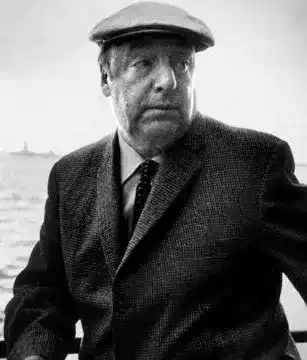
Pablo Neruda
Leave Me A Place Underground
Leave me a place underground, a labyrinth,
where I can go, when I wish to turn,
without eyes, without touch,
in the void, to dumb stone,
or the finger of shadow.
I know that you cannot, no one, no thing
can deliver up that place, or that path,
but what can I do with my pitiful passions,
if they are no use, on the surface
of everyday life,
if I cannot look to survive,
except by dying, going beyond, entering
into the state, metallic and slumbering,
of primeval flame?
Read more →
521

Anonymous
Helen of Kirconnell
I WISH I were where Helen lies,
Night and day on me she cries;
O that I were where Helen lies,
On fair Kirconnell lea!
Curst be the heart that thought the thought,
And curst the hand that fired the shot,
When in my arms burd Helen dropt,
And died to succour me!
O think na ye my heart was sair,
When my Love dropp'd and spak nae mair!
There did she swoon wi' meikle care,
On fair Kirconnell lea.
As I went down the water side,
None but my foe to be my guide,
None but my foe to be my guide,
On fair Kirconnell lea;
I lighted down my sword to draw,
I hacked him in pieces sma',
I hacked him in pieces sma',
For her sake that died for me.
O Helen fair, beyond compare!
I'll mak a garland o' thy hair,
Shall bind my heart for evermair,
Until the day I die!
O that I were where Helen lies!
Night and day on me she cries;
Out of my bed she bids me rise,
Says, 'Haste, and come to me!'
O Helen fair! O Helen chaste!
If I were with thee, I'd be blest,
Where thou lies low and taks thy rest,
On fair Kirconnell lea.
I wish my grave were growing green,
A winding-sheet drawn owre my e'en,
And I in Helen's arms lying,
On fair Kirconnell lea.
I wish I were where Helen lies!
Night and day on me she cries;
And I am weary of the skies,
For her sake that died for me.
Read more →
516
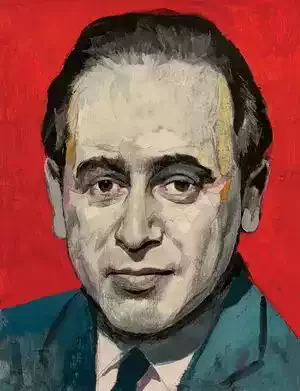
Paul Celan
There Was Earth
There was Earth in them, and
they dug.
They dug and they dug, and so
their Day went by, and their Night. And they did not praise God,
who, so they heard, wanted all this,
who, so they heard, knew of all this.
They dug and they heard nothing more;
did not grow wise, invented no Song,
thought up for themselves no Language.
They dug.
There came a Silence, there came a Storm,
There came every Ocean.
I dig, you dig, and it digs, the Worm,
and the Singing, there, says: They dig.
O someone, o none, o no one, o you:
Where did it lead to, that nowhere-leading?
O you dig and I dig, and I dig towards you,
and on our finger awakens the Ring.
Read more →
513
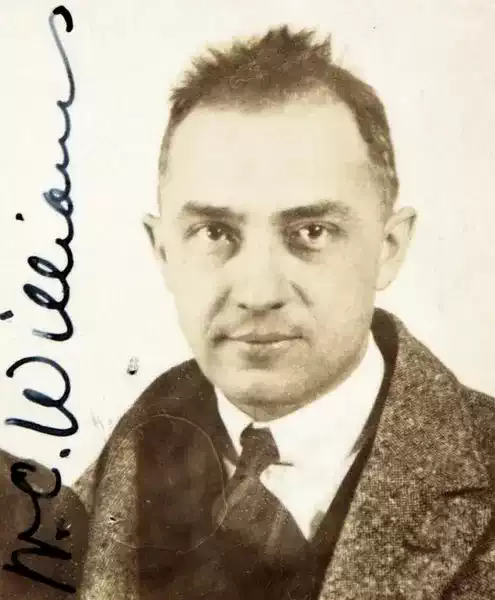
William Carlos Williams
From Asphodel, That Greeny Flower
Of asphodel, that greeny flower,
like a buttercup
upon its branching stemsave
that it's green and wooden-
I come, my sweet,
to sing to you.
We lived long together
a life filled,
if you will,
with flowers. So that
I was cheered
when I came first to know
that there were flowers also
in hell.
Today
I'm filled with the fading memory of those flowers
that we both loved,
even to this poor
colorless thing-
I saw it
when I was a childlittle
prized among the living
but the dead see,
asking among themselves:
What do I remember
that was shaped
as this thing is shaped?
while our eyes fill
with tears.
Of love, abiding love
it will be telling
though too weak a wash of crimson
colors it
to make it wholly credible.
There is something
something urgent
I have to say to you
and you alone
but it must wait
while I drink in
the joy of your approach,
perhaps for the last time.
And so
with fear in my heart
I drag it out
and keep on talking
for I dare not stop.
Listen while I talk on
against time.
It will not be
for long.
I have forgot
and yet I see clearly enough
something
central to the sky
which ranges round it.
An odor
springs from it!
A sweetest odor!
Honeysuckle! And now
there comes the buzzing of a bee!
and a whole flood
of sister memories!
Only give me time,
time to recall them
before I shall speak out.
Give me time,
time.
When I was a boy
I kept a book
to which, from time
to time,
I added pressed flowers
until, after a time,
I had a good collection.
The asphodel,
forebodingly,
among them.
I bring you,
reawakened,
a memory of those flowers.
They were sweet
when I pressed them
and retained
something of their sweetness
a long time.
It is a curious odor,
a moral odor,
that brings me
near to you.
The color
was the first to go.
There had come to me
a challenge,
your dear self,
mortal as I was,
the lily's throat
to the hummingbird!
Endless wealth,
I thought,
held out its arms to me.
A thousand tropics
in an apple blossom.
The generous earth itself
gave us lief.
The whole world
became my garden!
But the sea
which no one tends
is also a garden
when the sun strikes it
and the waves
are wakened.
I have seen it
and so have you
when it puts all flowers
to shame.
Too, there are the starfish
stiffened by the sun
and other sea wrack
and weeds. We knew that
along with the rest of it
for we were born by the sea,
knew its rose hedges
to the very water's brink.
There the pink mallow grows
and in their season
strawberries
and there, later,
we went to gather
the wild plum.
I cannot say
that I have gone to hell
for your love
but often
found myself there
in your pursuit.
I do not like it
and wanted to be
in heaven. Hear me out.
Do not turn away.
I have learned much in my life
from books
and out of them
about love.
Death
is not the end of it.
There is a hierarchy
which can be attained,
I think,
in its service.
Its guerdon
is a fairy flower;
a cat of twenty lives.
If no one came to try it
the world
would be the loser.
It has been
for you and me
as one who watches a storm
come in over the water.
We have stood
from year to year
before the spectacle of our lives
with joined hands.
The storm unfolds.
Lightning
plays about the edges of the clouds.
The sky to the north
is placid,
blue in the afterglow
as the storm piles up.
It is a flower
that will soon reach
the apex of its bloom.
We danced,
in our minds,
and read a book together.
You remember?
It was a serious book.
And so books
entered our lives.
The sea! The sea!
Always
when I think of the sea
there comes to mind
the Iliad
and Helen's public fault
that bred it.
Were it not for that
there would have been
no poem but the world
if we had remembered,
those crimson petals
spilled among the stones,
would have called it simply
murder.
The sexual orchid that bloomed then
sending so many
disinterested
men to their graves
has left its memory
to a race of fools
or heroes
if silence is a virtue.
The sea alone
with its multiplicity
holds any hope.
The storm
has proven abortive
but we remain
after the thoughts it roused
to
re-cement our lives.
It is the mind
the mind
that must be cured
short of death's
intervention,
and the will becomes again
a garden. The poem
is complex and the place made
in our lives
for the poem.
Silence can be complex too,
but you do not get far
with silence.
Begin again.
It is like Homer's
catalogue of ships:
it fills up the time.
I speak in figures,
well enough, the dresses
you wear are figures also,
we could not meet
otherwise. When I speak
of flowers
it is to recall
that at one time
we were young.
All women are not Helen,
I know that,
but have Helen in their hearts.
My sweet,
you have it also, therefore
I love you
and could not love you otherwise.
Imagine you saw
a field made up of women
all silver-white.
What should you do
but love them?
The storm bursts
or fades! it is not
the end of the world.
Love is something else,
or so I thought it,
a garden which expands,
though I knew you as a woman
and never thought otherwise,
until the whole sea
has been taken up
and all its gardens.
It was the love of love,
the love that swallows up all else,
a grateful love,
a love of nature, of people,
of animals,
a love engendering
gentleness and goodness
that moved me
and that I saw in you.
I should have known,
though I did not,
that the lily-of-the-valley
is a flower makes many ill
who whiff it.
We had our children,
rivals in the general onslaught.
I put them aside
though I cared for them.
as well as any man
could care for his children
according to my lights.
You understand
I had to meet you
after the event
and have still to meet you.
Love
to which you too shall bow
along with mea
flower
a weakest flower
shall be our trust
and not because
we are too feeble
to do otherwise
but because
at the height of my power
I risked what I had to do,
therefore to prove
that we love each other
while my very bones sweated
that I could not cry to you
in the act.
Of asphodel, that greeny flower,
I come, my sweet,
to sing to you!
My heart rouses
thinking to bring you news
of something
that concerns you
and concerns many men. Look at
what passes for the new.
You will not find it there but in
despised poems.
It is difficult
to get the news from poems
yet men die miserably every day
for lack
of what is found there.
Hear me out
for I too am concerned
and every man
who wants to die at peace in his bed
besides.
Read more →
507

Ella Wheeler Wilcox
From the Grave
When the first sere leaves of the year were falling,
I heard, with a heart that was strangely thrilled,
Out of the grave of a dead Past calling,
A voice I fancied forever stilled.
All through winter and spring and summer,
Silence hung over that grave like a pall,
But, borne on the breath of the last sad comer,
I listen again to the old-time call.
It is only a love of a by-gone season,
A senseless folly that mocked at me
A reckless passion that lacked all reason,
So I killed it, and hid it where none could see.
I smothered it first to stop its crying,
Then stabbed it through with a good sharp blade,
And cold and pallid I saw it lying,
And deep—ah' deep was the grave I made.
But now I know that there is no killing
A thing like Love, for it laughs at Death.
There is no hushing, there is no stilling
That which is part of your life and breath.
You may bury it deep, and leave behind you
The land, the people, that knew your slain;
It will push the sods from its grave, and find you
On wastes of water or desert plain.
You may hear but tongues of a foreign people,
You may list to sounds that are strange and new;
But, clear as a silver bell in a steeple,
That voice from the grave shall call to you.
You may rouse your pride, you may use your reason.
And seem for a space to slay Love so;
But, all in its own good time and season,
It will rise and follow wherever you go.
You shall sit sometimes, when the leaves are falling,
Alone with your heart, as I sit to-day,
And hear that voice from your dead Past calling
Out of the graves that you hid away.
Read more →
507
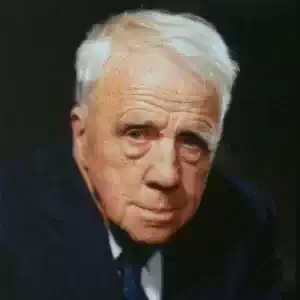
Robert Frost
Stars
How countlessly they congregate
O'er our tumultuous snow,
Which flows in shapes as tall as trees
When wintry winds do blow!--
As if with keenness for our fate,
Our faltering few steps on
To white rest, and a place of rest
Invisible at dawn,--
And yet with neither love nor hate,
Those stars like some snow-white
Minerva's snow-white marble eyes
Without the gift of sight.
Read more →
510
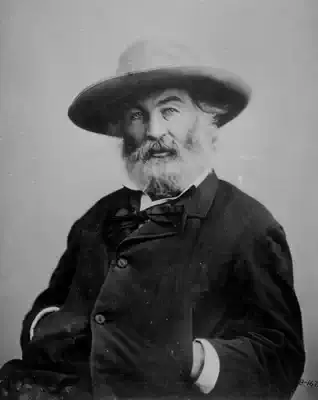
Walt Whitman
As If A Phantom Caress'd Me
AS if a phantom caress'd me,
I thought I was not alone, walking here by the shore;
But the one I thought was with me, as now I walk by the shore--the
one I loved, that caress'd me,
As I lean and look through the glimmering light--that one has utterly
disappear'd,
And those appear that are hateful to me, and mock me.
Read more →
508

William Shakespeare
Fidele
FEAR no more the heat o' the sun,
Nor the furious winter's rages;
Thou thy worldly task hast done,
Home art gone, and ta'en thy wages:
Golden lads and girls all must,
As chimney-sweepers, come to dust.
Fear no more the frown o' the great,
Thou art past the tyrant's stroke;
Care no more to clothe and eat;
To thee the reed is as the oak:
The sceptre, learning, physic, must
All follow this, and come to dust.
Fear no more the lightning-flash,
Nor the all-dreaded thunder-stone;
Fear not slander, censure rash;
Thou hast finish'd joy and moan:
All lovers young, all lovers must
Consign to thee, and come to dust.
No exorciser harm thee!
Nor no witchcraft charm thee!
Ghost unlaid forbear thee!
Nothing ill come near thee!
Quiet consummation have;
And renowned be thy grave!
Read more →
511
Ella Wheeler Wilcox
Fame
If I should die, to-day,
To-morrow, maybe, the world would see
Would waken from sleep, and say,
"Why here was talent! why here was worth!
Why here was a luminous light o' the earth.
A soul as free
As the winds of the sea:
To whom was given
A dower of heaven.
And fame, and name, and glory belongs
To this dead singer of living songs.
Bring hither a wreath, for the bride of death!"
And so they would praise me, and so they would raise me
Mayhap, a column, high over the bed
Where I should be lying, all cold and dead.
But I am a living poet!
Walking abroad in the sunlight of God,
Not lying asleep, where the clay worms creep,
And the cold world will not show it,
E'en when it sees that my song should please;
But sneering says: "Avaunt, with thy lays
Do not sing them, and do not bring them
Into this rustling, bustling life.
We have no time, for a jingling rhyme,
In this scene of hurrying, worrying strife."
And so I say, there is but one way
To win me a name, and bring me fame.
And that is, to die, and be buried low,
When the world would praise me, an hour or so.
Read more →
508
Alfred Edward Housman
Diffugere Nives
Horace, Odes, iv, 7
The snows are fled away, leaves on the shaws
And grasses in the mead renew their birth,
The river to the river-bed withdraws,
And altered is the fashion of the earth.
The Nymphs and Graces three put off their fear
And unapparelled in the woodland play.
The swift hour and the brief prime of the year
Say to the soul, Thou wast not born for aye.
Thaw follows frost; hard on the heel of spring
Treads summer sure to die, for hard on hers
Comes autumn with his apples scattering;
Then back to wintertide, when nothing stirs.
But oh, whate'er the sky-led seasons mar,
Moon upon moon rebuilds it with her beams;
Come we where Tullus and where Ancus are
And good Aeneas, we are dust and dreams.
Torquatus, if the gods in heaven shall add
The morrow to the day, what tongue has told?
Feast then thy heart, for what thy heart has had
The fingers of no heir will ever hold.
When thou descendest once the shades among,
The stern assize and equal judgment o'er,
Not thy long lineage nor thy golden tongue,
No, nor thy righteousness, shall friend thee more.
Night holds Hippolytus the pure of stain,
Diana steads him nothing, he must stay;
And Theseus leafves Pirithous in the chain
The love of comrades cannot take away.
Read more →
508
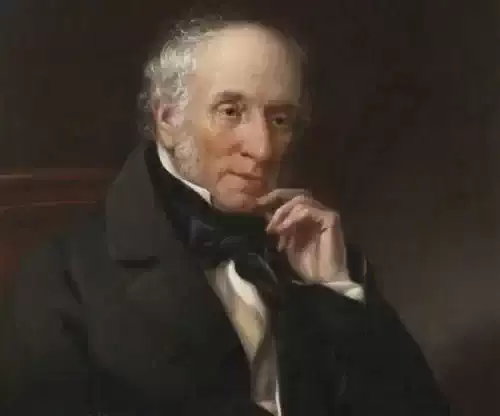
William Wordsworth
The Complaint Of a Forsaken Indian Woman
Before I see another day,
Oh let my body die away!
In sleep I heard the northern gleams;
The stars, they were among my dreams;
In rustling conflict through the skies,
I heard, I saw the flashes drive,
And yet they are upon my eyes,
And yet I am alive;
Before I see another day,
Oh let my body die away!
My fire is dead: it knew no pain;
Yet is it dead, and I remain:
All stiff with ice the ashes lie;
And they are dead, and I will die.
When I was well, I wished to live,
For clothes, for warmth, for food, and fire;
But they to me no joy can give,
No pleasure now, and no desire.
Then here contented will I lie
Alone, I cannot fear to die.
Alas! ye might have dragged me on
Another day, a single one!
Too soon I yielded to despair;
Why did ye listen to my prayer
When ye were gone my limb were stronger;
And oh, how grievously I rue,
That, afterward, a little longer,
My friends, I did not follow you!
For strong and without pain I lay,
Dear friends, when ye were gone away.
My Child! they gave thee to another,
A woman who was not thy mother.
When from my arms my Babe they took,
On me how strangely did he look !
Through his whole body something ran,
A most strange working did I see;
---As if he strove to be a man,
That he might pull the sledge for me:
And then he stretched his arm, how wild!
Oh mercy! like a helpless child.
My little joy! my little pride!
In two day more I must have died.
Then do not weep and grieve for me;
I feel I must have died with thee.
O wind, that o'er my head art flying
The way my friends their course did bend,
I should not feel the pain of dying,
Could I with thee a message end;
Too soon, my friend, ye went away;
For I had many thing to say.
I'll follow you across the snow;
Ye travel heavily and slow;
In spite of all my weary pain
I'll look upon your tent again.
---My fire is dead, and snowy white
The water which beside it stood:
The wolf has come to me to-night,
And he has stolen away my food.
Forever left alone am I;
Then wherefore should I fear to die ?
Young as I am, my course is run,
I shall not see another sun;
I cannot lift my limb to know
If they have any life or no.
My poor forsaken child, if I
For once could have thee close to me,
With happy heart I then would die,
And my last thought would happy be;
But thou, dear Babe, art far away,
Nor shall I see another day.
Read more →
506
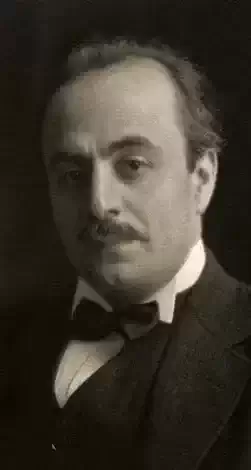
Khalil Gibran
The Beauty of Death XIV
Part One - The Calling
Let me sleep, for my soul is intoxicated with love and
Let me rest, for my spirit has had its bounty of days and nights;
Light the candles and burn the incense around my bed, and
Scatter leaves of jasmine and roses over my body;
Embalm my hair with frankincense and sprinkle my feet with perfume,
And read what the hand of Death has written on my forehead.
Let me rest in the arms of Slumber, for my open eyes are tired;
Let the silver-stringed lyre quiver and soothe my spirit;
Weave from the harp and lute a veil around my withering heart.
Sing of the past as you behold the dawn of hope in my eyes, for
It's magic meaning is a soft bed upon which my heart rests.
Dry your tears, my friends, and raise your heads as the flowers
Raise their crowns to greet the dawn.
Look at the bride of Death standing like a column of light
Between my bed and the infinite;
Hold your breath and listen with me to the beckoning rustle of
Her white wings.
Come close and bid me farewell; touch my eyes with smiling lips.
Let the children grasp my hands with soft and rosy fingers;
Let the ages place their veined hands upon my head and bless me;
Let the virgins come close and see the shadow of God in my eyes,
And hear the echo of His will racing with my breath.
Part Two - The Ascending
I have passed a mountain peak and my soul is soaring in the
Firmament of complete and unbound freedom;
I am far, far away, my companions, and the clouds are
Hiding the hills from my eyes.
The valleys are becoming flooded with an ocean of silence, and the
Hands of oblivion are engulfing the roads and the houses;
The prairies and fields are disappearing behind a white specter
That looks like the spring cloud, yellow as the candlelight
And red as the twilight.
The songs of the waves and the hymns of the streams
Are scattered, and the voices of the throngs reduced to silence;
And I can hear naught but the music of Eternity
In exact harmony with the spirit's desires.
I am cloaked in full whiteness;
I am in comfort; I am in peace.
Part Three - The Remains
Unwrap me from this white linen shroud and clothe me
With leaves of jasmine and lilies;
Take my body from the ivory casket and let it rest
Upon pillows of orange blossoms.
Lament me not, but sing songs of youth and joy;
Shed not tears upon me, but sing of harvest and the winepress;
Utter no sigh of agony, but draw upon my face with your
Finger the symbol of Love and Joy.
Disturb not the air's tranquility with chanting and requiems,
But let your hearts sing with me the song of Eternal Life;
Mourn me not with apparel of black,
But dress in color and rejoice with me;
Talk not of my departure with sighs in your hearts; close
Your eyes and you will see me with you forevermore.
Place me upon clusters of leaves and
Carry my upon your friendly shoulders and
Walk slowly to the deserted forest.
Take me not to the crowded burying ground lest my slumber
Be disrupted by the rattling of bones and skulls.
Carry me to the cypress woods and dig my grave where violets
And poppies grow not in the other's shadow;
Let my grave be deep so that the flood will not
Carry my bones to the open valley;
Let my grace be wide, so that the twilight shadows
Will come and sit by me.
Take from me all earthly raiment and place me deep in my
Mother Earth; and place me with care upon my mother's breast.
Cover me with soft earth, and let each handful be mixed
With seeds of jasmine, lilies and myrtle; and when they
Grow above me, and thrive on my body's element they will
Breathe the fragrance of my heart into space;
And reveal even to the sun the secret of my peace;
And sail with the breeze and comfort the wayfarer.
Leave me then, friends - leave me and depart on mute feet,
As the silence walks in the deserted valley;
Leave me to God and disperse yourselves slowly, as the almond
And apple blossoms disperse under the vibration of Nisan's breeze.
Go back to the joy of your dwellings and you will find there
That which Death cannot remove from you and me.
Leave with place, for what you see here is far away in meaning
From the earthly world. Leave me.
Read more →
505
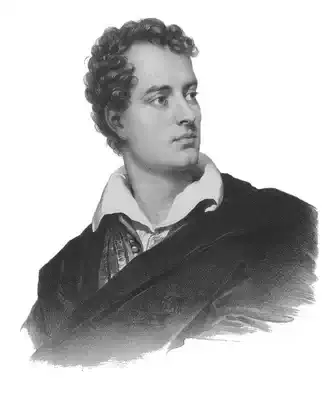
Lord Byron
Epitaph On John Adams, Of Southwell - A Carrier, Who Died Of Drunkenness
JOHN ADAMS lies here, of the parish of Southwell,
A Carrier who carried his can to his mouth well:
He carried so much, and he carried so fast,
He could carry no more‑so was carried at last;
For, the liquor he drank, being too much for one,
He could not carry off,so
he's now carrion.
Read more →
504
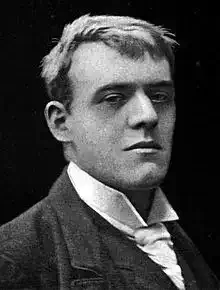
Hilaire Belloc
[Month of] November
November is that historied Emperor,
Conquered in age, but foot to foot with fate,
Who from his refuge high has heard the roar
Of squadrons in pursuit, and now, too late,
Stirrups the storm and calls the winds to war,
And arms the garrison of his last heirloom,
And shakes the sky to its extremest shore
With battle against irrevocable doom.
Till, driven and hurled from his strong citadels,
He flies in hurrying cloud and spurs him on,
Empty of lingerings, empty of farewells
And final benedictions, and is gone.
But in my garden all the trees have shed
Their legacies of the light, and all the flowers are dead.
Read more →
502
Paul Celan
The Triumph Of Achilles
In the story of Patroclus
no one survives, not even Achilles
who was nearly a god.
Patroclus resembled him; they wore
the same armor.
Always in these friendships
one serves the other, one is less than the other:
the hierarchy
is always apparant, though the legends
cannot be trusted-their
source is the survivor,
the one who has been abandoned.
What were the Greek ships on fire
compared to this loss?
In his tent, Achilles
grieved with his whole being
and the gods saw
he was a man already dead, a victim
of the part that loved,
the part that was mortal.
Read more →
505
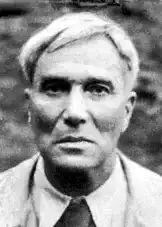
Boris Pasternak
The shiv'ring piano, foaming at the mouth
The shiv'ring piano, foaming at the mouth,
Will wrench you by its ravings, discompose you.
'My darling,' you will murmur. 'No!' I'll shout.
'To music?!' Yet can two be ever closer
Than in the dusk, while tossing vibrant chords
Into the fireplace, like journals, tome by tome?
Oh, understanding wonderful, just nod,
And you will know I do not claim to own
Your soul and body. You may go where'er
You want. To others. Werther has been written
Already. Death these days is in the air.
One opens up one's veins much like a window.
Read more →
501
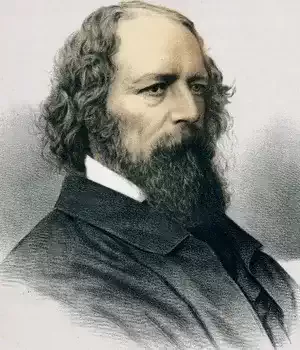
Alfred Lord Tennyson
In Memoriam A. H. H.: 82. I wage not any feud with death
I wage not any feud with Death
For changes wrought on form and face;
No lower life that earth's embrace
May breed with him, can fright my faith.
Eternal process moving on,
From state to state the spirit walks;
And these are but the shatter'd stalks,
Or ruin'd chrysalis of one.
Nor blame I Death, because he bare
The use of virtue out of earth:
I know transplanted human worth
Will bloom to profit, otherwhere.
For this alone on Death I wreak
The wrath that garners in my heart;
He put our lives so far apart
We cannot hear each other speak.
Read more →
503
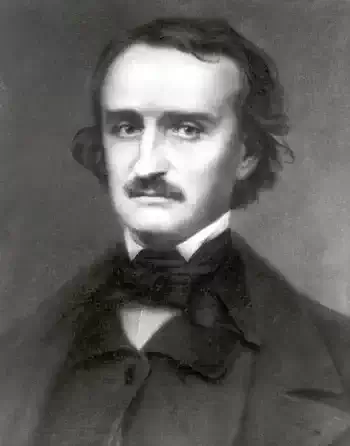
Edgar Allan Poe
The Conqueror Worm
Lo! 'tis a gala night
Within the lonesome latter years!
An angel throng, bewinged, bedight
In veils, and drowned in tears,
Sit in a theatre, to see
A play of hopes and fears,
While the orchestra breathes fitfully
The music of the spheres.
Mimes, in the form of God on high,
Mutter and mumble low,
And hither and thither fly
Mere
puppets they, who come and go
At bidding of vast formless things
That shift the scenery to and fro,
Flapping from out their Condor wings
Invisible Woe!
That motley drama- oh, be sure
It shall not be forgot!
With its Phantom chased for evermore,
By a crowd that seize it not,
Through a circle that ever returneth in
To the self-same spot,
And much of Madness, and more of Sin,
And Horror the soul of the plot.
But see, amid the mimic rout
A crawling shape intrude!
A blood-red thing that writhes from out
The scenic solitude!
It writhes!- it writhes!- with mortal pangs
The mimes become its food,
And seraphs sob at vermin fangs
In human gore imbued.
Out- out are the lights- out all!
And, over each quivering form,
The curtain, a funeral pall,
Comes down with the rush of a storm,
While the angels, all pallid and wan,
Uprising, unveiling, affirm
That the play is the tragedy, 'Man,'
And its hero the Conqueror Worm.
Read more →
498
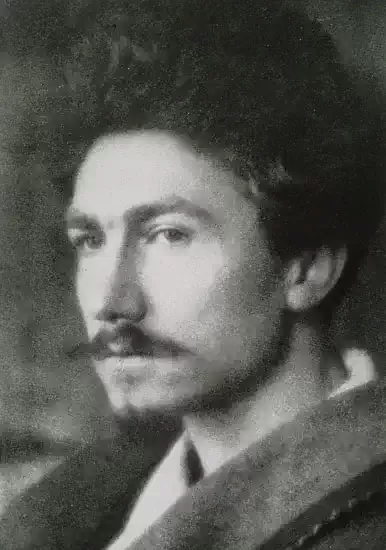
Ezra Pound
Canto I
And then went down to the ship,
Set keel to breakers, forth on the godly sea, and
We set up mast and sail on tha swart ship,
Bore sheep aboard her, and our bodies also
Heavy with weeping, so winds from sternward
Bore us out onward with bellying canvas,
Circe's this craft, the trim-coifed goddess.
Then sat we amidships, wind jamming the tiller,
Thus with stretched sail, we went over sea till day's end.
Sun to his slumber, shadows o'er all the ocean,
Came we then to the bounds of deepest water,
To the Kimmerian lands, and peopled cities
Covered with close-webbed mist, unpierced ever
With glitter of sun-rays
Nor with stars stretched, nor looking back from heaven
Swartest night stretched over wretched men there.
The ocean flowing backward, came we then to the place
Aforesaid by Circe.
Here did they rites, Perimedes and Eurylochus,
And drawing sword from my hip
I dug the ell-square pitkin;
Poured we libations unto each the dead,
First mead and then sweet wine, water mixed with white flour.
Then prayed I many a prayer to the sickly death's-head;
As set in Ithaca, sterile bulls of the best
For sacrifice, heaping the pyre with goods,
A sheep to Tiresias only, black and a bell-sheep.
Dark blood flowed in the fosse,
Souls out of Erebus, cadaverous dead, of brides
Of youths and at the old who had borne much;
Souls stained with recent tears, girls tender,
Men many, mauled with bronze lance heads,
Battle spoil, bearing yet dreory arms,
These many crowded about me; with shouting,
Pallor upon me, cried to my men for more beasts;
Slaughtered the heards, sheep slain of bronze;
Poured ointment, cried to the gods,
To Pluto the strong, and praised Proserpine;
Unsheathed the narrow sword,
I sat to keep off the impetuous impotent dead,
Till I should hear Tiresias.
But first Elpenor came, our friend Elpenor,
Unburied, cast on the wide earth,
Limbs that we left in the house of Circe,
Unwept, unwrapped in sepulchre, since toils urged other.
Pitiful spirit.
And I cried in hurried speech:
"Elpenor, how art thou come to this dark coast?
Cam'st thou afoot, outstripping seamen?"
And he in heavy speech:
"Ill fate and abundant wine. I slept in Circe's ingle.
Going down the long ladder unguarded,
I fell against the buttress,
Shattered the nape-nerve, the soul sought Avernus.
But thou, O King, I bid remember me, unwept, unburied,
Heap up mine arms, be tomb by sea-bord, and inscribed:
A man of no fortune, and with a name to come.
And set my oar up, that I swung mid fellows."
And Anticlea came, whom I beat off, and then Tiresias Theban,
Holding his golden wand, knew me, and spoke first:
"A second time? why? man of ill star,
Facing the sunless dead and this joyless region?
Stand from the fosse, leave me my bloody bever
For soothsay."
And I stepped back,
And he stong with the blood, said then: "Odysseus
Shalt return through spiteful Neptune, over dark seas,
Lose all companions." And then Anticlea came.
Lie quiet Divus. I mean, that is Andreas Divus,
In officina Wecheli, 1538, out of Homer.
And he sailed, by Sirens and thence outward and away
And unto Circe.
Venerandam,
In the Creatan's phrase, with the golden crown, Aphrodite,
Cypri munimenta sortita est, mirthful, orichalchi, with golden
Girdles and breast bands, thou with dark eyelids
Bearing the golden bough of Argicida. So that:
Read more →
497

Emily Dickinson
So proud she was to die
So proud she was to die
It made us all ashamed
That what we cherished, so unknown
To her desire seemed.
So satisfied to go
Where none of us should be,
Immediately, that anguish stooped
Almost to jealousy.
Read more →
499
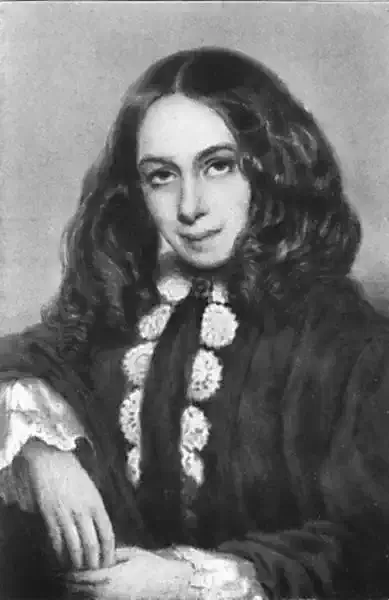
Elizabeth Barrett Browning
De Profundis
I
The face, which, duly as the sun,
Rose up for me with life begun,
To mark all bright hours of the day
With hourly love, is dimmed away—
And yet my days go on, go on.
II
The tongue which, like a stream, could run
Smooth music from the roughest stone,
And every morning with ' Good day'
Make each day good, is hushed away,
And yet my days go on, go on.
III
The heart which, like a staff, was one
For mine to lean and rest upon,
The strongest on the longest day
With steadfast love, is caught away,
And yet my days go on, go on.
IV
And cold before my summer's done,
And deaf in Nature's general tune,
And fallen too low for special fear,
And here, with hope no longer here,
While the tears drop, my days go on.
V
The world goes whispering to its own,
‘This anguish pierces to the bone;’
And tender friends go sighing round,
‘What love can ever cure this wound ?'
My days go on, my days go on.
VI
The past rolls forward on the sun
And makes all night. O dreams begun,
Not to be ended! Ended bliss,
And life that will not end in this!
My days go on, my days go on.
VII
Breath freezes on my lips to moan:
As one alone, once not alone,
I sit and knock at Nature's door,
Heart-bare, heart-hungry, very poor,
Whose desolated days go on.
VIII
I knock and cry, —Undone, undone!
Is there no help, no comfort, —none?
No gleaning in the wide wheat plains
Where others drive their loaded wains?
My vacant days go on, go on.
IX
This Nature, though the snows be down,
Thinks kindly of the bird of June:
The little red hip on the tree
Is ripe for such. What is for me,
Whose days so winterly go on?
X
No bird am I, to sing in June,
And dare not ask an equal boon.
Good nests and berries red are Nature's
To give away to better creatures, —
And yet my days go on, go on.
XI
I ask less kindness to be done, —
Only to loose these pilgrim shoon,
(Too early worn and grimed) with sweet
Cool deadly touch to these tired feet.
Till days go out which now go on.
XII
Only to lift the turf unmown
From off the earth where it has grown,
Some cubit-space, and say ‘Behold,
Creep in, poor Heart, beneath that fold,
Forgetting how the days go on.’
XIII
What harm would that do? Green anon
The sward would quicken, overshone
By skies as blue; and crickets might
Have leave to chirp there day and night
While my new rest went on, went on.
XIV
From gracious Nature have I won
Such liberal bounty? may I run
So, lizard-like, within her side,
And there be safe, who now am tried
By days that painfully go on?
XV
—A Voice reproves me thereupon,
More sweet than Nature's when the drone
Of bees is sweetest, and more deep
Than when the rivers overleap
The shuddering pines, and thunder on.
XVI
God's Voice, not Nature's! Night and noon
He sits upon the great white throne
And listens for the creatures' praise.
What babble we of days and days?
The Day-spring He, whose days go on.
XVII
He reigns above, He reigns alone;
Systems burn out and have his throne;
Fair mists of seraphs melt and fall
Around Him, changeless amid all,
Ancient of Days, whose days go on.
XVIII
He reigns below, He reigns alone,
And, having life in love forgone
Beneath the crown of sovran thorns,
He reigns the Jealous God. Who mourns
Or rules with Him, while days go on?
XIX
By anguish which made pale the sun,
I hear Him charge his saints that none
Among his creatures anywhere
Blaspheme against Him with despair,
However darkly days go on.
XX
Take from my head the thorn-wreath brown!
No mortal grief deserves that crown.
O supreme Love, chief misery,
The sharp regalia are for Thee
Whose days eternally go on!
XXI
For us, —whatever's undergone,
Thou knowest, willest what is done,
Grief may be joy misunderstood;
Only the Good discerns the good.
I trust Thee while my days go on.
XXII
Whatever's lost, it first was won;
We will not struggle nor impugn.
Perhaps the cup was broken here,
That Heaven's new wine might show more clear.
I praise Thee while my days go on.
XXIII
I praise Thee while my days go on;
I love Thee while my days go on:
Through dark and dearth, through fire and frost,
With emptied arms and treasure lost,
I thank Thee while my days go on.
XXIV
And having in thy life-depth thrown
Being and suffering (which are one),
As a child drops his pebble small
Down some deep well, and hears it fall
Smiling—so I. THY DAYS GO ON.
Read more →
494