
Death and Mourning
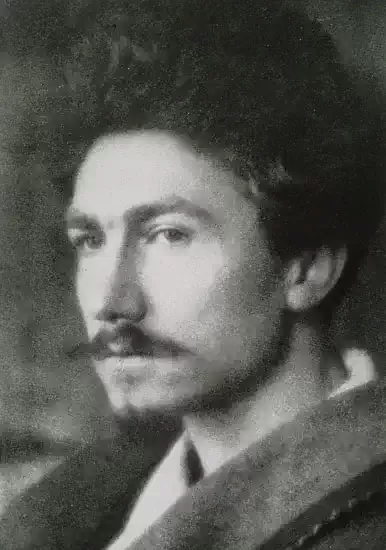
Ezra Pound
For E. McC
Gone while your tastes were keen to you,
Gone where the grey winds call to you,
By that high fencer, even Death,
Struck of the blade that no man parrieth;
Such is your fence, one saith,
One that hath known you.
Drew you your sword most gallantly
Made you your pass most valiantly
'Gainst that grey fencer, even Death.
Gone as a gust of breath
Faith! no man tarrieth,
‘Se il cor ti manca,’ but it failed thee not!
'Non ti fidar,’ it is the sword that speaks
‘In me.’
Thou trusted'st in thyself and met the blade
'Thout mask or gauntlet, and art laid
As memorable broken blades that be
Kept as bold trophies of old pageantry.
As old Toledos past their days of war
Are kept mnemonic of the strokes they bore,
So art thou with us, being good to keep
In our heart's sword-rack, though thy sword-arm sleep.
ENVOI
Struck of the blade that no man parrieth
Pierced of the point that toucheth lastly all,
'Gainst that grey fencer, even Death,
Behold the shield! He shall not take thee all.
Read more →
493
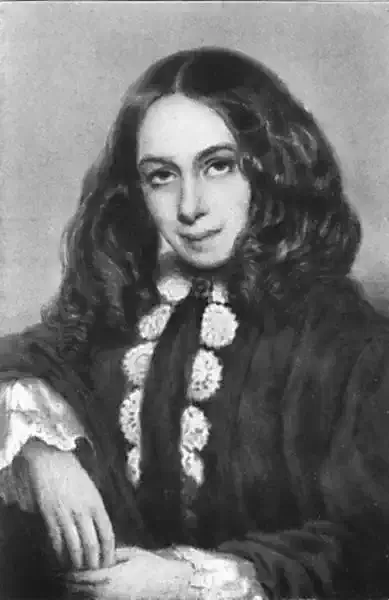
Elizabeth Barrett Browning
De Profundis
I
The face, which, duly as the sun,
Rose up for me with life begun,
To mark all bright hours of the day
With hourly love, is dimmed away—
And yet my days go on, go on.
II
The tongue which, like a stream, could run
Smooth music from the roughest stone,
And every morning with ' Good day'
Make each day good, is hushed away,
And yet my days go on, go on.
III
The heart which, like a staff, was one
For mine to lean and rest upon,
The strongest on the longest day
With steadfast love, is caught away,
And yet my days go on, go on.
IV
And cold before my summer's done,
And deaf in Nature's general tune,
And fallen too low for special fear,
And here, with hope no longer here,
While the tears drop, my days go on.
V
The world goes whispering to its own,
‘This anguish pierces to the bone;’
And tender friends go sighing round,
‘What love can ever cure this wound ?'
My days go on, my days go on.
VI
The past rolls forward on the sun
And makes all night. O dreams begun,
Not to be ended! Ended bliss,
And life that will not end in this!
My days go on, my days go on.
VII
Breath freezes on my lips to moan:
As one alone, once not alone,
I sit and knock at Nature's door,
Heart-bare, heart-hungry, very poor,
Whose desolated days go on.
VIII
I knock and cry, —Undone, undone!
Is there no help, no comfort, —none?
No gleaning in the wide wheat plains
Where others drive their loaded wains?
My vacant days go on, go on.
IX
This Nature, though the snows be down,
Thinks kindly of the bird of June:
The little red hip on the tree
Is ripe for such. What is for me,
Whose days so winterly go on?
X
No bird am I, to sing in June,
And dare not ask an equal boon.
Good nests and berries red are Nature's
To give away to better creatures, —
And yet my days go on, go on.
XI
I ask less kindness to be done, —
Only to loose these pilgrim shoon,
(Too early worn and grimed) with sweet
Cool deadly touch to these tired feet.
Till days go out which now go on.
XII
Only to lift the turf unmown
From off the earth where it has grown,
Some cubit-space, and say ‘Behold,
Creep in, poor Heart, beneath that fold,
Forgetting how the days go on.’
XIII
What harm would that do? Green anon
The sward would quicken, overshone
By skies as blue; and crickets might
Have leave to chirp there day and night
While my new rest went on, went on.
XIV
From gracious Nature have I won
Such liberal bounty? may I run
So, lizard-like, within her side,
And there be safe, who now am tried
By days that painfully go on?
XV
—A Voice reproves me thereupon,
More sweet than Nature's when the drone
Of bees is sweetest, and more deep
Than when the rivers overleap
The shuddering pines, and thunder on.
XVI
God's Voice, not Nature's! Night and noon
He sits upon the great white throne
And listens for the creatures' praise.
What babble we of days and days?
The Day-spring He, whose days go on.
XVII
He reigns above, He reigns alone;
Systems burn out and have his throne;
Fair mists of seraphs melt and fall
Around Him, changeless amid all,
Ancient of Days, whose days go on.
XVIII
He reigns below, He reigns alone,
And, having life in love forgone
Beneath the crown of sovran thorns,
He reigns the Jealous God. Who mourns
Or rules with Him, while days go on?
XIX
By anguish which made pale the sun,
I hear Him charge his saints that none
Among his creatures anywhere
Blaspheme against Him with despair,
However darkly days go on.
XX
Take from my head the thorn-wreath brown!
No mortal grief deserves that crown.
O supreme Love, chief misery,
The sharp regalia are for Thee
Whose days eternally go on!
XXI
For us, —whatever's undergone,
Thou knowest, willest what is done,
Grief may be joy misunderstood;
Only the Good discerns the good.
I trust Thee while my days go on.
XXII
Whatever's lost, it first was won;
We will not struggle nor impugn.
Perhaps the cup was broken here,
That Heaven's new wine might show more clear.
I praise Thee while my days go on.
XXIII
I praise Thee while my days go on;
I love Thee while my days go on:
Through dark and dearth, through fire and frost,
With emptied arms and treasure lost,
I thank Thee while my days go on.
XXIV
And having in thy life-depth thrown
Being and suffering (which are one),
As a child drops his pebble small
Down some deep well, and hears it fall
Smiling—so I. THY DAYS GO ON.
Read more →
494

William Butler Yeats
All Souls' Night
Epilogue to 'A Vision'
MIDNIGHT has come, and the great Christ Church Bell
And may a lesser bell sound through the room;
And it is All Souls' Night,
And two long glasses brimmed with muscatel
Bubble upon the table. A ghost may come;
For it is a ghost's right,
His element is so fine
Being sharpened by his death,
To drink from the wine-breath
While our gross palates drink from the whole wine.
I need some mind that, if the cannon sound
From every quarter of the world, can stay
Wound in mind's pondering
As mummies in the mummy-cloth are wound;
Because I have a marvellous thing to say,
A certain marvellous thing
None but the living mock,
Though not for sober ear;
It may be all that hear
Should laugh and weep an hour upon the clock.
Horton's the first I call. He loved strange thought
And knew that sweet extremity of pride
That's called platonic love,
And that to such a pitch of passion wrought
Nothing could bring him, when his lady died,
Anodyne for his love.
Words were but wasted breath;
One dear hope had he:
The inclemency
Of that or the next winter would be death.
Two thoughts were so mixed up I could not tell
Whether of her or God he thought the most,
But think that his mind's eye,
When upward turned, on one sole image fell;
And that a slight companionable ghost,
Wild with divinity,
Had so lit up the whole
Immense miraculous house
The Bible promised us,
It seemed a gold-fish swimming in a bowl.
On Florence Emery I call the next,
Who finding the first wrinkles on a face
Admired and beautiful,
And knowing that the future would be vexed
With 'minished beauty, multiplied commonplace,
preferred to teach a school
Away from neighbour or friend,
Among dark skins, and there
permit foul years to wear
Hidden from eyesight to the unnoticed end.
Before that end much had she ravelled out
From a discourse in figurative speech
By some learned Indian
On the soul's journey. How it is whirled about,
Wherever the orbit of the moon can reach,
Until it plunge into the sun;
And there, free and yet fast,
Being both Chance and Choice,
Forget its broken toys
And sink into its own delight at last.
And I call up MacGregor from the grave,
For in my first hard springtime we were friends.
Although of late estranged.
I thought him half a lunatic, half knave,
And told him so, but friendship never ends;
And what if mind seem changed,
And it seem changed with the mind,
When thoughts rise up unbid
On generous things that he did
And I grow half contented to be blind!
He had much industry at setting out,
Much boisterous courage, before loneliness
Had driven him crazed;
For meditations upon unknown thought
Make human intercourse grow less and less;
They are neither paid nor praised.
but he d object to the host,
The glass because my glass;
A ghost-lover he was
And may have grown more arrogant being a ghost.
But names are nothing. What matter who it be,
So that his elements have grown so fine
The fume of muscatel
Can give his sharpened palate ecstasy
No living man can drink from the whole wine.
I have mummy truths to tell
Whereat the living mock,
Though not for sober ear,
For maybe all that hear
Should laugh and weep an hour upon the clock.
Such thought -- such thought have I that hold it tight
Till meditation master all its parts,
Nothing can stay my glance
Until that glance run in the world's despite
To where the damned have howled away their hearts,
And where the blessed dance;
Such thought, that in it bound
I need no other thing,
Wound in mind's wandering
As mummies in the mummy-cloth are wound.
Read more →
493
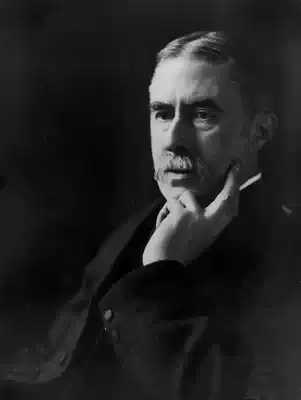
Alfred Edward Housman
On Your Midnight Pallet Lying
On your midnight pallet lying,
Listen, and undo the door:
Lads that waste the light in sighing
In the dark should sigh no more;
Night should ease a lover's sorrow;
Therefore, since I go to-morrow,
Pity me before.
In the land to which I travel,
The far dwelling, let me say--
Once, if here the couch is gravel,
In a kinder bed I lay,
And the breast the darnel smothers
Rested once upon another's
When it was not clay.
Read more →
490
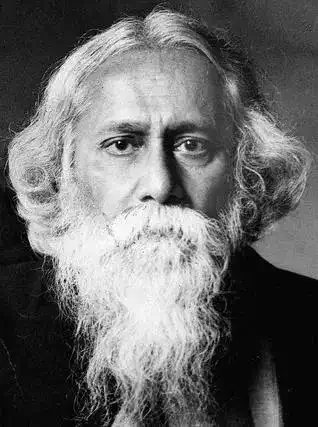
Rabindranath Tagore
The Gardener LXI: Peace, My Heart
Peace, my heart, let the time for
the parting be sweet.
Let it not be a death but completeness.
Let love melt into memory and pain
into songs.
Let the flight through the sky end
in the folding of the wings over the
nest.
Let the last touch of your hands be
gentle like the flower of the night.
Stand still, O Beautiful End, for a
moment, and say your last words in
silence.
I bow to you and hold up my lamp
to light you on your way.
Read more →
489
Alfred Edward Housman
From Far, From Eve and Morning
From far, from eve and morning
And yon twelve-winded sky,
The stuff of life to knit me
Blew hither: here am I.
Now-- for a breath I tarry
Nor yet disperse apart--
Take my hand quick and tell me,
What have you in your heart.
Speak now, and I will answer;
How shall I help you, say;
Ere to the wind's twelve quarters
I take my endless way.
Read more →
491

Phillis Wheatley
On The Death Of Rev. Mr. George Whitefield
HAIL, happy saint, on thine immortal throne,
Possest of glory, life, and bliss unknown;
We hear no more the music of thy tongue,
Thy wonted auditories cease to throng.
Thy sermons in unequall'd accents flow'd,
And ev'ry bosom with devotion glow'd;
Thou didst in strains of eloquence refin'd
Inflame the heart, and captivate the mind.
Unhappy we the setting sun deplore,
So glorious once, but ah! it shines no more.
Behold the prophet in his tow'ring flight!
He leaves the earth for heav'n's unmeasur'd height,
And worlds unknown receive him from our sight.
There Whitefield wings with rapid course his way,
And sails to Zion through vast seas of day.
Thy pray'rs, great saint, and thine incessant cries
Have pierc'd the bosom of thy native skies.
Thou moon hast seen, and all the stars of light,
How he has wrestled with his God by night.
He pray'd that grace in ev'ry heart might dwell,
He long'd to see America excell;
He charg'd its youth that ev'ry grace divine
Should with full lustre in their conduct shine;
That Saviour, which his soul did first receive,
The greatest gift that ev'n a God can give,
He freely offer'd to the num'rous throng,
That on his lips with list'ning pleasure hung.
"Take him, ye wretched, for your only good,
"Take him ye starving sinners, for your food;
"Ye thirsty, come to this life-giving stream,
"Ye preachers, take him for your joyful theme;
"Take him my dear Americans, he said,
"Be your complaints on his kind bosom laid:
"Take him, ye Africans, he longs for you,
"Impartial Saviour is his title due:
"Wash'd in the fountain of redeeming blood,
"You shall be sons, and kings, and priests to God."
Great Countess,* we Americans revere
Thy name, and mingle in thy grief sincere;
New England deeply feels, the Orphans mourn,
Their more than father will no more return.
But, though arrested by the hand of death,
Whitefield no more exerts his lab'ring breath,
Yet let us view him in th' eternal skies,
Let ev'ry heart to this bright vision rise;
While the tomb safe retains its sacred trust,
Till life divine re-animates his dust.
*The Countess of Huntingdon, to whom Mr. Whitefield was
Chaplain.
Read more →
487

Emily Dickinson
The last Night that She lived
The last Night that She lived
It was a Common Night
Except the Dying-this to Us
Made Nature different
We noticed smallest things-
Things overlooked before
By this great light upon our Minds
Italicized-as 'twere.
As We went out and in
Between Her final Room
And Rooms where Those to be alive
Tomorrow were, a Blame
That Others could exist
While She must finish quite
A Jealousy for Her arose
So nearly infinite-
We waited while She passed-
It was a narrow time-
Too jostled were Our Souls to speak
At length the notice came.
She mentioned, and forgot-
Then lightly as a Reed
Bent to the Water, struggled scarce-
Consented, and was dead-
And We-We placed the Hair-
And drew the Head erect-
And then an awful leisure was
Belief to regulate-
Read more →
485
Ezra Pound
Prayer For His Lady’s Life
FROM PROPERTIUS, ELEGIAE, LIB. III, 26
Here let thy clemency, Persephone, hold firm,
Do thou, Pluto, bring here no greater harshness.
So many thousand beauties are gone down to Avernus,
Ye might let one remain above with us.
With you is lope, with you the white-gleaming Tyro,
With you is Europa and the shameless Pasiphae,
And all the fair from Troy and all from Achaia,
From the sundered realms, of Thebes and of aged Priamus;
And all the maidens of Rome, as many as they were,
They died and the greed of your flame consumes them.
Here let thy clemency, Persephone, hold firm.
Do thou, Pluto, bring here no greater harshness.
So many thousandfair are gone down to Avernus,
Ye might let one remain above with us.
Read more →
486
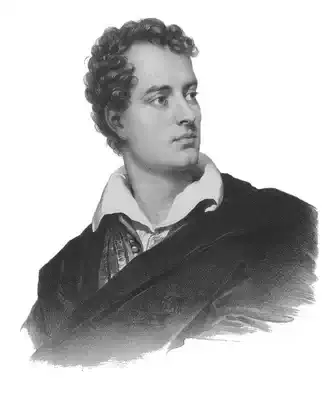
Lord Byron
On The Day Of The Destruction Of Jerusalem By Titus
From the last hill that looks on thy once holy dome,
I beheld thee, oh Sion! when render'd to Rome:
'Twas thy last sun went down, and the flames of thy fall
Flash'd back on the last glance I gave to thy wall.
I look'd for thy temple, I look'd for my home,
And forgot for a moment my bondage to come;
I beheld but the deathfire
that fed on thy fane,
And the fastfetter'd
hands that made vengeance in vain.
Oh many an eve, the high spot whence I gazed
Had reflected the last beam of day as it blazed;
While I stood on the height, and beheld the decline
Of the rays from the mountain that shone on thy shrine.
And now on that mountain I stood on that day,
But I mark'd not the twilight beam melting away;
Oh! would that the lightning had glared in its stead,
And the thunderbolt burst on the conqueror's head!
But the gods of the Pagan shall never profane
The shrine where Jehovah disdain'd not to reign;
And scatter'd and scorn'd as thy people may be,
Our worship, oh Father! is only for thee.
Read more →
486
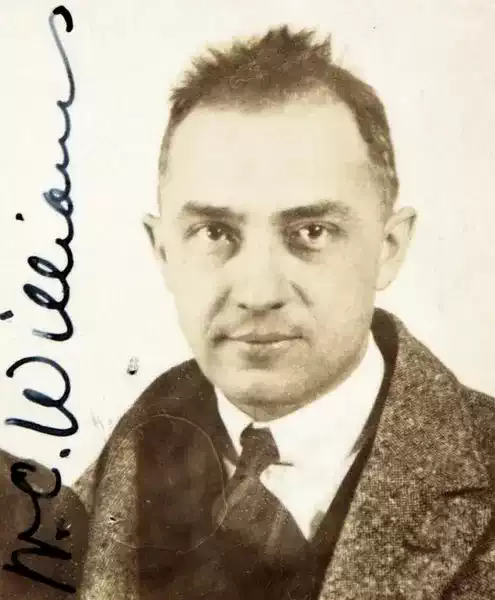
William Carlos Williams
Tract
I will teach you my townspeople
how to perform a funeral
for you have it over a troop
of artistsunless
one should scour the worldyou
have the ground sense necessary.
See! the hearse leads.
I begin with a design for a hearse.
For Christ's sake not blacknor
white either - and not polished!
Let it be whethered - like a farm wagon -
with gilt wheels (this could be
applied fresh at small expense)
or no wheels at all:
a rough dray to drag over the ground.
Knock the glass out!
My God - glass, my townspeople!
For what purpose? Is it for the dead
to look out or for us to see
the flowers or the lack of them -
or what?
To keep the rain and snow from him?
He will have a heavier rain soon:
pebbles and dirt and what not.
Let there be no glass -
and no upholstery, phew!
and no little brass rollers
and small easy wheels on the bottom -
my townspeople, what are you thinking of?
A rough plain hearse then
with gilt wheels and no top at all.
On this the coffin lies
by its own weight.
No wreathes pleaseespecially
no hot house flowers.
Some common memento is better,
something he prized and is known by:
his old clothes - a few books perhaps -
God knows what! You realize
how we are about these things
my townspeople -
something will be found - anything
even flowers if he had come to that.
So much for the hearse.
For heaven's sake though see to the driver!
Take off the silk hat! In fact
that's no place at all for him -
up there unceremoniously
dragging our friend out to his own dignity!
Bring him down - bring him down!
Low and inconspicuous! I'd not have him ride
on the wagon at all - damn him! -
the undertaker's understrapper!
Let him hold the reins
and walk at the side
and inconspicuously too!
Then briefly as to yourselves:
Walk behind - as they do in France,
seventh class, or if you ride
Hell take curtains! Go with some show
of inconvenience; sit openly -
to the weather as to grief.
Or do you think you can shut grief in?
What - from us? We who have perhaps
nothing to lose? Share with us
share with us - it will be money
in your pockets.
Go now
I think you are ready.
Read more →
483
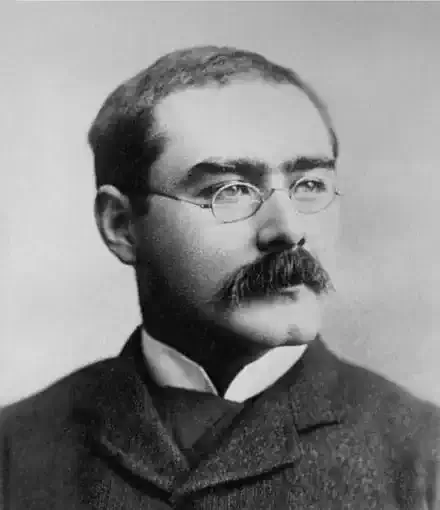
Rudyard Kipling
Three Friends
There were three friends that buried the fourth,
The mould in his mouth and the dust in his eyes,
And they went south and east and north—
The strong man fights but the sick man dies.
There were three friends that spoke of the dead—
The strong man fights but the sick man dies—
"And would he were here with us now," they said,
"The sun in our face and the wind in our eyes."
Read more →
482
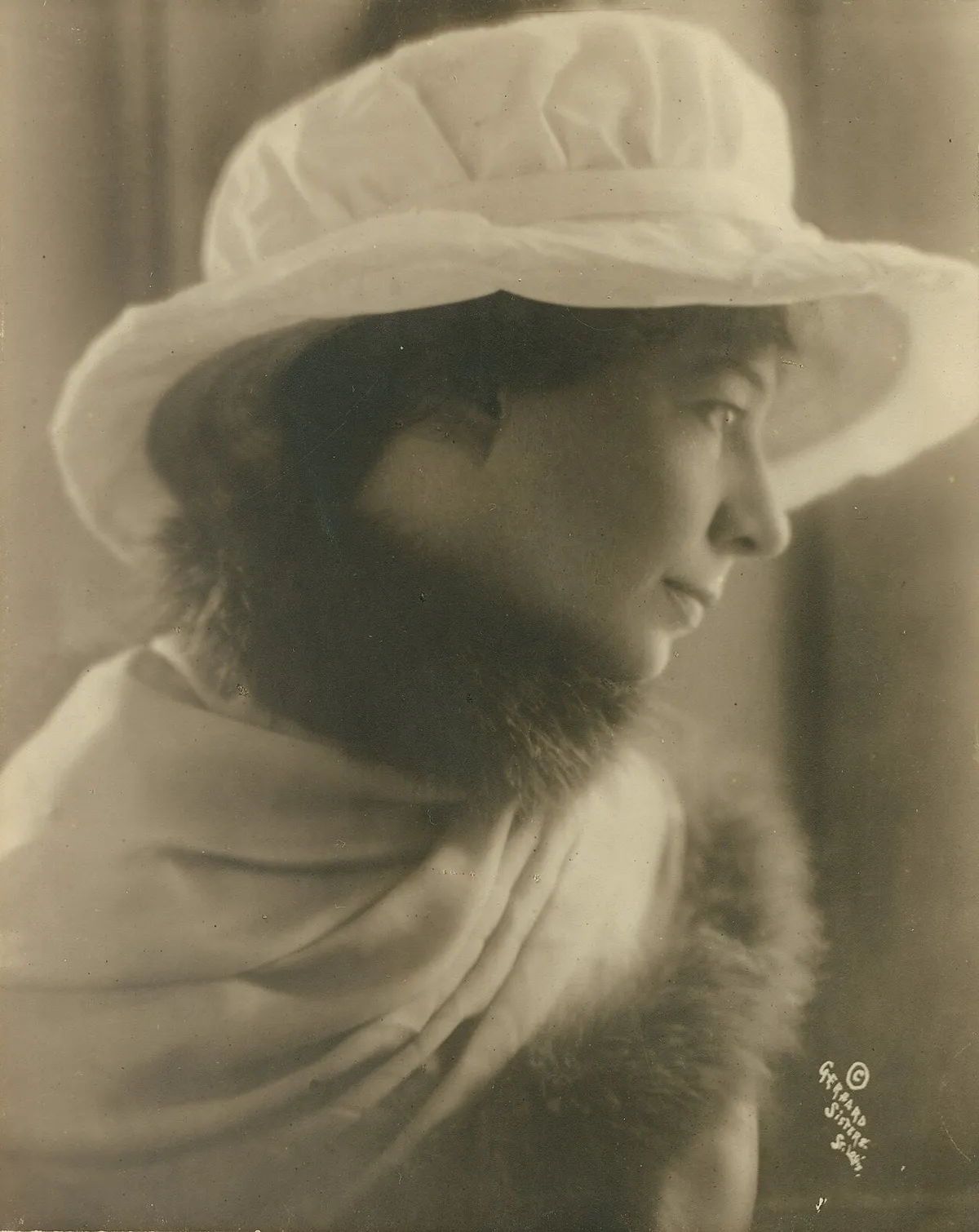
Sara Teasdale
I Shall Not Care
When I am dead and over me bright April
Shakes out her rain-drenched hair,
Though you should lean above me broken-hearted,
I shall not care.
I shall have peace, as leafy trees are peaceful
When rain bends down the bough,
And I shall be more silent and cold-hearted
Than you are now.
Read more →
483
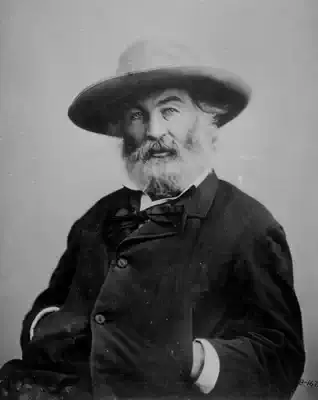
Walt Whitman
A March In The Ranks, Hard-prest
A MARCH in the ranks hard-prest, and the road unknown;
A route through a heavy wood, with muffled steps in the darkness;
Our army foil'd with loss severe, and the sullen remnant retreating;
Till after midnight glimmer upon us, the lights of a dim-lighted
building;
We come to an open space in the woods, and halt by the dim-lighted
building;
'Tis a large old church at the crossing roads--'tis now an impromptu
hospital;
--Entering but for a minute, I see a sight beyond all the pictures
and poems ever made:
Shadows of deepest, deepest black, just lit by moving candles and
lamps,
And by one great pitchy torch, stationary, with wild red flame, and
clouds of smoke;
By these, crowds, groups of forms, vaguely I see, on the floor, some
in the pews laid down;
At my feet more distinctly, a soldier, a mere lad, in danger of
bleeding to death, (he is shot in the abdomen;)
I staunch the blood temporarily, (the youngster's face is white as a
lily;)
Then before I depart I sweep my eyes o'er the scene, fain to absorb
it all;
Faces, varieties, postures beyond description, most in obscurity,
some of them dead;
Surgeons operating, attendants holding lights, the smell of ether,
the odor of blood;
The crowd, O the crowd of the bloody forms of soldiers--the yard
outside also fill'd;
Some on the bare ground, some on planks or stretchers, some in the
death-spasm sweating;
An occasional scream or cry, the doctor's shouted orders or calls;
The glisten of the little steel instruments catching the glint of the
torches;
These I resume as I chant--I see again the forms, I smell the
odor;
Then hear outside the orders given, Fall in, my men, Fall in;
But first I bend to the dying lad--his eyes open--a half-smile gives
he me;
Then the eyes close, calmly close, and I speed forth to the darkness,
Resuming, marching, ever in darkness marching, on in the ranks,
The unknown road still marching.
Read more →
483
Sara Teasdale
If Death Is Kind
Perhaps if Death is kind, and there can be returning,
We will come back to earth some fragrant night,
And take these lanes to find the sea, and bending
Breathe the same honeysuckle, low and white.
We will come down at night to these resounding beaches
And the long gentle thunder of the sea,
Here for a single hour in the wide starlight
We shall be happy, for the dead are free.
Read more →
482
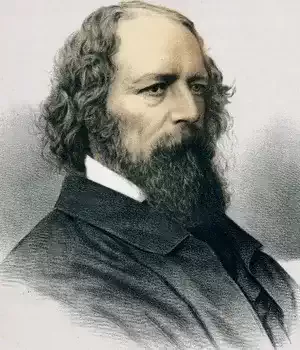
Alfred Lord Tennyson
All Things will Die
All Things will Die
Clearly the blue river chimes in its flowing
Under my eye;
Warmly and broadly the south winds are blowing
Over the sky.
One after another the white clouds are fleeting;
Every heart this May morning in joyance is beating
Full merrily;
Yet all things must die.
The stream will cease to flow;
The wind will cease to blow;
The clouds will cease to fleet;
The heart will cease to beat;
For all things must die.
All things must die.
Spring will come never more.
O, vanity!
Death waits at the door.
See! our friends are all forsaking
The wine and the merrymaking.
We are call’d–we must go.
Laid low, very low,
In the dark we must lie.
The merry glees are still;
The voice of the bird
Shall no more be heard,
Nor the wind on the hill.
O, misery!
Hark! death is calling
While I speak to ye,
The jaw is falling,
The red cheek paling,
The strong limbs failing;
Ice with the warm blood mixing;
The eyeballs fixing.
Nine times goes the passing bell:
Ye merry souls, farewell.
The old earth
Had a birth,
As all men know,
Long ago.
And the old earth must die.
So let the warm winds range,
And the blue wave beat the shore;
For even and morn
Ye will never see
Thro’ eternity.
All things were born.
Ye will come never more,
For all things must die.
Read more →
482
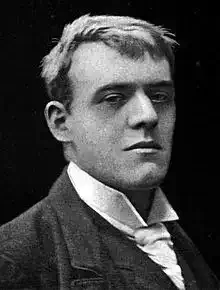
Hilaire Belloc
[Month of] January
It freezes- all across a soundless sky
The birds go home. The governing dark's begun:
The steadfast dark that waits not for a sun;
The ultimate dark wherein the race shall die.
Death, with his evil finger to his lip,
Leers in at human windows, turning spy
To learn the country where his rule shall lie
When he assumes perpetual generalship.
The undefeated enemy, the chill
That shall benumb the voiceful earth at last,
Is master of our moment, and has bound
The viewless wind it-self. There is no sound.
It freezes. Every friendly stream is fast.
It freezes; and the graven twigs are still.
Read more →
483
Alfred Lord Tennyson
In Memoriam A. H. H.: 15. To-night the winds begin to rise
To-night the winds begin to rise
And roar from yonder dropping day:
The last red leaf is whirl'd away,
The rooks are blown about the skies;
The forest crack'd, the waters curl'd,
The cattle huddled on the lea;
And wildly dash'd on tower and tree
The sunbeam strikes along the world:
And but for fancies, which aver
That all thy motions gently pass
Athwart a plane of molten glass,
I scarce could brook the strain and stir
That makes the barren branches loud;
And but for fear it is not so,
The wild unrest that lives in woe
Would dote and pore on yonder cloud
That rises upward always higher,
And onward drags a labouring breast,
And topples round the dreary west,
A looming bastion fringed with fire.
Read more →
482
Alfred Edward Housman
Along The Field as We Came By
ALONG the field as we came by
A year ago, my love and I,
The aspen over stile and stone
Was talking to itself alone.
‘Oh who are these that kiss and pass?
A country lover and his lass;
Two lovers looking to be wed;
And time shall put them both to bed,
But she shall lie with earth above,
And he beside another love.’
And sure enough beneath the tree
There walks another love with me,
And overhead the aspen heaves
Its rainy-sounding silver leaves;
And I spell nothing in their stir,
But now perhaps they speak to her,
And plain for her to understand
They talk about a time at hand
When I shall sleep with clover clad,
And she beside another lad.
Read more →
483
Lord Byron
Bright Be The Place Of Thy Soul!
Bright be the place of thy soul!
No lovelier spirit than thine
E'er burst from its mortal control
In the orbs of the blessed to shine.
On earth thou wert all but divine,
As thy soul shall immortally be;
And our sorrow may cease to repine,
When we know that thy God is with thee.
Light be the turf of thy tomb!
May its verdure like emeralds be:
There should not be the shadow of gloom
In aught that reminds us of thee.
Young flowers and an evergreen tree
May spring from the spot of thy rest:
But nor cypress nor yew let us see;
For why should we mourn for the blest?
Read more →
481
Ezra Pound
Quies
This is another of our ancient loves.
Pass and be silent, Rullus, for the day
Hath lacked a something since this lady passed;
Hath lacked a something. 'Twas but marginal.
Read more →
477
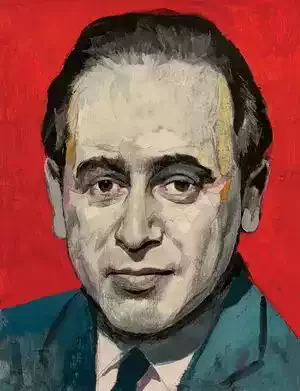
Paul Celan
Death Fugue
Black milk of daybreak we drink it at sundown
we drink it at noon in the morning we drink it at night
we drink it and drink it
we dig a grave in the breezes there one lies unconfined
A man lives in the house he plays with the serpents
he writes
he writes when dusk falls to Germany your golden
hair Margarete
he writes it ans steps out of doors and the stars are
flashing he whistles his pack out
he whistles his Jews out in earth has them dig for a
grave
he commands us strike up for the dance
Black milk of daybreak we drink you at night
we drink you in the morning at noon we drink you at
sundown
we drink and we drink you
A man lives in the house he plays with the serpents
he writes
he writes when dusk falls to Germany your golden hair
Margarete
your ashen hair Sulamith we dig a grave in the breezes
there one lies unconfined
He calls out jab deeper into the earth you lot you
others sing now and play
he grabs at teh iron in his belt he waves it his
eyes are blue
jab deper you lot with your spades you others play
on for the dance
Black milk of daybreak we drink you at night
we drink you at at noon in the morning we drink you
at sundown
we drink and we drink you
a man lives in the house your golden hair Margarete
your ashen hair Sulamith he plays with the serpents
He calls out more sweetly play death death is a master
from Germany
he calls out more darkly now stroke your strings then
as smoke you will rise into air
then a grave you will have in the clouds there one
lies unconfined
Black milk of daybreak we drink you at night
we drink you at noon death is a master from Germany
we drink you at sundown and in the morning we drink
and we drink you
death is a master from Germany his eyes are blue
he strikes you with leaden bullets his aim is true
a man lives in the house your golden hair Margarete
he sets his pack on to us he grants us a grave in
the air
He plays with the serpents and daydreams death is
a master from Germany
your golden hair Margarete
your ashen hair Shulamith
Translated by Michael Hamburger
Anonymous submission.
Read more →
477
Rudyard Kipling
A Ripple Song
Once red ripple came to land
In the golden sunset burning--
Lapped against a maiden's hand,
By the ford returning.
Dainty foot and gentle breast--
Here, across, be glad and rest.
"Maiden, wait," the ripple saith;
"Wait awhile, for I am Death!"
"Where my lover calls I go--
Shame it were to treat him coldly--
'Twas a fish that circled so,
Turning over boldly."
Dainty foot and tender heart,
Wait the loaded ferry-raft.
"Wait, ah, wait!" the ripple saith;
"Maiden, wait, for I am Death!"
"When my lover calls I haste--
Dame Disdain was never wedded!"
Ripple-ripple round her waist,
Clear the current eddied.
Foolish heart and faithful hand,
Little feet that touched no land.
Far away the ripple sped,
Ripple-ripple running red!
Read more →
477

Kazi Nazrul Islam
My Beauty
Dressed as a bridegroom, I know
my beauty shall come from afar,
across distant lands of separation,
after ages together.
There he comes in silence
attired as my dear death,
who would never leave my home.
[Original: Borer beshe ashbe jani; Translation: Mohammad Nurul Huda]
Read more →
474