
Nostalgia

Wilfred Owen
Happiness
Ever again to breathe pure happiness,
So happy that we gave away our toy?
We smiled at nothings, needing no caress?
Have we not laughed too often since with Joy?
Have we not stolen too strange and sorrowful wrongs
For her hands' pardoning? The sun may cleanse,
And time, and starlight. Life will sing great songs,
And gods will show us pleasures more than men's.
Yet heaven looks smaller than the old doll's-home,
No nestling place is left in bluebell bloom,
And the wide arms of trees have lost their scope.
The former happiness is unreturning:
Boys' griefs are not so grievous as our yearning,
Boys have no sadness sadder than our hope.
194
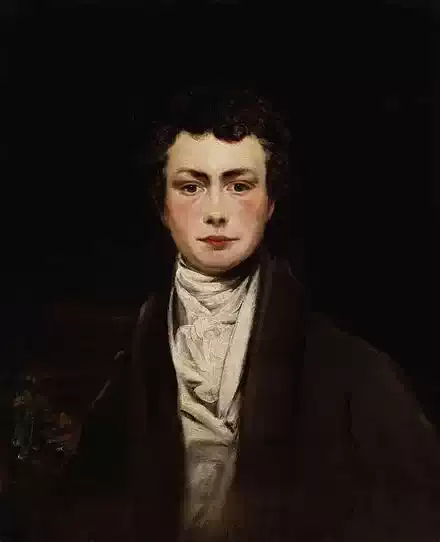
Thomas Moore
How Dear to Me the Hour
How dear to me the hour when daylight dies,
And sunbeams melt along the silent sea,
For then sweet dreams of other days arise,
And memory breathes her vesper sigh to thee.
And, as I watch the line of light, that plays
Along the smooth wave toward the burning west,
I long to tread that golden path of rays,
And think 'twould lead to some bright isle of rest.
189
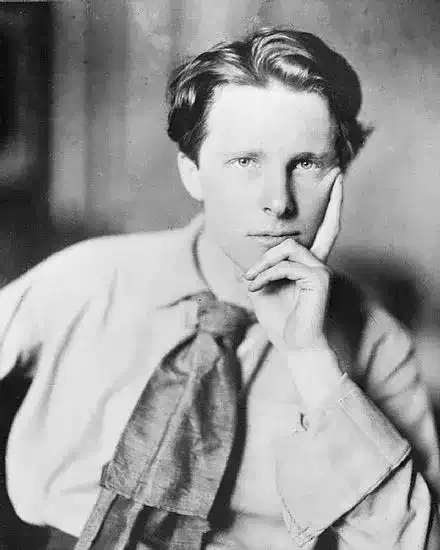
Rupert Brooke
Finding
From the candles and dumb shadows,
And the house where love had died,
I stole to the vast moonlight
And the whispering life outside.
But I found no lips of comfort,
No home in the moon's light
(I, little and lone and frightened
In the unfriendly night),
And no meaning in the voices. . . .
Far over the lands and through
The dark, beyond the ocean,
I willed to think of YOU!
For I knew, had you been with me
I'd have known the words of night,
Found peace of heart, gone gladly
In comfort of that light.
Oh! the wind with soft beguiling
Would have stolen my thought away;
And the night, subtly smiling,
Came by the silver way;
And the moon came down and danced to me,
And her robe was white and flying;
And trees bent their heads to me
Mysteriously crying;
And dead voices wept around me;
And dead soft fingers thrilled;
And the little gods whispered. . . .
But ever
Desperately I willed;
Till all grew soft and far
And silent . . .
And suddenly
I found you white and radiant,
Sleeping quietly,
Far out through the tides of darkness.
And I there in that great light
Was alone no more, nor fearful;
For there, in the homely night,
Was no thought else that mattered,
And nothing else was true,
But the white fire of moonlight,
And a white dream of you.
186
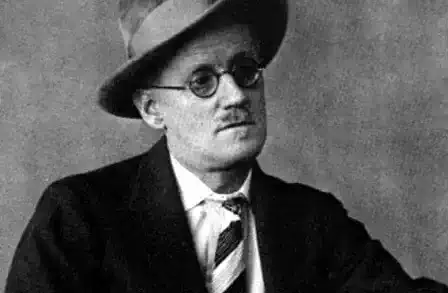
James Joyce
Gentle Lady, Do Not Sing
Gentle lady, do not sing
Sad songs about the end of love;
Lay aside sadness and sing
How love that passes is enough.
Sing about the long deep sleep
Of lovers that are dead, and how
In the grave all love shall sleep:
Love is aweary now.
Sad songs about the end of love;
Lay aside sadness and sing
How love that passes is enough.
Sing about the long deep sleep
Of lovers that are dead, and how
In the grave all love shall sleep:
Love is aweary now.
190

Robert W. Service
Dolls
She said: "I am too old to play
With dolls," and put them all away,
Into a box, one rainy day.
I think she must have felt some pain,
She looked so long into the rain,
Then sighed: "I'll bring you out again;
"For I'll have little children too,
With sunny hair and eyes of blue
And they will play and play with you.
"And now good-bye, my pretty dears;
There in the dark for years and years,
Dream of your little mother's tears."
Eglantine, Pierrot and Marie Claire,
Topsy and Tiny and Teddy Bear,
Side by side in the coffer there.
Time went by; one day she kneeled
By a wooden Cross in Flanders Field,
And wept for the One the earth concealed;
And made a vow she would never wed,
But always be true to the deathless dead,
Until the span of her life be sped.
* *
* * *
* *
More years went on and they made her wise
By sickness and pain and sacrifice,
With greying tresses and tired eyes.
And then one evening of weary rain,
She opened the old oak box again,
And her heart was clutched with an ancient pain
For there in the quiet dark they lay,
Just as they were when she put them away...
O but it seemed like yesterday!
Topsy and Tiny and Teddy Bear,
Eglantine, Pierrot and Marie Claire,
Ever so hopefully waiting there.
But she looked at them through her blinding tears,
And she said: "You've been patient, my pretty dears;
You've waited and waited all these years.
"I've broken a promise I made so true;
But my heart, my darlings, is broken too:
No little Mothers have I for you.
"My hands are withered, my hair is grey;
Yet just for a moment I'll try to play
With you as I did that long dead day...
"Ah no, I cannot. I try in vain . . .
I stare and I stare into the rain . . .
I'll put you back in your box again.
"Bless you, darlings, perhaps one day,
Some little Mother will find you and play,
And once again you'll be glad and gay.
"But when in the friendly dark I lie,
No one will ever love you as I . . . .
My little children . . . good-bye . . . good-bye."
190
Wilfred Owen
Elegy in April and September
Hush, thrush! Hush, missen-thrush, I listen...
I heard the flush of footsteps through the loose leaves,
And a low whistle by the water's brim.
Still! Daffodil! Nay, hail me not so gaily,-
Your gay gold lily daunts me and deceives,
Who follow gleams more golden and more slim.
Look, brook! O run and look, O run!
The vain reeds shook? - Yet search till gray sea heaves,
And I will stray among these fields for him.
Gaze, daisy! Stare through haze and glare,
And mark the hazardous stars all dawns and eves,
For my eye withers, and his star wanes dim.
Close, rose, and droop, heliotrope,
And shudder, hope! The shattering winter blows.
Drop, heliotrope, and close, rose...
Mourn, corn, and sigh, rye.
Men garner you, but youth's head lies forlorn.
Sigh, rye, and mourn, corn...
Brood, wood, and muse, yews,
The ways gods use we have not understood.
Muse, yews, and brood, wood...
188
James Joyce
Love Came to Us
Love came to us in time gone by
When one at twilight shyly played
And one in fear was standing nigh -- -
For Love at first is all afraid.
We were grave lovers. Love is past
That had his sweet hours many a one;
Welcome to us now at the last
The ways that we shall go upon.
When one at twilight shyly played
And one in fear was standing nigh -- -
For Love at first is all afraid.
We were grave lovers. Love is past
That had his sweet hours many a one;
Welcome to us now at the last
The ways that we shall go upon.
191
Wilfred Owen
Winter Song
The browns, the olives, and the yellows died,
And were swept up to heaven; where they glowed
Each dawn and set of sun till Christmastide,
And when the land lay pale for them, pale-snowed,
Fell back, and down the snow-drifts flamed and flowed.
From off your face, into the winds of winter,
The sun-brown and the summer-gold are blowing;
But they shall gleam with spiritual glinter,
When paler beauty on your brows falls snowing,
And through those snows my looks shall be soft-going.
190
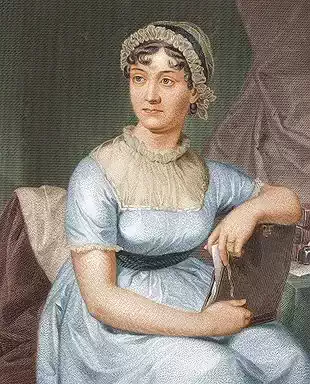
Jane Austen
This Little Bag
This little bag I hope will prove
To be not vainly made--
For, if you should a needle want
It will afford you aid.
And as we are about to part
T'will serve another end,
For when you look upon the Bag
You'll recollect your friend
To be not vainly made--
For, if you should a needle want
It will afford you aid.
And as we are about to part
T'will serve another end,
For when you look upon the Bag
You'll recollect your friend
189
Rupert Brooke
Pine-Trees And The Sky: Evening
I'd watched the sorrow of the evening sky,
And smelt the sea, and earth, and the warm clover,
And heard the waves, and the seagull's mocking cry.
And in them all was only the old cry,
That song they always sing -- "The best is over!
You may remember now, and think, and sigh,
O silly lover!"
And I was tired and sick that all was over,
And because I,
For all my thinking, never could recover
One moment of the good hours that were over.
And I was sorry and sick, and wished to die.
Then from the sad west turning wearily,
I saw the pines against the white north sky,
Very beautiful, and still, and bending over
Their sharp black heads against a quiet sky.
And there was peace in them; and I
Was happy, and forgot to play the lover,
And laughed, and did no longer wish to die;
Being glad of you, O pine-trees and the sky!
184
James Joyce
Now, O Now in This Brown Land
Now, O now, in this brown land
Where Love did so sweet music make
We two shall wander, hand in hand,
Forbearing for old friendship' sake,
Nor grieve because our love was gay
Which now is ended in this way.
A rogue in red and yellow dress
Is knocking, knocking at the tree;
And all around our loneliness
The wind is whistling merrily.
The leaves -- - they do not sigh at all
When the year takes them in the fall.
Now, O now, we hear no more
The vilanelle and roundelay!
Yet will we kiss, sweetheart, before
We take sad leave at close of day.
Grieve not, sweetheart, for anything -- -
The year, the year is gathering.
181

Joyce Kilmer
Dave Lilly
There's a brook on the side of Greylock that used to be full of trout,
But there's nothing there now but minnows; they say it is all fished out.
I fished there many a Summer day some twenty years ago,
And I never quit without getting a mess of a dozen or so.
There was a man, Dave Lilly, who lived on the North Adams road,
And he spent all his time fishing, while his neighbors reaped and sowed.
He was the luckiest fisherman in the Berkshire hills, I think.
And when he didn't go fishing he'd sit in the tavern and drink.
Well, Dave is dead and buried and nobody cares very much;
They have no use in Greylock for drunkards and loafers and such.
But I always liked Dave Lilly, he was pleasant as you could wish;
He was shiftless and good-for-nothing, but he certainly could fish.
The other night I was walking up the hill from Williamstown
And I came to the brook I mentioned,
and I stopped on the bridge and sat down.
I looked at the blackened water with its little flecks of white
And I heard it ripple and whisper in the still of the Summer night.
And after I'd been there a minute it seemed to me I could feel
The presence of someone near me, and I heard the hum of a reel.
And the water was churned and broken, and something was brought to land
By a twist and flirt of a shadowy rod in a deft and shadowy hand.
I scrambled down to the brookside and hunted all about;
There wasn't a sign of a fisherman; there wasn't a sign of a trout.
But I heard somebody chuckle behind the hollow oak
And I got a whiff of tobacco like Lilly used to smoke.
It's fifteen years, they tell me, since anyone fished that brook;
And there's nothing in it but minnows that nibble the bait off your hook.
But before the sun has risen and after the moon has set
I know that it's full of ghostly trout for Lilly's ghost to get.
I guess I'll go to the tavern and get a bottle of rye
And leave it down by the hollow oak, where Lilly's ghost went by.
I meant to go up on the hillside and try to find his grave
And put some flowers on it -- but this will be better for Dave.
180
James Joyce
Watching the Needleboats at San Sabba
I heard their young hearts crying
Loveward above the glancing oar
And heard the prairie grasses sighing:
No more, return no more!
O hearts, O sighing grasses,
Vainly your loveblown bannerets mourn!
No more will the wild wind that passes
Return, no more return.
Loveward above the glancing oar
And heard the prairie grasses sighing:
No more, return no more!
O hearts, O sighing grasses,
Vainly your loveblown bannerets mourn!
No more will the wild wind that passes
Return, no more return.
179

Christina Rossetti
May
I cannot tell you how it was,
But this I know: it came to pass
Upon a bright and sunny day
When May was young; ah, pleasant May!
As yet the poppies were not born
Between the blades of tender corn;
The last egg had not hatched as yet,
Nor any bird foregone its mate.
I cannot tell you what it was,
But this I know: it did but pass.
It passed away with sunny May,
Like all sweet things it passed away,
And left me old, and cold, and gray.
177
Rupert Brooke
Day That I Have Loved
Tenderly, day that I have loved, I close your eyes,
And smooth your quiet brow, and fold your thin dead hands.
The grey veils of the half-light deepen; colour dies.
I bear you, a light burden, to the shrouded sands,
Where lies your waiting boat, by wreaths of the sea's making
Mist-garlanded, with all grey weeds of the water crowned.
There you'll be laid, past fear of sleep or hope of waking;
And over the unmoving sea, without a sound,
Faint hands will row you outward, out beyond our sight,
Us with stretched arms and empty eyes on the far-gleaming
And marble sand. . . .
Beyond the shifting cold twilight,
Further than laughter goes, or tears, further than dreaming,
There'll be no port, no dawn-lit islands! But the drear
Waste darkening, and, at length, flame ultimate on the deep.
Oh, the last fire -- and you, unkissed, unfriended there!
Oh, the lone way's red ending, and we not there to weep!
(We found you pale and quiet, and strangely crowned with flowers,
Lovely and secret as a child. You came with us,
Came happily, hand in hand with the young dancing hours,
High on the downs at dawn!) Void now and tenebrous,
The grey sands curve before me. . . .
From the inland meadows,
Fragrant of June and clover, floats the dark, and fills
The hollow sea's dead face with little creeping shadows,
And the white silence brims the hollow of the hills.
Close in the nest is folded every weary wing,
Hushed all the joyful voices; and we, who held you dear,
Eastward we turn and homeward, alone, remembering . . .
Day that I loved, day that I loved, the Night is here!
172
Robert W. Service
The Logger
In the moonless, misty night, with my little pipe alight,
I am sitting by the camp-fire's fading cheer;
Oh, the dew is falling chill on the dim, deer-haunted hill,
And the breakers in the bay are moaning drear.
The toilful hours are sped, the boys are long abed,
And I alone a weary vigil keep;
In the sightless, sullen sky I can hear the night-hawk cry,
And the frogs in frenzied chorus from the creek.
And somehow the embers' glow brings me back the long ago,
The days of merry laughter and light song;
When I sped the hours away with the gayest of the gay
In the giddy whirl of fashion's festal throng.
Oh, I ran a grilling race and I little recked the pace,
For the lust of youth ran riot in my blood;
But at last I made a stand in this God-forsaken land
Of the pine-tree and the mountain and the flood.
And now I've got to stay, with an overdraft to pay,
For pleasure in the past with future pain;
And I'm not the chap to whine, for if the chance were mine
I know I'd choose the old life once again.
With its woman's eyes a-shine, and its flood of golden wine;
Its fever and its frolic and its fun;
The old life with its din, its laughter and its sin -And
chuck me in the gutter when it's done.
Ah, well! it's past and gone, and the memory is wan,
That conjures up each old familiar face;
And here by fortune hurled, I am dead to all the world,
And I've learned to lose my pride and keep my place.
My ways are hard and rough, and my arms are strong and tough,
And I hew the dizzy pine till darkness falls;
And sometimes I take a dive, just to keep my heart alive,
Among the gay saloons and dancing halls.
In the distant, dinful town just a little drink to drown
The cares that crowd and canker in my brain;
Just a little joy to still set my pulses all a-thrill,
Then back to brutish labour once again.
And things will go on so until one day I shall know
That Death has got me cinched beyond a doubt;
Then I'll crawl away from sight, and morosely in the night
My weary, wasted life will peter out.
Then the boys will gather round, and they'll launch me in the ground,
And pile the stones the timber wolf to foil;
And the moaning pine will wave overhead a nameless grave,
Where the black snake in the sunshine loves to coil.
And they'll leave me there alone, and perhaps with softened tone
Speak of me sometimes in the camp-fire's glow,
As a played-out, broken chum, who has gone to Kingdom Come,
And who went the pace in England long ago.
174

William Ernest Henley
O Gather Me the Rose
O gather me the rose, the rose,
While yet in flower we find it,
For summer smiles, but summer goes,
And winter waits behind it.
For with the dream foregone, foregone,
The deed foreborn forever,
The worm Regret will canker on,
And time will turn him never.
So were it well to love, my love,
And cheat of any laughter
The fate beneath us, and above,
The dark before and after.
The myrtle and the rose, the rose,
The sunshine and the swallow,
The dream that comes, the wish that goes
The memories that follow!
170
Joyce Kilmer
Roofs
(For Amelia Josephine Burr)
The road is wide and the stars are out
and the breath of the night is sweet,
And this is the time when wanderlust should seize upon my feet.
But I'm glad to turn from the open road and the starlight on my face,
And to leave the splendour of out-of-doors for a human dwelling place.
I never have seen a vagabond who really liked to roam
All up and down the streets of the world and not to have a home:
The tramp who slept in your barn last night and left at break of day
Will wander only until he finds another place to stay.
A gypsy-man will sleep in his cart with canvas overhead;
Or else he'll go into his tent when it is time for bed.
He'll sit on the grass and take his ease so long as the sun is high,
But when it is dark he wants a roof to keep away the sky.
If you call a gypsy a vagabond, I think you do him wrong,
For he never goes a-travelling but he takes his home along.
And the only reason a road is good, as every wanderer knows,
Is just because of the homes, the homes, the homes to which it goes.
They say that life is a highway and its milestones are the years,
And now and then there's a toll-gate where you buy your way with tears.
It's a rough road and a steep road and it stretches broad and far,
But at last it leads to a golden Town where golden Houses are.
160
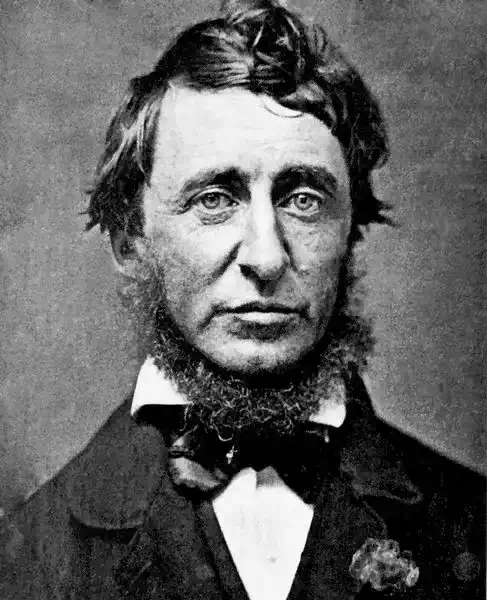
Henry David Thoreau
They Who Prepare My Evening Meal Below
They who prepare my evening meal below
Carelessly hit the kettle as they go
With tongs or shovel,
And ringing round and round,
Out of this hovel
It makes an eastern temple by the sound.
At first I thought a cow bell right at hand
Mid birches sounded o'er the open land,
Where I plucked flowers
Many years ago,
Spending midsummer hours
With such secure delight they hardly seemed to flow.
162

Siegfried Sassoon
The Investiture
GOD with a Roll of Honour in His hand
Sits welcoming the heroes who have died,
While sorrowless angels ranked on either side
Stand easy in Elysium’s meadow-land.
Then you come shyly through the garden gate,
Wearing a blood-soaked bandage on your head;
And God says something kind because you’re dead,
And homesick, discontented with your fate.
If I were there we’d snowball Death with skulls;
Or ride away to hunt in Devil’s Wood
With ghosts of puppies that we walked of old.
But you’re alone; and solitude annuls
Our earthly jokes; and strangely wise and good
You roam forlorn along the streets of gold.
130
Joyce Kilmer
Main Street
(For S.M.L.)
I like to look at the blossomy track of the moon upon the sea,
But it isn't half so fine a sight as Main Street used to be
When it all was covered over with a couple of feet of snow,
And over the crisp and radiant road the ringing sleighs would go.
Now, Main Street bordered with autumn leaves, it was a pleasant thing,
And its gutters were gay with dandelions early in the Spring;
I like to think of it white with frost or dusty in the heat,
Because I think it is humaner than any other street.
A city street that is busy and wide is ground by a thousand wheels,
And a burden of traffic on its breast is all it ever feels:
It is dully conscious of weight and speed and of work that never ends,
But it cannot be human like Main Street, and recognise its friends.
There were only about a hundred teams on Main Street in a day,
And twenty or thirty people, I guess, and some children out to play.
And there wasn't a wagon or buggy, or a man or a girl or a boy
That Main Street didn't remember, and somehow seem to enjoy.
The truck and the motor and trolley car and the elevated train
They make the weary city street reverberate with pain:
But there is yet an echo left deep down within my heart
Of the music the Main Street cobblestones made beneath a butcher's cart.
God be thanked for the Milky Way that runs across the sky,
That's the path that my feet would tread whenever I have to die.
Some folks call it a Silver Sword, and some a Pearly Crown,
But the only thing I think it is, is Main Street, Heaventown.
136
Siegfried Sassoon
An Old French Poet
When in your sober mood my body have ye laid
In sight and sound of things beloved, woodland and stream,
And the green turf has hidden the poor bones ye deem
No more a close companion with those rhymes we made;
Then, if some bird should pipe, or breezes stir the glade,
Thinking them for the while my voice, so let them seem
A fading message from the misty shores of dream,
Or wheresoever, following Death, my feet have strayed.
136
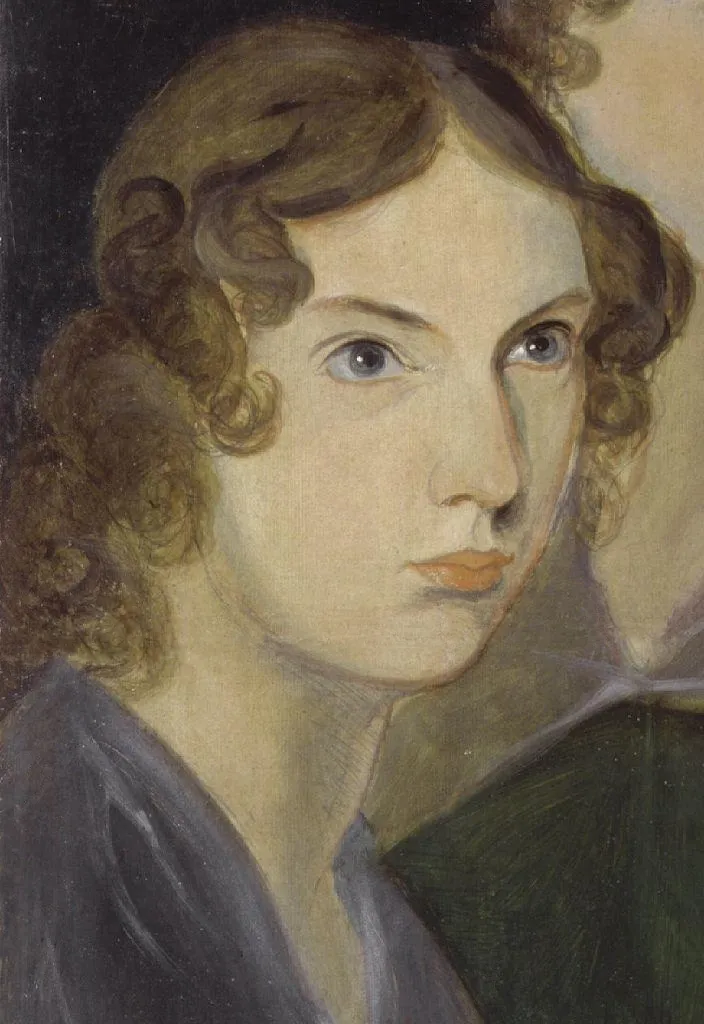
Anne Brontë
Memory
Brightly the sun of summer shone,
Green fields and waving woods upon,
And soft winds wandered by;
Above, a sky of purest blue,
Around, bright flowers of loveliest hue,
Allured the gazer's eye.
But what were all these charms to me,
When one sweet breath of memory
Came gently wafting by?
I closed my eyes against the day,
And called my willing soul away,
From earth, and air, and sky;
That I might simply fancy there
One little flower a
primrose fair,
Just opening into sight;
As in the days of infancy,
An opening primrose seemed to me
A source of strange delight.
Sweet Memory! ever smile on me;
Nature's chief beauties spring from thee,
Oh, still thy tribute bring!
Still make the golden crocus shine
Among the flowers the most divine,
The glory of the spring.
Still in the wallflower's
fragrance dwell;
And hover round the slight blue bell,
My childhood's darling flower.
Smile on the little daisy still,
The buttercup's bright goblet fill
With all thy former power.
For ever hang thy dreamy spell
Round mountain star and heather bell,
And do not pass away
From sparkling frost, or wreathed snow,
And whisper when the wild winds blow,
Or rippling waters play.
Is childhood, then, so all divine?
Or Memory, is the glory thine,
That haloes thus the past?
Not all divine; its pangs of grief,
(Although, perchance, their stay be brief,)
Are bitter while they last.
Nor is the glory all thine own,
For on our earliest joys alone
That holy light is cast.
With such a ray, no spell of thine
Can make our later pleasures shine,
Though long ago they passed.
Acton
120
Anne Brontë
The Parting
The chestnut steed stood by the gate
His noble master's will to wait,
The woody park so green and bright
Was glowing in the morning light,
The young leaves of the aspen trees
Were dancing in the morning breeze.
The palace door was open wide,
Its lord was standing there,
And his sweet lady by his side
With soft dark eyes and raven hair.
He smiling took her wary hand
And said, 'No longer here I stand;
My charger shakes his flowing mane
And calls me with impatient neigh.
Adieu then till we meet again,
Sweet love, I must no longer stay.'
2
'You must not go so soon,' she said,
'I will not say farewell.
The sun has not dispelled the shade
In yonder dewy dell;
Dark shadows of gigantic length
Are sleeping on the lawn;
And scarcely have the birds begun
To hail the summer morn;
Then stay with me a little while,'
She said with soft and sunny smile.
3
He smiled again and did not speak,
But lightly kissed her rosy cheek,
And fondly clasped her in his arms,
Then vaulted on his steed.
And down the park's smooth winding road
He urged its flying speed.
Still by the door his lady stood
And watched his rapid flight,
Until he came to a distant wood
That hid him from her sight.
But ere he vanished from her view
He waved to her a last adieu,
Then onward hastily he steered
And in the forest disappeared.
4
The lady smiled a pensive smile
And heaved a gently sigh,
But her cheek was all unblanched the while
And tearless was her eye.
'A thousand lovely flowers,' she said,
'Are smiling on the plain.
And ere one half of them are dead,
My lord will come again.
The leaves are waving fresh and green
On every stately tree,
And long before they die away
He will return to me!' Alas!
Fair lady, say not so;
Thou canst not tell the weight of woe
That lies in store for thee.
5
Those flowers will fade, those leaves will fall,
Winter will darken yonder hall;
Sweet spring will smile o'er hill and plain
And trees and flowers will bloom again,
And years will still keep rolling on,
But thy beloved lord is gone.
His absence thou shalt deeply mourn,
And never smile on his return.
121