
Nostalgia

Walt Whitman
As I Ebb'd With the Ocean of Life
As I ebb'd with the ocean of life,
As I wended the shores I know,
As I walk'd where the ripples continually wash you Paumanok,
Where they rustle up hoarse and sibilant,
Where the fierce old mother endlessly cries for her castaways,
I musing late in the autumn day, gazing off southward,
Held by this electric self out of the pride of which I utter poems,
Was seiz'd by the spirit that trails in the lines underfoot,
The rim, the sediment that stands for all the water and all the
land of the globe.
Fascinated, my eyes reverting from the south, dropt, to follow
those slender windrows,
Chaff, straw, splinters of wood, weeds, and the sea-gluten,
Scum, scales from shining rocks, leaves of salt-lettuce, left by the
tide,
Miles walking, the sound of breaking waves the other side of me,
Paumanok there and then as I thought the old thought of likenesses,
These you presented to me you fish-shaped island,
As I wended the shores I know,
As I walk'd with that electric self seeking types.
2
As I wend to the shores I know not,
As I list to the dirge, the voices of men and women wreck'd,
As I inhale the impalpable breezes that set in upon me,
As the ocean so mysterious rolls toward me closer and closer,
I too but signify at the utmost a little wash'd-up drift,
A few sands and dead leaves to gather,
Gather, and merge myself as part of the sands and drift.
O baffled, balk'd, bent to the very earth,
Oppress'd with myself that I have dared to open my mouth,
Aware now that amid all that blab whose echoes recoil upon me I
have not once had the least idea who or what I am,
But that before all my arrogant poems the real Me stands yet
untouch'd, untold, altogether unreach'd,
Withdrawn far, mocking me with mock-congratulatory signs and
bows,
With peals of distant ironical laughter at every word I have written,
Pointing in silence to these songs, and then to the sand beneath.
I perceive I have not really understood any thing, not a single
object, and that no man ever can,
Nature here in sight of the sea taking advantage of me to dart
upon me and sting me,
Because I have dared to open my mouth to sing at all.
3
You oceans both, I close with you,
We murmur alike reproachfully rolling sands and drift, knowing
not why,
These little shreds indeed standing for you and me and all.
You friable shore with trails of debris,
You fish-shaped island, I take what is underfoot,
What is yours is mine my father.
I too Paumanok,
I too have bubbled up, floated the measureless float, and been
wash'd on your shores,
I too am but a trail of drift and debris,
I too leave little wrecks upon you, you fish-shaped island.
I throw myself upon your breast my father,
I cling to you so that you cannot unloose me,
I hold you so firm till you answer me something.
Kiss me my father,
Touch me with your lips as I touch those I love,
Breathe to me while I hold you close the secret of the murmuring
I envy.
4
Ebb, ocean of life, (the flow will return,)
Cease not your moaning you fierce old mother,
Endlessly cry for your castaways, but fear not, deny not me,
Rustle not up so hoarse and angry against my feet as I touch you
or gather from you.
I mean tenderly by you and all,
I gather for myself and for this phantom looking down where we
lead, and following me and mine.
Me and mine, loose windrows, little corpses,
Froth, snowy white, and bubbles,
(See, from my dead lips the ooze exuding at last,
See, the prismatic colors glistening and rolling,)
Tufts of straw, sands, fragments,
Buoy'd hither from many moods, one contradicting another,
From the storm, the long calm, the darkness, the swell,
Musing, pondering, a breath, a briny tear, a dab of liquid or soil,
Up just as much out of fathomless workings fermented and thrown,
A limp blossom or two, torn, just as much over waves floating,
drifted at random,
Just as much for us that sobbing dirge of Nature,
Just as much whence we come that blare of the cloud-trumpets,
We, capricious, brought hither we know not whence, spread out
before you,
You up there walking or sitting,
Whoever you are, we too lie in drifts at your feet.
As I wended the shores I know,
As I walk'd where the ripples continually wash you Paumanok,
Where they rustle up hoarse and sibilant,
Where the fierce old mother endlessly cries for her castaways,
I musing late in the autumn day, gazing off southward,
Held by this electric self out of the pride of which I utter poems,
Was seiz'd by the spirit that trails in the lines underfoot,
The rim, the sediment that stands for all the water and all the
land of the globe.
Fascinated, my eyes reverting from the south, dropt, to follow
those slender windrows,
Chaff, straw, splinters of wood, weeds, and the sea-gluten,
Scum, scales from shining rocks, leaves of salt-lettuce, left by the
tide,
Miles walking, the sound of breaking waves the other side of me,
Paumanok there and then as I thought the old thought of likenesses,
These you presented to me you fish-shaped island,
As I wended the shores I know,
As I walk'd with that electric self seeking types.
2
As I wend to the shores I know not,
As I list to the dirge, the voices of men and women wreck'd,
As I inhale the impalpable breezes that set in upon me,
As the ocean so mysterious rolls toward me closer and closer,
I too but signify at the utmost a little wash'd-up drift,
A few sands and dead leaves to gather,
Gather, and merge myself as part of the sands and drift.
O baffled, balk'd, bent to the very earth,
Oppress'd with myself that I have dared to open my mouth,
Aware now that amid all that blab whose echoes recoil upon me I
have not once had the least idea who or what I am,
But that before all my arrogant poems the real Me stands yet
untouch'd, untold, altogether unreach'd,
Withdrawn far, mocking me with mock-congratulatory signs and
bows,
With peals of distant ironical laughter at every word I have written,
Pointing in silence to these songs, and then to the sand beneath.
I perceive I have not really understood any thing, not a single
object, and that no man ever can,
Nature here in sight of the sea taking advantage of me to dart
upon me and sting me,
Because I have dared to open my mouth to sing at all.
3
You oceans both, I close with you,
We murmur alike reproachfully rolling sands and drift, knowing
not why,
These little shreds indeed standing for you and me and all.
You friable shore with trails of debris,
You fish-shaped island, I take what is underfoot,
What is yours is mine my father.
I too Paumanok,
I too have bubbled up, floated the measureless float, and been
wash'd on your shores,
I too am but a trail of drift and debris,
I too leave little wrecks upon you, you fish-shaped island.
I throw myself upon your breast my father,
I cling to you so that you cannot unloose me,
I hold you so firm till you answer me something.
Kiss me my father,
Touch me with your lips as I touch those I love,
Breathe to me while I hold you close the secret of the murmuring
I envy.
4
Ebb, ocean of life, (the flow will return,)
Cease not your moaning you fierce old mother,
Endlessly cry for your castaways, but fear not, deny not me,
Rustle not up so hoarse and angry against my feet as I touch you
or gather from you.
I mean tenderly by you and all,
I gather for myself and for this phantom looking down where we
lead, and following me and mine.
Me and mine, loose windrows, little corpses,
Froth, snowy white, and bubbles,
(See, from my dead lips the ooze exuding at last,
See, the prismatic colors glistening and rolling,)
Tufts of straw, sands, fragments,
Buoy'd hither from many moods, one contradicting another,
From the storm, the long calm, the darkness, the swell,
Musing, pondering, a breath, a briny tear, a dab of liquid or soil,
Up just as much out of fathomless workings fermented and thrown,
A limp blossom or two, torn, just as much over waves floating,
drifted at random,
Just as much for us that sobbing dirge of Nature,
Just as much whence we come that blare of the cloud-trumpets,
We, capricious, brought hither we know not whence, spread out
before you,
You up there walking or sitting,
Whoever you are, we too lie in drifts at your feet.
480
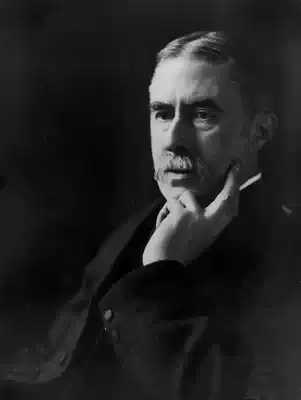
Alfred Edward Housman
Westward on the High-Hilled Plains
Westward on the high-hilled plains
Where for me the world began,
Still, I think, in newer veins
Frets the changeless blood of man.
Now that other lads than I
Strip to bathe on Severn shore,
They, no help, for all they try,
Tread the mill I trod before.
There, when hueless is the west
And the darkness hushes wide,
Where the lad lies down to rest
Stands the troubled dream beside.
There, on thoughts that once were mine,
Day looks down the eastern steep,
And the youth at morning shine
Makes the vow he will not keep.
478
Boris Pasternak
Out of Superstition
A box of glazed sour fruit compact,
My narrow room.
And oh the grime of lodging rooms
This side the tomb!
This cubbyhole, out of superstition,
I chose once more.
The walls seem dappled oaks; the door,
A singing door.
You strove to leave; my hand was steady
Upon the latch.
My forelock touched a wondrous forehead;
My lips felt violets.
O Sweet! Your dress as on a day
Not long ago
To April, like a snowdrop, chirps
A gay 'Hello!'
No vestal-you, I know: You came
With a chair today,
Took down my life as from a shelf,
And blew the dust away.
474

Ezra Pound
Quies
This is another of our ancient loves.
Pass and be silent, Rullus, for the day
Hath lacked a something since this lady passed;
Hath lacked a something. 'Twas but marginal.
Pass and be silent, Rullus, for the day
Hath lacked a something since this lady passed;
Hath lacked a something. 'Twas but marginal.
476

John Clare
The Gipsy's Camp
How oft on Sundays, when I'd time to tramp,
My rambles led me to a gipsy's camp,
Where the real effigy of midnight hags,
With tawny smoked flesh and tattered rags,
Uncouth-brimmed hat, and weather-beaten cloak,
Neath the wild shelter of a knotty oak,
Along the greensward uniformly pricks
Her pliant bending hazel's arching sticks:
While round-topt bush, or briar-entangled hedge,
Where flag-leaves spring beneath, or ramping sedge,
Keeps off the bothering bustle of the wind,
And give the best retreat she hopes to find.
How oft I've bent me oer her fire and smoke,
To hear her gibberish tale so quaintly spoke,
While the old Sybil forged her boding clack,
Twin imps the meanwhile bawling at her back;
Oft on my hand her magic coin's been struck,
And hoping chink, she talked of morts of luck:
And still, as boyish hopes did first agree,
Mingled with fears to drop the fortune's fee,
I never failed to gain the honours sought,
And Squire and Lord were purchased with a groat.
But as man's unbelieving taste came round,
She furious stampt her shoeless foot aground,
Wiped bye her soot-black hair with clenching fist,
While through her yellow teeth the spittle hist,
Swearing by all her lucky powers of fate,
Which like as footboys on her actions wait,
That fortune's scale should to my sorrow turn,
And I one day the rash neglect should mourn;
That good to bad should change, and I should be
Lost to this world and all eternity;
That poor as Job I should remain unblest:-(
Alas, for fourpence how my die is cast!)
Of not a hoarded farthing be possesst,
And when all's done, be shoved to hell at last!
473
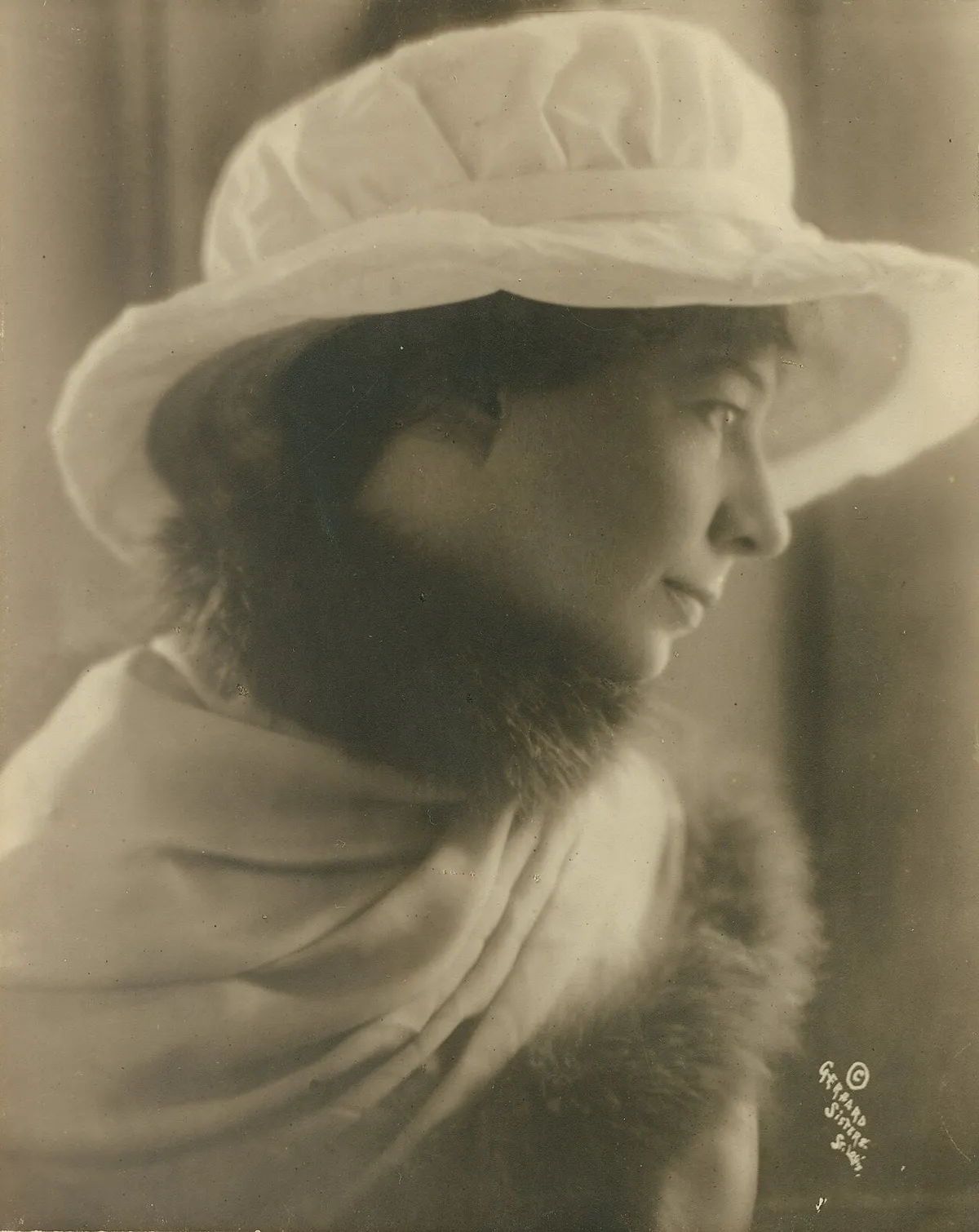
Sara Teasdale
Old Tunes
As the waves of perfume, heliotrope, rose,
Float in the garden when no wind blows,
Come to us, go from us, whence no one knows;
So the old tunes float in my mind,
And go from me leaving no trace behind,
Like fragrance borne on the hush of the wind.
But in the instant the airs remain
I know the laughter and the pain
Of times that will not come again.
I try to catch at many a tune
Like petals of light fallen from the moon,
Broken and bright on a dark lagoon,
But they float away -- for who can hold
Youth, or perfume or the moon's gold?
474

Rudyard Kipling
Blue Roses
Roses red and roses white
Plucked I for my love's delight.
She would none of all my posies--
Bade me gather her blue roses.
Half the world I wandered through,
Seeking where such flowers grew.
Half the world unto my quest
Answered me with laugh and jest.
Home I came at wintertide,
But my silly love had died
Seeking with her latest breath
Roses from the arms of Death.
It may be beyond the grave
She shall find what she would have.
Mine was but an idle quest--
Roses white and red are best!
476
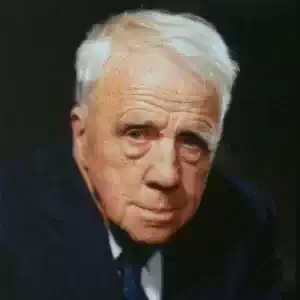
Robert Frost
Asking for Roses
A house that lacks, seemingly, mistress and master,
With doors that none but the wind ever closes,
Its floor all littered with glass and with plaster;
It stands in a garden of old-fashioned roses.
I pass by that way in the gloaming with Mary;
'I wonder,' I say, 'who the owner of those is.'
'Oh, no one you know,' she answers me airy,
'But one we must ask if we want any roses.'
So we must join hands in the dew coming coldly
There in the hush of the wood that reposes,
And turn and go up to the open door boldly,
And knock to the echoes as beggars for roses.
'Pray, are you within there, Mistress Who-were-you?'
'Tis Mary that speaks and our errand discloses.
'Pray, are you within there? Bestir you, bestir you!
'Tis summer again; there's two come for roses.
'A word with you, that of the singer recalling--
Old Herrick: a saying that every maid knows is
A flower unplucked is but left to the falling,
And nothing is gained by not gathering roses.'
We do not loosen our hands' intertwining
(Not caring so very much what she supposes),
There when she comes on us mistily shining
And grants us by silence the boon of her roses.
476
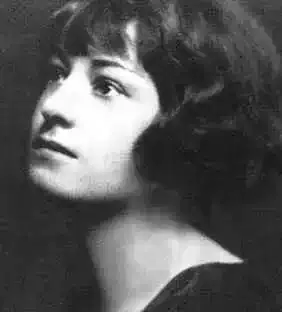
Dorothy Parker
Hearthside
Half across the world from me
Lie the lands I'll never see-
I, whose longing lives and dies
Where a ship has sailed away;
I, that never close my eyes
But to look upon Cathay.
Things I may not know nor tell
Wait, where older waters swell;
Ways that flowered at Sappho's tread,
Winds that sighed in Homer's strings,
Vibrant with the singing dead,
Golden with the dust of wings.
Under deeper skies than mine,
Quiet valleys dip and shine.
Where their tender grasses heal
Ancient scars of trench and tomb
I shall never walk: nor kneel
Where the bones of poets bloom.
If I seek a lovelier part,
Where I travel goes my heart;
Where I stray my thought must go;
With me wanders my desire.
Best to sit and watch the snow,
Turn the lock, and poke the fire.
475

Lord Byron
To The Earl Of Clare
'Tu semper amoris
Sisd memor, etcari comitis ne abscedat imago' — Val Flac
Friend of my youth! when young we roved,
Like striplings mutually beloved,
With friendship's purest glow,
The bliss which wing'd those rosy hours
Was such as pleasure seldom showers
On mortals here below.
The recollectlon seems alone
Dearer than all the joys I've known,
When distant far from you:
Though pain, 'tis still a pleasing pain,
To trace those days and hours again,
And sigh again, adieu!
My pensive memory lingers o'er
Those scenes to be enjoy'd no more,
Those scenes regretted ever
The measure of our youth is full,
Life's evening dream is dark and dull,
And we rnay meet ah!
never!
As when one parent spring supplies
Two strearns which from one fountain rise
Together join'd in 'vain;
How soon' diverging from their source,
Each murmuring, seeks another course,
Till mingled in the main!
Our vital streams of weal or woe,
Though near, alas! distinctly flow,
Nor mingle as before:
Now swift or slow, now black or clear,
Till death's unfathom'd gulf appear,
And both shall quit the shore.
Our souls, my friend! which once supplied
One wish, nor breathed a thought beside,
Now flow in different channels:
Disdaining humbler rural sports,
'Tis yours to mix in polish'd courts,
And shine in fashion's annals
;'Tis mine to waste on love my time,
Or vent my reveries in rhyme,
Without the aid of reason;
For sense and reason (critics know it)
Have quitted every amorous poet,
Nor left a thought to seize on.
Poor LITTLE! sweet, melodlous bard!
Of late esteem'd it monstrous hard
That he, who sang before all,
He
who the lore of love expanded,
By
dire reviewers should be branded
As void of wit and moral.
And yet, while Beauty's praise is thine,
Harmonious favourite of the nine,
Repine not at thy lot.
Thy soothing lays may still be read,
When Persecution's arm is dead,
And critics are forgot.
Still I must yield those worthies merit,
Who chasten, with unsparing spirit,
Bad rhymes, and those who write them;
And though myself may be the next
By criticism to be vext,
I really will not fight them.
Perhaps they wouid do quite as well
To break the rudely sounding shell
Of such a young beginner:
He who offends at pert nineteen,
Ere thirty may become, I ween,
A very harden'd sinner.
Now, Clare, I must return to you;
And, sure, apologies are due:
Accept, then, my concession
In truth dear Clare, in fancy's flight
I soar along from left to right;
My muse admires digression
I think I said 'twould he your fate
To add one star to royal state;
May
regal smiles attend you!
And should a noble monarch reign,
You will not seek his smiles in vain,
If worth can recommend you.
Yet since in danger courts abound,
Where specious rivals glitter round,
From snares may saints preserve you;
And grant your love or friendship ne'er
From any claim a kindred care,
But those who best deserve you!
Not for a moment may you stray
From truth's secure, unerring way!
May no delights decoy!
O'er roses may your footsteps move,
Your smiles be ever smiles of love,
Your tears be tears of joy!
Oh! if you wish that happiness
Your coming days and years may bless,
And virtues crown your brow;
Be still as you were wont to be,
Spotless as you've been known to me,
Be
still as you are now.
And though some trifling share of praise,
To cheer my last declining days,
To me were doubly dear;
Whilst blessing your beloved name
I'd waive at once a poet's fame,
To prove a prophet here.
476
Rudyard Kipling
In Springtime
My garden blazes brightly with the rose-bush and the peach,
And the koil sings above it, in the siris by the well,
From the creeper-covered trellis comes the squirrel's chattering speech,
And the blue jay screams and flutters where the cheery sat-bhai dwell.
But the rose has lost its fragrance, and the koil's note is strange;
I am sick of endless sunshine, sick of blossom-burdened bough.
Give me back the leafless woodlands where the winds of Springtime range --
Give me back one day in England, for it's Spring in England now!
Through the pines the gusts are booming, o'er the brown fields blowing chill,
From the furrow of the ploughshare streams the fragrance of the loam,
And the hawk nests on the cliffside and the jackdaw in the hill,
And my heart is back in England 'mid the sights and sounds of Home.
But the garland of the sacrifice this wealth of rose and peach is,
Ah! koil, little koil, singing on the siris bough,
In my ears the knell of exile your ceaseless bell like speech is --
Can you tell me aught of England or of Spring in England now?
471
Alfred Edward Housman
Loitering with a Vacant Eye
Loitering with a vacant eye
Along the Grecian gallery,
And brooding on my heavy ill,
I met a statue standing still.
Still in marble stone stood he,
And stedfastly he looked at me.
"Well met," I thought the look would say,
"We both were fashioned far away;
We neither knew, when we were young,
These Londoners we live among."
Still he stood and eyed me hard,
An earnest and a grave regard:
"What, lad, drooping with your lot?
I too would be where I am not.
I too survey that endless line
Of men whose thoughts are not as mine.
Years, ere you stood up from rest,
On my neck the collar prest;
Years, when you lay down your ill,
I shall stand and bear it still.
Courage, lad, 'tis not for long:
Stand, quit you like stone, be strong."
So I thought his look would say;
And light on me my trouble lay,
And I stept out in flesh and bone
Manful like the man of stone.
472

William Butler Yeats
In Memory Of Alfred Pollexfen
FIVE-AND-TWENTY years have gone
Since old William pollexfen
Laid his strong bones down in death
By his wife Elizabeth
In the grey stone tomb he made.
And after twenty years they laid
In that tomb by him and her
His son George, the astrologer;
And Masons drove from miles away
To scatter the Acacia spray
Upon a melancholy man
Who had ended where his breath began.
Many a son and daughter lies
Far from the customary skies,
The Mall and Eades's grammar school,
In London or in Liverpool;
But where is laid the sailor John
That so many lands had known,
Quiet lands or unquiet seas
Where the Indians trade or Japanese?
He never found his rest ashore,
Moping for one voyage more.
Where have they laid the sailor John?
And yesterday the youngest son,
A humorous, unambitious man,
Was buried near the astrologer,
Yesterday in the tenth year
Since he who had been contented long.
A nobody in a great throng,
Decided he would journey home,
Now that his fiftieth year had come,
And 'Mr. Alfred' be again
Upon the lips of common men
Who carried in their memory
His childhood and his family.
At all these death-beds women heard
A visionary white sea-bird
Lamenting that a man should die;
And with that cry I have raised my cry.
466

William Wordsworth
The Two April Mornings
We walked along, while bright and red
Uprose the morning sun;
And Matthew stopped, he looked, and said
`The will of God be done!'
A village schoolmaster was he,
With hair of glittering grey;
As blithe a man as you could see
On a spring holiday.
And on that morning, through the grass
And by the steaming rills
We travelled merrily, to pass
A day among the hills.
`Our work,' said I, `was well begun;
Then, from thy breast what thought,
Beneath so beautiful a sun,
So sad a sigh has brought?'
A second time did Matthew stop;
And fixing still his eye
Upon the eastern mountain-top,
To me he made reply:
`Yon cloud with that long purple cleft
Brings fresh into my mind
A day like this, which I have left
Full thirty years behind.
`And just above yon slope of corn
Such colours, and no other,
Were in the sky, that April morn,
Of this the very brother.
`With rod and line I sued the sport
Which that sweet season gave,
And, to the churchyard come, stopped short
Beside my daughter's grave.
`Nine summers had she scarcely seen,
The pride of all the vale;
And then she sang: -she would have been
A very nightingale.
`Six feet in earth my Emma lay;
And yet I loved her more -
For so it seemed, -than till that day
I e'er had loved before.
`And turning from her grave, I met
Beside the churchyard yew
A blooming girl, whose hair was wet
With points of morning dew.
`A basket on her head she bare;
Her brow was smooth and white:
To see a child so very fair,
It was a pure delight!
`No fountain from its rocky cave
E'er tripped with foot so free;
She seemed as happy as a wave
That dances on the sea.
`There came from me a sigh of pain
Which I could ill confine;
I looked at her, and looked again:
And did not wish her mine!'
- Matthew is in his grave, yet now
Methinks I see him stand
As that moment, with a bough
Of wilding in his hand.
470
Rudyard Kipling
The Virginity
Try as he will, no man breaks wholly loose
From his first love, no matter who she be.
Oh, was there ever sailor free to choose,
That didn't settle somewhere near the sea?
Myself, it don't excite me nor amuse
To watch a pack o' shipping on the sea;
But I can understand my neighbour's views
From certain things which have occured to me.
Men must keep touch with things they used to use
To earn their living, even when they are free;
And so come back upon the least excuse --
Same as the sailor settled near the sea.
He knows he's never going on no cruise --
He knows he's done and finished with the sea;
And yet he likes to feel she's there to use --
If he should ask her -- as she used to be.
Even though she cost him all he had to lose,
Even though she made him sick to hear or see,
Still, what she left of him will mostly choose
Her skirts to sit by. How comes such to be?
Parsons in pulpits, tax-payers in pews,
Kings on your thrones, you know as well as me,
We've only one virginity to lose,
And where we lost it there our hearts will be!
467

Ella Wheeler Wilcox
Lost
You left me with the autumn time;
When the winter stripped the forest bare,
Then dressed it in his spotless rime;
When frosts were lurking in the air
You left me here and went away.
The winds were cold; you could not stay.
You sought a warmer clime, until
The south wind, artful maid, should break
The winter's trumpets, and should fill
The air with songs of birds; and wake
The sleeping blossoms on the plain
And make the brooks to flow again.
I thought that the winter desolate,
And all times felt a sense of loss.
I taught my longing heart to wait,
And said, 'When Spring shall come across
The hills, with blossoms in her track,
The she, our loved one, will come back.'
And now the hills with grass and moss
The spring with cunning hands has spread,
And yet I feel my grievous loss.
My heart will not be comforted,
But crieth daily, 'Where is she
You promised should come back to me? '
Oh, love! where are you? day by day
I seek to find you, but in vain.
Men point me to a grave, and say:
'There is her bed upon the plain.'
But though I see no trace of you,
I cannot thiink their words are true.
You were too sweet to wholly pass
Away from earth, and leave no trace;
You were to fair to let the grass
Grow rank and tall above your face.
Your voice, that mocked the robin's trill,
I cannot think is hushed and still.
I thought I saw your golden hair
One day, and reached to touch a strand;
I found but yellow sunbeams there
The bright rays fell aslant my hand,
And seemed to mock, with lights and shades,
The silken meshes of your braids.
Again, I thought I saw your hand
Wave, as if beckoning to me;
I found 'twas but a lily, fanned
By the cool zephyrs from the sea.
Oh, love! I find no trace of you -
I wonder if their words were true?
One day I heard a singing voice;
A burst of music, trill on trill.
It made my very soul rejoice;
My heart gave and exultant thrill.
I cried, 'Oh heart, we've found her - hush! '
But no - 'twas the silver-throated thrush.
And once I thought I saw your face,
And wild with joy I ran to you;
But found, when I had reached the place,
'Twas a blush rose, bathed in dew.
Ah, love! I think you must be dead;
And I believe the words they said.
462
John Clare
The Sailor-Boy
Tis three years and a quarter since I left my own fireside
To go aboard a ship through love, and plough the ocean wide.
I crossed my native fields, where the scarlet poppies grew,
And the groundlark left his nest like a neighbour which I knew.
The pigeons from the dove cote cooed over the old lane,
The crow flocks from the oakwood went flopping oer the grain;
Like lots of dear old neighbours whom I shall see no more
They greeted me that morning I left the English shore.
The sun was just a-rising above the heath of furze,
And the shadows grow to giants; that bright ball never stirs:
There the shepherds lay with their dogs by their side,
And they started up and barked as my shadow they espied.
A maid of early morning twirled her mop upon the moor;
I wished her my farewell before she closed the door.
My friends I left behind me for other places new,
Crows and pigeons all were strangers as oer my head they flew.
Trees and bushes were all strangers, the hedges and the lanes,
The steeples and the houses and broad untrodden plains.
I passed the pretty milkmaid with her red and rosy face;
I knew not where I met her, I was strange to the place.
At last I saw the ocean, a pleasing sight to me:
I stood upon the shore of a mighty glorious sea.
The waves in easy motion went rolling on their way,
English colours were a-flying where the British squadron lay.
I left my honest parents, the church clock and the village;
I left the lads and lasses, the labour and the tillage;
To plough the briny ocean, which soon became my joy--
I sat and sang among the shrouds, a lonely sailor-boy.
463
John Clare
Decay
O Poesy is on the wane,
For Fancy's visions all unfitting;
I hardly know her face again,
Nature herself seems on the flitting.
The fields grow old and common things,
The grass, the sky, the winds a-blowing;
And spots, where still a beauty clings,
Are sighing 'going! all a-going!'
O Poesy is on the wane,
I hardly know her face again.
The bank with brambles overspread,
And little molehills round about it,
Was more to me than laurel shades,
With paths of gravel finely clouted;
And streaking here and streaking there,
Through shaven grass and many a border,
With rutty lanes had no compare,
And heaths were in a richer order.
But Poesy is on the wane,
I hardly know her face again.
I sat beside the pasture stream,
When Beauty's self was sitting by,
The fields did more than Eden seem
Nor could I tell the reason why.
I often drank when not adry
To pledge her health in draughts divine;
Smiles made it nectar from the sky,
Love turned een water into wine.
O Poesy is on the wane,
I cannot find her face again.
The sun those mornings used to find,
Its clouds were other-country mountains,
And heaven looked downward on the mind,
Like groves, and rocks, and mottled fountains.
Those heavens are gone, the mountains grey
Turned mist--the sun, a homeless ranger,
Pursues alone his naked way,
Unnoticed like a very stranger.
O Poesy is on the wane,
Nor love nor joy is mine again.
Love's sun went down without a frown,
For very joy it used to grieve us;
I often think the West is gone,
Ah, cruel Time, to undeceive us.
The stream it is a common stream,
Where we on Sundays used to ramble,
The sky hangs oer a broken dream,
The bramble's dwindled to a bramble!
O Poesy is on the wane,
I cannot find her haunts again.
Mere withered stalks and fading trees,
And pastures spread with hills and rushes,
Are all my fading vision sees;
Gone, gone are rapture's flooding gushes!
When mushrooms they were fairy bowers,
Their marble pillars overswelling,
And Danger paused to pluck the flowers
That in their swarthy rings were dwelling.
Yes, Poesy is on the wane,
Nor joy nor fear is mine again.
Aye, Poesy hath passed away,
And Fancy's visions undeceive us;
The night hath ta'en the place of day,
And why should passing shadows grieve us?
I thought the flowers upon the hills
Were flowers from Adam's open gardens;
But I have had my summer thrills,
And I have had my heart's rewardings.
So Poesy is on the wane,
I hardly know her face again.
And Friendship it hath burned away,
Like to a very ember cooling,
A make-believe on April day
That sent the simple heart a-fooling;
Mere jesting in an earnest way,
Deceiving on and still deceiving;
And Hope is but a fancy-play,
And Joy the art of true believing;
For Poesy is on the wane,
O could I feel her faith again!
461
Ella Wheeler Wilcox
Isaura
Dost thou not tire, Isaura, of this play?
'What play?' Why, this old play of winning hearts!
Nay, now, lift not thine eyes in that feigned way:
'Tis all in vain—I know thee and thine arts.
Let us be frank, Isaura. I have made
A study of thee; and while I admire
The practised skill with which thy plans are laid,
I can but wonder if thou dost not tire.
Why, I tire even of Hamlet and Macbeth!
When overlong the season runs, I find
Those master-scenes of passion, blood, and death,
After a time do pall upon my mind.
Dost thou not tire of lifting up thine eyes
To read the story thou hast read so oft—
Of ardent glances and deep quivering sighs,
Of haughty faces suddenly grown soft?
Is it not stale, oh, very stale, to thee,
The scene that follows? Hearts are much the same;
The loves of men but vary in degree—
They find no new expressions for the flame.
Thou must know all they utter ere they speak,
As I know Hamlet's part, whoever plays.
Oh, does it not seem sometimes poor and weak?
I think thou must grow weary of their ways.
I pity thee, Isaura! I would be
The humblest maiden with her dream untold
Rather than live a Queen of Hearts, like thee,
And find life's rarest treasures stale and old.
I pity thee; for now, let come what may,
Fame, glory, riches, yet life will lack all.
Wherewith can salt be salted? And what way
Can life be seasoned after love doth pall?
461

Edna St. Vincent Millay
The Spring And The Fall
In the spring of the year, in the spring of the year,
I walked the road beside my dear.
The trees were black where the bark was wet.
I see them yet, in the spring of the year.
He broke me a bough of the blossoming peach
That was out of the way and hard to reach.
In the fall of the year, in the fall of the year,
I walked the road beside my dear.
The rooks went up with a raucous trill.
I hear them still, in the fall of the year.
He laughed at all I dared to praise,
And broke my heart, in little ways.
Year be springing or year be falling,
The bark will drip and the birds be calling.
There's much that's fine to see and hear
In the spring of a year, in the fall of a year.
'Tis not love's going hurt my days.
But that it went in little ways.
I walked the road beside my dear.
The trees were black where the bark was wet.
I see them yet, in the spring of the year.
He broke me a bough of the blossoming peach
That was out of the way and hard to reach.
In the fall of the year, in the fall of the year,
I walked the road beside my dear.
The rooks went up with a raucous trill.
I hear them still, in the fall of the year.
He laughed at all I dared to praise,
And broke my heart, in little ways.
Year be springing or year be falling,
The bark will drip and the birds be calling.
There's much that's fine to see and hear
In the spring of a year, in the fall of a year.
'Tis not love's going hurt my days.
But that it went in little ways.
460
Dorothy Parker
Epitaph for a Darling Lady
All her hours were yellow sands,
Blown in foolish whorls and tassels;
Slipping warmly through her hands;
Patted into little castles.
Shiny day on shiny day
Tumble in a rainbow clutter,
As she flipped them all away,
Sent them spinning down the gutter.
Leave for her a red young rose,
Go your way, and save your pity;
She is happy, for she knows
That her dust is very pretty.
458
William Butler Yeats
The White Birds
I WOULD that we were, my beloved, white birds on the foam of the sea!
We tire of the flame of the meteor, before it can fade and flee;
And the flame of the blue star of twilight, hung low on the rim of the sky,
Has awaked in our hearts, my beloved, a sadness that may not die.
A weariness comes from those dreamers, dew-dabbled, the lily and rose;
Ah, dream not of them, my beloved, the flame of the meteor that goes,
Or the flame of the blue star that lingers hung low in the fall of the dew:
For I would we were changed to white birds on the wandering foam: I and you!
I am haunted by numberless islands, and many a Danaan shore,
Where Time would surely forget us, and Sorrow come near us no more;
Soon far from the rose and the lily and fret of the flames would we be,
Were we only white birds, my beloved, buoyed out on the foam of the sea!
457
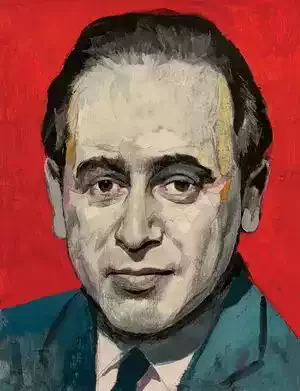
Paul Celan
Ice, Eden
There is a Land that’s Lost,
Moon waxes in its Reeds,
and all that’s turned to frost
with us, burns there and sees.
It sees, for it has Eyes,
Earths they are, and bright.
Night, Night, Alkalis.
It sees, this Child of Sight.
It sees, it sees, we see,
I see you, you too see.
Ice will rise again before
This Hour shall cease to be.
456
Ella Wheeler Wilcox
Only A Sad Mistake
Only a blunder-a sad mistake;
All my own fault and mine alone.
The saddest error a heart can make;
I was so young, or I would have known.
Only his rare, sweet, tender smile;
Only a lingering touch of his hand.
I think I was dreaming all the while,
The reason I did not understand.
Yet, somewhere, I've read men woo this way;
That eyes speak, sometimes, before the tongue.
And I was sure he would speak some day;
Pardon the folly-I was so young.
Was I, say-for now I am old!
So old, it seems like a hundred years
Since I felt my heart growing hard and cold
With a pain too bitter and deep for tears.
I saw him lean over the stranger's chair,
With a warm, new light in his beautiful eyes;
And I woke from my dreaming, then and there,
And went out of my self-made Paradise.
He never loved me-I know, I see!
Such sad, sad blunders as young hearts make.
She did not win him away from me,
For he was not mine. It was my mistake.
A woman should wait for a man to speak
Before she dreams of his love, I own;
But I was a girl-girls' hearts are weak;
And the pain, like the fault, is mine alone.
458